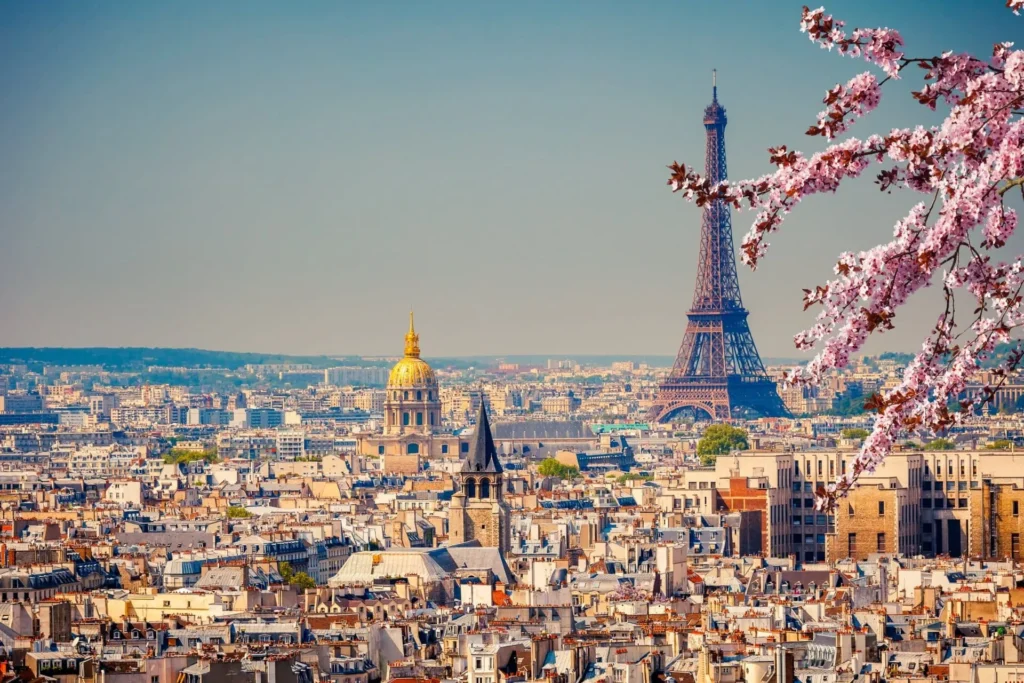
South Africa — Where Reinvention, Art and Urban Luxury Meet
The City of Gold, After Dark
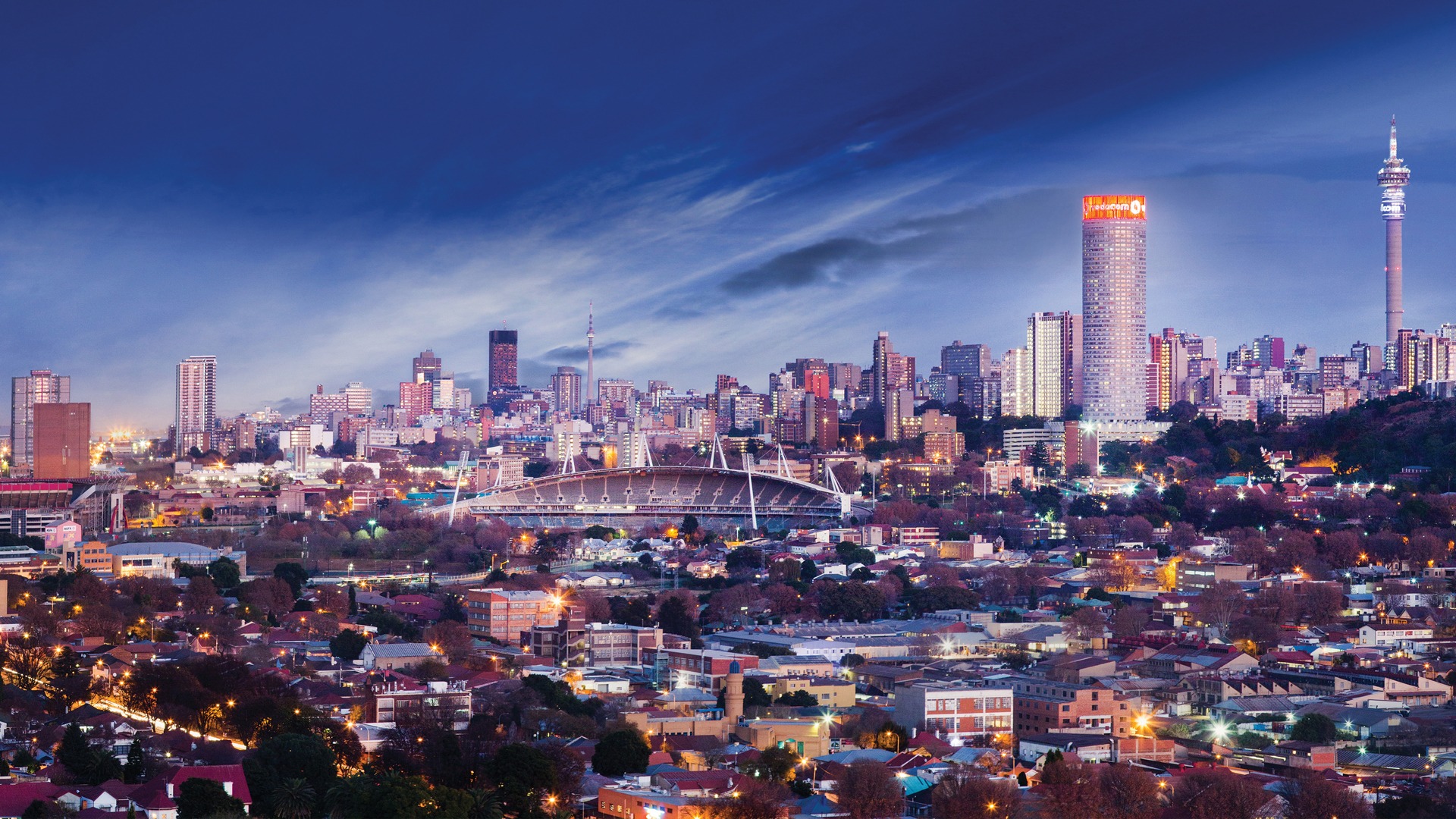
Johannesburg reveals itself in layers. From the air, the city appears as a vast sweep of glass towers, red earth, green canopy and distant gold-lit highways. On the ground, its rhythm is more intimate: jacaranda-lined streets, galleries tucked behind unassuming façades, cafés alive with conversation, and neighbourhoods whose character changes from one turn to the next. This is not a city that asks to be understood at a glance. It rewards the traveller who gives it time.
Known as the City of Gold, Johannesburg grew around the discovery of gold on the Witwatersrand in the late nineteenth century. Its wealth, ambition and divisions shaped the modern city—and its story remains visible in the streets, museums, architecture and communities that define it today. Yet Johannesburg is not confined to its past. It is a place of restless creativity, ambitious restaurants, contemporary African design and a cultural confidence that feels unmistakably its own.
For the luxury traveller, the appeal lies in contrast. A morning may begin among the city’s most consequential historic sites; an afternoon can unfold through independent galleries and design-led districts; evening may lead to a carefully composed tasting menu or a terrace above the illuminated skyline. Johannesburg is not a conventional city break. It is an encounter with a place continually remaking itself.
Constitution Hill: A Past That Still Speaks
Begin at Constitution Hill, where the architecture carries the weight of the stories held within it. The precinct includes the Old Fort Prison Complex, the Women’s Jail and Number Four, places where people were imprisoned under colonial and apartheid systems. Today, these spaces sit alongside South Africa’s Constitutional Court, creating a powerful juxtaposition between the machinery of past injustice and the democratic ideals the country continues to defend.
This is not a site to rush through for photographs. A guided visit gives context to the buildings and to the people whose lives passed through them, while the court’s presence makes the experience feel connected to the present rather than sealed in history. Allow time to listen, read and reflect. Johannesburg’s energy becomes more legible when its difficult chapters are met honestly.
The visit also offers a natural starting point for exploring Braamfontein, a district associated with student life, creative businesses and a younger urban pulse. The contrast is part of the experience: history is not cordoned off from contemporary life here; it exists within the same living city.
Maboneng and the Creative Pulse
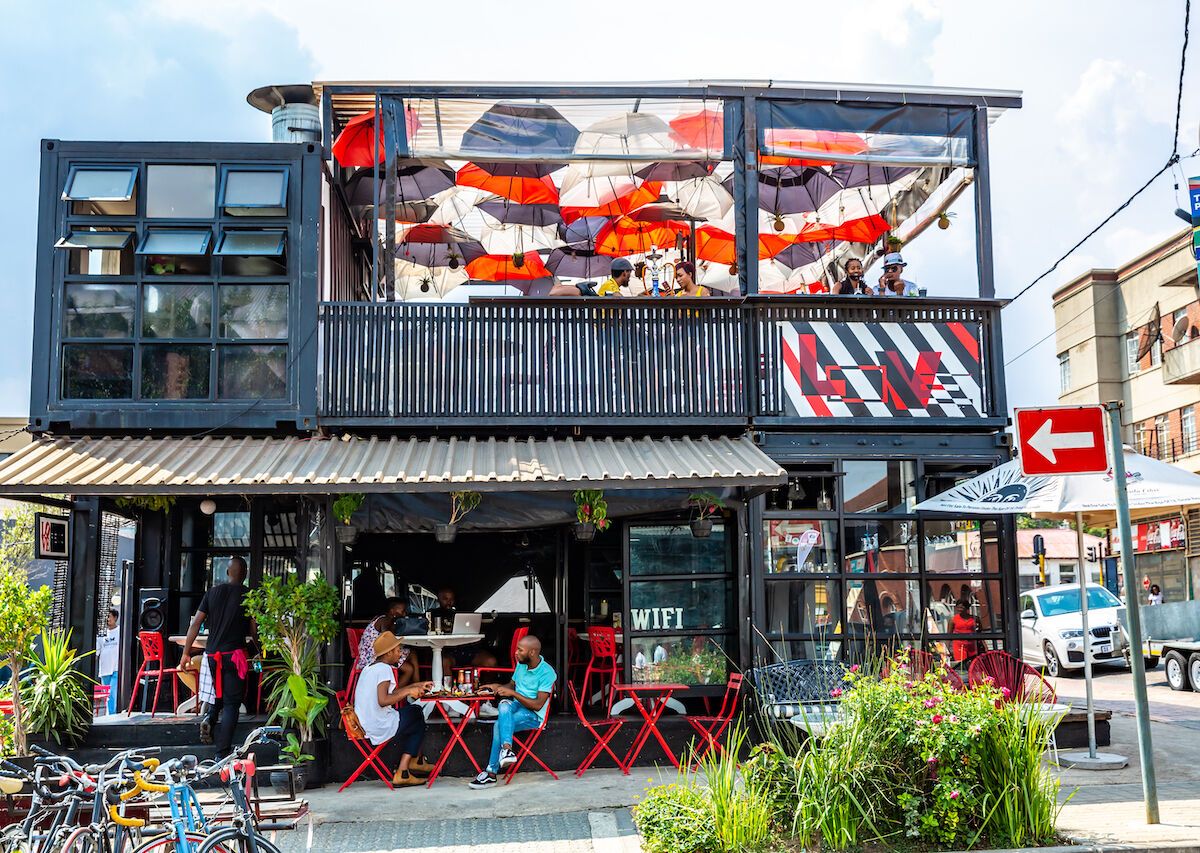
In Johannesburg, creativity often appears where a city’s old functions have been reimagined. Maboneng became widely known for its conversion of inner-city spaces into a mix of studios, independent businesses, food venues and cultural activity. Its atmosphere is best approached with curiosity rather than a rigid checklist. Look for local art, design objects, street-level details and the small encounters that make a neighbourhood memorable.
The district’s character can change with the day, the event calendar and the individual streets you choose to explore. Visit with a reputable local guide or arrange transport and timings in advance, particularly if you are unfamiliar with the inner city. That practical care allows the focus to remain where it belongs: on the creativity and entrepreneurial energy that continue to reshape Johannesburg.
For a broader view of the city’s creative landscape, pair this exploration with selected galleries and cultural spaces rather than trying to cover every district in one afternoon. Johannesburg is expansive; thoughtful curation will always feel more rewarding than hurried accumulation.
Sandton: The Polished Face of Modern Johannesburg
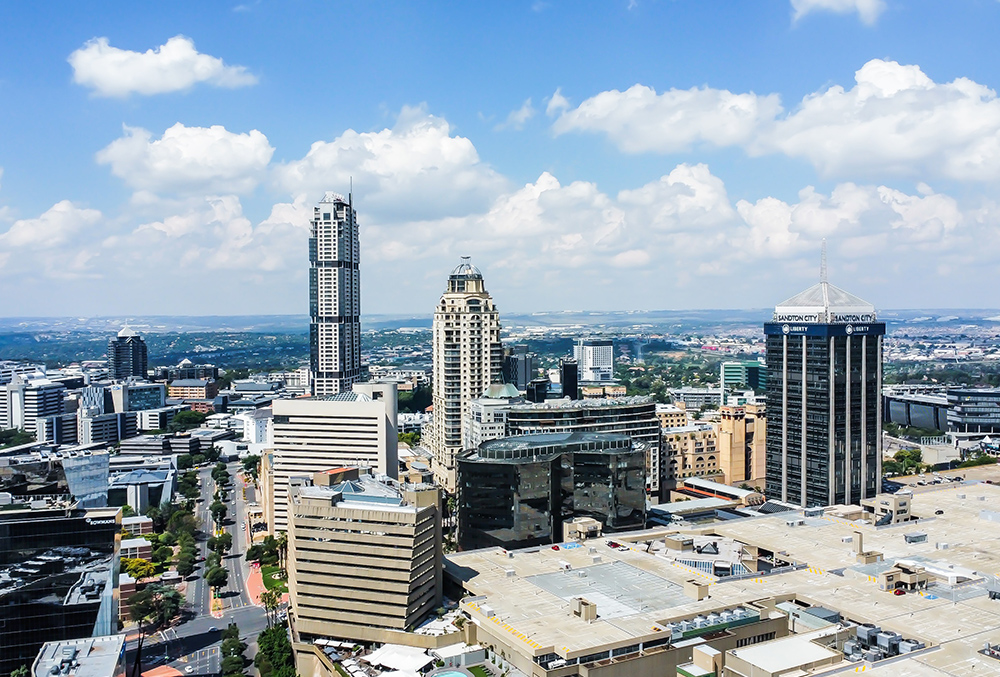
If the inner city speaks in layers of history and reinvention, Sandton presents a different expression of Johannesburg: sleek, international and oriented towards business, fine dining and high-end retail. Its skyline signals the city’s economic reach, while its hotels and restaurants provide a convenient base for travellers who value comfort, access and a polished service culture.
The district is not a substitute for discovering Johannesburg’s broader personality, but it can be an elegant counterpoint. Spend part of the day browsing contemporary fashion and design, then settle into a long lunch or an unhurried dinner. With a private driver or carefully planned transfers, Sandton can also serve as a practical base for reaching several of the city’s principal attractions.
Art, Architecture and the City’s Changing Identity
Johannesburg’s cultural life is too varied to be reduced to a single museum or neighbourhood. Contemporary galleries, public art, independent design studios and heritage buildings offer different ways of reading the city. Rather than treating art as a stop between meals, make it part of the itinerary: arrange a gallery visit, ask about the artists represented, and leave room for a conversation that takes you beyond the label on the wall.
The city’s architectural story is equally layered. Historic mining-era buildings, modernist structures, civic landmarks and new developments sit within a landscape that is constantly evolving. A knowledgeable guide can help connect these visual fragments to the city’s economic history, migration, politics and present-day cultural production.
Travellers interested in South Africa’s wider story can connect Johannesburg with Cape Town’s layered urban culture, the vineyards and heritage of the Cape Winelands, or the landscapes of the Garden Route. Each destination offers a different register of the country; together, they reveal how varied South Africa can be within one journey.
A Table Worth Travelling For
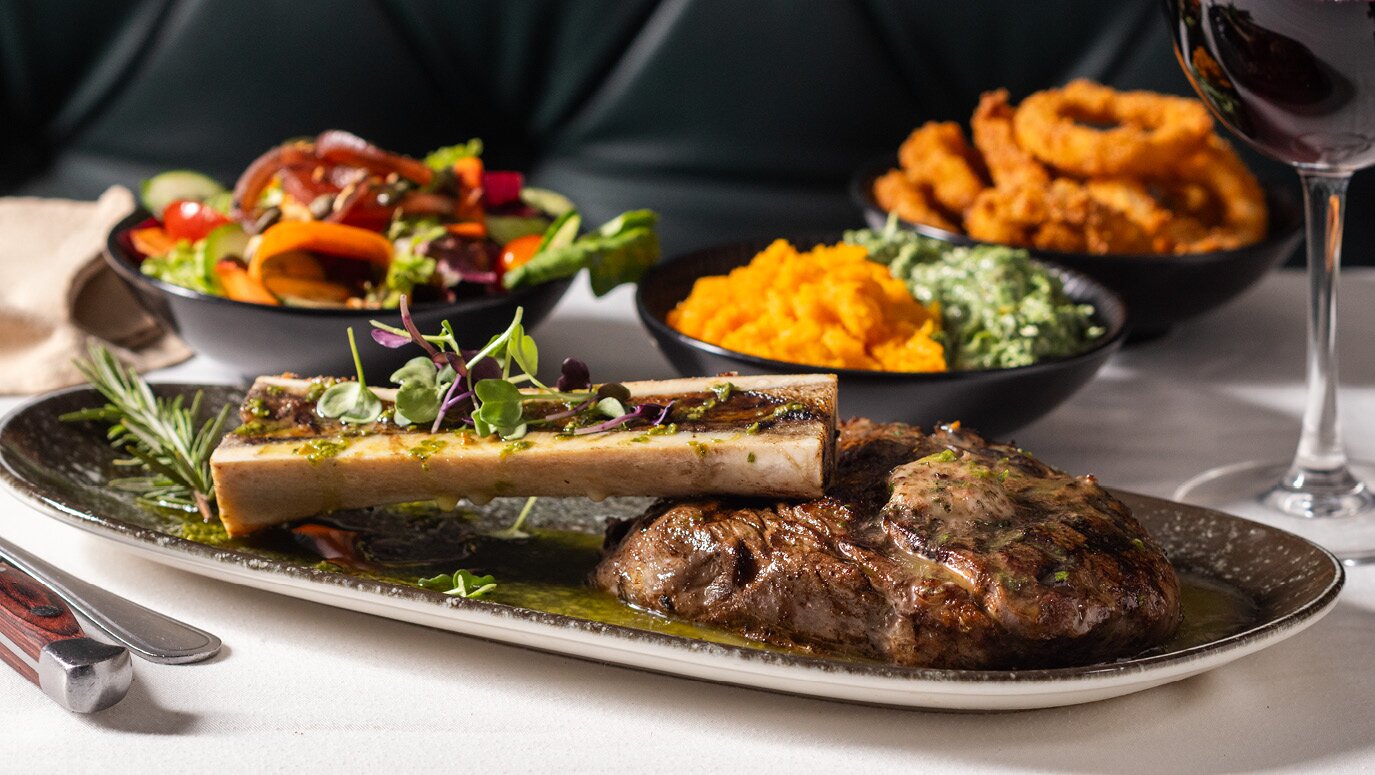
Johannesburg’s dining scene reflects the city itself: cosmopolitan, experimental and shaped by many cultural influences. A memorable evening might centre on seasonal South African ingredients, thoughtful wine pairings or a contemporary interpretation of regional flavours. The best approach is to reserve ahead for sought-after restaurants and let the meal become an event rather than an afterthought.
For a more relaxed interlude, seek out a well-regarded café or a terrace where the pace slows enough to observe the city. Coffee culture, long brunches and destination bars can be as revealing as a formal dinner, particularly when they bring together local designers, entrepreneurs and residents. Ask your hotel concierge to confirm current opening hours and reservations; restaurants and menus evolve, and a little planning protects the experience.
Luxury Stays: Where Johannesburg Unwinds
Four Seasons Hotel The Westcliff Johannesburg
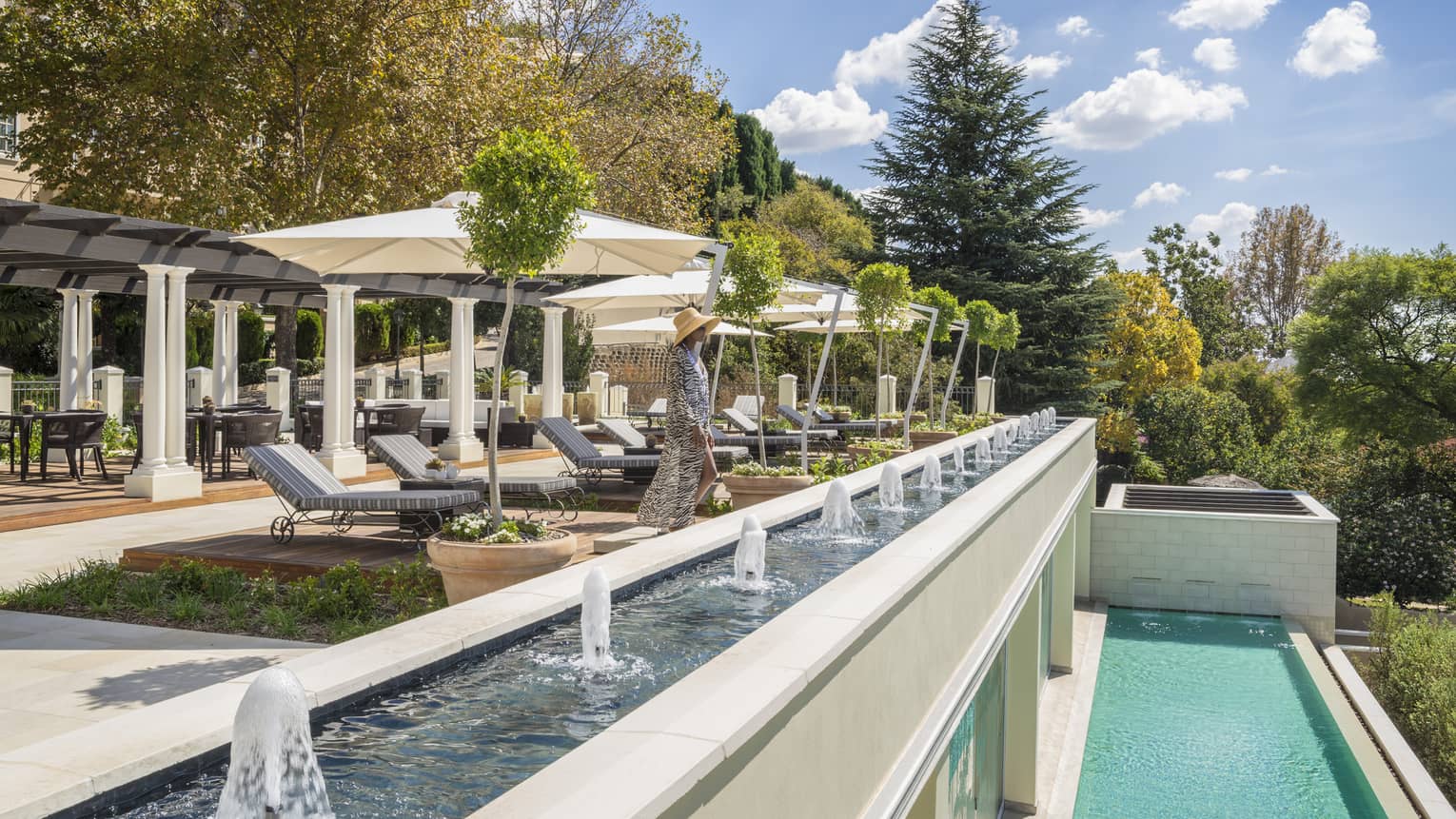
Set on a hillside in the Westcliff area, Four Seasons Hotel The Westcliff feels removed from the city’s momentum without losing touch with it. Its low-rise villas, landscaped gardens and courtyards create the impression of a secluded hillside village, while elevated views open across Johannesburg’s canopy. The property’s contemporary African art, spa and dining at Flames make it a compelling choice for travellers who want a resort-like pause within an urban stay. The Westcliff works especially well when the itinerary balances cultural exploration with time to return, decompress and watch the light change over the city.
Saxon Hotel, Villas and Spa
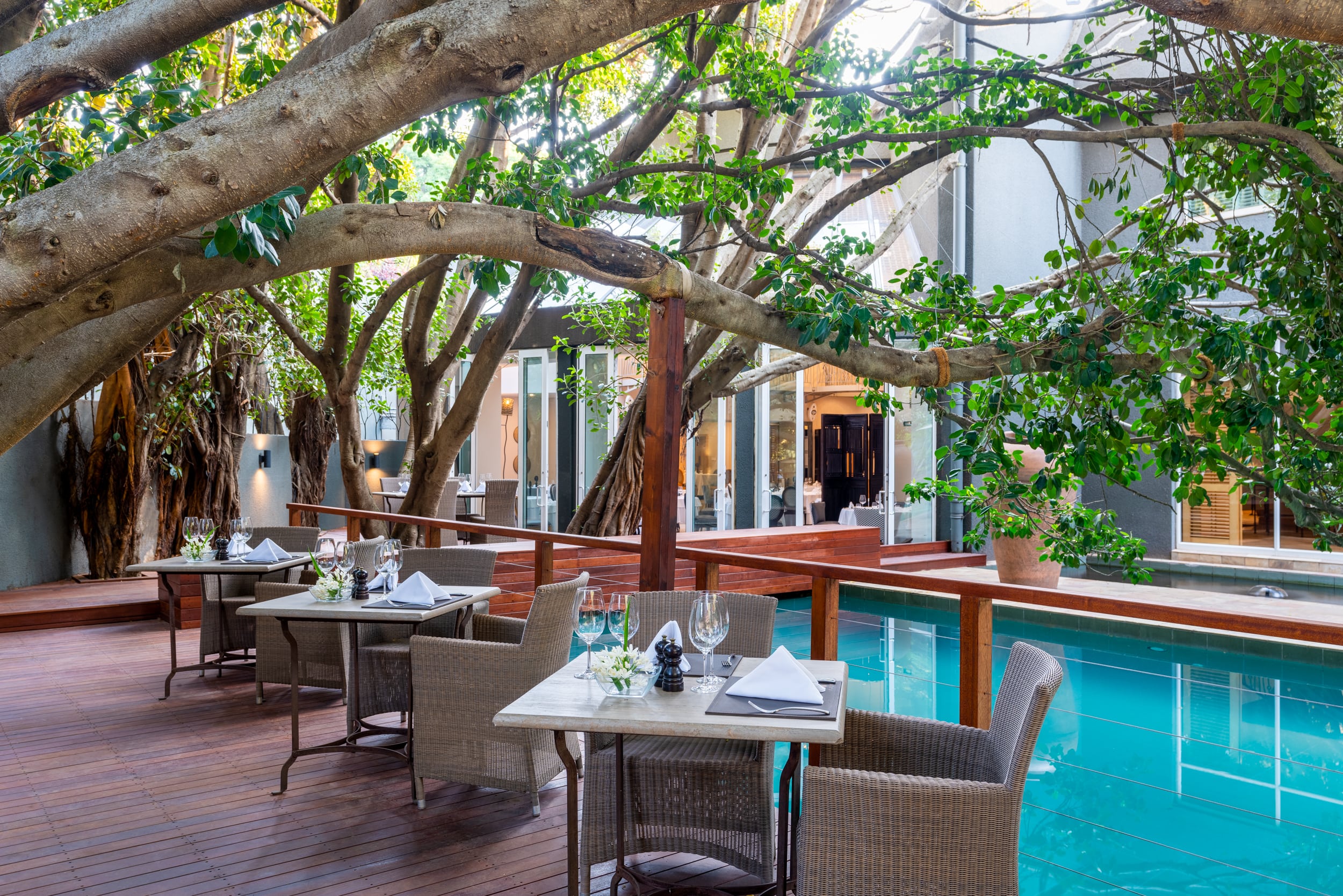
In Sandhurst, the Saxon Hotel, Villas and Spa offers a more private expression of Johannesburg luxury. Set within extensive indigenous gardens, it combines a secluded residential atmosphere with suites and villa accommodation, considered service and a strong connection to South African art and hospitality. It is suited to travellers who value discretion, space and a sense of retreat after a full day in the city. Rather than functioning merely as a place to sleep, the Saxon can become a destination in its own right: a slower, more intimate counterpoint to Johannesburg’s scale and speed.
When choosing between these properties, consider the shape of your stay. The Westcliff’s hillside outlook and resort-like setting may appeal to those who want broad city views and a restorative base; the Saxon’s garden setting and private atmosphere may suit guests seeking a quieter, more secluded experience. Confirm room categories, dining availability and current services directly with each hotel before booking.
When to Visit Johannesburg
Johannesburg sits at a high elevation, which gives it a climate distinct from South Africa’s coastal cities. Summer, broadly from November to March, is generally warm and brings afternoon thunderstorms; the landscape can become lush and dramatic, although plans should allow flexibility around rain. Winter, from May to August, is typically drier, with sunny days and chilly evenings and mornings. Layers are essential, particularly for outdoor dining or early starts.
Spring, especially September and October, is associated with the city’s celebrated jacaranda bloom, when purple blossoms colour many streets and neighbourhoods. Bloom timing varies with conditions, so treat it as a seasonal possibility rather than a guaranteed spectacle. Autumn can also offer comfortable sightseeing weather. For any season, check the forecast shortly before departure and plan outdoor visits for the most comfortable parts of the day.
Planning a Refined Johannesburg Stay
For a first visit, allow two to three nights. This provides room for a meaningful heritage visit, a curated art or neighbourhood experience, a memorable dinner and unhurried time at your hotel. Travellers with a deeper interest in history, design or food may wish to stay longer.
Johannesburg is a sprawling city, so organise days by area instead of crossing town repeatedly. Book guided visits and popular restaurants in advance, and ask your hotel to arrange trusted transfers or a private driver. As in any large city, stay aware of your surroundings, use reputable transport, avoid displaying valuables and seek current local advice about areas and times before exploring on foot. Conditions can vary significantly from one district to another.
Many international visitors arrive through O. R. Tambo International Airport. Travel times depend on traffic and the location of your hotel, so avoid scheduling an important reservation too close to landing. If Johannesburg is part of a wider South African itinerary, it can work well as an arrival or departure point before continuing to a safari region or the country’s coastal and wine destinations.
A South African Journey Beyond the City
Johannesburg gains even more meaning when placed beside South Africa’s other landscapes. After its galleries, restaurants and layered histories, the stillness of a safari in Kruger National Park or Sabi Sand can feel almost elemental. The Cape Winelands offers a slower rhythm of vineyards, heritage estates and long lunches, while the Garden Route trades the city’s skyline for forests, lagoons and an ocean-facing road. For travellers drawn to highland drama, Drakensberg introduces immense escarpments and mountain air.
The transition between these places is part of the country’s appeal. Johannesburg is not simply a gateway to somewhere else; it is a destination with its own complexity, culture and contemporary spirit. Give it the same attention you would give a celebrated landscape, and it becomes far more than the first or final stop on the itinerary.
Frequently Asked Questions
Is Johannesburg worth visiting for luxury travellers?
Yes. The city combines exceptional hotels, contemporary art, serious history, varied dining and design-led neighbourhoods. It is especially rewarding for travellers who value culture alongside comfort.
How many days should I spend in Johannesburg?
Two to three nights is a useful starting point for a first visit. Add time if you want a deeper cultural itinerary or a slower stay at one of the city’s luxury hotels.
What is Johannesburg best known for?
Johannesburg is known for its gold-mining origins, economic influence, complex history, cultural diversity and contemporary creative energy. Its identity is much broader than its role as a business centre.
When is the best time to visit Johannesburg?
The city can be visited year-round. Winter is usually dry and sunny but cold after dark; summer is warmer and greener, with afternoon storms. September and October may bring the jacaranda bloom.
Where should luxury travellers stay in Johannesburg?
Four Seasons Hotel The Westcliff is known for its hillside setting, gardens and panoramic views. Saxon Hotel, Villas and Spa offers an intimate retreat within indigenous gardens. Choose according to preferred location and atmosphere.
Is Johannesburg suitable for a short city break?
Yes, provided the itinerary is planned around a few meaningful experiences. Group visits by area, reserve restaurants in advance and leave enough time to appreciate the city rather than rushing between attractions.
Can I explore Johannesburg on foot?
Some neighbourhoods and precincts are walkable, but Johannesburg is extensive and conditions vary by area. Use local guidance, reputable transport and current safety advice when planning movement between sites.
Can Johannesburg be combined with a safari?
Absolutely. Many itineraries pair the city with Kruger National Park or a private reserve such as Sabi Sand. Allow realistic transfer time and confirm flight or road connections before finalising the schedule.
What should I pack for Johannesburg?
Pack comfortable walking shoes and layers throughout the year. Winter mornings and evenings can be cold, while summer calls for light clothing and rain protection. A smart-casual outfit is useful for fine dining.
What makes Johannesburg different from Cape Town?
Johannesburg is an inland metropolis shaped by mining, migration, commerce and a dynamic cultural scene. Cape Town is defined more visibly by its coastline, mountain setting and maritime history. Both offer distinct experiences of South Africa.
Explore South Africa’s Many Worlds
Johannesburg offers a compelling beginning to a wider South African journey, where the country’s contemporary energy gives way to landscapes of remarkable contrast. Continue from the city towards the untamed wilderness of Kruger National Park and the intimate private-reserve experience of Sabi Sand, or slow the pace among the vineyard estates and historic towns of the Cape Winelands. Along the Garden Route, forests, lagoons and coastal villages create a different kind of escape, while Drakensberg draws the journey upward into a world of immense cliffs, highland trails and changing mountain light.
Suggested natural internal links: Kruger National Park; Sabi Sand; Cape Winelands; Garden Route; Drakensberg; Cape Town. Link each destination name to its corresponding published page when adding this paragraph to the website.
Closing Reflection: A City Still Becoming
At dusk, Johannesburg’s glass towers catch the last warmth of the sun, while the tree-lined suburbs settle into evening and the city’s restaurants begin to fill. The skyline may be the first image that stays with you, but it is rarely the most lasting. What remains is the sense of a place in motion: candid, complicated, inventive and unwilling to be reduced to a single story.
Come for the culture, the hotels, the galleries and the table. Stay for the conversations, the contrasts and the understanding that emerges when a city is given more than a passing glance. Johannesburg does not offer a neat final impression. It leaves you with a question, an energy—and the feeling that its next chapter is already being written.