
Where the Atlantic Meets the Art of Coastal Luxury
A Coastline That Rewards Unhurried Attention
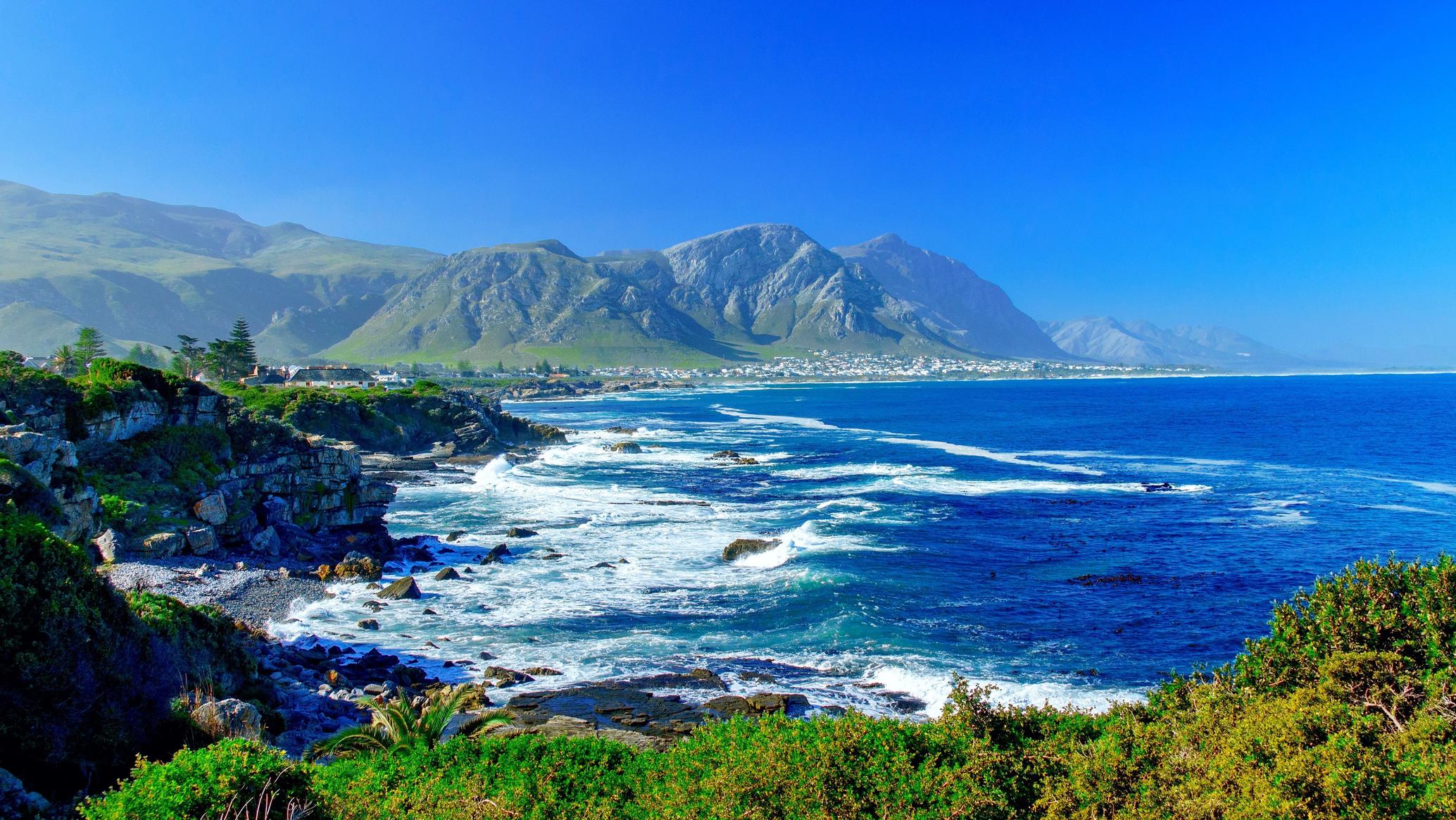
There is a particular quality of light along the coast of Hermanus, where the Atlantic stretches towards the horizon in shifting shades of blue and silver. Waves break against ancient rock, fynbos-covered slopes rise behind the town, and the air carries the clean, bracing freshness of the sea. Here, the landscape seems to set its own pace.
Situated on South Africa’s Western Cape, roughly 120 kilometres by road from Cape Town, Hermanus has earned an international reputation for its extraordinary whale-watching opportunities. Yet to understand the destination through marine life alone is to miss its wider character: contemporary galleries, intimate restaurants, celebrated vineyards and carefully considered coastal retreats all contribute to its appeal.
Hermanus offers a quieter interpretation of luxury. Its most memorable moments are often beautifully simple—a walk above Walker Bay, a long lunch with the ocean in view, or the sudden appearance of a whale beyond the rocks. Rather than competing with the landscape, the town allows it to remain the central presence.
For travellers exploring South Africa beyond its safari reserves and cosmopolitan cities, Hermanus introduces a different register of experience: one shaped by the Atlantic, the botanical richness of the Cape and the pleasure of discovering a place without hurry.
Between Mountain and Sea
Hermanus occupies a remarkable position between the Atlantic coastline and the Kleinrivier Mountains. Rocky coves, broad beaches, indigenous vegetation and mountain-backed valleys create a landscape of unusual variety, while the town itself retains an easygoing coastal character.
The ocean is never merely a backdrop. Its changing moods determine the colour of the horizon, the texture of a coastal walk and the atmosphere of an afternoon. On calm mornings, the water may appear almost polished; when the wind rises, white water and drifting spray lend the shoreline a more elemental drama.
Beyond the cliffs, the Overberg’s fynbos introduces a botanical world distinct from the open grasslands of the safari regions. The result is a destination whose appeal comes not from one landmark, but from the meeting of several landscapes in close succession.
Walker Bay: The Theatre of the Southern Right Whale
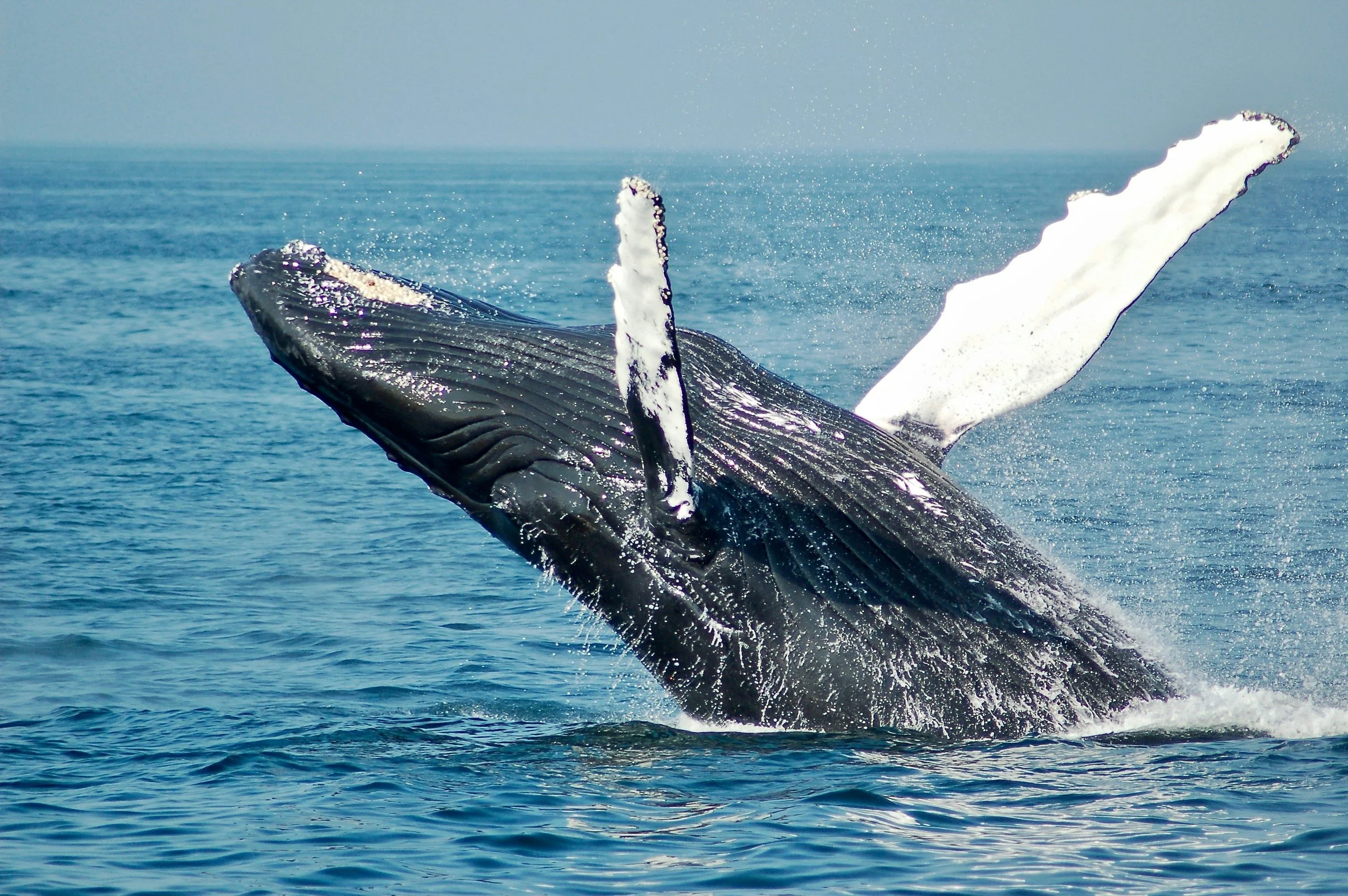
Across Walker Bay, southern right whales arrive seasonally along the Cape Whale Coast to mate and calve. Their presence has made Hermanus one of South Africa’s most celebrated destinations for observing marine wildlife, with the remarkable advantage that sightings can often be enjoyed from land.
A plume of breath appears above the water; a dark back arcs briefly through the swell; then the whale disappears, leaving the ocean to close behind it. Occasionally, a breach interrupts the horizon with astonishing force. Such encounters are compelling precisely because they cannot be staged. The ocean follows no itinerary, and patience becomes part of the pleasure.
Southern right whales are generally seen along this coast from June to November, with August to October often offering particularly rewarding opportunities. Timing and sightings vary each year, so seasonal guidance should be treated as an indication rather than a guarantee.
During the appropriate season, professionally operated boat excursions can provide another perspective, subject to weather and operator schedules. Whether watching from the cliffs or joining a responsible marine-wildlife excursion, the experience is best approached with respect for the animals and their environment.
The Cliff Path: A Walk Above the Atlantic
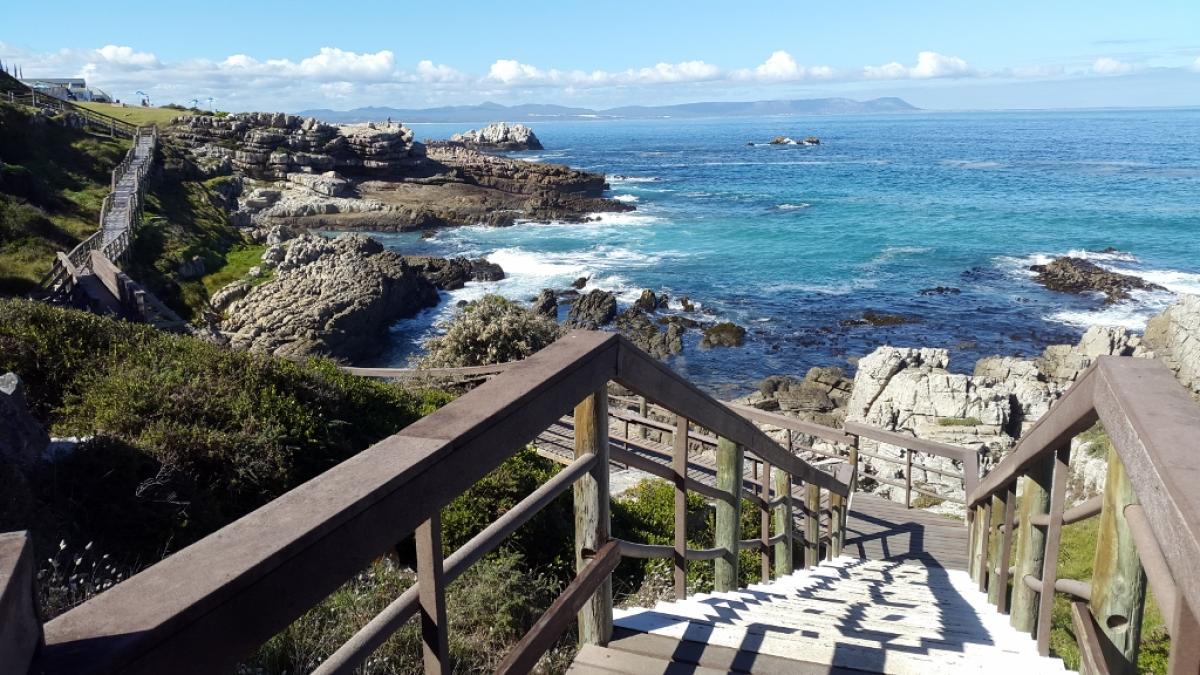
Extending for approximately 12 kilometres along the shoreline, the Hermanus Cliff Path connects rocky coves, open viewpoints, beaches and sheltered stretches of indigenous vegetation. It is one of the most immediate ways to experience the coast without travelling far from town.
The ocean remains in view for much of the route, shifting from luminous calm to restless white water beneath the cliffs. During whale season, walkers pause at the railings and benches to scan Walker Bay; outside those months, the path remains rewarding for its birdlife, coastal flora and changing light.
There is no need to complete the entire route in one outing. Choosing a shorter section leaves room for photographs, pauses and the simple pleasure of watching the sea. An early walk followed by a leisurely breakfast, or a late-afternoon stroll before dinner, fits naturally into a considered coastal itinerary.
Gearing’s Point and the Old Harbour
Gearing’s Point offers a broad perspective across the bay, with the rugged coastline framing the open water. Nearby, the Old Harbour recalls the fishing community from which Hermanus developed and adds a note of maritime history to the contemporary town.
The area rewards unhurried exploration. A walk between the waterfront and the harbour can lead naturally to galleries, independent shops or a relaxed lunch. The Whale Crier, who traditionally uses a kelp horn to alert visitors to sightings, is another distinctive part of the local identity—a reminder of how closely the town’s culture remains tied to the ocean.
Together, the harbour and surrounding viewpoints reveal a more intimate Hermanus, where local traditions and the rhythms of coastal life sit comfortably alongside the destination’s international reputation.
Fernkloof Nature Reserve: The Botanical World of the Cape
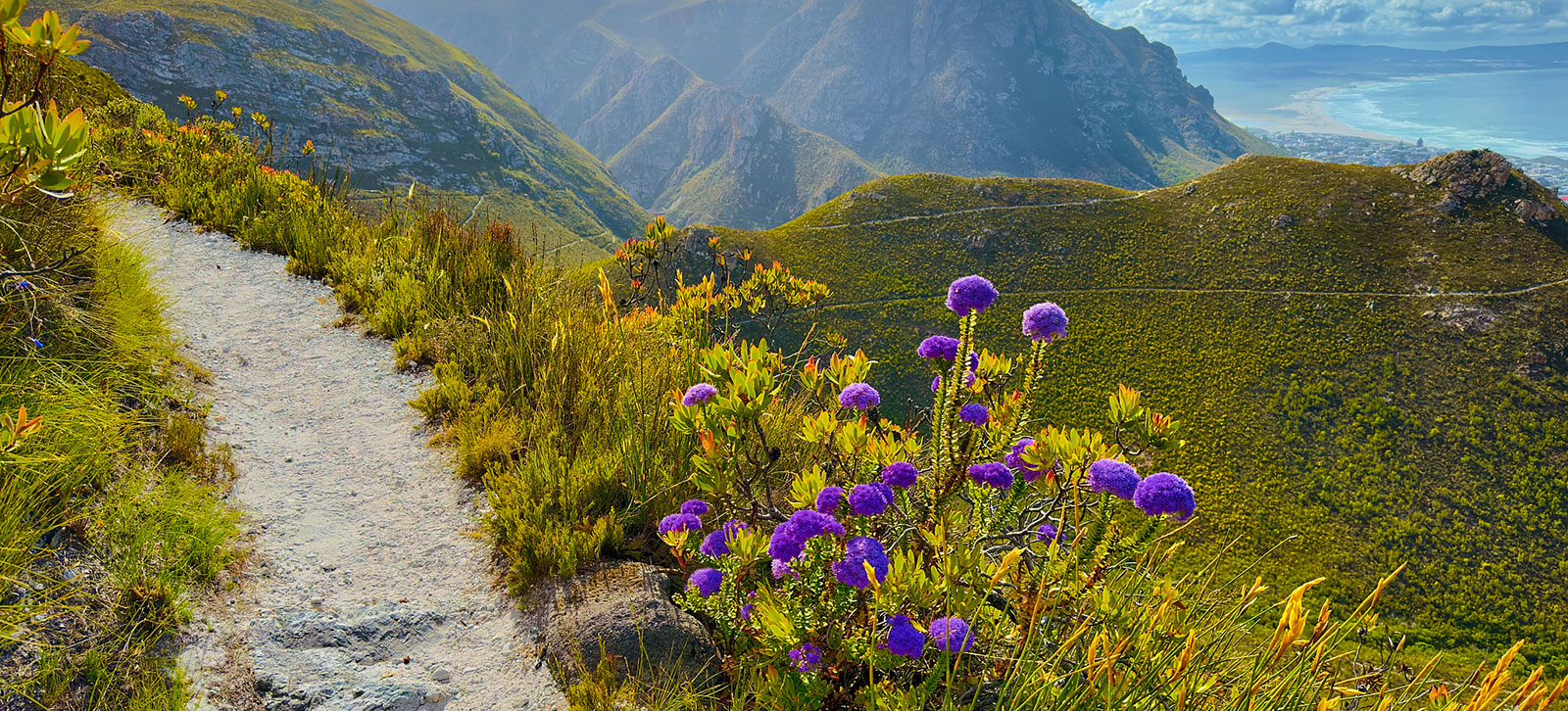
Behind the town, the Kleinrivier Mountains shelter the Fernkloof Nature Reserve, where trails pass through fynbos and mountain terrain. The reserve offers a different rhythm from the shoreline: quieter paths, filtered light, mountain air and the intricate forms of indigenous plants.
Fynbos is one of the defining botanical features of the Cape, and its diversity gives the surrounding landscape a distinctive character. Spring can be particularly rewarding for flowering plants, although the reserve remains appealing throughout the year. Routes vary in length and difficulty, so walkers should select a trail suited to their fitness and the prevailing conditions.
For travellers interested in nature beyond marine life, Fernkloof adds depth to a stay in Hermanus. It is an opportunity to understand the ecological richness of the Overberg, not simply admire its views.
Hemel-en-Aarde Valley: A Refined Interlude in Wine Country
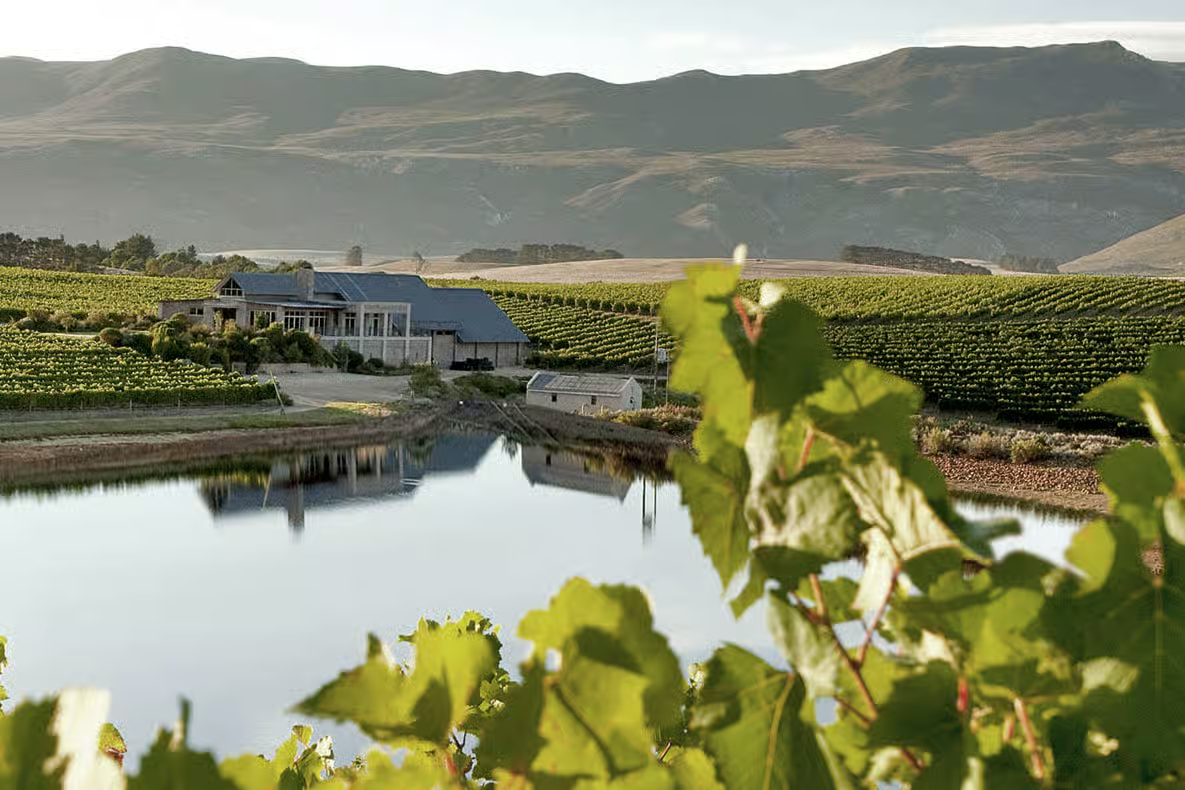
A short journey inland leads to Hemel-en-Aarde Valley, a wine-growing region known for its cool-climate character and mountain scenery. The valley is particularly associated with Pinot Noir and Chardonnay, varieties shaped by the area’s distinctive growing conditions.
Vineyards follow the contours of rolling slopes beneath the surrounding mountains, and winery visits offer a chance to explore the relationship between climate, soil and craft. Rather than attempting to visit as many estates as possible, a more rewarding approach is to select a small number of producers and leave time for considered tastings and a leisurely lunch.
The valley complements Hermanus beautifully. The Atlantic coast offers elemental drama; inland, the pace becomes more pastoral, with vineyard views and an understated food-and-wine culture. Travellers continuing through the Western Cape can extend this experience into the wider Cape Winelands.
Beaches and Coastal Escapes
Grotto Beach is known for its broad sweep of sand and expansive ocean views. Its open shoreline creates a strong sense of space, especially when the tide reveals long stretches of coast. Voëlklip and the nearby coves offer a more varied setting, with rocky formations and changing perspectives across the water.
The Atlantic can be cold and powerful, and conditions may change quickly. Swimming should be limited to suitable designated areas when conditions are safe, with local advice observed. For many visitors, the beaches are best enjoyed through walking, photography and quiet time beside the water rather than through a packed schedule of activities.
The appeal is in the coast’s natural state: wind moving across the sand, waves breaking against rock and mountains holding the horizon beyond the town.
Luxury Stays: Three Distinct Expressions of the Coast
Accommodation around Hermanus ranges from intimate guesthouses to secluded nature retreats and exceptional ocean-facing properties. The right choice depends on the kind of stay desired: direct engagement with Walker Bay, a relaxed base close to the coastal paths, or a quieter retreat in the wider Overberg. Confirm current facilities, inclusions and availability directly with each property before booking.
Birkenhead House: Above the Blue of Walker Bay
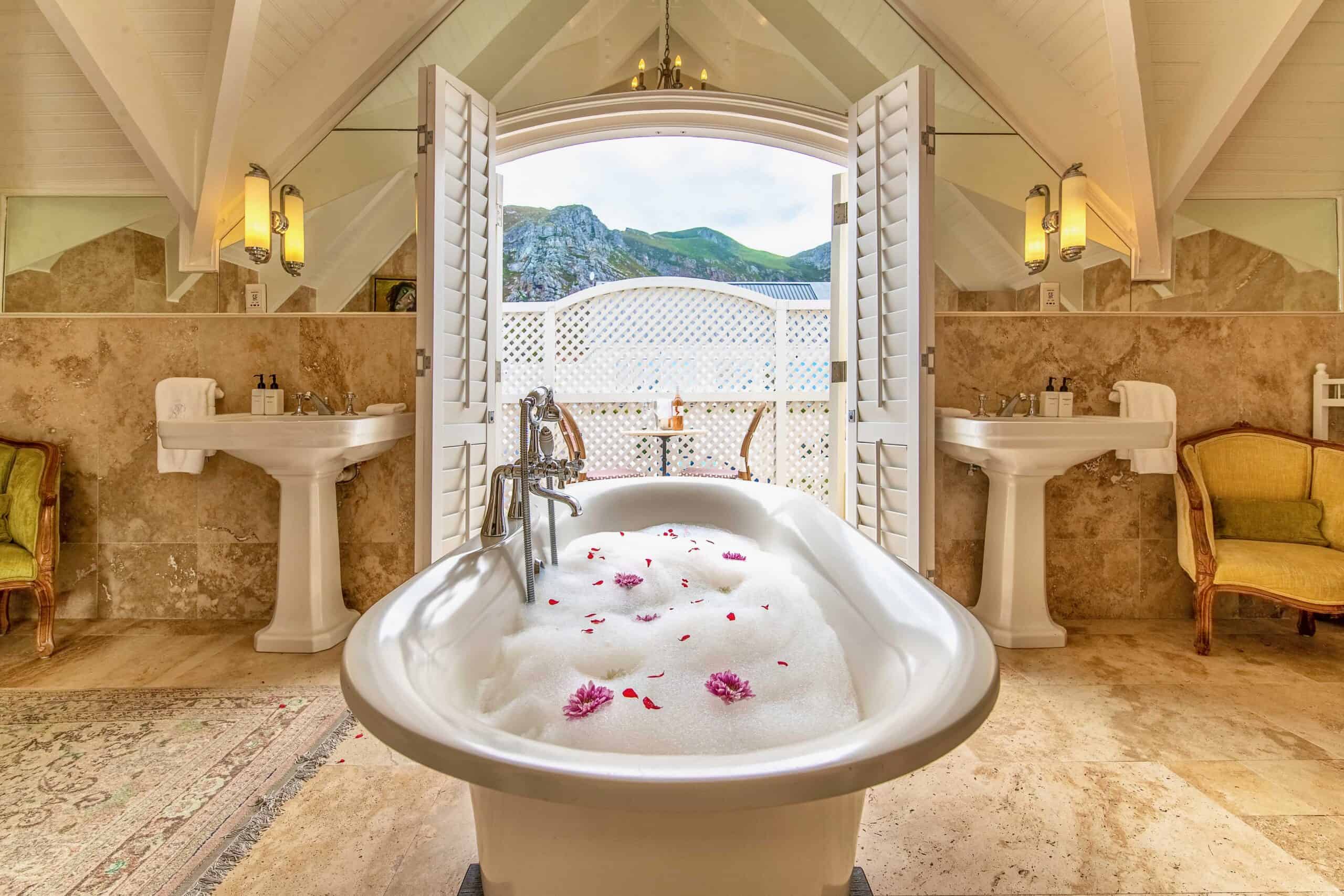
Perched above the coastline, Birkenhead House is one of the region’s most distinctive luxury addresses. Its position places the ocean at the centre of the experience, with expansive views across Walker Bay and a sense of connection to the changing Atlantic.
The interiors favour an individual design language over conventional resort formality, combining art, colour and a relaxed coastal sensibility. During whale season, the setting is especially compelling; at other times, the shifting light and open horizon remain the principal attractions.
Birkenhead House suits travellers seeking a memorable, design-conscious retreat where the landscape is integral to the stay. Its exact services, inclusions and availability should be confirmed directly with the property.
Whale Rock Luxury Lodge: An Easygoing Coastal Base
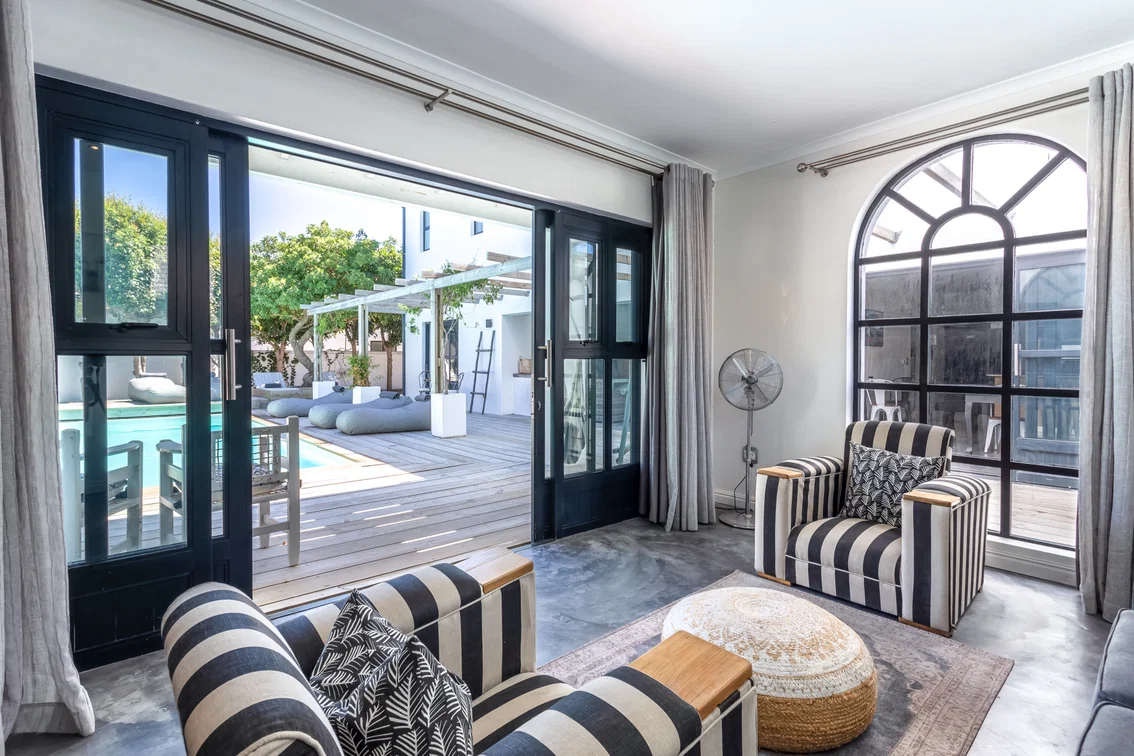
Whale Rock Luxury Lodge offers a more relaxed atmosphere, with accommodation set among landscaped gardens and a convenient position for exploring the Hermanus coastline. Its setting near the western end of the Cliff Path makes it a practical option for travellers planning coastal walks and seasonal whale watching.
After a day outdoors, the gardens and shared spaces provide a quieter place to unwind. The lodge is worth considering for visitors who value comfort and access to the region’s natural attractions without seeking the highly theatrical character of a grand luxury retreat.
Mosaic Lagoon Lodge: A Secluded Retreat Near Stanford
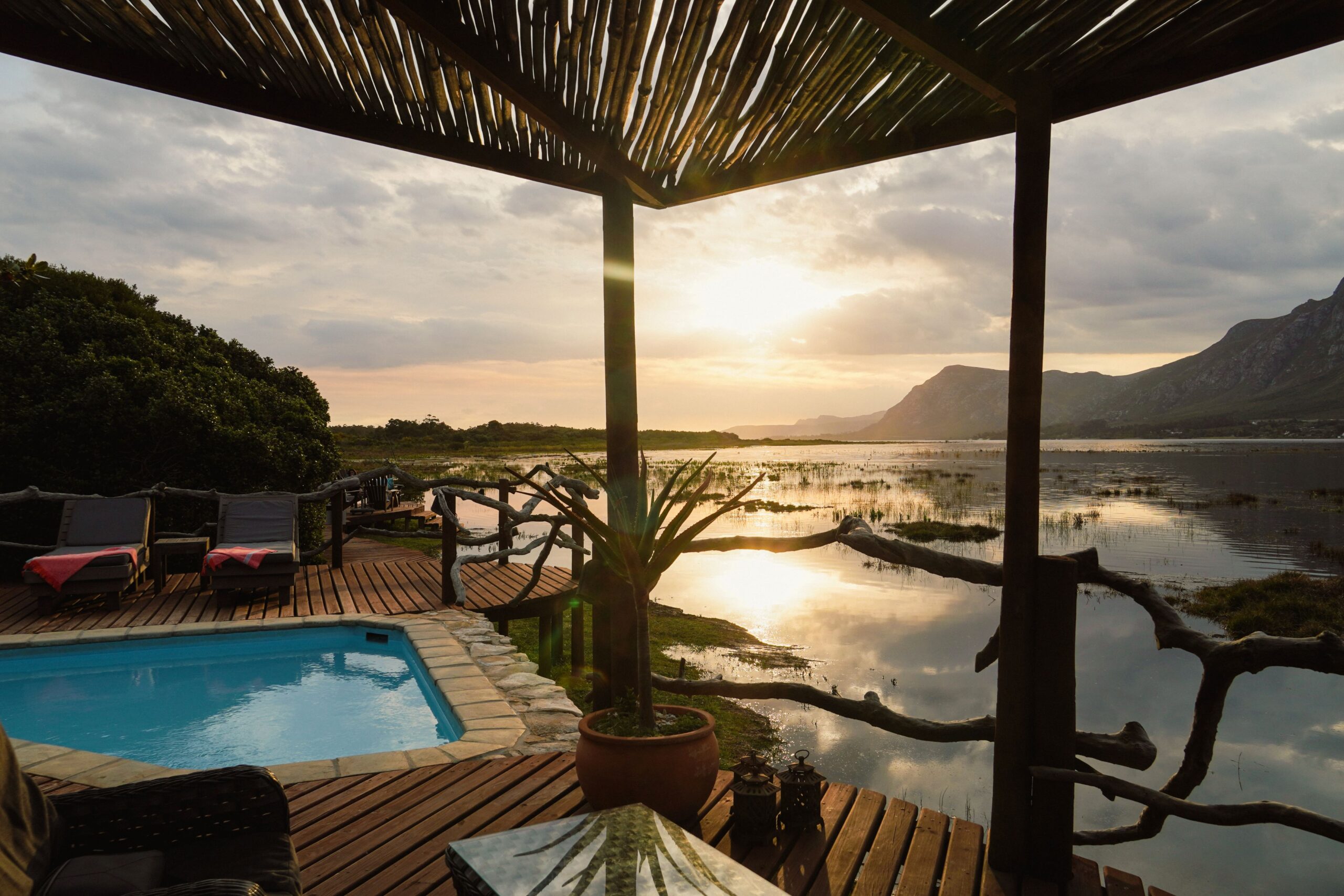
For travellers willing to venture beyond Hermanus itself, Mosaic Lagoon Lodge offers a nature-led escape near Stanford, within the wider Cape Whale Coast. Set beside a lagoon and framed by the Kleinrivier Mountains, it provides a more secluded atmosphere than accommodation in town.
Safari-style suites, private outdoor spaces and the surrounding lagoon landscape make the property appealing to travellers who value privacy and a close relationship with nature. Its location is best suited to a broader regional itinerary rather than a stay focused exclusively on Hermanus’s town centre and Cliff Path. Plan driving times around the experiences that matter most.
Experiences That Define a Refined Stay
Whale watching from land is the signature experience, but the coast offers much more. The Cliff Path rewards slow exploration; a private coastal drive allows time for scenic stops; and the Hemel-en-Aarde Valley introduces the region’s wines and food culture.
A local guide can add context to the area’s marine life, botanical heritage and maritime history. For a more independent day, combine a coastal walk with time in town, then leave the afternoon open for a gallery, a long lunch or an unplanned return to the water.
The most elegant itineraries resist over-programming. Hermanus is a destination in which space between activities is part of the experience.
When to Visit Hermanus
June to November is the principal season for southern right whales along the Cape Whale Coast, with August, September and October often particularly rewarding. These months overlap with cooler, changeable weather, so bring layers and allow flexibility for coastal conditions.
September to November brings spring colour to the wider fynbos landscape and can be especially appealing for walking, photography and whale watching. It is also a popular period, making advance planning sensible for sought-after accommodation and experiences.
December to March offers longer days for beaches, coastal walks, vineyard visits and outdoor dining. The principal southern right whale season has generally passed, but Hermanus remains attractive for its landscape and relaxed coastal character. The Atlantic stays cool, and wind can influence beach conditions even in summer.
There is no universal best season. Choose the timing according to your priorities—whales, flowering plants, walking or warm-weather coastal exploration—and check local forecasts and activity availability before travelling.
Planning a Considered Stay
Two to three nights is a useful starting point for exploring Hermanus, enjoying the Cliff Path, visiting the town and spending time in Hemel-en-Aarde Valley. Travellers who wish to include longer walks or a secluded property outside town may prefer to stay longer.
Hermanus is often combined with Cape Town and the wider Western Cape. A private vehicle offers flexibility for vineyards, nature reserves and beaches beyond the centre, while boat-based whale watching should be booked with attention to current weather and sea conditions.
Pack comfortable walking shoes, layers, a wind-resistant jacket and sun protection. Coastal weather can change quickly, and exposed paths require sensible footwear and attention to local guidance. Most importantly, leave room in the itinerary for unplanned moments: the ocean often provides the day’s most memorable experience without advance notice.
Frequently Asked Questions
What is Hermanus famous for?
Hermanus is internationally known for land-based whale watching, especially southern right whales in Walker Bay. It is also celebrated for the Cliff Path, fynbos landscapes, nearby vineyards and relaxed seaside atmosphere.
When is the best time to see whales in Hermanus?
Southern right whales generally visit from June to November, with August to October often especially rewarding. Sightings are never guaranteed, so allow flexibility.
How many days should you spend in Hermanus?
Two to three nights provides a comfortable starting point for coastal walks, whale watching in season and a visit to Hemel-en-Aarde Valley. A longer stay allows more time for nature reserves and secluded accommodation.
Is Hermanus worth visiting outside whale season?
Yes. Beaches, coastal walks, fynbos, galleries, restaurants and wine estates make it appealing throughout the year.
Where should you stay for a luxury experience?
Birkenhead House offers a distinctive cliff-top setting; Whale Rock Luxury Lodge provides a relaxed base near coastal paths; Mosaic Lagoon Lodge near Stanford offers a more secluded nature retreat in the wider region.
Can Hermanus be combined with Cape Town and the Cape Winelands?
Yes. The combination creates a varied Western Cape itinerary spanning city culture, wine estates, mountain scenery and the Atlantic coast.
Can you watch whales without taking a boat?
Yes. The Cliff Path and designated coastal viewpoints offer opportunities to watch whales from land during the migration season, depending on their movements and conditions.
The Luxury of Letting the Ocean Set the Pace
Hermanus leaves its strongest impression through moments that cannot be scheduled: a whale surfacing beyond the rocks as the morning light changes, the wind carrying the scent of the sea along the Cliff Path, or a long lunch unfolding among the vineyards inland.
These experiences reveal the particular appeal of the Cape Whale Coast. Luxury here is not simply a matter of beautiful accommodation or celebrated restaurants; it is access to a landscape that encourages a more considered way of travelling.
For those exploring South Africa, Hermanus offers a compelling contrast to safari wilderness and dramatic mountain interiors. The anticipation of a game drive gives way to the patient observation of the ocean; the vastness of the escarpment gives way to the shifting moods of the Atlantic.
The destination rewards those who resist the temptation to rush. A thoughtfully chosen retreat, a few meaningful experiences and enough time to watch the horizon can create a journey of unusual depth. In Hermanus, the ocean is never merely a backdrop. It is the presence around which the landscape, the town and the journey quietly revolve.
Continue Exploring South Africa
South Africa’s diversity comes into focus through the contrasts between its regions. The ocean-facing landscapes of Hermanus offer a different perspective from the dramatic escarpment of Blyde River Canyon, where cliffs and forested ravines open towards the Lowveld. Kruger National Park introduces the thrill of wildlife encounters, while the Drakensberg reveals the country’s mountainous interior.
Further west, the Cape Winelands bring vineyard landscapes, historic estates and a celebrated food culture. Together, these destinations form a richer journey through a country whose atmosphere and natural identity shift dramatically from one region to the next. Hermanus makes an elegant coastal chapter—defined by the Atlantic, the seasonal presence of whales and the pleasure of discovering a place at an unhurried pace.