There are cities that announce themselves through monuments, and there are cities whose presence is felt before a single landmark comes into view. Cape Town belongs to the latter. The mountain rises with an almost theatrical certainty above the city bowl; the Atlantic gathers along the western edge in sheets of deep blue; and beyond the peninsula, the land narrows towards a meeting of currents, cliffs and open ocean. The result is a destination of uncommon contrasts—cosmopolitan without losing its wildness, polished without becoming predictable.
Mornings can begin beneath the sandstone face of Table Mountain, move through streets layered with Cape Malay history and contemporary African creativity, and end on a terrace where the last light dissolves over the water. In between lie botanical gardens, dramatic coastal roads, vineyards, galleries, markets and a dining culture shaped by the Cape’s extraordinary produce. Cape Town rewards travellers who leave room for the unplanned: a detour towards a quieter cove, a conversation over a long lunch, or a clear afternoon that suddenly opens the mountain to the sky.
For Luminara Voyages, the city is not simply a gateway to South Africa. It is a destination in its own right—a place where untamed landscapes and considered living exist in rare proximity.
Discover Cape Town
Table Mountain: The City’s Natural Compass
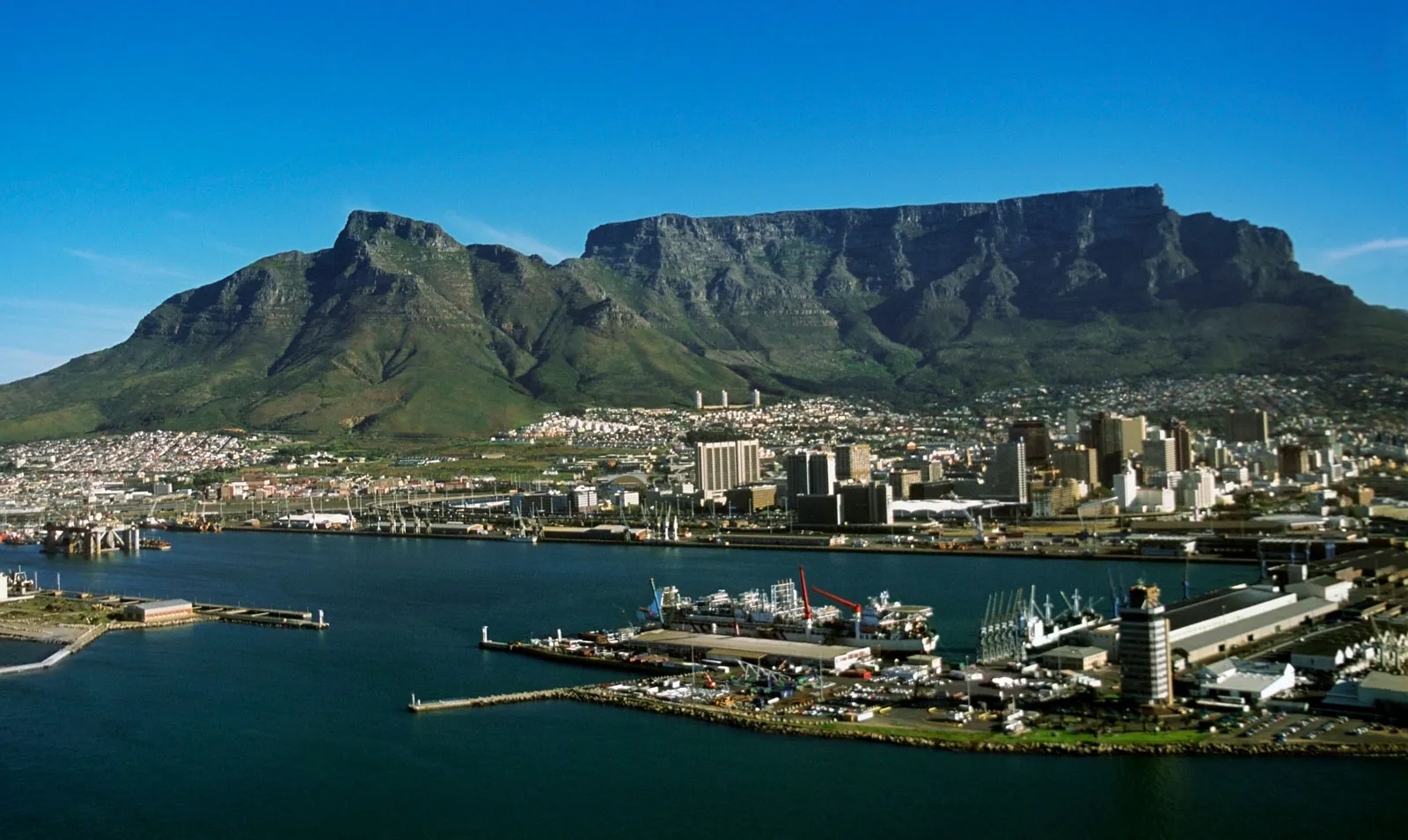
Table Mountain does more than define the skyline; it gives Cape Town its sense of scale. From the city streets, its level summit appears almost impossibly composed, yet the plateau is a living landscape of fynbos, weather-shaped rock and sudden panoramas. When conditions permit, the rotating cable car offers a memorable ascent, revealing the city bowl, Table Bay, the curve of the Atlantic seaboard and the rugged spine of the peninsula. At the top, walking paths invite visitors to linger rather than simply collect a photograph.
The mountain is famously changeable. Cloud can gather across the summit in minutes, and wind may suspend cableway operations. Plan this experience with flexibility: keep a clear-weather window in the itinerary, check the official cableway status on the day, and carry an extra layer even when the city below feels warm. Experienced hikers may prefer a guided ascent on a suitable route, but the mountain deserves respect; route choice, fitness, weather and daylight all matter.
The Cape Peninsula: A Road Into the Elements
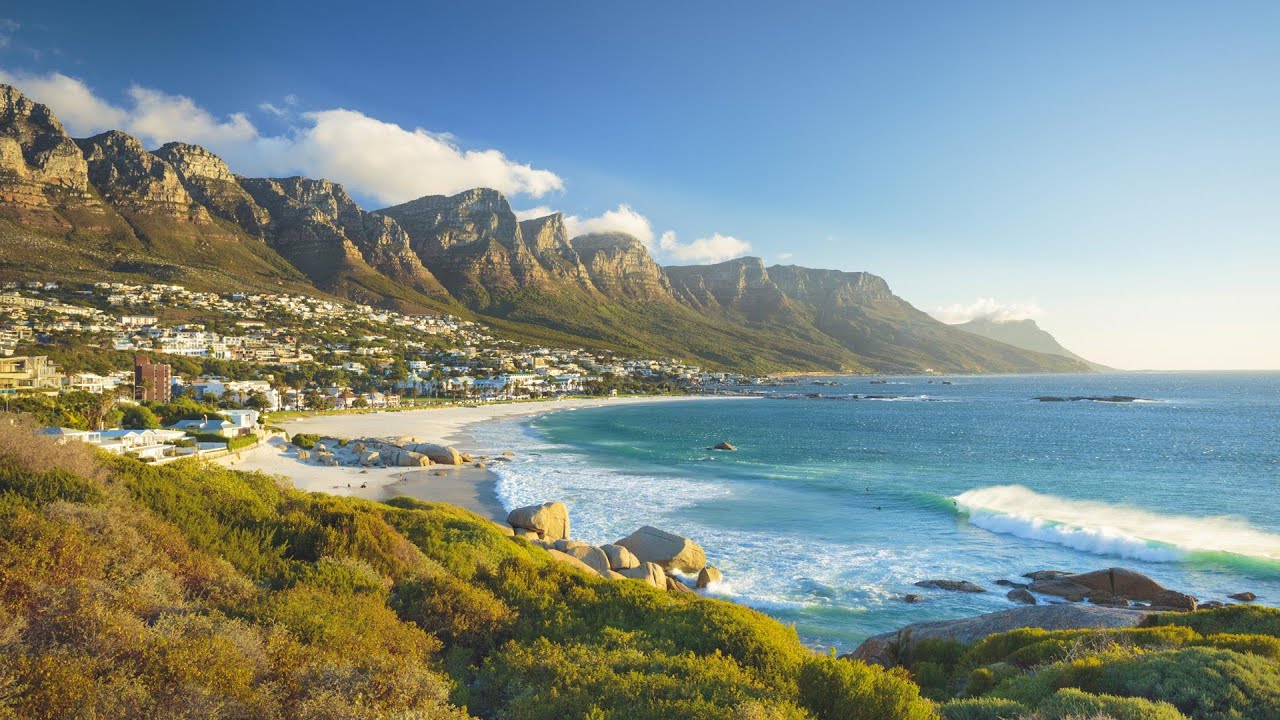
South of the city, the peninsula unfolds as a succession of coastal theatres. The drive along Chapman’s Peak, where the road traces steep slopes above the Atlantic, is among the region’s most memorable journeys. Granite headlands, small beaches and ocean-facing villages appear around each bend, while the light changes the colour of the water from pewter to turquoise to an almost metallic blue.
At Cape Point, the landscape becomes more elemental: wind-shaped vegetation, cliffs falling towards the sea and paths that lead to viewpoints over a vast meeting of land and water. The Cape of Good Hope section of Table Mountain National Park is not a place to rush. Allow time for the walking trails and the shifting coastal views, and remember that the famous point is part of a broader protected landscape rather than a single photographic stop.
On the return, the sheltered coves and boulder-strewn shoreline around Simon’s Town offer a different encounter with the peninsula. Boulders Beach is known for its African penguin colony; visitors should remain on designated boardwalks and never approach or feed the birds. The experience is best appreciated quietly, with the understanding that this is a fragile habitat, not a performance staged for visitors.
Bo-Kaap: Colour, Memory and Living Heritage
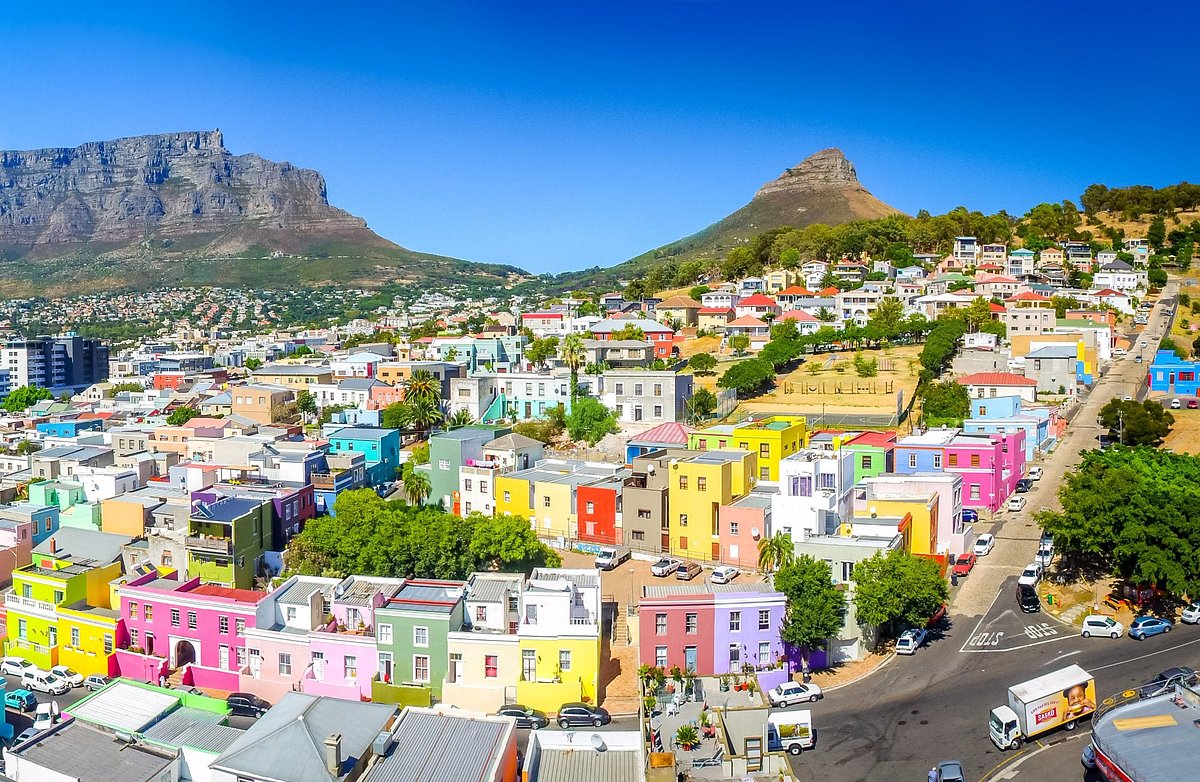
The bright facades of Bo-Kaap are among Cape Town’s most recognisable images, but the neighbourhood’s significance runs far deeper than its palette. Its history is closely connected to the Cape Malay community, whose cultural and religious traditions have helped shape the city’s identity. The steep lanes, mosques, family homes and foodways tell a story of displacement, resilience and continuity.
Visit with curiosity and consideration. These are lived-in streets, not an open-air set: keep photography respectful, avoid blocking doorways, and consider a guided walk led by someone with a meaningful connection to the neighbourhood. A tasting of Cape Malay cooking can bring the story to the table, where fragrant spices, slow-cooked dishes and sweet-savoury combinations reflect centuries of cultural exchange.
Robben Island: History That Must Be Heard
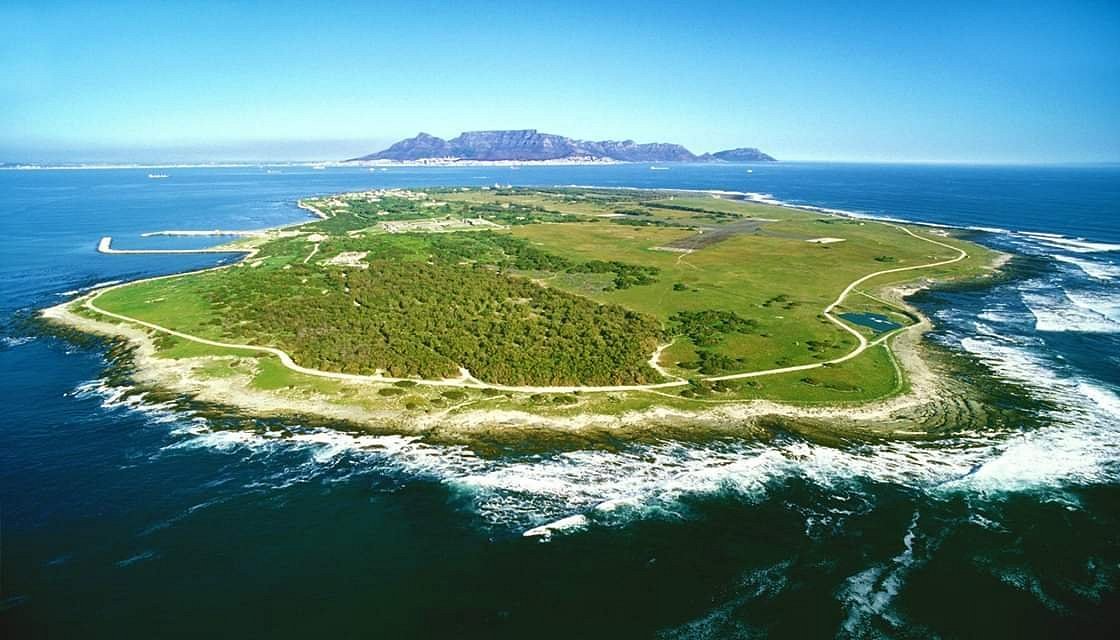
A crossing of Table Bay leads to Robben Island, a place whose quiet geography belies its place in South Africa’s political history. The island is inseparable from the struggle against apartheid and Nelson Mandela’s long imprisonment. A guided visit brings the prison buildings and wider landscape into focus, grounding national history in the lived experiences of those who were detained there.
Reserve this experience in advance and keep the surrounding schedule flexible. Ferry departures and tours are subject to sea conditions and operational arrangements, and the full excursion takes a substantial part of the day. More than an item on a sightseeing list, Robben Island is an opportunity to listen, learn and approach the country’s present with a deeper understanding of its past.
Kirstenbosch: The Cape’s Botanical Soul
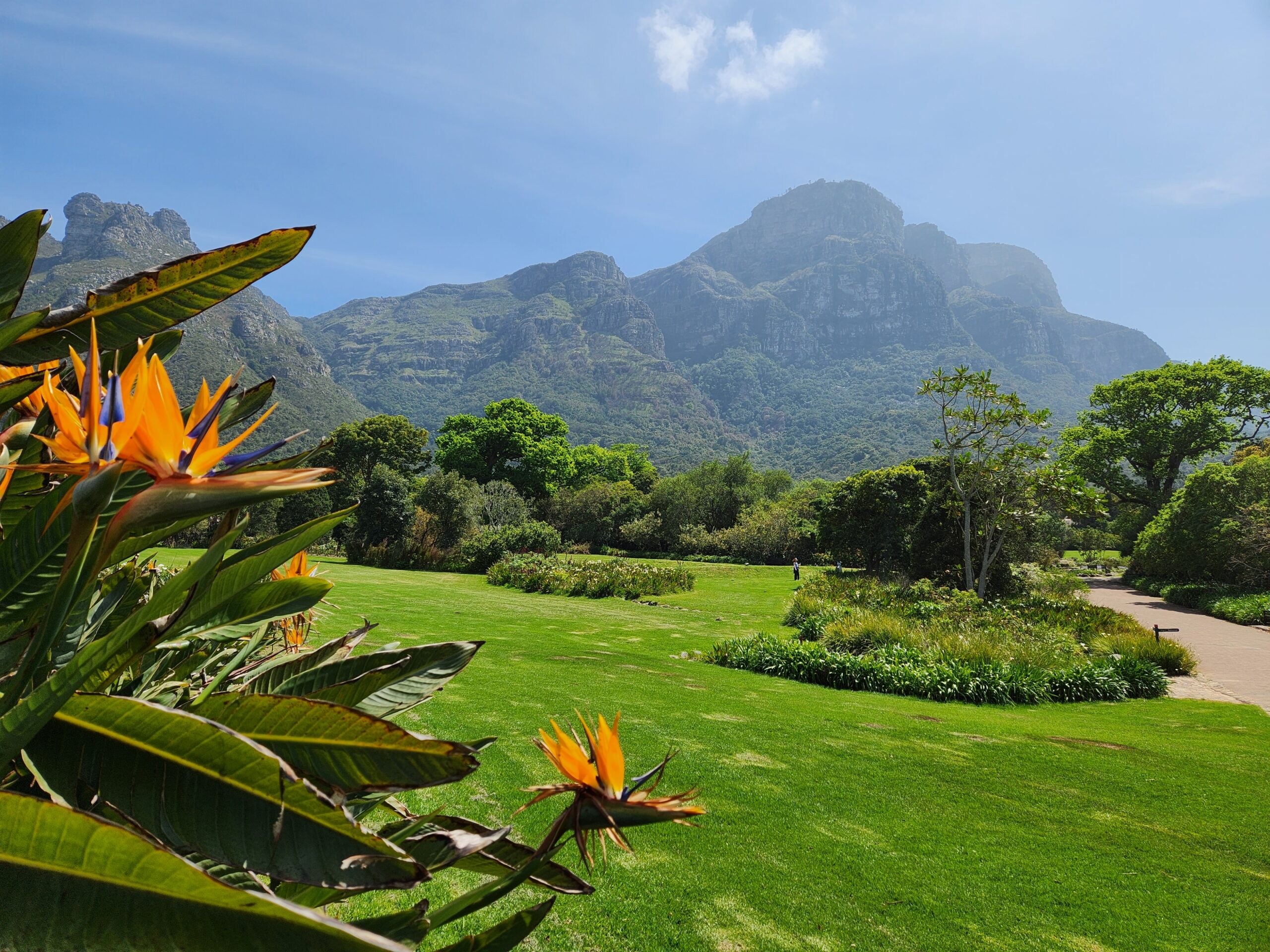
Set against the eastern slopes of Table Mountain, Kirstenbosch National Botanical Garden offers a quieter register of Cape Town. Indigenous fynbos, sculptural proteas, shaded lawns and mountain-backed paths reveal the extraordinary botanical character of the Cape Floral Region. The elevated canopy walkway provides a different perspective through the treetops, while the broader garden rewards unhurried exploration.
The garden is particularly appealing when the light is gentle—early morning or late afternoon—though seasonal flowering changes what visitors encounter. Bring comfortable shoes and allow time simply to sit beneath the trees. During warmer months, outdoor concerts and picnics can lend the setting a distinctly local atmosphere; check the current programme before planning around an event.
Beaches and the Atlantic Edge
Cape Town’s beaches are beautiful in ways that are not always gentle. Clifton’s coves are sheltered by granite boulders, while Camps Bay pairs a palm-lined promenade with the Twelve Apostles rising behind it. Llandudno feels more secluded, framed by rugged slopes and broad sand. These beaches are ideal for walking, watching the changing light and lingering over a late afternoon, though the Atlantic water is cold even in summer and currents deserve respect.
The city’s coastal mood is best enjoyed without assuming every beach day must become a swimming day. A windless afternoon, a thermos of coffee and a long walk can be as rewarding as a sun lounger. For sunset, choose a viewpoint with a safe return route and avoid leaving valuables visible in a parked vehicle.
A City of Art, Design and the Working Harbour
At the V&A Waterfront, Cape Town’s maritime history meets contemporary city life. The harbour remains active, while galleries, museums, restaurants, design shops and public spaces give the precinct an easy rhythm from morning through evening. The Zeitz Museum of Contemporary Art Africa, housed in a transformed historic grain silo, is a particularly striking expression of the city’s creative confidence and its place within a wider African cultural conversation.
The Waterfront is also a practical point of departure for harbour cruises and the ferry to Robben Island. Rather than treating it only as a shopping district, explore the relationship between the working port, the restored industrial buildings and the mountain beyond. The best moments often come around the water’s edge, when the city’s scale and activity are visible in a single frame.
Experiences Worth Making Time For
- Take a guided walk through the city centre to understand its layered architecture, public art and complicated history.
- Drive the peninsula slowly, leaving time for viewpoints and short walks instead of attempting every stop in one rush.
- Arrange a private sailing or sunset cruise when sea conditions are suitable, with a responsible operator and a clear weather policy.
- Explore the Constantia wine area for historic estates and cool-climate wines without needing to commit to a full-day Winelands excursion.
- Book a locally guided food experience that treats Cape Malay and broader Cape cuisine as living traditions, not simply a tasting menu.
- Build in a half-day with no fixed agenda. Cape Town’s weather, light and distances make flexibility one of the most valuable luxuries.
The Flavours of the Cape
Cape Town’s table reflects the meeting of ocean, mountain, farm and migration. Seafood is naturally prominent, from line-caught fish and seasonal shellfish to simple preparations that allow freshness to lead. Elsewhere, Cape Malay cooking brings spice, sweetness and slow-cooked depth; contemporary kitchens draw on indigenous ingredients, local farms and the region’s exceptional wine culture.
For a meaningful culinary itinerary, balance celebrated restaurants with neighbourhood cafés, markets and a meal rooted in Cape heritage. The city’s wine culture deserves attention beyond the tasting room: ask about the origin of a bottle, the vineyard’s approach to farming and the differences between the coastal and inland growing areas. Reservations are advisable for sought-after tables, particularly in peak season and over weekends.
Cape Town also rewards a slower ritual: coffee after a morning walk, a long lunch with the mountain in view, or an early dinner timed to the sunset. The point is not to turn every meal into an event, but to let the region’s ingredients and setting shape the pace of the day.
Luxury Stays: Six Distinct Expressions of Cape Town
Cape Town’s finest stays are defined less by a single idea of luxury than by contrasting moods: heritage and gardens, waterfront energy, artful design, private-house intimacy and dramatic oceanfront seclusion. The right choice depends on whether the city itself, the Atlantic coastline or a sense of retreat should shape the stay.
Mount Nelson, A Belmond Hotel
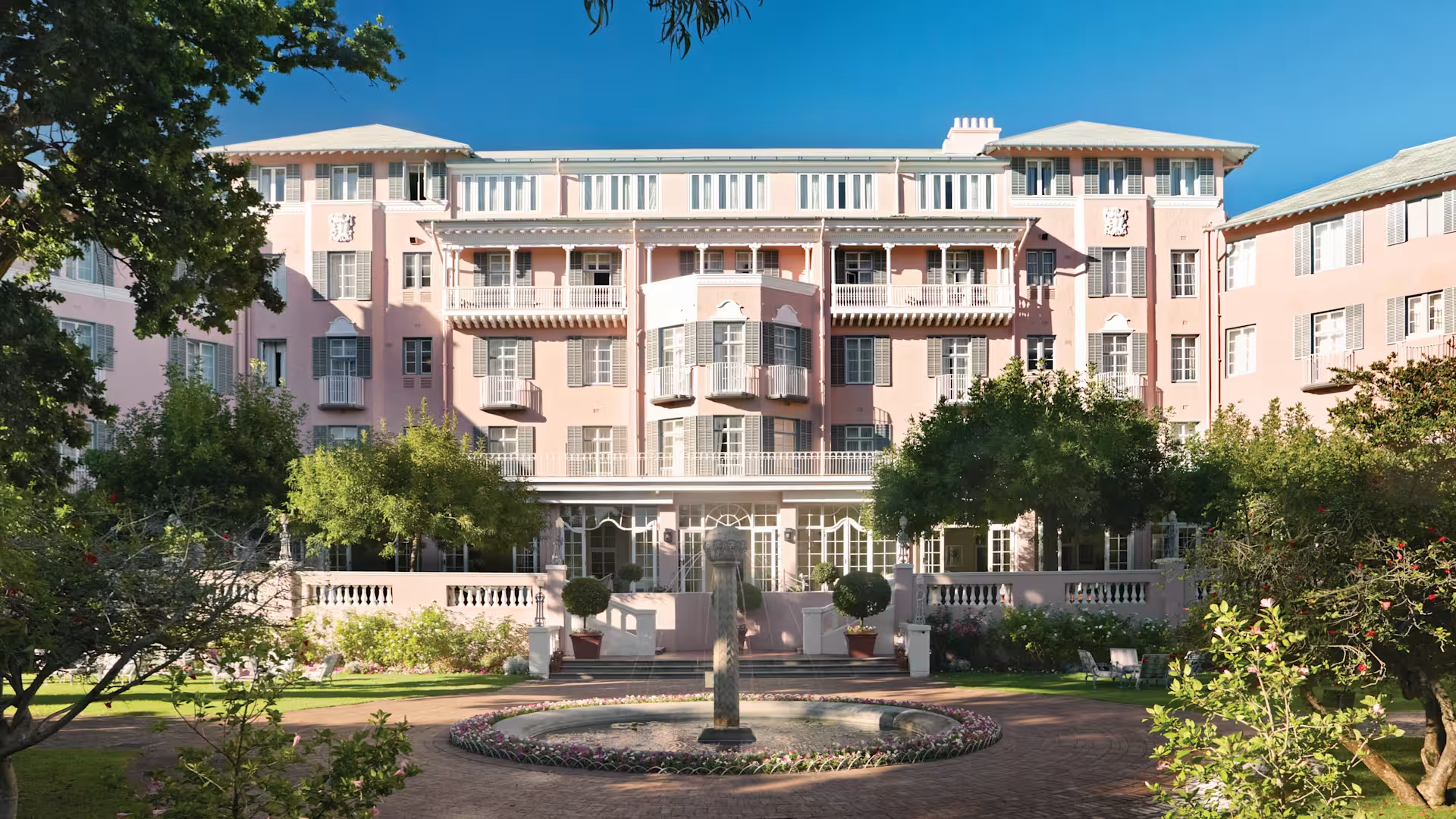
Known affectionately as the ‘Pink Lady’, Mount Nelson has been part of Cape Town’s story since 1899. Its blush-coloured facades, palm-lined approach and extensive gardens create a gracious oasis close to the city centre, with Table Mountain rising beyond the grounds. The atmosphere is one of cultivated ease rather than display: historic character, contemporary South African culture, elegant rooms and the enduring ritual of afternoon tea. It suits travellers who want a classic grand-hotel experience with the city within easy reach.
One&Only Cape Town
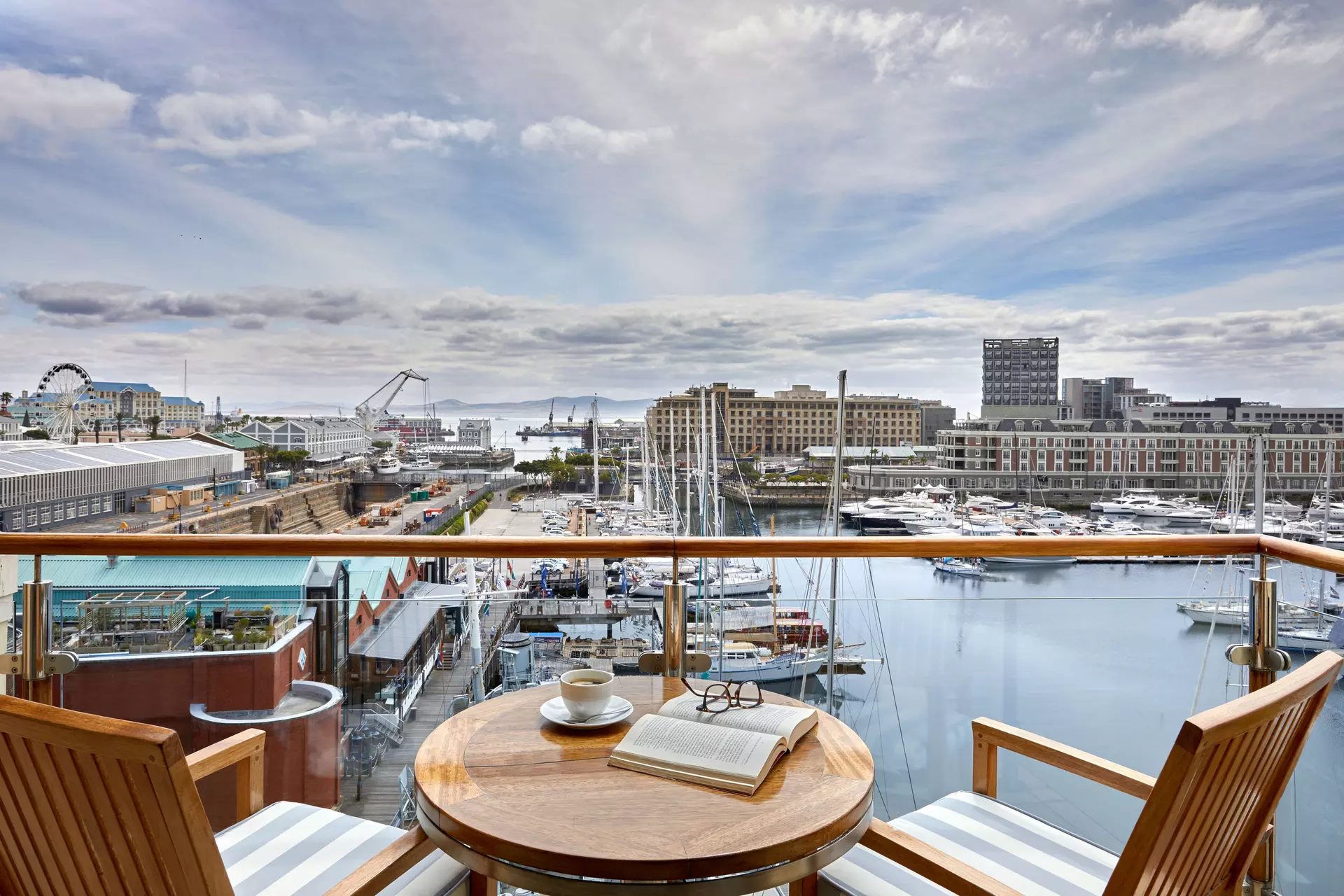
Set within the V&A Waterfront, One&Only Cape Town combines resort-like calm with immediate access to the harbour precinct. Its rooms and suites frame the marina or Table Mountain, while the private-island setting gives parts of the property a feeling of separation from the city’s bustle. The appeal lies in the balance: spacious accommodation, destination dining and wellness facilities, with museums, restaurants and harbour experiences close at hand. It is particularly well suited to travellers who value full-service comfort without retreating from urban life.
Cape Grace, A Fairmont Managed Hotel
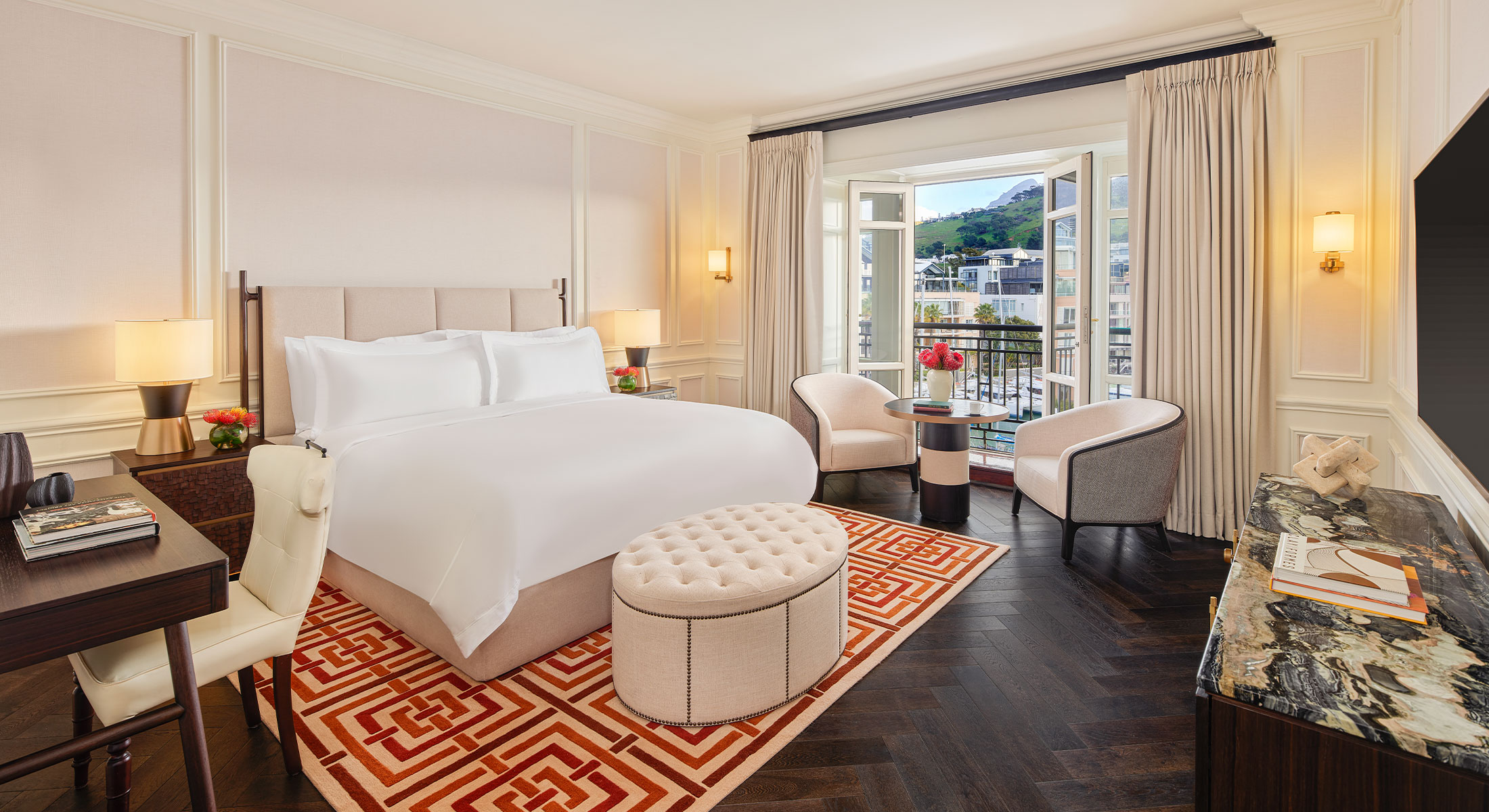
Cape Grace occupies a privileged position at the water’s edge, where the harbour, marina and Table Mountain form part of the view. Its interiors favour warmth and understated refinement over spectacle, giving the hotel the character of a polished private residence within the Waterfront. Personalised service and a strong sense of place make it an appealing choice for guests who want to be close to the city’s restaurants and cultural attractions while returning to an atmosphere of quiet composure.
Ellerman House
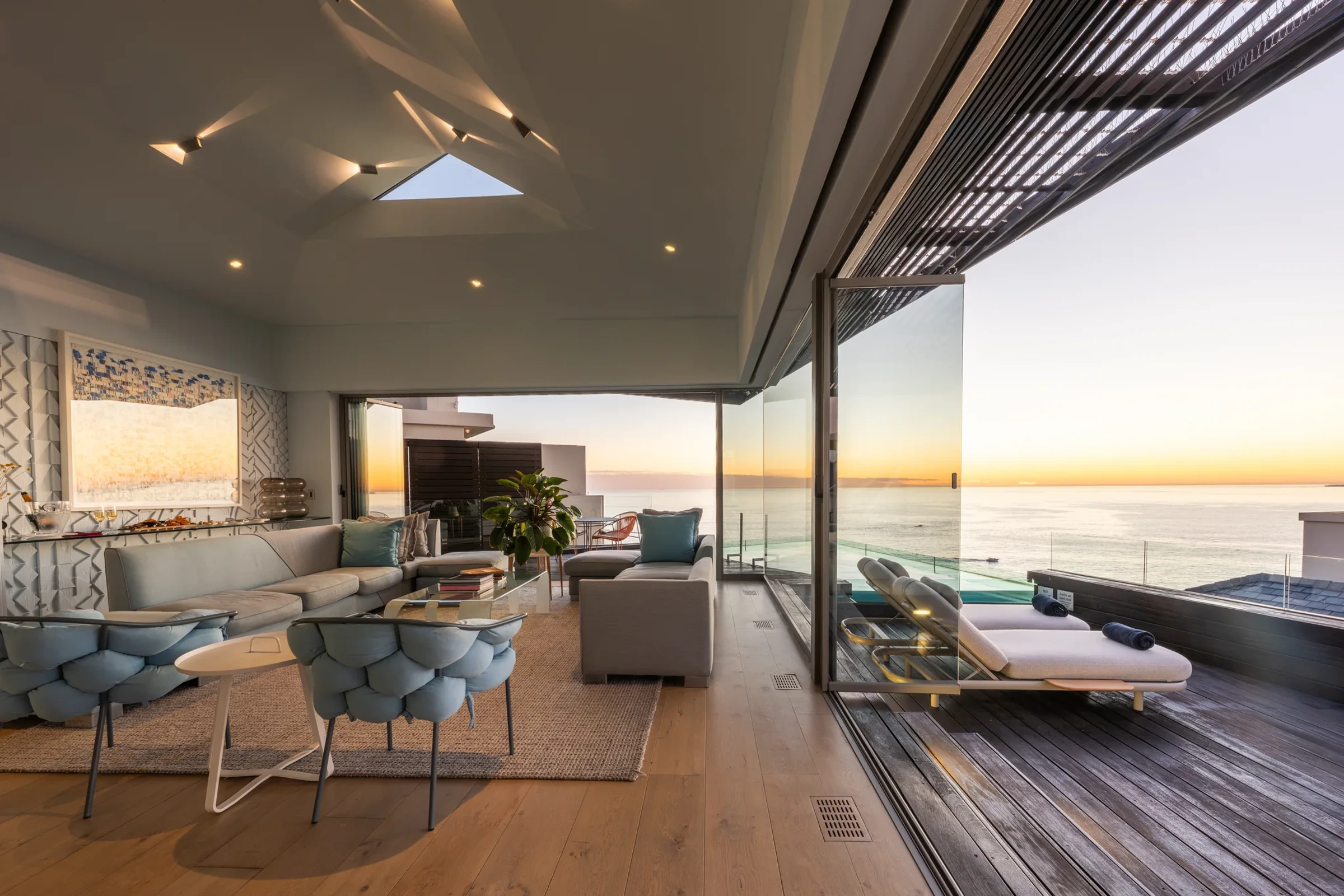
Above Bantry Bay, Ellerman House feels more like an exceptional private home than a conventional city hotel. The Atlantic stretches below its gardens and terraces, while South African art and a considered collection lend the property a strong cultural identity. Its intimacy is central to the experience: this is a place for travellers who value privacy, conversation, carefully curated hospitality and the feeling of inhabiting a remarkable coastal residence. The setting is especially compelling for a slower, design-conscious stay.
The Silo Hotel
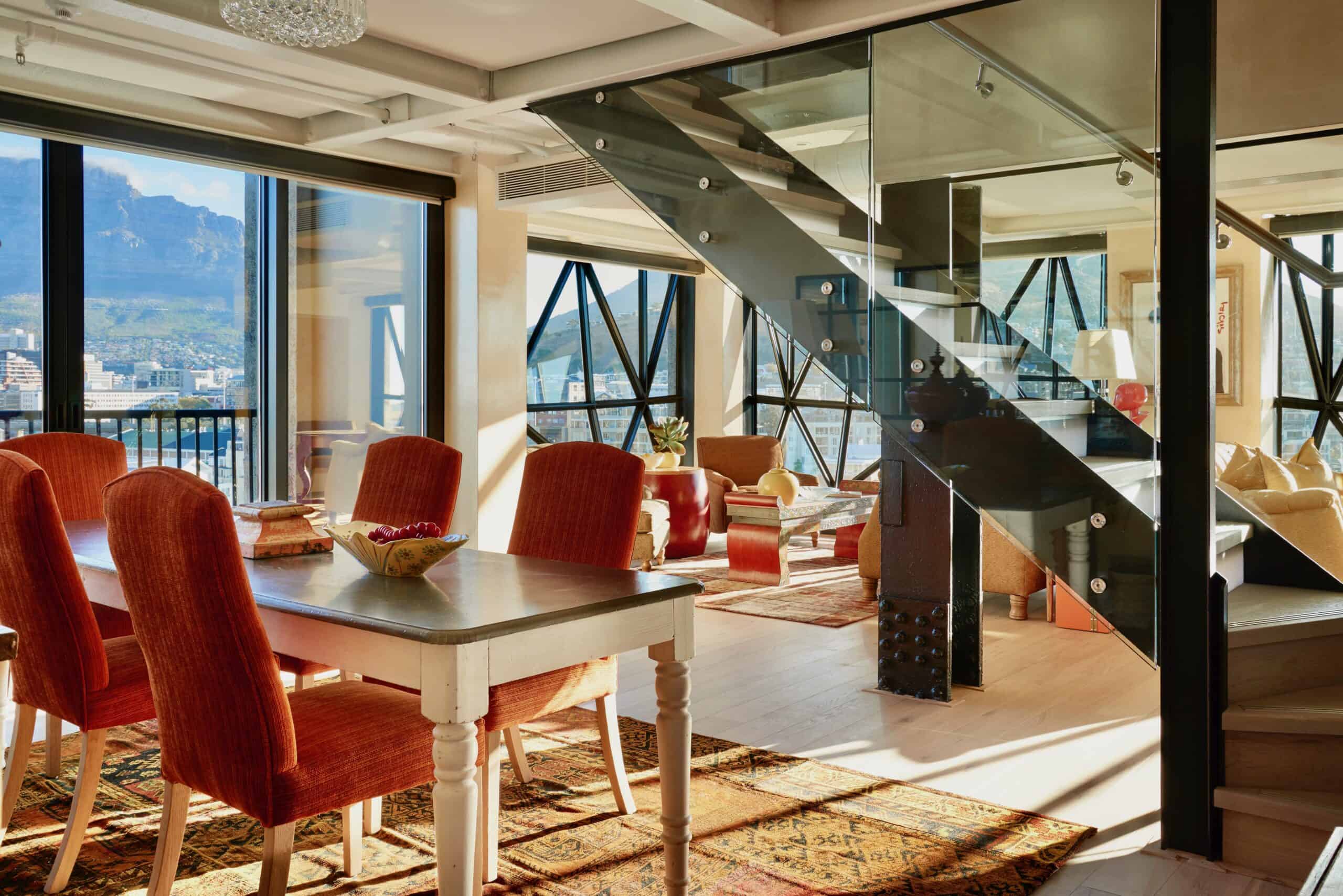
Rising above the V&A Waterfront in a reimagined historic grain silo, The Silo Hotel makes architecture part of the experience. Its distinctive pillowed-glass windows catch the light, while interiors bring contemporary African art, expressive colour and individually chosen furnishings into a bold dialogue. Elevated views sweep across Table Mountain, the city and the harbour. For travellers drawn to art, design and a more contemporary expression of luxury, The Silo offers a vivid counterpoint to Cape Town’s heritage properties.
The Twelve Apostles Hotel and Spa
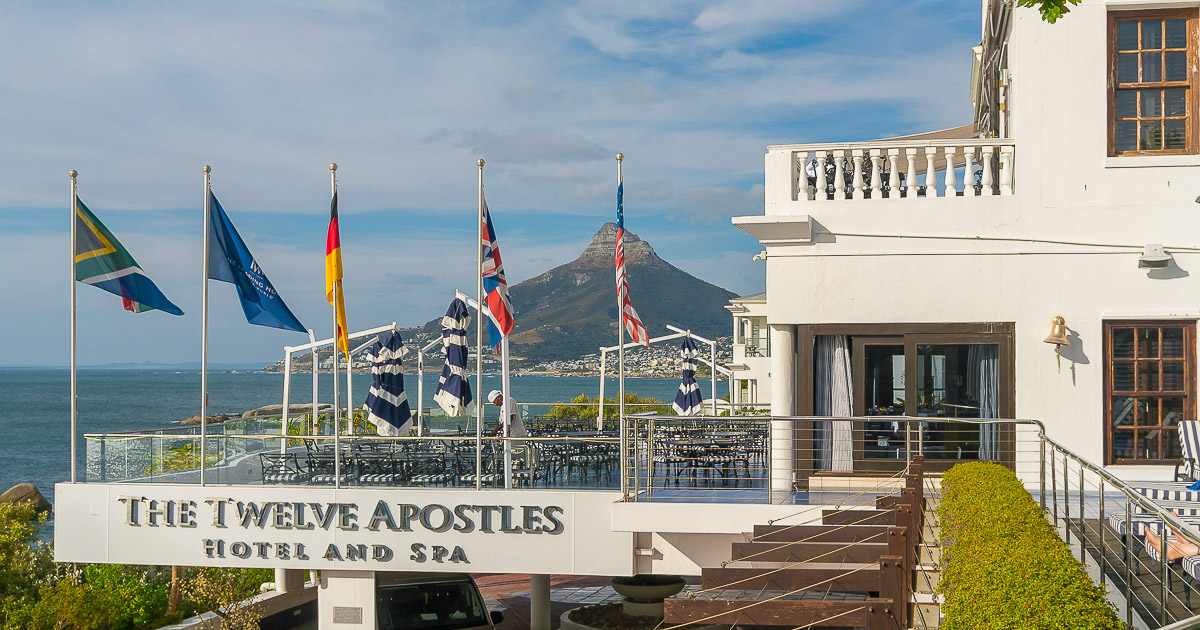
Positioned between the Atlantic and the dramatic Twelve Apostles mountain range, this coastal retreat places landscape at the centre of the stay. Ocean-facing terraces, mountain views, a spa and fine dining create a restorative atmosphere beyond the city’s busiest districts, while Cape Town remains accessible by road. Its greatest pleasure may be the simplest: watching the light shift across the water, returning from a coastal drive, and allowing the evening to unfold without a schedule.
When to Visit Cape Town
Summer | November to March
Long days, warm weather and an energetic outdoor culture make summer the classic season for beaches, coastal drives, alfresco dining and sunset experiences. December and January are particularly busy, so reserve accommodation, popular restaurants and major excursions early. The southeasterly wind can affect cableway operations and outdoor plans; keep a flexible alternative ready.
Autumn | March to May
Autumn often brings a gentler pace, with warm days gradually giving way to cooler evenings. It is an appealing period for city exploration, walking and wine experiences, particularly for travellers who prefer fewer peak-season crowds. Conditions vary, so pack layers and leave room for both sunlit afternoons and changeable weather.
Winter | June to August
Winter is cooler and wetter, but the city does not disappear indoors. Storm-lit coastlines, museums, galleries, restaurants and fireside dining can make this a rewarding season for a more intimate visit. Outdoor plans need flexibility, and mountain or sea excursions should be confirmed against current conditions.
Spring | September to November
Spring brings fresh vegetation, changing light and a renewed appetite for outdoor exploration. It can be a particularly appealing time for gardens, coastal walks and scenic drives before the height of the summer rush. Weather remains variable, so a layered wardrobe is useful even on bright days.
Planning Your Stay
How long to stay: Four to five nights gives a first-time visitor enough room for the city, Table Mountain, the peninsula, a cultural experience and a relaxed meal or two. Add nights if you want to explore the Constantia wine area in depth or include more hiking and coastal time.
Getting around: Cape Town is spread across a wide area, and many of its most rewarding experiences lie beyond the central districts. A private driver or well-planned car hire can be useful for the peninsula and wine areas; use reputable transport providers and avoid leaving belongings visible in vehicles. Walking works well in selected neighbourhoods during daylight, but do not assume every route is equally suitable at all hours.
Reservations and conditions: Book Robben Island, sought-after restaurants and special experiences ahead of time. Check the Table Mountain Aerial Cableway’s official operating status, and verify ferry departures and weather-dependent activities close to the date. For outdoor excursions, use qualified guides and follow local safety advice.
What to pack: Comfortable walking shoes, a light waterproof layer, sun protection and an extra warm layer are useful year-round. Cape Town can shift from bright sunshine to wind or rain in a short span, especially near the mountain and coast.
Respectful travel: Learn about the city’s history, support locally owned businesses where possible, and approach residential neighbourhoods with consideration. In natural areas, stay on marked routes, observe wildlife from a distance and leave the landscape as you found it.
Beyond Cape Town: Continue the Journey
Cape Town offers a compelling introduction to South Africa’s meeting of landscape, culture and considered living. Travellers drawn to its relationship between mountain and ocean may find a similar sense of dramatic geography in Switzerland, where alpine villages and high-altitude landscapes define the rhythm of a journey. Those who prefer to follow the thread of design, food and historic atmosphere can continue through Italy’s layered cities and coastlines or France’s enduring art of living, each offering a different expression of regional character and refinement.
For a journey that moves from cultural depth to quiet immersion, Japan brings a distinct philosophy of craft, ritual and hospitality, while the Maldives offers an entirely different form of escape, where the horizon and the water become the central experience. Together, these destinations form part of the wider Luminara Voyages collection: journeys chosen not simply for what can be seen, but for the atmosphere that stays with you.
Frequently Asked Questions
How many days are ideal for Cape Town?
Four to five days is a strong introduction, allowing time for Table Mountain, the city’s cultural districts, the Cape Peninsula and a few unhurried meals. Longer stays are worthwhile if you want to explore wine areas or outdoor routes in greater depth.
What is the best month to visit Cape Town?
There is no single best month for every traveller. November to March is popular for warm, dry weather and beach time; autumn and spring can offer a more moderate pace; winter suits visitors comfortable with cooler, wetter conditions and flexible outdoor plans.
Is Table Mountain’s cableway always open?
No. Operations depend on weather and scheduled maintenance. Check the official Table Mountain Aerial Cableway website on the day of your visit and keep an alternative activity available.
Should Robben Island be booked in advance?
Yes. Advance booking is recommended, and the excursion should be planned with flexibility because ferry operations can be affected by sea conditions. Allow a substantial part of the day for the full visit.
Which area is best for a luxury stay?
The V&A Waterfront suits travellers who want dining, museums and harbour activity close by. The Gardens area offers a heritage-hotel atmosphere near the city centre; Bantry Bay and the Atlantic seaboard favour privacy and ocean views. The best base depends on the balance of city access and retreat you prefer.
Is Cape Town suitable for a family trip?
Yes, with thoughtful planning. Gardens, beaches, the Waterfront and guided cultural experiences offer variety, while outdoor activities should be selected for the ages and abilities of the group. Check conditions and safety guidance locally.
Can Cape Town be combined with a safari?
Absolutely. Cape Town is often paired with a safari elsewhere in South Africa, but the transfer time depends on the reserve and transport arrangements. Build in sufficient time between flights and keep the city itinerary distinct from the safari portion.
What should I know about the Atlantic Ocean?
The water is often cold, and currents can be strong. Swim only where appropriate, follow local flags and lifeguard guidance, and do not assume calm-looking water is safe.
The Luminara Perspective
Cape Town is at its most memorable when it is allowed to remain contradictory. It is a city of grand horizons and intimate neighbourhoods, of serious history and irrepressible creativity, of mountain trails followed by a table set for a long lunch. Its luxury is not confined to a suite or a view; it lies in the rare freedom to move between worlds without travelling far—the wild edge of the peninsula, the cultural life of the city, the quiet of a garden and the Atlantic’s changing light.
Come for the scenery, certainly. Stay for the way the place makes space for both discovery and stillness. In Cape Town, the extraordinary is not a single moment. It is the way the day unfolds.