
Introduction: A City Between Stone and Summit
Some destinations ask travellers to choose between culture and nature. Innsbruck makes the distinction feel unnecessary. In the heart of the Austrian Tyrol, this elegant Alpine capital places medieval lanes, imperial architecture and contemporary city life beneath a dramatic wall of mountains. A morning can begin among painted façades and historic courtyards; within the same journey, a cable car can carry you from the city centre towards high-altitude landscapes where the rooftops appear almost miniature beneath the peaks.
Innsbruck, Austria, is a place of contrasts held in unusually close balance. The Inn River lends the city its name and traces a course past colourful buildings, while the Nordkette range rises behind the historic centre with an immediacy that defines the skyline. The result is neither simply a mountain resort nor a conventional European city break. Innsbruck has the cultural depth of a former imperial centre and the open-air possibilities of a destination shaped by the Alps.
Its history is visible in the Golden Roof, the Imperial Palace and the Court Church, but the city is not confined to its past. Contemporary architecture, thoughtful museums, independent shops and a confident Tyrolean food culture give Innsbruck a modern rhythm. In winter, snow and mountain sports bring a particular energy; in warmer months, walking trails, terraces and panoramic viewpoints invite a slower kind of exploration.
For travellers drawn to places with character rather than spectacle alone, Innsbruck rewards attention. Its most memorable moments often arrive in the transitions: the quiet of an early Old Town, the sudden scale of the mountains, the warmth of a traditional dining room after a day outdoors, and the evening light settling over the Inn Valley.
The Old Town: Innsbruck’s Historic Heart
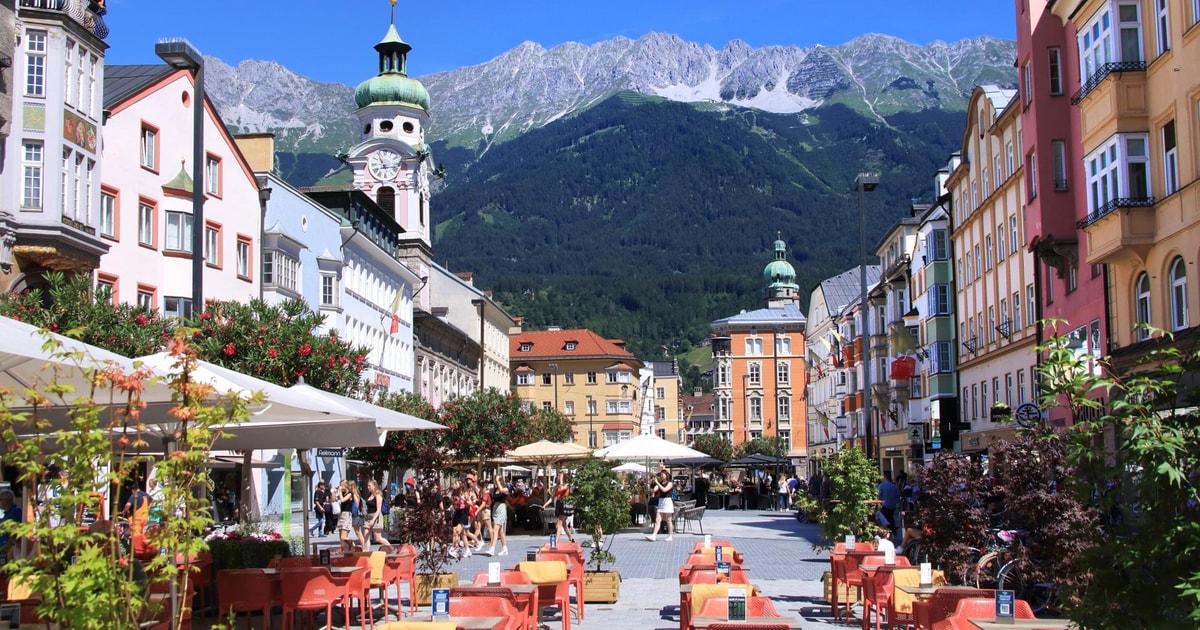
The historic centre is the natural starting point for understanding Innsbruck. Its compact streets bring together late-medieval structures, Baroque and Rococo façades, arcaded passages and small squares that encourage unhurried exploration. The architecture tells the story of a city whose position along Alpine trade routes helped connect northern and southern Europe.
Herzog-Friedrich-Straße leads towards the city’s most famous landmark. Along the way, richly decorated buildings and traditional shopfronts create an atmosphere that is distinctly Tyrolean. Pause to appreciate the details rather than treating the centre as a checklist: painted façades, carved portals, wrought-iron signs and glimpses into quiet courtyards give the district its texture.
The Old Town is also a place to discover Innsbruck’s everyday character. Independent boutiques sit beside cafés and specialist shops, while traditional inns offer a taste of regional hospitality. The best approach is to leave room for spontaneous discoveries and return at different times of day, when the changing light alters the appearance of the buildings and surrounding mountains.
The Golden Roof: A Landmark of Imperial Ambition
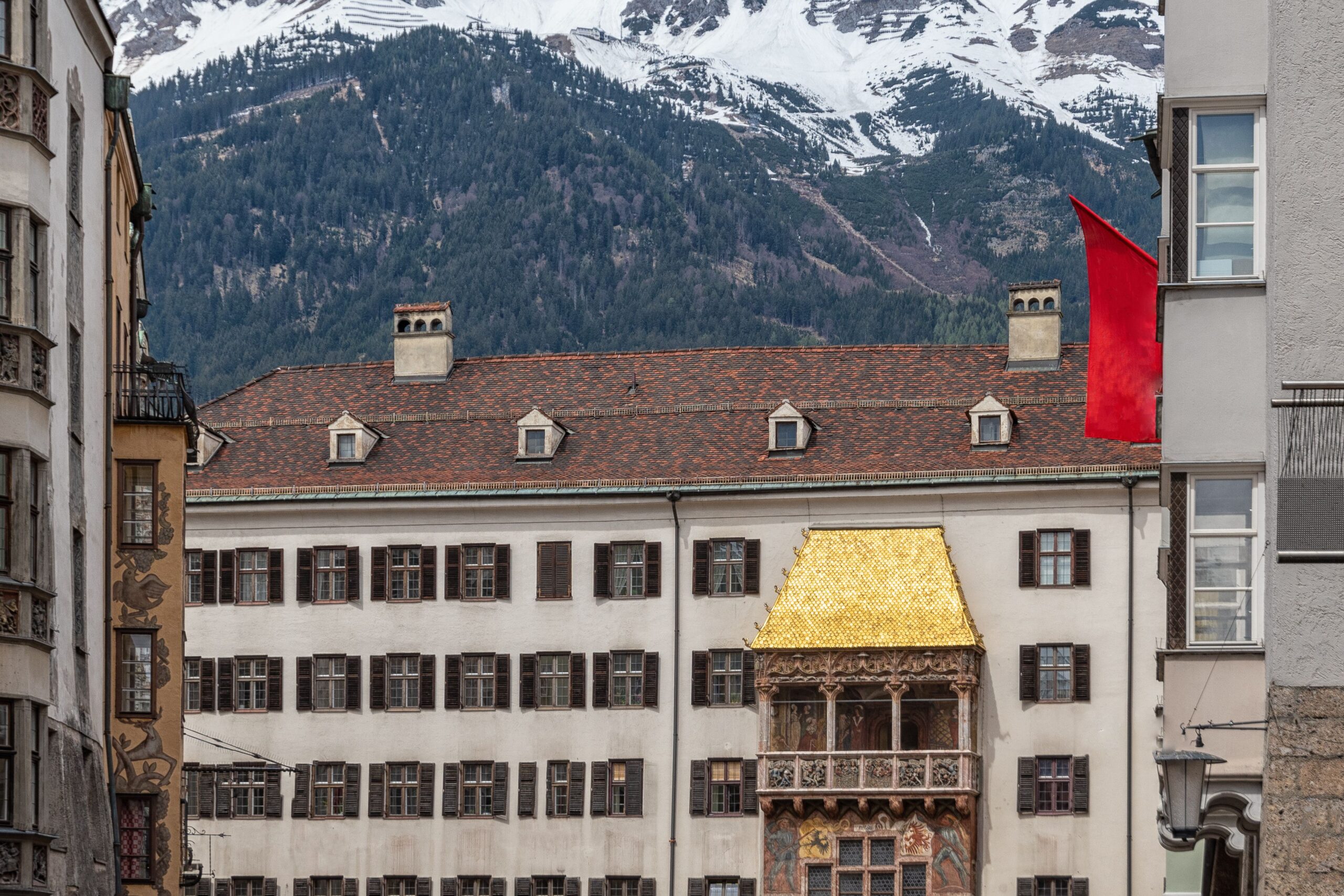
The Golden Roof, or Goldene Dachl, is Innsbruck’s defining symbol. Its gilded copper shingles catch the light above the Old Town, creating a striking focal point amid the surrounding historic façades. Commissioned under Emperor Maximilian I around the turn of the sixteenth century, the ornate oriel was completed between 1497 and 1500.
The roof is covered with 2,657 gilded copper shingles, while its decorative reliefs and painted details reflect the artistic ambitions of the late Gothic period and the transition towards the Renaissance. More than an attractive architectural detail, it speaks to Innsbruck’s significance as a centre of Habsburg power and ceremony.
Spend time viewing the structure from the square, then explore the surrounding streets before continuing to other imperial landmarks. The Golden Roof Museum offers further context for those interested in its history. Opening hours and access arrangements can vary, so check official information before planning a visit.
The landmark is especially atmospheric in the softer light of morning or late afternoon, when the gold contrasts with the deeper tones of the historic buildings. Its appeal is not limited to photography; it provides a compelling entry point into the political and cultural history of Tyrol.
The Imperial Palace and Court Church: The Habsburg Legacy
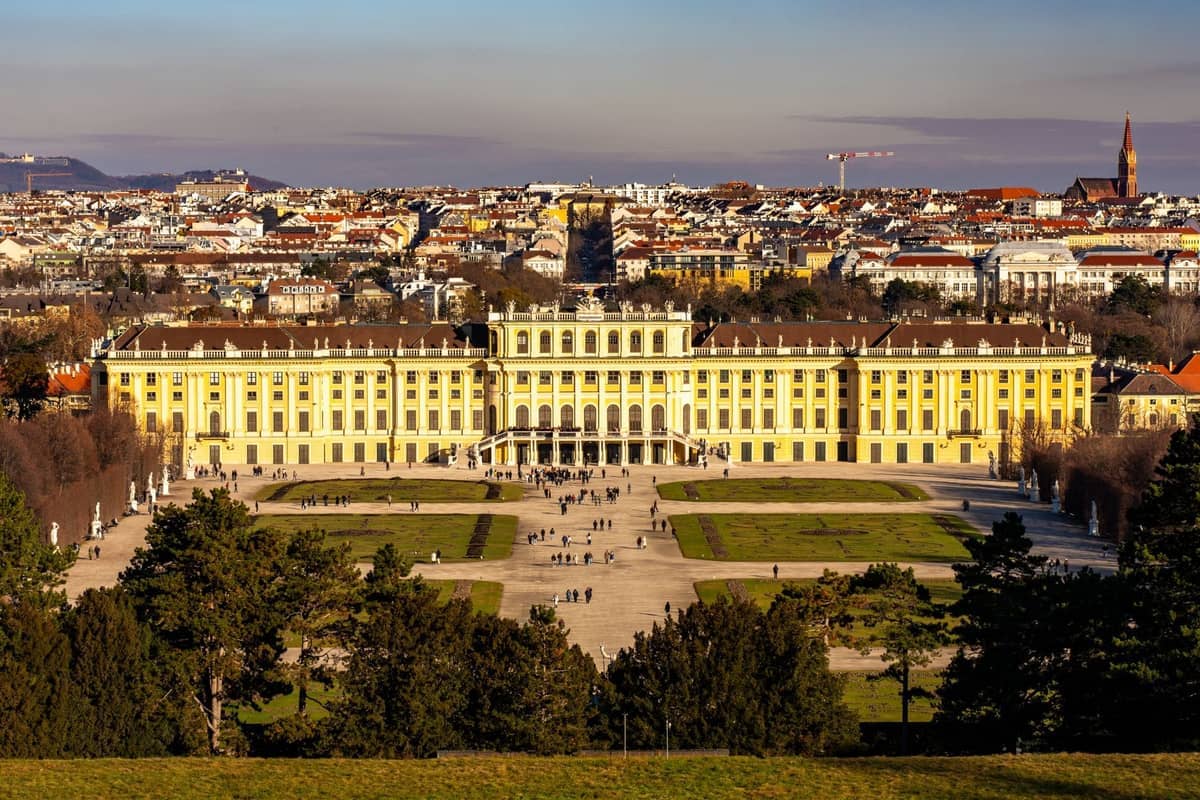
Innsbruck’s imperial identity becomes more tangible at the Hofburg, or Imperial Palace. With origins in the fifteenth century and later Baroque remodelling, the palace reflects the changing tastes and ambitions of the Habsburg dynasty. Its ceremonial rooms and richly decorated interiors offer insight into court life, where architecture, art and ritual expressed political authority.
Nearby, the Hofkirche, or Court Church, contains one of the city’s most remarkable historical ensembles. Twenty-eight larger-than-life bronze figures stand around the cenotaph of Emperor Maximilian I. Although the monument is commemorative rather than a burial site, the figures create an imposing visual procession, linking dynastic memory with the craftsmanship of the period.
These sites are best experienced together, allowing the palace’s ceremonial spaces and the church’s sculptural monument to illuminate different aspects of the same historical world. A guided visit can make the details more meaningful than a quick passage through the rooms.
Nordkette: From the City Centre to the High Alps
Few cities offer such a direct transition from historic streets to dramatic mountain terrain. The Nordkette range rises above Innsbruck, and the Nordkettenbahnen funicular and cable-car system connects the city with high viewpoints in the surrounding Alpine landscape. Under suitable operating conditions, the journey towards the Top of Innsbruck can take roughly half an hour from the centre, with timings depending on the route and service.
The ascent is part of the experience. As the city recedes, the valley opens beneath you and the scale of the mountains becomes increasingly apparent. At the upper stations, panoramic views stretch across Innsbruck and the surrounding peaks, creating a striking contrast between urban life and the rugged landscape of the Karwendel region.
In summer, the Nordkette is associated with hiking, climbing, mountain biking and time spent on panoramic terraces. In winter, snow sports and the atmosphere of the high Alps take centre stage. Conditions can change quickly at altitude, so dress in layers and check lift operations, weather and trail status before setting out.
Allow time to experience the changing landscape, enjoy a meal or drink at altitude when venues are open, and take in the view without rushing back to the city. The mountains are not a distant backdrop here; they are a living part of Innsbruck’s identity.
Maria-Theresien-Straße: The City’s Elegant Boulevard
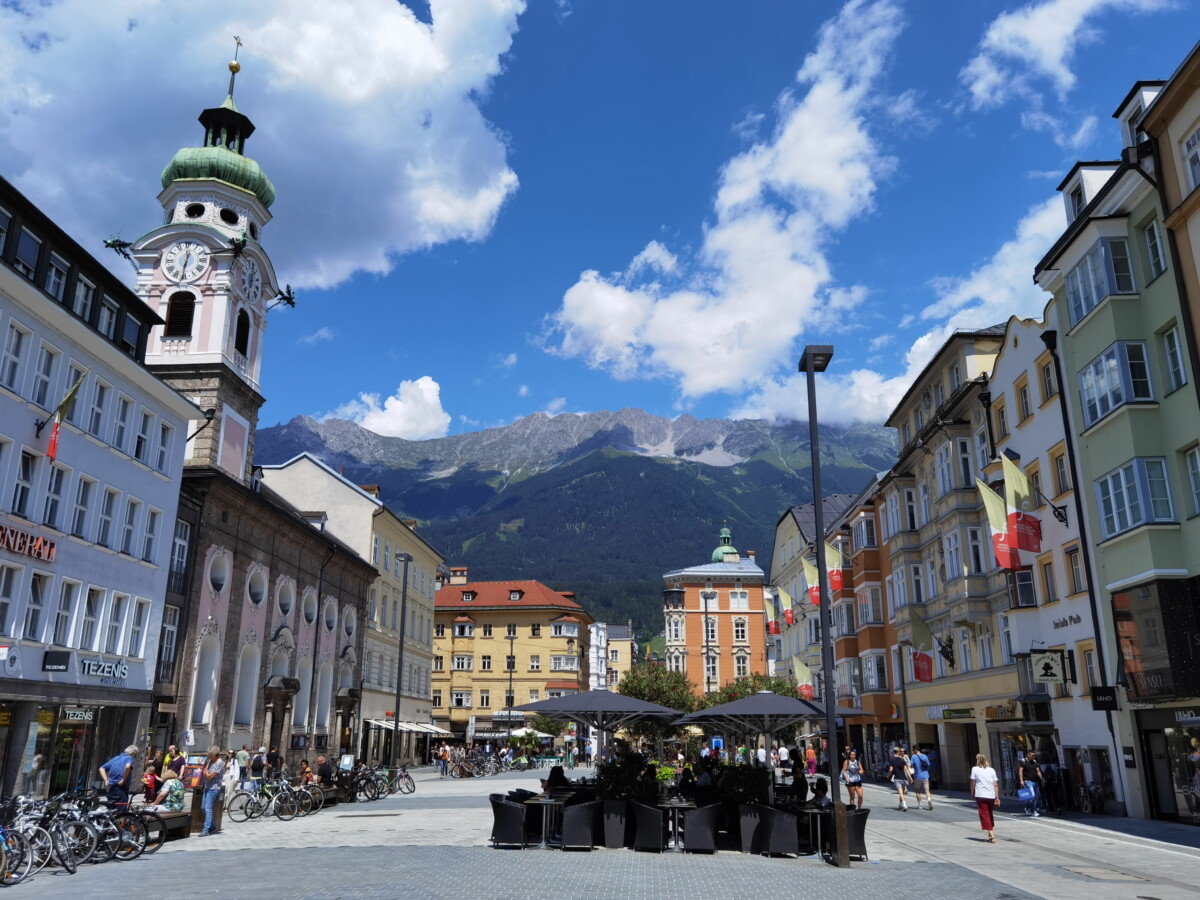
Maria-Theresien-Straße offers a different view of Innsbruck. Wider and more urban in character than the Old Town’s medieval lanes, this elegant boulevard is lined with historic façades, shops, cafés and restaurants. The mountains remain visible at the end of the street, framing the city’s architectural rhythm with a reminder of the landscape beyond.
The street is ideal for a leisurely walk between cultural visits. Its mix of independent retailers and international brands makes it a useful place to browse, while cafés provide an opportunity to slow down and observe daily life. The Anna Column adds a historic focal point, and the surrounding architecture reveals the city’s Baroque and later influences.
Ambras Castle: Art, Collections and Renaissance Grandeur
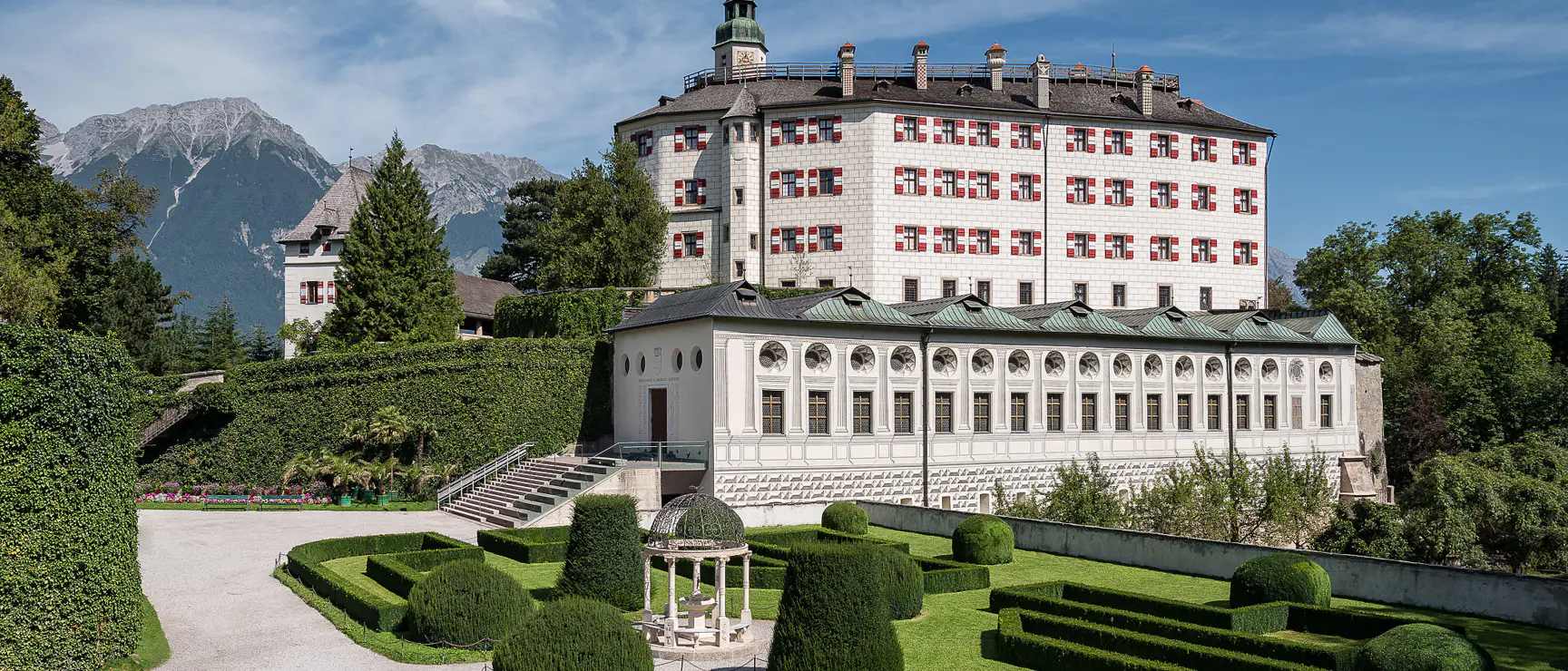
Set on a hillside above the city, Ambras Castle offers an intimate encounter with Tyrolean history. Closely associated with Archduke Ferdinand II, the Renaissance complex is known for its collections and its place in the history of collecting. The castle’s armoury, portrait galleries and chambers reveal the intellectual and artistic interests of an aristocratic court.
The setting adds to the appeal. The grounds and elevated position provide a quieter atmosphere than the city centre, while the interiors reward travellers who enjoy decorative arts and historical collections. Allow enough time to explore rather than treating the castle as a quick stop. Check seasonal opening arrangements and current exhibitions before visiting.
Bergisel: Architecture, Sport and a Panoramic View
The Bergisel ski-jump complex introduces a contemporary architectural statement to Innsbruck’s mountain landscape. The current tower was designed by architect Zaha Hadid, whose sweeping lines create a bold contrast with the surrounding terrain. The site is associated with the city’s winter-sports identity and its history of hosting major international competitions.
Even for travellers with little interest in ski jumping, Bergisel is worth considering for its architecture and elevated views. The tower’s vantage point offers a broad perspective across the city and the Inn Valley, while the surrounding area connects sporting heritage with the wider Alpine environment. Check opening hours and access in advance, particularly outside the main visitor season or during events.
Tyrolean Cuisine: A Taste of the Mountains
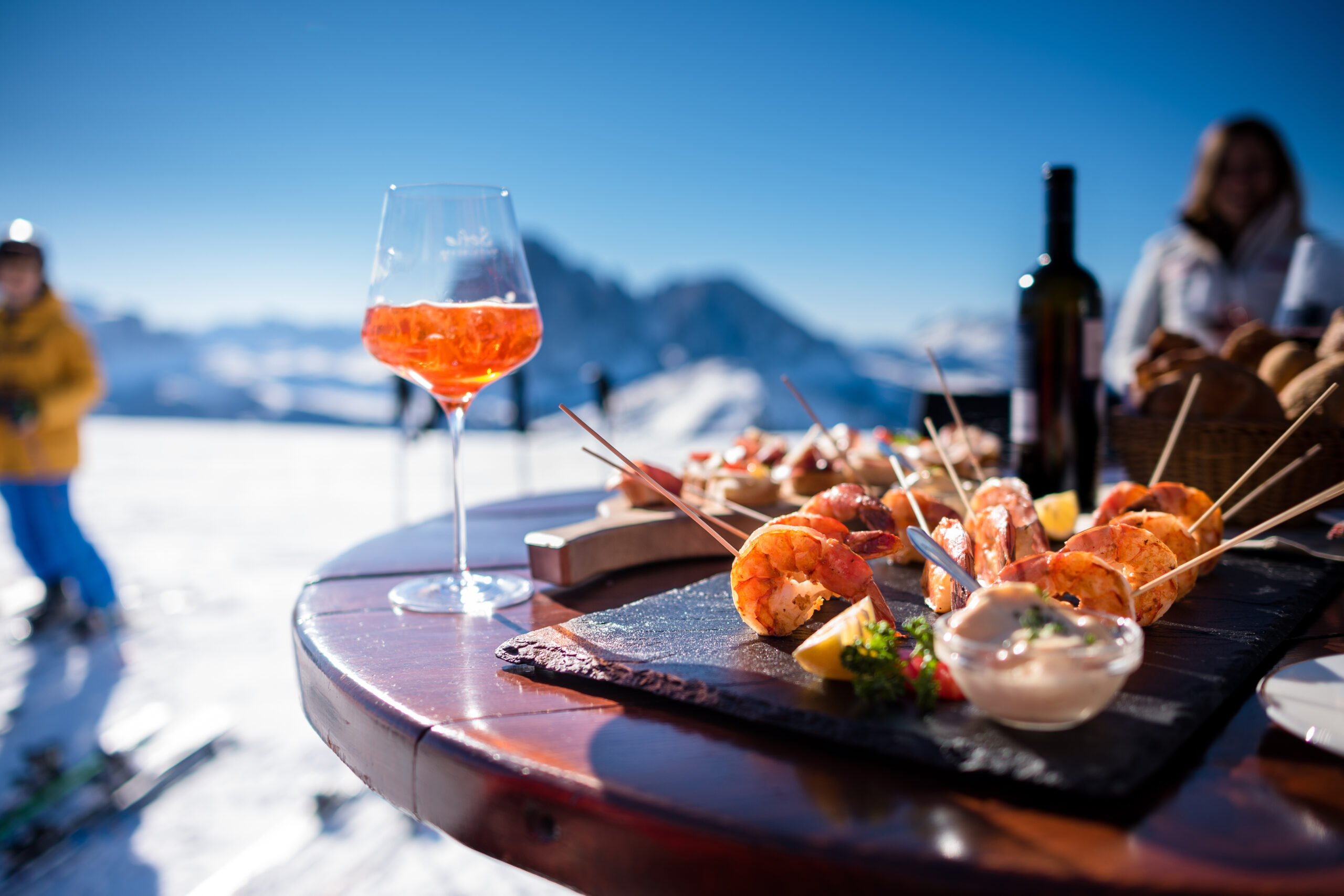
Innsbruck’s culinary identity is rooted in Tyrolean tradition, where Alpine ingredients, hearty dishes and seasonal produce reflect the landscape and climate. Yet the city’s food culture is not frozen in the past. Contemporary restaurants and thoughtful local kitchens reinterpret regional flavours, creating a dining scene that moves from rustic comfort to refined presentation.
Look for dishes such as Tiroler Gröstl, a pan-fried combination traditionally made with potatoes, meat and onions, or Käsespätzle, a comforting pasta-style dish with cheese. Dumplings, soups, regional cheeses and cured meats also appear across traditional menus. In warmer months, outdoor terraces offer a pleasant setting for lunch; in winter, the welcome of a warm dining room can be part of the experience itself.
A considered culinary itinerary should include more than one style of restaurant. Try a traditional Tyrolean inn for regional character, then reserve an evening for a contemporary kitchen that approaches local ingredients with a lighter touch. Cafés and pastry shops also deserve time, particularly for a leisurely coffee break between museums and shopping.
Luxury Stays in Innsbruck: A Considered Base for Alpine Discovery
Innsbruck’s accommodation ranges from contemporary city hotels to design-led properties and traditional establishments with a strong sense of local identity. The ideal base depends on whether you prefer to wake within the historic centre, remain close to mountain lifts or enjoy panoramic views across the city.
ADLERS Hotel Innsbruck
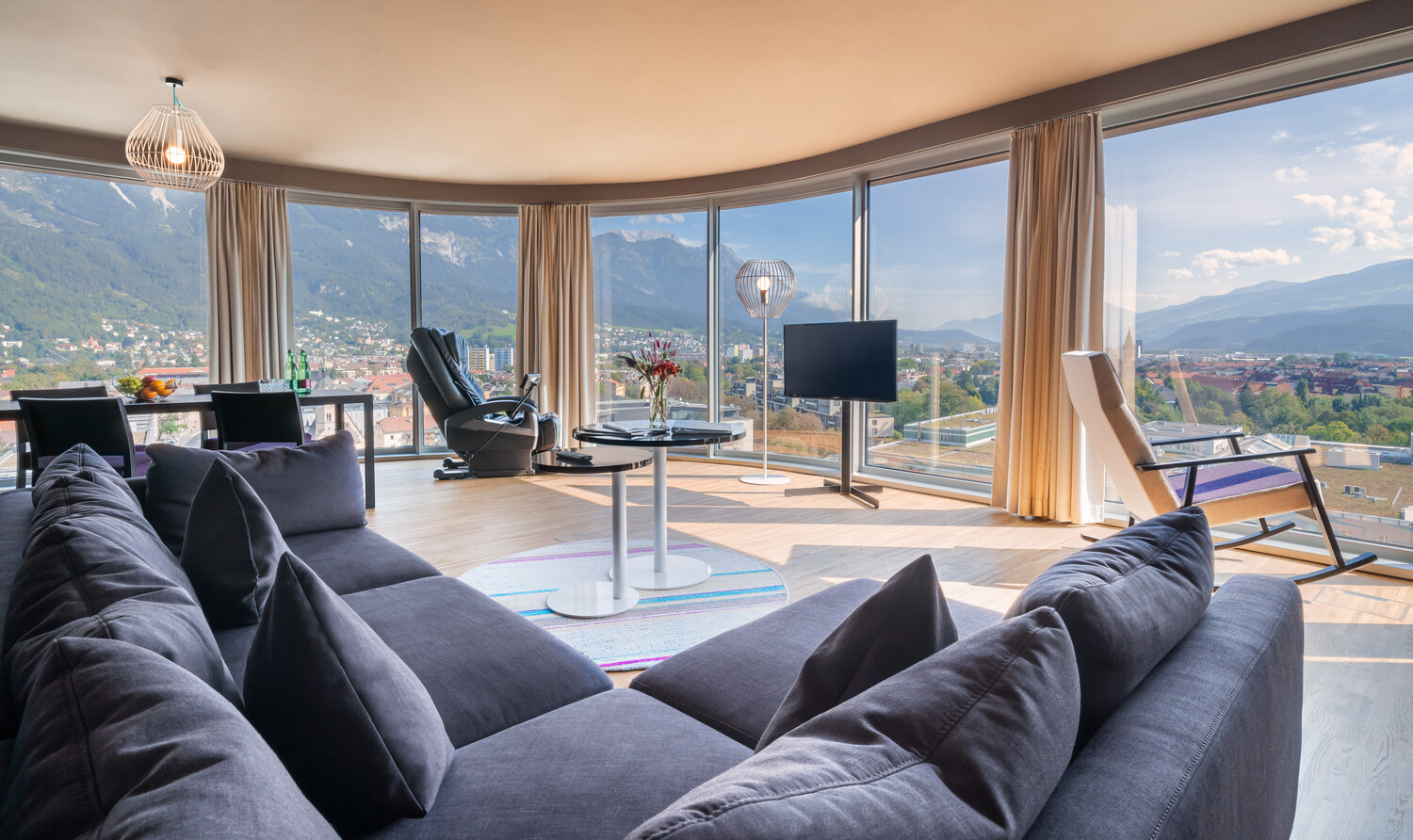
Rising above the city, ADLERS Hotel Innsbruck is known for its contemporary design and elevated outlook. Its position near the main railway station makes it convenient for travellers arriving by train, while higher-level views take in the rooftops, the Inn Valley and the surrounding mountains.
The hotel’s modern aesthetic suits travellers who prefer a cosmopolitan atmosphere rather than a traditional Alpine chalet style. It can be a compelling choice for a short city stay, particularly for visitors who value panoramic views and convenient transport connections. Check room categories and view descriptions directly with the property, as outlook and amenities can vary.
Stage 12 Hotel
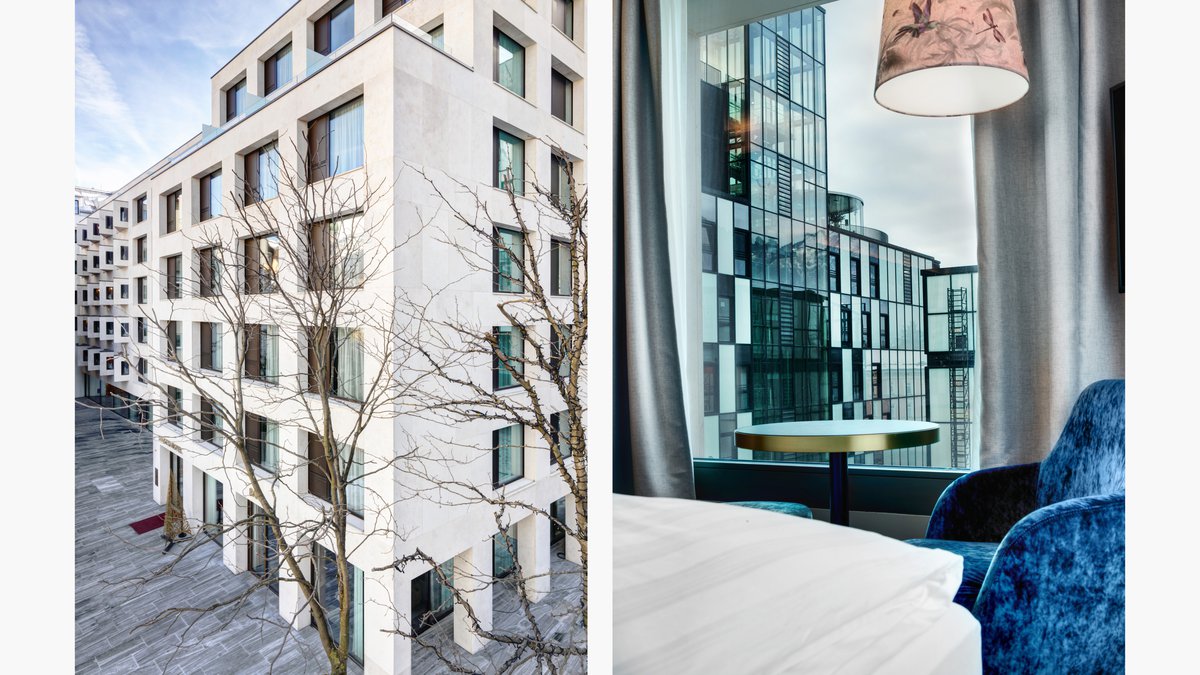
Located on Maria-Theresien-Straße, Stage 12 Hotel places guests in the heart of the city’s shopping and cultural district. Its contemporary interiors and central position make it well suited to travellers who want to explore Innsbruck on foot, with the Old Town and many major sights within easy reach.
The hotel offers a modern interpretation of urban Alpine hospitality. After a day spent exploring museums, historic streets or mountain viewpoints, guests can return to a city-centre base without needing to plan lengthy transfers.
Austria Trend Hotel Congress Innsbruck
Set near the Congress centre and opposite the Hungerburg cable-car station, Austria Trend Hotel Congress Innsbruck combines a contemporary hotel environment with convenient access to the mountains. Its position is particularly useful for travellers who intend to divide their time between city sightseeing and outdoor activities.
The hotel’s panoramic suites and wellness facilities add to its appeal after a day of hiking or winter sports. Its location also makes the Nordkette ascent straightforward to incorporate into a short stay, subject to lift operating hours and conditions.
Choosing your stay: aDLERS suits visitors drawn to contemporary design and elevated views; Stage 12 is ideal for a walkable city-centre experience; Austria Trend Hotel Congress is especially convenient for travellers prioritising mountain access. Confirm current facilities, room categories and services directly before booking.
The Best Time to Visit Innsbruck, Austria
Innsbruck is a year-round destination, but the experience changes markedly with the seasons. The best time depends on whether your priority is mountain hiking, winter sports, historic sightseeing or a combination of all three.
Spring — March to May
Spring brings a gradual transition from winter conditions to greener valley landscapes. Higher trails may still hold snow, while the city becomes increasingly inviting for walks, museums and outdoor dining. This can be a rewarding season for travellers who enjoy culture and early-season mountain scenery, provided they check conditions before planning hikes.
Summer — June to August
Summer is ideal for many hiking routes, mountain excursions and outdoor experiences, though weather in the Alps can change quickly. Begin walks early, carry suitable layers and water, and check trail and lift status. The long days also make it easier to combine a mountain outing with an evening in the Old Town.
Autumn — September to November
Early autumn can bring clear air, colourful foliage and excellent conditions for city exploration, although mountain weather becomes more variable as the season advances. It is a beautiful period for photography and cultural travel, but some high-altitude services or seasonal venues may reduce their schedules later in autumn.
Winter — December to February
Winter gives Innsbruck its classic Alpine atmosphere. Snow-covered peaks, festive lights and access to nearby ski areas make the city appealing for travellers interested in winter sports. The historic centre remains rewarding for non-skiers, with museums, cafés, architecture and seasonal events providing plenty to explore. Check snow conditions, transport and lift operations before travelling.
For a balanced city-and-mountain itinerary, late spring through early autumn often provides the broadest range of outdoor options. Winter is especially appealing when skiing or seasonal Alpine atmosphere is central to the trip.
Planning a Refined Innsbruck Itinerary
Two to three nights provides a useful introduction to Innsbruck, while four nights or more allows a relaxed combination of cultural sights and mountain experiences.
Day One — Imperial Innsbruck
Begin in the Old Town, taking time to appreciate the Golden Roof and surrounding historic façades. Continue to the Imperial Palace and Court Church, then walk along Maria-Theresien-Straße for cafés and shopping. End the day with a Tyrolean dinner in a traditional inn or a contemporary restaurant.
Day Two — The Nordkette Experience
Set aside much of the day for the Nordkette. Take the funicular and cable cars when operating conditions allow, enjoy the views from the upper stations, and choose a walk suited to the weather and your experience. Return to the city for a relaxed evening rather than overloading the schedule with additional major sights.
Day Three — Ambras Castle and Bergisel
Spend the morning at Ambras Castle, exploring its collections and grounds. In the afternoon, visit Bergisel for its architecture, sporting history and panoramic outlook. Leave time for a café stop or a final walk through the city before dinner.
Day Four — A Slower Tyrolean Day
If time permits, explore neighbourhoods beyond the central landmarks, visit a museum you missed earlier or arrange a guided culinary experience. Alternatively, use Innsbruck as a base for a carefully planned excursion into the wider Tyrol, checking journey times and seasonal transport in advance.
The most satisfying itinerary leaves room for weather changes. Mountain experiences depend on conditions, and the city itself has enough cultural depth to make a flexible day worthwhile.
Practical Guidance for a Seamless Visit
Getting around: Innsbruck’s central sights are largely walkable. Public transport helps connect outlying attractions, while mountain railways provide access to the Nordkette when operating. Check local schedules before setting out.
Arrival: Innsbruck can be reached by rail, road and air. Travellers arriving by train benefit from connections to the city centre; those flying should confirm the best transfer for their accommodation and arrival time.
Mountain safety: Conditions can change quickly in Alpine terrain. Check weather forecasts, trail status and lift operations, wear suitable footwear and layers, and choose routes appropriate to your experience.
City cards: The Innsbruck Card may include admission to selected attractions, public transport and certain mountain transport services, depending on current terms. Compare inclusions with your planned itinerary before purchasing.
Reservations: Book preferred hotels and sought-after restaurants ahead during busy periods, particularly around winter holidays, major events and peak summer travel.
Respect for place: Innsbruck is both a visitor destination and a lived-in city. Respect residential areas, follow marked mountain routes and observe local guidance in protected natural areas.
Frequently Asked Questions About Innsbruck, Austria
Is Innsbruck worth visiting for a luxury holiday?
Yes. Innsbruck combines imperial architecture, cultural institutions, refined dining, contemporary hotels and immediate access to the Alps. It suits travellers who want a sophisticated city break with outdoor experiences close at hand.
How many days should you spend in Innsbruck?
Two to three nights is a good starting point for the Old Town, imperial landmarks and the Nordkette. Four nights or more allows time for Ambras Castle, Bergisel, culinary experiences and a slower pace.
What is Innsbruck best known for?
The city is best known for the Golden Roof, its Habsburg heritage, the dramatic Nordkette mountains, winter-sports history and the unusual closeness of its historic centre to high Alpine terrain.
Can you reach the mountains from Innsbruck city centre?
Yes. The Nordkettenbahnen funicular and cable-car system connects the city with mountain viewpoints and high-altitude terrain, with the full journey depending on route, weather and operating schedules. Check current conditions before travelling.
When is the best time to visit Innsbruck?
Summer is popular for hiking and outdoor exploration, while winter is ideal for snow sports and Alpine atmosphere. Spring and early autumn can be excellent for cultural sightseeing and scenic walks, although mountain conditions vary.
Where should luxury travellers stay in Innsbruck?
aDLERS Hotel Innsbruck appeals to travellers seeking contemporary design and panoramic views. Stage 12 Hotel offers a central base on Maria-Theresien-Straße. Austria Trend Hotel Congress Innsbruck is particularly convenient for access to the Hungerburg cable-car station and mountain activities.
Is Innsbruck suitable for travellers who do not ski?
Absolutely. The Old Town, Golden Roof, Imperial Palace, Court Church, Ambras Castle, Bergisel, museums, cafés and culinary experiences offer plenty to enjoy throughout the year. Mountain viewpoints and suitable walks may also be available outside the ski season, depending on conditions.
Continue Exploring Austria
Innsbruck reveals a side of Austria where imperial history and the high Alps exist in close conversation. Yet the country’s appeal extends well beyond this mountain capital.
Continue through the Luminara Voyages Austria collection with Hallstatt, where a historic lakeside village rests between steep mountains and reflective water. For a different expression of Alpine sophistication, explore Kitzbühel, known for its historic centre and mountain-resort atmosphere. Zell am See offers a contrasting landscape of lakeside promenades and mountain views, while the Grossglockner High Alpine Road introduces one of Austria’s most dramatic mountain journeys when seasonal access permits.
For travellers drawn to lakeside retreats and summer elegance, Wörthersee offers another perspective on Austria’s varied landscapes. Each destination has its own rhythm, and together they reveal a country shaped as much by its regions as by its celebrated cities.
Use these links naturally within relevant paragraphs across the Austria collection, inviting readers to continue exploring rather than presenting a mechanical list of destinations.
Innsbruck: The Alps, With a City’s Soul
Innsbruck’s lasting appeal lies in the way it brings seemingly different worlds together. Its imperial buildings preserve the memory of a powerful European dynasty, its streets hold the everyday pleasures of a living Tyrolean city, and its mountains offer a sense of scale that changes the way the destination is experienced.
The most rewarding visit is not simply a sequence of landmarks. It is a morning spent beneath the Golden Roof, an ascent into the clear air of the Nordkette, the quiet of a castle gallery, and an evening shaped by regional flavours and warm hospitality. Each moment reveals another dimension of Innsbruck.
For the discerning traveller, this is the city’s true distinction: Alpine grandeur without isolation, cultural depth without formality, and luxury that can be found as much in a thoughtful experience as in a beautiful place to stay. Innsbruck does not ask you to choose between the city and the mountains. It invites you to experience both as part of the same journey.

