
Some places are built to impress. Aman was created to make you feel something.
Luxury is often measured by glittering chandeliers, towering skyscrapers, and extravagant suites. For decades, the hospitality industry has competed to build bigger, taller, and more luxurious hotels. Yet one brand quietly chose a different path.
Imagine arriving at a hidden sanctuary where there is no grand entrance, no bustling lobby, and no distractions competing for your attention. Instead, you’re welcomed by the gentle sound of waves, the scent of tropical gardens, and a team who already knows your name before you’ve even checked in. Your villa opens to uninterrupted ocean views, breakfast is served exactly when you want it, and every experience feels carefully designed around you—not the other way around.
This is not simply luxury.
This is Aman.
For more than three decades, Aman Hotels have represented a philosophy that places privacy above publicity, serenity above spectacle, and meaningful experiences above material extravagance. Every destination feels less like a hotel and more like a private retreat, thoughtfully woven into its surroundings while preserving the culture, history, and natural beauty of the place it calls home.
Whether it’s watching the sunrise over ancient temples in Kyoto, dining beneath the stars in the Moroccan desert, exploring Bhutan’s untouched valleys, or relaxing beside the turquoise waters of the Caribbean, every Aman property tells a story unlike any other.
Unlike many luxury hotel collections that aim to impress every traveler, Aman has always focused on a different audience—those who appreciate quiet sophistication, exceptional service, timeless architecture, and experiences that linger long after the journey ends.
Today, Aman is regarded as one of the most respected names in luxury hospitality, welcoming royalty, entrepreneurs, artists, celebrities, and discerning travelers from around the world. Yet despite its global reputation, the brand has never lost sight of the philosophy that inspired its very first property.
To truly understand why Aman is considered the pinnacle of understated luxury, we first need to travel back to where the story began.
The Story Behind Aman Hotels
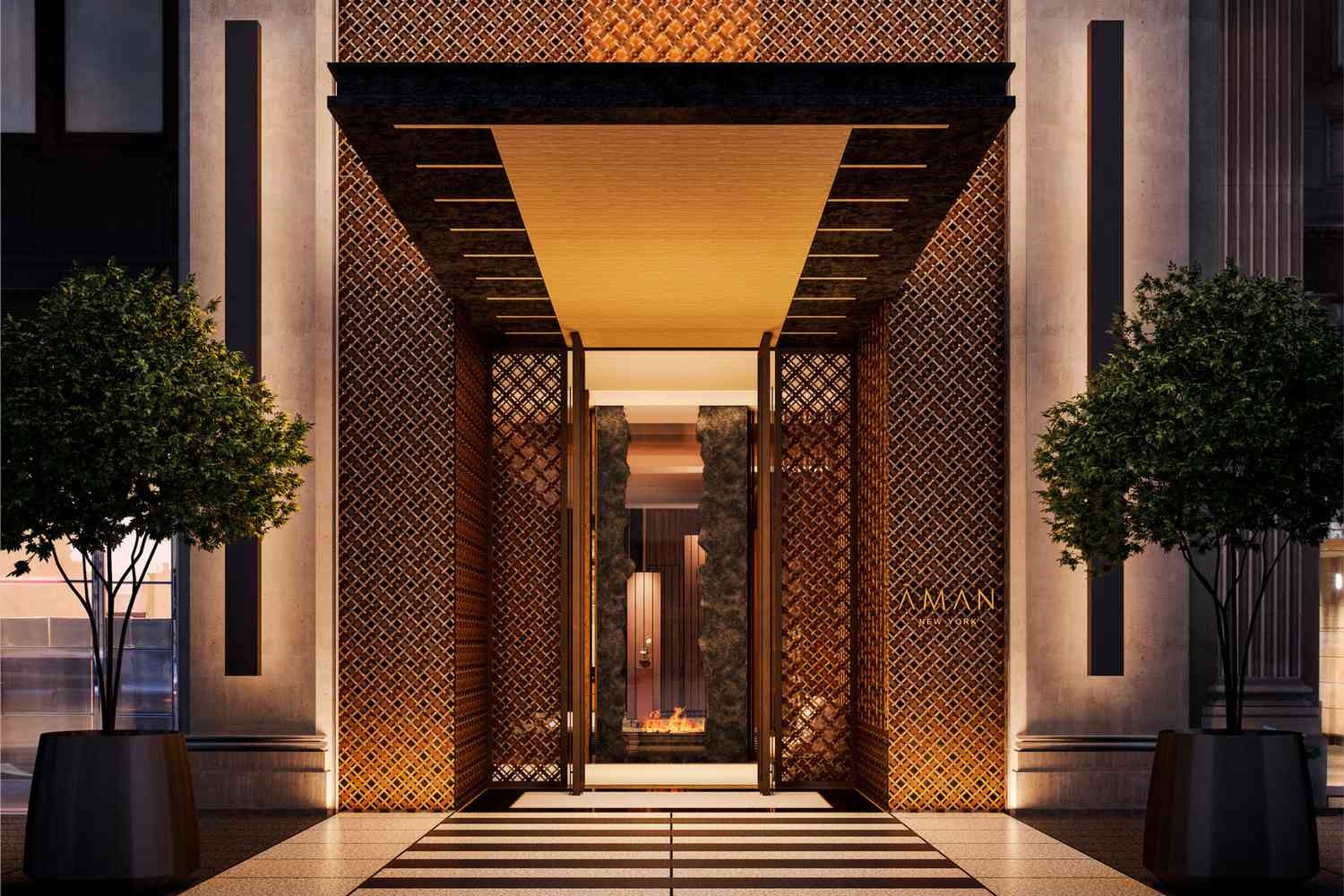
Every remarkable journey starts with a vision.
The story of Aman began in 1988 on the peaceful west coast of Phuket, Thailand, where Indonesian hotelier Adrian Zecha partnered with legendary architect Ed Tuttle to create a resort unlike anything the luxury hospitality world had ever seen.
Rather than building another lavish beachfront hotel filled with hundreds of rooms, grand ballrooms, and commercial attractions, they envisioned something entirely different—a sanctuary where architecture blended seamlessly with nature, where every guest enjoyed absolute privacy, and where luxury was defined by peace rather than excess.
That vision became Amanpuri, the very first Aman resort.
The name “Aman” comes from the Sanskrit word meaning “peace.” It wasn’t chosen simply because it sounded elegant—it reflected the philosophy at the heart of the brand. Every Aman property would become a place where guests could slow down, disconnect from everyday life, and reconnect with themselves through thoughtful design, exceptional hospitality, and extraordinary surroundings.
The response was immediate.
Travelers who experienced Amanpuri discovered something they hadn’t found elsewhere. There were no unnecessary distractions or overwhelming displays of luxury. Instead, there was space, silence, impeccable service, and an atmosphere that encouraged complete relaxation.
Encouraged by this success, Aman expanded carefully rather than quickly. Instead of opening dozens of hotels every year, the brand chose destinations with remarkable cultural heritage and breathtaking natural landscapes. Every new property was designed individually to reflect its environment, ensuring that no two Aman resorts ever felt the same.
Over the following decades, Aman established extraordinary retreats across Asia, Europe, the Americas, the Caribbean, the Middle East, and Africa. From mountain monasteries in Bhutan and peaceful gardens in Japan to dramatic desert landscapes in Utah and historic palaces overlooking Venice’s Grand Canal, each destination became an extension of the Aman philosophy rather than a repetition of a standard hotel design.
Today, Aman operates one of the world’s most exclusive collections of luxury hotels, resorts, branded residences, and wellness destinations. Although the portfolio continues to grow, the brand remains committed to its founding principles—creating intimate sanctuaries where architecture, culture, nature, and personalized service exist in perfect harmony.
In a world where luxury often competes for attention, Aman continues to prove that true elegance is often found in simplicity, authenticity, and the rare privilege of complete peace.
What You’ll Discover in This Travel Journal
This is more than a collection of luxury hotels—it’s a journey through one of the world’s most influential hospitality brands.
Throughout this comprehensive guide, you’ll discover:
- The remarkable history behind Aman Hotels and how a single resort in Thailand transformed luxury hospitality.
- The philosophy that makes Aman different from every other luxury hotel brand.
- Every Aman hotel and resort around the world, organized by region for easy exploration.
- The architecture, accommodation styles, signature experiences, wellness offerings, and dining concepts that define each property.
- The best Aman resorts for honeymoons, wellness retreats, family holidays, cultural discoveries, beach escapes, and adventure seekers.
- A comparison of Aman with other world-renowned luxury brands, including Four Seasons, Six Senses, Rosewood, and One&Only.
- Practical travel insights such as the ideal time to visit, approximate price ranges, who each property is best suited for, and what makes every destination truly unique.
- Frequently asked questions to help first-time guests understand what to expect from the Aman experience.
Whether you’re planning your first stay, searching for the perfect honeymoon destination, or simply fascinated by the world’s finest luxury hotels, this guide is designed to be your complete resource for exploring the extraordinary world of Aman Hotels.
So, take a moment to slow down, embrace the journey ahead, and discover why Aman continues to redefine luxury travel—one peaceful sanctuary at a time.
What Makes Aman Different?
There are luxury hotels almost everywhere in the world.
Some occupy the tallest buildings in major cities. Others boast Michelin-starred restaurants, fleets of Rolls-Royces, or infinity pools that seem to stretch into the horizon. Luxury, in today’s world, is surprisingly easy to find.
What remains rare is the feeling Aman creates.
The difference becomes clear the moment you arrive. There are no crowds gathering in a busy lobby, no constant background music competing for your attention, and no pressure to follow an itinerary. Instead, everything slows down. Conversations become quieter, mornings feel longer, and the outside world begins to fade into the background.
Aman has never tried to redefine luxury through excess. Instead, it perfected something much harder to achieve—creating spaces where guests genuinely feel at peace.
That philosophy influences every decision the brand makes.
Privacy Comes First
One of the defining characteristics of Aman Hotels is their remarkable sense of privacy.
Most luxury resorts focus on maximizing capacity. Aman does the opposite.
Many of its properties feature fewer than 50 suites or villas, carefully positioned to ensure guests rarely feel surrounded by other visitors. Villas often include private pools, secluded gardens, spacious terraces, and uninterrupted views, allowing every stay to feel deeply personal.
It’s one of the reasons Aman has quietly become a preferred retreat for world leaders, renowned artists, entrepreneurs, and public figures. Guests aren’t drawn by the opportunity to be seen—they come because they can finally disappear.
Architecture That Belongs to Its Destination
Unlike many international hotel brands, Aman doesn’t replicate the same design around the world.
Each property begins with a simple question:
“What belongs here?”
The answer changes with every destination.
In Kyoto, traditional Japanese aesthetics shape peaceful gardens, timber architecture, and quiet courtyards.
In Utah, stone pavilions blend seamlessly into towering sandstone cliffs, making the desert itself feel like part of the resort.
In Venice, centuries-old palace walls preserve the elegance of the city’s rich history, while contemporary comforts remain thoughtfully understated.
Every Aman property feels as though it has always belonged to its surroundings.
Service Without Performance
Luxury service often follows a familiar script—formal greetings, polished routines, and carefully rehearsed interactions.
At Aman, hospitality feels noticeably different.
The staff have an extraordinary ability to anticipate what guests need before they’re asked, yet the service never feels intrusive. Preferences are remembered naturally, schedules adapt effortlessly, and every interaction feels genuine rather than rehearsed.
It’s this quiet confidence that leaves such a lasting impression.
Many guests struggle to explain exactly why Aman service feels exceptional.
They simply remember how it made them feel.
Wellness Beyond the Spa
Wellness has become a popular trend across luxury hospitality, but Aman embraced it long before it became fashionable.
Every destination approaches wellbeing through the traditions of its own culture.
A morning meditation overlooking Himalayan valleys.
Japanese onsen rituals inspired by centuries of tradition.
Traditional Thai healing therapies.
Moroccan hammams.
Personalized nutrition programs.
Private yoga sessions surrounded by untouched nature.
Rather than offering treatments as optional extras, Aman weaves wellness into the rhythm of every stay.
A Collection, Not a Chain
Perhaps the most remarkable thing about Aman is that no two properties feel alike.
You won’t find identical restaurants, interchangeable interiors, or standardized guest experiences.
Instead, every destination tells its own story.
Aman Tokyo feels unmistakably Japanese.
Aman Venice couldn’t exist anywhere else.
Amangiri belongs entirely to the dramatic landscapes of the American Southwest.
Amanpuri remains deeply connected to the tropical beauty of Phuket where the journey first began.
Together, these properties form a collection rather than a chain—linked by philosophy rather than uniformity.
That is why travelers often describe their first Aman stay as the beginning of something, not the end of a holiday.
One visit rarely feels enough.
It simply leaves you wondering where the next Aman journey will take you.
Aman Hotels Around the World
Some hotel brands measure success by the number of properties they open.
Aman has always measured it differently.
For more than three decades, the brand has expanded with remarkable restraint, choosing extraordinary destinations over rapid growth. Instead of appearing in every major city or tourist hotspot, Aman has established its presence only in places that possess a strong sense of character—whether it’s an ancient capital, a remote desert, a tropical island, or a secluded mountain valley.
Today, Aman operates an exclusive portfolio of luxury hotels, resorts, residences, and wellness sanctuaries spread across some of the world’s most remarkable destinations. While each property reflects the culture and landscape around it, they all remain connected by a shared philosophy of privacy, timeless design, and deeply personal hospitality.
From the tropical shores of Southeast Asia to the snow-covered Alps, the historic canals of Venice, the dramatic canyons of Utah, and the untouched wilderness of Bhutan, every Aman destination tells its own story.
Before we explore each property in detail, here’s a glimpse of Aman across the world.
Aman Hotels by Region
| Region | Countries | Signature Experiences |
| Asia | Thailand, Japan, Indonesia, India, China, Cambodia, Laos, Sri Lanka, Bhutan, Philippines | Tropical islands, ancient temples, mountain retreats, wellness escapes, cultural journeys |
| Europe | Italy, Greece, Turkey, France | Historic palaces, Mediterranean coastlines, Alpine luxury, classical architecture |
| North America & Caribbean | United States, Turks & Caicos, Dominican Republic | Desert landscapes, beachfront sanctuaries, urban luxury, private beaches |
| Africa & Middle East | Morocco | Desert gardens, Moorish architecture, wellness retreats |
At a Glance: Aman currently operates around 35 properties across 20 countries, with additional destinations under development—an intentionally curated portfolio that reflects the brand’s commitment to quality over quantity.
Asia — Where the Aman Story Began
Every great story has a beginning.
For Aman, that beginning wasn’t in Paris, New York, or London. It started on a quiet peninsula overlooking the Andaman Sea, where coconut palms swayed gently above white sand and the pace of life followed the rhythm of the tides rather than the clock.
Asia remains the spiritual home of Aman.
It was here that the brand’s philosophy was born, refined, and perfected. Across this vast continent, Aman has created some of its most iconic retreats—each inspired by local traditions, natural landscapes, and centuries-old craftsmanship. From Japan’s tranquil gardens and Bhutan’s Himalayan monasteries to Indonesia’s volcanic coastlines and Thailand’s tropical beaches, every property offers a completely different interpretation of luxury.
Rather than imposing a single architectural identity, Aman allows each destination to shape its own personality. As a result, no two Asian properties feel alike. One may immerse you in Zen-inspired simplicity, while another celebrates Balinese artistry or Rajasthan’s royal heritage.
It’s a journey through Asia’s most extraordinary landscapes, told one sanctuary at a time.
Let’s begin where it all started.
Amanpuri, Phuket, Thailand
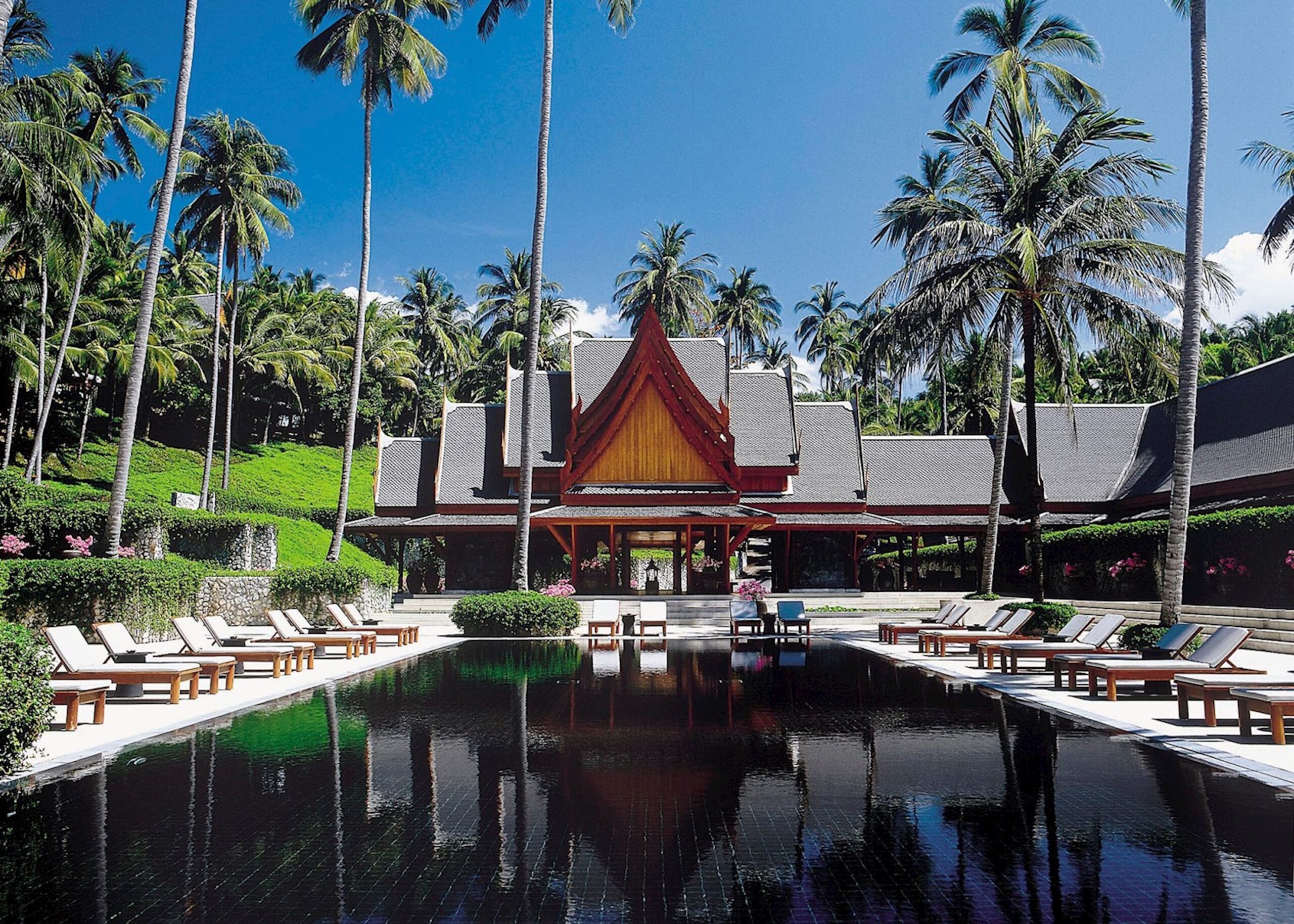
The Resort That Changed Luxury Hospitality Forever
Long before Aman became one of the world’s most admired hotel collections, there was Amanpuri.
Perched on a secluded headland overlooking the turquoise waters of Phuket’s west coast, Amanpuri opened its doors in 1988 and quietly transformed the way the world understood luxury travel.
Unlike the grand beachfront resorts that were beginning to dominate tropical destinations, Amanpuri embraced simplicity. Inspired by the graceful architecture of traditional Thai pavilions, architect Ed Tuttle designed the resort as a peaceful village of elegant structures nestled among coconut palms and lush tropical gardens. Every pavilion, villa, and pathway was positioned to create a feeling of privacy, allowing guests to experience nature without interruption.
Even today, Amanpuri feels remarkably timeless.
Days begin with sunrise yoga overlooking the Andaman Sea. Mornings drift into leisurely breakfasts accompanied by the sound of gentle waves. Guests spend their afternoons exploring nearby islands aboard private yachts, unwinding in one of Asia’s finest wellness centers, or simply relaxing beside an infinity pool that seems to merge effortlessly with the ocean beyond.
Despite being Aman’s first property, Amanpuri continues to set the benchmark for the entire collection.
Why Stay at Amanpuri?
- The birthplace of the Aman philosophy.
- Elegant Thai-inspired architecture surrounded by tropical gardens.
- One of the most celebrated wellness centers in Southeast Asia.
- Direct access to a secluded white-sand beach.
- Exceptional private villas with dedicated staff for a highly personalized stay.
Best For
Luxury beach escapes, wellness retreats, romantic getaways, multigenerational family vacations, and travelers seeking complete privacy.
Signature Experiences
- Private yacht charters through Phang Nga Bay.
- Traditional Thai wellness and holistic therapies.
- Sunset dining overlooking the Andaman Sea.
- Personalized fitness and wellness programs.
- Cultural excursions across Phuket and nearby islands.
Best Time to Visit
November to April, when Phuket enjoys sunny days, calm seas, and ideal conditions for island hopping and outdoor experiences.
Approximate Starting Price
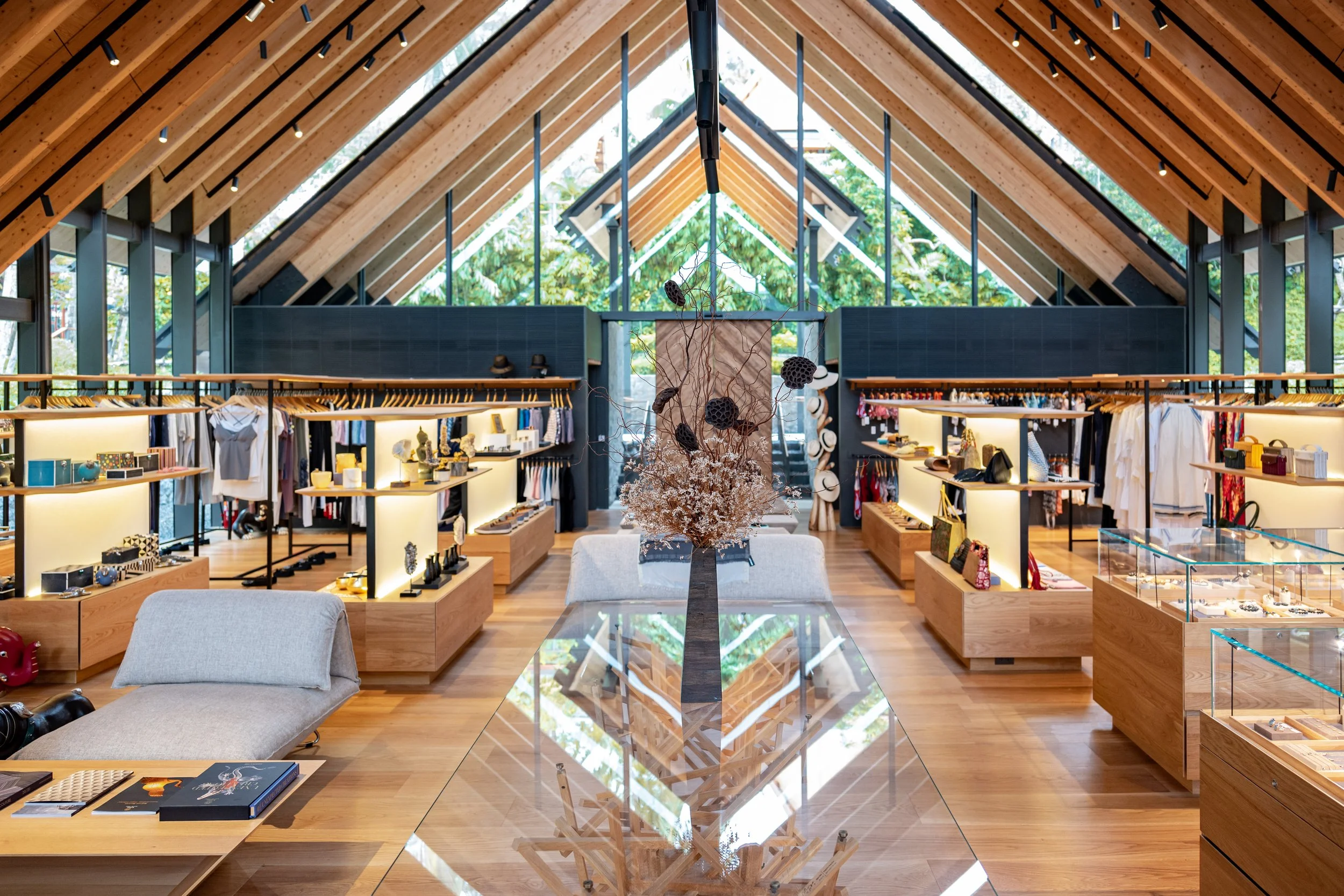
Luxury pavilions generally begin at around USD 1,200–1,500 per night, while private villas command significantly higher rates depending on the season and accommodation category.
Aman Tokyo, Japan
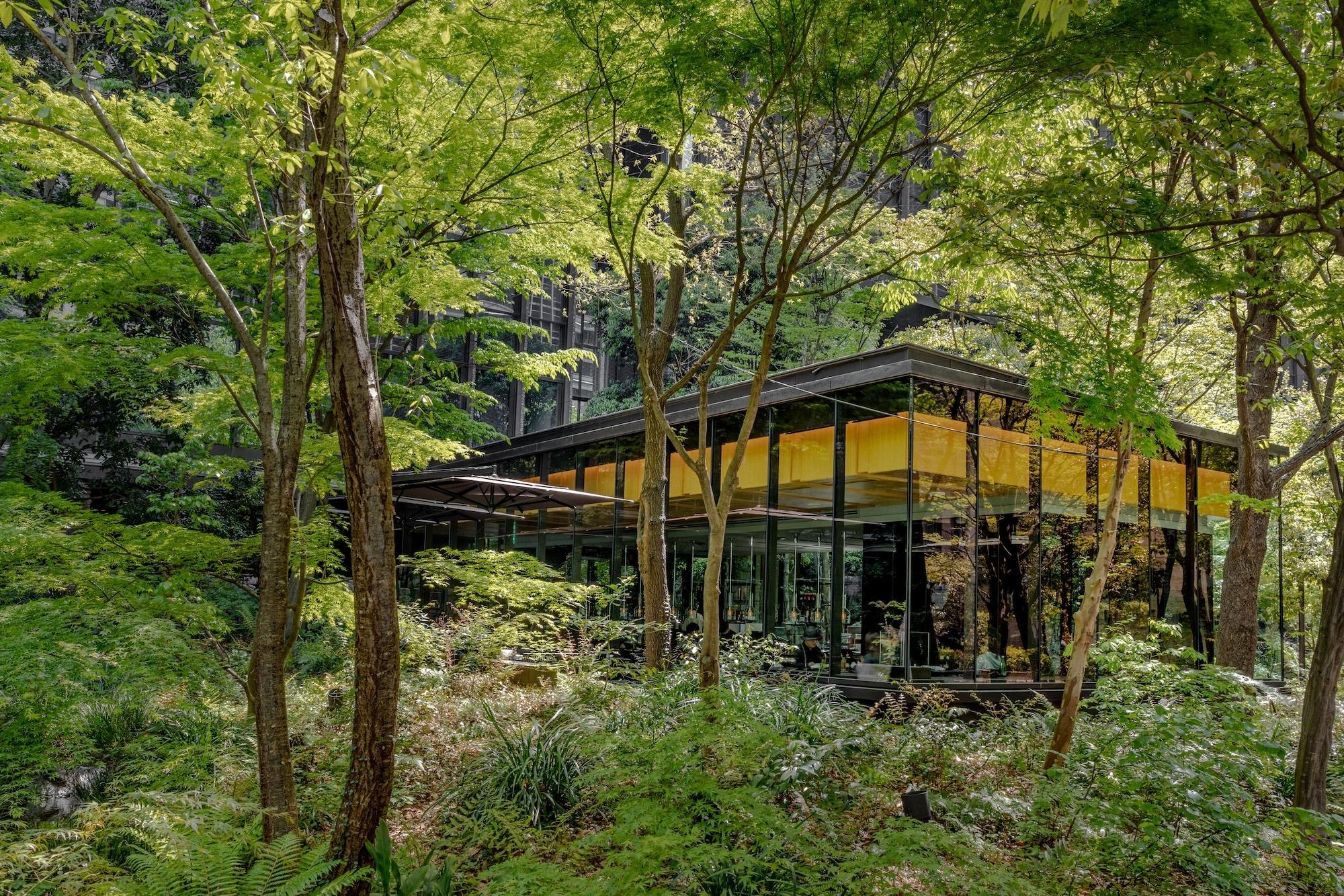
Where Ancient Japanese Calm Meets the Energy of a Modern Metropolis
Tokyo is often described as one of the world’s busiest cities—a place where neon lights illuminate the skyline, high-speed trains move with remarkable precision, and millions of people navigate its streets every day.
Yet high above this constant movement exists an entirely different world.
As the elevator doors open inside the Otemachi Tower, the city’s noise begins to disappear. Floor-to-ceiling windows frame Mount Fuji on clear mornings, traditional washi paper softly filters natural light, and the scent of hinoki wood fills the air. The atmosphere is so tranquil that it’s difficult to believe one of the world’s largest cities lies just below.
This is Aman Tokyo—the brand’s first urban sanctuary and one of the most celebrated luxury city hotels in the world.
Opened in 2014, Aman Tokyo proved that the Aman philosophy could thrive even in the heart of a global metropolis. Rather than competing with the city’s fast-paced energy, the hotel creates a quiet retreat where guests can slow down without leaving Tokyo behind.
Designed by the late Australian architect Kerry Hill, the property draws inspiration from traditional Japanese homes, Zen temples, and minimalist design principles. Every detail, from handcrafted timber interiors to elegant stone finishes, reflects Japan’s appreciation for simplicity and craftsmanship.
Instead of overwhelming guests with lavish decoration, Aman Tokyo creates an atmosphere where every material, texture, and space feels intentional.
Why Stay at Aman Tokyo?
Unlike many luxury city hotels, Aman Tokyo isn’t defined by glamour or nightlife.
It’s defined by balance.
Guests can spend the morning exploring centuries-old temples, enjoy world-class sushi for lunch, browse luxury boutiques in Ginza during the afternoon, and return to complete silence before sunset.
The contrast is what makes the experience unforgettable.
Signature Experiences
- Relaxing in the spectacular 30-metre indoor swimming pool overlooking Tokyo’s skyline.
- Traditional Japanese tea ceremonies curated by cultural experts.
- Personalized wellness programs inspired by Eastern healing traditions.
- Private guided tours through Tokyo’s hidden neighborhoods.
- Seasonal Kaiseki dining showcasing Japan’s finest ingredients.
Accommodation
Every room feels more like a private residence than a hotel suite.
Natural wood, handmade paper, stone soaking tubs, and panoramic windows create a calming atmosphere rarely found in major cities. Even the entry-level rooms are among the largest in Tokyo, offering generous living spaces designed for relaxation rather than simply sleeping.
Best Time to Visit
March to May brings the famous cherry blossom season, while October and November offer crisp weather, colorful autumn foliage, and comfortable temperatures for exploring the city.
Best For
- First-time visitors to Japan
- Luxury city breaks
- Food enthusiasts
- Cultural travelers
- Business executives seeking privacy
- Couples looking for a refined urban escape
Approximate Starting Price
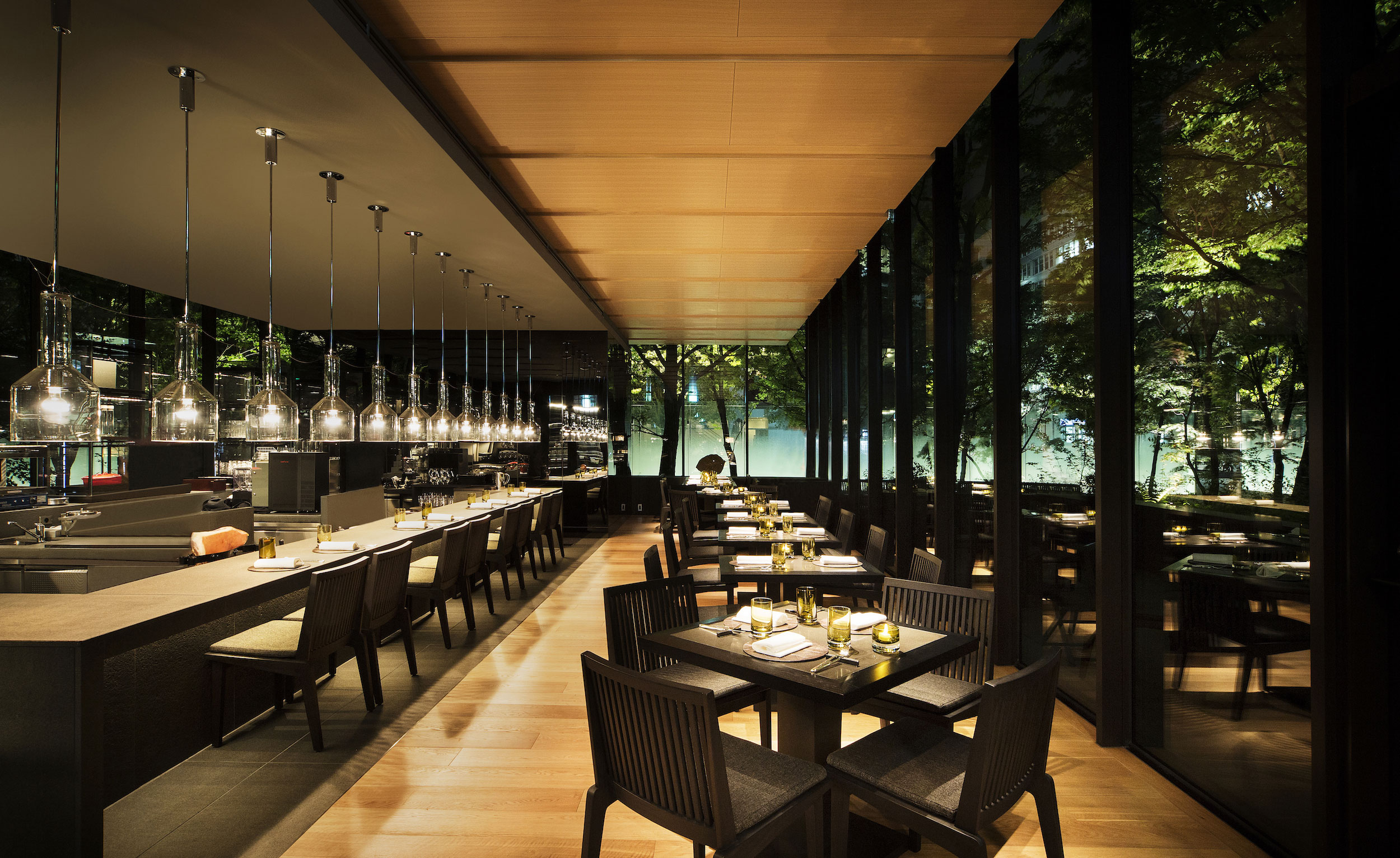
Rooms generally begin at USD 2,000 per night, with larger suites and specialty accommodations commanding significantly higher rates during peak travel seasons.
Aman Kyoto, Japan
A Hidden Sanctuary Among Ancient Forests
Kyoto has long been regarded as the cultural heart of Japan.
Its quiet temples, centuries-old tea houses, peaceful bamboo groves, and beautifully preserved gardens tell stories that stretch back more than a thousand years. While millions visit the city every year, very few discover one of its most secluded luxury retreats.
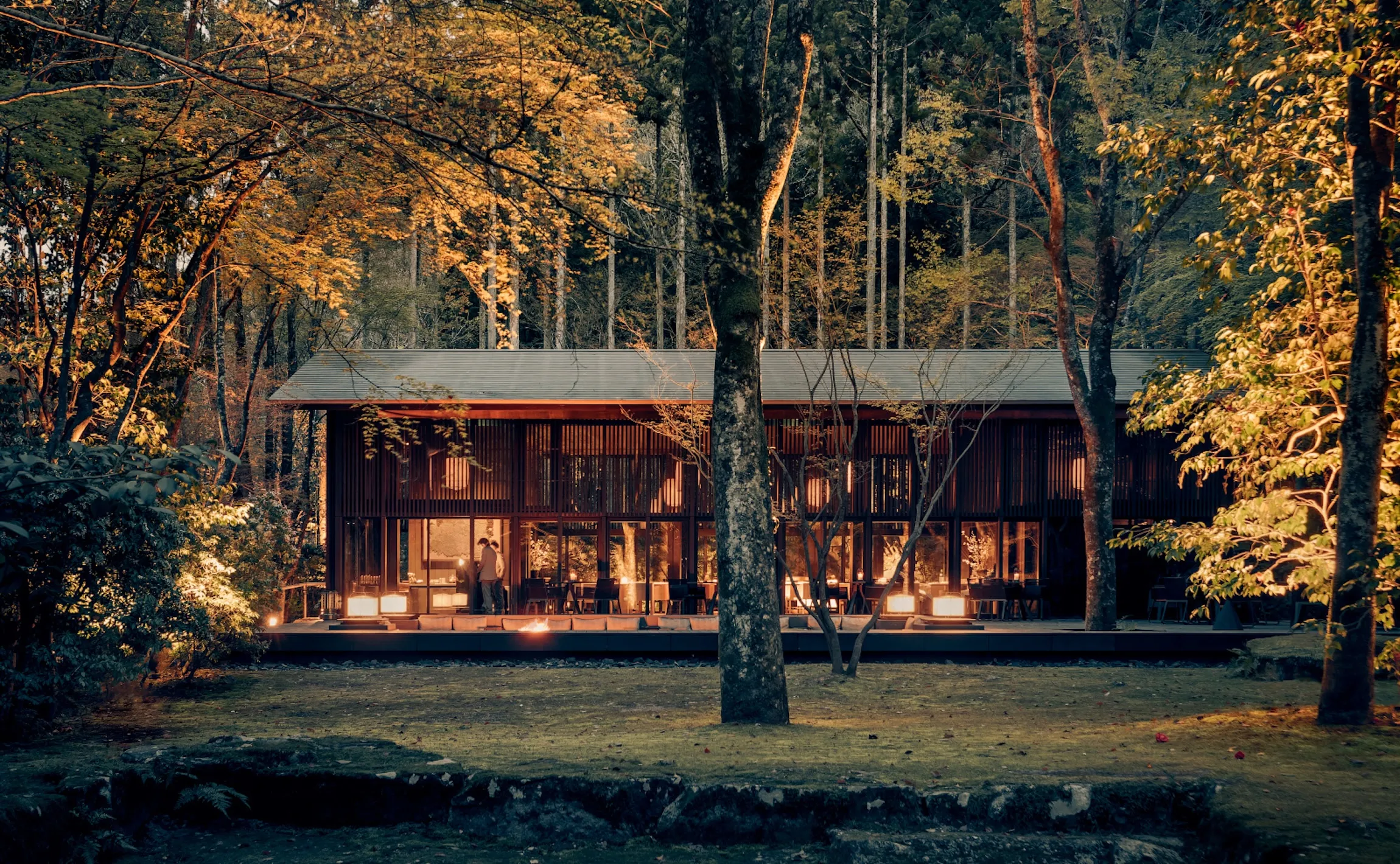
Hidden within a private forest on the outskirts of northern Kyoto, Aman Kyoto feels remarkably untouched.
Long before becoming a luxury resort, the property was envisioned as an expansive garden estate. Moss-covered pathways, stone walls, flowing streams, and towering cedar trees create an atmosphere that changes beautifully with every season. In spring, delicate cherry blossoms soften the landscape. Summer fills the forest with vibrant greenery. Autumn transforms the gardens into a tapestry of fiery red and golden leaves, while winter blankets the grounds in peaceful silence.
Rather than dominating the landscape, the architecture quietly disappears into it.
Low-rise pavilions constructed from cedar wood, natural stone, and traditional materials blend effortlessly with the surrounding forest, making it difficult to distinguish where nature ends and the resort begins.
Why Stay at Aman Kyoto?
Kyoto offers countless luxury hotels.
Aman Kyoto offers something much rarer.
Complete immersion.
Guests wake to birdsong instead of traffic, enjoy breakfast surrounded by centuries-old trees, and spend their days exploring nearby UNESCO World Heritage temples before returning to one of the most peaceful settings in the city.
It feels less like staying in Kyoto and more like becoming part of it.
Signature Experiences
- Private meditation sessions in nearby Zen temples.
- Traditional Japanese tea ceremonies hosted by local masters.
- Guided cultural walks through Kyoto’s historic districts.
- Seasonal Kaiseki dining celebrating local ingredients.
- Therapeutic hot spring bathing inspired by Japanese wellness traditions.
Accommodation
Every suite embraces the principles of Japanese minimalism.
Natural timber, handcrafted textiles, stone bathrooms, oversized windows, and carefully framed garden views create interiors that encourage complete relaxation. Nothing feels unnecessary, yet every detail reflects extraordinary craftsmanship.
Best Time to Visit
March to April for cherry blossoms and October to November for spectacular autumn foliage are considered the most beautiful seasons to experience Kyoto.
Best For
- Cultural explorers
- Honeymoon couples
- Wellness retreats
- Photography enthusiasts
- Travelers seeking quiet luxury
Approximate Starting Price
Rooms typically begin at USD 2,300–2,800 per night, depending on the season and accommodation category.
A Different Side of Japan
Together, Aman Tokyo and Aman Kyoto reveal two completely different faces of Japan.
One rises quietly above one of the world’s busiest cities, offering calm in the middle of constant movement. The other hides among ancient forests, where every pathway, garden, and stone reflects centuries of Japanese tradition.
Neither property tries to compete with the destination around it.
Instead, each allows the destination to shape the experience.
That quiet respect for place is what continues to define Aman—not just in Japan, but everywhere its story unfolds.
Amanemu, Japan
Where Every Morning Begins with Stillness
Not every luxury escape is defined by breathtaking architecture or spectacular views.
Sometimes, it’s defined by silence.
Nestled within Ise-Shima National Park, overlooking Ago Bay, Amanemu is a place where time slows almost to a standstill. The gentle movement of fishing boats across the bay, forests stretching towards the coastline, and the soft steam rising from natural hot springs create an atmosphere that feels worlds away from modern life.
While Aman Tokyo celebrates urban refinement and Aman Kyoto embraces cultural heritage, Amanemu is devoted entirely to wellness.
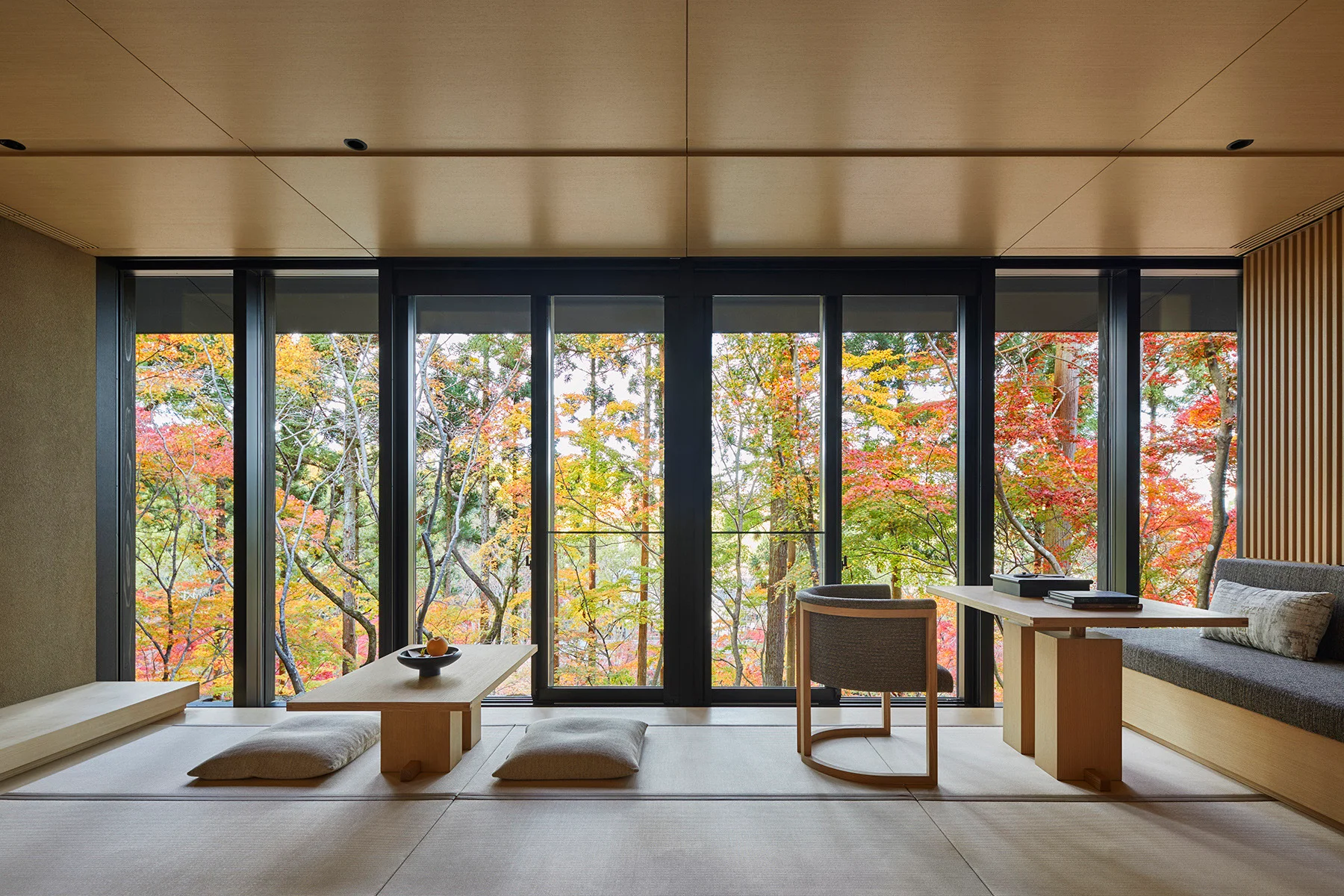
The resort draws inspiration from the traditional Japanese ryokan, where simplicity, hospitality, and healing have shaped travel for centuries. Every suite and villa is designed around natural materials, expansive terraces, and private onsen baths fed by mineral-rich thermal waters renowned for their restorative qualities.
Here, wellness isn’t scheduled between sightseeing.
It becomes the purpose of the journey itself.
Why Stay at Amanemu?
Many luxury resorts offer a spa.
Amanemu offers an entirely different philosophy.
Guests wake with sunrise yoga overlooking Ago Bay, soak in therapeutic hot springs before breakfast, and spend their afternoons kayaking through peaceful coastal waters or walking forest trails that reveal the untouched beauty of Japan’s Mie Prefecture.
The experience is deeply restorative—not because there’s so much to do, but because there’s finally permission to do less.
Signature Experiences
- Private onsen bathing in naturally heated mineral springs.
- Guided meditation and breathwork overlooking Ago Bay.
- Wellness immersions combining nutrition, movement, and traditional Japanese healing.
- Sea kayaking through the quiet coves of Ise-Shima National Park.
- Seasonal Japanese dining prepared with locally sourced seafood and produce.
Accommodation
Every suite feels like a private retreat.
Large windows dissolve the boundary between indoors and outdoors, while spacious terraces and private hot spring baths encourage guests to embrace the landscape rather than simply admire it.
The interiors remain intentionally understated—warm timber, natural stone, handcrafted furnishings, and calming neutral tones create an environment where every detail contributes to a sense of peace.
Best Time to Visit
The most pleasant months are March to May and September to November, when the surrounding forests display vibrant seasonal colors and the mild weather is ideal for outdoor experiences.
Best For
- Wellness travelers
- Couples seeking complete relaxation
- Solo retreats
- Nature lovers
- Guests interested in traditional Japanese culture
Approximate Starting Price
Suites generally begin at USD 1,800–2,200 per night, with private villas commanding higher seasonal rates.
Leaving Japan Behind
Japan introduces travelers to Aman through balance.
Whether it’s the vibrant skyline of Tokyo, the timeless beauty of Kyoto, or the healing hot springs of Amanemu, every destination reflects a different expression of Japanese culture while remaining unmistakably Aman.
As our journey continues, we travel south to Indonesia—a country where emerald rice terraces, volcanic landscapes, ancient temples, and untouched coastlines have inspired some of the brand’s most iconic resorts.
If Thailand gave birth to Aman, Indonesia helped define its soul.
Indonesia — Where Nature and Culture Exist in Perfect Harmony
Few countries offer the diversity of Indonesia.
Across more than 17,000 islands, volcanic mountains rise above emerald rice terraces, ancient Hindu temples overlook dense tropical forests, and remote beaches remain untouched by mass tourism. It’s a country where spirituality is woven into daily life and nature continues to shape every experience.
For Aman, Indonesia has always been more than another destination.
It became a canvas.
Rather than concentrating its properties in one location, Aman created a collection of resorts across different islands, each celebrating a completely different side of the archipelago. Together, they reveal why Indonesia remains one of the brand’s most beloved destinations.
Amandari, Bali
A Village Suspended Above Bali’s Sacred Valley
Long before Bali became one of the world’s most visited islands, artists, writers, and spiritual seekers found inspiration in the peaceful hills surrounding Ubud.
It was here, overlooking the lush Ayung River Gorge, that Amandari opened in 1989, becoming one of the earliest luxury resorts to introduce travelers to Bali’s cultural heart.
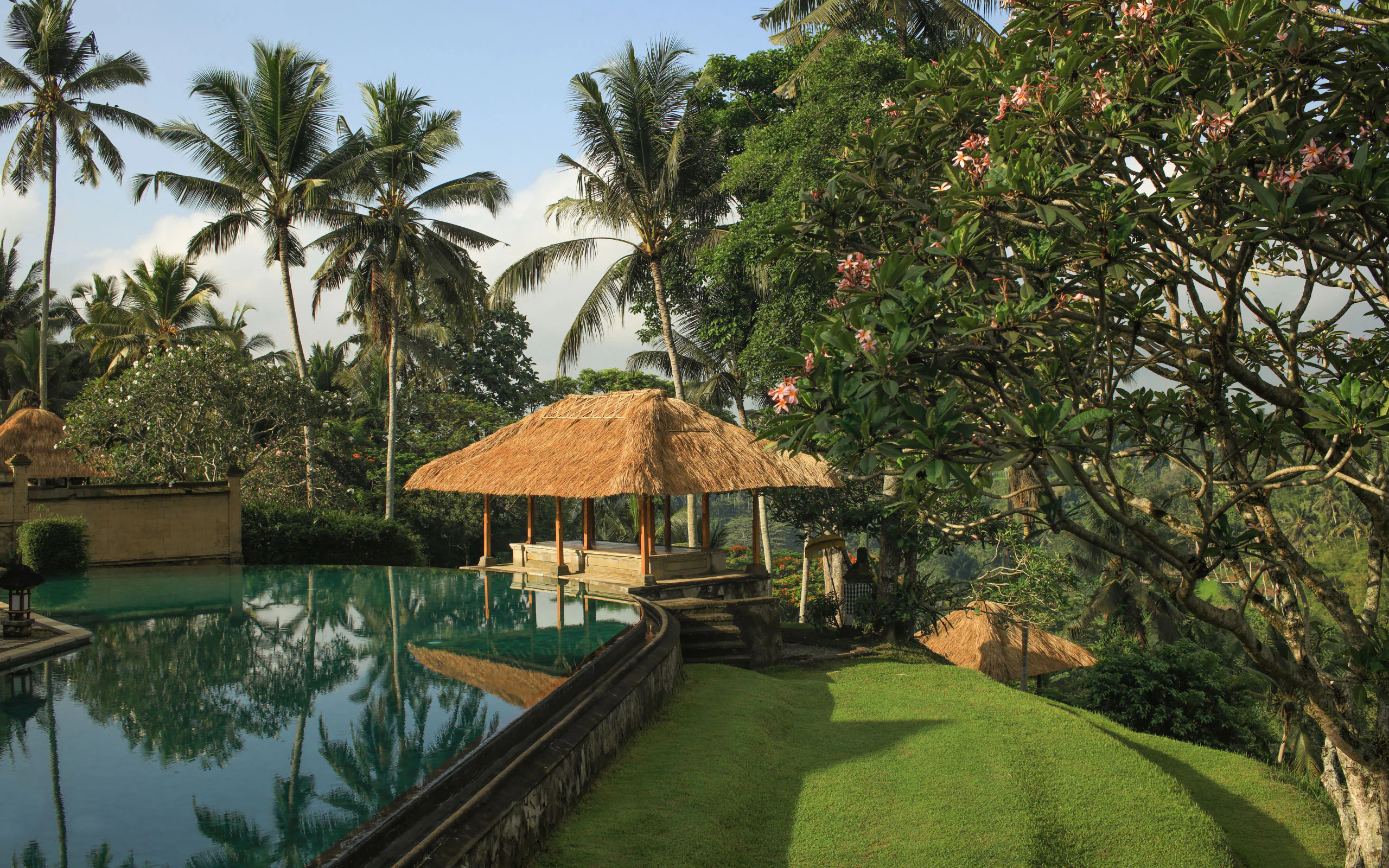
Rather than designing a conventional hotel, Aman Hotels recreated the atmosphere of a traditional Balinese village.
Stone pathways wind through peaceful gardens, temple-inspired gates mark the entrance to each suite, and local artisans continue traditions that have shaped the island for generations. Every building reflects Balinese craftsmanship, allowing the resort to feel as though it has always belonged to the landscape.
Mornings begin with mist drifting above the jungle canopy, while evenings are accompanied by the distant sounds of temple ceremonies and flowing rivers below.
Luxury here is measured not by extravagance, but by authenticity.
Why Stay at Amandari?
Unlike Bali’s lively beach resorts, Amandari offers something quieter.
It invites guests to slow down and experience the island’s artistic and spiritual heritage through carefully curated experiences, intimate surroundings, and genuine connections with local culture.
Signature Experiences
- Sunrise walks through emerald rice terraces.
- Private blessings at centuries-old Balinese temples.
- Traditional cooking classes with local chefs.
- Guided cycling tours through nearby villages.
- Spa treatments inspired by Balinese healing traditions.
Accommodation
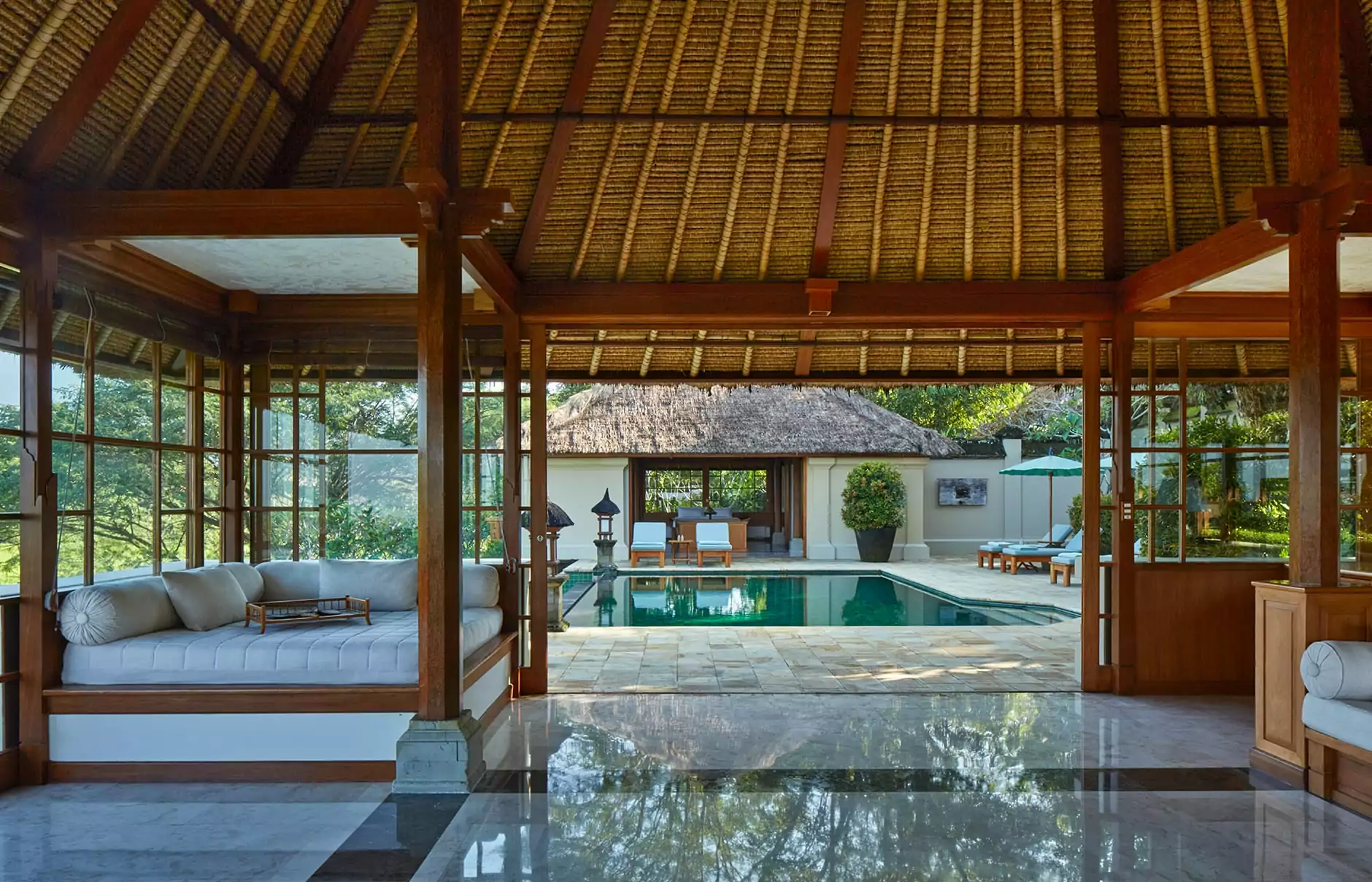
Each suite is designed as a private Balinese residence, featuring thatched roofs, open-air courtyards, handcrafted furnishings, and lush tropical gardens. Many include private swimming pools overlooking the valley, offering uninterrupted views of Bali’s timeless landscape.
Best Time to Visit
The ideal period is April to October, when Bali enjoys warm, dry weather and comfortable conditions for outdoor exploration.
Best For
- Honeymooners
- Cultural travelers
- Wellness retreats
- Couples
- Luxury slow travel
Approximate Starting Price
Suites generally begin at USD 1,500–2,000 per night, with private pool villas available at higher seasonal rates.
As the sun sets over Ubud’s emerald valleys, another side of Indonesia awaits.
Leaving Bali’s lush interior behind, our next destination follows the coastline eastward to Amankila, where dramatic cliffs meet the shimmering Lombok Strait and the rhythm of the ocean shapes every moment.
Amankila, Bali
Where the Cliffs Meet the Sea
Bali has countless beaches.
Yet on the island’s quieter eastern coastline, where black volcanic sand gives way to hidden coves and traditional fishing villages still follow rhythms unchanged for generations, there is a place that feels wonderfully untouched.
High above the Lombok Strait, surrounded by tropical forest and dramatic cliffs, Amankila appears almost hidden from view. The name itself means “Peaceful Hill,” and within moments of arriving, it’s easy to understand why.
Unlike the energetic atmosphere of southern Bali or the artistic charm of Ubud, East Bali moves at its own pace. The roads become quieter, temples sit peacefully among rice fields, and the coastline remains largely free from crowds. It’s a side of Bali that many visitors never experience.
Amankila was designed to celebrate exactly that.
As guests walk through the open-air reception, the first thing they notice isn’t the architecture.
It’s the horizon.
The endless blue of the Lombok Strait stretches towards the distant silhouette of Mount Agung, Bali’s sacred volcano, creating one of the most breathtaking panoramas anywhere on the island.
It is a view that quietly reminds you to slow down.
A Masterpiece Suspended Above the Ocean
Designed once again by the legendary Ed Tuttle, Amankila embraces the steep hillside rather than trying to reshape it.
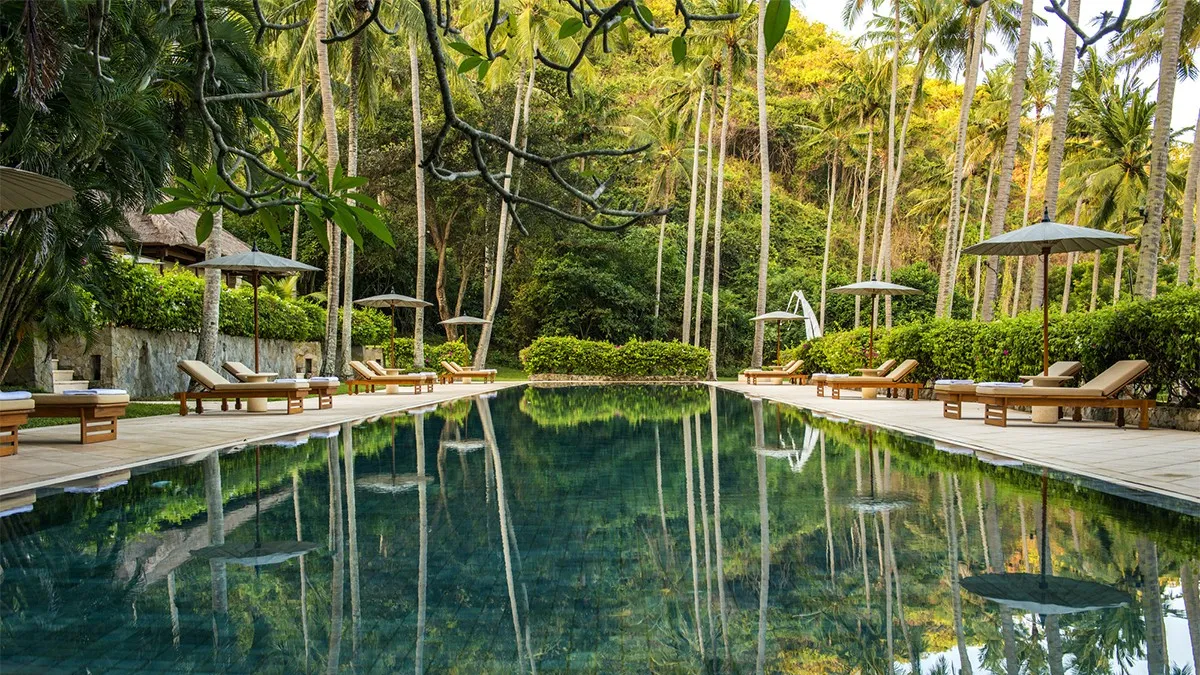
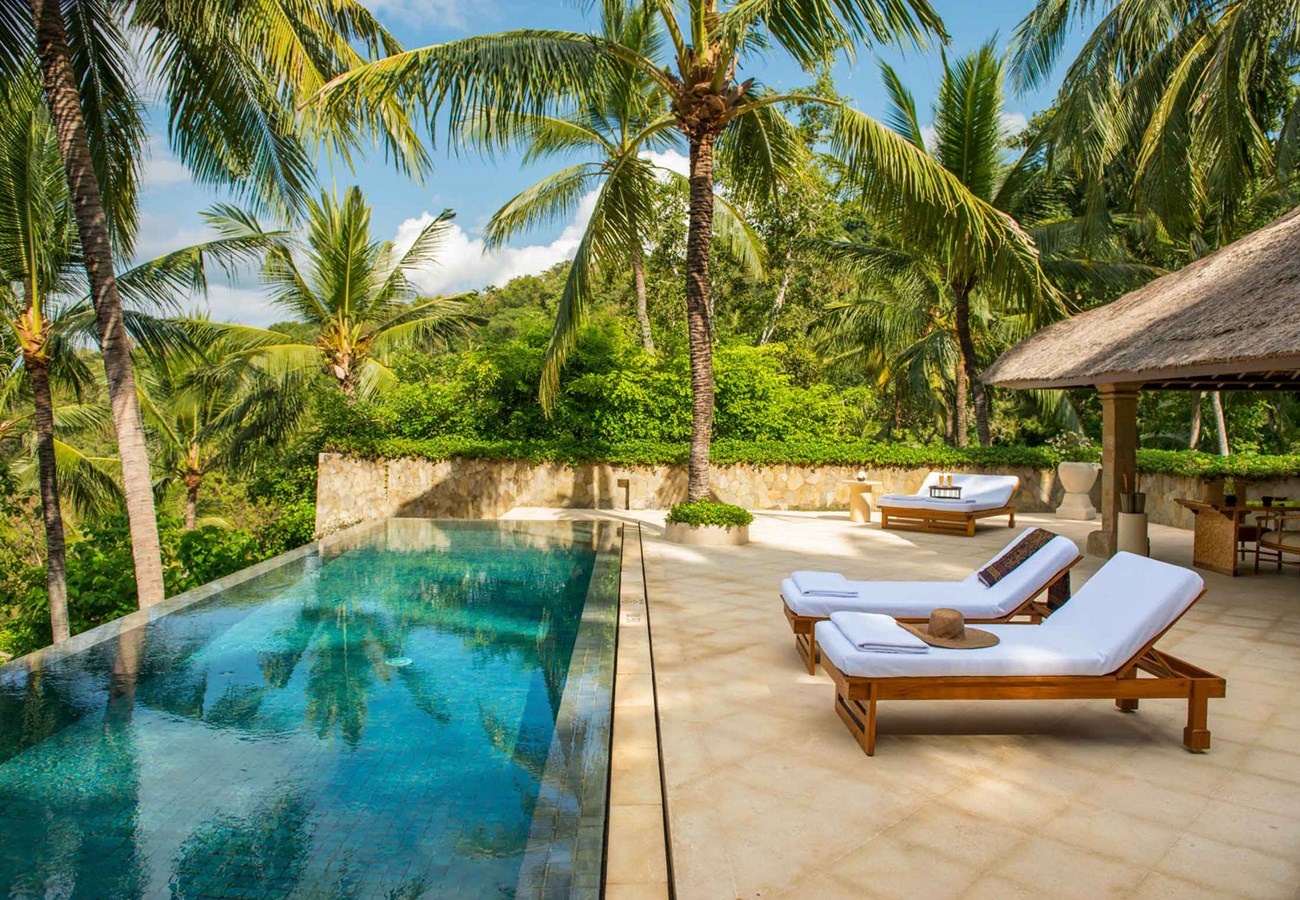
The resort cascades gently towards the sea, with stone pathways connecting elegant suites, tropical gardens, and one of Aman’s most recognizable architectural features—the spectacular three-tier infinity pool.
Each level appears to merge seamlessly with the ocean beyond, creating the illusion that water flows endlessly toward the horizon.
It’s a design that has become one of the defining images of luxury travel.
Yet despite its global recognition, the atmosphere remains remarkably peaceful.
Nothing feels crowded.
Nothing feels staged.
The landscape is allowed to remain the true centerpiece.
Why Stay at Amankila?
Every Aman property offers privacy.
Amankila offers perspective.
Whether watching the sunrise over the Lombok Strait, enjoying breakfast on a private terrace, or listening to the waves from your suite late in the evening, every moment is framed by nature rather than distraction.
For travelers seeking a quieter side of Bali, few destinations compare.
Signature Experiences
- Sailing aboard a traditional Balinese outrigger along the eastern coastline.
- Snorkeling and diving at nearby coral reefs, including the famous USS Liberty shipwreck.
- Visiting the royal water palace of Tirta Gangga.
- Exploring traditional villages renowned for handwoven textiles.
- Private beach picnics arranged on secluded stretches of coastline.
- Sunrise treks to Mount Agung accompanied by experienced local guides.
Accommodation
Every suite feels like a private hillside residence.
Thatched roofs, handcrafted teak furniture, volcanic stone, and expansive terraces reflect Bali’s traditional architecture while embracing contemporary comfort.
Many suites include private swimming pools overlooking the sea, offering uninterrupted views that transform throughout the day—from soft morning light to dramatic golden sunsets.
The interiors never compete with the scenery.
Instead, they invite it inside.
Dining
Dining at Amankila is deeply connected to Indonesia’s culinary heritage.
Fresh seafood arrives directly from nearby fishing communities, tropical fruits are sourced from surrounding farms, and traditional Balinese recipes are elevated through thoughtful presentation rather than unnecessary complexity.
Dinner often becomes an experience of its own, with candlelit tables overlooking the ocean as the sound of gentle waves replaces background music.
Wellness
The spa reflects the same philosophy found throughout Aman Hotels.
Open-air treatment pavilions overlook lush gardens, while therapies combine ancient Balinese healing traditions with modern wellness practices.
Guests can also enjoy private yoga sessions, meditation experiences, and personalized wellness journeys designed around their individual needs.
Best Time to Visit
The ideal months are April through October, when Bali experiences warm sunshine, lower humidity, and calm seas perfect for outdoor adventures.
Best For
- Romantic escapes
- Honeymooners
- Luxury beach holidays
- Divers and snorkelers
- Travelers seeking peaceful coastal retreats
Approximate Starting Price
Suites generally begin at USD 1,400–1,900 per night, while signature pool suites command higher seasonal rates.
Beyond Bali’s Shores
Leaving Amankila behind, Indonesia reveals yet another side of its extraordinary landscape.
Far beyond Bali’s famous beaches lies a remote marine reserve where volcanic islands rise from crystal-clear waters, dolphins greet fishing boats at sunrise, and some of the country’s richest coral reefs remain remarkably untouched.
There are no bustling towns.
No shopping streets.
No nightlife.
Only nature.
Our next destination takes us to one of the most remote properties in the Aman collection—Amanwana, a secluded island retreat on Moyo Island where luxury meets true wilderness.
Where the Journey Pauses
As the sun slips behind Bali’s eastern cliffs, the last light of the day settles across the Lombok Strait. From the terraces of Amankila, the infinity pools dissolve into the horizon, the sea grows quiet, and time seems to move a little more slowly.
It is here that we pause.
Not because the story has reached its end, but because every memorable journey deserves a moment of reflection before the next begins.
Throughout this chapter, we’ve followed the path of a brand that transformed the idea of luxury hospitality. From the secluded shores of Phuket, where Aman first welcomed guests in search of peace rather than spectacle, to the serene skyline of Tokyo, the timeless gardens of Kyoto, and the soulful landscapes of Bali, every destination has revealed a different expression of the same philosophy.
Aman has never asked travelers to see more.
It has invited them to feel more.
To wake before sunrise and listen to a world untouched by hurry. To discover places where architecture quietly belongs to the landscape. To experience hospitality so thoughtful it almost disappears. And to leave with memories shaped not by excess, but by a rare sense of calm.
Perhaps that is Aman’s greatest achievement.
Not simply creating extraordinary resorts, but reminding us that true luxury isn’t measured by marble, gold, or grandeur. It is measured by space, silence, authenticity, and the freedom to experience a destination exactly as it was meant to be.
Beyond these shores, the Aman story continues.
Remote islands hidden within Indonesia’s marine reserves. Ancient kingdoms where history still whispers through temple walls. Himalayan valleys untouched by time. Desert landscapes sculpted by wind and stone. Mediterranean coastlines, historic cities, and secluded retreats that each offer their own interpretation of peace.
Those places deserve their own chapter.
So, for now, we leave Bali—not with a sense of farewell, but with the quiet anticipation of everything still waiting beyond the horizon.
Because the finest journeys are never remembered for how many destinations they include.
They are remembered for how deeply they stay with us.
And somewhere, beyond the next coastline, another Aman sanctuary is waiting.
The Journey Continues in Part II
Beyond the horizon lie hidden islands, sacred temples, Himalayan valleys, timeless European cities, and Aman sanctuaries that few travelers ever experience.
When the next chapter opens, we’ll continue exactly where the sun disappeared beyond the waters of Amankila.
Because every great journey deserves not just a beginning—
but a pause that makes the next chapter impossible to resist.
Next Chapter: Hidden Kingdoms & Island Sanctuaries

