TOKYO JAPAN — Where Tomorrow Arrives Without Erasing Yesterday.
Tokyo rarely introduces itself slowly.
It begins in motion—the quiet arrival of a train, thousands of footsteps crossing beneath towers of glass, kitchens preparing for another evening, and a skyline that seems to continue long after the eye has stopped counting.
Yet somewhere between all that movement, Tokyo becomes unexpectedly intimate.
A stone path disappears behind a wooden gate. Incense rises through the morning air of an old temple while the city wakes beyond its walls. In Ginza, immaculate storefronts wait behind polished glass; a few streets away, a chef prepares a handful of seats for dinner with the concentration of someone repeating a ritual perfected over decades.
That is Tokyo.
A city where the future does not replace tradition—it grows around it.
Come for the extraordinary scale, daring architecture, fashion and nights illuminated seemingly without end. Stay for the smaller moments: the first bowl of soba, the silence of a garden after rain, a drink prepared with almost ceremonial precision, or the discovery of a street you would never have thought to search for.
Tokyo may be one of the world’s largest cities. The way you remember it will be remarkably personal.
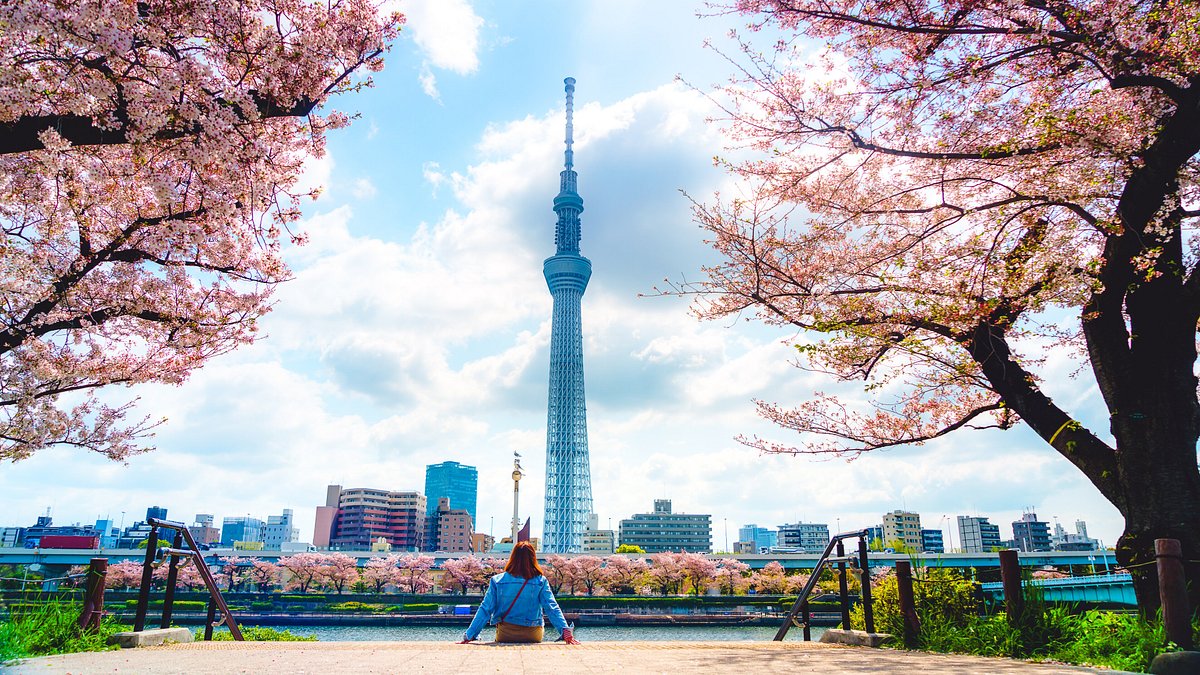
BEST TIME March–May · October–November
IDEAL STAY 4–6 Days
BEST FOR Gastronomy · Design · Culture · Fashion
BEGIN WITH Ginza · Asakusa · Shibuya
CURRENCY Japanese Yen · JPY
Spring and autumn generally offer Tokyo’s mildest and most comfortable conditions, though the city works year-round and each season reveals a different personality.
02 — THE ESSENCE OF TOKYO
A City Too Large To Understand All At Once.
There is a moment many travellers experience shortly after arriving in Tokyo.
The city seems impossible.
Stations unfold into underground worlds. Buildings climb above buildings. Streets carry thousands of people with an order that somehow feels effortless. Maps suggest one city, yet every few train stops seem to reveal another.
And then Tokyo becomes smaller.
You find the coffee counter you return to every morning. The backstreet behind your hotel. A shrine hidden between office buildings. The chef who places dinner in front of eight guests one course at a time.
That is when Tokyo begins.
The capital is better understood not as one enormous metropolis but as a collection of neighbourhoods with intensely individual personalities. Ginza is polished and precise. Asakusa remembers Edo. Shibuya moves at extraordinary speed. Yanaka feels almost village-like. Daikanyama speaks softly through architecture and design. Kagurazaka hides stone lanes behind an otherwise contemporary city.
Luxury here rarely needs to announce itself.
It can be twenty floors above Tokyo with the skyline beneath your bath. But it can equally be twelve seats, no sign on the door, ceramics selected for the season and a chef who has spent decades perfecting what appears to be a simple gesture.
Tradition is not kept behind glass. It survives in movement: the way tea is prepared, the way a gift is wrapped, the silence before sushi is placed on a counter, the care given to an object that will be used every day. Modern Tokyo carries the same discipline. You see it in architecture, fashion, a cocktail, a stationery store, or a tiny café hidden on an upper floor.
Tokyo rewards curiosity more than completion.
Do not attempt to conquer it.
Choose a neighbourhood. Walk. Notice what happens between the landmarks. Return to somewhere twice.
And allow the city to become personal.
Tokyo is not a city to complete. It is a city to notice.
03 — TOKYO, AT A GLANCE
Tokyo rewards spontaneity, but a little understanding changes the way you experience it. These are not simply travel facts; they are the few pieces of intelligence worth carrying before the city takes over.
COUNTRY Japan
LANGUAGE Japanese; English is commonly encountered in major hotels, stations and visitor districts.
CURRENCY Japanese Yen · JPY
IDEAL DURATION 4–6 Days
BEST SEASONS Spring · Autumn
AIRPORTS Haneda · Narita
GETTING AROUND Rail · Metro · Taxi · Walking
SIGNATURE EXPERIENCES Sushi · Art · Design · Shopping · Nightlife
TRANSPORT NOTE Rechargeable IC cards such as Suica/PASMO-style cards simplify rail and metro journeys and can also be useful for everyday small purchases.
Haneda is closer to central Tokyo, while Narita lies farther east. Once inside the city, use rail for distance and your feet for discovery. Tokyo becomes easier when you stop treating it as one enormous destination and begin moving through it neighbourhood by neighbourhood.
04 — TOKYO, NEIGHBOURHOOD BY NEIGHBOURHOOD
One City. Many Ways to Enter It.
Tokyo is often described by its size. That is rarely the most interesting thing about it.
What matters is how quickly the city changes.
Step out in Ginza and Tokyo appears polished, measured and almost ceremonial. Cross the city to Shibuya and that composure becomes movement—screens, fashion, music and streets seemingly incapable of standing still. In Asakusa, incense rises beneath temple gates. In Daikanyama, the city lowers its voice.
There is no single centre from which Tokyo should be understood. Think of it instead as a collection of worlds connected by railway lines—each with its own rhythm, architecture, rituals and reasons to stay a little longer.
The question is not simply what you want to see in Tokyo. It is which Tokyo you want to enter.
01 — GINZA — Where Refinement Becomes Ritual.
Precision · Fashion · Gastronomy
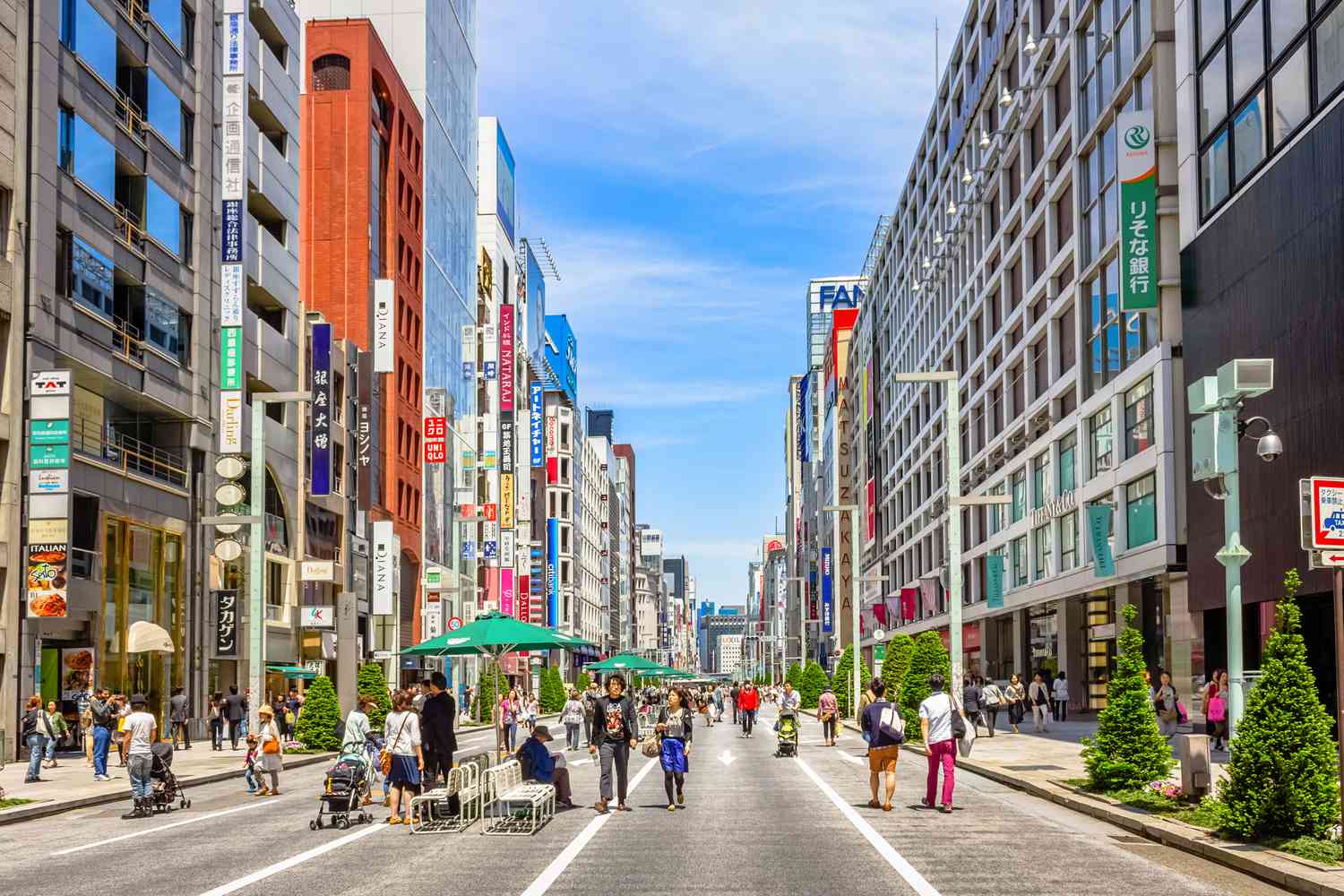
Ginza does not need to compete for attention. Its avenues are lined with architectural flagships, historic department stores, discreet galleries and sought-after dining rooms. Its luxury identity is not merely contemporary: the district developed on the site of an Edo-period silver mint, while Kabukiza and long-established houses keep heritage present beside modern design. Spend the afternoon exploring craftsmanship and architecture, pause for tea, then disappear behind an understated doorway for dinner at a counter with only a handful of seats.
LUMINARA MOMENT An intimate omakase followed by cocktails high above Ginza.
02 — MARUNOUCHI — Tokyo, With Its Collar Fastened.
Architecture · Imperial Tokyo · Grandeur
Between Tokyo Station and the Imperial Palace, Marunouchi presents the capital at its most composed. Historic red brick meets contemporary towers. Broad avenues lead toward palace gardens, while some of Tokyo’s most sophisticated hotels rise above the district. Early morning is particularly elegant, before the offices fill and Tokyo Station begins another day of arrivals.
LUMINARA MOMENT A palace-side morning walk followed by breakfast overlooking the city.
03 — ASAKUSA — Where Old Tokyo Still Wakes Early.
Temples · Tradition · Old Tokyo
Arrive before the shops open. Kaminarimon hangs above a quieter street, incense begins to rise at Sensō-ji and wooden shutters lift one after another. Traditional sweets, crafts and neighbourhood restaurants preserve the atmosphere of old shitamachi. Timing changes everything here.
LUMINARA MOMENT Sensō-ji at first light, before Nakamise belongs to the day.
04 — SHIBUYA — Tokyo in Motion.
Energy · Fashion · Contemporary Culture
Shibuya is often reduced to one crossing. Stay longer. Record stores, independent fashion, restaurants, rooftops and youth culture extend far beyond it. This is not Tokyo protecting tradition; it is Tokyo continuously deciding what comes next.
LUMINARA MOMENT Watch evening descend over Shibuya from above, then join the movement at street level.
05 — OMOTESANDO & AOYAMA — The Architecture of Quiet Luxury.
Design · Architecture · Fashion
Tree-lined Omotesando carries global fashion houses inside buildings by celebrated architects. Turn into Aoyama’s side streets and the scale becomes smaller—galleries, cafés, boutiques and carefully designed spaces hidden behind concrete walls. Come not simply to shop, but to see how Tokyo thinks about form, material and beauty.
LUMINARA MOMENT An unhurried afternoon between architecture, galleries and Japanese design.
06 — ROPPONGI — Tokyo After the Gallery Closes.
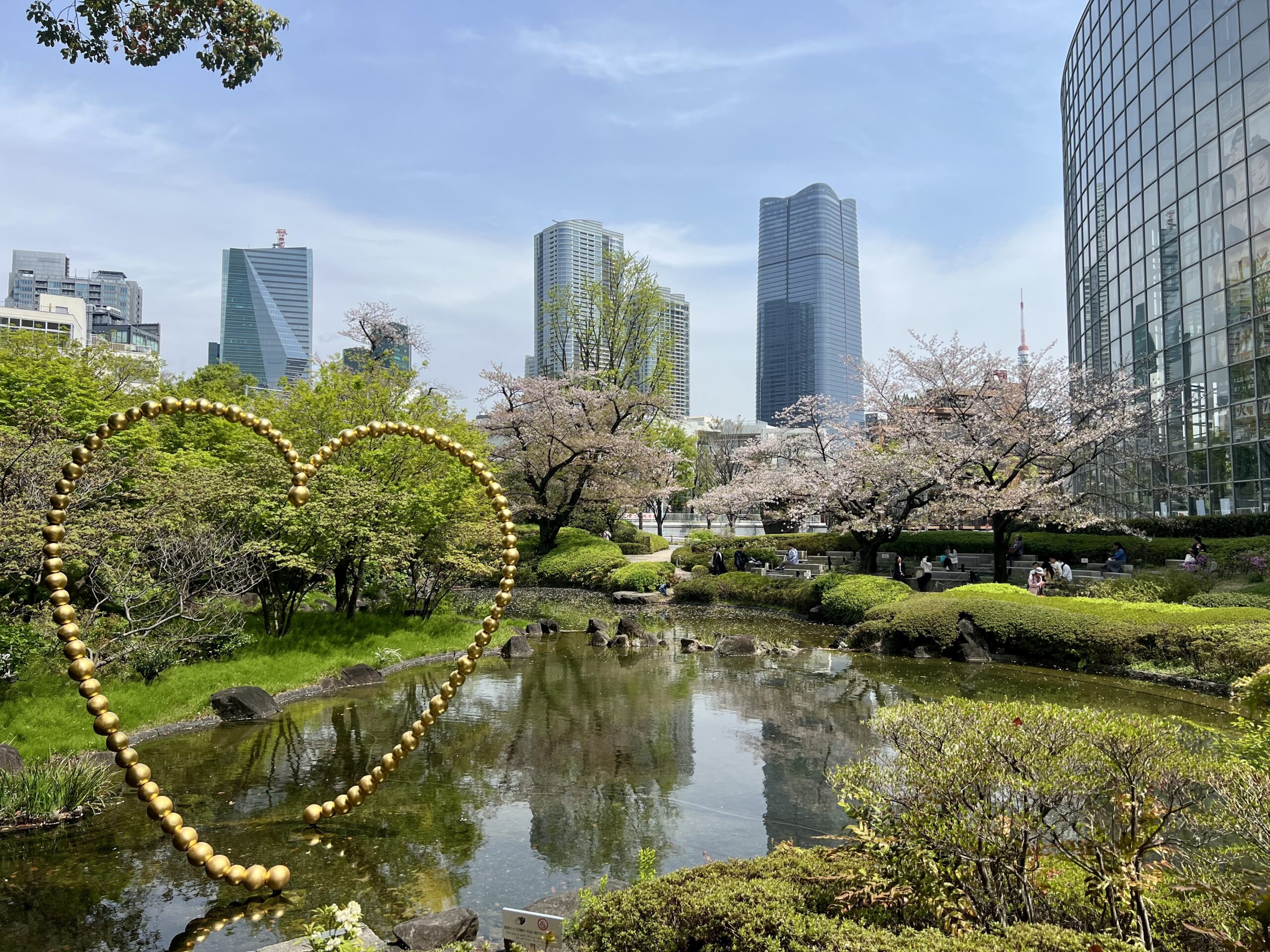
Art · Dining · After Dark
Roppongi has more than one personality. By day, contemporary art and architecture shape the experience. By evening, restaurants and hotel lounges illuminate above the city. Later still, the district becomes one of Tokyo’s best-known after-dark worlds.
LUMINARA MOMENT Contemporary art in the afternoon, dinner after dark, and Tokyo glittering beneath the final drink.
07 — AZABUDAI & AZABU — A New Expression of Tokyo Luxury.
Contemporary Luxury · Gastronomy · Design
Azabudai’s contemporary architecture, cultural spaces and ambitious hospitality meet the quieter residential character of neighbouring Azabu, where excellent restaurants often hide along streets removed from the city’s scale. It is modern Tokyo without constant sensory overload.
LUMINARA MOMENT Contemporary art followed by a long dinner behind a doorway you almost miss.
08 — DAIKANYAMA — Tokyo, Speaking Softly.
Boutiques · Cafés · Understated Tokyo
Daikanyama feels deliberately removed from Tokyo’s urgency. Low-rise architecture, leafy streets, bookstores, independent boutiques and considered cafés create a neighbourhood made for wandering rather than sightseeing. There may be fewer landmarks here. That is precisely the attraction.
LUMINARA MOMENT Leave the itinerary behind and follow whichever street looks interesting.
09 — KAGURAZAKA — A Tokyo Hidden Between Stone Lanes.
Stone Lanes · Dining · Old-World Atmosphere
From the main street, Kagurazaka can appear contemporary. Then a narrow lane turns away. Stone paving replaces traffic. Restaurants sit behind discreet entrances, and echoes of the district’s geisha heritage coexist with French cafés and modern dining rooms.
LUMINARA MOMENT Dinner behind an understated doorway, followed by a walk through the stone lanes.
10 — YANAKA & NEZU — The Tokyo That Refused To Hurry.
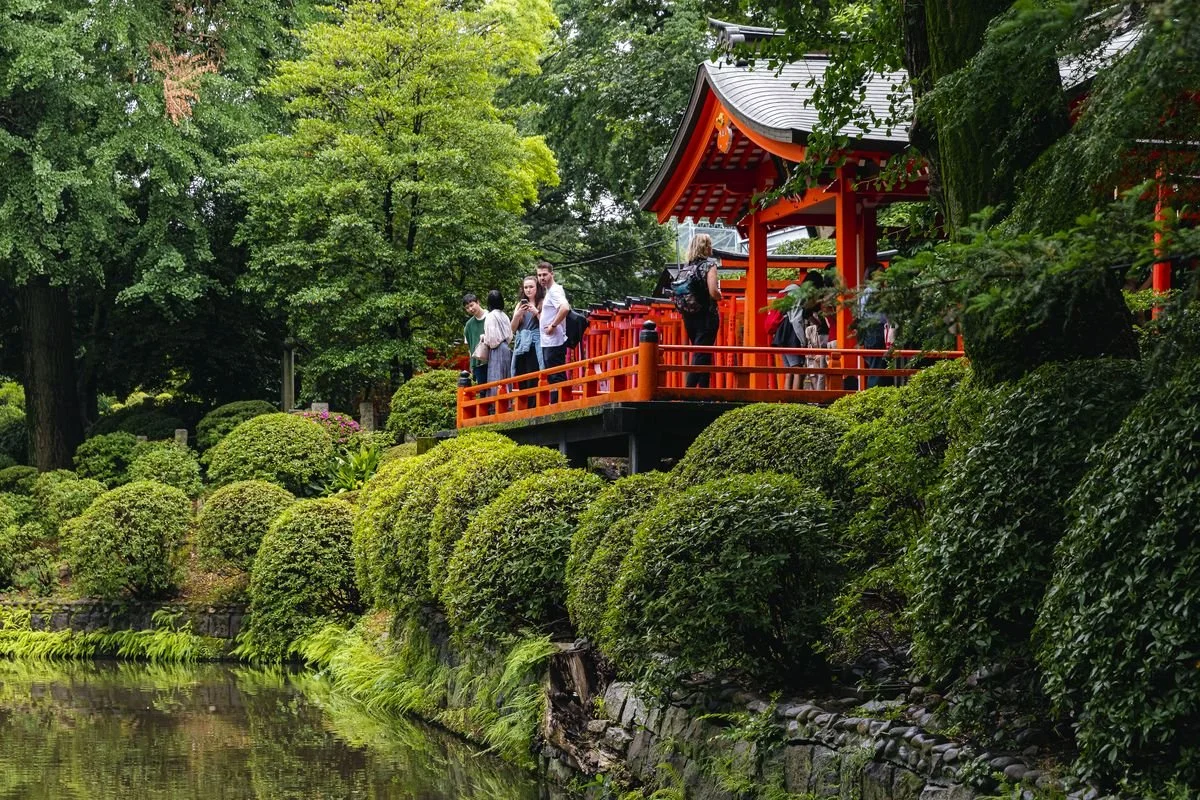
Craft · Shrines · Slower Tokyo
Small temples appear between houses. Cats occupy patches of sunlight. Family businesses, craft studios and traditional streets preserve a more intimate scale of Tokyo life. There is little spectacle here; instead there is ordinary life worth noticing.
LUMINARA MOMENT Walk without a destination until Tokyo begins feeling less like somewhere you are visiting.
05 — THE TOKYO YOU CAME TO SEE
Icons, Before They Became Icons.
Tokyo has landmarks known long before you arrive—the lantern at Sensō-ji, the forest surrounding Meiji Jingu, the impossible choreography of Shibuya Crossing.
Familiarity can make these places easy to underestimate.
Look beyond the photograph and each reveals something fundamental about Tokyo: its rituals, relationship with nature, appetite for reinvention and ability to make centuries coexist within the same afternoon.
These are not simply places to see. They are places through which Tokyo begins to make sense.
SENSŌ-JI · ASAKUSA — Enter Tokyo Through Its Oldest Temple.
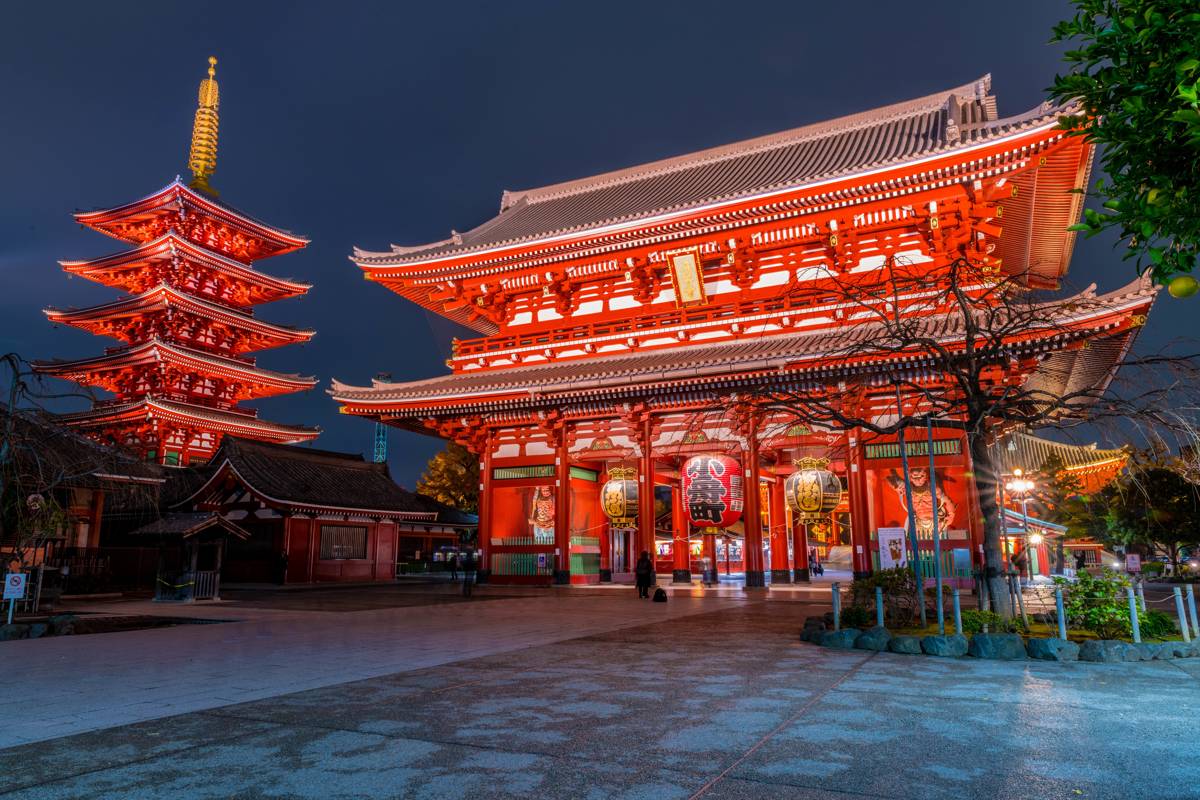
Pass beneath Kaminarimon and follow Nakamise toward Sensō-ji. Incense rises before the main hall, fortunes are drawn and rituals repeated for generations continue within one of the world’s most modern cities. Go early enough and the famous approach becomes almost unrecognizable.
MEIJI JINGU · HARAJUKU — The Forest Behind the City.
One moment you are beside Harajuku, surrounded by trains, fashion and movement. Then you pass beneath an immense torii and the city seems to disappear. A forested approach leads toward the shrine. What stays with you is not only the architecture, but the silence Tokyo manages to create around it.
IMPERIAL PALACE & EAST GARDENS — An Older Geography at the Centre of Modern Tokyo.
At Tokyo’s heart lies an expanse of stone walls, moats, gardens and pine trees connected to the former Edo Castle grounds. Come for the contrast: centuries-old fortifications with contemporary Marunouchi rising beyond.
SHIBUYA — Where Tokyo Becomes Movement.
The crossing is only the opening scene. Beyond it, fashion, music, cafés, restaurants, rooftops and youth culture make Shibuya a continuously changing expression of contemporary Tokyo.
GINZA — Where Shopping Became an Art Form.
Retail becomes architecture, packaging becomes ceremony and department stores become worlds of food, fashion, craftsmanship and design. Look beyond international houses toward Japanese stationery, ceramics, confectionery, watches and specialist makers.
TSUKIJI — Tokyo’s Relationship With the Sea, Served Before Breakfast.
The wholesale market moved to Toyosu, but Tsukiji’s Outer Market remains alive with seafood, specialist food shops, knives, ingredients and morning counters. Tokyo’s food culture begins long before anything reaches a white tablecloth.
TOKYO’S CONTEMPORARY ART WORLD — The City Looking Forward.
Museums, galleries, architecture and immersive digital work reveal a city continuously questioning what art can become. Treat art not as a single attraction but as an afternoon—particularly around Roppongi, Aoyama and newer cultural districts.
TOKYO FROM ABOVE — Only From Here Does Its Scale Become Clear.
Spend enough time at street level and Tokyo becomes intimate. Then rise above it. Buildings extend toward every horizon; railways thread between them; on clear days distant mountains remind you that even this enormous city belongs to a larger landscape. Arrive before sunset and stay until Tokyo becomes a constellation.
See the icons. Then give Tokyo enough time to show you something no guide told you to find.
06 — TOKYO BEFORE 8:00 AM
Before Millions Wake, Tokyo Whispers.
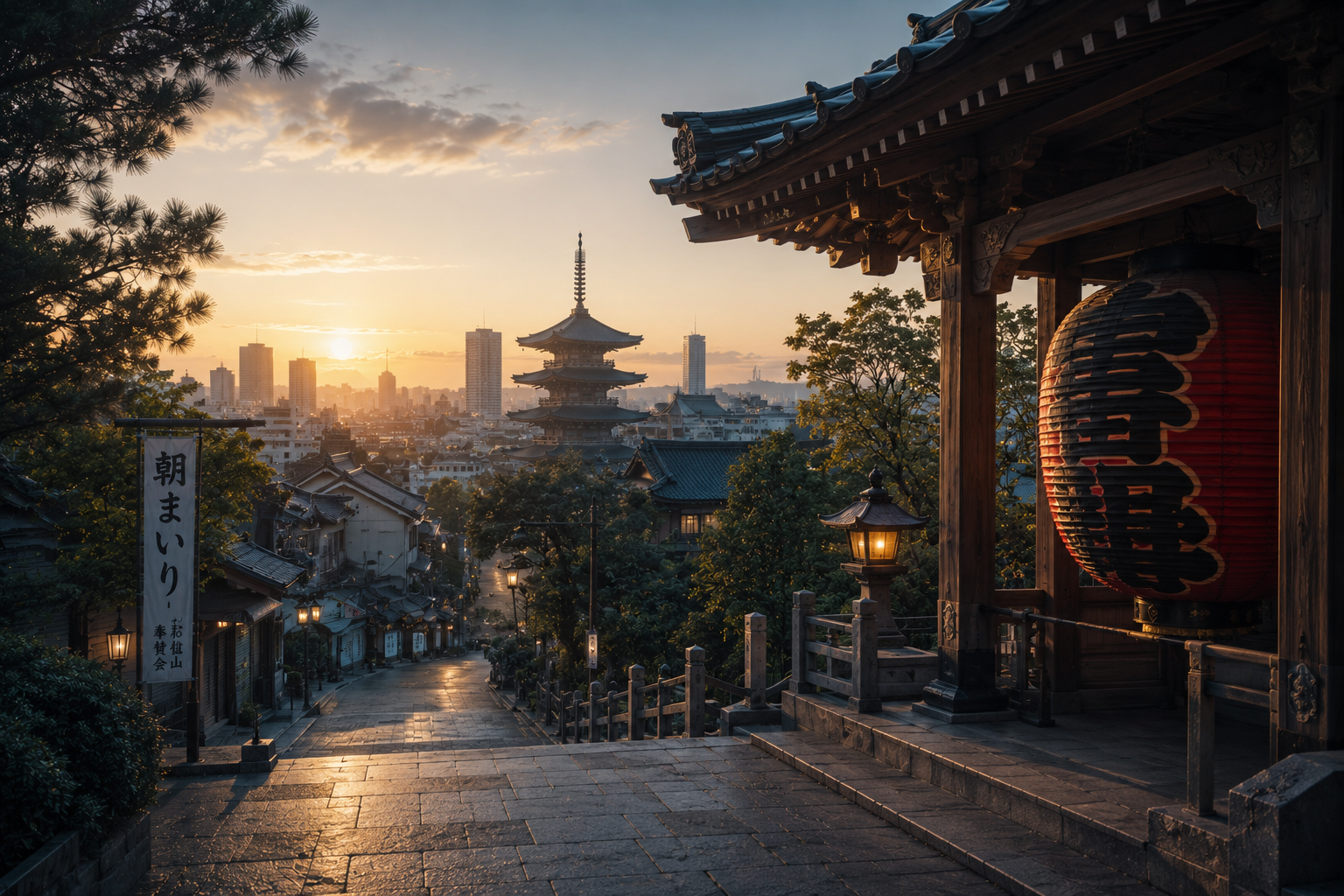
There is an hour when Tokyo seems to forget how enormous it is.
The screens are still glowing, but fewer people stand beneath them. Shutters remain closed along shopping streets. Temple courtyards belong to incense and birdsong. Trains have begun moving, yet the rhythm of the day has not fully arrived.
For a city associated with movement, Tokyo can be extraordinarily beautiful when almost nothing is happening.
Wake early once. Not because there is more to fit into the day. Because for a few hours, Tokyo feels entirely different.
05:30 — TSUKIJI — While the City Sleeps, the Kitchen Is Already Awake.
Metal shutters rise. Boxes arrive. Knives meet cutting boards. Steam gathers against windows while seafood, rice and tamagoyaki begin appearing across counters. Stand somewhere small, order breakfast and watch Tokyo prepare itself.
06:30 — ASAKUSA — Sensō-ji Before the Footsteps Arrive.
Nakamise’s shutters remain down. The approach stretches toward Sensō-ji without the daytime river of visitors. Incense rises through cooler air. Don’t rush to photograph the emptiness. Stand inside it.
07:30 — MEIJI JINGU — Leave Tokyo Without Leaving Tokyo.
Pass beneath the torii. Gravel replaces pavement, trees rise overhead and the sound of traffic recedes. Walk slowly. There is nothing to accomplish here. That is precisely the point.
08:00 — GINZA — Geometry, Glass and Morning Light.
Before the doors open, Ginza is almost architectural theatre. Storefronts remain immaculate and closed; streets normally filled with shoppers become studies in lines, reflections and light.
08:30 — BREAKFAST — Then, Sit Down.
Choose a kissaten, a contemporary café or a traditional breakfast of grilled fish, rice, miso and pickles. Take the window seat. Tokyo can wait another twenty minutes.
In a city of millions, luxury can simply mean arriving before everyone else.
07 — TOKYO, MADE BY HAND
In a City Obsessed with the Future, Craft Still Matters.
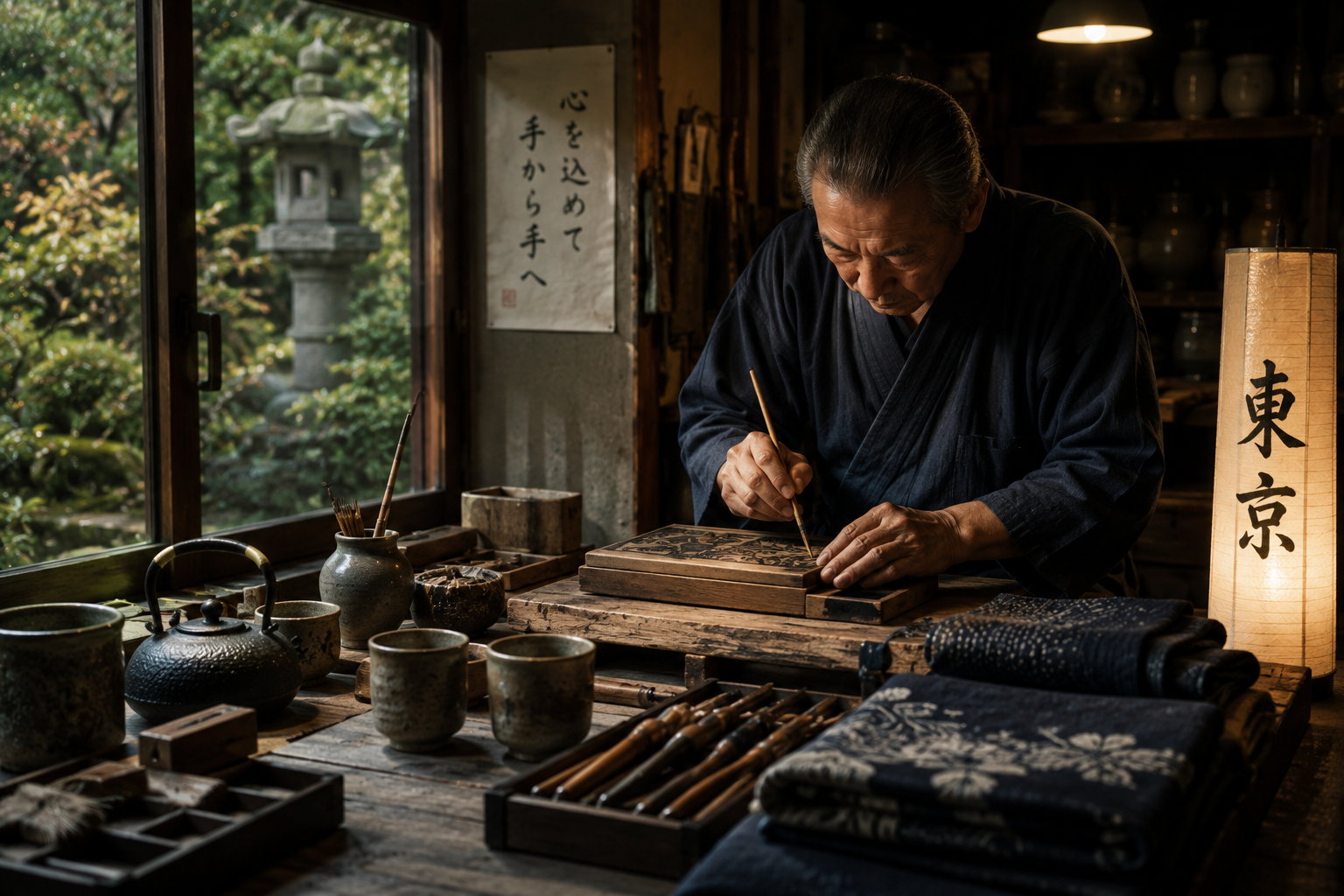
Tokyo is often introduced through its future: technology, architecture, immaculate trains, Shibuya after dark.
Look closer and another Tokyo appears—one measured not in speed but repetition.
A blade sharpened until the edge feels impossibly precise. A brush moving across paper. Clay carrying the subtle irregularity of the hand that shaped it. Fabric cut by someone who understands that a few millimetres can change how a garment falls.
Here, craftsmanship is not nostalgia. It is a living belief that the smallest details are worth getting right. And perhaps nowhere is Tokyo’s idea of luxury clearer: not in how loudly something displays itself, but in how much someone cared while making it.
JAPANESE KNIVES — An Edge Perfected Over Generations.
Specialist shops reveal blades designed for different ingredients, techniques and hands. Weight, balance, steel and maintenance matter. Visit a specialist, ask questions and, if possible, watch sharpening turn an everyday tool into an encounter with precision.
CERAMICS — Beauty That Does Not Need To Be Perfect.
A bowl is rarely just a container. Weight changes how tea feels in the hand; glaze responds to light; an irregular edge can make two similar pieces entirely different. Tokyo brings ceramic traditions from across Japan into galleries and specialist stores.
INDIGO TEXTILES — Colour With Memory.
Indigo and traditional textile techniques continue to influence contemporary Japanese fashion. Look for the meeting point between inherited methods and modern form rather than treating textiles as costume.
STATIONERY — When Even Writing Deserves Beautiful Tools.
Tokyo can make buying a notebook feel ceremonial. Papers differ by texture and weight; fountain pens are tested carefully; inks appear in extraordinary shades. Everyday function becomes design.
INCENSE — A Memory You Carry Home as Scent.
Before you see some temples, you smell them. Traditional fragrance houses offer aromatic woods, incense and implements tied to centuries of culture. Months later, scent can return you to a morning in Japan faster than a photograph.
TRADITIONAL SWEETS — Edible Seasonality.
Wagashi often mirrors the Japanese calendar through colour, shape and ingredient. A blossom, autumn leaf or suggestion of snow may appear in something designed to be eaten beside tea.
TAILORING — Tokyo, Cut to Measure.
Across Aoyama, Ginza and creative districts, Japanese designers explore proportion, material and construction with an almost architectural seriousness. Look beyond logos toward form.
LACQUERWARE — Patience Made Visible.
Layered surfaces, restrained shine and objects intended to be used for years reveal a craft where time is part of the material.
TEA UTENSILS — Objects Designed for a Ritual.
A bowl, bamboo whisk, lacquered container and scoop become meaningful when seen within tea. Usefulness and beauty are not separated.
CONTEMPORARY JAPANESE DESIGN — The Future, Made Carefully.
Tokyo’s contemporary makers carry traditional attention to material into furniture, objects, clothing and interiors. The aesthetic changes; the discipline remains.
In Tokyo, luxury is often invisible. You discover it in the time taken to make something well.
08 — TOKYO AT THE TABLE
Some Cities Feed You. Tokyo Changes How You Think About Food.
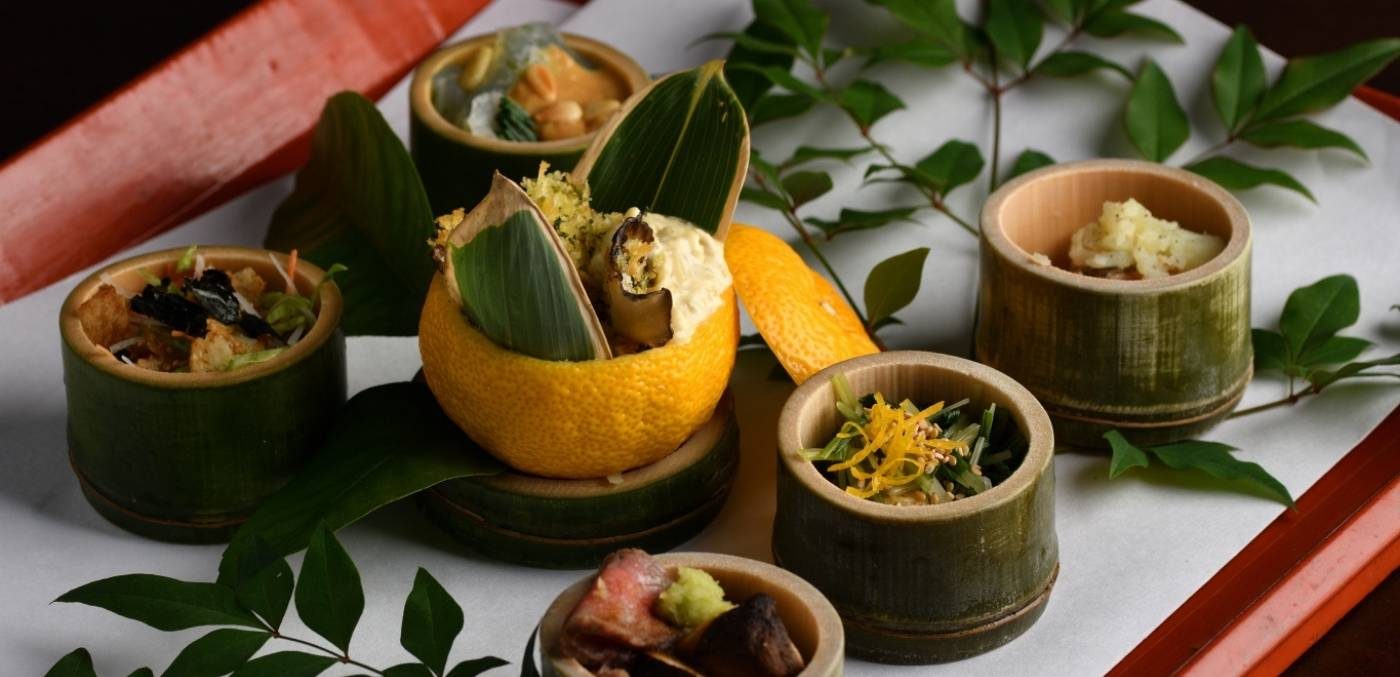
Tokyo does not have a single cuisine waiting to be discovered.
It has thousands of obsessions.
One chef spends a career understanding rice—the temperature, the vinegar, the few seconds between shaping it and placing it before you. Another stands over hot oil, changing the rhythm of a tempura course according to the ingredient in his hand. Somewhere beneath the railway tracks, chicken meets charcoal and smoke. Elsewhere, broth has been simmering since before the city woke.
At the highest level, Tokyo dining can be extraordinarily refined. But refinement here does not always mean white tablecloths.
It can mean twelve seats. One knife. One ingredient at precisely the right moment of the year. And someone who has spent decades learning when not to interfere with it.
Tokyo’s 2026 Michelin selection includes 160 starred restaurants, 12 of them at three-star level. Yet the number is less interesting than what sits beneath it: specialization. Tokyo’s culinary greatness is found in a lifetime spent understanding rice, broth, eel, tempura batter, charcoal, tea or the precise temperature at which one piece of fish should meet another person’s hand.
To understand Tokyo, eventually, you have to sit down and eat.
SUSHI — The Counter Where Everything Else Disappears.
At Tokyo’s finest counters, dinner can feel architectural in its simplicity. Warm rice meets cooler fish; seasoning has already been considered. Watch the chef’s hands. Years of repetition disappear into movements that look effortless.
TEMPURA — The Few Seconds Between Oil and Perfection.
The ingredient changes with the season. Batter is applied lightly, oil temperature adjusted and each piece served individually because waiting would change what the chef intended.
YAKITORI — Smoke, Charcoal and Extraordinary Restraint.
Different cuts are skewered separately because each requires its own timing. Charcoal burns intensely beneath them. Salt, tare and smoke are used with precision rather than excess.
UNAGI — Patience Over Fire.
Eel becomes an exercise in timing, grilling, steaming traditions, sauce and texture. What looks simple on the plate can carry years of specialized technique behind it.
SOBA — Quiet Food for a City That Rarely Stops.
Buckwheat noodles, dipping sauce and perhaps tempura appear simple. That simplicity is deceptive: proportion, texture, water and balance leave little room for imperfection.
RAMEN — Tokyo’s Great Everyday Obsession.
Clear broths, richer bowls, seafood-driven soups, noodles, oils and toppings create endless interpretations. The best experience may involve a ticket machine, a narrow counter and dinner finished faster than another restaurant presents its menu.
KAISEKI — Dinner Written by the Season.
Season determines ingredients, but also colour, ceramics, flowers and presentation. A course may reference something blooming outside or harvested only briefly. Nothing feels accidental, yet the finest meals unfold without appearing burdened by complexity.
WAGASHI & TEA — Sweetness, Measured in Seasons.
Before tasting wagashi, look at it. A confection may resemble a blossom, autumn leaf or snow. Its sweetness is designed to sit beside the bitterness of tea. It is not dessert as an ending, but a pause.
CONTEMPORARY JAPANESE CUISINE — Tradition, Reinterpreted.
Tokyo’s chefs continually reinterpret Japanese ingredients, techniques and seasonality through modern dining. Innovation here is most compelling when it understands what it is changing.
THE KISSATEN — Coffee From Another Tokyo.
Traditional coffee houses—often intimate, atmospheric and unhurried—offer dark timber, carefully brewed coffee, quiet conversation and sometimes jazz. They are places designed for staying.
COCKTAIL BARS — Precision After Dinner.
Behind discreet doors, bartenders cut ice by hand, select glassware and prepare drinks with the same concentration found at the city’s finest culinary counters.
THE COUNTER — Perhaps Tokyo’s Most Important Dining Room.
Sushi, tempura, yakitori, cocktails and ramen repeatedly bring guest and maker together across a counter. Preparation becomes part of dinner and hospitality becomes personal in a city of millions.
Reserve the extraordinary sushi counter. Plan the kaiseki dinner. But leave another evening open. Follow the queue outside a ramen shop. Enter the yakitori place beneath the tracks. Buy something from a depachika because it looks too beautiful to leave behind. Tokyo’s culinary brilliance exists at almost every level.
Tokyo does not ask what you want to eat. It asks how deeply you are willing to pay attention.
09 — TOKYO AFTER DARK
When the Signs Illuminate, the City Changes Language.
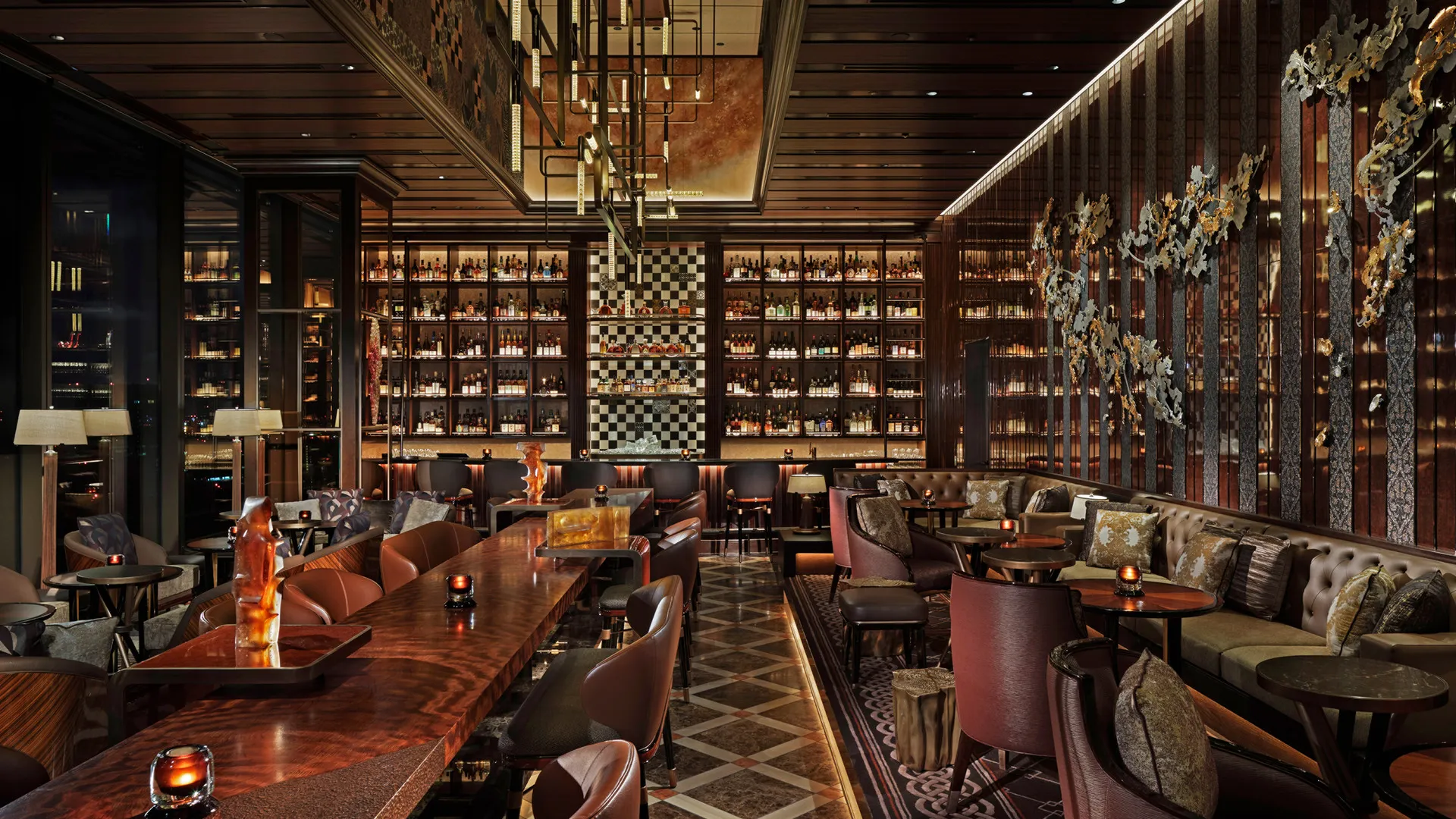
Tokyo does not end when temples close and department stores lower their shutters.
It changes.
The restraint of morning gives way to light. Ginza glows behind immaculate façades. Shinjuku becomes a maze of signs, staircases and rooms hidden several floors above the street. Shibuya moves beneath enormous screens while trains continue delivering thousands into the night.
But Tokyo after dark is not simply louder.
Some of its finest nights happen behind doors that barely announce themselves—a bartender working beneath soft light, a jazz record turning in a room of twelve seats, dinner stretching beyond the last course, or the city observed silently from somewhere high above it.
Tokyo at night does not become quieter. It becomes more intimate.
GINZA COCKTAIL BARS — The Art of the Final Drink.
Look upward. Some of Ginza’s most compelling bars occupy upper floors behind understated entrances. Ice is cut, glassware considered and conversation kept low. Come to watch someone take a cocktail seriously.
SHINJUKU ALLEYS — Follow the Light. Then Find the Door.
Signs climb buildings, restaurants occupy basements and upper floors, and tiny counters gather around narrow alleys. Do not organize every minute. Some nights are better when curiosity chooses the next door.
ROPPONGI DINING — Art Into Evening.
Roppongi allows an afternoon of contemporary art to become dinner, skyline views and late-night Tokyo without leaving the district.
SHIBUYA ROOFTOPS — The City Refuses to Stand Still.
Start high at blue hour. Watch the last colour disappear as the city illuminates below. Then descend—Shibuya makes more sense surrounded by the movement you were observing moments earlier.
LISTENING & JAZZ BARS — Where the Music Is the Reason You Came.
In Tokyo’s listening rooms, a record is selected, the needle falls and music becomes purpose rather than background. Find a seat, order slowly and resist filling every silence.
CITY VIEWS — A City Becomes a Constellation.
Choose a tower or hotel lounge where you can stay rather than simply photograph. Let the scale, not the image, become the experience.
LATE-NIGHT RAMEN — Tokyo After the Last Reservation.
Eventually the tasting menu ends, the cocktail glass is empty and a ramen counter becomes exactly where the evening should finish. Steam rises from the bowl; the urgency of the night disappears.
Tokyo after dark is not one night out. It is a hundred different evenings waiting behind a hundred different doors.
10 — WHERE TOKYO RISES ABOVE ITSELF
Sleep Above One of the World’s Greatest Cities.
In Tokyo, the finest hotels do more than offer a room above the city.
They change your relationship with it.
From the quiet heights of Otemachi to the polished avenues around Ginza and the new architecture of Azabudai, Tokyo’s exceptional addresses create something rare within a metropolis of this scale: space, stillness and a sense that the city has momentarily slowed for you.
The point is not to collect every five-star hotel. It is to choose different expressions of Tokyo luxury.
AMAN TOKYO — The Urban Sanctuary.
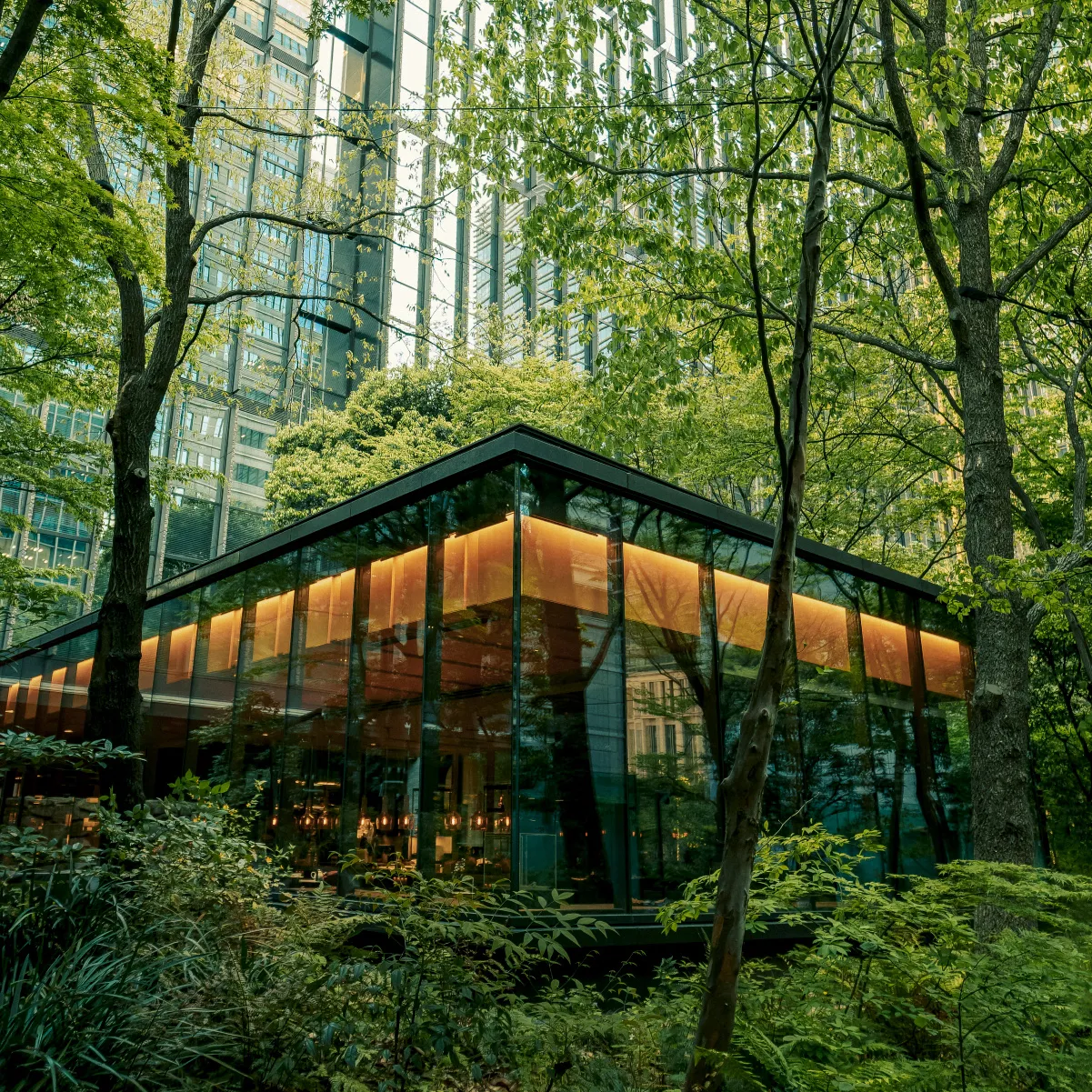
High above Otemachi, Aman interprets Japanese restraint through stone, washi-inspired textures, immense volumes and elevated city views. The scale is dramatic, but the feeling is quiet.
BEST FOR Minimalism · Privacy · Wellness
LUMINARA CHOICE For the traveller who wants Tokyo outside the window—and stillness on the other side of it.
BULGARI HOTEL TOKYO — Italian Glamour, Tokyo Precision.
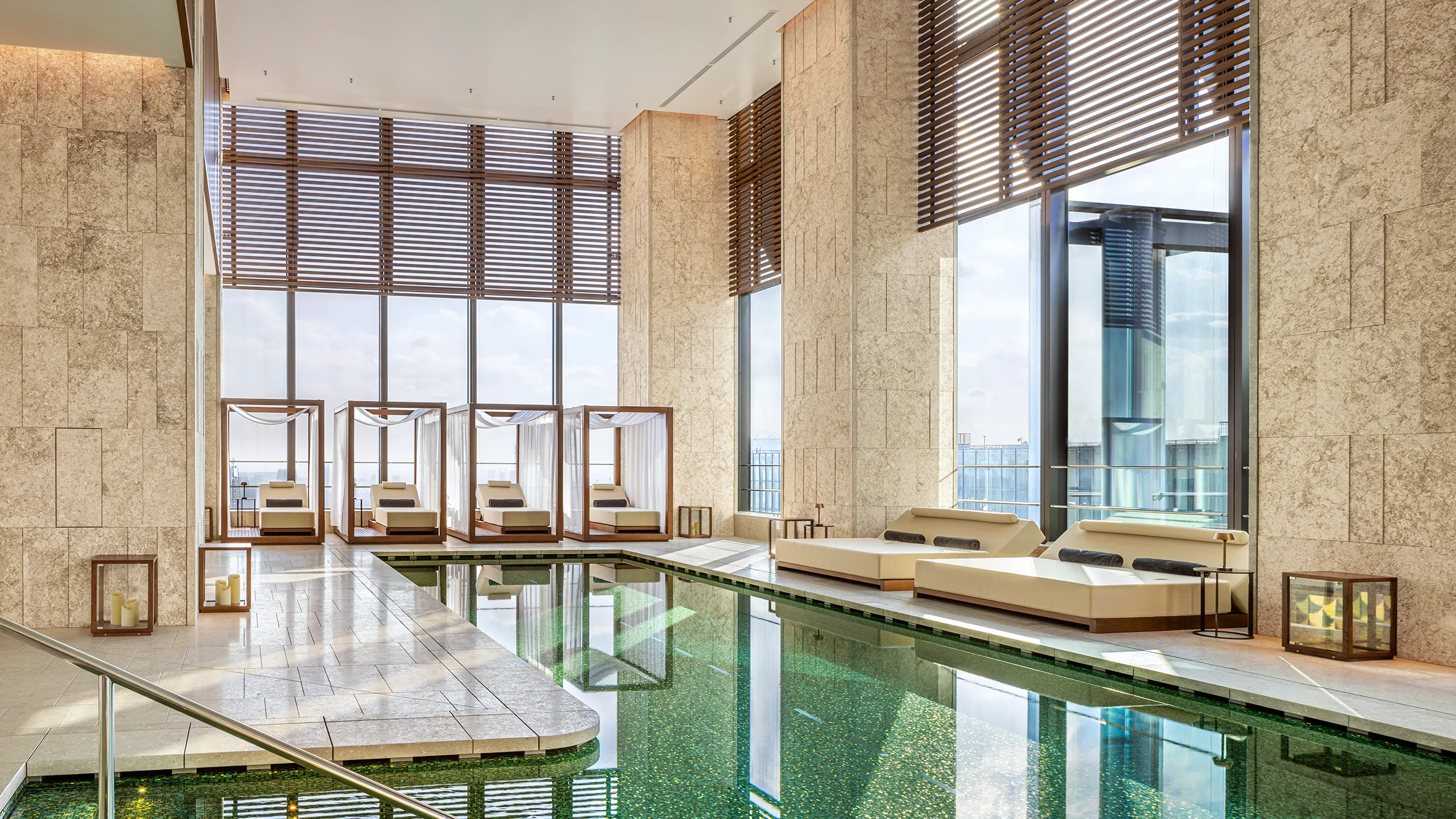
A dramatically different expression of luxury above central Tokyo: polished, intimate and unapologetically glamorous, bringing Bulgari’s Italian identity into conversation with Japanese precision.
BEST FOR Glamour · Gastronomy · Celebration
LUMINARA CHOICE For the traveller who wants the hotel to be part of the occasion.
JANU TOKYO — The New Tokyo.
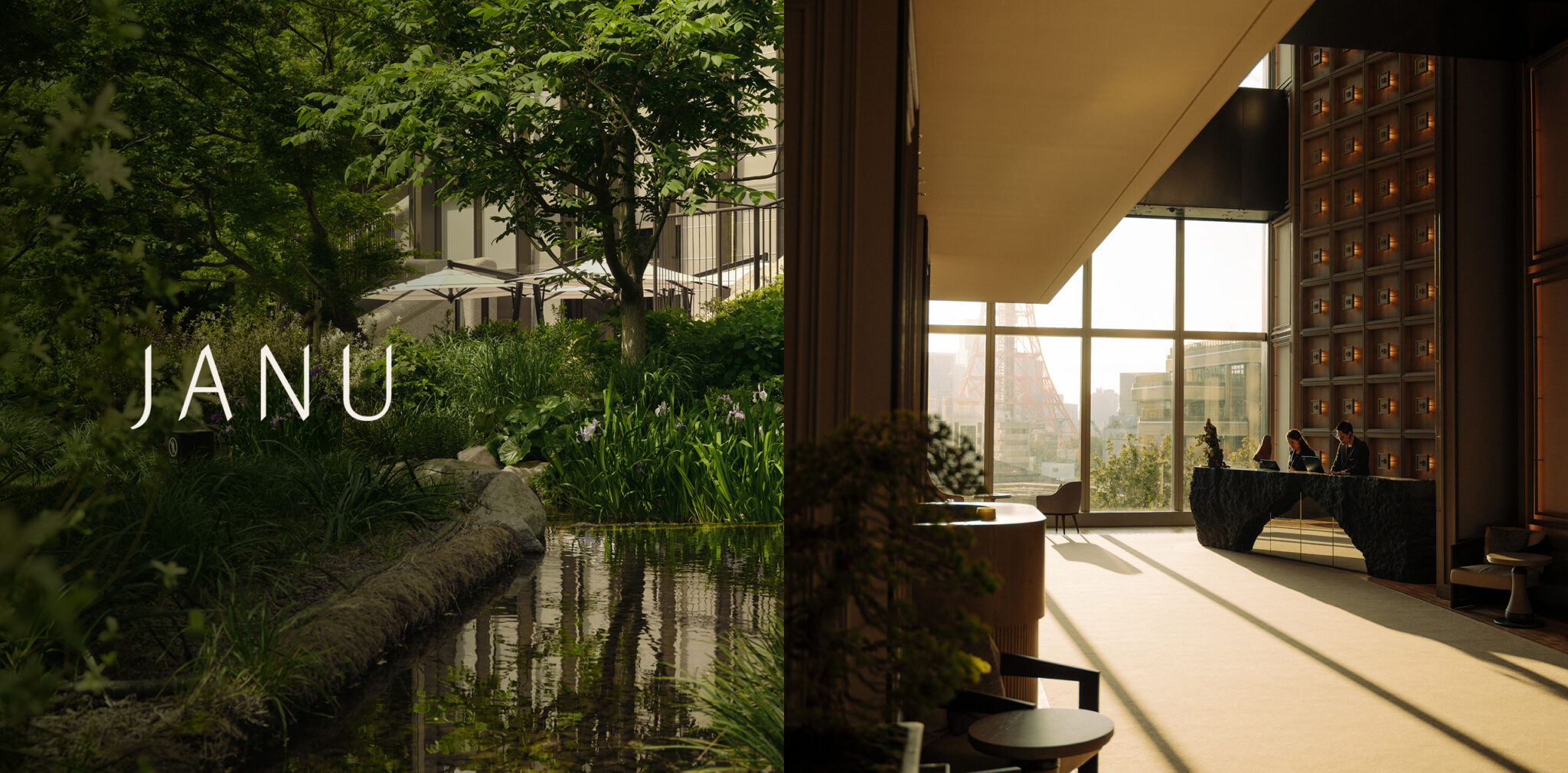
In Azabudai Hills, Janu brings a more social, contemporary expression of hospitality. The property has 122 rooms, eight dining and entertainment venues and a 4,000-square-metre wellness centre, placing it firmly within Tokyo’s evolving luxury landscape.
BEST FOR Design · Wellness · Contemporary Tokyo
LUMINARA CHOICE For travellers interested in where Tokyo is going rather than only where it has been.
FOUR SEASONS HOTEL TOKYO AT OTEMACHI — The City From Above.
Polished hospitality and expansive views place Tokyo beneath you while Marunouchi and the Imperial Palace remain close at hand.
BEST FOR Views · Central Location · Refined Service
LUMINARA CHOICE For a first Tokyo journey that values effortless access without surrendering serenity.
MANDARIN ORIENTAL, TOKYO — The Gastronomic Address.
Above Nihonbashi, panoramic views meet a strong luxury dining identity and immediate access to a district rooted in commerce and craftsmanship.
BEST FOR Gastronomy · Service · Nihonbashi
LUMINARA CHOICE For the journey where dinner matters almost as much as Tokyo itself.
THE PENINSULA TOKYO — Classic Tokyo Elegance.
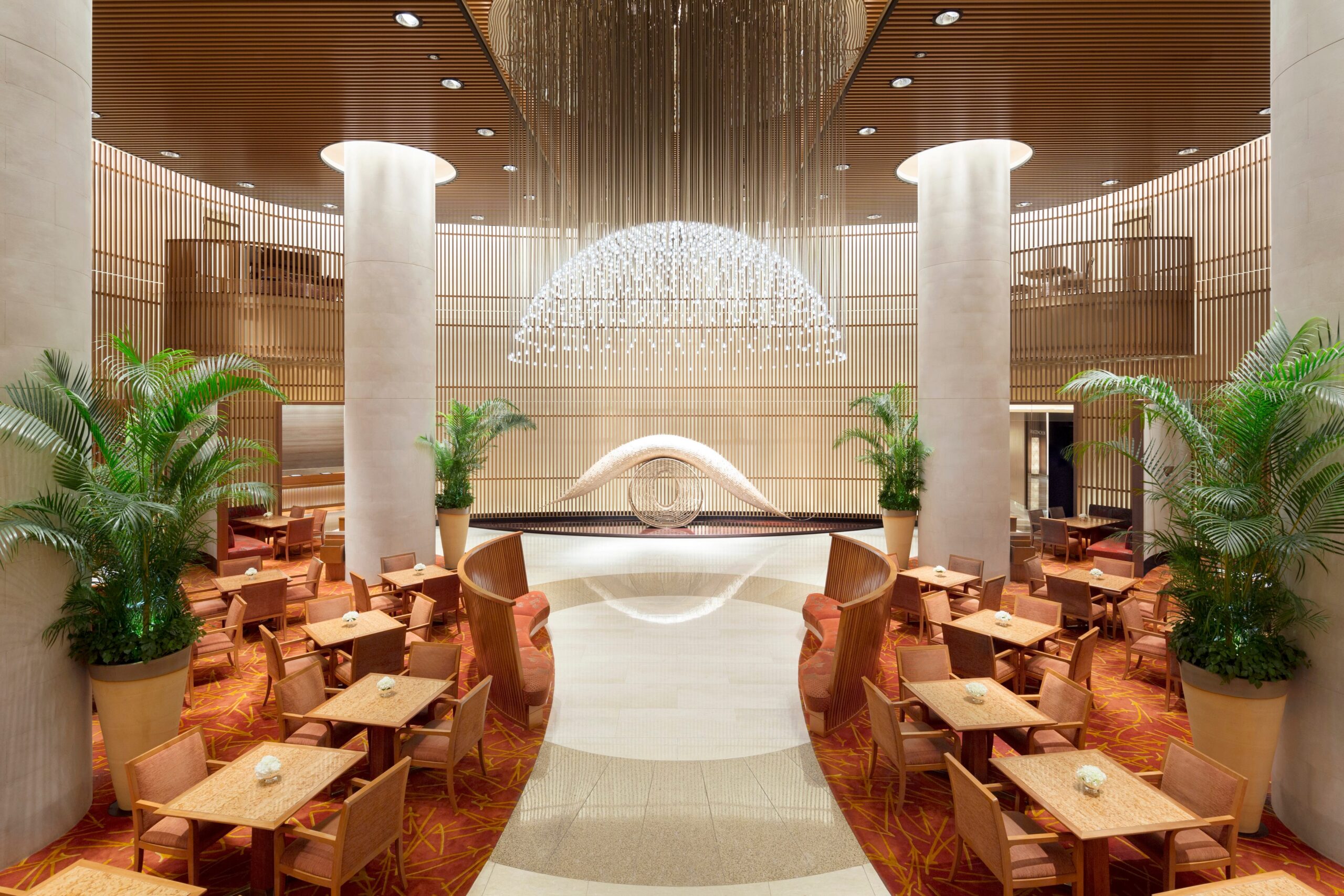
Facing the Imperial Palace and moments from Ginza, The Peninsula offers a more classical expression of luxury—generous spaces, established service and an exceptionally useful location.
BEST FOR Classic Luxury · Ginza · Imperial Tokyo
LUMINARA CHOICE For travellers who prefer timelessness over trend.
The best hotel in Tokyo is not necessarily the most extravagant. It is the one that gives you the version of Tokyo you came to find.
11 — TOKYO THROUGH THE SEASONS
Four Seasons. Four Different Cities.
Tokyo works year-round, but the emotional character of the journey changes with the calendar.
SPRING · MARCH–MAY — Blossom & Renewal
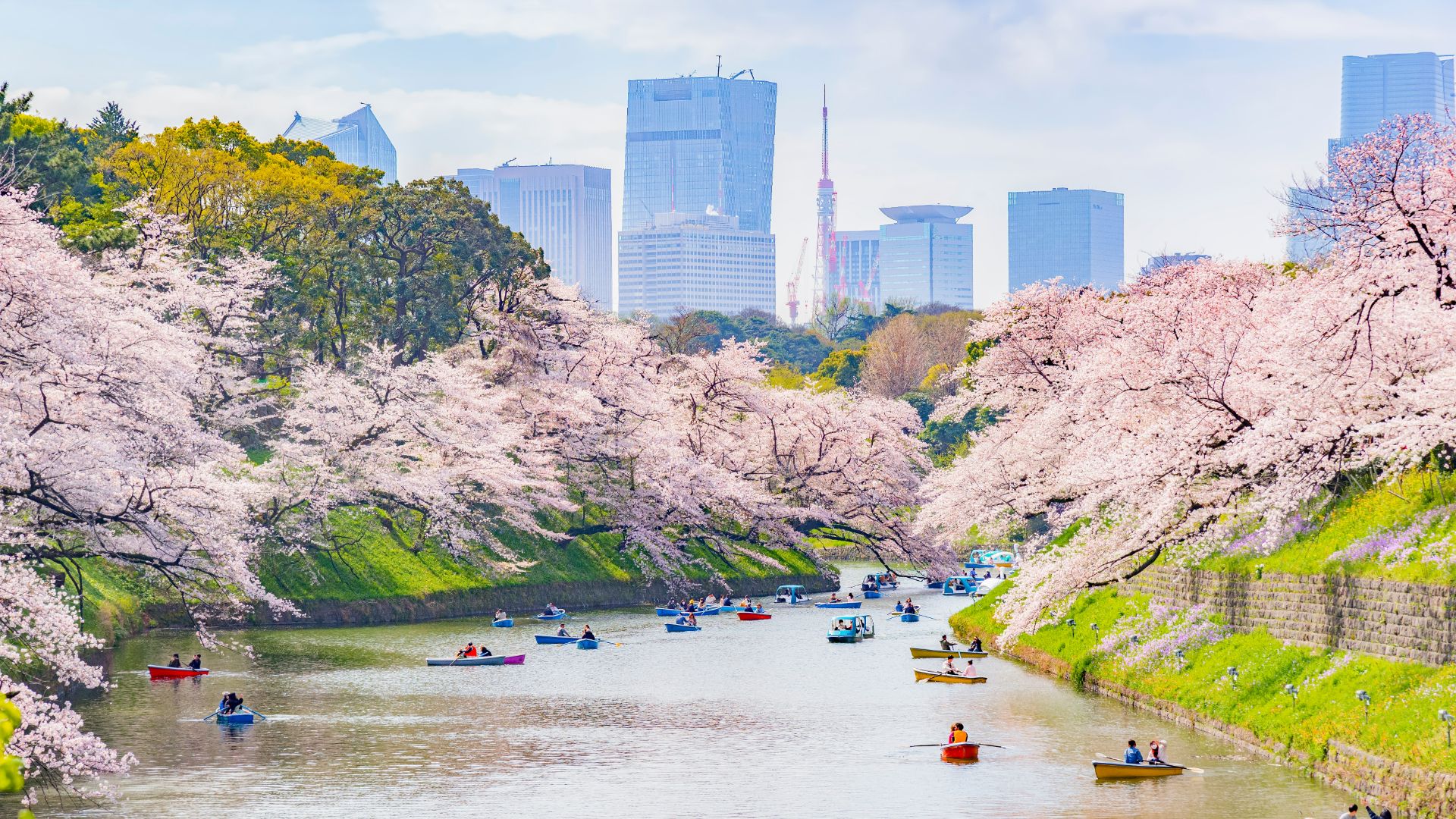
Cherry blossoms soften rivers, parks and temple grounds, while mild days invite long walks. It is one of the most desired periods to visit, so important stays and dining should be planned early.
BEST FOR Gardens · neighbourhood walks · seasonal dining · blossom atmosphere
SUMMER · JUNE–AUGUST — Heat, Festivals & After-Dark Energy
Humidity changes the rhythm of the day. Begin early, pause during the hottest hours and return for festivals, rooftops and long evenings. Summer Tokyo is less about perfect weather than energy.
BEST FOR Festivals · evening culture · indoor art · nightlife
AUTUMN · OCTOBER–NOVEMBER — Clear Days & Changing Leaves
Comfortable temperatures and autumn colour make this one of the city’s most rewarding seasons. Gardens, temple grounds and neighbourhood walks become especially appealing.
BEST FOR Gardens · design districts · day journeys · walking
WINTER · DECEMBER–FEBRUARY — Clarity & Quiet
Crisp air, illuminations and clearer skies give Tokyo a sharper visual character. It is an excellent season for food, museums, bars, shopping and skyline views.
BEST FOR Gastronomy · art · shopping · clear views
12 — THE LUMINARA 48 HOURS
If Tokyo Gives You Only Two Days.
Forty-eight hours is not enough to understand Tokyo. That is exactly why the itinerary should resist trying.
The goal is contrast: old Tokyo and contemporary Tokyo, street-level intimacy and skyline scale, one carefully planned meal and enough empty space to let the city surprise you.
DAY ONE · MORNING Asakusa before the crowds · Sensō-ji · a traditional breakfast
DAY ONE · AFTERNOON Ginza and Nihonbashi · architecture · craft · department-store food halls
DAY ONE · EVENING A considered counter dinner · Ginza cocktail bar · Tokyo from above
DAY TWO · MORNING Meiji Jingu · Omotesando and Aoyama
DAY TWO · AFTERNOON Daikanyama or contemporary art · coffee without urgency
DAY TWO · EVENING Shibuya at blue hour · dinner · listening bar or late-night ramen
Two days should leave you wanting more Tokyo, not exhausted by having tried to finish it.
13 — FOUR DAYS IN TOKYO
The First Complete Luminara Journey.
Four days allows Tokyo to become more than a sequence of icons. Keep each day geographically coherent and leave room between reservations.
DAY ONE · OLD TOKYO Tsukiji breakfast · Asakusa · Sensō-ji · Yanaka/Nezu · Ginza evening
DAY TWO · MODERN TOKYO Meiji Jingu · Omotesando/Aoyama · Daikanyama · Shibuya at blue hour
DAY THREE · IMPERIAL & CONTEMPORARY Imperial Palace/East Gardens · Marunouchi · Nihonbashi · Roppongi art and dinner
DAY FOUR · PERSONAL TOKYO Craft/design exploration · Kiyosumi-Shirakawa or Kagurazaka · a final exceptional dinner
The itinerary is deliberately incomplete. Tokyo should still contain unanswered questions when you leave.
14 — SIX DAYS IN TOKYO
When the City Has Time to Become Personal.
Six days changes the nature of a Tokyo journey.
The first days belong to discovery. The later ones can belong to preference. You begin returning to a coffee shop. You know which station exit you want. You can spend an afternoon in a neighbourhood without needing a landmark to justify it.
DAYS ONE–FOUR Use the four-day journey as the foundation, but slow the pace.
DAY FIVE Kiyosumi-Shirakawa · garden and coffee · Jimbocho or Kagurazaka · intimate evening dining
DAY SIX Choose a personal Tokyo: Koenji for music and vintage culture, Shibamata for old-town atmosphere, deeper design exploration, or a day journey beyond central Tokyo.
A longer Tokyo itinerary should contain more empty space, not simply more attractions.
15 — BEYOND CENTRAL TOKYO
The City Continues After the Famous Map Ends.
Central Tokyo can occupy an entire journey, but the metropolis grows more intimate at its edges.
This is where Luminara should encourage returning travellers—or anyone with six days—to exchange spectacle for texture.
YANAKA & NEZU
Temple streets, local shops and a slower residential rhythm.
KIYOSUMI-SHIRAKAWA
Specialty coffee, creative spaces and a composed Japanese garden.
KAGURAZAKA
Stone lanes, discreet dining and an atmosphere shaped by old Tokyo and unexpected French influence.
JIMBOCHO
Secondhand books, print culture and old cafés.
KOENJI
Vintage fashion, records, live music and independent culture.
NAKAMEGURO
Riverside walking, cafés, boutiques and a softer evening rhythm.
SHIBAMATA
Temple streets, traditional sweets and a nostalgic eastern Tokyo.
Do not visit these places as a checklist. Choose one or two according to your interests and give them the luxury Tokyo most rewards: time.
16 — DAY JOURNEYS FROM TOKYO
When the Horizon Needs to Open.
Tokyo’s scale can make it feel like an entire country. It is not.
A day beyond the capital changes the rhythm of the journey and reveals landscapes, temples, coastlines and mountain settings that make the return to Tokyo feel different.
KAMAKURA
Temples, coastal air and historic atmosphere make Kamakura a natural counterpoint to central Tokyo.
NIKKO
Shrines, forest and mountain scenery offer a more ceremonial, landscape-driven day.
HAKONE
Hot springs, art, mountain views and ryokan culture make Hakone particularly suitable as an overnight extension rather than a rushed excursion.
KAWAGOE
Historic streets and merchant architecture offer an accessible glimpse of Edo-period atmosphere.
MOUNT FUJI AREA
On suitable days and with the right conditions, the Fuji Five Lakes area offers the landscape Tokyo only hints at from distant observation decks.
For Luminara, Hakone deserves special consideration as an overnight extension: the point is not simply to see more, but to change pace.
17 — BEFORE YOU ARRIVE
A Few Things Worth Knowing.
Tokyo is remarkably navigable once its logic becomes familiar. A little preparation protects the parts of the journey that should remain spontaneous.
PLAN BY NEIGHBOURHOOD
Tokyo is vast. Group experiences geographically rather than crossing the city repeatedly.
USE RAIL FOR DISTANCE
The rail and metro network is the backbone of the city. Rechargeable IC cards such as Suica/PASMO-style options make everyday movement easier.
WALK THE LAST MILE
The most interesting Tokyo often begins after leaving the station. Use trains between districts, then walk.
RESERVE SELECTIVELY
Highly sought-after restaurants, counters and experiences can require advance planning. Reserve what matters most, not every meal.
CARRY SOME CASH
Cards are widely useful, but smaller or traditional establishments can still make cash worth carrying.
TRAVEL LIGHT
Stations can be large and busy. Luggage-forwarding services can make a multi-city Japan itinerary significantly more comfortable.
RESPECT QUIET SPACES
Shrines, temples, gardens, public transport and intimate restaurants often reward quiet, observant behaviour.
PHOTOGRAPH WITH AWARENESS
A beautiful private street, person, restaurant or cultural setting is not automatically an invitation to photograph.
START EARLY
Famous places can reveal a completely different atmosphere before peak visitor hours.
EXPECT VERTICAL TOKYO
Restaurants, bars and boutiques are frequently above or below street level. Look up. Look down. The ground floor is only one layer of the city.
LEAVE SPACE
Tokyo encourages overplanning because there is always more. Resist it. The hour you did not schedule may become the one you remember.
18 — THE LUMINARA NOTE
Tokyo Will Show You Everything. Just Never All at Once.
Perhaps that is why leaving rarely feels like finishing.
You remember the skyline first.
The impossible scale. The lights. The trains. The moment you stood above Shibuya and watched thousands of people move through a crossing that somehow returned to empty seconds later.
Then, weeks afterward, something smaller comes back.
The sound of gravel beneath your shoes at Meiji Jingu.
Steam rising from a bowl after midnight.
Rain against a Ginza window.
The quiet concentration of a chef’s hands.
A cup you carried home because of the way it felt rather than the name beneath it.
A street in Yanaka whose name you never learned.
That is the Tokyo that stays.
Not a city completed, but a collection of moments that continue revealing themselves long after the journey has ended.
Tokyo rewards curiosity more than completion.
So do not attempt to conquer it.
Choose a neighbourhood.
Walk.
Sit at the counter.
Wake before the city.
Stay out later than planned.
And leave with something unfinished.
Because Tokyo will show you everything.
Just never all at once.
Perhaps that is why leaving rarely feels like finishing.
Tokyo is not a city to complete. It is a city to notice.