Where Beauty Is Practised, Not Displayed.
Kyoto does not introduce itself with spectacle. It waits.
The first thing you remember may not be a temple at all. It may be the sound of a bicycle passing a wooden townhouse before breakfast, the scent of cedar after rain, or the way morning light falls through a paper screen and turns an ordinary room into something almost ceremonial.
For more than a thousand years, Kyoto stood at the heart of Japan’s imperial, religious and cultural life. Yet the city’s power today lies less in the fact that history happened here than in the way history still participates in daily life. A centuries-old garden is not simply preserved; someone still tends the moss. A ceramic tradition is not merely displayed; someone still shapes the clay. Tea is not reduced to a photograph; it is prepared, offered, received and understood through attention.
That is why Kyoto should not be approached as a collection of famous places to complete.
It is a city of thresholds: temple gate to garden, street to courtyard, daylight to lantern light, appetite to ritual, visitor to observer. The more slowly you cross them, the more Kyoto gives back.
Come for the temples if you like. But leave enough room for the spaces between them.
| BEST TIME | IDEAL STAY | KNOWN FOR | BEGIN WITH |
| March–May · October–November | 4–6 Days | Temples · Gardens · Kaiseki · Tea · Craftsmanship | Higashiyama |

Kyoto Luxury Travel Guide: Where Time Learns to Slow
01 — KYOTO BEFORE 8:00 AM
Before the City Arrives, Kyoto Whispers.
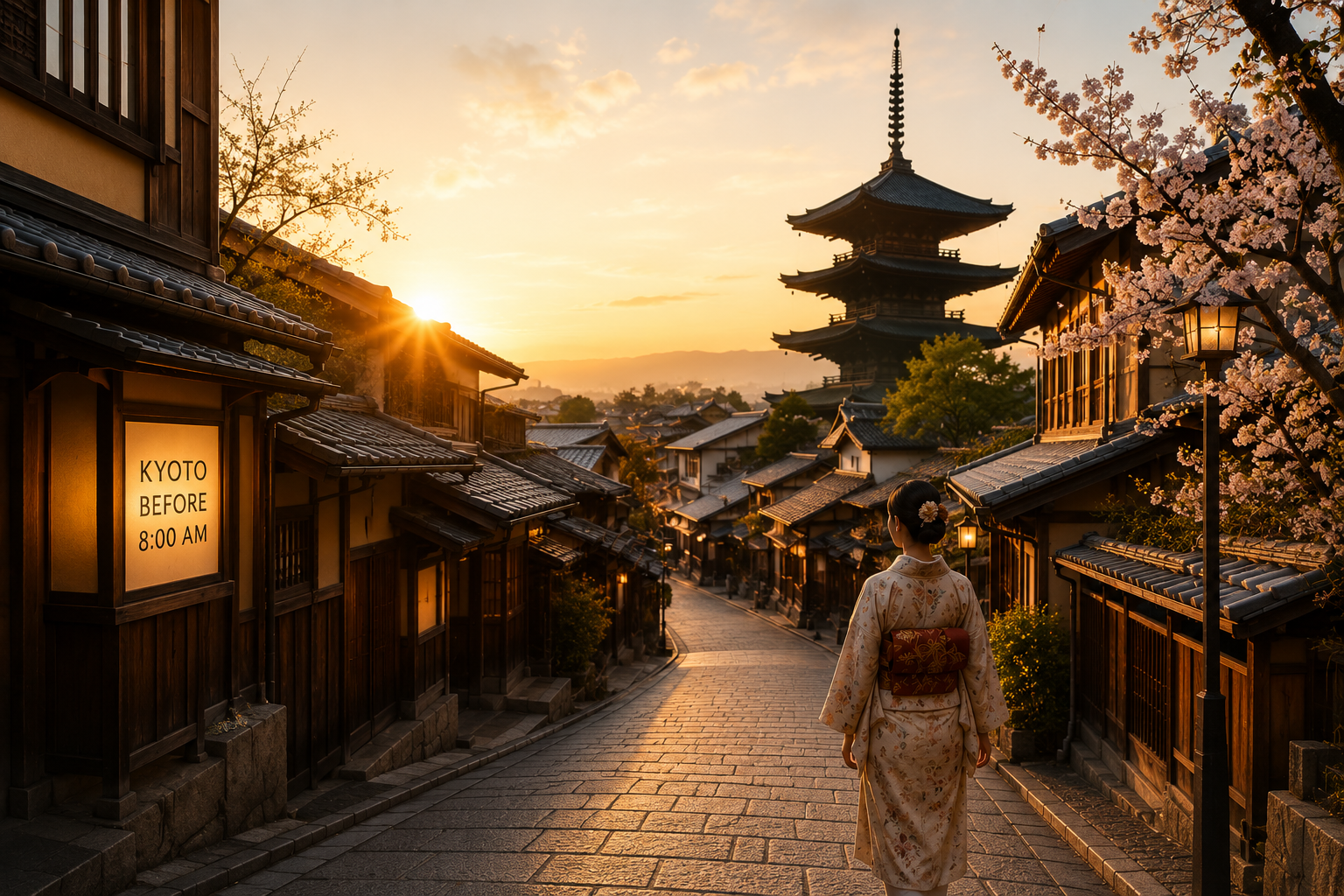
There is a Kyoto that belongs to the hours before breakfast.
In Higashiyama, shutters are still closed. Stone lanes hold the coolness of the night. A shopkeeper sweeps outside a wooden façade. Somewhere behind a wall, water moves through a garden you cannot see.
Walk toward Kiyomizu-dera as the city begins to brighten. The approach that later becomes animated with visitors can feel entirely different at this hour. Without the noise of the day, rooflines, temple gates and distant hills become part of one composition.
Or begin at Fushimi Inari Taisha. Pass beneath the first vermilion torii and continue upward. The deeper you walk, the more the city seems to fall away. Light filters between gates. Stone foxes watch from the edges of the path. The experience changes from landmark to journey.
Early mornings are not merely a strategy for avoiding crowds. They reveal something essential about Kyoto: this is a city built around attention.
When there are fewer distractions, you notice the grain of timber, the sound of your own footsteps and the way architecture frames sky, garden and mountain.
LUMINARA NOTE — Give Kyoto at least two early mornings. Spend one in Higashiyama and another at Fushimi Inari or Arashiyama. The city you meet before 8:00 AM may become the one you remember longest.
02 — HIGASHIYAMA
Where Kyoto Still Looks Back.
If Kyoto exists in the imagination as sloping lanes, tiled roofs, temple bells and old wooden houses, much of that image belongs to Higashiyama.
But the district deserves more than a hurried walk between famous landmarks.
Begin high, then descend slowly through the historic streets around Kiyomizu. Ninenzaka and Sannenzaka are beautiful, but their details matter more than their popularity: a noren moving above a doorway, handmade sweets arranged behind glass, ceramics whose irregularity is part of their beauty, rain darkening old timber.
Yasaka Pagoda appears unexpectedly between rooftops, disappears behind a corner, then returns from another angle. This is how Higashiyama works. Kyoto rarely gives you the entire picture at once.
Stop for tea. Enter a workshop. Take the smaller lane simply because it is quieter.
As afternoon turns toward evening, continue toward Yasaka Shrine and Gion. The light softens, lanterns begin to appear and the city changes register.
The luxury of Higashiyama is not that it is hidden. It is that, even in one of Kyoto’s most celebrated districts, moments of intimacy still exist for travellers willing to slow down enough to find them.
03 — GION AFTER DUSK
When Lanterns Replace Daylight.
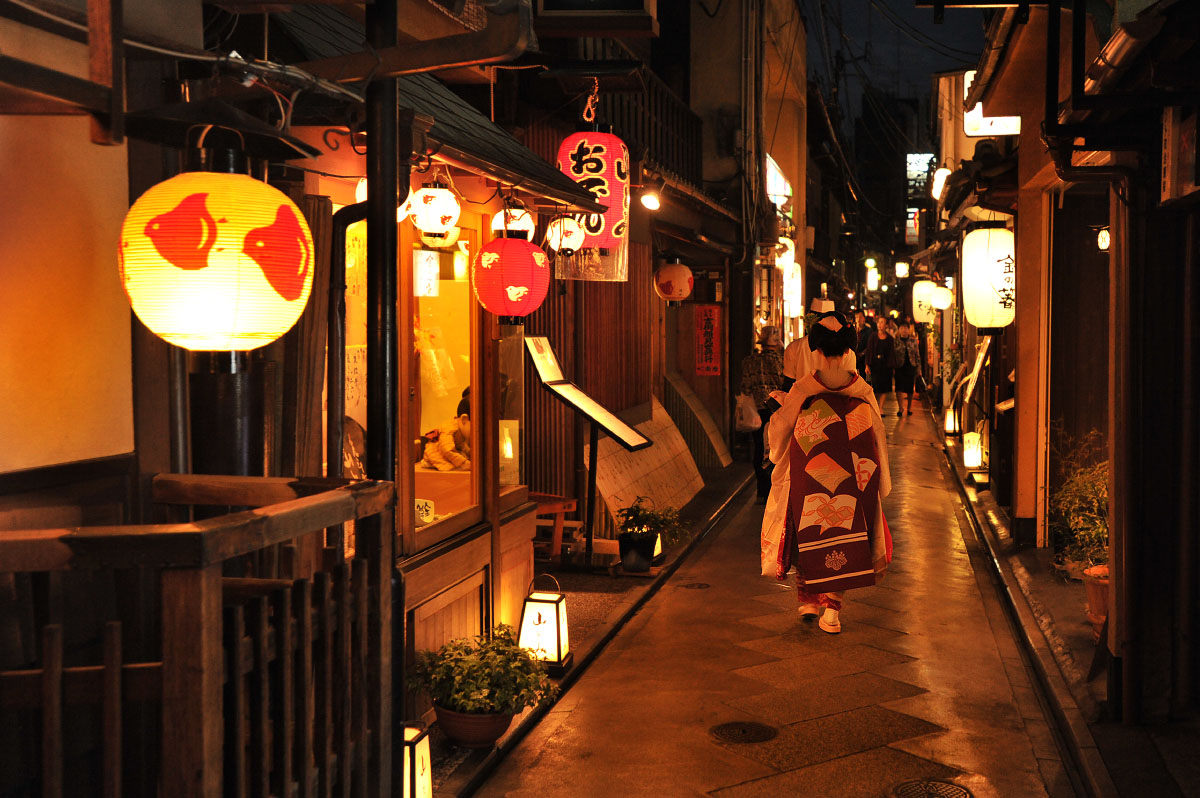
By day, Gion can feel like one of Kyoto’s most observed neighbourhoods. After dusk, its mood changes.
Wooden façades recede into shadow. Lanterns glow outside restaurants. A taxi turns into a narrow street and briefly illuminates latticework before the darkness returns. Conversation becomes quieter behind closed doors.
Gion’s association with geiko and maiko is one of the reasons travellers are drawn here, but this is precisely why respect matters. These traditions are not street entertainment. The neighbourhood contains homes, businesses and private spaces, and local restrictions on photography and access should always be followed.
The more rewarding way to experience Gion is not to hunt for a photograph. It is to let the district remain slightly mysterious.
Reserve dinner. Walk along the Shirakawa area. Notice willow branches over the water and the glow reflected beneath them. If rain begins, do not rush away. Kyoto under an umbrella, with wet stone reflecting lantern light, can feel more cinematic than a perfect sunset.
Some places become memorable because you saw everything.
Gion is memorable because you did not.
04 — KYOTO AT THE TABLE
A Season Served Course by Course.
In Kyoto, a meal can tell you what month it is before anyone mentions the date.
Kaiseki, in its refined forms, is not simply a sequence of expensive dishes. It is an interpretation of season, texture, temperature, colour, vessel and timing. The plate may be as carefully considered as the ingredient placed upon it. A leaf can signal autumn. A ceramic bowl can make winter feel warmer. Empty space can be part of the composition.
Spring brings young vegetables and delicate flavours. Summer asks for freshness and restraint. Autumn deepens with mushrooms, chestnuts and changing colours. Winter invites warmth.
Yet Kyoto should not be reduced to formal dining. The city’s culinary identity is equally present in tofu near temple districts, obanzai home-style dishes, soba, grilled fish, pickles, seasonal wagashi and a bowl of matcha whose bitterness makes the sweet beside it more vivid.
Leave room for contrast. One evening may be an elaborate multi-course dinner served with ceremony; the next might be a tiny counter where the pleasure comes from watching one person do one thing exceptionally well.
Kyoto teaches the same lesson at the table that it teaches in its gardens: more is not automatically better. Precision can feel more luxurious than abundance.
05 — THE GARDENS OF STILLNESS
Nothing Here Is Accidental.
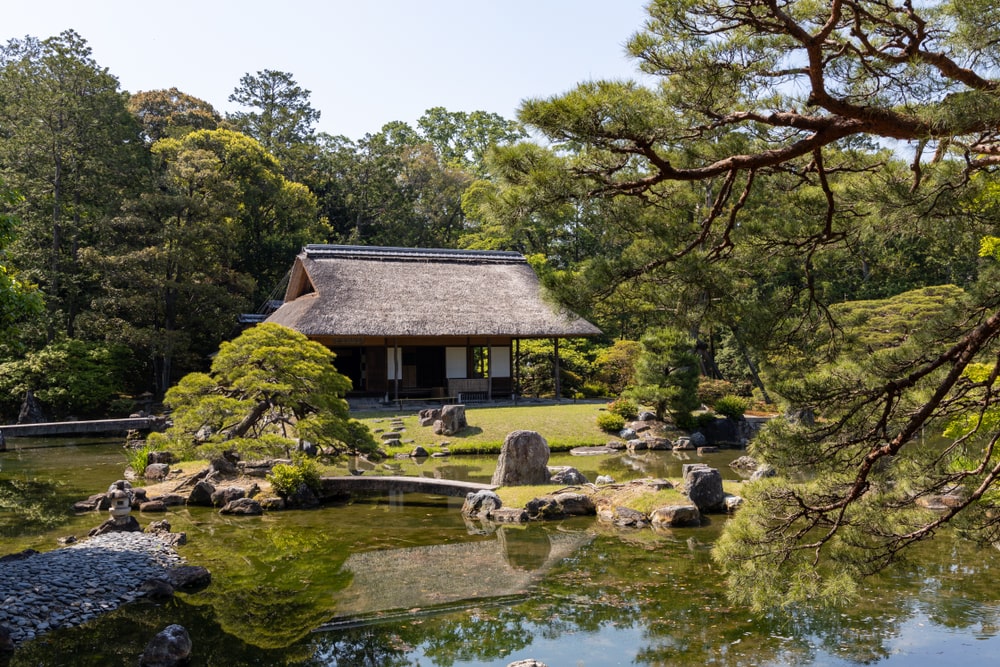
A Kyoto garden can appear effortless until you spend enough time inside one.
Then you begin to notice the decisions.
A stone sits where it does for a reason. A path turns before revealing the next view. A tree frames a roofline. Moss softens the ground. Water reflects architecture, sky and season at once.
At Ryōan-ji, stone and gravel strip the landscape toward abstraction. At Ginkaku-ji, the experience unfolds through paths, moss, sand and changing elevation. Elsewhere, pond gardens create scenes that shift as clouds move overhead.
The temptation is to collect gardens the way one collects landmarks. Resist it.
Choose fewer. Sit longer.
Return your attention to one scene after five minutes and you may find that it has changed—not because the garden moved, but because you finally began to see it.
In spring, petals alter the surface of water. In summer, green becomes almost architectural. Autumn brings extraordinary colour. Winter reveals structure that foliage had concealed.
Kyoto’s gardens do not merely decorate the city. They explain its aesthetic language.
06 — ARASHIYAMA, BEFORE THE FOOTSTEPS
Bamboo Sounds Different in Silence.
Everyone knows the photograph: a narrow path disappearing between towering bamboo.
The experience becomes more interesting when you arrive early enough to hear the place.
Wind moves high above. Bamboo knocks softly against bamboo. The air feels cooler beneath the canopy. Without a dense crowd, the grove becomes less like an attraction and more like a landscape.
But Arashiyama is larger than its most famous path.
Continue beyond the bamboo. Explore temple gardens. Walk toward the river. Cross Togetsukyō Bridge and look back toward the wooded hills. In the right season, the landscape carries cherry blossom, deep summer green or autumn colour.
Consider giving Arashiyama half a day rather than an hour. The district becomes richer when the bamboo grove is the beginning rather than the destination.
And if your itinerary allows it, staying in this part of Kyoto changes the rhythm entirely. Evening and morning return the district to something calmer after day visitors leave.
The best Arashiyama memory may be the moment when you stop photographing the bamboo and start listening to it.
07 — KYOTO, MADE BY HAND
Centuries Live in the Details.
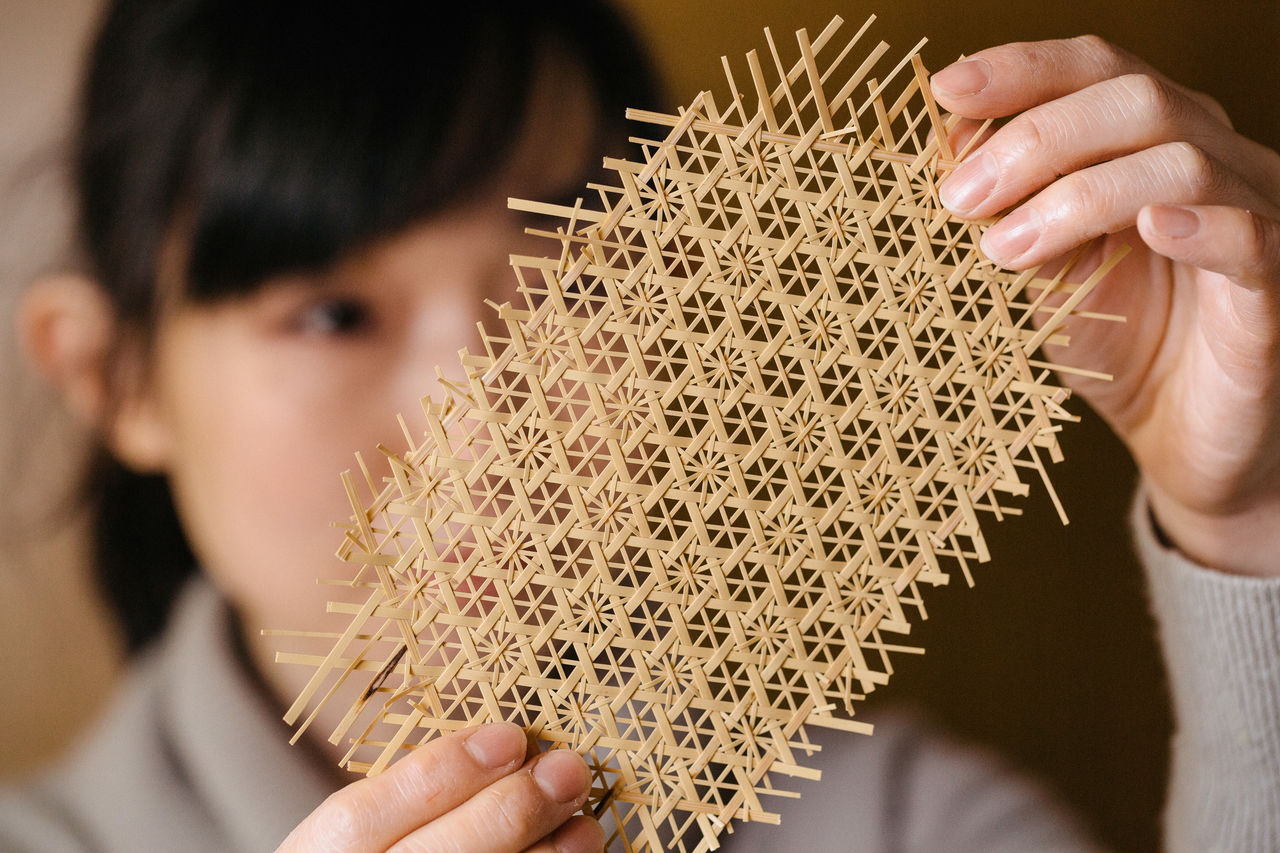
Kyoto’s history survives because it has not been confined to museums.
Someone still throws clay. Someone dyes cloth. Someone cuts bamboo, blends incense, paints lacquer, shapes wagashi or makes a utensil intended for a tea room.
Craft is one of the most intimate ways to understand the city because it transforms heritage from something observed into something made.
Look beyond souvenir shelves. Seek studios, specialist stores and experiences that explain process. Notice how materials are treated, how imperfection can be valued, and how objects intended for everyday use can carry extraordinary care.
Ceramics are especially rewarding because they connect so naturally with Kyoto’s food and tea cultures. A cup is not simply a cup when its weight, glaze, texture and shape affect how a drink is experienced.
Textiles open another door into the city. Kyoto’s long relationship with kimono, weaving and dyeing reveals an entire world of colour, pattern and technique that is easy to overlook when moving quickly between temples.
Buy less, but understand more.
The best object you take home from Kyoto should not shout where it came from. It should quietly remind you how it was made.
08 — TEA IS NOT A DRINK HERE
It Is Attention Made Visible.
A bowl is placed before you.
It is turned. Water is measured. Matcha meets the whisk. A sequence of movements unfolds with a calm that makes ordinary time feel slightly irrelevant.
For visitors unfamiliar with tea practice, it can be tempting to focus on the ceremony as performance. But its deeper pleasure is participation in attention.
Notice the room. The flower arrangement. The seasonal sweet. The bowl selected for that moment. The relationship between host and guest.
Nothing needs to happen quickly.
This may be one of the most useful experiences in Kyoto because it changes how you encounter everything afterward. A garden becomes less about taking a photograph. Dinner becomes less about finishing courses. A quiet room becomes something to experience rather than fill.
Tea is a reminder that luxury can be measured in concentration.
For travellers seeking a more considered Kyoto, choose a tea experience that provides cultural context rather than a quick costume-and-photo format. Understanding even a little of the intention behind the gestures makes the experience infinitely richer.
09 — THE TEMPLES BETWEEN THE LANDMARKS
Kyoto Is Larger Than Its Famous Names.
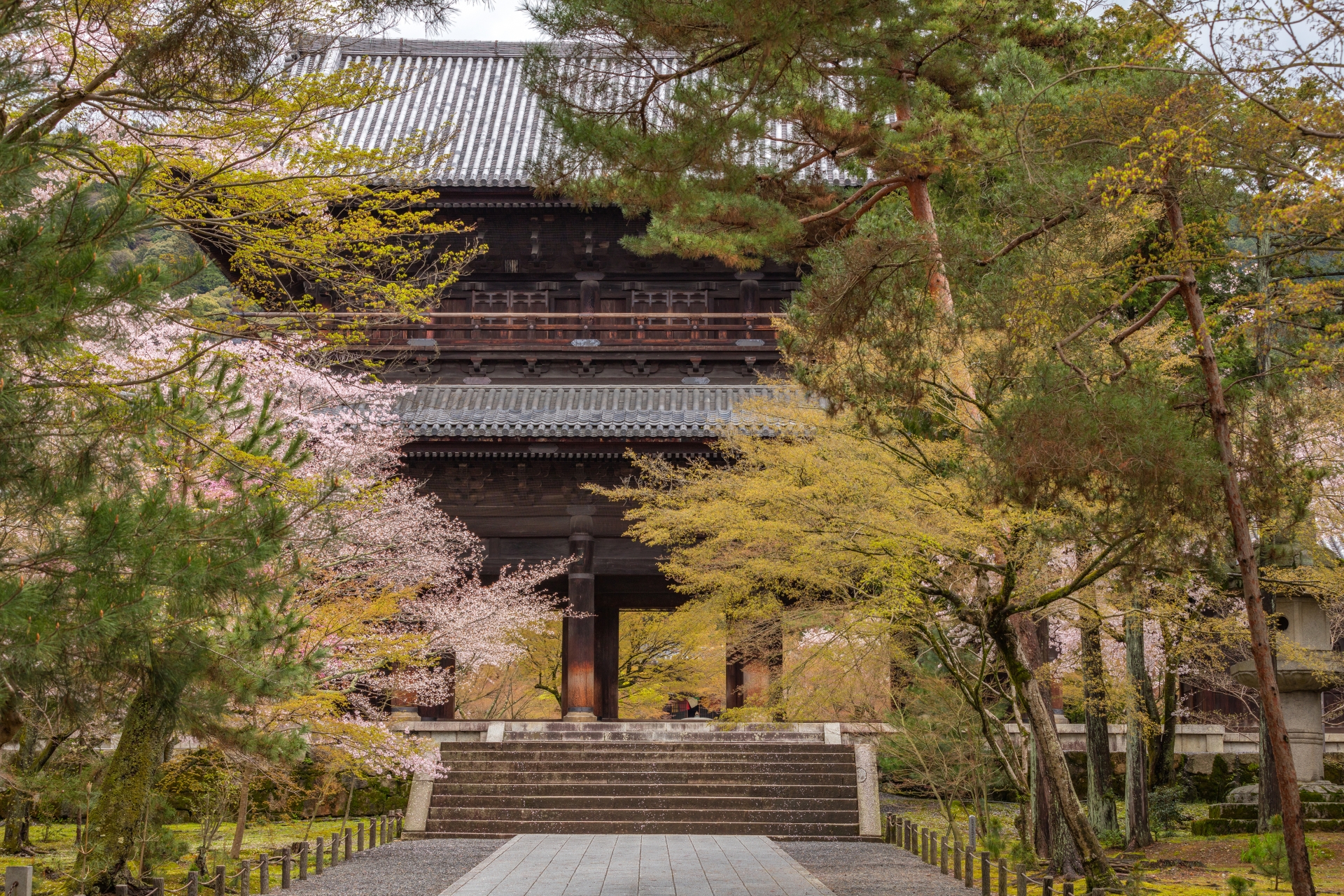
Kinkaku-ji gleams above its pond. Kiyomizu-dera opens toward the city. Fushimi Inari climbs into the mountain. These places deserve their reputations.
But Kyoto becomes more personal when you stop allowing reputation to design the entire itinerary.
Between the celebrated sites are smaller temple grounds, neighbourhood shrines, quiet cemeteries and gardens where you may share the space with only a handful of people.
This is where an extra day becomes valuable.
Instead of asking, “What else can we fit in?”, ask, “Where can we stay longer?”
Choose a district and explore it without repeatedly crossing the city. Allow one temple to lead to another. Follow a canal. Stop when a garden gate is open.
Kyoto’s cultural density means you do not always need to seek the next major attraction. Sometimes the extraordinary place is twenty minutes away and absent from the list you arrived with.
The city rewards curiosity more generously than completion.
10 — WHERE TO STAY
Let Kyoto Continue After You Close the Door.
Accommodation in Kyoto should do more than solve the question of where to sleep.
A good stay can extend the city’s atmosphere into the hours between sightseeing.
In a ryokan, tatami changes the way a room feels beneath your feet. Shoji soften the morning light. Dinner may arrive as a seasonal progression. A bath at the end of the day becomes a ritual rather than a utility.
A restored machiya offers another relationship with Kyoto: narrower spaces, timber, courtyards and a sense of inhabiting the city at a more domestic scale.
Contemporary luxury hotels interpret Kyoto differently. Some build around historic gardens. Others emphasize architecture, wellness or proximity to the city’s most atmospheric districts.
For a first visit, Higashiyama is especially compelling because early mornings and evenings become easier. Central Kyoto works well for travellers prioritising transport and broad exploration. Arashiyama or northern Kyoto can be extraordinary when retreat, landscape and privacy matter more than being near every landmark.
Do not choose a Kyoto hotel by star rating alone.
Choose it by the kind of Kyoto you want waiting outside your door.
11 — THE LUMINARA LUXURY HOTEL EDIT
Six Ways to Experience Kyoto After Hours.
FOUR SEASONS HOTEL KYOTO — HIGASHIYAMA
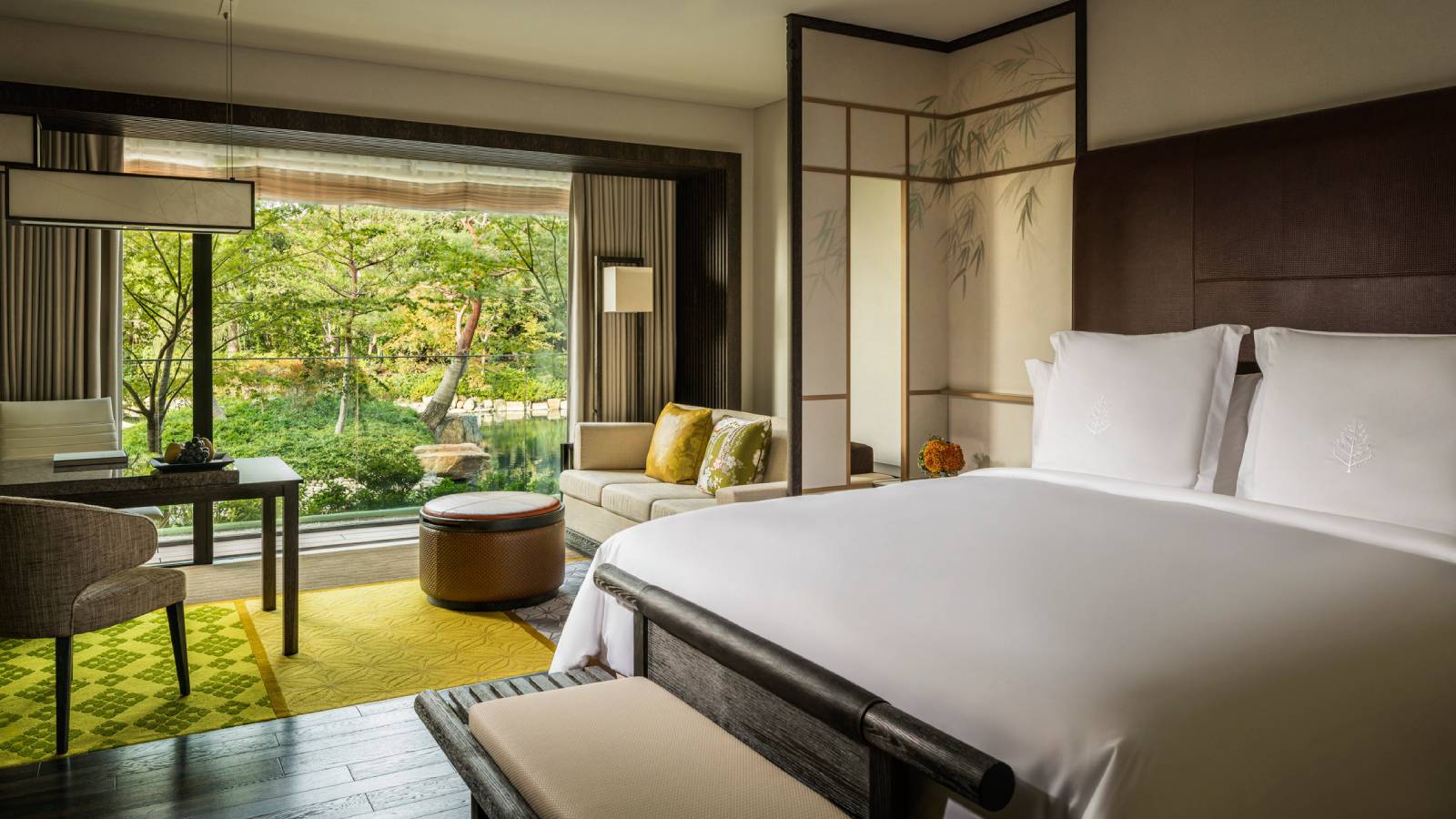
A compelling choice when you want polished international luxury without losing the atmosphere of eastern Kyoto. The hotel is organised around Shakusui-en, an approximately 800-year-old pond garden, allowing the landscape to become part of breakfast, afternoon pauses and evenings back at the property.
Its greatest advantage is balance: a retreat-like environment while Higashiyama, temples and Gion remain accessible. Choose it for garden atmosphere, service, wellness and travellers who want their hotel to feel calm without feeling removed.
HOTEL THE MITSUI KYOTO — NIJO CASTLE
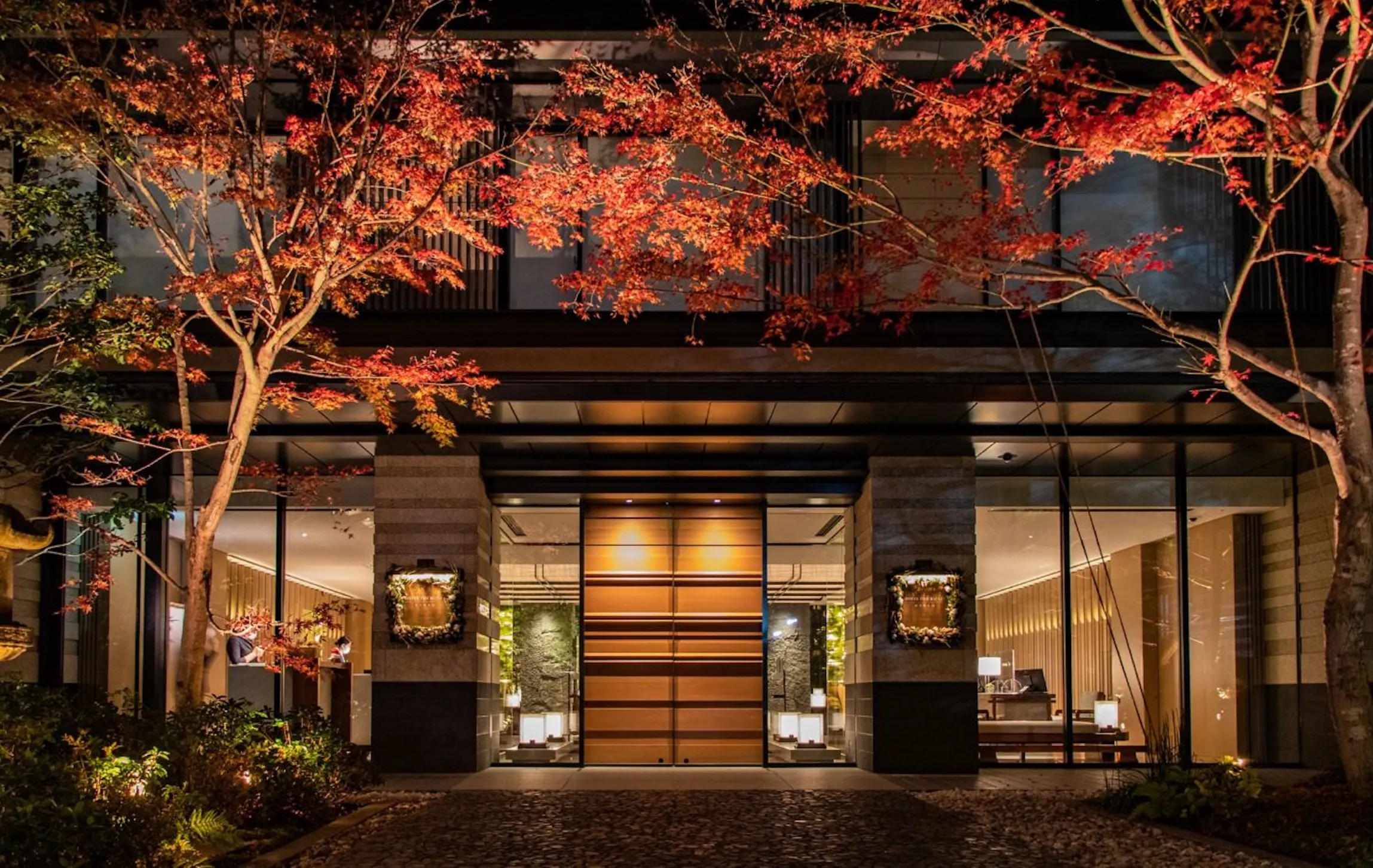
HOTEL THE MITSUI KYOTO takes a different approach: urban serenity shaped by heritage, Japanese aesthetics and its setting beside Nijo Castle. The property occupies land with historic ties to the Mitsui family and uses architecture, gardens and natural materials to create a sense of restraint.
This is an excellent option for travellers who appreciate design and wellness and want a central base rather than a resort on the edge of the city.
SIX SENSES KYOTO — HIGASHIYAMA
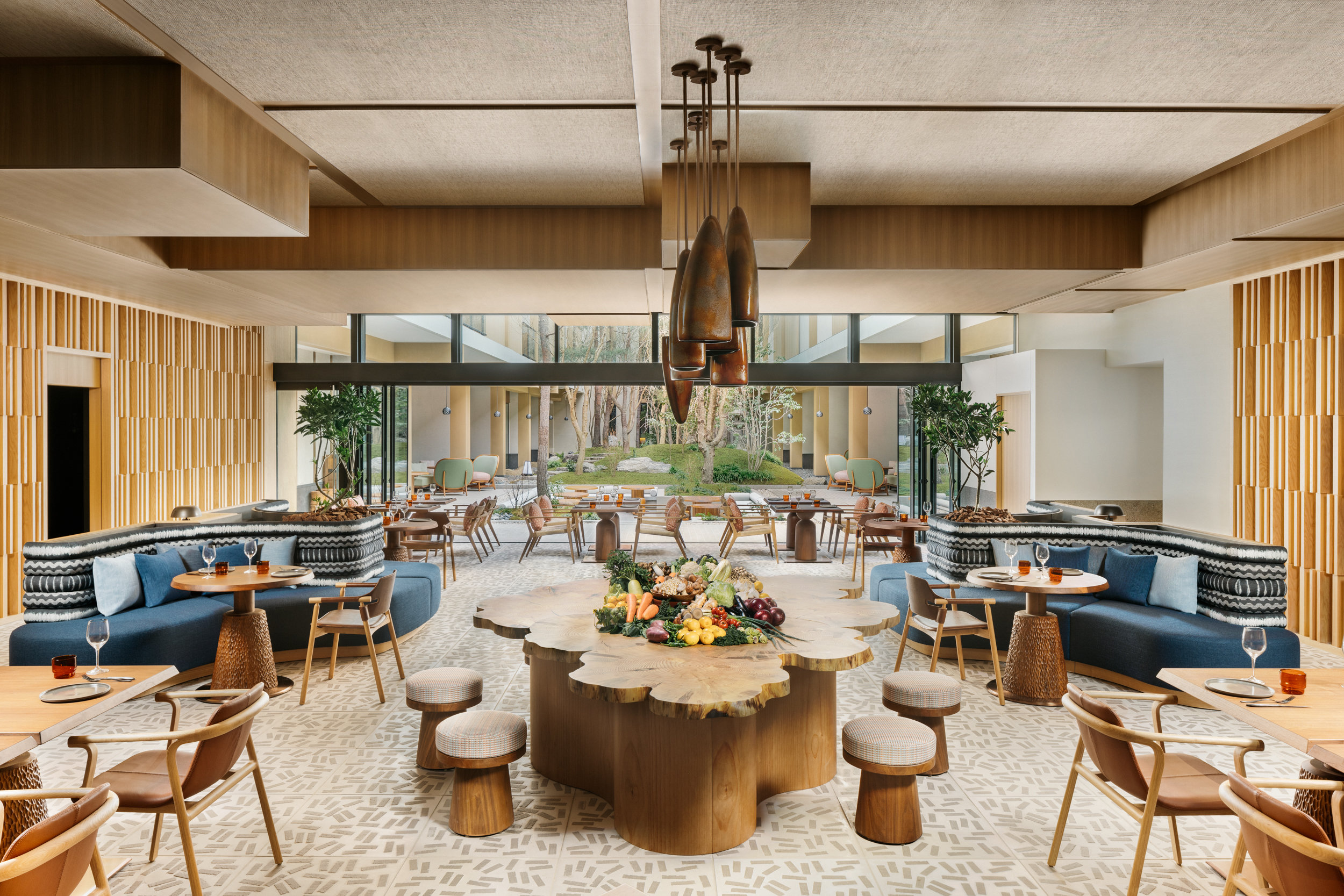
For travellers whose idea of luxury includes how they feel at the end of the trip, Six Senses Kyoto brings a strong wellness perspective to Higashiyama. Its appeal lies in the meeting of contemporary comfort, natural materials, restorative experiences and proximity to some of eastern Kyoto’s cultural landscape.
Choose it for a slower itinerary where spa time and wellbeing are not squeezed between sightseeing but built into the journey.
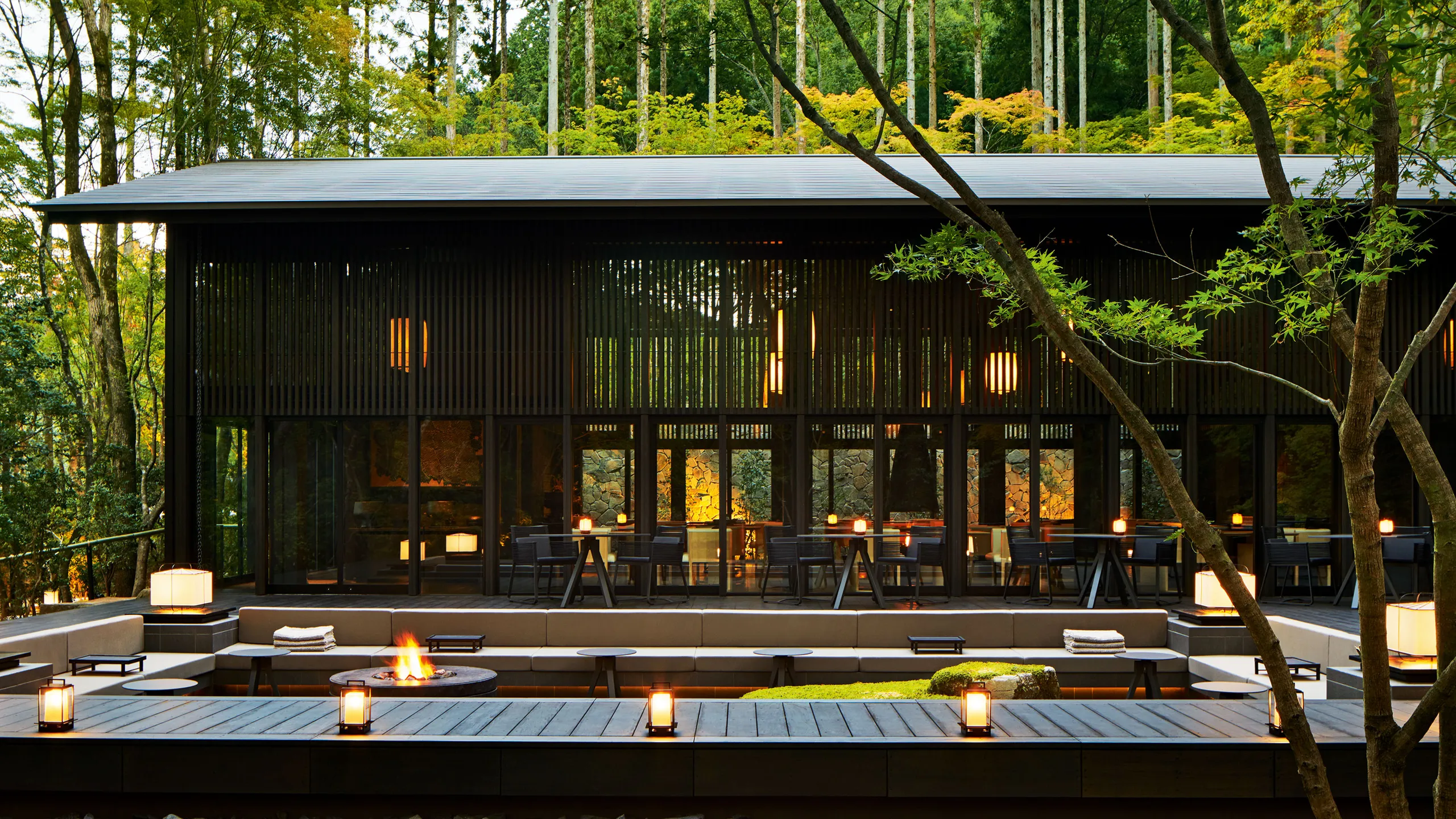
Aman Kyoto is for a different itinerary altogether.
Rather than placing the city immediately outside the door, it allows forest, stillness and seclusion to become the destination. The experience suits travellers who have enough time to stop treating accommodation as a base and begin treating it as part of Kyoto itself.
Consider it for return visits, romantic journeys, wellness-focused stays or the final nights of a longer Kyoto itinerary when you want the city to gradually disappear into landscape.
PARK HYATT KYOTO — HIGASHIYAMA
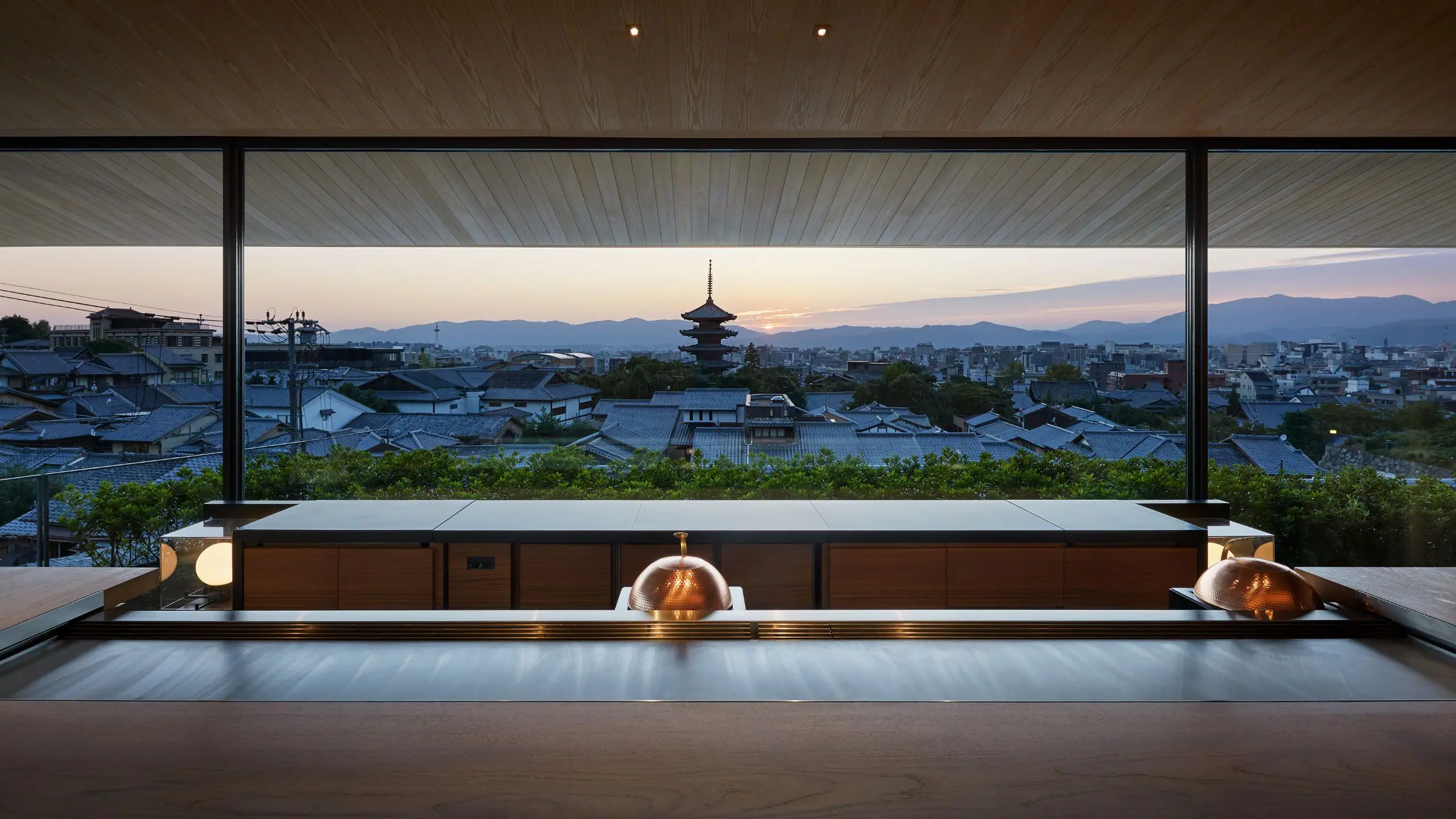
Location becomes the luxury here.
Set in Higashiyama, Park Hyatt Kyoto offers the possibility of stepping directly into one of the city’s most atmospheric areas, particularly valuable in the early morning and toward evening when the district changes character.
Choose it for travellers who value design, intimacy and being physically embedded in historic Kyoto rather than commuting to it.
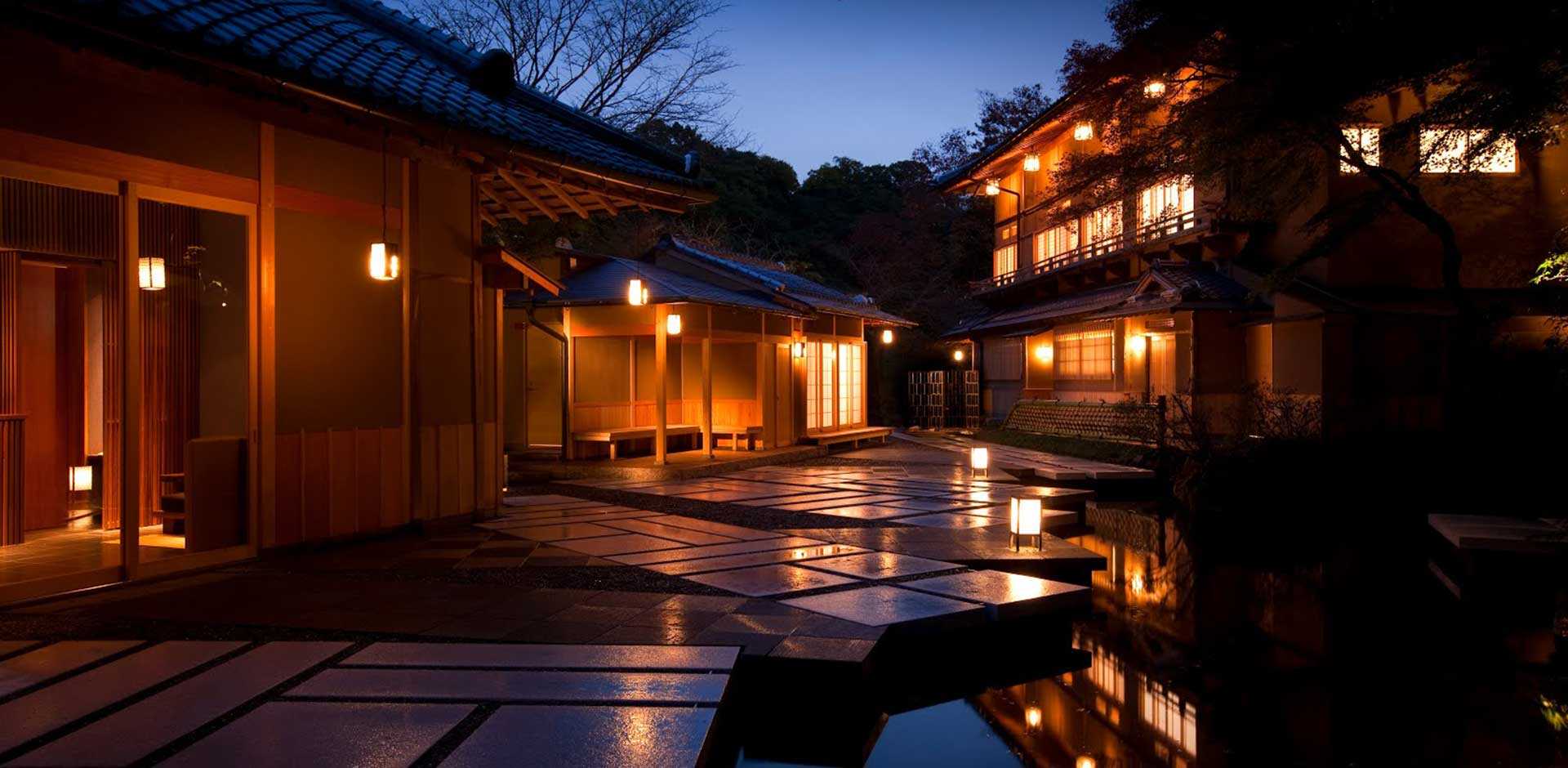
For travellers drawn to Arashiyama’s river, hills and retreat atmosphere, HOSHINOYA Kyoto offers a compelling alternative to a conventional central-city stay.
The experience makes most sense when you are prepared to slow down. Rather than using Arashiyama as a quick morning excursion, the landscape becomes part of the rhythm of the stay.
Choose it for romance, retreat and travellers who want the final chapter of Kyoto to feel quieter than the first.
LUMINARA WAY TO STAY
For a longer luxury journey, consider dividing Kyoto into two moods. Spend the first nights in Higashiyama or central Kyoto for temples, dining and early walks. Then move to Arashiyama or northern Kyoto for the final nights.
The transfer is not an inconvenience. It is a change of pace.
City first. Stillness second.
12 — KYOTO THROUGH THE SEASONS
The Same City Never Appears Twice.
SPRING — Kyoto becomes softer. Cherry blossom frames canals, temple grounds and riversides, and the city carries a celebratory energy. It is also one of the most desired periods to visit, so flexibility and early planning matter.
SUMMER — The landscape turns intensely green. Heat and humidity encourage a different rhythm: earlier mornings, longer lunches, shaded gardens and evenings that come alive with seasonal traditions.
AUTUMN — Maple leaves transform gardens and temple approaches into layers of crimson, amber and gold. It is among Kyoto’s most dramatic seasons and one of its busiest.
WINTER — The city becomes more restrained. Bare branches reveal architecture, mornings feel sharper, and occasional snow can completely change familiar scenes. Travellers who value quiet may find winter deeply rewarding.
Do not assume Kyoto is only worth seeing at peak blossom or foliage. The city’s relationship with season is precisely what makes every month different.
13 — KYOTO AFTER RAIN
When the City Becomes More Beautiful.
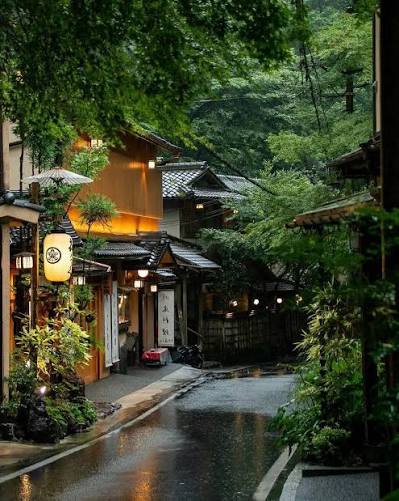
Do not be disappointed when the forecast shows rain.
Kyoto knows what to do with it.
Stone darkens. Moss becomes richer. Temple roofs shine. Umbrellas move quietly through narrow streets and lanterns reflect in wet pavement after dusk.
Rain can remove some of the urgency from the day. Instead of racing between landmarks, spend longer beneath temple eaves. Sit with tea. Visit a workshop. Watch a garden change as water gathers on leaves.
Some of Kyoto’s most atmospheric photographs are made in imperfect weather, but the deeper pleasure is not photographic.
Rain gives the city permission to become quieter.
If your itinerary is flexible, keep one rainy-day plan intentionally loose. Higashiyama, Gion, tea, craft and gardens can all become more evocative when the sky refuses to cooperate.
14 — THE KYOTO YOU DON’T SCHEDULE
Leave Something Unplanned.
The instinct to optimise a trip can become especially strong in Kyoto because there is always another temple, another garden and another restaurant worth considering.
Leave something out.
More importantly, leave time empty.
Give yourself an afternoon with no reservation until dinner. Start in a neighbourhood and walk. Enter the temple you had not researched. Stop for coffee or tea because the room looks inviting. Browse ceramics without checking the time.
This is not wasted itinerary space.
It is where the destination becomes yours.
The famous Kyoto belongs to everyone. The narrow street you remember because rain started while you were walking back from a small shrine belongs to your journey alone.
Luxury travel is often described through access. Kyoto suggests another definition: freedom from needing to maximise every minute.
15 — FOUR DAYS, SLOWLY
A Framework, Not a Checklist.
DAY ONE — HIGASHIYAMA INTO GION
Begin before the streets become busy. Visit Kiyomizu-dera, descend through historic lanes and allow time for tea, craft and lunch. Do not schedule the afternoon too tightly. As daylight fades, continue toward Gion and let dinner become the final event of the day.
DAY TWO — ARASHIYAMA & LANDSCAPE
Reach Arashiyama early. Experience the bamboo grove before moving deeper into temple gardens, riverside paths and wooded scenery. Give the district enough time to become more than its famous photograph.
DAY THREE — GARDENS, CRAFT & THE TABLE
Choose one or two gardens rather than many. Add a workshop, specialist store or tea experience. Keep the evening for a thoughtful meal—perhaps the night when Kyoto’s seasonal cuisine becomes the centre of the itinerary.
DAY FOUR — FUSHIMI INARI & THE UNSCHEDULED CITY
Begin early beneath the torii of Fushimi Inari. Afterwards, resist the temptation to fill the remaining hours in advance. Return to a neighbourhood you liked, explore somewhere new or simply let Kyoto decide.
IF YOU HAVE FIVE OR SIX DAYS
This is where Kyoto becomes luxurious. Add slower mornings, a second garden day, deeper craft experiences, a retreat night in Arashiyama or northern Kyoto, and enough space for weather, appetite and curiosity to change the plan.
16 — BEFORE YOU GO
Practical Intelligence for a Slower Kyoto.
ARRIVAL
Kyoto has no major commercial airport. Many international travellers arrive through the Osaka region or reach Kyoto by rail from Tokyo and other Japanese cities. Build the first day gently, particularly after a long international journey.
MOVING THROUGH THE CITY
Kyoto is not best experienced by constantly crossing from one side to the other. Organise days geographically. Combine nearby temples, neighbourhoods and dining so more time is spent walking through Kyoto and less time is spent travelling across it.
MORNINGS
Use them strategically. Famous districts can feel completely different early in the day, and summer mornings are also more comfortable before the heat builds.
RESPECT
Temples, shrines, historic streets and geiko districts are not theme-park environments. Follow signs, photography restrictions and local guidance. Do not enter private property or obstruct residents.
FOOTWEAR
Kyoto rewards walking, and many cultural spaces involve removing shoes. Comfort and practicality matter.
DINING
For highly sought-after restaurants and special experiences, plan ahead. But do not reserve every meal. Leave room for discovery.
PACE
Four to six days allows a more balanced first visit. Three days can cover highlights; additional time changes the quality of the experience because it gives you permission to stop.
17 — KYOTO, IN THE END
You Leave With Less Noise.
At first, you may think Kyoto is about what you came to see.
The golden pavilion. The torii. Bamboo. Gion. Cherry blossom. Autumn leaves.
Then the journey ends and memory begins editing.
Perhaps the famous sights remain. But beside them appear smaller things.
The smell of tatami in the morning.
A garden after rain.
Steam rising from tea.
The weight of a ceramic bowl between both hands.
A temple bell heard from somewhere you never identified.
Lantern light at the end of a street.
Kyoto’s deepest luxury is not extravagance.
It is attention.
The city asks you to look carefully, eat seasonally, walk slowly, respect what you do not fully understand and allow beauty to exist without immediately demanding something from it.
You arrive with a list.
If Kyoto has done its work, you leave with fewer reasons to need one.
KYOTO
Come for the temples.
Stay for the spaces between them.