WHERE THE MOUNTAINS TEACH YOU TO SLOW DOWN
A Luminara Voyages city guide for travellers who prefer the world to reveal itself slowly.
The Story Begins Before Hakone
The first sign that Tokyo is disappearing is not the silence.
It is the trees.
They begin almost imperceptibly beyond the city, appearing between buildings, then occupying the spaces between roads, until the architecture gives way to hills. The train begins to climb. The windows fill with green. The air feels different against the glass.
By the time the mountains gather around you, the city has become something you remember rather than something you are leaving.
Hakone has always understood this transition.
For centuries, travellers moving between Edo and Kyoto crossed these mountains along the Tokaido route. The journey was demanding, and Hakone became a place to stop, rest and recover. Today the journey is easier, but the character of the pause remains.
You arrive not to collect landmarks, but to change tempo.
A ryokan door slides open. Shoes are left behind. A cup of tea appears. Somewhere beyond the garden, water is moving through the mountains. The room is quiet enough to hear the weather.
Later, you step into an open-air bath.
Steam gathers around the surface. Cedar darkens in the evening. If it is autumn, a maple leaf may drift into the water. If it is winter, the air outside the bath is almost startlingly cold. You look towards the mountains and realise there is no appointment left on the day.
That is the first real luxury of Hakone.
Not the room. Not the meal. Not even the view.
The luxury is that nothing is asking for your attention.
Hakone At A Glance
BEST TIME — Spring for fresh mountain greens and blossoms; autumn for foliage; winter for crisp air and often stronger Fuji visibility.
IDEAL STAY — Two nights for a first encounter; three for a true retreat.
KNOWN FOR — Onsen · Ryokan · Lake Ashi · Mount Fuji · Owakudani · Art · Kaiseki · Historic mountain routes
BEGIN WITH — A slow arrival, a beautifully chosen ryokan and an evening deliberately left unplanned.
Hakone Travel Guide: Into Japan’s World of Onsen & Stillness
The Art Of Arriving
Hakone Is A Transition, Not A Checkpoint
Hakone is close to Tokyo, but proximity is not the point. Its value lies in how quickly the landscape changes the emotional temperature of a journey. The official gateway is Hakone-Yumoto, and travellers can reach it from Shinjuku to Hakone-Yumoto in about 85 minutes by Odakyu Romancecar, or from Tokyo via Odawara and the Hakone Tozan Railway.
For Luminara, the most elegant way to approach Hakone is to treat the arrival as the first experience. Do not overfill the day before check-in. Leave Tokyo with enough time to watch the city dissolve.
The Hakone Tozan Railway is particularly beautiful because it makes the climb visible. Forests, valleys, bridges and steep mountain slopes replace the geometry of the capital. The journey gives you something many itineraries overlook: a psychological transition.
By the time you arrive, you should already feel that you have travelled somewhere different.
The Onesen Ritual
Where Water Becomes A Form Of Silence
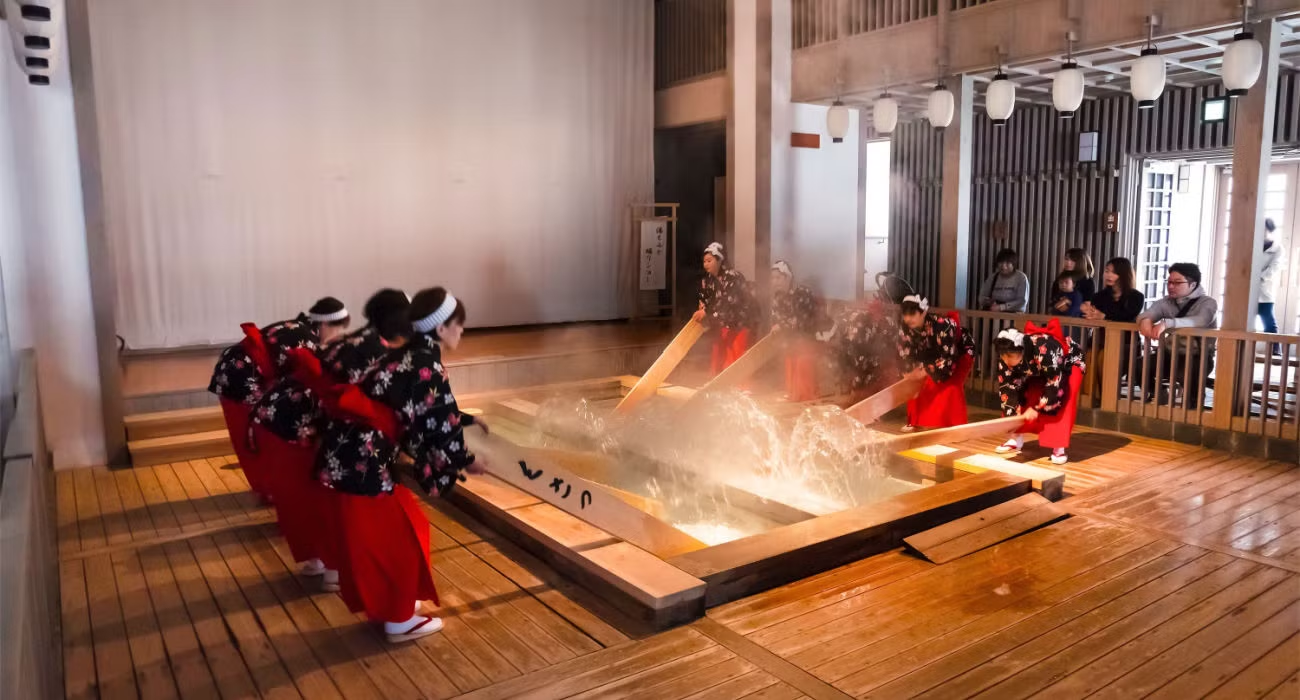
Hakone is one of Japan’s great hot-spring destinations. Its volcanic geology has created numerous sources and distinct spring qualities, and the region has been a bathing destination for centuries.
But the luxury of an onsen is not comparable to a Western spa in the way a hotel is not comparable to a ryokan. The pleasure is more elemental. You wash, enter the water, become still, and allow the landscape to take over.
The best private baths are framed rather than decorated. A wooden screen. A stone edge. A stand of cedar. The sound of water. Nothing needs to be extravagant because the mountain is already doing the work.
For travellers unfamiliar with Japanese bathing culture, the etiquette is part of the beauty. Wash before entering, keep towels out of the bath, keep voices low and allow the experience to remain communal or private according to the setting.
In Hakone, the bath is not something to fit between attractions. It is the reason to leave room in the day.
Lake Ashi
The Morning That May Or May Not Reveal Fuji
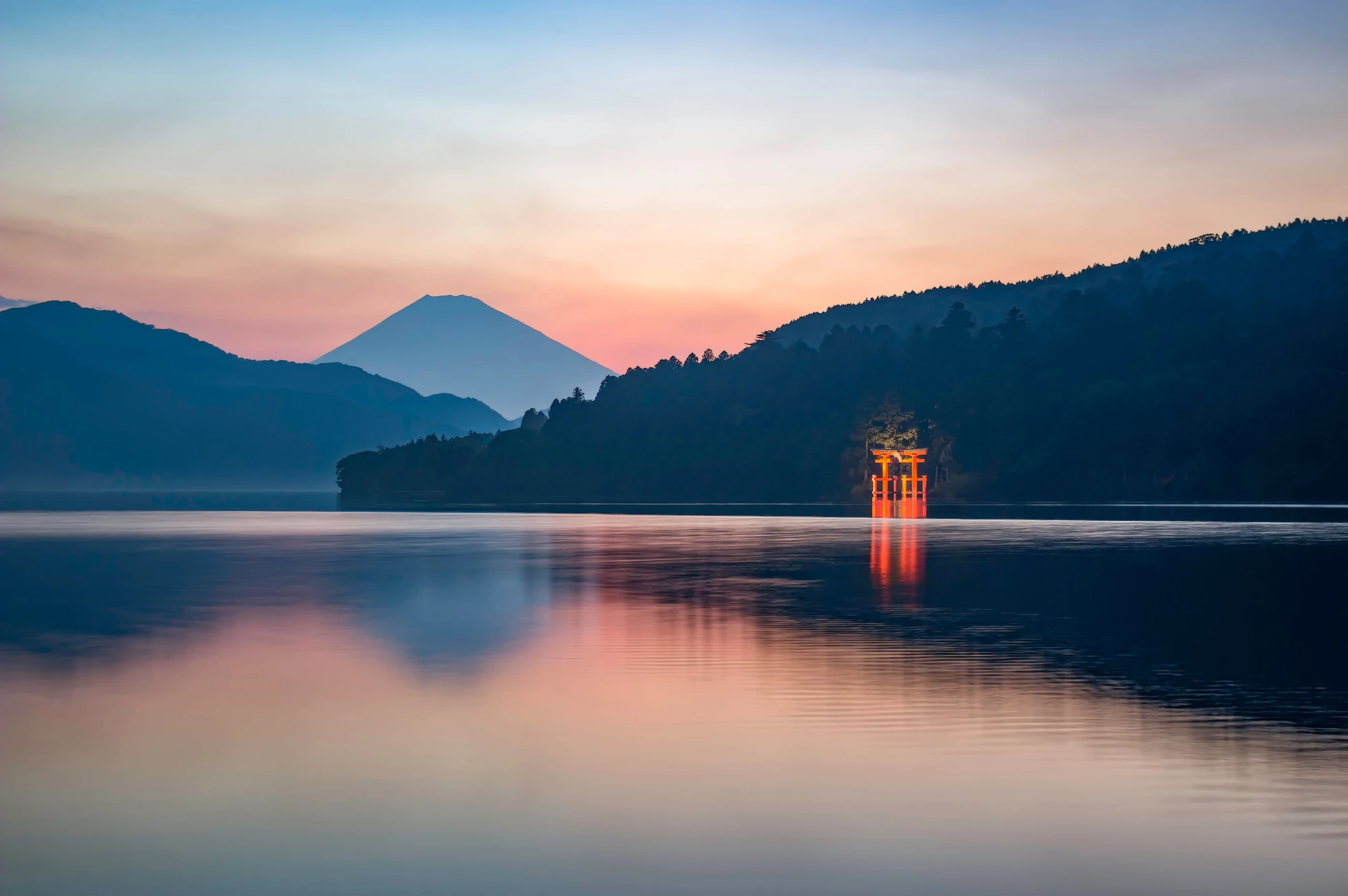
Lake Ashi is the landscape most people imagine when they picture Hakone: dark water, forested slopes and, on a clear day, Mount Fuji beyond the horizon. The lake occupies a volcanic caldera formed after an eruption thousands of years ago.
Yet the most sophisticated way to experience Lake Ashi is to stop demanding the photograph.
Fuji is weather-dependent. It can appear perfectly for a few minutes and then retreat behind cloud. A lake morning without Fuji can still be extraordinary: boats moving across the water, mist caught between the hills, the changing reflection of the sky.
Take a quiet shoreline walk. Visit Motohakone. If conditions are right, take to the water. And if Fuji appears, resist the instinct to turn the moment immediately into a checklist item.
Some landscapes become more precious because they refuse to perform on command.
The Torii At The Water
Hakone Shrine And The Language Of Place
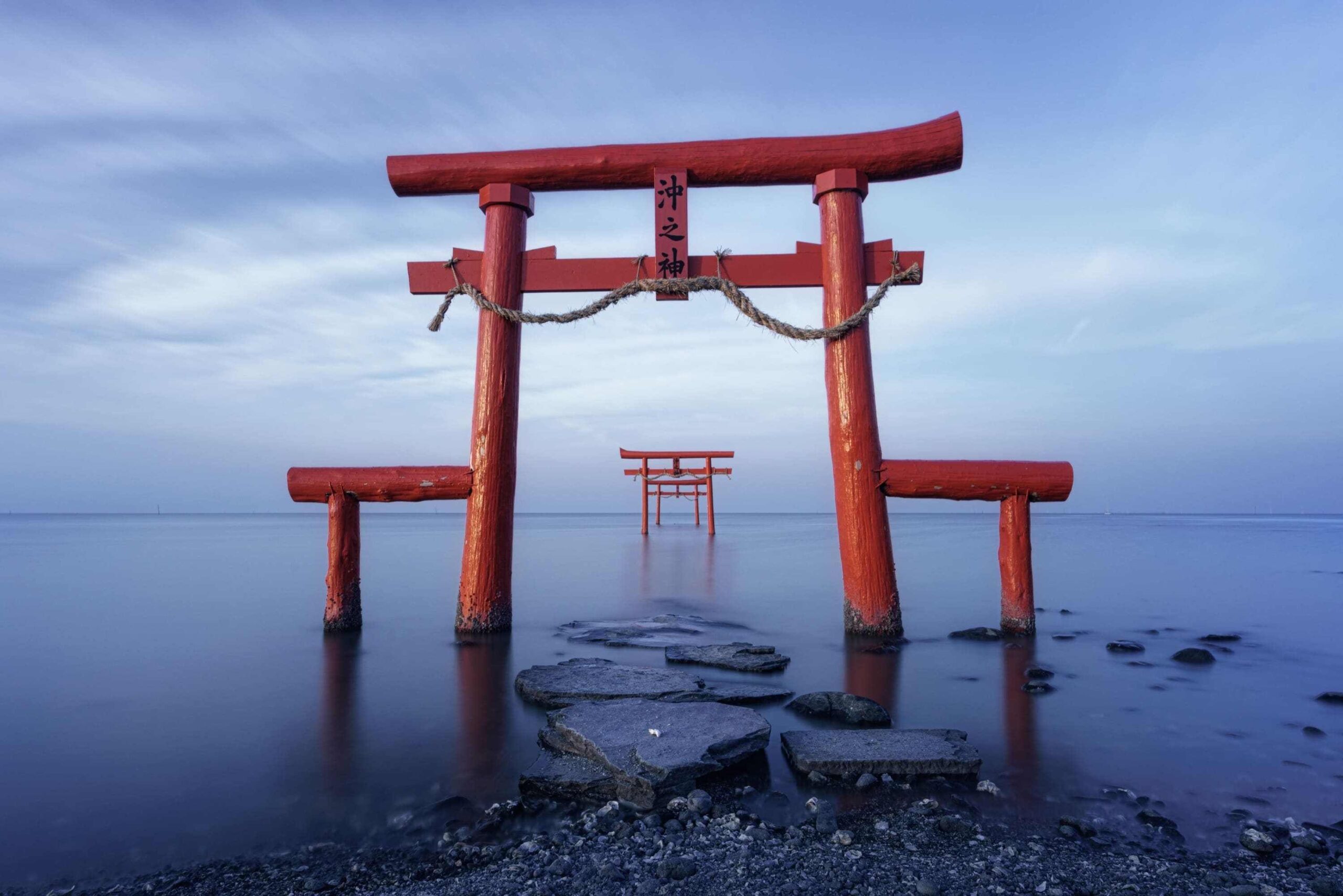
Hakone Shrine sits within one of the region’s most atmospheric settings, surrounded by forest and connected visually to Lake Ashi. The famous torii in the water has become an icon, but the photograph is only the surface of the experience.
Arrive early. The cedar forest is quieter, the light softer, and the approach feels more contemplative before the day gathers around it.
Climb slowly. Listen to the change in sound as you move from the lakeshore towards the forest. Japan often expresses spirituality through atmosphere rather than explanation, and this is one of those places where the setting communicates first.
The shrine deserves more than a photograph. Give it time.
Owakudani
The Beauty Of A Landscape Still Alive
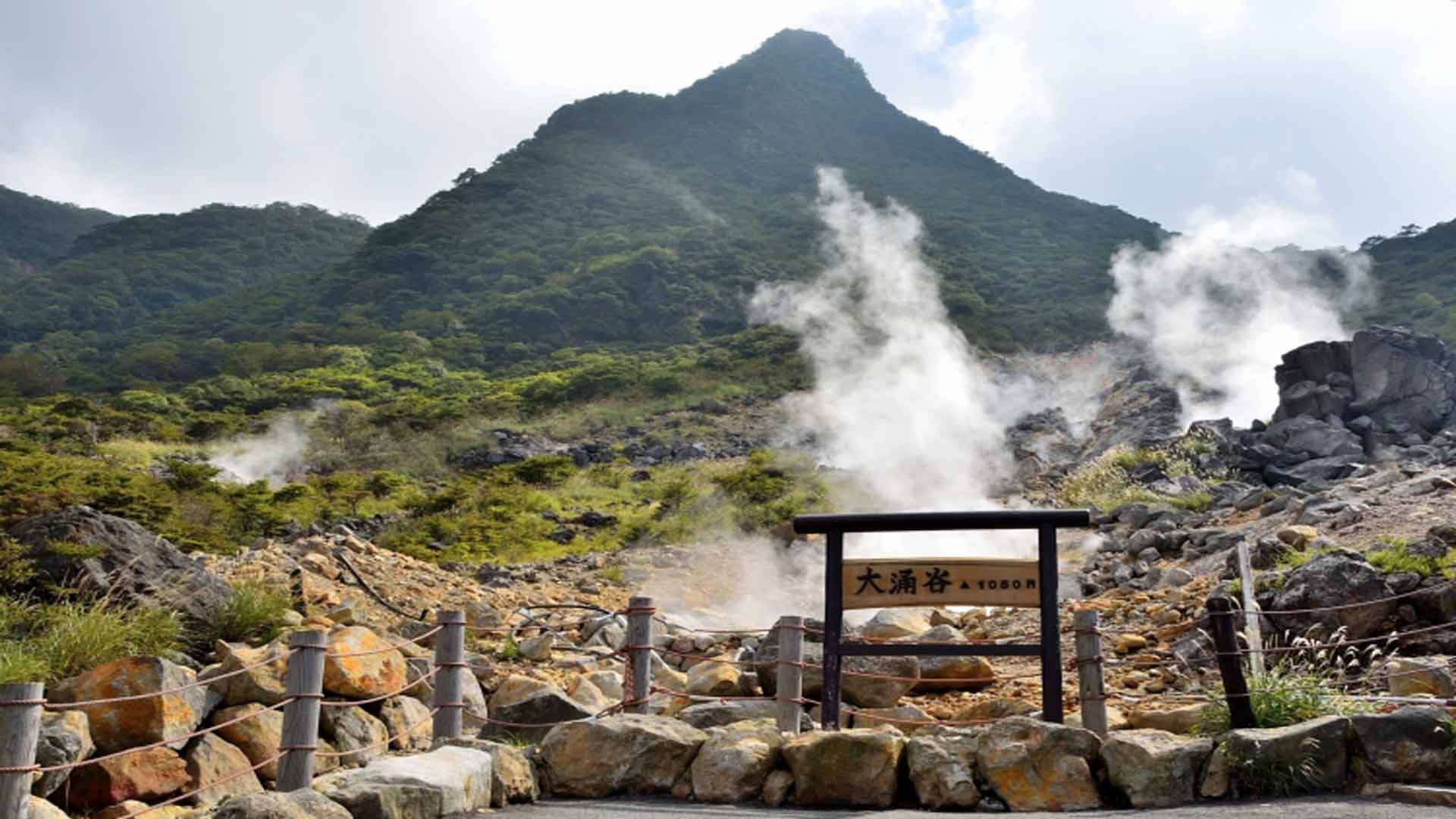
Owakudani reveals the geological character beneath Hakone’s softer pleasures. The volcanic valley was formed by an eruption roughly 3,000 years ago and remains known for its sulphurous vents, steam and striking terrain.
It is deliberately unlike the rest of the retreat. The landscape feels raw. White steam rises from dark earth. The air carries sulphur. The mountains appear less like scenery and more like evidence.
This is what makes Owakudani important to a luxury itinerary. It gives context to the onsen. The same volcanic forces that created this dramatic valley helped create the hot springs that make Hakone a place of restoration.
The famous black eggs are part of the local ritual, their shells darkened by the geothermal process. Try one if you wish, but stay for the landscape.
The Ropeway & The Mountain View
Let The Landscape Change Beneath You
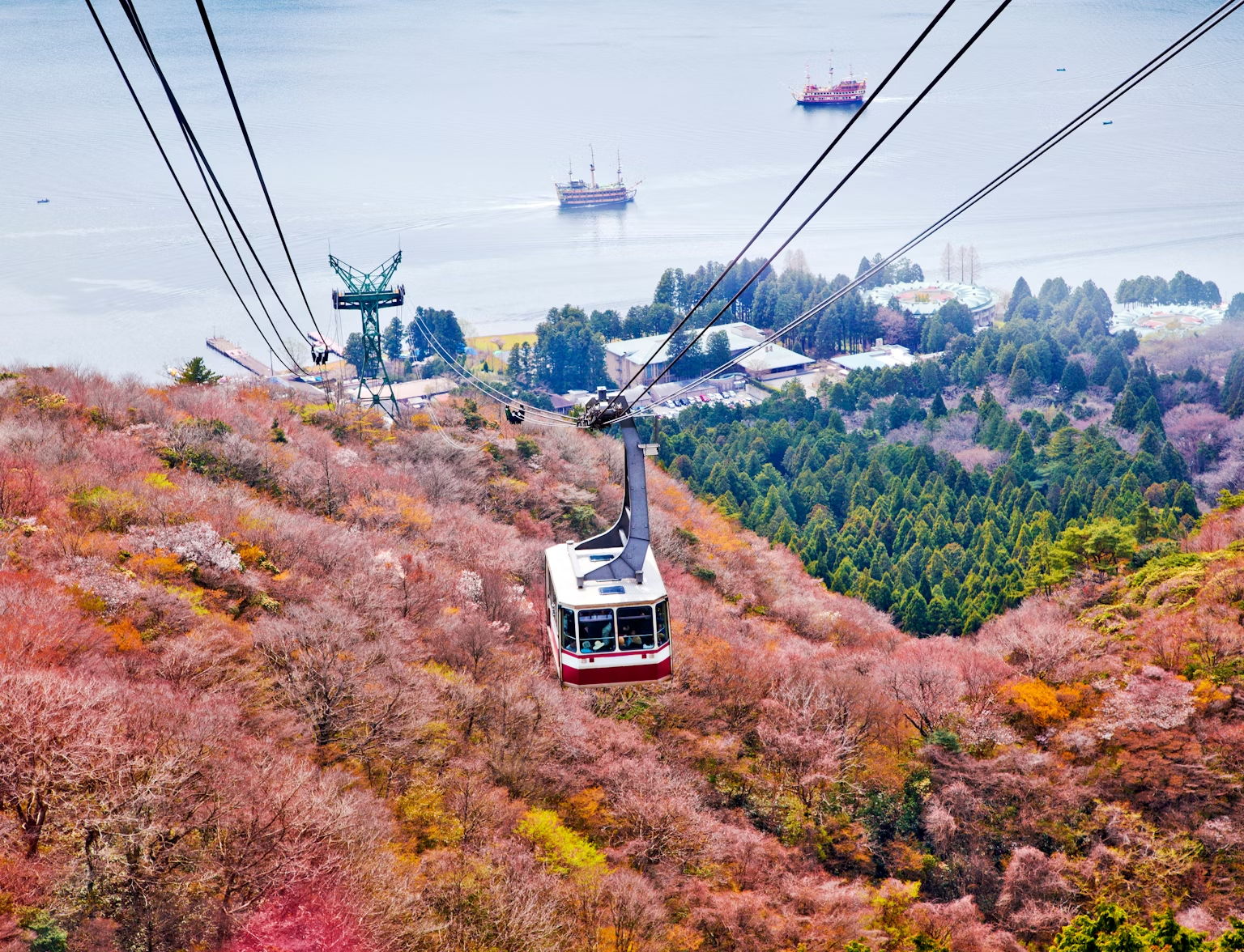
Hakone rewards movement. The local network of railway, ropeway, buses and lake transport makes the journey itself part of the sightseeing experience.
From above, Owakudani becomes almost abstract. Steam marks the earth. Forest opens and closes. On clear days, Fuji can appear beyond the ridges. Then the scene changes again as the route approaches Lake Ashi.
For a refined itinerary, avoid trying to force every transport mode into one rushed circuit. Give each landscape its own time. The ropeway is most memorable when you are looking rather than counting how quickly you can reach the next stop.
Art Without Walls
The Hakone Open-Air Museum
Hakone’s art culture is one of its most distinctive pleasures. The Hakone Open-Air Museum opened in 1969 and was conceived around the idea that sculpture could exist in conversation with the landscape. Its grounds cover roughly 70,000 square metres and include approximately 120 permanent works.
The museum is not simply a collection placed outdoors. Its setting changes the meaning of the work. Trees become frames. Mountains become distance. Rain alters the surface of sculpture. Autumn foliage changes the composition.
The museum also houses significant collections including a substantial Picasso collection alongside major modern and contemporary sculpture. It is open year-round, generally from 9:00 to 17:00, with last admission 30 minutes before closing.
Allow roughly 90 to 120 minutes if you want to experience it leisurely rather than simply pass through.
LUMINARA’S APPROACH — Choose fewer works and give them more attention. Hakone is at its most elegant when you resist the urge to complete it.
The Old Tokaido
When A Road Becomes A Memory
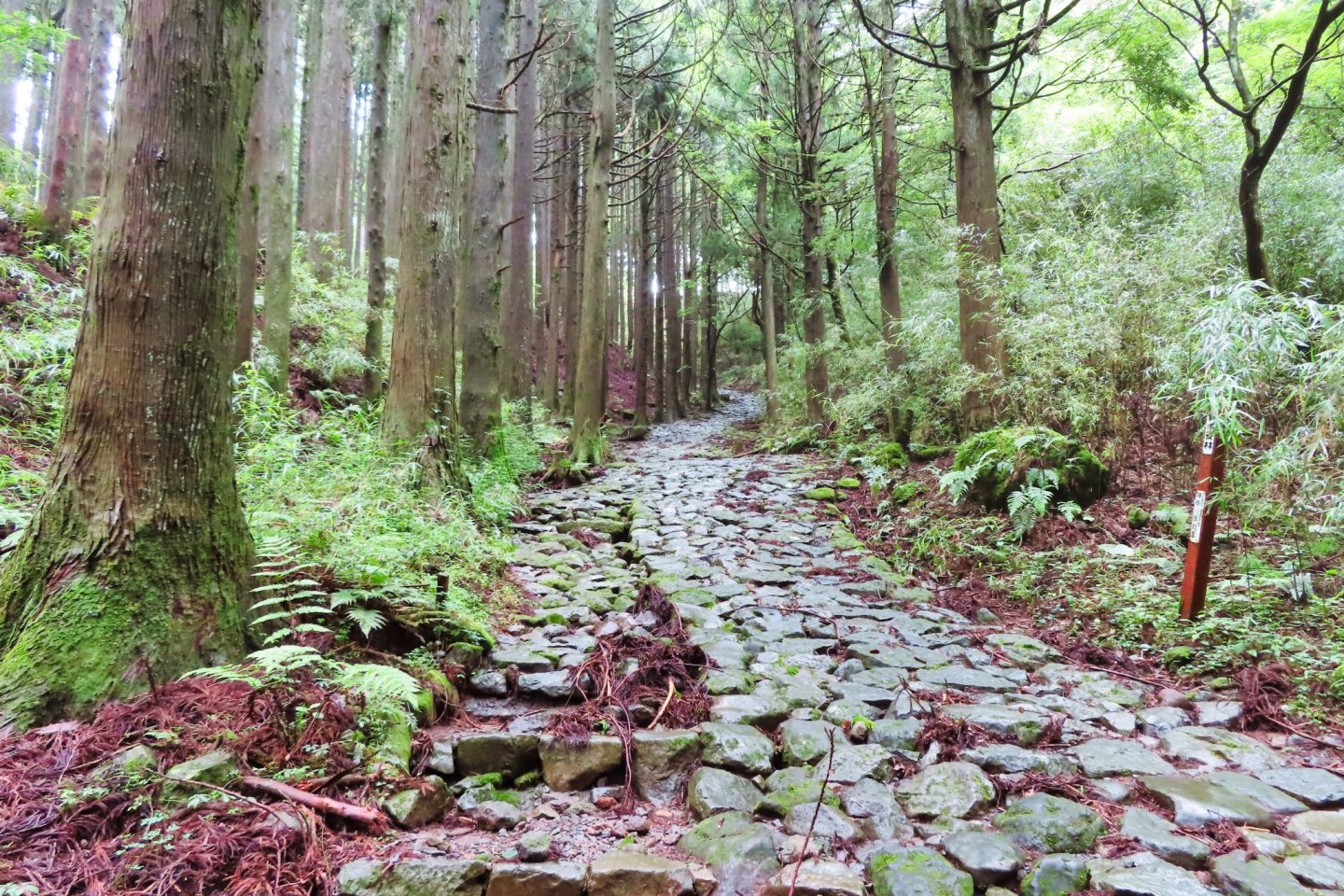
Before Hakone became synonymous with luxury retreats, it was a demanding passage along the Tokaido highway between Edo and Kyoto. The region’s history is inseparable from the movement of travellers, officials and merchants.
Fragments of the old route remain in cedar-lined avenues, stone paths and traditional stopping places. Walking here changes the scale of the destination. The mountains stop being a backdrop and become part of the story.
A short section of the old Tokaido is enough. The objective is not to recreate the historical journey but to feel its rhythm: the incline, the shade, the sudden opening of a view.
Luxury travel is often about access. In Hakone, it can also be about recovering a slower sense of distance.
The Ryokan
The Room Is Part Of The Destination
A ryokan changes the meaning of a hotel stay. The room is not merely a place to return to after sightseeing; it becomes the setting in which the destination continues.
Tatami, timber, seasonal flowers, carefully arranged meals and bathing rituals create an atmosphere in which hospitality feels less like service and more like choreography.
The finest ryokan do not overwhelm the guest with visible luxury. They anticipate. A robe is ready. A bath is warm. Dinner arrives at the right pace. The room has been prepared before you return.
For Luminara, this is where Hakone’s luxury becomes most authentic: not in excess, but in precision.
Kaiseki After Dark
Dinner As A Slow Conversation
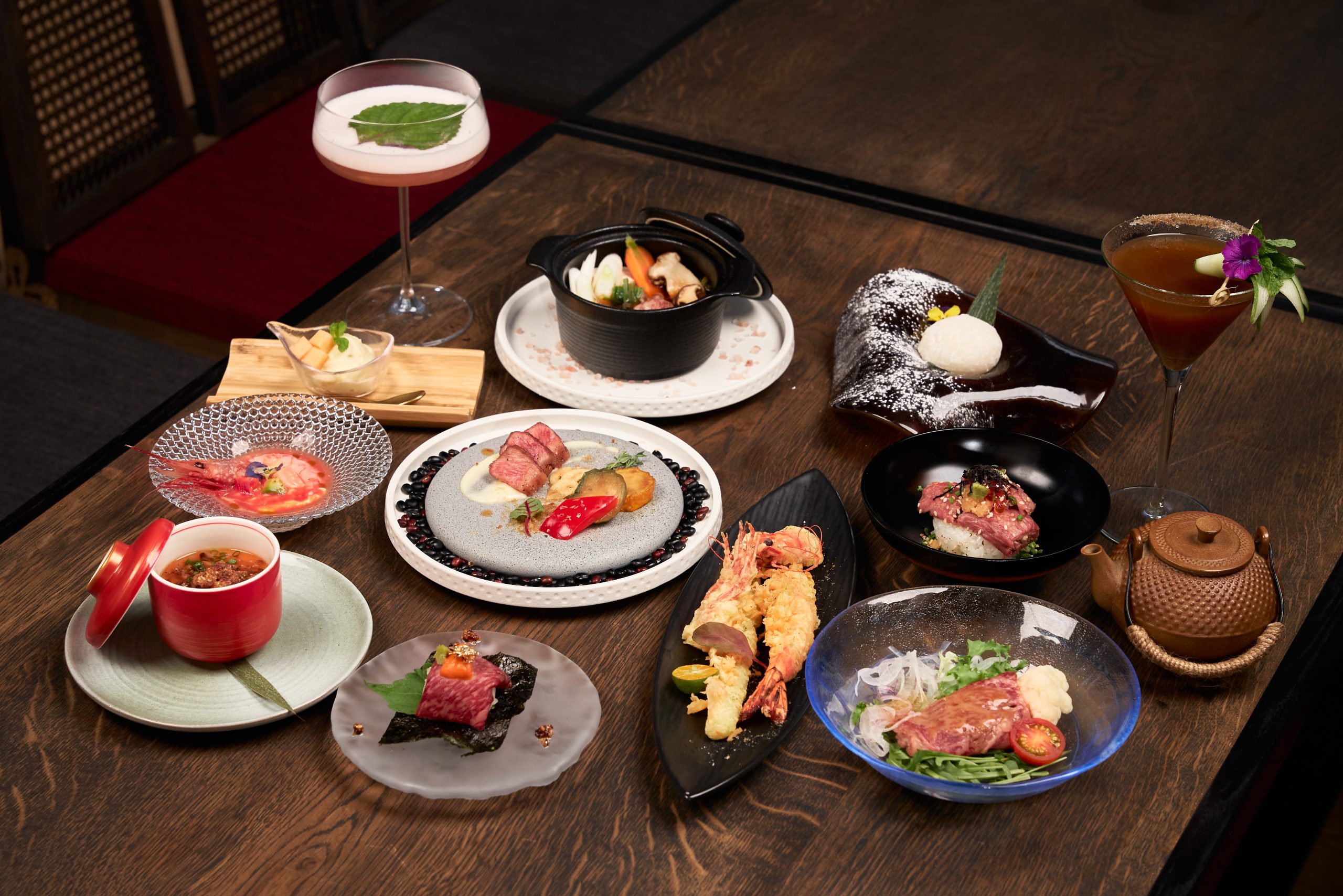
Hakone’s cuisine follows the same principle as its bathing culture: attention.
Kaiseki is built around seasonality, balance and restraint. A meal may unfold across numerous small courses, each with a different texture, temperature and visual composition.
At a ryokan, the experience can become almost private theatre. The first course arrives. Conversation softens. The mountain outside becomes dark. Another dish appears, then another. There is no need to rush because the meal has been designed around time.
The luxury is not simply what is on the plate. It is the absence of interruption.
Hakone, By Character
Choosing The Landscape That Suits You
Hakone is a collection of districts, each with a different rhythm.
Hakone-Yumoto is the gateway: practical, lively and filled with restaurants, shops and access to transport. Gora is more resort-like, with mountain scenery, ryokan and art nearby. Miyanoshita and Kowakudani carry a stronger historic and wooded character. Sengokuhara feels spacious and cultured, with museums and highland scenery. Around Motohakone and Lake Ashi, the emphasis shifts towards water, shrine, Fuji views and the old road.
The right area depends on the journey. If your priority is access, choose accordingly. If your priority is seclusion, allow the mountains to take you farther from the gateway.
The best Hakone stay begins not with a hotel name, but with a question: how do you want the landscape to feel when you open the door?
The Luminara Luxury Stay Edit
Four properties, four interpretations of Hakone. None is presented as universally ‘best’. Each answers a different idea of luxury.
01 — Gora Kadan
For Timeless Japanese Hospitality
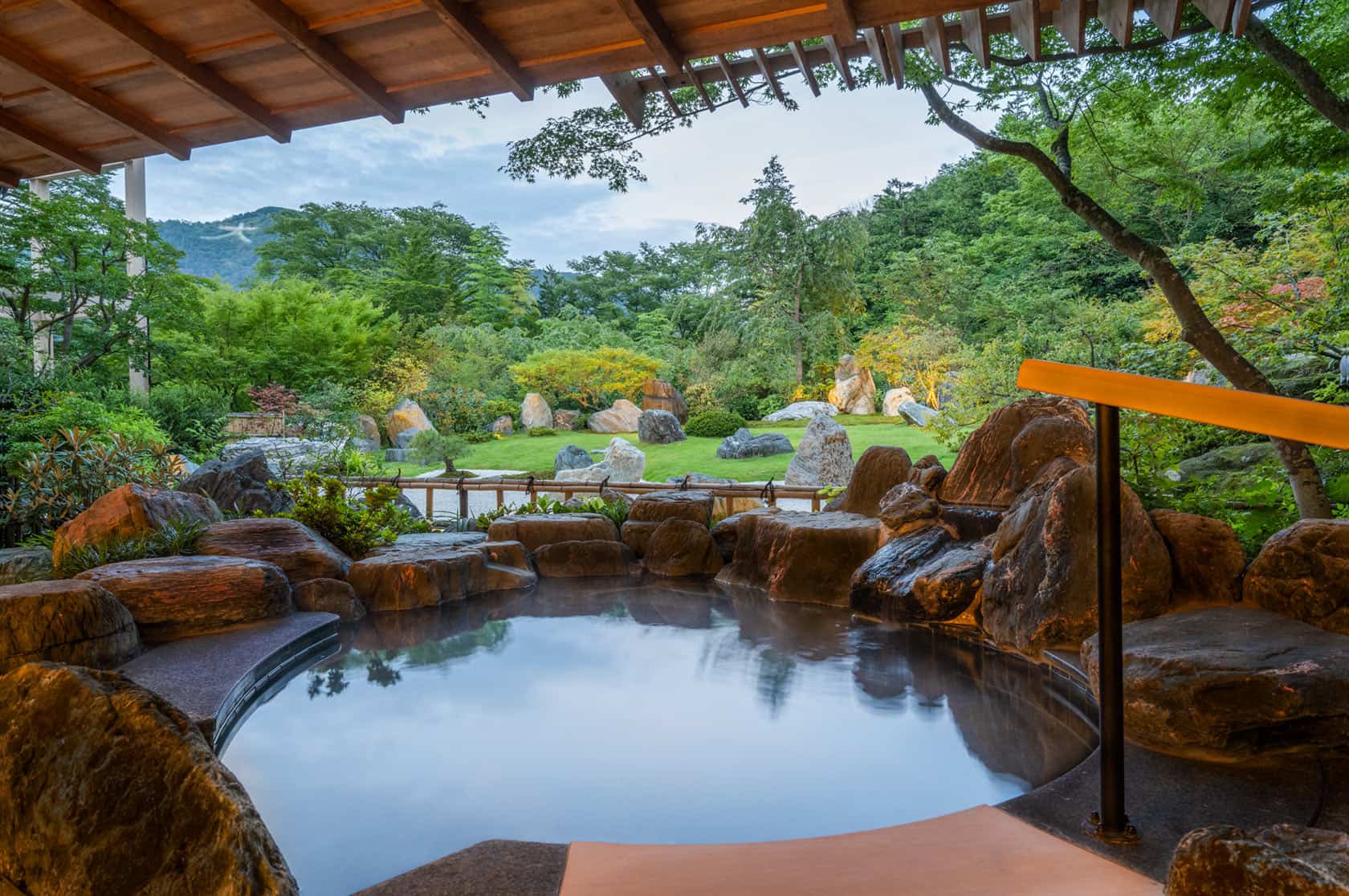
Gora Kadan is the choice for travellers who want Hakone’s traditional elegance at its most distilled. The property occupies the historic grounds of a former Imperial Family summer villa, and its identity is inseparable from that history of receiving distinguished guests.
What makes the experience compelling is not the historical association alone. It is the feeling of continuity: a mountain retreat where hospitality, bathing, architecture and Japanese restraint remain central to the stay.
Choose Gora Kadan when the ryokan itself is meant to be one of the major memories of Japan. It suits couples and experienced luxury travellers who value atmosphere, service and a sense of place over contemporary spectacle.
LUMINARA VERDICT — The most appropriate choice when you want your Hakone stay to feel rooted in Japan’s traditional language of hospitality.
02 — Hakone Suihoen
For Private Bathing & Refined Seclusion
Hakone SUIHOEN is a more intimate interpretation of contemporary ryokan luxury. The property has 23 rooms, and every guest room includes a private bath supplied with natural hot-spring water.
Its character is shaped by the surrounding forest and by a historic 1925 registered tangible cultural property, now home to restaurant MOMIJI.
The result is a stay where the private bath is not an amenity added to the room but one of the reasons the room exists. It is particularly suited to travellers who want privacy, refined Japanese design and the ability to retreat completely at the end of each day.
LUMINARA VERDICT — For the traveller who believes the most luxurious room is the one that gives you a private relationship with the landscape.
03 — Hakone Retreat Villa 1/F
For Contemporary Forest Living
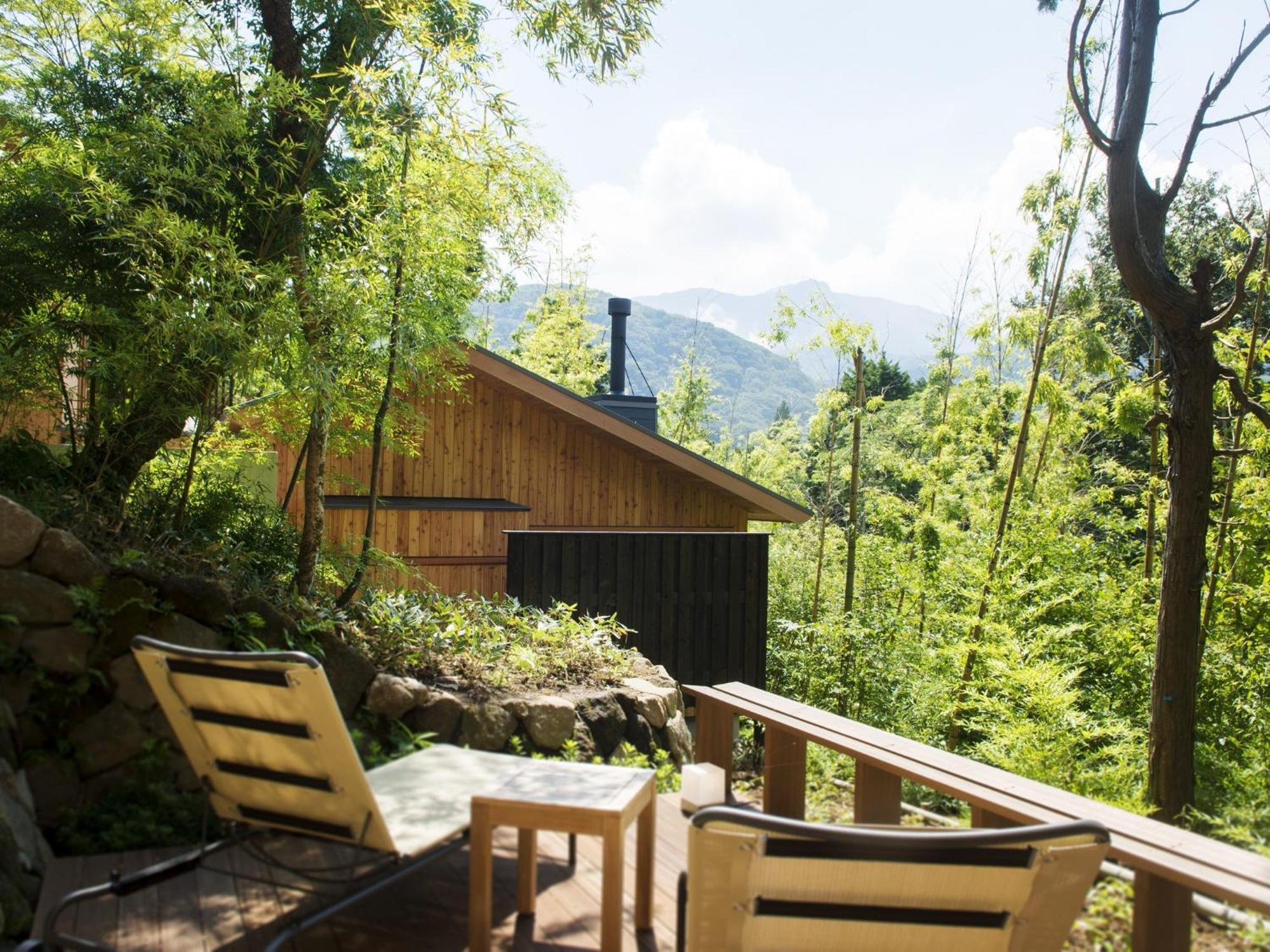
Hakone Retreat villa 1/f takes a different path. Rather than centring the stay around a conventional ryokan format, it places independent villas within a large forested estate. The property currently presents 18 distinct villas, with individual layouts and private open-air or semi-open-air hot springs in many configurations.
The atmosphere is residential rather than formal. A villa can become your base for walking, reading, bathing or simply listening to the forest. Some larger villas include fireplaces and expansive layouts, making the experience particularly attractive for longer or more private stays.
The property also offers a more contemporary retreat philosophy, with activities centred on nature, mindfulness, food and seasonal rhythms.
LUMINARA VERDICT — The choice for travellers who want Japanese mountain luxury translated into privacy, space and modern architecture.
04 — Fufu Hakone
For A Private, Design-Led Retreat
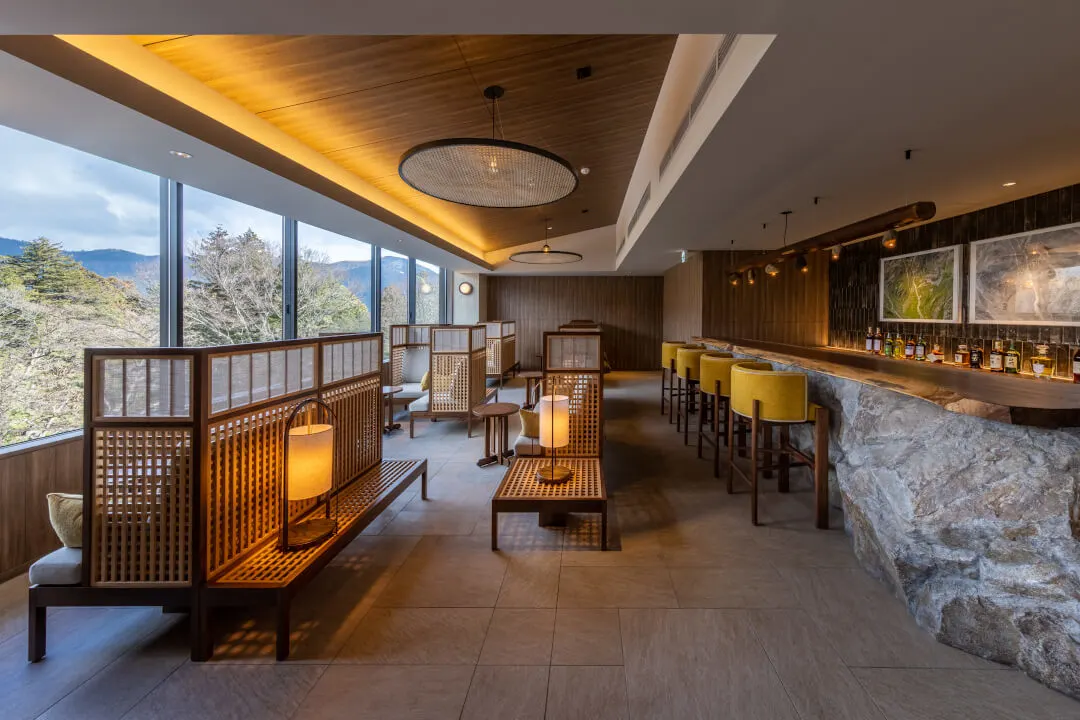
FUFU Hakone belongs to the same wider retreat family as Hakone SUIHOEN, and it is worth considering for travellers who prefer a more contemporary interpretation of the ryokan experience. The group itself presents the two properties as part of a ‘travel relay’, allowing guests to experience different hot-spring qualities and styles across nearby stays.
Its appeal is the idea of retreat rather than sightseeing. The stay is designed around private space, bathing, seasonal food and the quiet luxury of remaining close to the forest.
Choose it when your ideal Hakone itinerary is intentionally light: perhaps one cultural outing, one long dinner and the rest of the day surrendered to the room, the bath and the mountains.
LUMINARA VERDICT — For travellers who want Hakone to function as a private pause rather than another chapter of constant movement.
How To Choose Your Stay
If you want historic Japanese hospitality, begin with Gora Kadan. If the private bath is the centrepiece, Hakone SUIHOEN deserves serious consideration. If you prefer a forest villa and contemporary retreat atmosphere, Hakone Retreat villa 1/f offers a distinct alternative. If you want a design-led, highly private stay with minimal pressure to leave the property, FUFU Hakone belongs on the shortlist.
The most important decision is not the room category. It is the rhythm you want your stay to have.
Hakone Through The Seasons
Spring — The Mountains Begin Again
Spring arrives softly. Fresh greens move across the hills and blossoms appear in stages rather than all at once. The air remains cool, making long walks and outdoor baths particularly appealing. For travellers who prefer gentler colour and fewer extremes, spring offers an elegant introduction.
Summer — Forest, Water & Cooler Air
The mountains become dense and vivid. Hakone’s elevated landscape provides a welcome contrast to Tokyo’s heat, and the forests take on a deeper presence. Summer is less about chasing Fuji and more about walking, art, lake air and returning to the bath.
Autumn — Hakone In Its Most Cinematic Light
Autumn is when the landscape begins to feel almost theatrical. Maples and other foliage turn the slopes into layers of copper, red and gold. The combination of cool air, warm onsen water and seasonal cuisine is one of Hakone’s most complete expressions of luxury.
Winter — Clarity
Winter strips the landscape back. The air can be crisp and clear, and Mount Fuji may reveal itself more readily on suitable days. The rhythm becomes inward: a warm room, a long bath, a carefully composed dinner, darkness beyond the garden.
Hakone After Rain
When The Weather Becomes Part Of The Design
Rain changes Hakone rather than diminishing it.
Cedar trunks darken. Stone paths reflect the sky. Clouds settle into the valleys and steam from the hot springs becomes almost visible as architecture. Lake Ashi can become a study in grey, silver and green.
This is the moment to stay longer in the room. Order tea. Read. Take the bath again. Let the weather move through the mountains without trying to defeat it.
A luxury destination should be beautiful in imperfect weather. Hakone is.
The Places Between The Places
What Happens When You Stop Collecting Experiences
There is a particular mistake that can happen in a destination as accessible as Hakone: trying to complete it.
Lake Ashi. Shrine. Ropeway. Owakudani. Museum. Old road. Shopping street. Another viewpoint. Another photograph.
The more you add, the less you experience.
Leave an afternoon empty. Have breakfast late. Sit beside the window. Walk until the road becomes interesting and then turn back. Take the bath while the light changes. Dress for dinner without checking the time.
This is not doing less with a destination. It is experiencing more of it.
Hakone is at its most luxurious when the itinerary disappears.
A Luminara Three-Day Hakone
Day One — Arrive, Settle, Exhale
Leave Tokyo in the morning and allow the journey to become part of the retreat. Check into your chosen ryokan or villa and resist the urge to leave immediately.
Have lunch. Explore the property. Take the bath. If you want an afternoon experience, choose one: the Hakone Open-Air Museum is an excellent first encounter with the destination’s relationship between art and nature.
Return before evening. Dress slowly for dinner. Let the first night belong almost entirely to the ryokan.
Day Two — Water, Forest & Fire
Begin with Lake Ashi. Visit Hakone Shrine while the morning remains quiet. If the weather is favourable, take a lake journey before continuing towards the volcanic landscape of Owakudani.
Return to the property in the afternoon. Do not fill the remaining hours. This is the moment for a long bath, a book, a garden and perhaps a short walk.
Make dinner the evening’s final destination.
Day Three — History & Departure
Walk a section of the old Tokaido and spend time beneath the cedar trees. Continue towards Hakone-Yumoto for local food, crafts and the final sense of the town before departure.
Leave one thing undone. A road you did not walk. A museum you did not enter. A viewpoint you did not chase.
It gives you a reason to return.
Before You Go
How Many Days?
Two nights is the strongest minimum for a first visit. One night can work if Hakone is part of a tightly planned Tokyo–Kyoto journey, but it risks turning a retreat into a transit stop. Three nights allow the destination to breathe.
How Do You Reach Hakone?
Hakone-Yumoto is the principal gateway. From Shinjuku, the Odakyu network offers direct access in about 85 minutes; another route is the Tokaido Shinkansen to Odawara followed by the Hakone Tozan Railway.
How Should You Move Around?
The area’s railways, ropeway, buses and lake transport are part of the experience, and official Hakone resources provide route and operational information.
What Should You Pack?
Comfortable footwear matters. Hakone is mountainous and includes steps, slopes and walking routes. Bring layers, particularly outside summer, and keep luggage manageable if you are moving onward by train.
Onsen Etiquette
Wash before entering the bath. Keep towels out of the water. Keep voices low. Follow the specific rules of your property. If you have tattoos or other concerns, check the property’s policy before arrival rather than discovering restrictions at the bath.
What About Mount Fuji?
Treat Fuji as a possibility, not a promise. Weather determines visibility. The best Fuji experience is the one you were fortunate enough to receive, not the one an itinerary demanded.
Should You Book The Luxury Ryokan Early?
Yes. The most desirable properties have limited room inventory, and seasonal weekends can be particularly sought after. Book around the experience you want rather than simply choosing the most convenient night.
Hakone is best experienced as part of a wider Japanese journey. Our Japan Travel Guide explores the country’s most remarkable destinations, from ancient temples and refined city stays to secluded landscapes and unforgettable culinary experiences.
The Luminara Way To Experience Hakone
One View. One Meal. One Bath. One Unhurried Day.
Luxury travel becomes more meaningful when every element has a reason to be there.
In Hakone, that might mean choosing a room because its private bath faces the forest rather than because it has the largest floor area. It might mean taking a longer route because the railway crosses a valley at precisely the right hour. It might mean spending two hours with sculpture instead of seeing four museums.
It might mean declining a famous restaurant because the ryokan’s seasonal dinner is the meal you will remember.
And it certainly means leaving enough silence for the destination to speak.
Hakone is not a place to perform travel. It is a place to inhabit it.
Hakone, In The End
There are destinations you remember for their monuments.
Others stay with you because of a particular meal, a hotel, a street or a view.
Hakone is different.
You remember the temperature of the water.
The sound of rain against timber.
The scent of cedar after the weather changes.
The quiet of a room before dinner.
A lake turning silver beneath the afternoon sky.
A mountain that appeared for three minutes and then disappeared again.
You remember that, for once, you did not need to be anywhere else.
Perhaps that is Hakone’s most enduring form of luxury.
It does not try to impress you every minute. It gives you enough space to notice what is already beautiful.
A bath beneath the night sky.
A meal prepared around the season.
A path beneath ancient trees.
A room opening towards the forest.
A morning with no immediate destination.
Hakone does not ask you to conquer the mountains.
It asks you to slow down inside them.
And somewhere between the steam of an onsen and the still waters of Lake Ashi, you may discover that the most precious part of travelling through Japan was never how much you managed to see.
It was how completely you were able to be there.
Where Japan comes to breathe.
Also Read-
For travellers drawn to Japan’s quieter traditions, Kyoto’s timeless elegance offers another perspective on the country’s enduring relationship with ritual, architecture and beauty.