Introduction: A City Written in Centuries
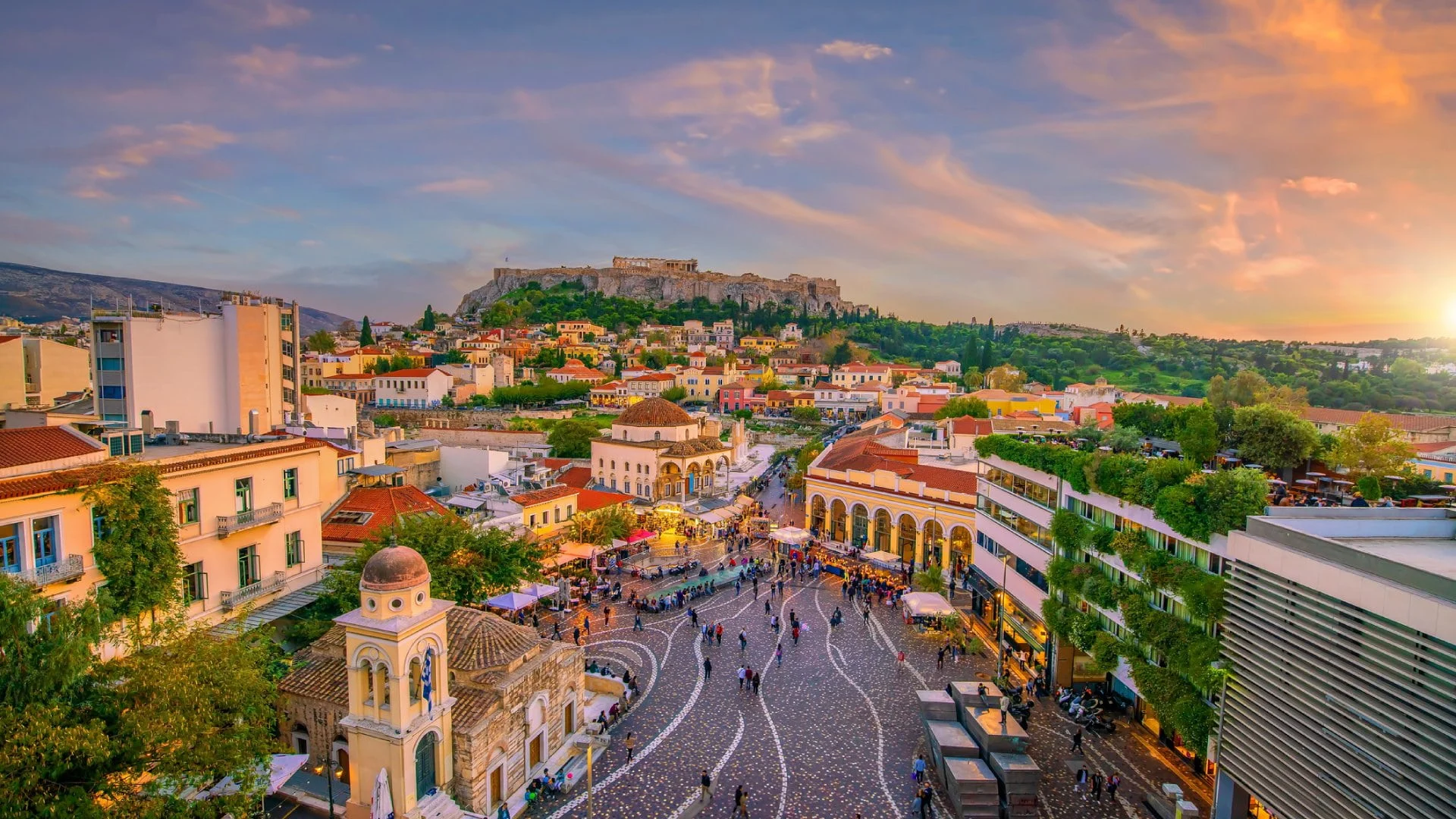
There are cities that preserve their history behind museum glass, and then there is Athens, where the past remains woven into the fabric of everyday life. Here, ancient marble rises above a restless metropolis, neoclassical façades stand beside contemporary galleries, and the silhouette of the Acropolis watches over a city that continues to reinvent itself.
To experience Athens, Greece, is to enter a remarkable dialogue between civilisations. The city that shaped enduring ideas about democracy, philosophy, theatre and civic life has become a compelling destination for travellers who appreciate cultural depth as much as contemporary refinement. Its pleasures are found not only among monumental ruins, but also in intimate restaurants, elegant hotel suites, independent design boutiques and rooftop terraces where the Parthenon appears almost close enough to touch.
For the discerning traveller, Athens offers something increasingly valuable: a destination with genuine intellectual and historical substance, accompanied by a sophisticated modern lifestyle. Mornings may begin beneath the columns of an ancient sanctuary; afternoons can unfold through art-filled neighbourhoods and carefully curated culinary experiences; evenings belong to candlelit tables, polished cocktail bars and the warm glow of the city after sunset.
Beyond the historic centre, the Athens Riviera introduces another dimension. Pine-fringed coastal roads, secluded swimming coves, marina-side dining and long Mediterranean evenings reveal a softer, more leisurely expression of the Greek capital.
Athens is not simply a prelude to the islands. It deserves to be experienced in its own right.
The Acropolis: Where the City Meets Its Ancient Soul
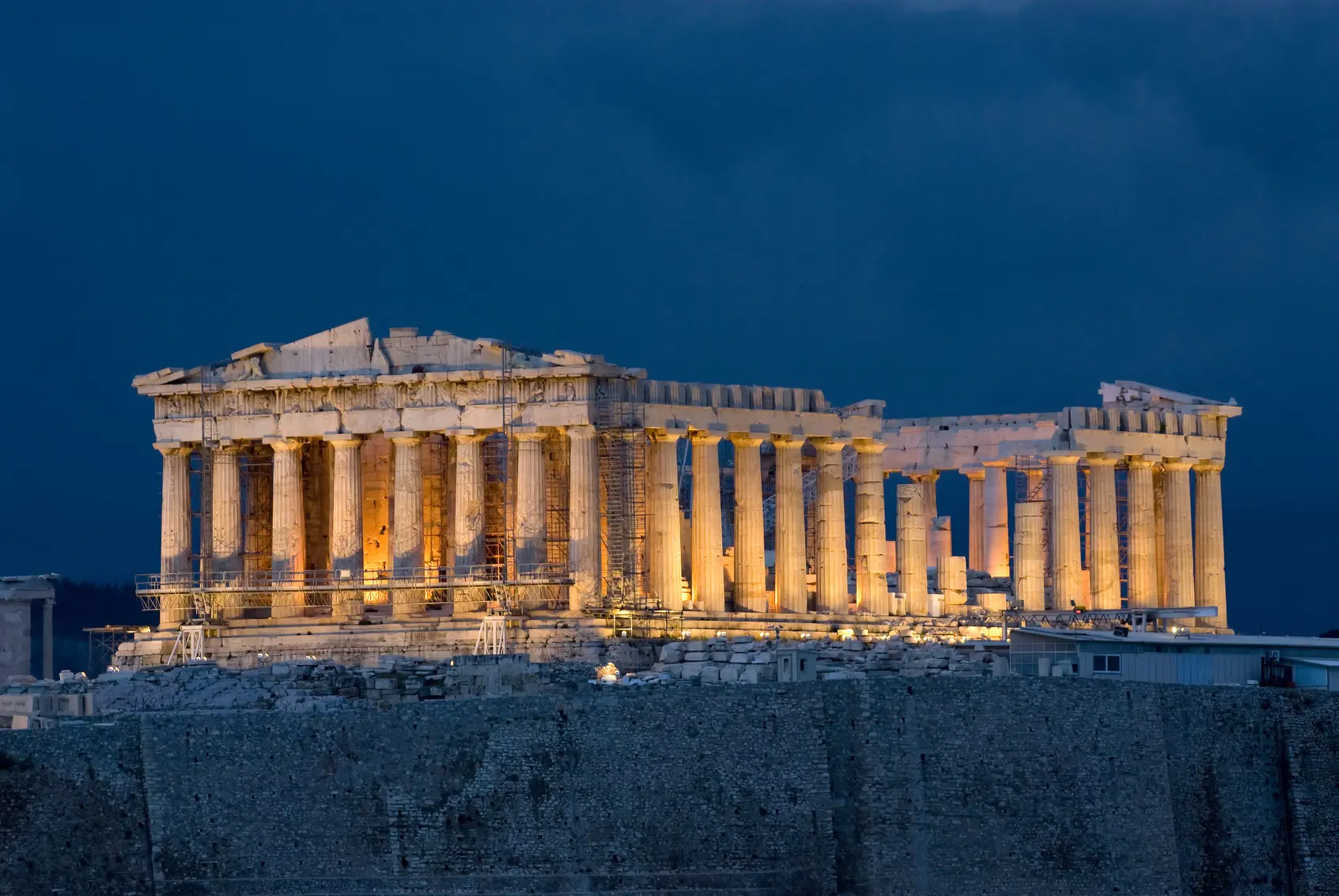
The defining image of Athens remains the Acropolis, an ancient citadel rising above the modern city. Its most celebrated monument, the Parthenon, stands as one of the enduring masterpieces of classical architecture. Built during the fifth century BC, the temple was dedicated to Athena, the goddess associated with the city and its identity.
Yet the Acropolis is more than a singular landmark. The Erechtheion, with its celebrated Caryatid figures, and the monumental Propylaea reveal the architectural ambition of the classical world. From the surrounding paths, the city extends towards the mountains and the sea, placing ancient Athens within the geography of the living metropolis.
The experience is best approached with patience rather than haste. An early visit, when conditions permit, offers a more considered encounter with the monuments before the busiest hours. A private archaeologist-led exploration can add valuable context, bringing the architecture, religious traditions and political ambitions of ancient Athens into sharper focus.
After descending from the hill, the Acropolis Museum provides a natural continuation of the journey. Its carefully presented archaeological collections deepen the understanding of the monuments above, while its setting creates a striking relationship between contemporary museum architecture and the ancient citadel.
For travellers who appreciate cultural experiences with substance, these two sites form the essential foundation of an Athens itinerary.
Plaka and Anafiotika: The Intimate Character of Old Athens
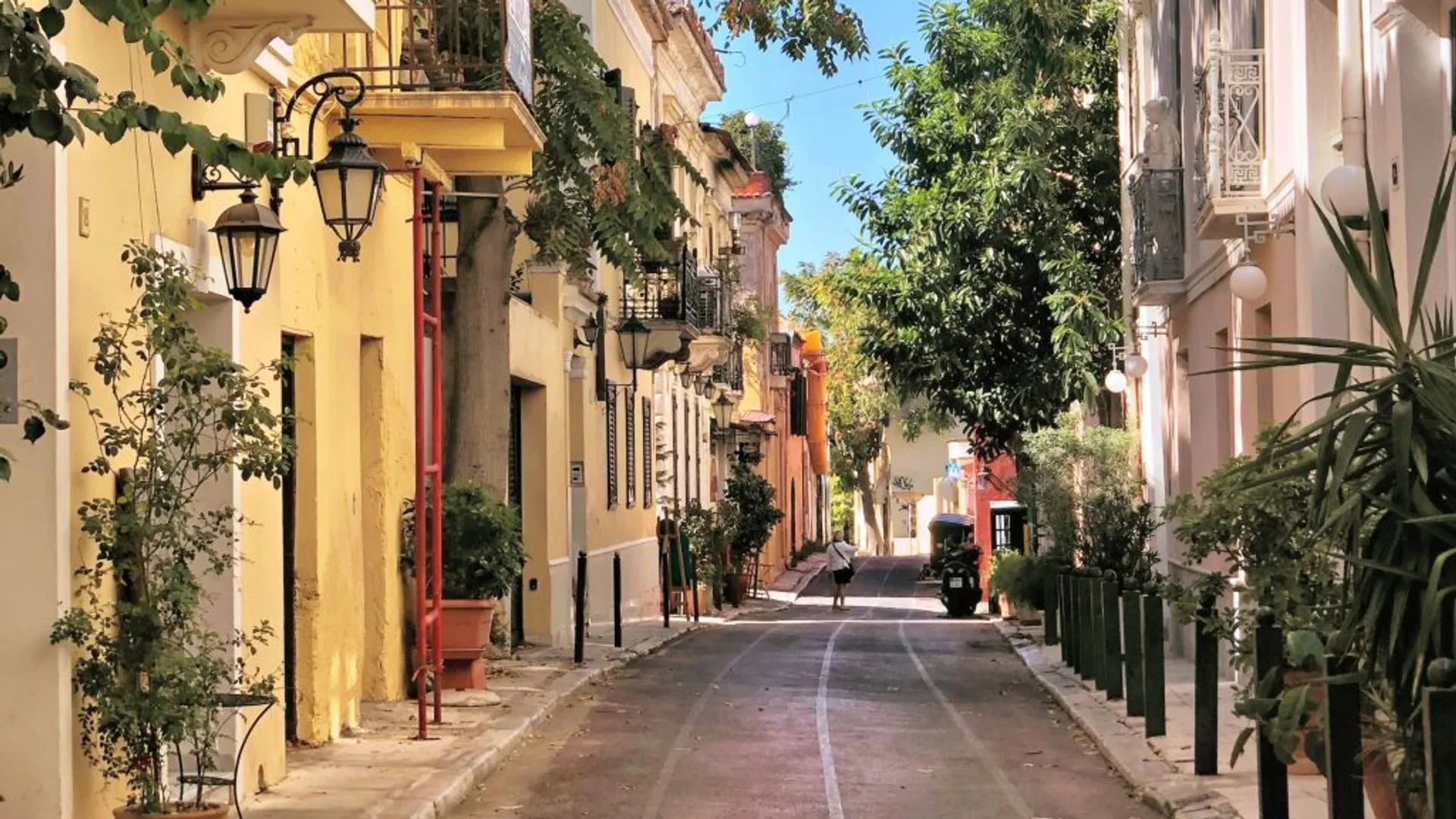
Beneath the Acropolis, Plaka reveals a gentler side of the capital. Its narrow lanes, traditional façades, small churches and shaded courtyards create an atmosphere that feels removed from the traffic and movement of the wider city.
The neighbourhood rewards unhurried exploration. Rather than following a rigid sightseeing route, allow time to wander between artisan shops, independent galleries and cafés tucked into quiet corners. The architecture reflects the layered history of Athens, where different periods and influences coexist within a remarkably compact area.
Within Plaka lies Anafiotika, a small hillside quarter distinguished by whitewashed houses, narrow stairways and intimate passages. Its appearance recalls the Cycladic islands, although its origins are associated with builders who came to Athens from the island of Anafi during the nineteenth century.
The contrast is particularly appealing: an almost island-like atmosphere within the historic heart of a major European capital.
Visit in the quieter hours of the morning or towards evening, when the light softens the stonework and the lanes become especially atmospheric. Respect the privacy of residents as you explore; Anafiotika remains a living neighbourhood rather than a staged attraction.
Ancient Agora: The Intellectual Landscape of Athens
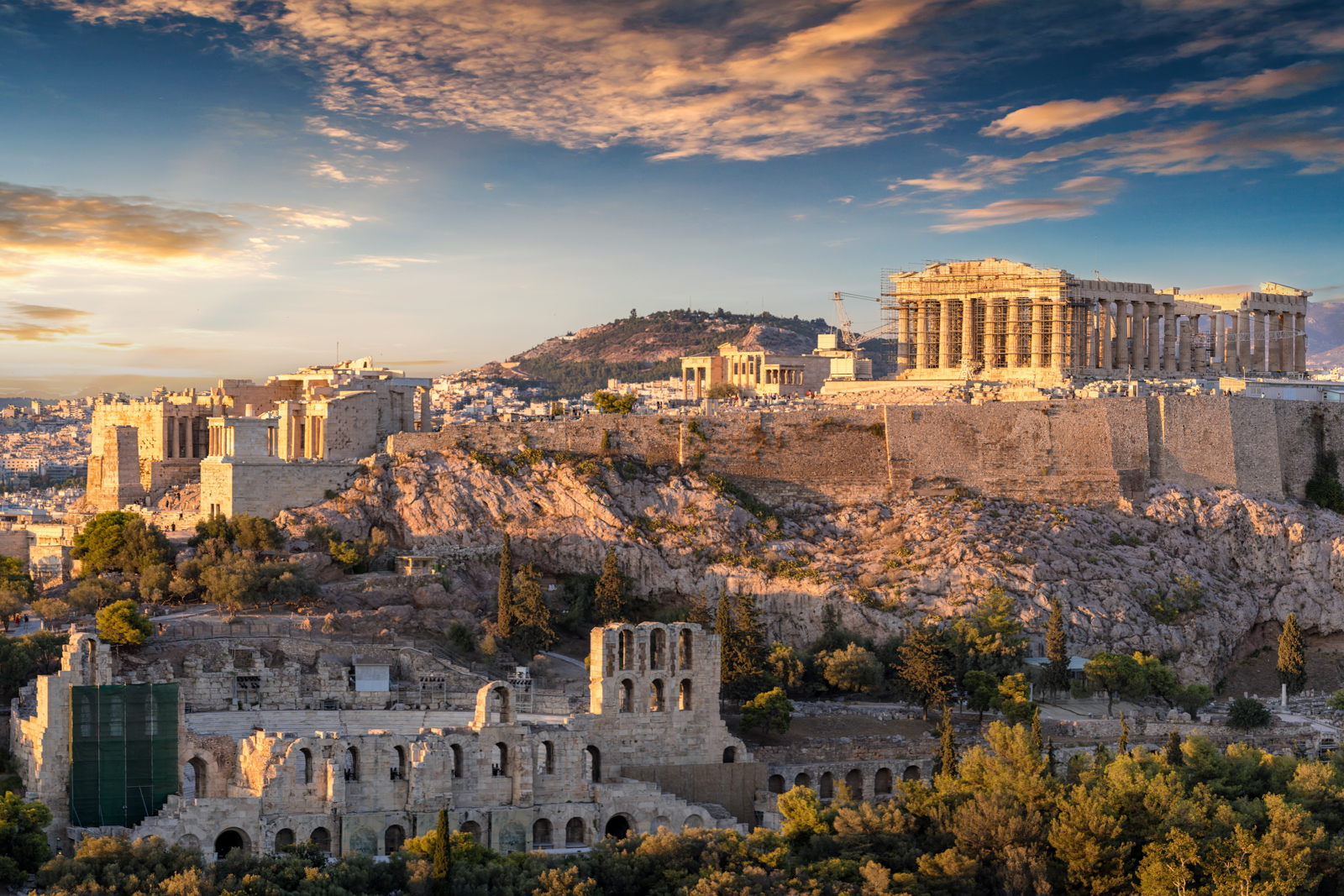
If the Acropolis represents the monumental ambition of ancient Athens, the Ancient Agora offers a closer connection to the rhythms of public life.
This was a centre of civic, commercial and political activity, where public discussion and everyday exchange formed part of the city’s identity. Today, archaeological remains reveal the foundations of a society whose ideas continue to influence political thought and philosophy.
The Temple of Hephaestus is among the site’s most striking monuments, distinguished by its preservation and elegant proportions. Walking through the surrounding ruins provides a different perspective from the elevated spectacle of the Acropolis: less about a single iconic image, and more about the spaces in which a civilisation functioned.
A knowledgeable guide can help connect the surviving structures to the institutions, traditions and personalities of ancient Athens. For travellers interested in history beyond the familiar highlights, the Agora deserves a dedicated place in the itinerary.
Syntagma Square and the Neoclassical City
Modern Athens comes into sharper focus around Syntagma Square, the civic heart of the capital. The Hellenic Parliament occupies the former Royal Palace, while the surrounding streets connect grand public buildings with commercial avenues, cafés and elegant hotels.
The ceremonial changing of the guards at the Tomb of the Unknown Soldier offers a distinctive expression of national tradition. Nearby, the National Garden provides a welcome green refuge from the surrounding urban activity.
From this central district, the city’s nineteenth-century architectural heritage becomes particularly apparent. Neoclassical buildings, broad avenues and historic institutions reflect the period when Athens emerged as the capital of the modern Greek state.
This is also an excellent base for travellers who want to combine cultural exploration with the conveniences of a sophisticated city stay. Major landmarks, shopping streets and restaurants are within convenient reach, while the metro and other transport connections make it easier to explore beyond the centre.
Kolonaki: Athens at Its Most Refined
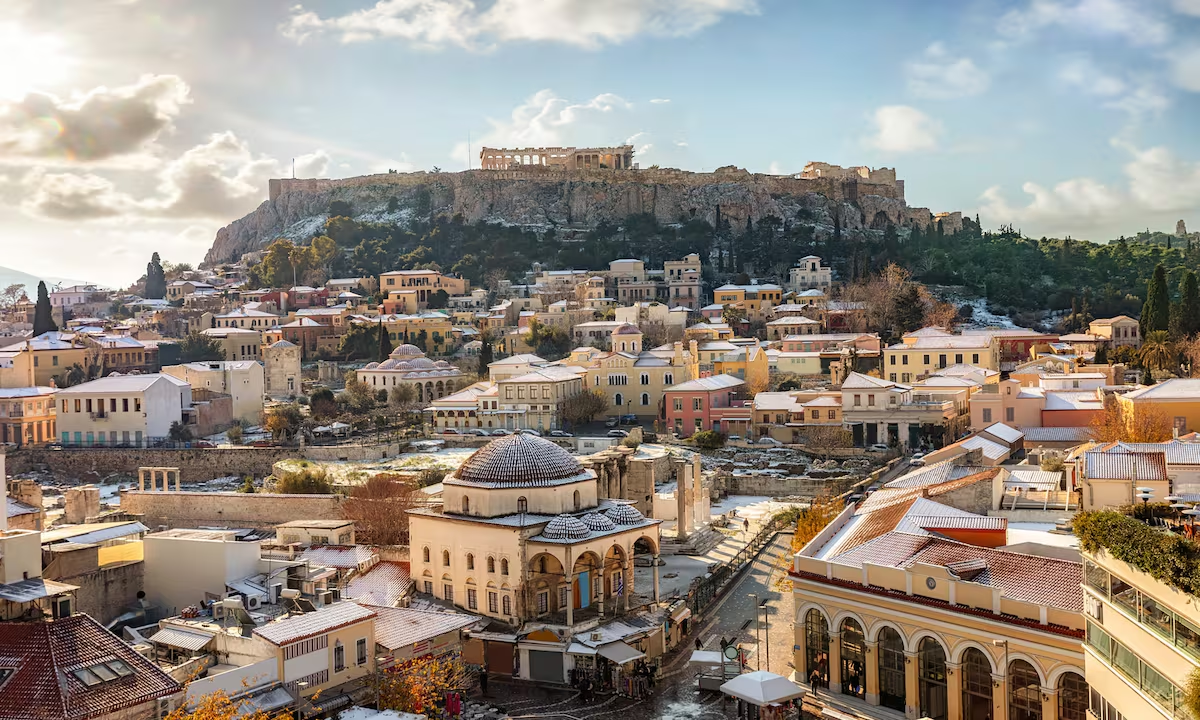
For a more contemporary expression of Athenian elegance, turn towards Kolonaki. Set beneath Lycabettus Hill, this established neighbourhood is associated with designer boutiques, art galleries, polished cafés and restaurants that draw a stylish local clientele.
The appeal is understated rather than theatrical. Shopping here can mean discovering Greek designers and carefully selected international labels; an afternoon may involve a gallery visit followed by coffee at an outdoor table, watching the city move at its own pace.
Kolonaki also provides access to cultural institutions, including the Benaki Museum and the Museum of Cycladic Art. Their collections offer different perspectives on Greek history, artistic traditions and the broader cultural landscape of the Aegean.
For travellers who appreciate design, fashion and contemporary culture, the neighbourhood provides a welcome counterpoint to the archaeological centre.
Lycabettus Hill: The City from Above
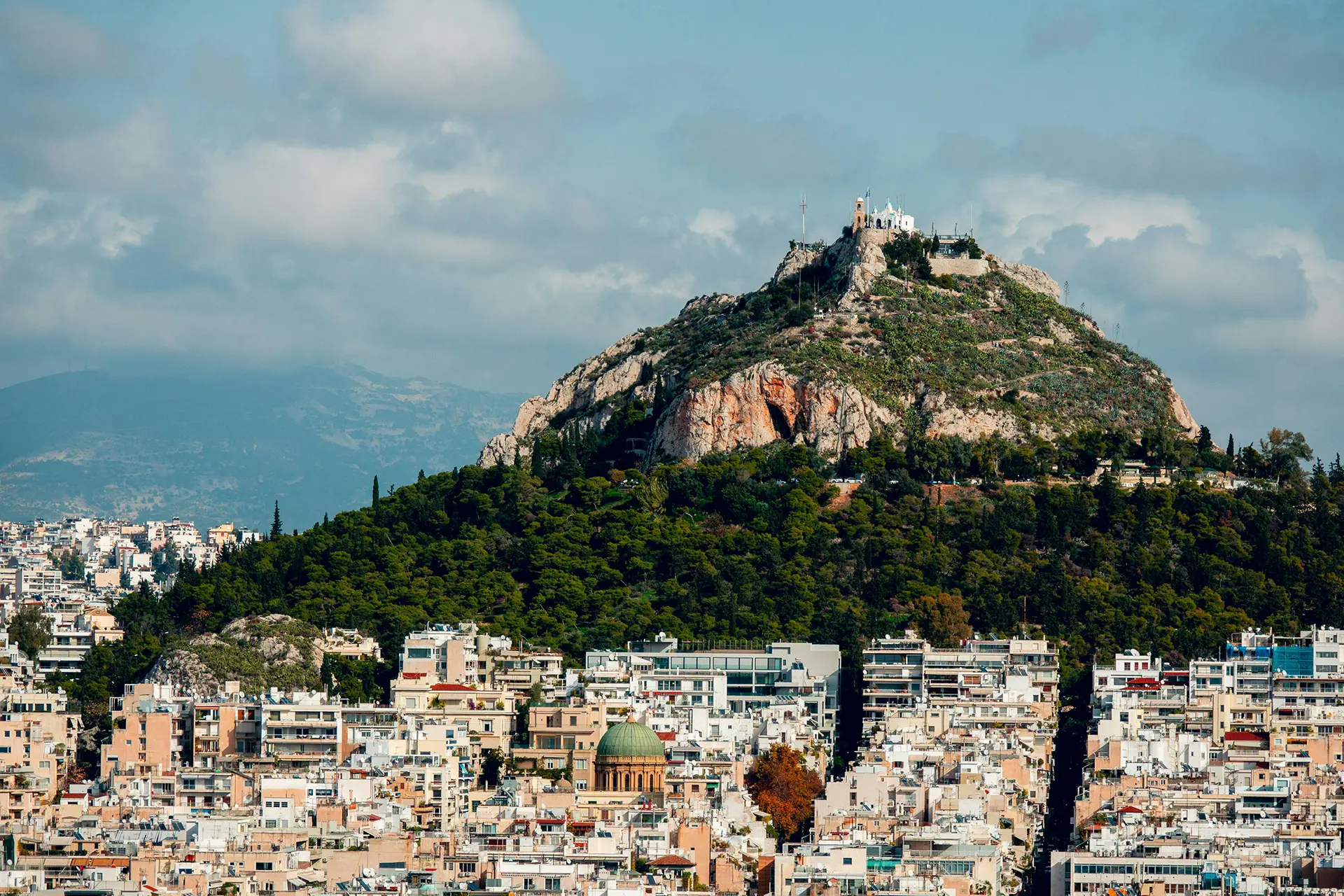
Athens is a city best understood from several perspectives, and Lycabettus Hill offers one of its most expansive views.
Rising above the surrounding neighbourhoods, the hill provides a sweeping panorama across the urban landscape, with the Acropolis visible among the city’s rooftops and the mountains forming a distant horizon. On exceptionally clear days, the wider Attic landscape becomes part of the spectacle.
Arrive in the late afternoon and remain as the light changes. The transition from warm daylight to the illuminated city is among Athens’ most memorable visual experiences.
A walk or funicular journey can be incorporated into the visit, depending on preference and mobility. The summit is also a natural choice for travellers who enjoy photography, although the atmosphere is equally rewarding without a camera.
The Athens Riviera: A Mediterranean Interlude
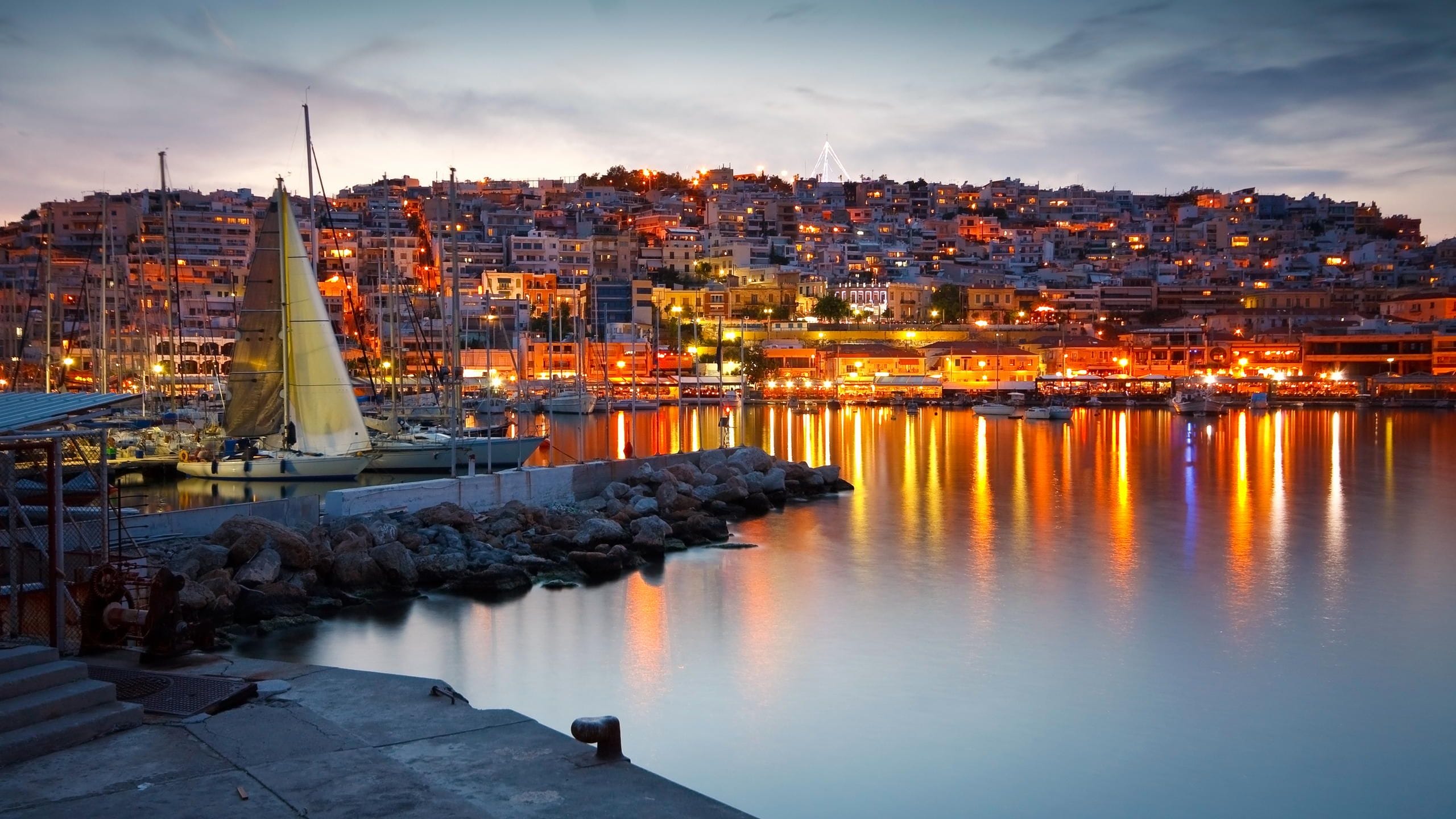
Athens extends beyond its historic centre towards a coastline that changes the character of the journey. Along the Athens Riviera, districts such as Glyfada and Vouliagmeni offer a more relaxed atmosphere, with seaside restaurants, beach clubs, marinas and opportunities to spend time beside the Aegean.
Vouliagmeni is particularly appealing to travellers seeking a coastal retreat without leaving the wider Athens destination. Its combination of waterfront settings, upscale hospitality and access to the city makes it possible to balance archaeological exploration with restorative time by the sea.
For a longer coastal excursion, Cape Sounion offers a memorable combination of landscape and antiquity. The Temple of Poseidon stands above the sea on a dramatic headland, creating an evocative setting for late-afternoon exploration. The journey south can be arranged as a private excursion, with time for coastal stops and a leisurely meal.
The Riviera is not merely an optional addition for beach lovers. It offers a different interpretation of Athens, where the pace slows, the horizon opens and the city gives way to the sea.
Luxury Stays in Athens: Hotels with a Distinctive Sense of Place
Luxury accommodation in Athens ranges from historic grand hotels in the city centre to intimate design-led properties and secluded coastal resorts. The right choice depends on whether the priority is immediate access to ancient landmarks, contemporary urban character or time beside the Aegean.
The Dolli at Acropolis
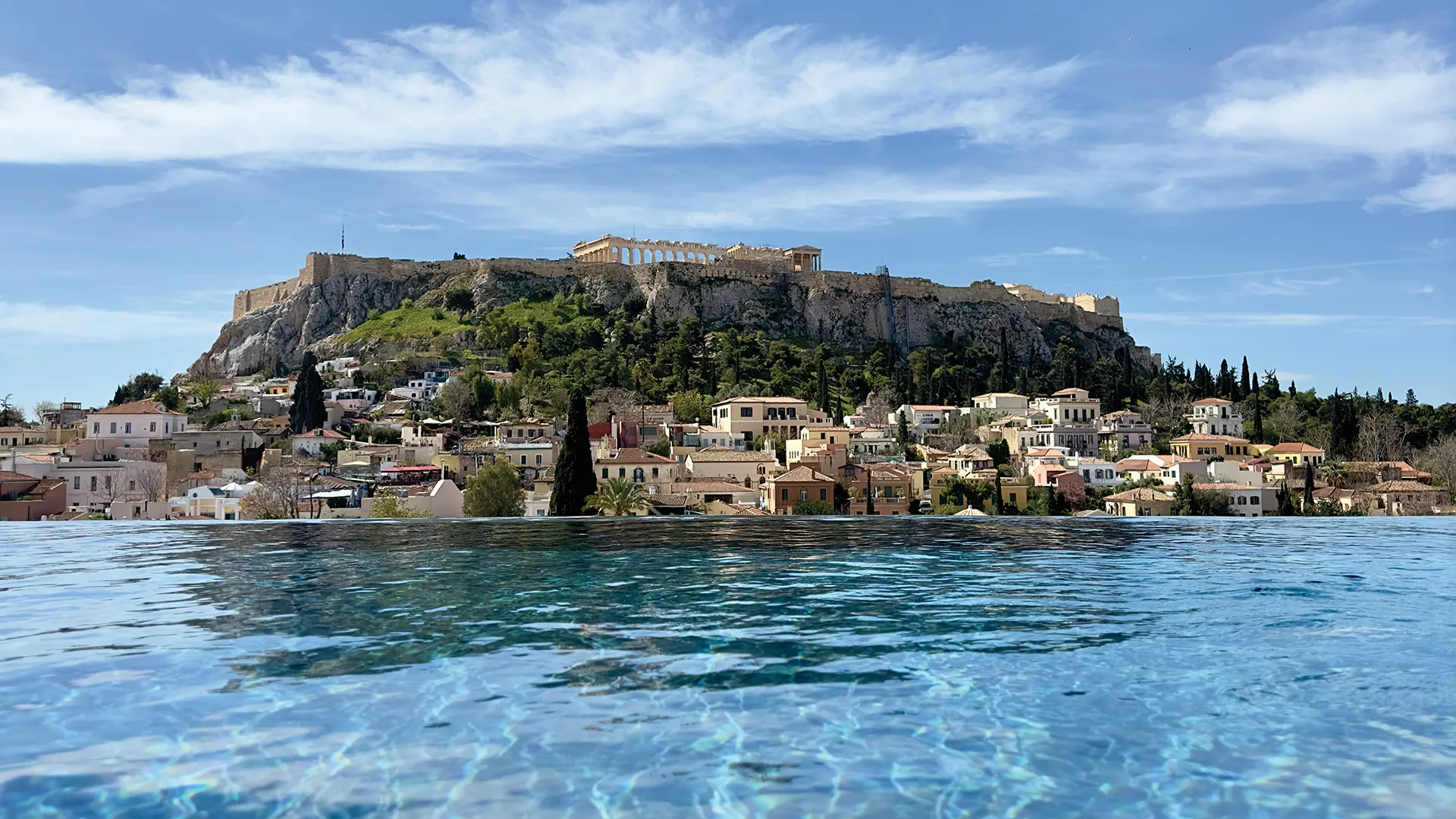
In the historic centre, The Dolli at Acropolis brings an intimate, design-conscious perspective to luxury hospitality. Set within a restored landmark building, the property combines art, considered interiors and a location close to the Acropolis.
Its rooftop dining experience is a defining feature, with views that place the ancient citadel at the centre of the setting. For travellers who want to experience Athens through its architecture, culinary culture and visual atmosphere, The Dolli offers a particularly compelling base.
The property suits those who favour a boutique environment and wish to remain closely connected to the historic city.
Hotel Grande Bretagne
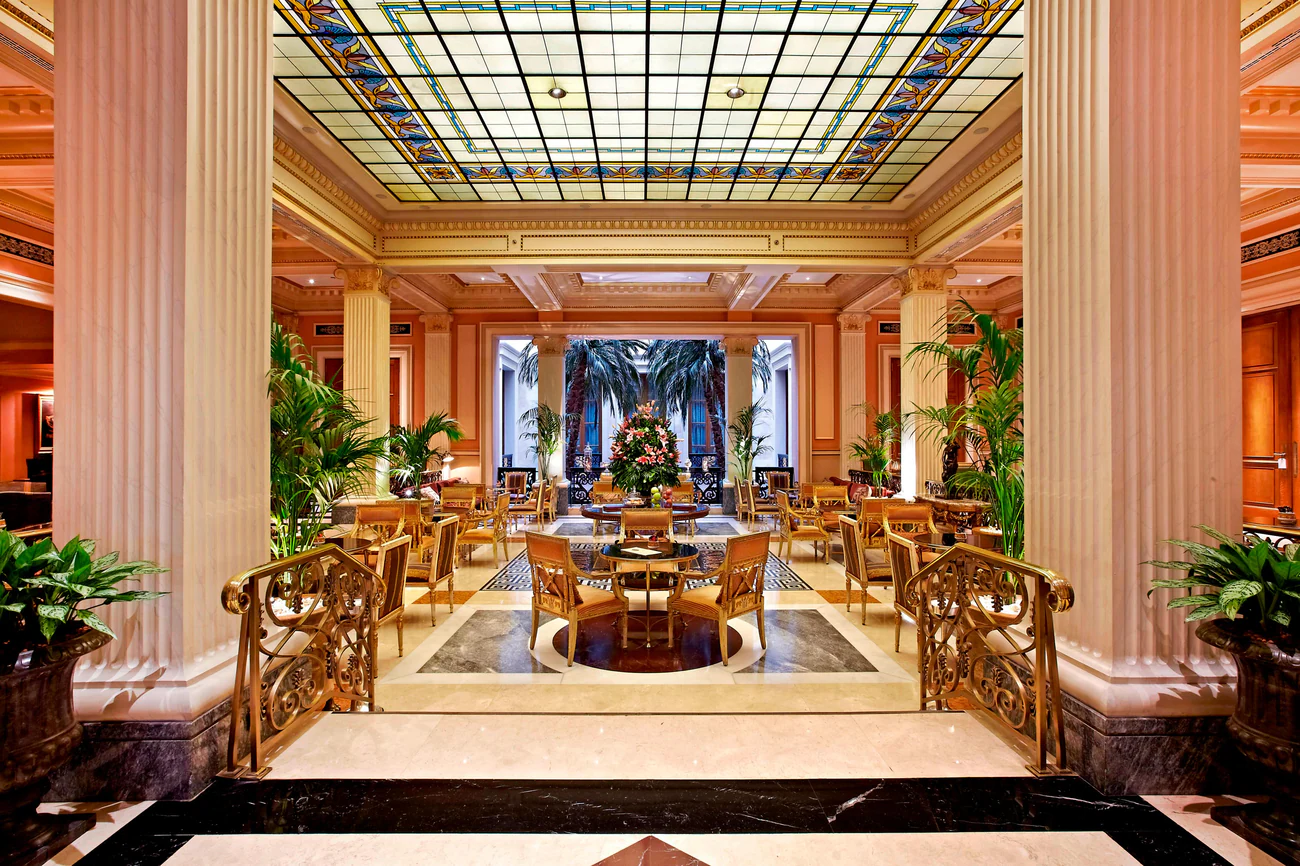
Overlooking Syntagma Square, Hotel Grande Bretagne represents the enduring elegance of the traditional grand hotel. Its history dates to 1874, and its central position places guests within convenient reach of the historic district, museums, shopping streets and major civic landmarks.
The hotel’s classic interiors and established service culture appeal to travellers who value heritage, formality and a sense of occasion. Its GB Roof Garden is especially associated with elevated views across Athens, including the Acropolis.
For those who prefer a distinguished city address with a long hospitality tradition, Hotel Grande Bretagne remains one of the capital’s defining luxury properties.
Four Seasons Astir Palace Hotel Athens
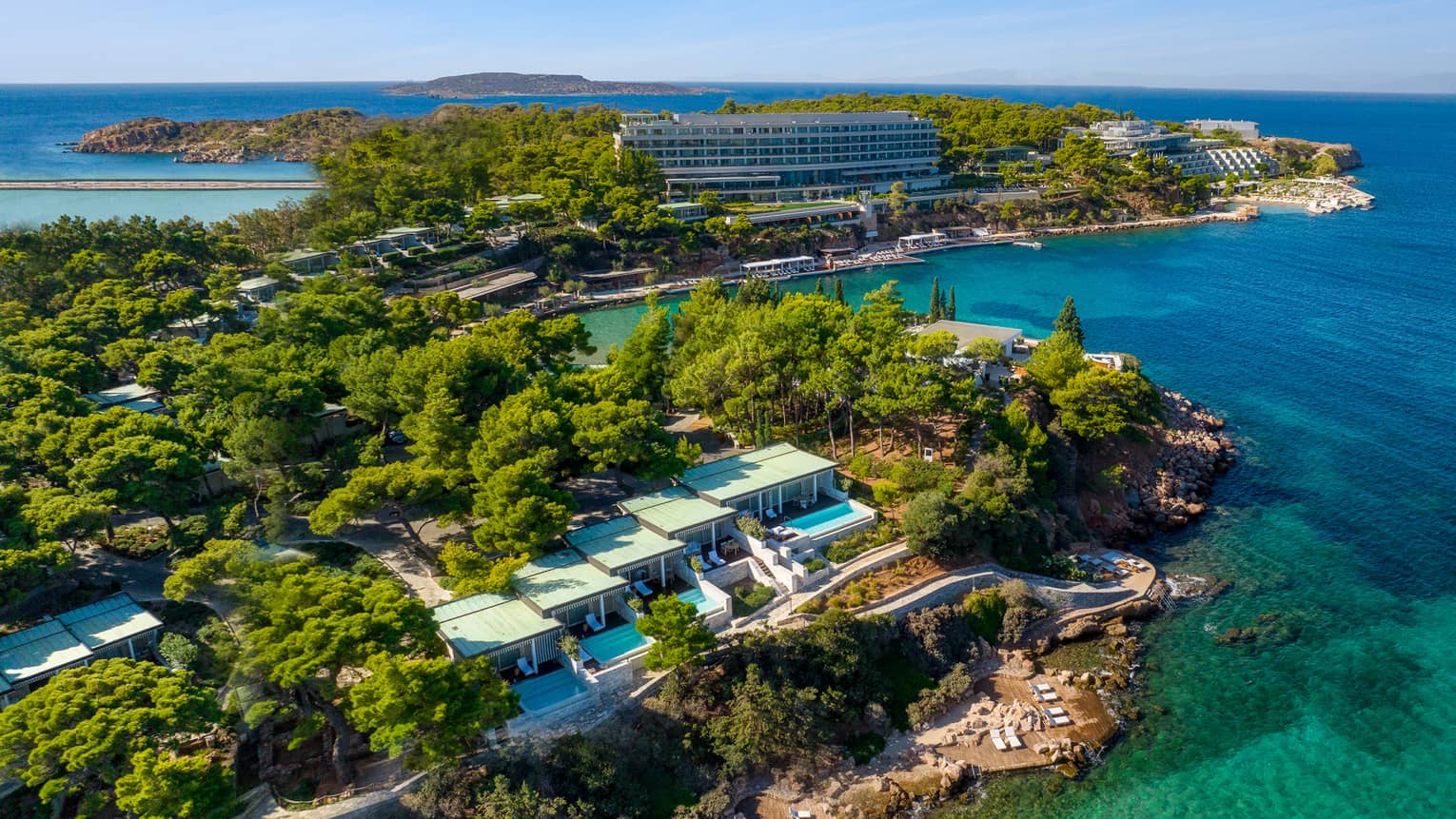
On the Athens Riviera, Four Seasons Astir Palace Hotel Athens offers a markedly different experience. Located in Vouliagmeni within a substantial coastal estate, the resort provides access to three private beaches, multiple dining venues and a setting shaped by pine trees and the Aegean Sea.
The property is well suited to travellers who want to combine Athens’ archaeological and cultural attractions with a more secluded resort stay. Days can alternate between city exploration, swimming, spa experiences and relaxed seaside dining.
Its coastal location also makes it an attractive choice for a longer stay, particularly for travellers who prefer not to move between separate city and beach destinations.
Choosing the right stay: The Dolli is well suited to an intimate, design-led city experience; Hotel Grande Bretagne offers historic grandeur and a central address; Four Seasons Astir Palace provides a resort-style retreat beside the sea. Each reveals a different side of Athens.
The Culinary Character of Athens
Athens’ food culture is rooted in Greek tradition but increasingly shaped by contemporary technique, international influence and a renewed appreciation for regional ingredients.
A considered culinary itinerary should move beyond formal dining alone. Begin with a traditional breakfast or coffee in a neighbourhood café, explore markets and specialist food shops, and allow an evening for a restaurant that interprets Greek ingredients with imagination.
Look for dishes that express the country’s culinary identity: grilled seafood, seasonal vegetables, olive oil, fresh herbs, local cheeses and carefully prepared meats. Regional wines can provide an additional dimension, introducing varieties and styles that may be less familiar to international visitors.
The city also offers a sophisticated restaurant scene, from contemporary Greek kitchens to fine dining with views of the illuminated Acropolis. Reservations are advisable for sought-after venues, especially during the busier travel months.
For a more personal experience, a private food-focused walk or a cooking session with a local host can provide context that a restaurant visit alone may not offer. Such experiences connect the meal to the people, ingredients and traditions behind it.
The Best Time to Visit Athens, Greece
Athens can be visited throughout the year, but the experience changes considerably with the seasons.
Spring — March to May
Spring brings milder temperatures, greener landscapes and conditions that are generally favourable for exploring archaeological sites on foot. It is an appealing period for travellers who want to combine museums, neighbourhood walks and outdoor dining without the intensity of peak summer heat.
Summer — June to August
Summer offers long days and lively evenings, but temperatures can become extremely high. Plan major archaeological visits for early morning, reserve the hottest hours for museums, leisurely lunches or time at the coast, and carry water during outdoor excursions. Coastal accommodation becomes particularly attractive during this period.
Autumn — September to November
Early autumn often combines warm weather with a more measured pace after the peak summer period. The sea may remain inviting for swimming, while the historic centre continues to reward long walks and open-air dining. Later in autumn, conditions become cooler and more changeable.
Winter — December to February
Winter offers a quieter perspective on the capital. Museums, galleries, cafés and restaurants provide plenty of reasons to visit, although shorter days and occasional rain require more flexible planning. Travellers seeking a cultural city break rather than a beach holiday may find this season rewarding.
For many visitors, spring and early autumn offer an especially appealing balance between sightseeing, outdoor experiences and relaxed evenings.
Planning a Refined Athens Itinerary
Athens deserves more than a rushed stop between international flights and an island transfer. A stay of three to four nights provides a useful foundation for exploring its principal archaeological sites, neighbourhoods, museums and dining scene.
Day One — The Ancient City
Begin with the Acropolis and the Acropolis Museum, then explore the historic lanes of Plaka. Reserve the evening for a rooftop dinner or a carefully chosen restaurant with views towards the illuminated monuments.
Day Two — Civic Heritage and Contemporary Culture
Visit the Ancient Agora before spending time around Syntagma Square. Continue into Kolonaki for galleries, museums, boutiques and a leisurely lunch. If energy permits, head towards Lycabettus Hill for late-afternoon views.
Day Three — The Athens Riviera
Devote the day to Vouliagmeni and the coast. Enjoy a relaxed seaside lunch, time by the water and, if desired, a private excursion towards Cape Sounion and the Temple of Poseidon.
Day Four — A More Personal Athens
Use the final day to explore an area that matches your interests: contemporary art, Greek gastronomy, design, ancient history or independent shopping. A guided cultural experience or a longer meal can provide a more personal conclusion to the stay.
Travellers with additional time can extend the journey into the wider Attica region or arrange onward travel to the Greek islands.
Frequently Asked Questions About Athens, Greece
Is Athens worth visiting for a luxury holiday?
Absolutely. Athens combines major archaeological landmarks with distinguished hotels, contemporary gastronomy, designer shopping, cultural institutions and access to the Athens Riviera. It works particularly well for travellers who want cultural depth alongside high-quality hospitality.
How many days should you spend in Athens?
Three to four nights is a practical starting point for exploring the Acropolis, the Ancient Agora, the historic neighbourhoods and the city’s dining scene, with time for a coastal excursion. A longer stay allows for a more relaxed pace and deeper exploration.
What are the most important places to visit in Athens?
The Acropolis and Parthenon, Acropolis Museum, Ancient Agora, Plaka, Anafiotika, Syntagma Square and Lycabettus Hill are among the city’s defining attractions. Kolonaki and the Athens Riviera add contemporary culture and coastal experiences.
Where should luxury travellers stay in Athens?
The Dolli at Acropolis is an appealing choice for boutique design and proximity to the historic centre. Hotel Grande Bretagne suits travellers drawn to grand-hotel heritage and a central location. Four Seasons Astir Palace Hotel Athens is particularly suited to those seeking a coastal resort experience.
When is the best time to visit Athens?
Spring and early autumn are generally excellent periods for combining archaeological exploration with outdoor dining and neighbourhood walks. Summer is vibrant but can be very hot, while winter offers a quieter cultural experience.
Can Athens be combined with the Greek islands?
Yes. Athens is an excellent starting or finishing point for a wider Greek itinerary. Depending on the island and transport schedule, travellers can combine the capital with destinations such as Santorini, Mykonos, Crete or Corfu. Allow sufficient time for transfers rather than assuming every connection will be immediate.
Continue Exploring Greece
Athens offers an essential introduction to Greece‘s layered history and contemporary character, but it is only the beginning of the country’s extraordinary diversity.
From the caldera villages and blue-domed churches of Santorini to the historic harbours of Crete and Corfu, the Greek landscape changes with every journey. Mykonos brings a more design-led island atmosphere, while the Peloponnese reveals ancient sites, vineyards and a dramatic coastline. Further north, Zagori offers stone-built villages and mountain wilderness, while Milos is distinguished by its sculptural volcanic shores.
Together, these destinations reveal a Greece that extends far beyond its most familiar postcards.
Continue your journey through the Luminara Voyages collection with Santorini, where whitewashed architecture, Aegean light and extraordinary caldera landscapes create one of the Mediterranean’s most recognisable settings. For a contrasting perspective, explore Crete, where Venetian heritage, distinctive cuisine and varied coastlines offer a deeper encounter with the country’s regional character.
Athens: A City That Continues to Become
Athens is compelling precisely because it refuses to remain a monument to its own past. Its ancient stones preserve the memory of a civilisation that transformed the way the world thinks, while its galleries, restaurants, neighbourhoods and coastal retreats reflect a city still engaged in creating its future.
The most rewarding visit is one that allows both identities to emerge. Spend time with the great monuments, but leave room for the unplanned discoveries: a quiet lane beneath the Acropolis, an elegant lunch that becomes an afternoon, a view across the city at dusk or the first glimpse of the Aegean from the coast.
For the discerning traveller, Athens offers more than a collection of celebrated landmarks. It offers a rare opportunity to experience history as part of the present—and to discover modern luxury in a city whose greatest asset is the depth of its character.