
Long before the white villages of the Cyclades became synonymous with Greece, Crete was home to the Minoans, a Bronze Age civilisation whose palaces, vivid art and maritime connections shaped the eastern Mediterranean. That deep history still gives the island its particular gravity. At Knossos, fragments of an ancient world sit beneath the Cretan sun; in Chania, Venetian façades line a harbour watched over by an Egyptian lighthouse; and beyond the towns, olive groves climb towards mountain villages where the pace of life follows the land.
For the discerning traveller, Crete offers a rare range of experiences within a single destination: historic streets and archaeological treasures, quiet coves and expansive beaches, mountain roads, vineyard visits and tables shaped by the season. Luxury here can mean a private terrace above Mirabello Bay, a thoughtfully restored townhouse in an old quarter, or an afternoon spent discovering the provenance of olive oil and local wine. The island rewards an itinerary with room to breathe—one that follows its regions with care rather than trying to compress them into a checklist.
An Island Shaped by Civilisations and Landscape
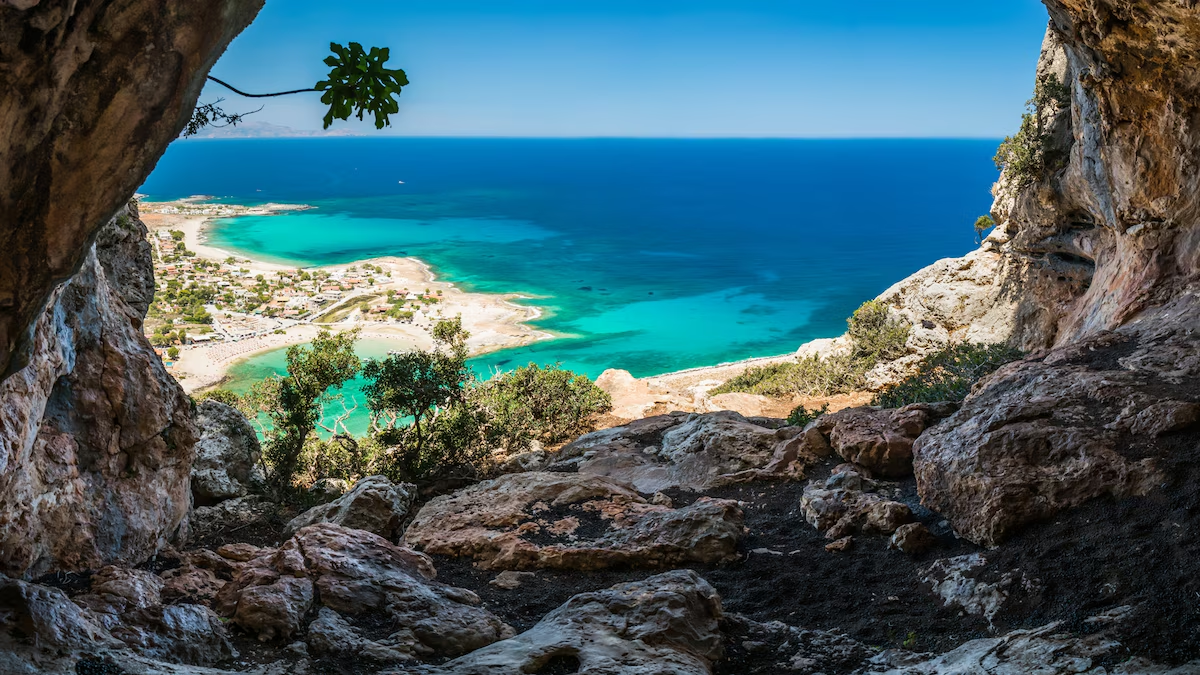
The largest island in Greece occupies a strategic position between the Aegean and the eastern Mediterranean. Its history carries the marks of successive civilisations, from the Minoans to the Romans, Byzantines, Venetians and Ottomans. These influences remain visible in fortified harbours, old town houses, religious buildings, local crafts and the character of individual settlements. Crete’s geography is equally expressive: the White Mountains, Mount Ida and the Dikti range divide the island into distinct regions, while gorges and plateaus create routes that feel far removed from the coastal resorts.
The island’s most celebrated archaeological legacy belongs to the Minoans, whose palatial centres flourished during the Bronze Age. Knossos, near Heraklion, is the best-known site, while Phaistos, Malia and Zakros reveal a wider network of settlements and ceremonial centres. In 2025, the Minoan Palatial Centres were inscribed on UNESCO’s World Heritage List. The sites are most rewarding when approached not simply as ruins, but as evidence of a sophisticated society connected to trade, art and the sea.
Chania: A Harbour of Layered Elegance
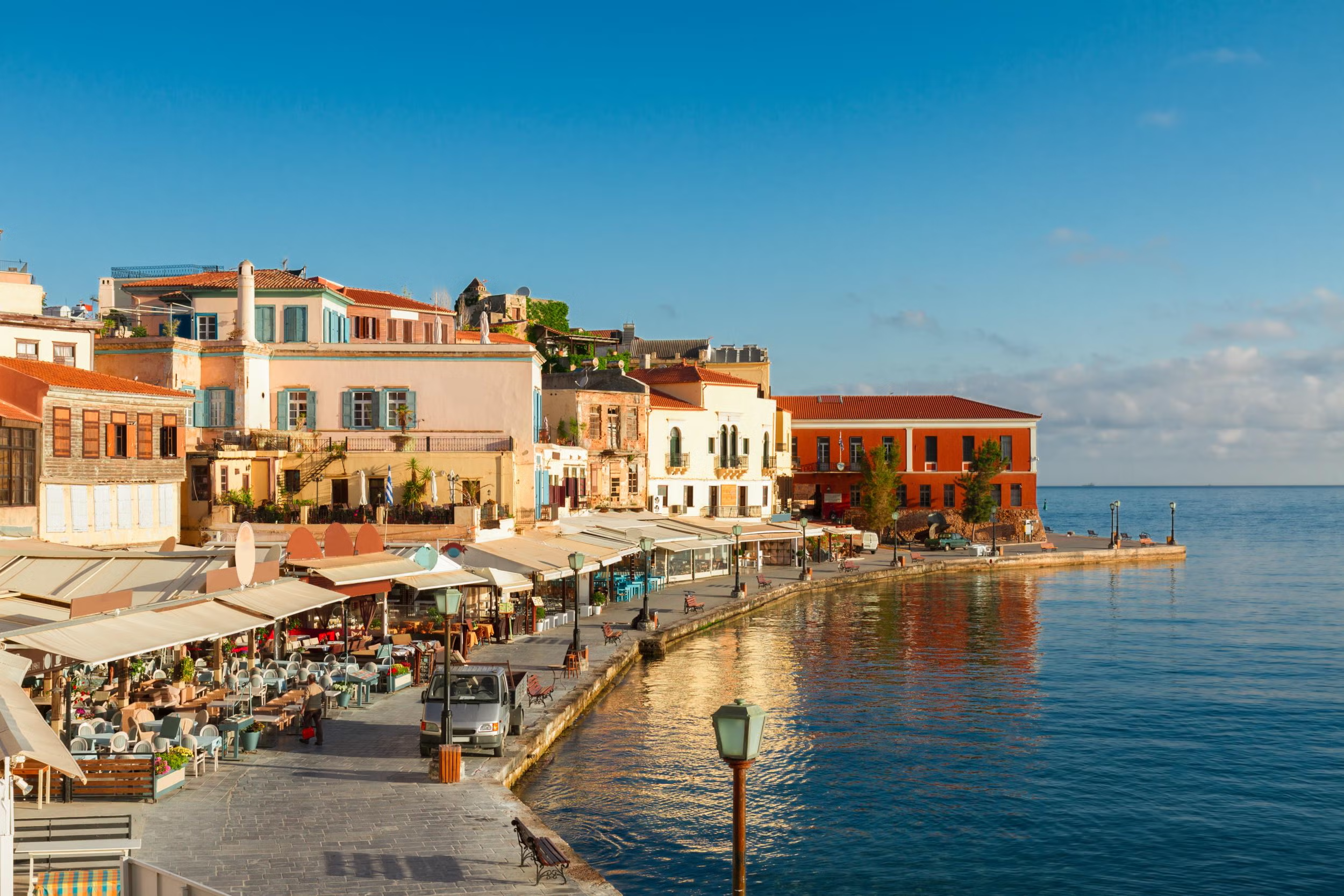
On Crete’s western coast, Chania is a city to experience on foot. The Venetian harbour curves around the water beneath the Egyptian lighthouse, while the old town’s lanes lead through neighbourhoods shaped by centuries of exchange. Venetian mansions, Ottoman-era buildings, small churches and courtyards appear in close succession, giving the city a texture that no single architectural style could define. At dusk, the harbour becomes a place for lingering: the stone glows, boats settle against their moorings and the waterfront fills with the unhurried energy of the evening.
The pleasure of Chania lies beyond its most photographed edge. Explore the historic quarters of Topanas and Splantzia, pause in a small gallery, or follow the coast towards Nea Chora for a more everyday view of the city. A boutique hotel in a restored historic building can make an evocative base, though guests should check room access, lift availability and noise levels. Chania suits travellers who value atmosphere, independent dining and a strong sense of place as much as a sea view.
Rethymno: Venetian Details and Old-World Rhythm
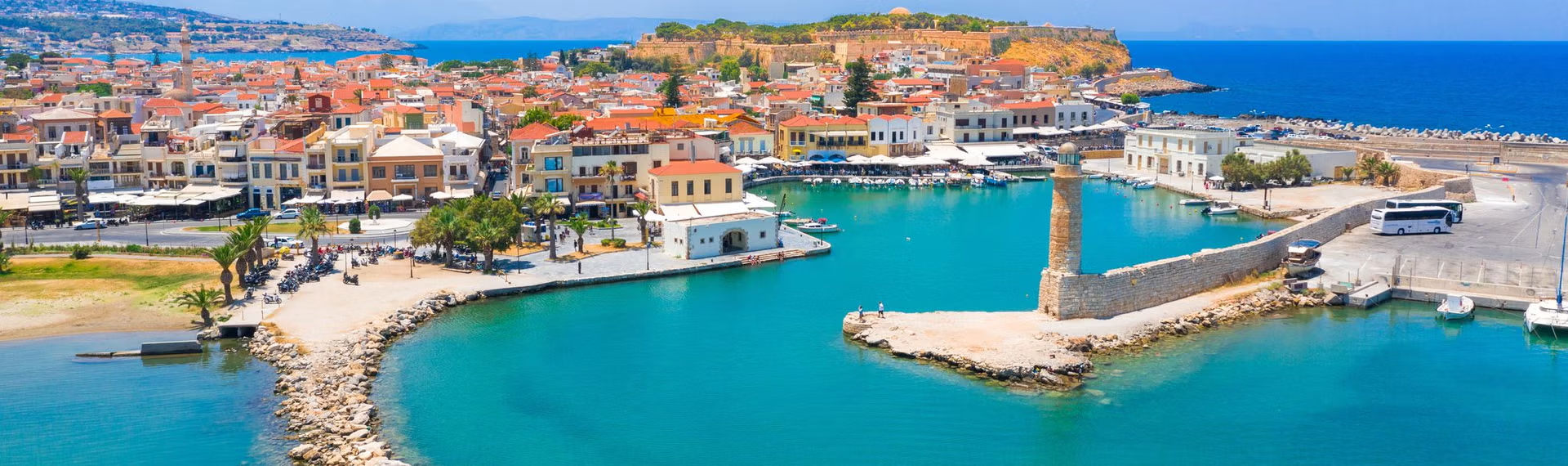
Between Chania and Heraklion, Rethymno offers another compelling historic centre. Its lanes weave between Venetian doorways, elegant façades, fountains and Ottoman traces, while the Fortezza rises above the town as a reminder of its strategic past. The atmosphere is intimate and walkable, with cafés and tavernas tucked into streets that invite wandering without a strict itinerary.
Beyond the old town, the surrounding region opens towards monasteries, mountain villages and traditional craft communities. Arkadi Monastery carries deep historical significance, while Margarites is known for its pottery tradition. Rethymno suits travellers who want cultural discovery at a measured pace, with the option to move between heritage, food and the coast without changing hotels every night.
Heraklion and the Minoan World
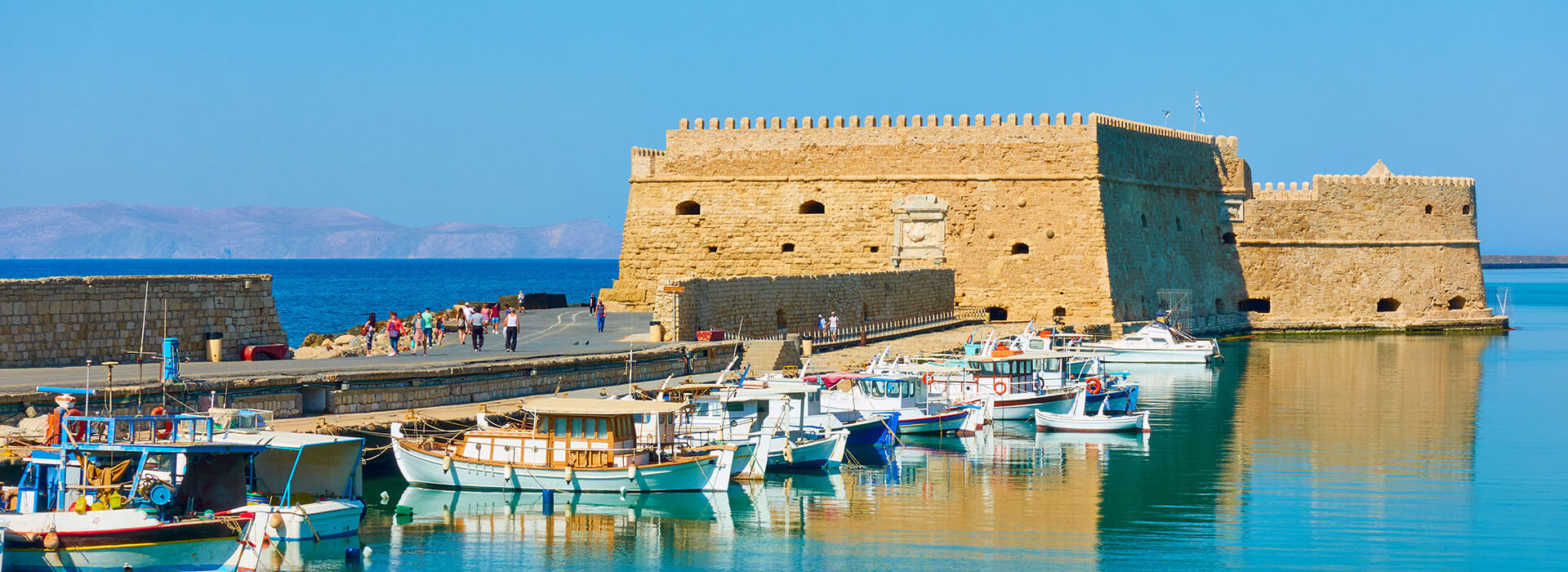
Heraklion is Crete’s energetic urban centre, a city of Venetian fortifications, busy markets, waterfront walks and a major archaeological museum. It is the natural gateway to Knossos, whose palace complex is closely associated with the myths of King Minos and the Minotaur. The myth lends the site an imaginative presence, but the archaeology is compelling in its own right: the remains point to complex administration, artistic expression and connections across the Bronze Age Aegean.
Allow time for the Heraklion Archaeological Museum before or after visiting Knossos. Seeing objects in the museum alongside the site helps place painted walls, pottery and ceremonial spaces within a broader context. Heraklion also offers an excellent introduction to Cretan food culture, from market produce and local cheeses to modern kitchens interpreting traditional ingredients with a contemporary touch.
Elounda and Mirabello Bay: The Art of Retreat
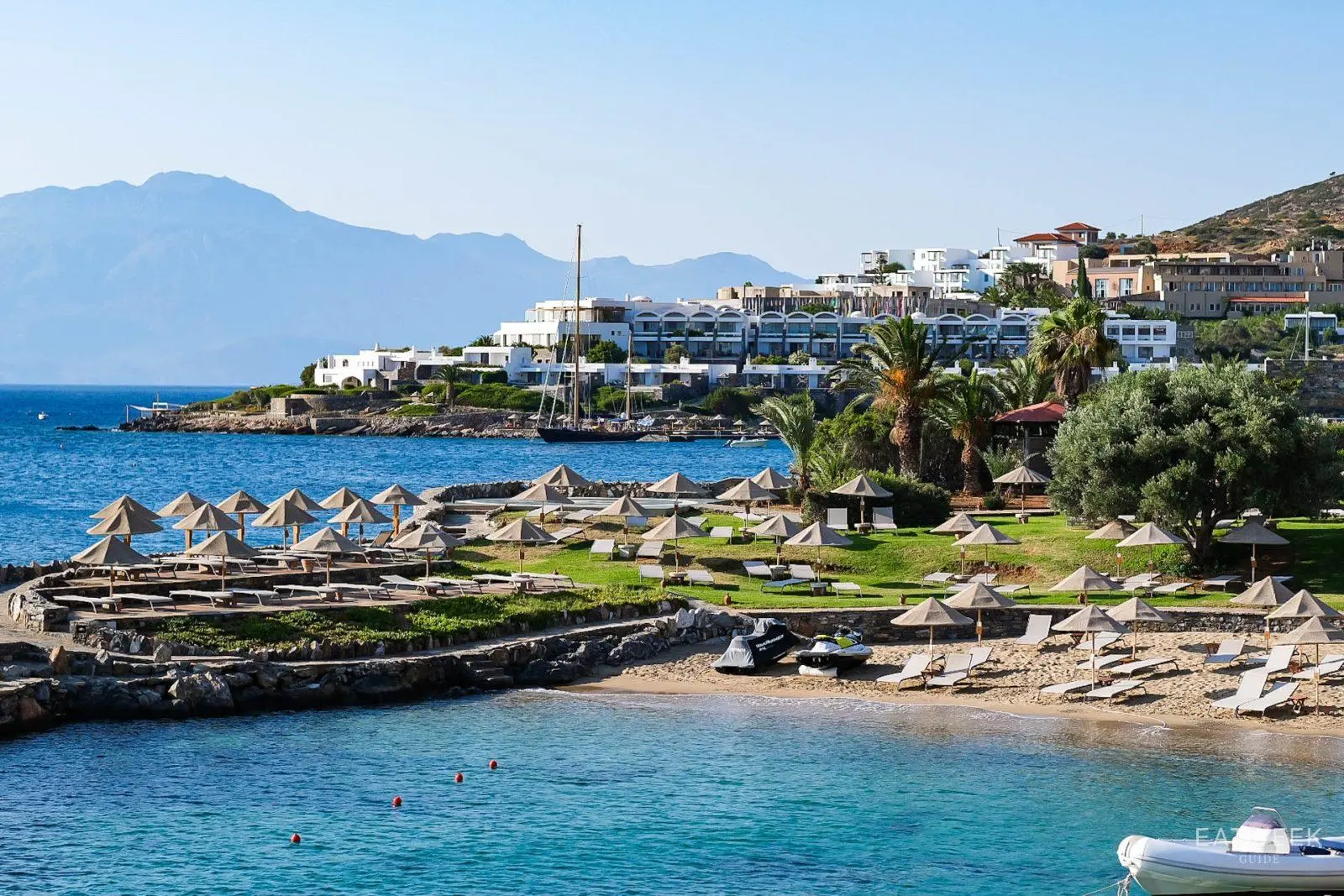
On Crete’s eastern side, Elounda and Mirabello Bay offer a quieter, resort-led expression of island luxury. The coastline folds around sheltered water, low hills and small coves, with views towards Spinalonga, whose Venetian fortifications and later history lend the landscape a powerful sense of place. This is a region for travellers who value privacy, thoughtful service, wellness, fine dining and the pleasure of spending time beside the sea without losing access to the wider island.
The area’s best-known properties differ in atmosphere. Some are designed around expansive suites and villas with direct access to the shoreline; others place greater emphasis on contemporary resort living, spa experiences and a broad choice of restaurants. When comparing them, consider the exact room category, beach access, privacy, dining style and transfer time to nearby villages. A spectacular view matters, but so does the way a property supports the kind of holiday you want.
Luxury Stays in Crete: Four Distinct Expressions of Island Living
Crete’s accommodation is as varied as its landscapes. The right address can place you inside a historic Venetian quarter, above a sheltered bay or beside a private stretch of coastline. Rather than treating luxury as a single look, consider the experience each setting creates: heritage and walkability in Chania, a full-service seaside retreat near Hersonissos, or the understated, long-established resort tradition of Elounda.
Casa Delfino Hotel & Spa, Chania — Venetian Heritage in the Old Town
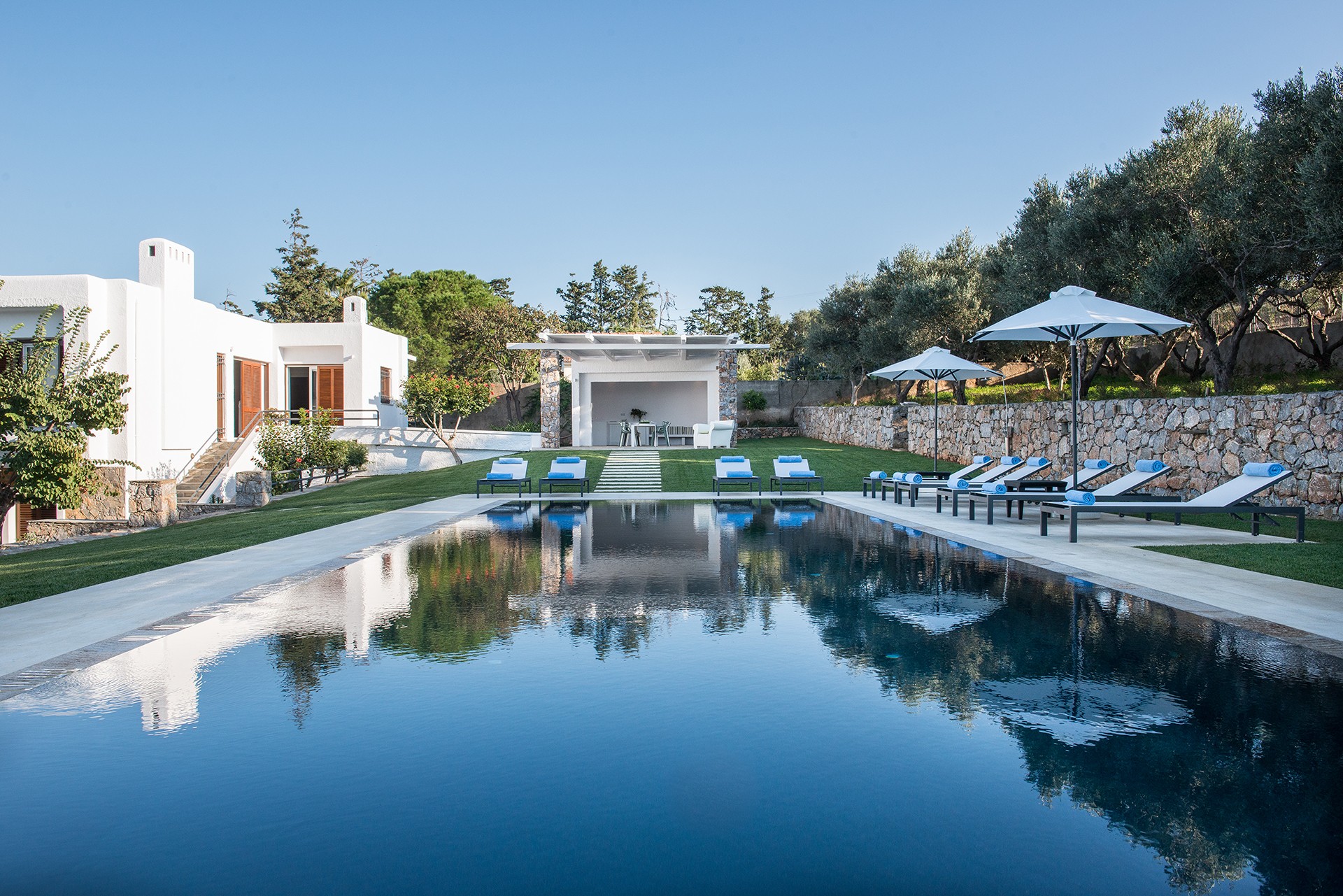
Housed in a restored Venetian mansion in Chania’s walled Old Town, Casa Delfino brings historic architecture and contemporary comfort into close conversation. Its individually styled rooms and suites, intimate courtyard and rooftop terrace make it a strong choice for travellers who want the city itself to be part of the stay. Step outside and the harbour, museums, restaurants and narrow lanes are within easy reach; return indoors and the atmosphere becomes more private and composed. This is boutique luxury shaped by character and location rather than by the scale of a conventional resort. Property details: https://www.casadelfino.com/
Abaton Island Resort & Spa, Hersonissos — Contemporary Seaside Design
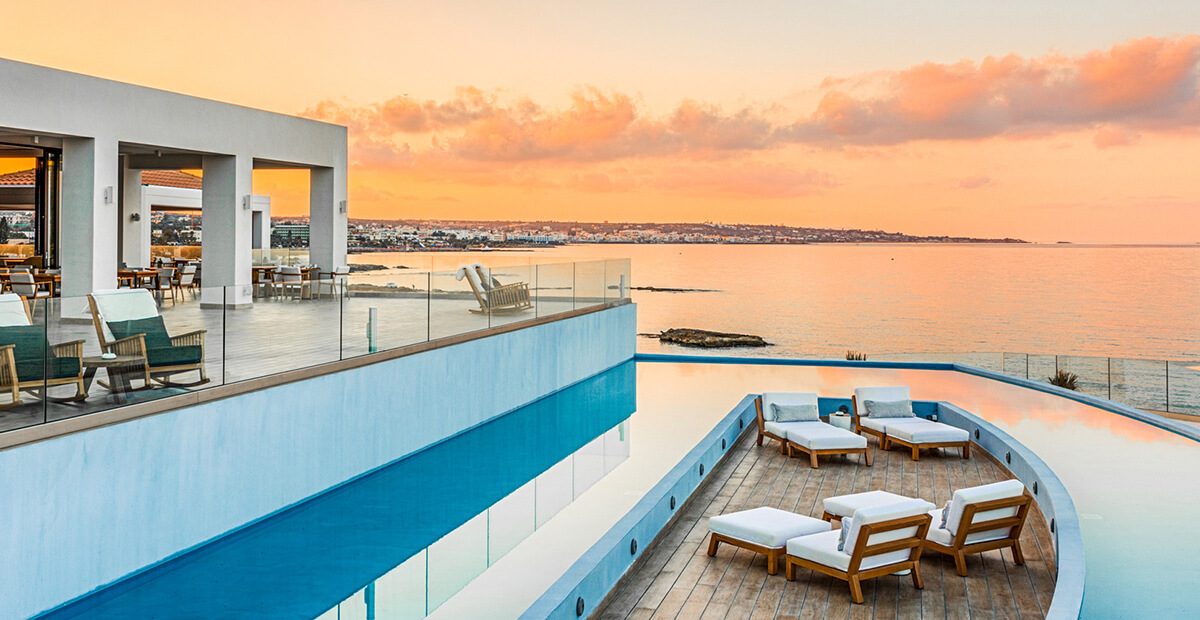
On Crete’s northern coast near Hersonissos, Abaton Island Resort & Spa offers a more contemporary resort experience, with minimalist interiors, sea-facing accommodation, private-pool categories, a private sandy beach and a collection of dining venues. It suits couples and travellers who want design-led surroundings alongside the convenience of having wellness, dining and the shoreline close at hand. The property’s range of room and suite types makes it especially important to compare the precise outdoor space and pool arrangements attached to each category before booking.
Elounda Bay Palace — Established Coastal Elegance
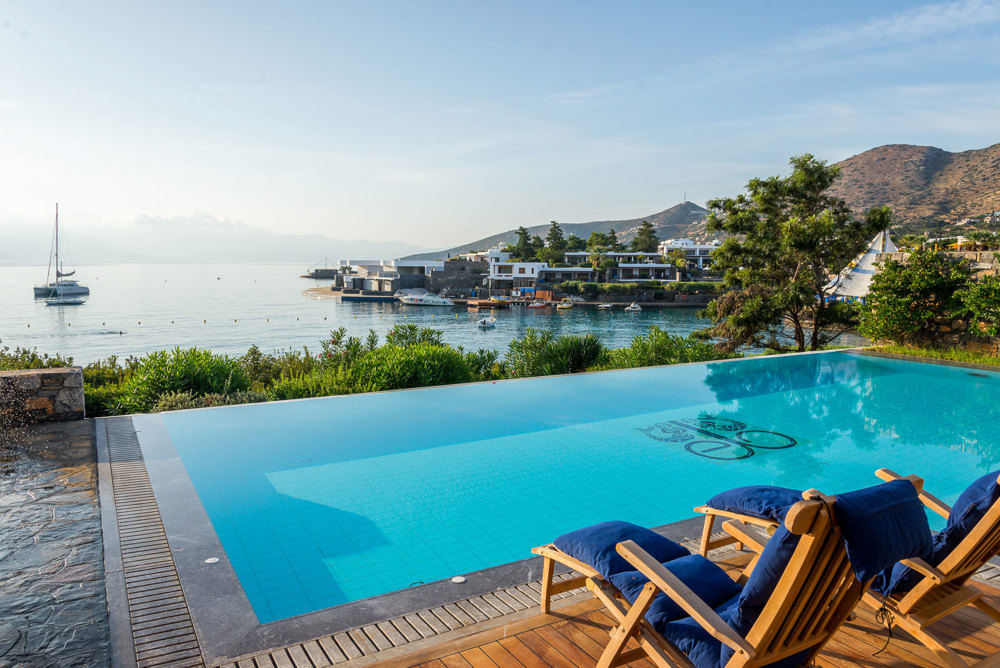
Set within landscaped gardens and an olive grove on the Elounda coast, Elounda Bay Palace has a long-established reputation for seaside hospitality. Its suites and villas include options close to the water, making the relationship between accommodation and shoreline central to the experience. The mood is classic rather than showy: a considered choice for travellers who value space, service and the ease of moving between a private retreat and the bay. Confirm the exact room’s position and direct-sea-access features when selecting a category.
Elounda Mare Relais & Châteaux — A More Intimate Resort Tradition
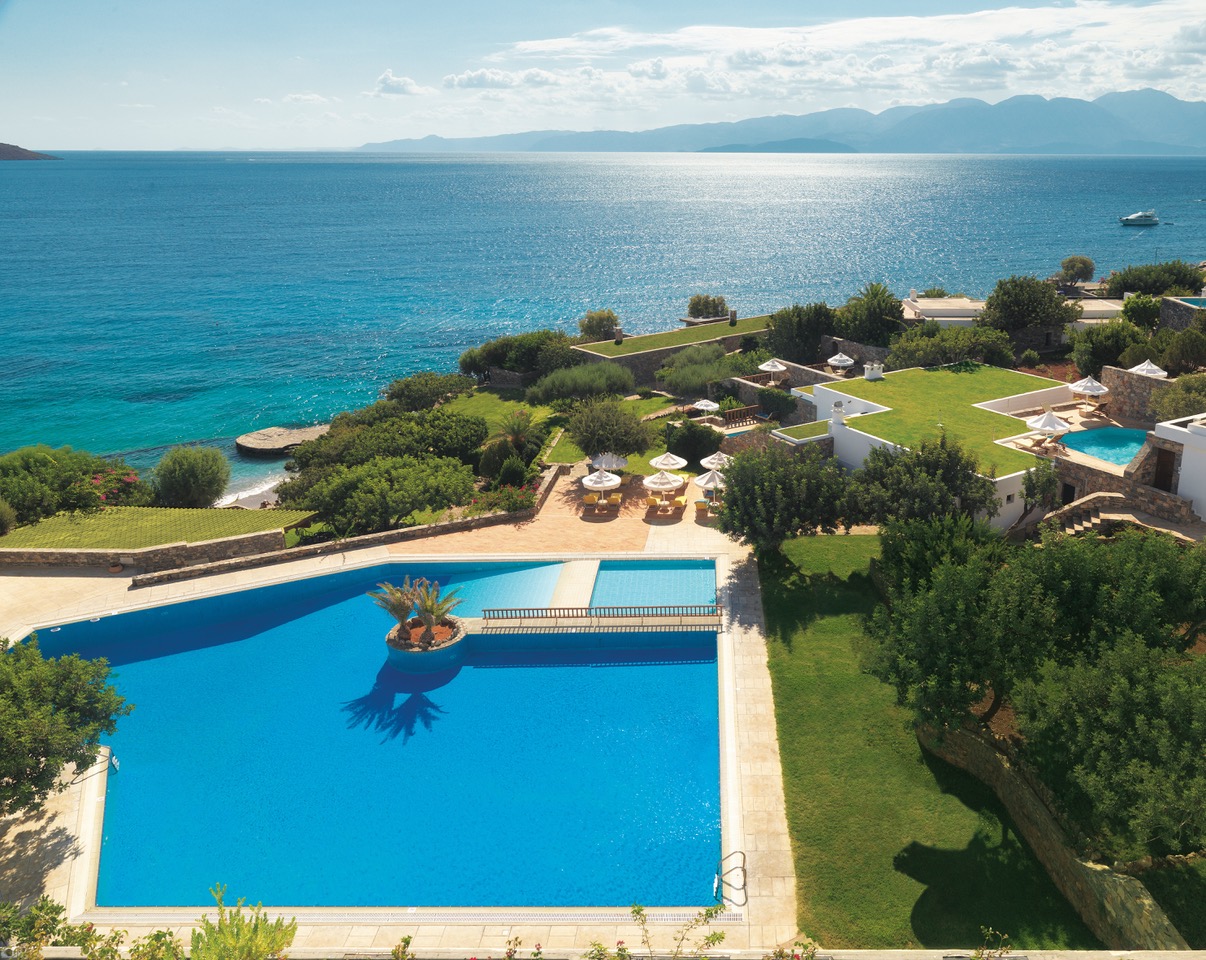
Elounda Mare offers another perspective on the region, combining a refined resort setting with a strong emphasis on Cretan hospitality and cuisine. Accommodation ranges from sea-view rooms and suites to bungalows and villas with private pools. Its appeal is particularly strong for travellers who want the comforts of a full-service resort but also appreciate a sense of regional identity at the table and in the surrounding landscape. It works well as a base for slow days by the water, with excursions to Spinalonga or nearby villages added when the mood takes you.
These properties represent different ways to experience Crete rather than a definitive ranking. Room features, seasonal services and opening arrangements can change; confirm current details directly with each hotel before publishing or booking.
The South and West: Beaches with a Wild Edge
Crete’s beaches are as varied as its inland terrain. In the west, Balos Lagoon is known for pale sandbanks and shifting turquoise water, while Elafonisi’s shallow lagoon and pink-tinged sand create a delicate coastal landscape. Both areas have significant ecological value and can become crowded in peak season. Visit with care, follow local access guidance, avoid disturbing dunes and vegetation, and do not collect shells or sand as souvenirs.
Further south, the island feels more elemental. Matala is associated with sandstone caves and a relaxed coastal atmosphere; the area around Plakias offers access to coves, cliffs and mountain-backed roads. On the southern coast, the Libyan Sea can feel distinctly different from the Aegean-facing north. These places are best approached with flexibility: road conditions, wind and seasonal services can affect plans, and the journey itself is often part of the experience.
The White Mountains and the Interior
Crete’s interior is not a backdrop to the coast; it is one of the island’s defining experiences. The White Mountains rise behind Chania, while Psiloritis and the Dikti range shape the central and eastern landscapes. Mountain villages, shepherding traditions, stone chapels and winding roads offer a different sense of scale from the resort belt. In spring, hillsides can be vivid with wildflowers; in summer, the light is sharper and the shade of a village square becomes its own kind of luxury.
Samaria Gorge is among the island’s best-known natural landmarks, but it is a demanding outdoor experience rather than a casual stroll. Access is seasonal and can be affected by weather or safety conditions, so check current official guidance, trail status and transport arrangements before setting out. Travellers who prefer a gentler day can choose a village drive, guided nature walk or long lunch in the foothills instead.
Cretan Gastronomy: A Landscape Served at the Table
Food in Crete is inseparable from the land. Olive oil, seasonal vegetables, pulses, herbs, cheeses, honey, bread and local wine form the foundations of a cuisine that is generous and deeply regional. Dakos layers barley rusk with tomato, olive oil and cheese; kalitsounia appear in savoury and sweet forms; slow-cooked meats and greens reflect rural traditions. Along the coast, seafood offers another expression of place, especially when the menu follows the day’s catch.
The most memorable food experiences often begin with a conversation. Visit a market with a knowledgeable guide, arrange a tasting at a winery, or spend time with a cook who can explain why a dish belongs to a particular village or season. Indigenous grape varieties such as Vidiano, Liatiko and Dafni are increasingly part of the island’s wine story. Around Archanes, Peza and the wider Heraklion region, vineyard visits connect landscape, agriculture and contemporary Cretan hospitality in a single afternoon.
Experiences That Stay with You
A Private Journey Along the Cretan Coast
Crete reveals a different character from the water. Along the coastline of Mirabello Bay, a private boat excursion can bring you close to secluded coves, quiet stretches of shoreline and the historic silhouette of Spinalonga. The island’s western waters offer another perspective, with excursions towards Balos Lagoon depending on departure point and sea conditions. For a more considered experience, choose a charter that allows time to swim, pause in sheltered bays and appreciate the changing colours of the Mediterranean rather than rushing between stops.
Through the Historic Streets of Chania and Rethymno
The old towns of Chania and Rethymno reward travellers who explore without a rigid schedule. In Chania, the Venetian harbour, restored mansions and narrow lanes reveal layers of Venetian and Ottoman influence. Rethymno offers its own architectural character through ornate doorways, shaded courtyards and the imposing Fortezza above the old town. Arrive early for quieter streets, stop at independent galleries and artisan workshops, and reserve an evening for dining within the historic quarters. These are places where the pleasure lies as much in the details as in the landmarks.
Among the Vineyards and Olive Groves of Crete
Agriculture remains central to Crete’s identity, and visiting a vineyard or olive estate offers a closer understanding of the island’s relationship with its land. Around Archanes and Peza, wine estates introduce visitors to indigenous grape varieties and the influence of Crete’s varied soils and climate. An olive-oil tasting can be equally revealing, from the fragrance of freshly pressed oil to the differences created by cultivation and harvest. Arrange visits in advance, particularly outside the main tourist season, and allow time for conversation with the people who sustain these traditions.
A Taste of Cretan Hospitality
Some of Crete’s most memorable experiences happen around the table. A traditional meal might bring together local cheeses, seasonal greens, dakos, fragrant olive oil and dishes prepared according to family recipes. In mountain villages, a long lunch offers a quieter perspective on the island than its best-known coastal resorts. For a more immersive experience, consider a guided food walk or a cooking session with a local host, where ingredients, techniques and regional customs become part of the story.
When to Visit Crete
Late April through June and September through October are often especially appealing for travellers who want warm weather without the intensity of peak summer. Spring brings greener landscapes and excellent conditions for walking, while early autumn can combine warm seas with a more relaxed atmosphere. July and August bring the longest, sunniest days and the strongest demand for coastal resorts, popular beaches and sought-after restaurants.
Crete’s size matters when planning a trip. Distances can be deceptive on mountain roads, and a journey between the western and eastern ends of the island can take much of a day. Some natural sites operate seasonally or close temporarily for safety reasons; boat trips depend on sea conditions, and rural businesses may keep different hours outside summer. Check current information before finalising an itinerary.
A Four-Day Introduction to Crete
Day One — Chania and the Harbour
Arrive in Chania and settle into a boutique property in or near the old town. Spend the afternoon exploring the harbour and historic quarters, leaving room for a gallery, a coffee stop and a leisurely dinner. The aim is to become acquainted with the city rather than see every landmark.
Day Two — The Western Coast
Choose either Balos or Elafonisi, depending on your base, transport and conditions. Both require planning and can be busy, so an early start and a flexible return are worthwhile. Keep the evening open for a quiet meal back in Chania.
Day Three — Heraklion and Knossos
Travel east towards Heraklion, allowing sufficient time for the road journey. Visit Knossos and the Archaeological Museum, then explore the city’s Venetian walls and central streets. If time allows, arrange a wine tasting in the surrounding countryside rather than overloading the day.
Day Four — Elounda and the Eastern Coast
Continue towards Elounda and Mirabello Bay for a change of pace. Depending on your interests, take a boat trip towards Spinalonga, spend time at the resort or enjoy a long coastal lunch. For a deeper exploration, extend the stay: Crete is too varied to be fully appreciated in a hurried itinerary.
Planning a More Seamless Stay
For a first visit, it is usually more rewarding to focus on one or two regions rather than attempt to cover the entire island. Chania works well for the western coast and historic towns; Heraklion provides access to Knossos and central Crete; Elounda suits a resort-led stay in the east. A private driver can be valuable for vineyard visits and rural routes, while a rental car offers flexibility for independent exploration. Confirm parking, road access and transfer arrangements with your accommodation.
Luxury on Crete is not defined by one particular style. It may mean a restored mansion in an old town, a resort with a secluded bay, a design-conscious rural retreat or a simple lunch that becomes the highlight of the day. Choose with the experiences you value most in mind, and leave enough space in the schedule for the island to surprise you.
As you continue exploring Greece, our Travel Journal on Athens offers a complementary perspective on the country’s ancient heritage and contemporary culture, while the Santorini Travel Journal follows the Aegean through volcanic landscapes and caldera villages. Together, these destinations reveal how varied a Greek journey can feel when each place is given its own pace and character.
Frequently Asked Questions
How many days are ideal for Crete?
Four to seven days is a useful starting point, but the island is large. A longer stay makes it easier to explore more than one region without spending every day on the road.
Where should first-time visitors stay?
Chania is a strong choice for historic atmosphere and the western coast; Heraklion suits archaeology and central access; Elounda is ideal for a resort-led escape around Mirabello Bay.
What is the best time to visit Crete?
Late spring and early autumn often offer a comfortable balance of weather and visitor levels. Summer is lively and sunny but busier, while some rural and coastal services are seasonal.
Is Crete suitable for a luxury holiday?
Yes. The island offers high-end resorts, boutique historic hotels, private boat experiences, vineyard visits and distinctive regional cuisine, alongside cultural and outdoor experiences.
Can you visit Knossos and the Archaeological Museum in one day?
Yes, many visitors combine them. Check opening times and allow enough time at each site so the visit feels connected rather than rushed.
Is a car necessary in Crete?
Not for every itinerary, but a car or private driver can make rural areas, beaches and mountain villages easier to reach. For historic towns and resort stays, transfers and local transport may be sufficient.
Crete, Experienced Rather Than Collected
Crete is an island of many tempos: the measured movement of a harbour at dawn, the silence of an archaeological site, the open drama of a mountain road and the warmth of a table that welcomes one more guest. Its luxury lies in this variety, and in the freedom to choose how deeply to enter it. The island asks for more than a checklist. It asks for attention.
At Luminara Voyages, we believe the most memorable journeys are shaped by a sense of place and the time to experience it properly. In Crete, that might mean following history through the Minoan world, tasting the island through its vineyards and kitchens, or simply watching the evening light settle over the water. The destination stays with you not because you saw everything, but because a few moments felt entirely your own.