Naples reveals itself in layers rather than introductions. The city can move from the grandeur of a historic palazzo to the intimacy of a tiny café within the space of a single street. Baroque churches rise beside weathered façades; elegant balconies overlook animated lanes; and beyond the dense architecture, the Bay of Naples opens toward a horizon defined by sea and Vesuvius.
Nothing here feels entirely separated from the life around it. History is not confined to museums, architecture is not merely decorative, and food is not simply an experience reserved for restaurants. Naples allows its heritage to remain part of everyday life, which is precisely what gives the city its remarkable sense of character.
For the discerning traveller, this creates a destination that feels deeply authentic without needing to announce its authenticity. Naples is compelling because it has resisted becoming overly polished. Its beauty has edges, its streets have rhythm, and its most memorable moments often appear between the places one originally intended to see.
The right way to experience Naples is therefore not to conquer it through an itinerary, but to give it enough time to reveal its different moods. Mornings belong to coffee and quiet streets; afternoons can move toward art, archaeology or the sea; evenings bring the city into another kind of life, with restaurants, piazzas and waterfront views becoming part of the experience.
The Bay, the City and the Volcano
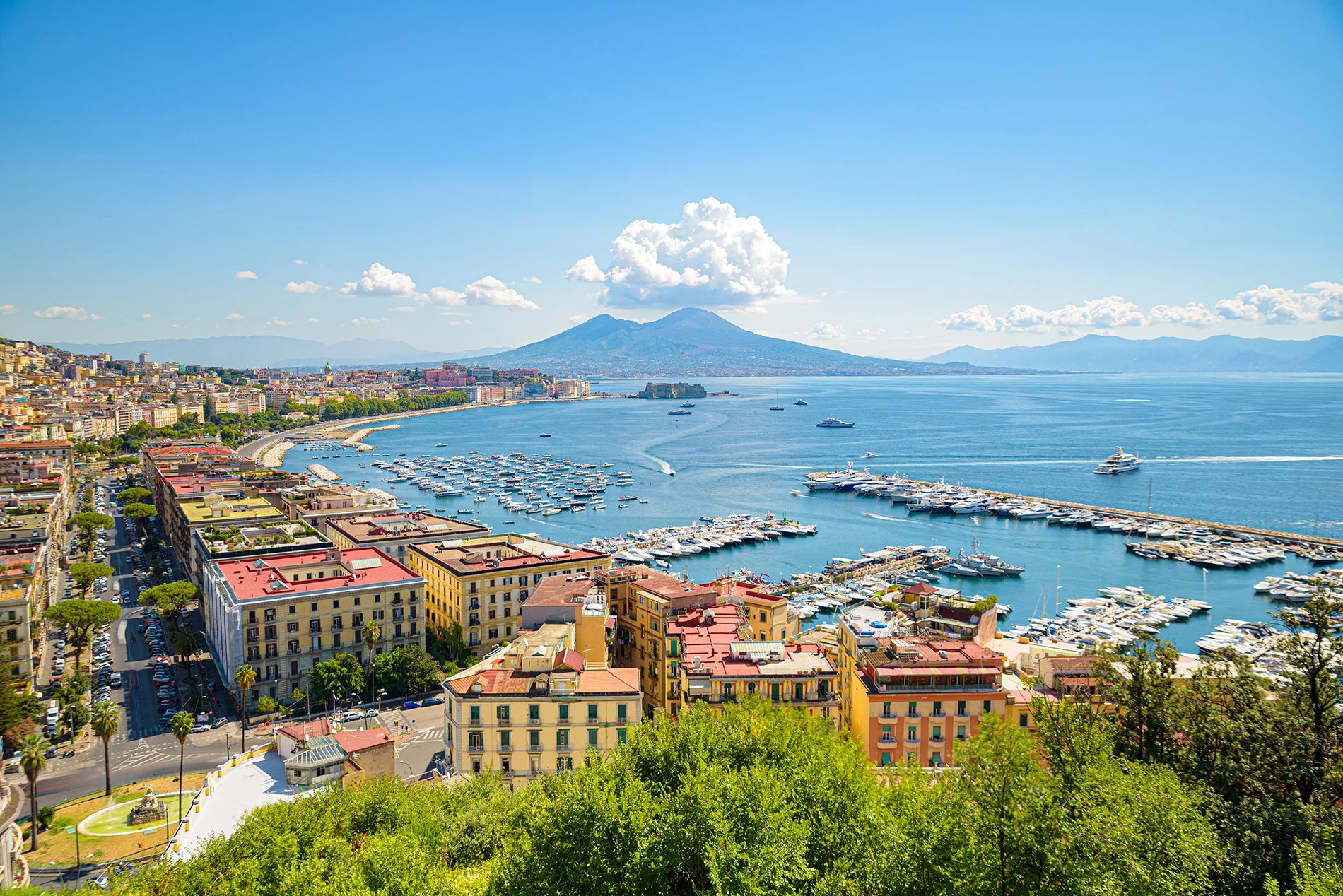
Naples occupies one of Italy’s most dramatic settings, rising along the Bay of Naples beneath the unmistakable presence of Mount Vesuvius. The geography is unusually theatrical. The city gathers densely along the coast, the water opens toward the islands, and the volcano remains visible as a powerful natural counterpoint to the urban landscape.
The bay has shaped Naples for centuries. It influenced trade, migration, cuisine, architecture and the city’s relationship with the wider Mediterranean. Looking across the water, the traveller can understand why Naples has always been both a destination and a gateway—a city connected naturally to Capri, Ischia, Procida, the Sorrento Peninsula and the archaeological landscapes farther south.
One of the most rewarding ways to appreciate this geography is from the water. A private boat experience can transform a familiar coastline into something far more intimate, allowing the day to unfold away from the city’s movement. The perspective changes constantly: Vesuvius rises behind the city, the coastline catches the afternoon light, and the islands gradually become more defined on the horizon.
For a luxury itinerary, the bay can become more than a sightseeing backdrop. It can be the setting for a long lunch at sea, an afternoon crossing toward Capri, a quiet swim in a secluded cove or simply an unhurried sunset before returning to Naples.
The Historic Centre — Naples Without a Filter
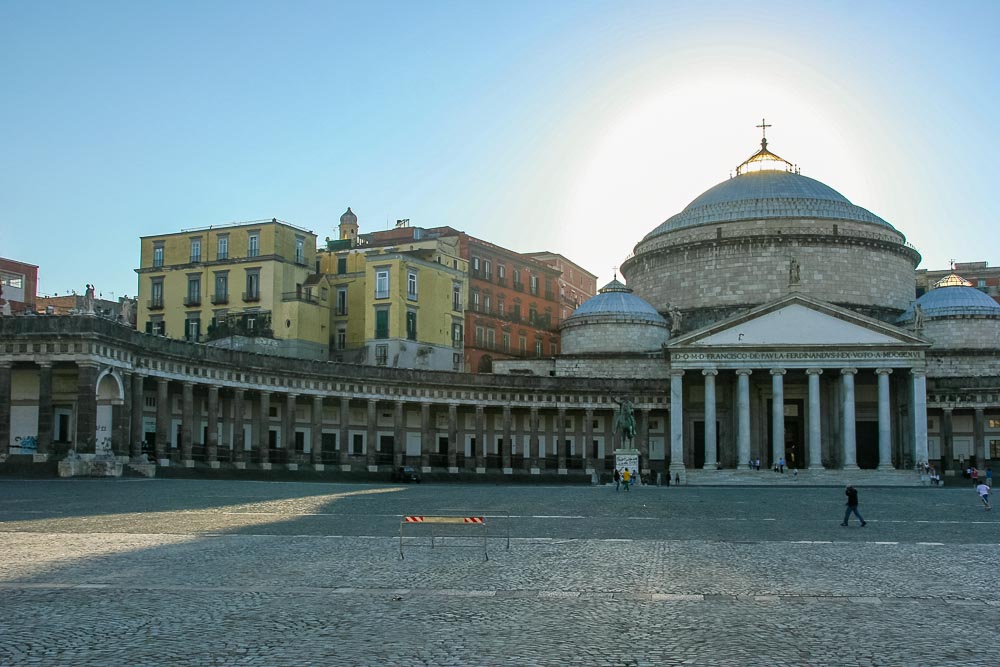
The historic centre is where Naples becomes most intimate. The streets narrow, architecture rises close overhead, and centuries of religious, artistic and domestic life exist within an extraordinary urban fabric.
Spaccanapoli provides one of the clearest introductions to this world. The long, remarkably direct route through the historic centre brings together churches, workshops, cafés, residences and small neighbourhood scenes that have developed over generations. It is less a conventional attraction than a living cross-section of Naples.
Along Via dei Tribunali, the atmosphere becomes even more animated. Historic buildings stand shoulder to shoulder with the contemporary life of the city, creating the visual tension that makes Naples so distinctive. The traveller is constantly moving between monumental architecture and ordinary life.
The Duomo offers another expression of the city’s heritage, while Santa Chiara introduces a quieter sense of beauty through its religious complex and celebrated cloister. Nearby, the Church of Gesù Nuovo adds another architectural layer, its unusual exterior contrasting with the richly decorated interior.
At the Sansevero Chapel, Giuseppe Sanmartino’s Veiled Christ provides one of Naples’ most extraordinary encounters with sculpture. The work’s delicacy and technical brilliance make it a defining moment for anyone interested in Italian art.
The National Archaeological Museum extends this story into antiquity, with major collections connected to Pompeii, Herculaneum and the wider Roman world. Together, these places demonstrate that Naples is not simply a city with history; it is a city whose present remains deeply intertwined with it.
The Art of the Neapolitan Street
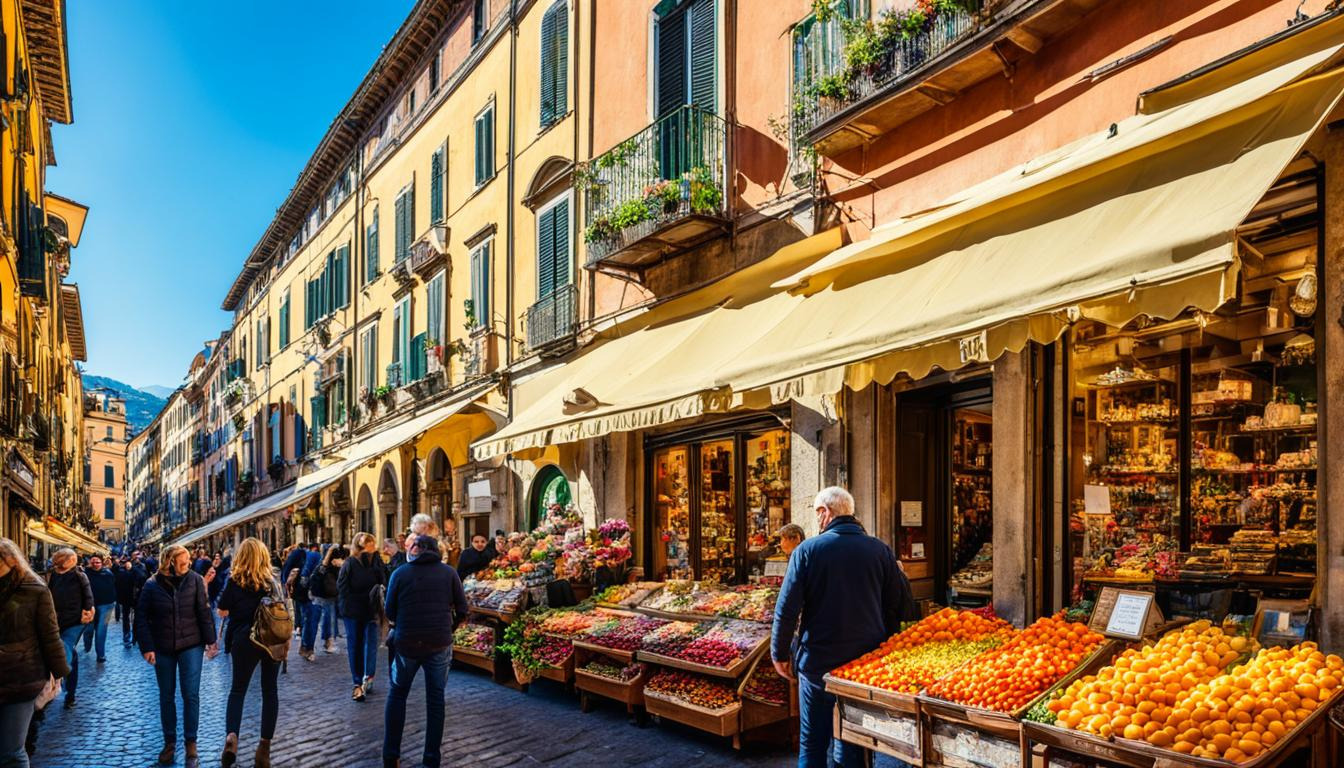
Naples has a visual language all its own. Balconies become extensions of private life, laundry moves above narrow lanes, scooters weave through streets with instinctive confidence, and conversations spill naturally from cafés and doorways. There is movement everywhere, yet the city rarely feels staged.
This quality is central to its appeal. Naples does not constantly ask to be photographed; it simply continues being itself. A doorway catching late afternoon light, an elderly gentleman reading outside a bar, a florist arranging a display or a family gathering around a table can feel as memorable as any formal landmark.
The city is also rich in craftsmanship. Traditional workshops, artisan stores, religious objects and small-scale makers continue to form part of the historic centre’s identity. The experience is particularly rewarding when explored with someone who understands the neighbourhoods and can introduce the traveller to the stories behind them.
For Luminara, this is where luxury takes on a more nuanced meaning. It is not about remaining distant from the destination. It is about having the time, access and knowledge to encounter it properly.
Pompeii — A Conversation With Antiquity
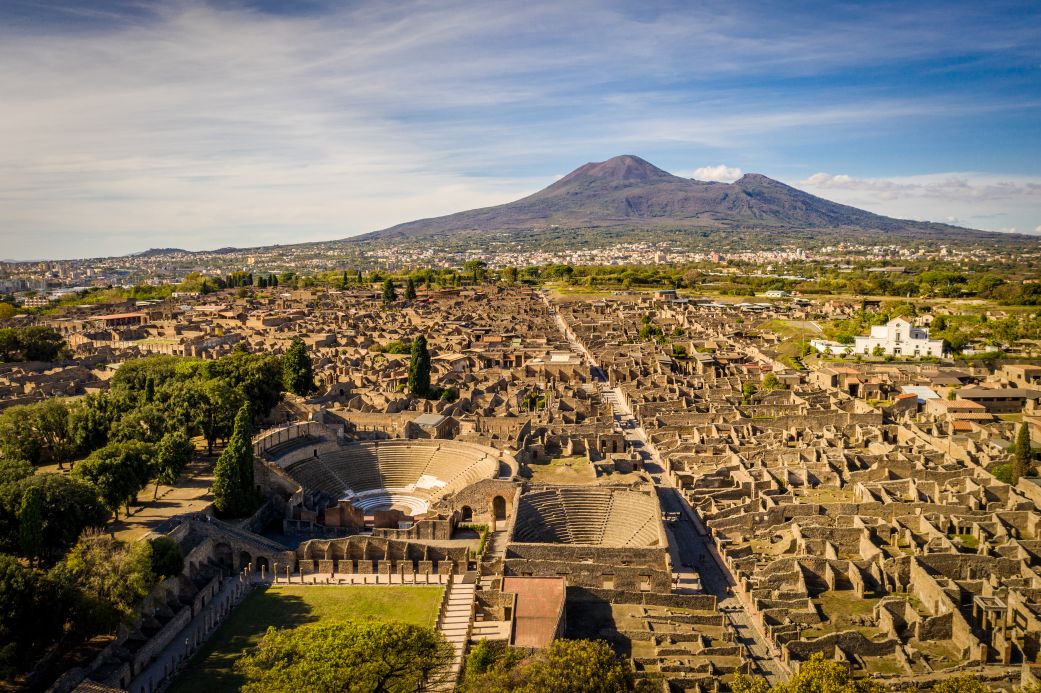
Few journeys from Naples carry the emotional weight of Pompeii. Preserved following the eruption of Vesuvius in AD 79, the ancient city offers an unusually intimate encounter with Roman life. Streets, villas, public buildings, frescoes and domestic spaces remain within a landscape that makes antiquity feel unexpectedly immediate.
The scale of Pompeii deserves time. A rushed visit can reduce the experience to a sequence of ruins, while a slower exploration allows the details to emerge—the geometry of Roman streets, the proportions of private residences, the remains of shops and public spaces, and the traces of daily routines that once gave the city its rhythm.
A private specialist guide can make an enormous difference. Archaeology becomes more engaging when the traveller understands not only what a building was, but how people lived inside it, what its decorations represented and how the eruption changed the course of the region’s history.
Pompeii also offers a meaningful contrast to Naples itself. The modern city is restless and expressive; Pompeii is quiet, suspended and reflective. Experiencing both creates a stronger understanding of Campania and the extraordinary relationship between its ancient and contemporary landscapes.
Vesuvius — The Landscape of Fire
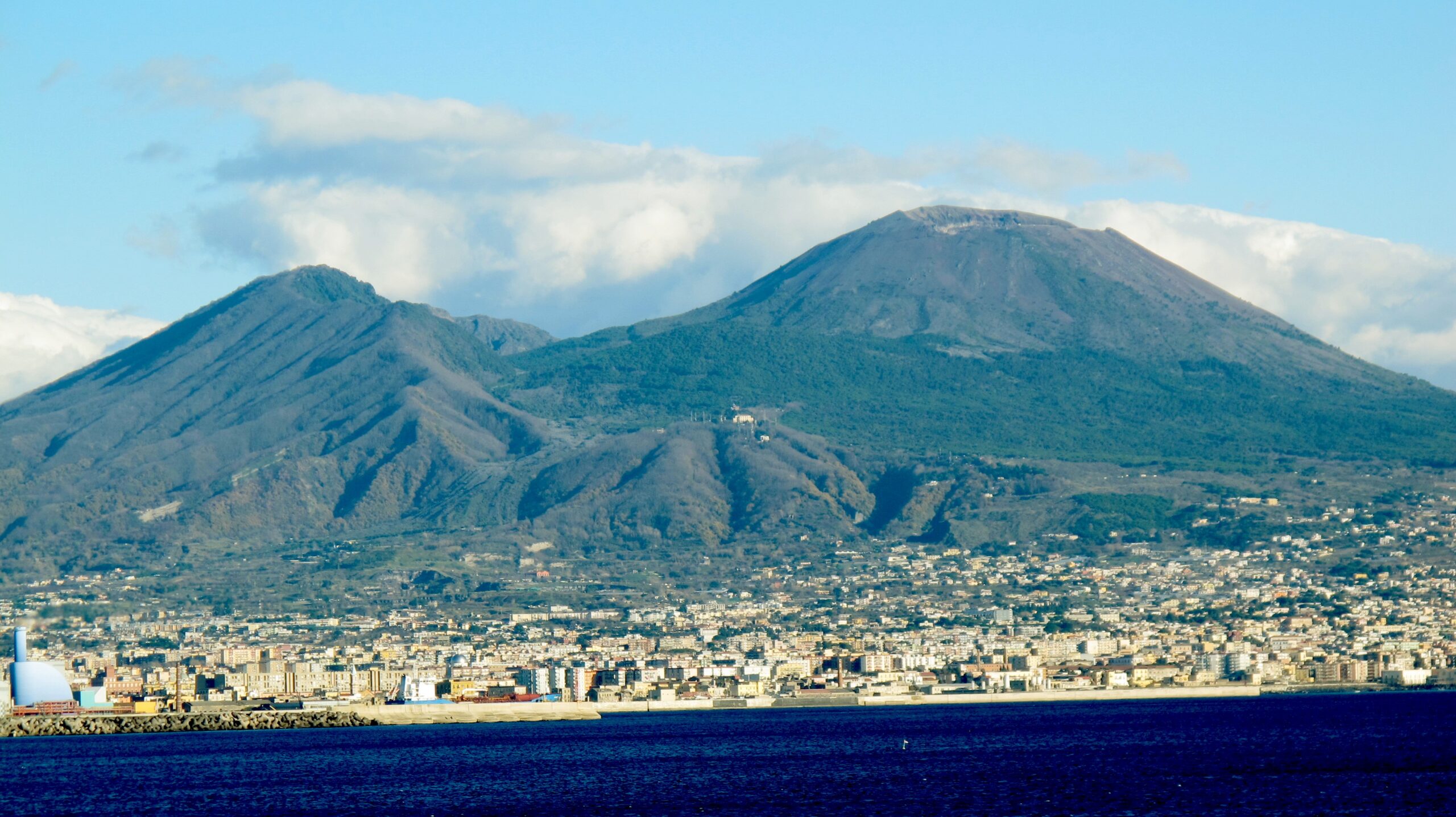
Vesuvius is more than the mountain visible from Naples. It is one of the defining forces of the region’s identity, a presence that has shaped landscapes, settlements, archaeology and collective memory for centuries.
The Vesuvius National Park introduces a completely different side of Campania. The ascent toward the Gran Cono moves through volcanic terrain and opens broad views across the surrounding countryside and Bay of Naples. The landscape can feel almost austere compared with the density of the city below.
There is something particularly striking about seeing Naples from the slopes of Vesuvius. The city becomes part of a much larger geographical composition: coastline, islands, cultivated land, archaeological sites and the Mediterranean stretching outward.
For travellers drawn to nature, geology and photography, the volcano provides an essential counterpoint to the architectural richness of Naples. It also adds a sense of scale to the journey, reminding the traveller that the region’s beauty has always been shaped by forces far older than the city itself.
The Neapolitan Table
Naples does not separate gastronomy from daily life. Food belongs to the city’s identity, and many of its most famous dishes began as expressions of local ingredients, tradition and practicality.
Pizza is the obvious emblem, but the culinary story extends far beyond it. Ragù cooked slowly over many hours, fresh seafood, handmade pasta, seasonal vegetables, fried specialities, delicate pastries and intensely aromatic coffee all belong to the Neapolitan vocabulary.
The pleasure lies partly in the contrast. A beautifully executed dinner in an elegant setting can be followed by an espresso at a historic café. A long lunch beside the water may be balanced by a simple pastry eaten while walking through the historic centre.
Luxury dining in Naples should therefore not be measured solely by formality. Provenance, atmosphere, technique and the quality of the ingredients matter just as much. The most memorable culinary experiences are often those that understand the character of Campania rather than attempting to disguise it.
For travellers who want to go deeper, a private culinary experience can connect the table with the wider culture of the city—markets, local producers, traditional techniques and the stories that have carried Neapolitan cuisine across generations.
The Islands Beyond the City
The Bay of Naples naturally extends the journey toward three islands, each offering a distinct interpretation of Mediterranean life.
Capri
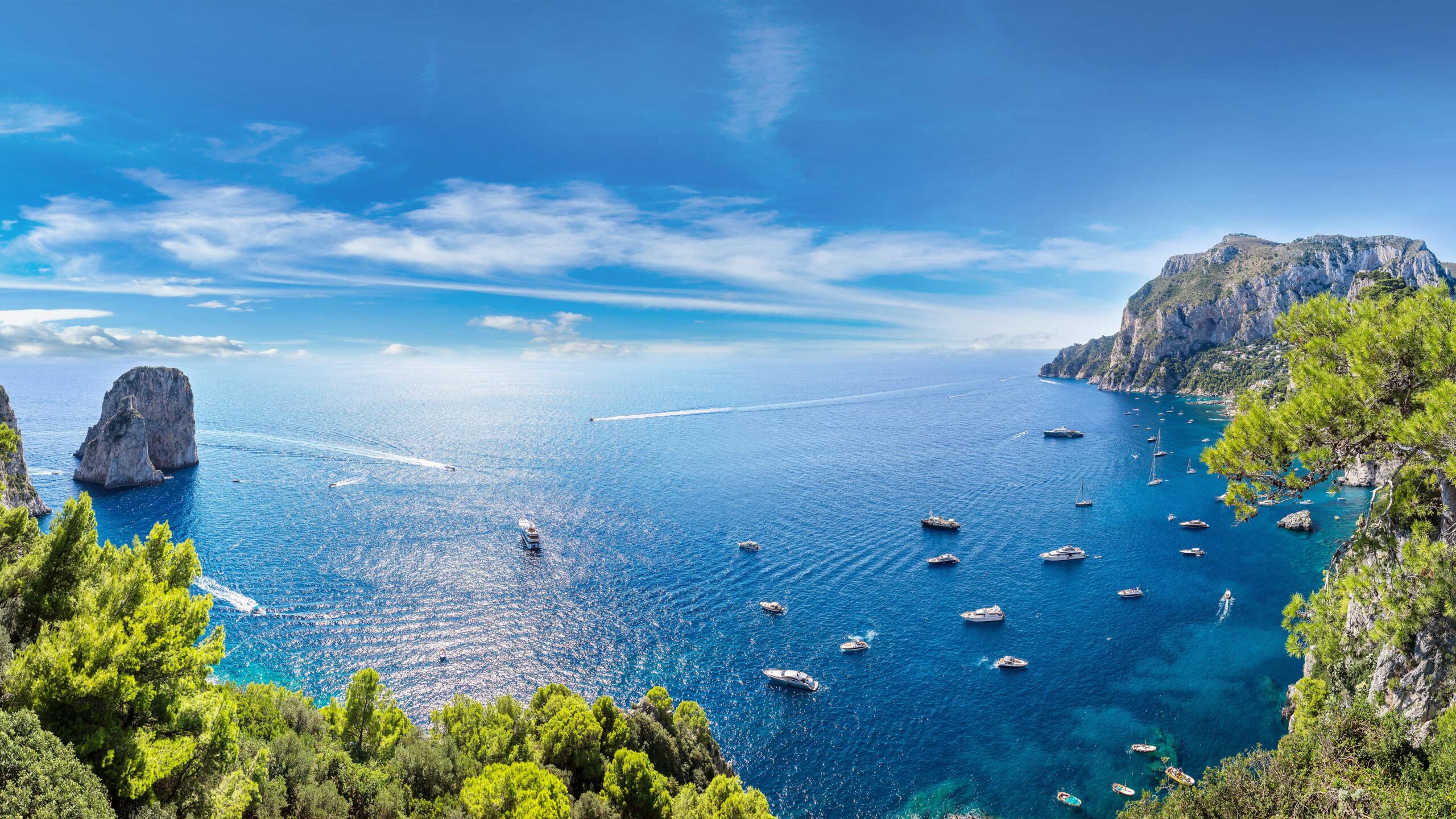
Capri is the most immediately glamorous of the three, shaped by dramatic cliffs, elegant hotels, designer boutiques and long associations with artists, writers and international travellers. Its appeal lies in combining extraordinary scenery with an unmistakable sense of refinement.
Ischia
Ischia offers a softer rhythm. Greener and more spacious, the island is known for thermal waters, gardens and a restorative atmosphere. It suits travellers who prefer their Mediterranean escape to feel expansive rather than highly choreographed.
Procida
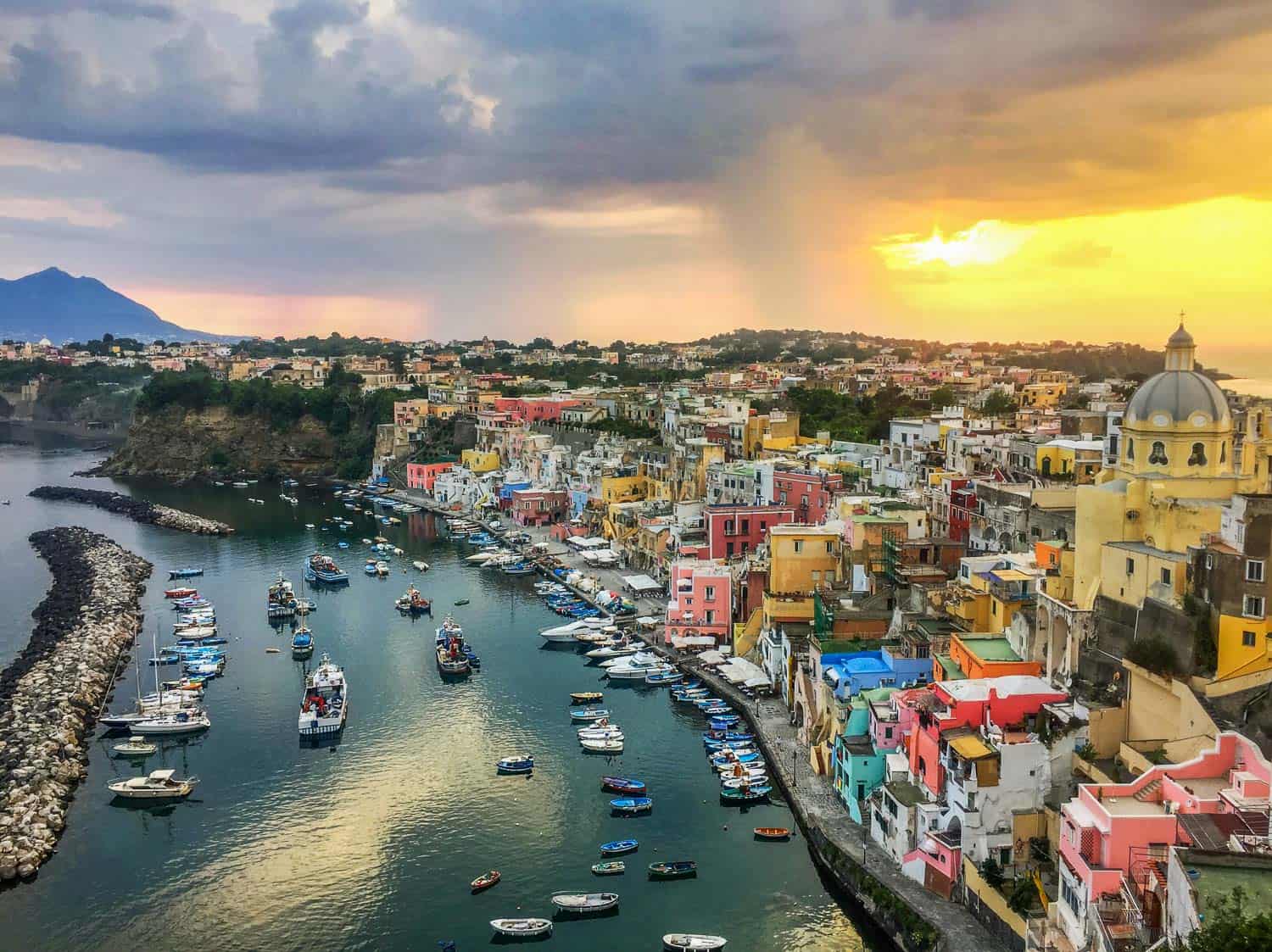
Procida offers something more intimate. Its colourful waterfronts and quieter atmosphere create a strong sense of local life, making it an appealing complement to the energy of Naples.
A private boat can connect these experiences naturally, allowing the traveller to move between the islands and coastline without the friction of conventional transport. In a carefully designed itinerary, the bay becomes part of the journey rather than simply something seen from the shore.
The Art of Staying in Naples
Grand Hotel Parker’s
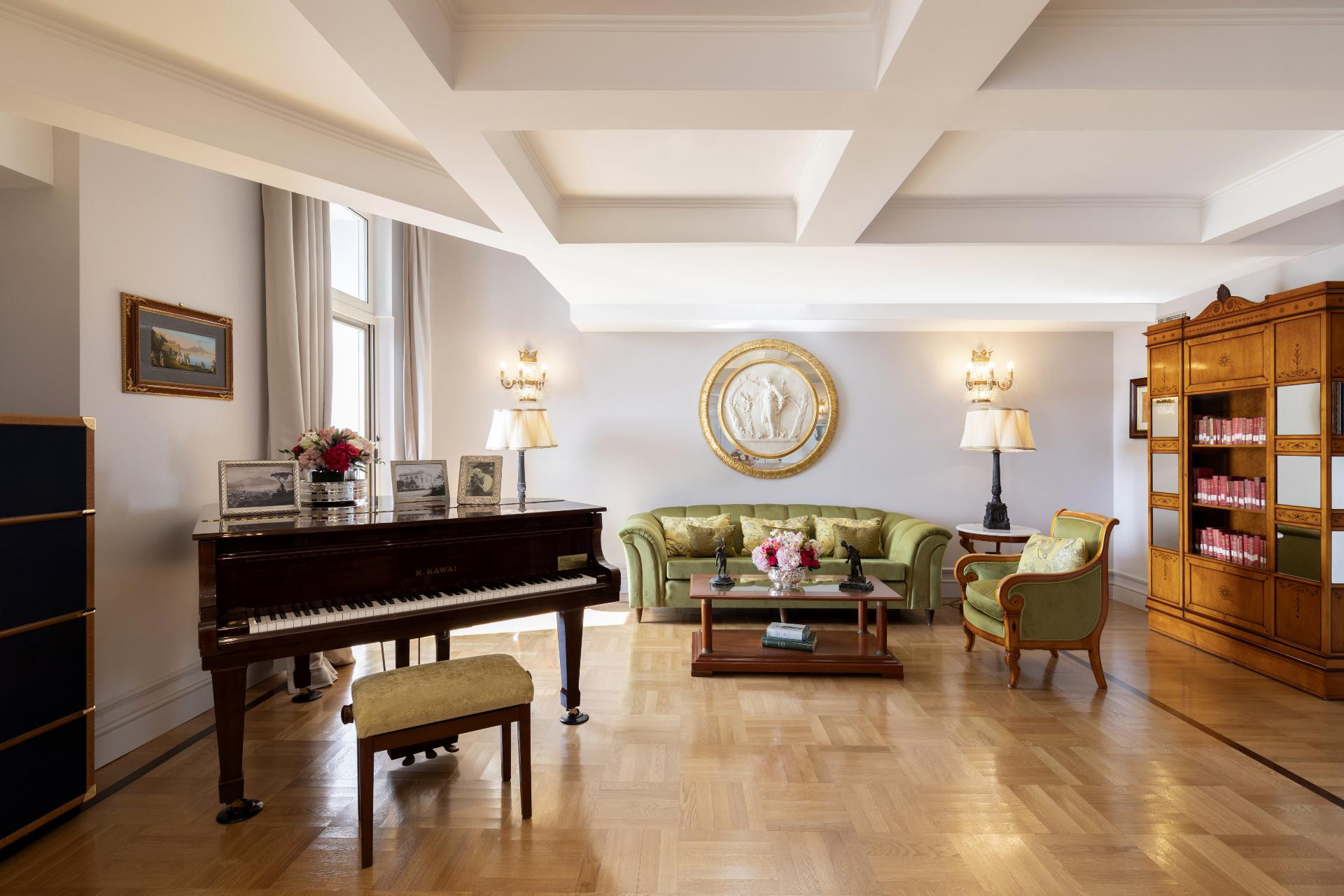
Perched in Naples’ elegant Chiaia district, Grand Hotel Parker’s has been part of the city’s hospitality story since 1870. Its elevated position gives the hotel one of its most memorable qualities: expansive views across the Gulf of Naples toward Vesuvius.
The property carries the atmosphere of a historic Neapolitan grand hotel while providing a refined base for discovering the city. Chiaia also offers a different perspective on Naples, with elegant streets, boutiques, cafés and proximity to the waterfront.
Its panoramic character becomes particularly compelling toward evening, when the city begins to soften beneath the changing Mediterranean light. George Restaurant adds another dimension to the experience, bringing sophisticated gastronomy together with an elevated view over Naples.
A Different Kind of Luxury
Naples rewards a more intelligent definition of luxury. The ideal hotel is not necessarily one that removes the traveller entirely from the destination, but one that creates a graceful transition between the energy of the city and the privacy of the stay.
A beautifully positioned room, a knowledgeable concierge, private guiding, a boat waiting at the waterfront or a carefully arranged evening can transform the experience without making it feel over-engineered. In Naples, luxury works best when it remains effortless.
Naples After Sunset
As daylight fades, Naples changes without becoming quieter. The historic centre takes on a warmer glow, restaurants begin to fill, and the waterfront becomes one of the city’s most atmospheric places to spend an evening.
The evening can begin with an aperitivo before moving toward dinner, perhaps followed by a slow walk through streets where architecture and everyday life become beautifully intertwined. From an elevated terrace, the lights of the bay begin to appear one by one while Vesuvius remains a dark silhouette beyond them.
This is one of the moments when Naples becomes especially memorable. The city is no longer being observed as a collection of landmarks. It is being experienced as a mood.
Naples Within the Italian Journey
Italy changes character as the journey moves south. Milan expresses the precision of design, fashion and modern sophistication. The Dolomites offer altitude, silence and elemental beauty. Lake Como introduces a more languid expression of Italian elegance, while Florence and Tuscany reveal the country’s artistic and rural heritage.
Naples changes the rhythm again.
It brings the journey back toward the Mediterranean—toward Vesuvius, ancient streets, volcanic landscapes and a cuisine shaped by generations. It creates a natural continuation of the stories already explored across the Amalfi Coast and Sicily, connecting southern Italy through sea, history, food and an unmistakable sense of place.
For a traveller building a longer Italian itinerary, Naples works particularly well as a cultural counterpoint. After the polished elegance of northern Italy, its energy feels liberating. After the coastal beauty of the Amalfi Coast, it offers a deeper look into the culture behind the landscape.
Together, these destinations demonstrate why Italy is never a single experience. It is a collection of worlds, each with its own tempo, language and definition of beauty.
A Luminara Perspective
Naples is not a destination that asks to be perfected. Its appeal lies in the fact that it has retained its personality.
The most memorable days here may begin with coffee overlooking the bay, continue through centuries of art and architecture, lead outward toward Pompeii or Vesuvius, and end with dinner as the lights of Naples shimmer beneath the mountain.
The luxury of Naples is therefore not found in escaping reality. It is found in experiencing reality more beautifully—with the right hotel, the right guide, the right table and enough time to notice the details.
It is a destination for travellers who value character over convention, atmosphere over spectacle and cultural depth over a simple list of attractions.
Where Italy Becomes Unfiltered
There are Italian cities admired for their polish, symmetry and effortless elegance. Naples belongs to another category.
It is expressive where others are restrained, instinctive where others are composed, and intensely alive in ways that cannot be manufactured. Its beauty is found in movement, contradiction, memory and atmosphere.
For the traveller willing to look beyond the expected, Naples becomes one of Italy’s most rewarding encounters—a city of art, sea, fire and extraordinary character.
Perhaps that is why it belongs so naturally at the end of our Italian journey. After the refinement of Milan, the stillness of the Dolomites, the romance of Lake Como, the drama of the Amalfi Coast and the Mediterranean depth of Sicily, Naples leaves the traveller with something more enduring.
The feeling that Italy, beneath all its beauty, is still profoundly alive.