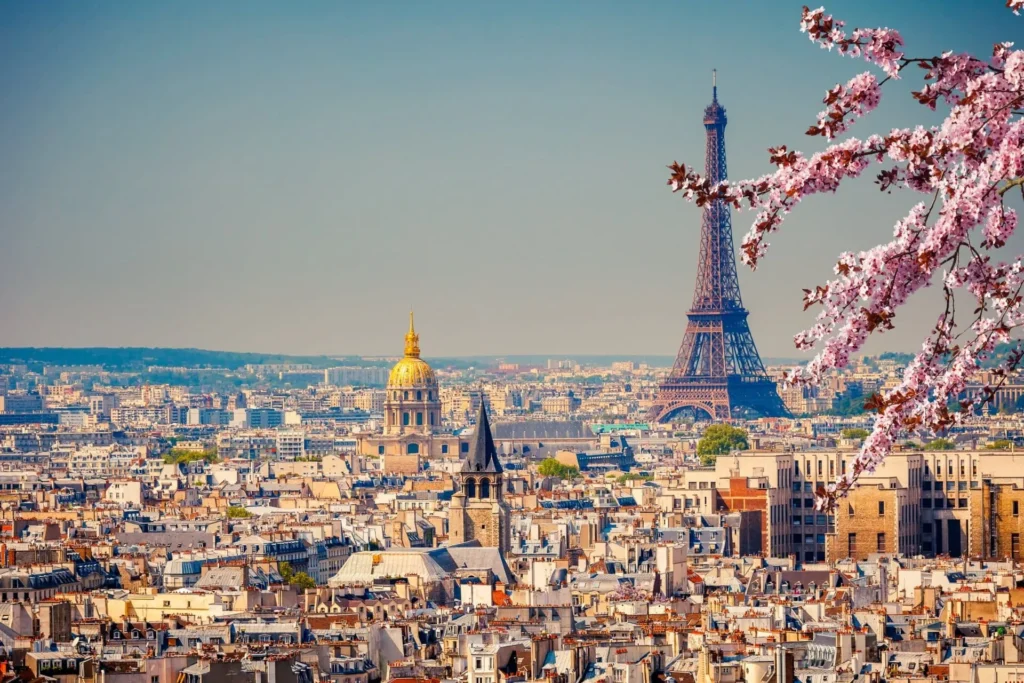
Before Nice reveals itself through architecture or address, it makes its impression through light. Morning arrives across the Baie des Anges in a wash of silver-blue; by midday, the façades of the old town deepen into ochre, apricot and faded rose; towards evening, the sea takes on the reflective sheen of polished metal. The colours are not simply picturesque. For generations, they have shaped the way the city is seen, painted, inhabited and remembered.
Nice belongs to France, yet its character carries the traces of a more complicated Mediterranean inheritance. Italianate streets, Savoyard history, Provençal ingredients and the cosmopolitan habits of the Riviera meet here without settling into a single definition. The city is at once a working urban centre and a coastal retreat, a place of serious museums and lively markets, of grand seafront hotels and everyday cafés where lunch may stretch well beyond the hour originally intended.
The most rewarding way to approach Nice is not as a smaller version of Paris or a convenient base for the Côte d’Azur, but as a destination with its own artistic and culinary intelligence. Its relationship with painters such as Henri Matisse and Marc Chagall was not incidental: the clarity of Mediterranean light, the saturated colours and the close proximity of sea, hills and historic streets offered a particular way of seeing. That same quality still shapes the visitor’s experience, whether standing above the curve of the bay or turning into a narrow lane where laundry crosses the sky between pastel façades.
For the discerning traveller, Nice offers a gentler form of Riviera glamour. It is less about spectacle than about perspective: a room overlooking the water, a morning spent among flowers and produce, an afternoon with modern art, an aperitif beside the port and dinner built around the flavours of the region. Its pleasures are best enjoyed in sequence, with enough space between them for the city’s light and pace to do their work.
The Promenade des Anglais: The City’s Great Blue Horizon
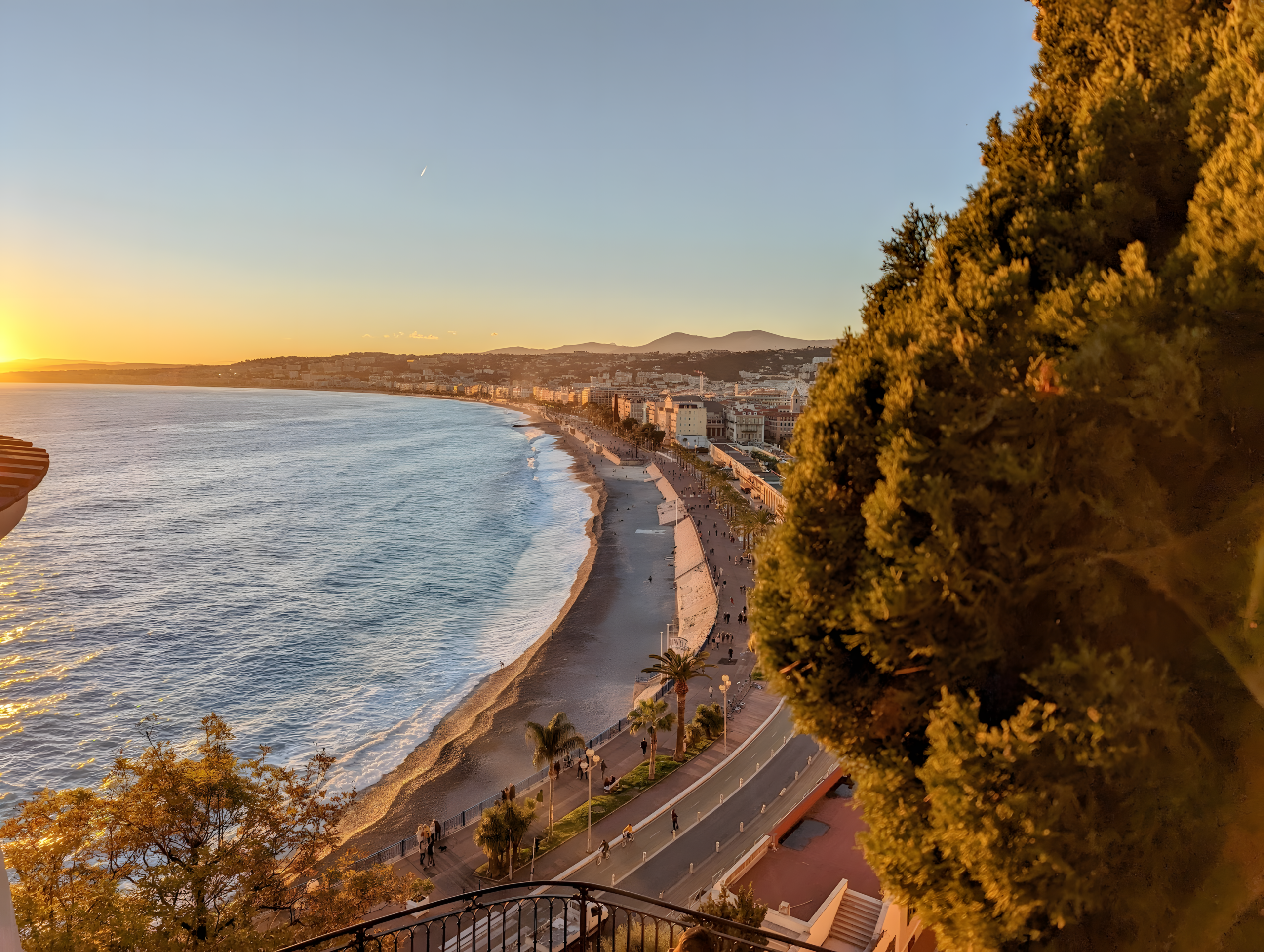
Nice’s celebrated waterfront is not merely a scenic avenue. The Promenade des Anglais grew from the presence of British winter visitors in the nineteenth century and gradually became the public stage on which the city meets the sea. Today, its long curve follows the Baie des Anges past palms, blue chairs, beach establishments and historic hotels. Walk it early, when runners and residents share the pavement with the first soft light, or return near sunset, when the water and the façades seem to hold the same warm glow.
The beaches here are predominantly pebbled, a detail worth knowing when planning a long afternoon by the sea. Some sections are public; others are operated by private beach clubs with loungers, dining and service. A reserved place by the water can turn a simple swim into an unhurried Riviera ritual, while a walk along the promenade remains one of the city’s most democratic pleasures. Look back towards the grand façades as well as out to sea: Nice’s identity has always been shaped by the dialogue between the two.
Vieux-Nice and Cours Saleya: The City at Street Level
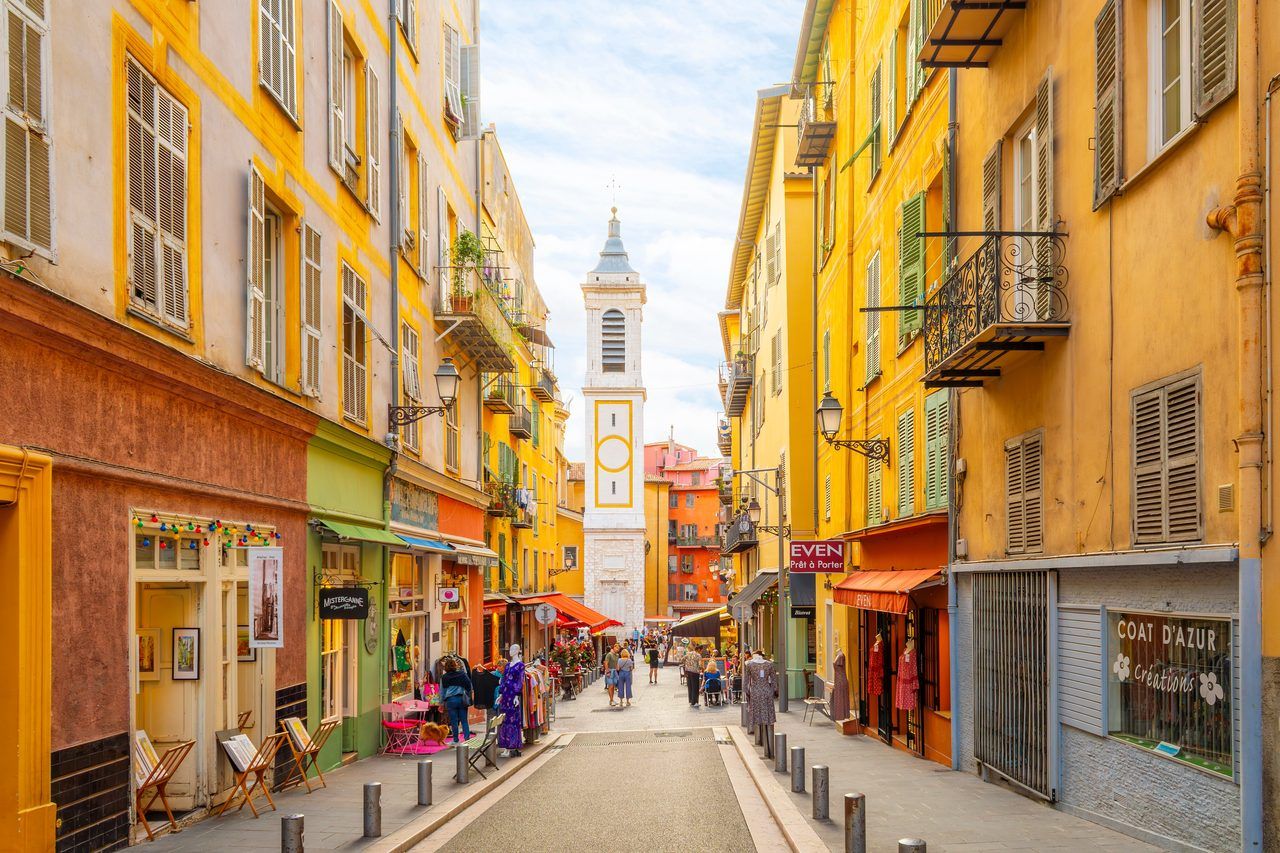
Vieux-Nice is a dense weave of narrow streets, shuttered windows, small churches and lively squares, where the city’s Italianate inheritance is visible in the colours and proportions of its buildings. The district is most evocative before the day becomes crowded, when shopkeepers are opening their doors and the scent of coffee, warm pastry and flowers drifts through the lanes. It rewards wandering rather than rigid navigation: a chapel appears unexpectedly, a tiny shop offers local specialities, and a street opens onto a square framed by ochre façades.
Cours Saleya is the district’s sensory centre. Market stalls bring together flowers, seasonal produce and the vivid abundance of the south, creating a place that feels connected to everyday life rather than staged for visitors. The market’s character changes with the season, but the principle remains constant: Nice is a city whose pleasures are often edible, fragrant and immediate. Arrive in the morning, browse without hurry, then settle nearby for a coffee or a light meal.
At Place Rossetti, the baroque Cathédrale Sainte-Réparate anchors the square with a presence that is both architectural and civic. Nearby, the Palais Lascaris preserves an elaborate interior and a collection connected to music and decorative arts. Together, these places reveal a historic centre that is not simply picturesque: it is layered with religious, domestic and cultural histories that reward looking closely.
Castle Hill: A View That Explains Nice
From the waterfront, Nice can appear to be a long, elegant line between city and sea. Castle Hill changes that impression. The elevated park looks across the old town, the port, the rooftops and the broad curve of the bay, revealing how the city is held between water and hills. The remains of the former castle are less important than the perspective itself: from here, the geography of Nice becomes legible.
Visit in the late afternoon if conditions allow, when the light softens over the sea and the terracotta roofs begin to glow. Paths, shaded areas and viewpoints make the hill a welcome pause from the streets below. Check current access arrangements before visiting, particularly if relying on the lift or planning around mobility needs.
Place Masséna and the Promenade du Paillon: Urban Elegance
Place Masséna introduces a more formal, contemporary rhythm. Its black-and-white paving, red façades and open central space form a visual hinge between the old town, shopping streets and the waterfront. It is a place to cross repeatedly rather than see once: the quality of the light, the movement of the city and the nearby cafés give it a different mood at different hours.
The Promenade du Paillon offers a green corridor through the centre, bringing gardens, shaded paths and water features into the urban fabric. It is a useful counterpoint to the stone and traffic of the surrounding streets, particularly in warmer months. Together, the square and the park show how Nice’s public spaces can feel composed without becoming formal or remote.
The Port of Nice: Maritime Character and Local Life
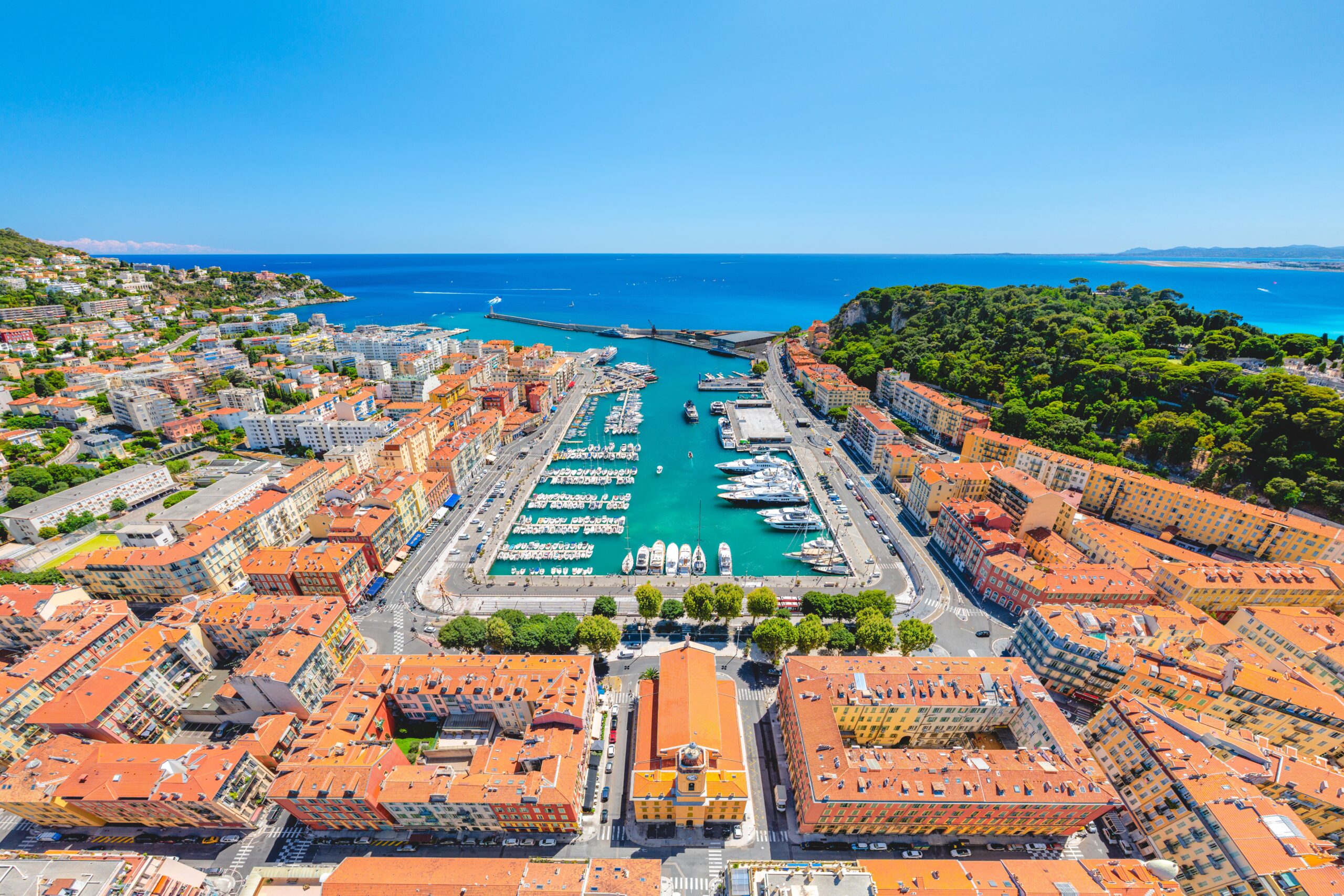
East of the old town, Port Lympia has a more intimate, working character than the celebrated waterfront. Ochre buildings frame the harbour, where traditional fishing boats sit alongside yachts and excursion vessels. The district feels like a neighbourhood rather than a resort, with independent shops, cafés and restaurants giving the quays a lived-in rhythm.
Come for a late afternoon walk and stay for an aperitif or dinner. The port also provides a useful point of departure for exploring the eastern Riviera, although schedules and routes vary by season. For a traveller interested in Nice beyond its postcard views, this is one of the places where the city feels most recognisably itself.
Matisse, Chagall and the Mediterranean Imagination
Nice’s artistic identity is inseparable from its light. The Musée Matisse, set in the Cimiez district, traces the work and development of an artist whose relationship with colour and form was profoundly shaped by the south of France. The museum’s setting, among olive trees and Roman remains, creates a quieter cultural excursion away from the waterfront.
The Marc Chagall National Museum offers a different experience, centred on the artist’s monumental biblical message cycle and related works. Its contemplative galleries invite a slower visit than the city’s outdoor promenades. For travellers who want to understand why Nice became such an important place for artists, these museums provide more than rainy-day alternatives: they deepen the experience of the landscape outside.
Allow time for Cimiez itself, where gardens, historic buildings and archaeological remains form a more residential and reflective side of Nice. This is a useful counterbalance to the energy of Vieux-Nice and the seafront, especially for visitors staying several days.
A Niçoise Table: Simple Ingredients, Distinctive Identity
The food of Nice is shaped by the Mediterranean and by the produce of its hinterland. It is not simply generic Provençal cooking: local traditions have their own names, textures and habits. Socca, a thin chickpea-flour pancake served hot, is best eaten freshly made. Pissaladière layers onions over a soft base, traditionally accented with anchovies and olives. Pan bagnat brings the components of a Niçoise salad into a round bread roll, while petits farcis showcase vegetables filled and baked with a savoury mixture.
Salade niçoise is most convincing when treated as a regional dish rather than a decorative salad, and local markets offer a window into the ingredients that define it. Olive oil, herbs, tomatoes, courgettes, citrus, anchovies and seasonal produce all contribute to the city’s culinary vocabulary. Seek out a traditional restaurant for regional cooking, then contrast it with a contemporary Mediterranean dining room where local ingredients are interpreted with a lighter, modern touch.
An excellent food itinerary should also include the Cours Saleya market, a neighbourhood bakery and time for an unplanned lunch. In Nice, the meal is not merely a pause between activities; it is one of the most direct ways to understand the city’s relationship with place.
Five Ways to Experience the Art of Riviera Living
The best luxury hotel in Nice depends on the experience you want from the Riviera: historic grandeur, contemporary design, a rooftop panorama or a more secluded retreat above the old town. These properties offer different interpretations of the city rather than a single formula.
Le Negresco
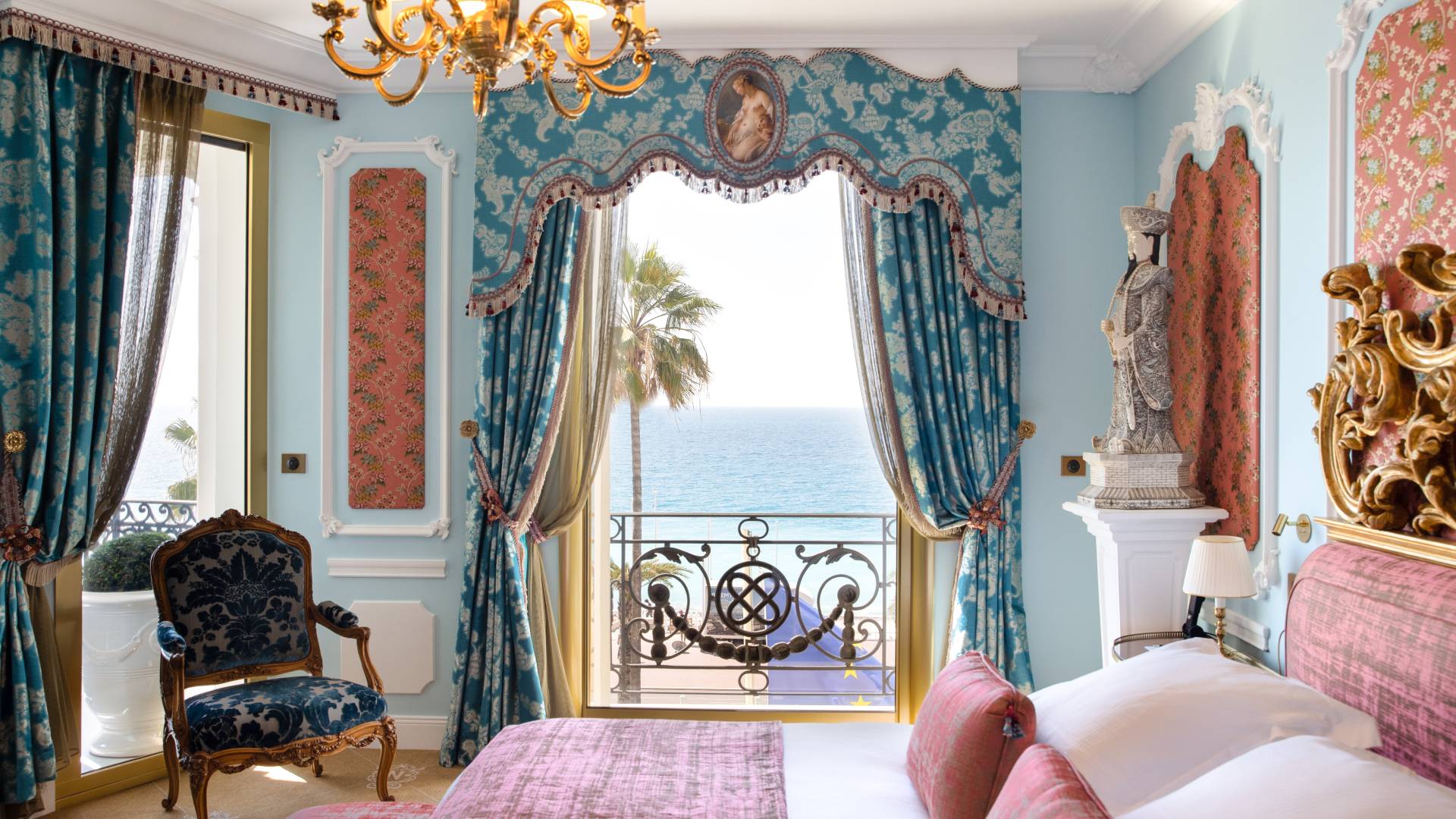
On the Promenade des Anglais, Le Negresco is one of Nice’s defining hotel landmarks. Its distinctive dome and richly individual interiors set it apart from the polished uniformity of many international luxury properties. The hotel’s rooms and suites draw on a broad range of French art and decorative periods, combining antiques, paintings and contemporary pieces. It is an address for travellers who enjoy character, history and a sense that the building itself is part of the destination.
Anantara Plaza Nice Hotel
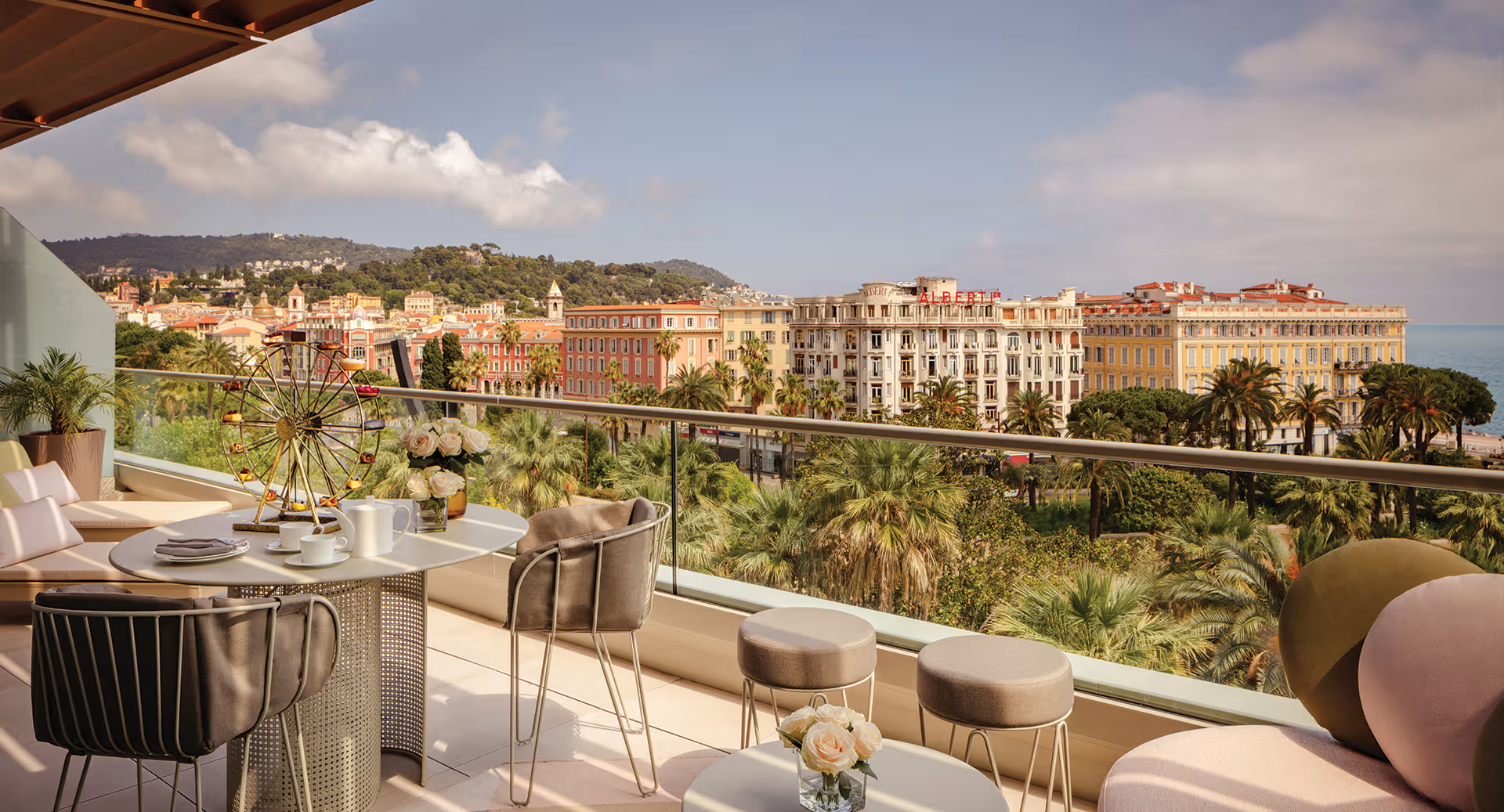
Near Place Masséna and the gardens, Anantara Plaza Nice offers a contemporary base between the city centre and the waterfront. Its rooftop restaurant, SEEN by Olivier, is a particular draw, pairing Mediterranean flavours with Asian influences and panoramic views over the sea and old town. The address suits travellers who want to move easily between shopping, historic streets and the promenade, then return to a modern hotel with a strong dining and rooftop identity.
Hôtel du Couvent, a Luxury Collection Hotel
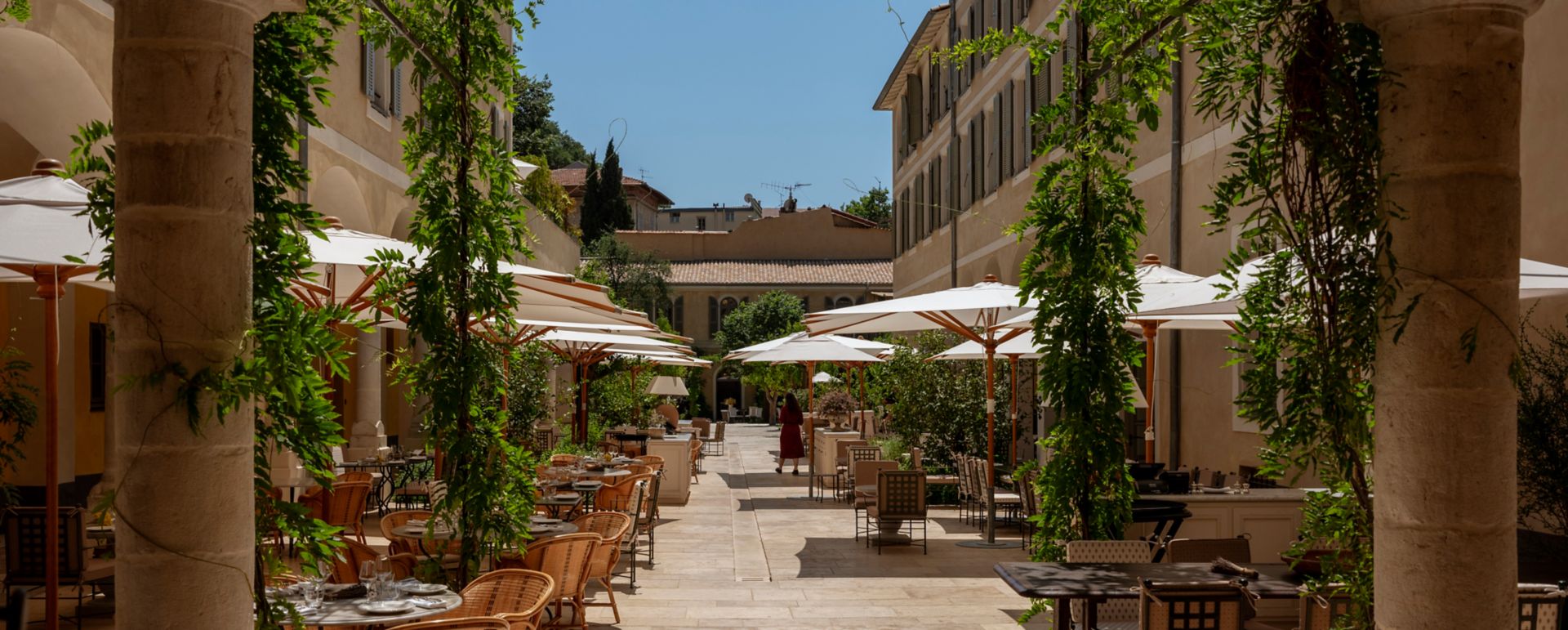
Set in the old town within a restored former convent, Hôtel du Couvent offers a more inward-looking version of luxury. Its historic setting, gardens, Roman-bath-inspired wellness spaces and pool create a retreat from the busy lanes outside. The atmosphere is shaped by architecture, gardens and a slower rhythm rather than seafront spectacle. It is particularly appealing to travellers who value a sense of place and prefer their hotel to feel woven into the neighbourhood.
Hyatt Regency Nice Palais de la Méditerranée
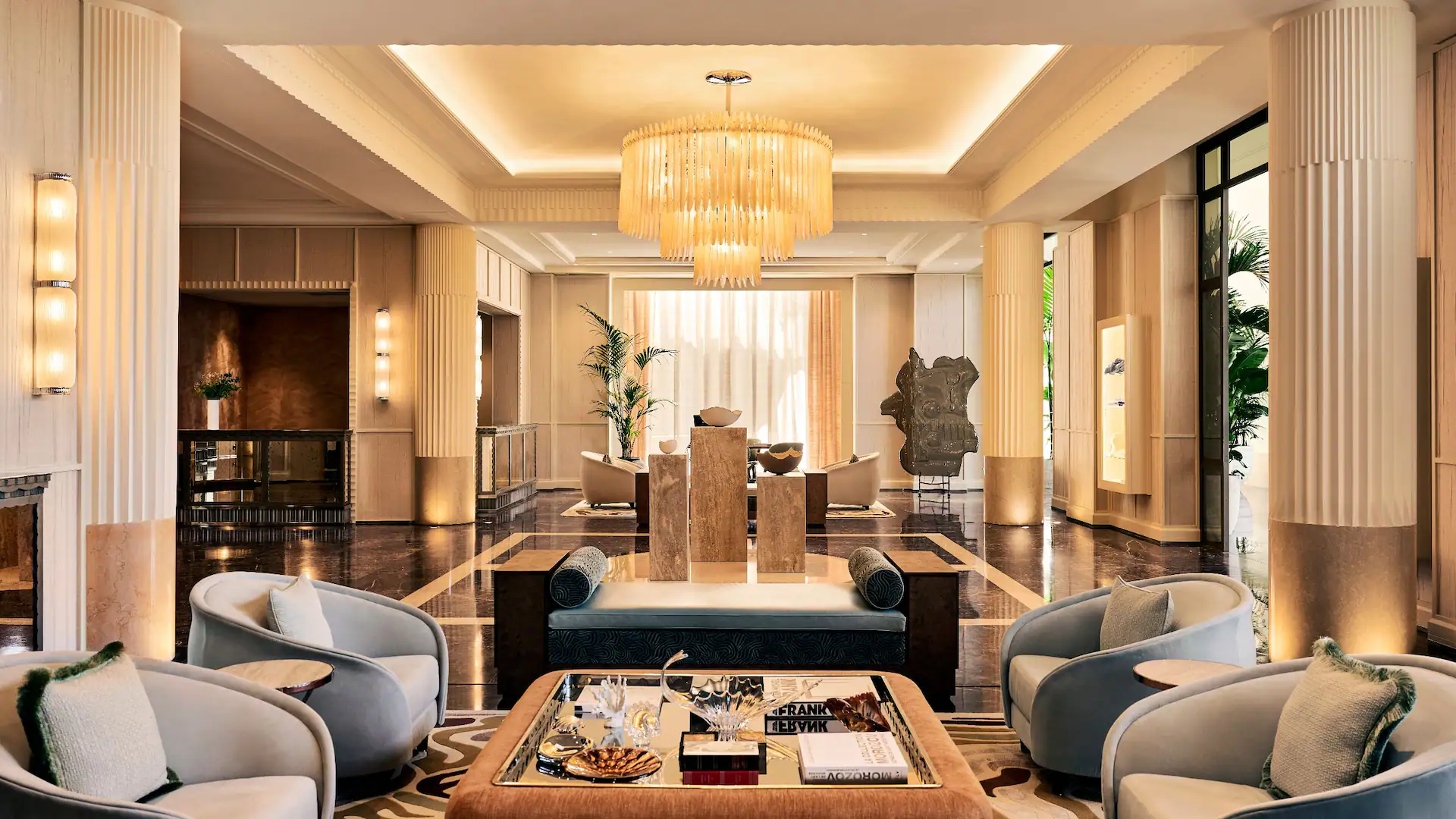
Facing the Baie des Anges on the Promenade des Anglais, the Hyatt Regency Nice Palais de la Méditerranée combines an Art Deco-inspired façade with the practical comforts of a full-service waterfront hotel. Its position makes the sea the defining presence of the stay, while the central location keeps the old town, shopping streets and cultural sites within convenient reach. It works well for travellers who want classic Riviera views with an international hotel service structure.
Maison Albar – Le Victoria
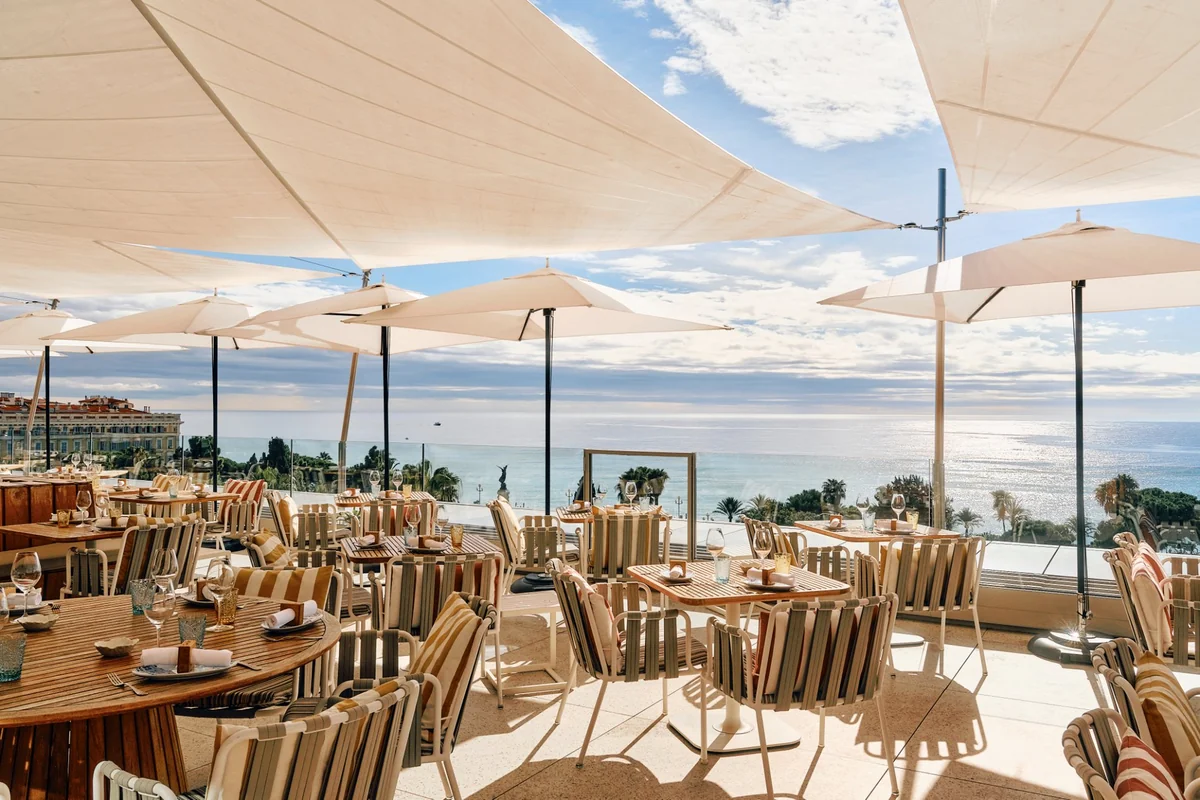
Maison Albar – Le Victoria brings a more contemporary, design-conscious sensibility to the central waterfront area. Its appeal lies in the combination of refined interiors and a location suited to exploring Nice on foot. For travellers comparing properties, it offers an alternative to the city’s historic grande dame hotels, with a mood that is modern rather than nostalgic. Confirm the latest room categories, wellness facilities and dining arrangements directly before booking.
Hotel facilities, restaurant concepts and seasonal services may change. Verify current details with each property, especially when planning around rooftop venues, beach partnerships or wellness access.
When to Visit Nice
Spring is ideal for walking, markets and cultural visits, with milder temperatures and gardens coming into bloom. The city feels lively without the full intensity of summer, though event dates can increase demand.
Summer brings long beach days, outdoor dining and the classic Riviera atmosphere. It is also the busiest period, with higher temperatures and stronger demand for hotels, beach clubs and restaurants. Reserve key experiences in advance and plan outdoor walks for morning or evening.
Autumn often offers warm sea conditions early in the season, softer light and a more relaxed pace after the peak summer period. It is a rewarding time for food, art and neighbourhood exploration.
Winter is comparatively gentle by northern European standards, though rain and cooler days are possible. The city’s cultural life continues, and the famous Nice Carnival usually brings a distinct seasonal energy; check the official calendar for exact dates and programme details.
A Considered Three-Day Nice Itinerary
Day One — Old Town and the Bay
Begin early in Vieux-Nice and Cours Saleya, when the market is at its most atmospheric. Visit Sainte-Réparate Cathedral and allow time to explore the lanes before climbing or taking the available access route to Castle Hill. Spend the afternoon along the Promenade des Anglais, perhaps with a reserved place at a beach club, and finish with dinner featuring Niçoise specialities.
Day Two — Art and the City’s Elegant Centre
Dedicate the morning to the Musée Matisse or Marc Chagall National Museum, choosing according to your interests rather than trying to squeeze both into a hurried schedule. Return towards Place Masséna and the Promenade du Paillon for a late lunch and a gentle walk. In the evening, consider a rooftop aperitif or a carefully booked restaurant.
Day Three — The Port and a Slower Riviera Pace
Explore Port Lympia and its surrounding streets in the morning, then leave the afternoon open for independent galleries, shopping, a longer lunch or a coastal excursion. Nice also works well as a base for discovering nearby Riviera towns, but check transport schedules and allow enough time to enjoy the destination rather than spending the day in transit.
Getting Around and Planning Well
Central Nice is rewarding on foot, particularly when exploring Vieux-Nice, Place Masséna, the seafront and the port. Trams and local buses help connect areas farther apart, while taxis and pre-arranged transfers are useful for airport arrivals, evening plans or travellers seeking door-to-door comfort. The city’s hills and cobbled streets can affect walking times, so allow realistic buffers.
Reserve sought-after hotels, restaurants and beach clubs ahead of peak season. Museum opening days, temporary exhibitions, event calendars and local transport arrangements can change; check official information shortly before travel. If you plan to swim, remember that the city’s pebble beaches differ from sandy resort beaches, and choose footwear and beach arrangements accordingly.
Beyond Nice: Continue Along the French Riviera and Beyond
Nice makes a natural starting point for exploring the French Riviera, but each neighbouring destination carries its own temperament. Cannes shifts the emphasis towards film culture, private beaches, yachts and a more theatrical version of coastal glamour. Travelling inland, Provence trades the sea-facing promenade for hilltop villages, market squares, vineyards and the slower rituals of southern French life.
For a different relationship with food and heritage, Lyon offers a deeply rooted culinary culture and historic streets shaped by centuries of trade. Bordeaux leads into grand wine estates and vineyard landscapes, while Strasbourg brings canals, timber-framed architecture and the layered identity of Alsace. Far from the coast, Chamonix-Mont-Blanc introduces an alpine world of glacial panoramas and mountain air—a striking contrast to Nice’s Mediterranean light.
These journeys work best when each place is given its own pace. Nice can be a destination in itself, not merely a gateway, and a longer French itinerary becomes richer when coastal, urban, rural and alpine experiences are allowed to complement rather than compete with one another.
Frequently Asked Questions
How many days should I spend in Nice?
Three days provides a balanced introduction to the old town, seafront, art museums and local cuisine. Four or five days allows a slower pace and room for a day trip along the Riviera.
What is the best area to stay in Nice?
The Promenade des Anglais suits travellers who prioritise sea views and beach access. Vieux-Nice offers historic atmosphere and proximity to markets, while the area around Place Masséna is convenient for shopping, dining and exploring on foot.
Which luxury hotels are worth considering in Nice?
Le Negresco, Anantara Plaza Nice, Hôtel du Couvent, Hyatt Regency Nice Palais de la Méditerranée and Maison Albar – Le Victoria each offer a distinct style. Compare location, atmosphere and current facilities rather than choosing by category alone.
When is the best time to visit Nice?
Spring and early autumn are excellent for walking and cultural visits. Summer suits beach-focused stays but is busier. Winter offers a quieter city experience, with seasonal events such as the Nice Carnival adding interest.
Is Nice known for its own cuisine?
Yes. Regional specialities include socca, pissaladière, pan bagnat, petits farcis and salade niçoise. Markets and traditional restaurants are good places to discover the local food culture.
Are the beaches in Nice sandy?
Most central beaches are pebbled rather than sandy. Some areas are public and others are operated by private beach clubs. Check access, facilities and seasonal availability before planning a full beach day.
Can Nice be explored without a car?
Yes. The central districts are walkable, with trams and buses useful for longer journeys. A car may be helpful for selected hinterland excursions, but it is not necessary for a central Nice itinerary.
Which destinations pair well with Nice?
Cannes makes an easy Riviera contrast; Provence offers villages and countryside; Lyon and Bordeaux are strong choices for food and wine; Strasbourg offers a different cultural identity; and Chamonix-Mont-Blanc brings a dramatic alpine counterpoint.
The Luminara Perspective
Nice is most compelling when the Riviera is understood not as a performance of luxury, but as a way of living with the landscape. The sea is always close, yet the city’s identity extends inland through its markets, churches, artists, gardens and neighbourhood restaurants. Its most memorable experiences often come from moving between these worlds without trying to dominate the day with an overfilled schedule.
Choose a hotel that reflects the kind of stay you want, make room for the museums and markets, and let the changing light set the pace. A morning in Vieux-Nice, an afternoon beside the bay and an evening at the port can reveal more of the city than a list of hurried stops. Nice offers a distinct Riviera elegance: colourful, culturally grounded and quietly generous to those who give it time.
Beyond the Familiar
For travellers who wish to extend their Riviera stay, Cannes offers a different register of coastal glamour, shaped by its international film festival, yacht-filled harbour and private beach clubs. The contrast with Nice is part of the appeal: one city balances art, markets and daily life; the other has cultivated a more theatrical relationship with the Mediterranean.
A journey inland leads towards Provence, where the rhythm changes from seafront promenades to village squares, seasonal markets and landscapes of vineyards and olive groves. Travellers drawn to regional food and architecture may also find Lyon a rewarding addition, with its historic passageways and deeply rooted culinary traditions.
For a broader portrait of France, Bordeaux opens the door to wine estates and elegant riverfront architecture, while Strasbourg reveals the distinctive heritage of Alsace through canals, timber-framed houses and a culture shaped by French and German influences. Those seeking a dramatic change of scenery can continue to Chamonix-Mont-Blanc, where the Mediterranean gives way to glaciers and the high peaks of the Alps.