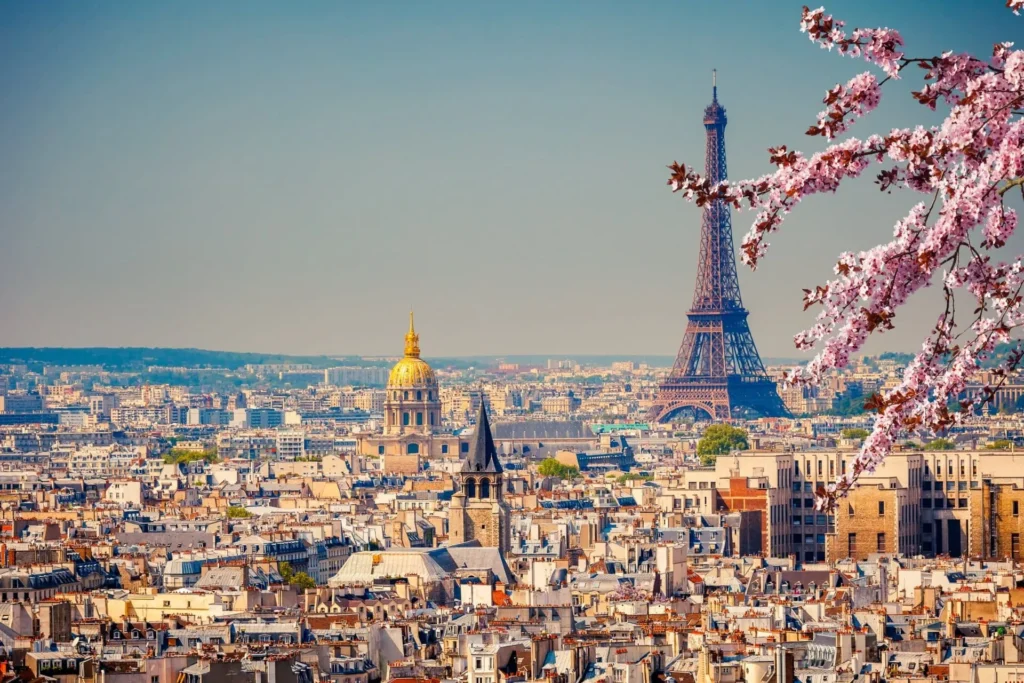
There is a particular confidence to Paris that reveals itself not through grandeur, but through proportion. A wrought-iron balcony above a quiet street, the measured rhythm of Haussmannian façades, a bookshop keeping its place beside a centuries-old church, or a café terrace where the afternoon seems to have acquired its own unhurried purpose. Paris does not need to announce its sophistication. It has spent centuries refining it.
The city’s influence extends far beyond its monuments. It has shaped the way the world understands haute couture, the language of modern art, the traditions of fine dining and the very idea that an ordinary day can be approached with discernment. Yet the most compelling Paris is rarely found by moving hurriedly between its celebrated landmarks. It emerges in the relationship between them: in the transition from the formal gardens of the Tuileries to the galleries of Rue Saint-Honoré, from the intellectual legacy of Saint-Germain-des-Prés to the intimate courtyards of Le Marais.
For the discerning traveller, Paris offers something more enduring than a collection of celebrated addresses. It offers access to a way of seeing. Architecture becomes part of the daily experience; food carries the memory of a region; fashion is treated as both craft and cultural expression. Even its grandest institutions feel connected to the life of the streets beyond their doors.
To experience Paris well is to understand that its greatest luxury is not simply what can be reserved, purchased or admired. It is the freedom to inhabit the city with curiosity—to linger over a long lunch, enter a museum without surrendering the entire day to it, discover a neighbourhood on foot and return, eventually, to a hotel that feels like a private address within one of the world’s great cultural capitals.
The Seine: Paris in Conversation with Itself
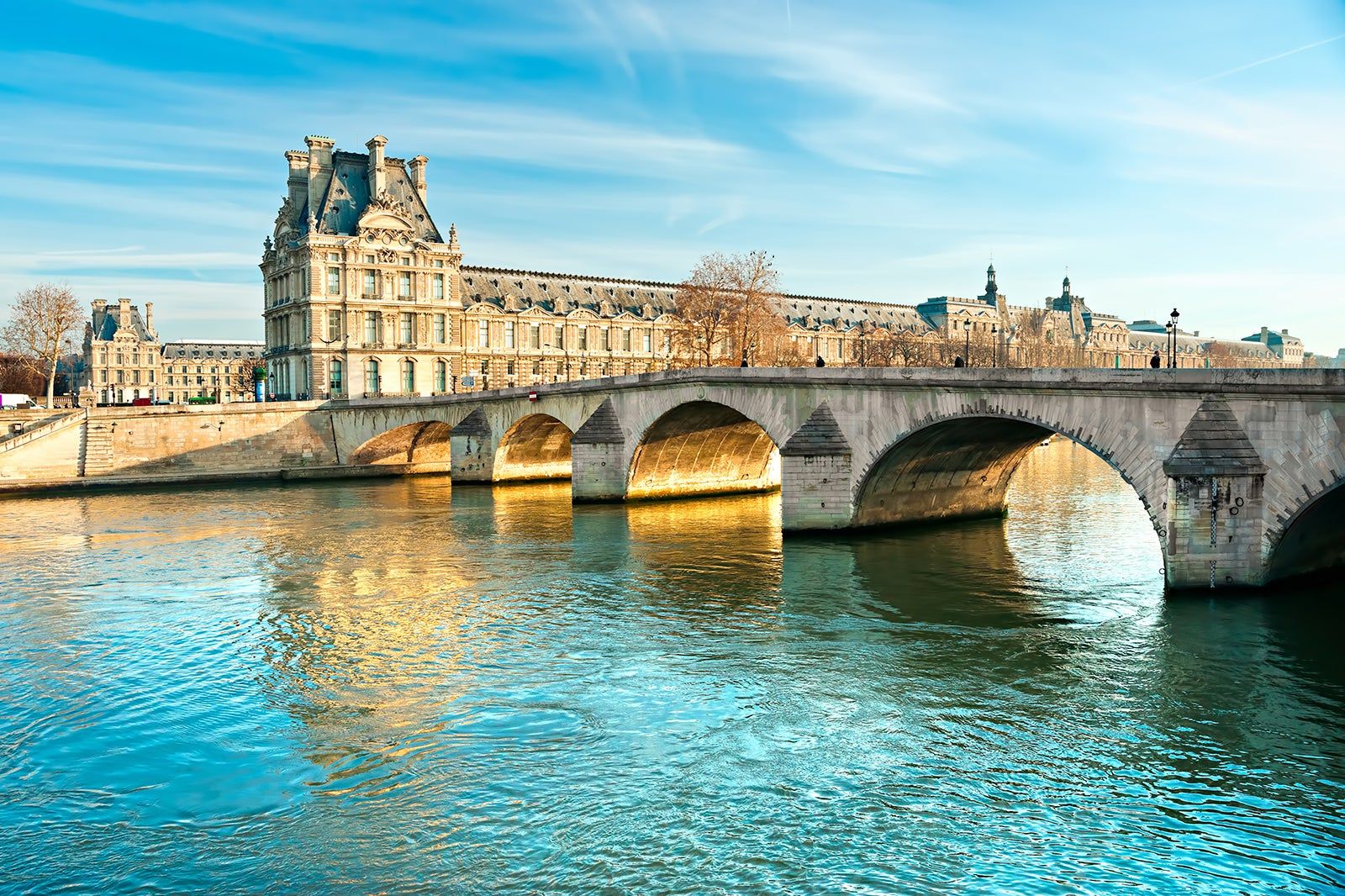
The Seine is more than a scenic thread through the capital; it is the city’s enduring organising principle. Bridges connect distinct neighbourhoods, quays invite long walks, and the river’s changing light gives familiar façades a different character by the hour. From the Île de la Cité, where Paris first took shape, to the broad perspectives near the Louvre and the Musée d’Orsay, the water offers a quietly revealing way to understand the city.
A private boat excursion can make the river feel less like a route and more like a salon afloat. Choose a departure near dusk, when the stone embankments warm in the last light and the monuments begin to illuminate. The experience is not about ticking off landmarks; it is about watching Paris rearrange itself in reflections.
Île de la Cité and Sainte-Chapelle: The City’s Medieval Heart
At the historic centre of Paris, the Île de la Cité retains a sense of origin beneath the movement of the modern city. Notre-Dame de Paris, restored and reopened following the devastating 2019 fire, remains a defining work of Gothic architecture and a living emblem of French cultural memory. Its sculpted portals, towers and flying buttresses reward attention to detail as much as admiration from a distance.
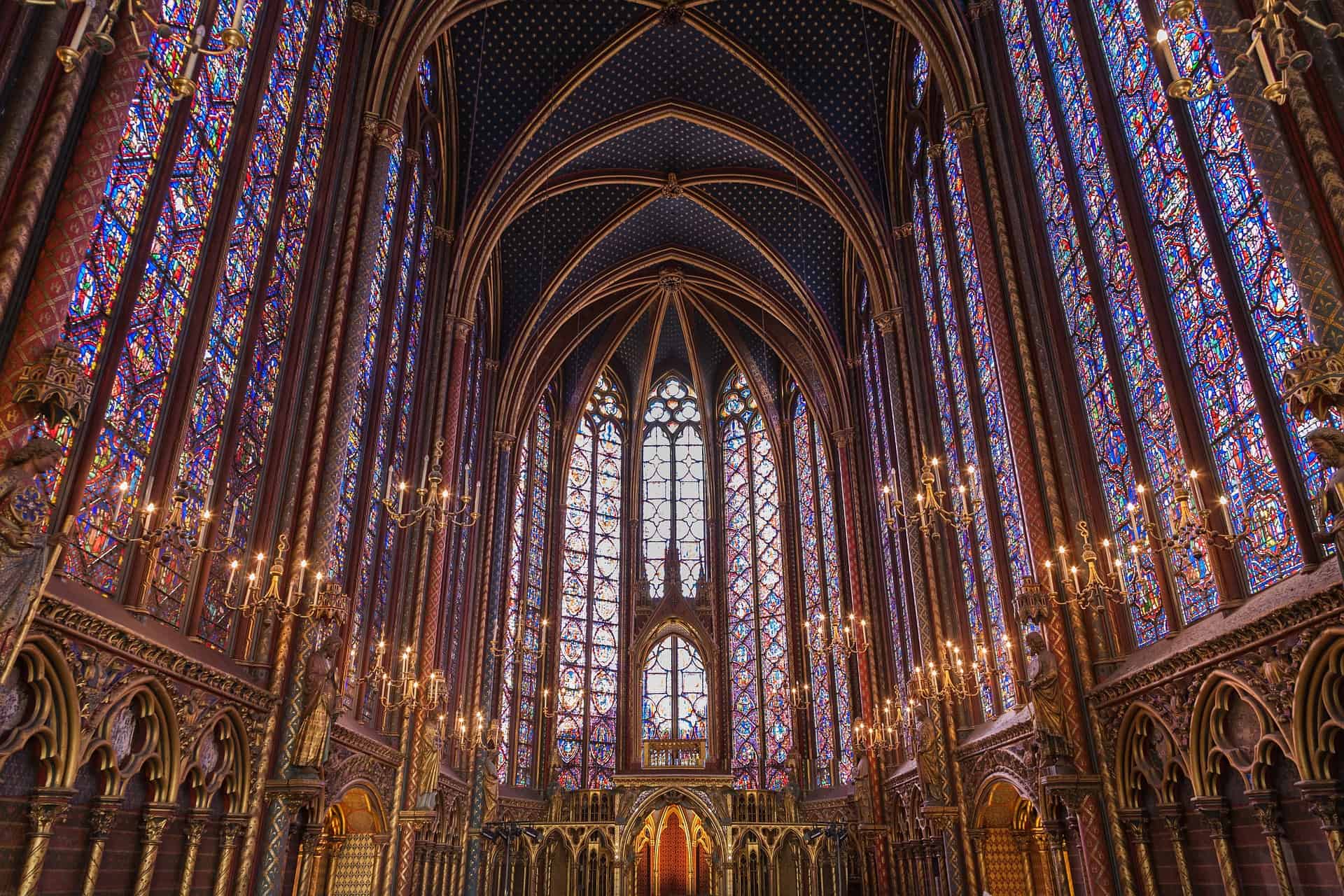
Nearby, Sainte-Chapelle offers a more intimate encounter with the medieval imagination. Commissioned by Louis IX to house sacred relics, its upper chapel is enveloped in stained glass that transforms sunlight into a sequence of jewel-like narratives. Visit early in the day where possible, allowing time to look beyond the overall spectacle and follow the intricate stories held within the glass.
The Eiffel Tower: An Icon with a Changing Perspective
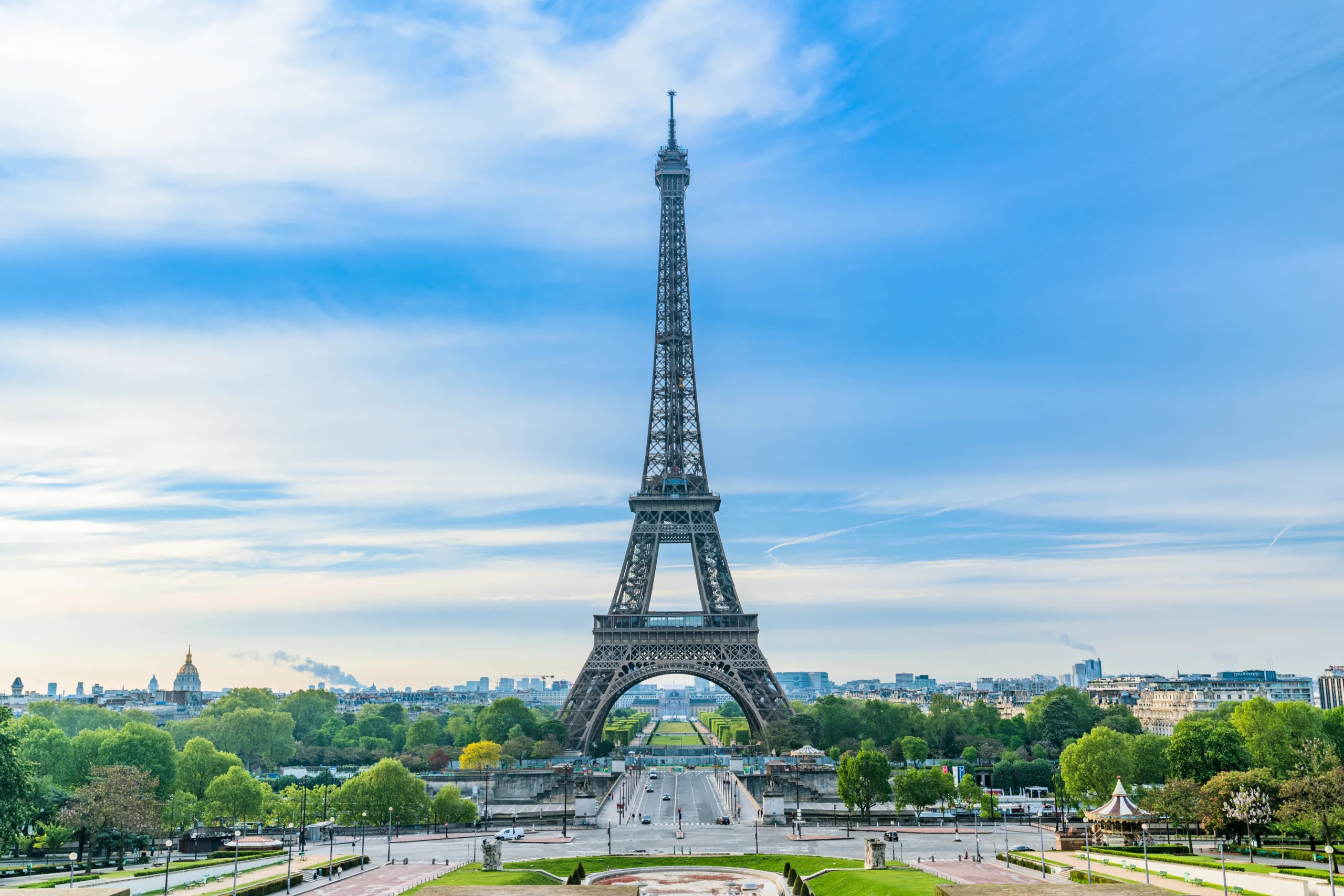
The Eiffel Tower has become so familiar in photographs that it is easy to forget the audacity of its original engineering. Designed for the 1889 Exposition Universelle, it was once a controversial structure; today, its iron lattice is inseparable from the Parisian skyline. The most rewarding encounter is often a combination of perspectives: the tower viewed from the Champ de Mars, framed across the Seine from Trocadéro, and finally from above, where the city’s geometry becomes legible.
For a more composed visit, reserve timed access in advance and avoid treating the ascent as a rushed stop between attractions. The surrounding avenues and gardens are at their most evocative in the softer light of early morning or evening.
The Louvre and Musée d’Orsay: Two Different Ideas of Art
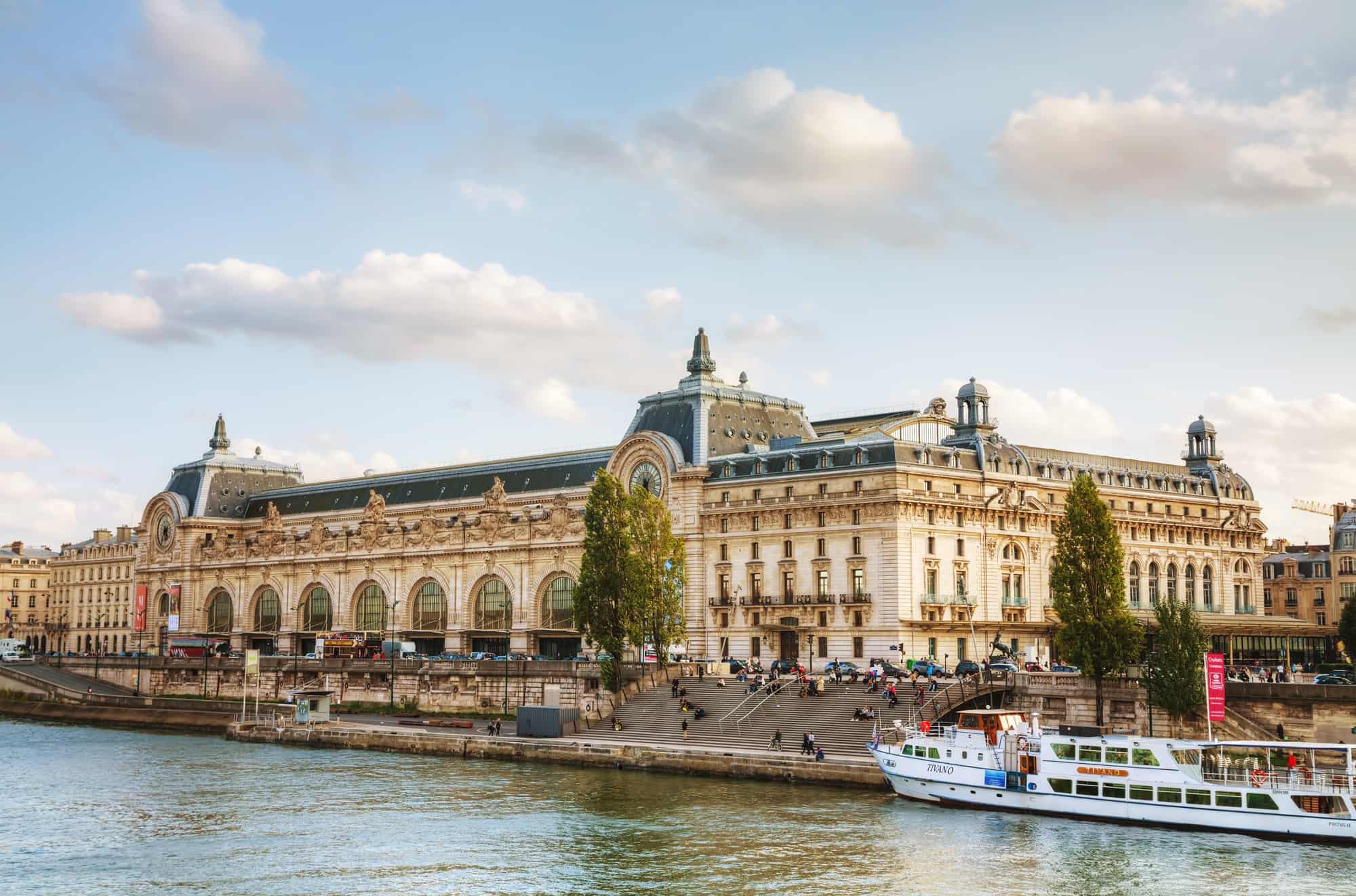
The Louvre’s scale can be overwhelming, and that is precisely why a considered visit matters. Rather than attempting to cover its vast collections, build the experience around a small number of works, galleries or periods. The Mona Lisa may draw the crowds, but the museum’s breadth—from ancient civilisations to French monumental painting—reveals how art has travelled, been collected and reinterpreted across centuries.
Across the river, the Musée d’Orsay offers a different rhythm. Housed in a former railway station, its great clock, ironwork and soaring central hall form a setting as memorable as the collection. Impressionist and Post-Impressionist works by artists including Monet, Renoir, Degas and Van Gogh invite a closer look at the changing relationship between light, modern life and the act of seeing. Together, the two museums make an illuminating pair: one expansive and encyclopaedic, the other shaped by a decisive period of artistic transformation.
Palais Garnier: The Theatre of Parisian Grandeur
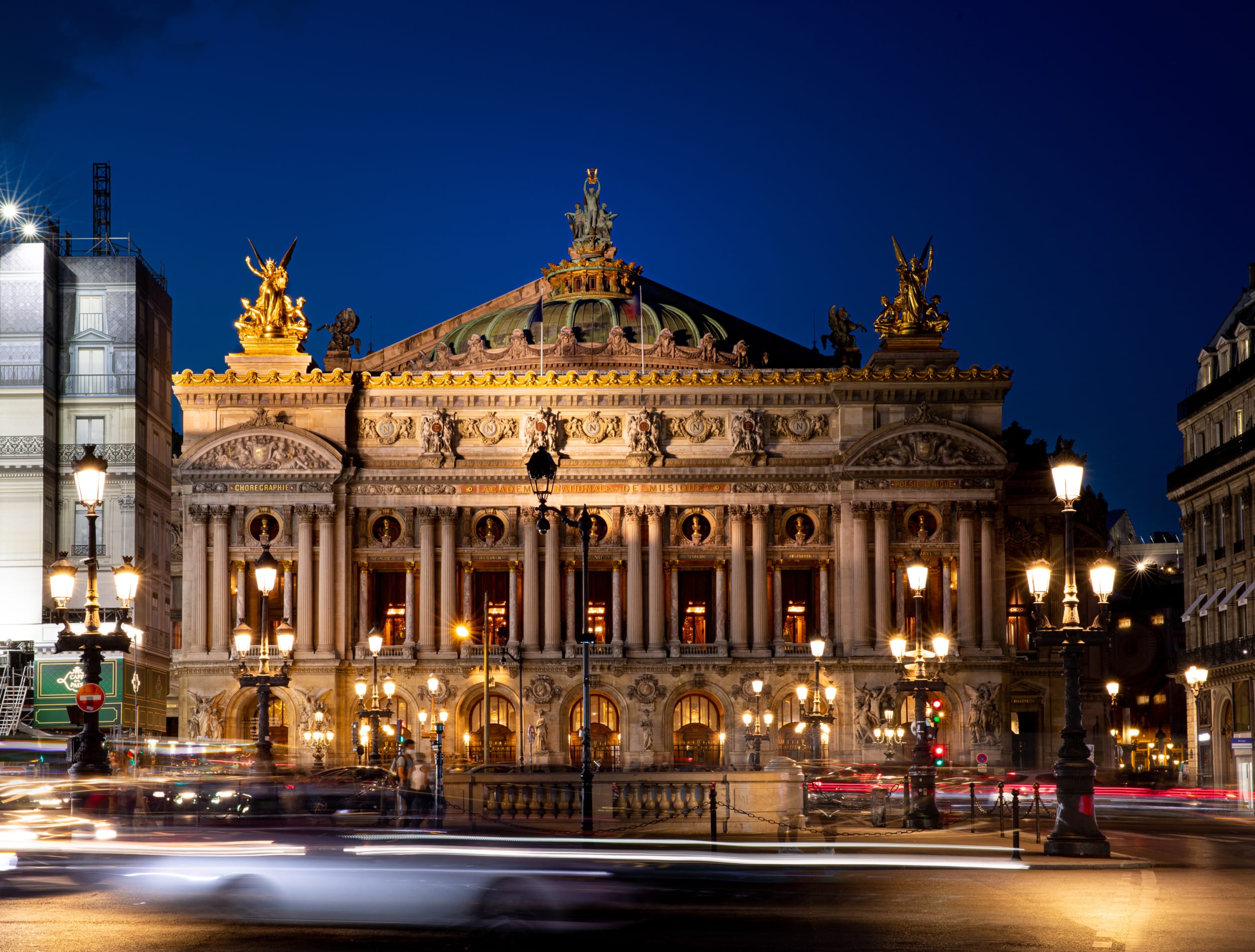
Palais Garnier is an architectural performance even when the curtain is not raised. Commissioned under Napoleon III and completed in the nineteenth century, the opera house layers marble, gilding, sculpture and theatrical symbolism into a richly orchestrated interior. The Grand Staircase turns arrival into ceremony; the auditorium, with its painted ceiling and horseshoe arrangement, is a reminder that the performing arts once occupied the centre of public life.
When performances align with a visit, an evening at the opera or ballet offers a more immersive encounter than a daytime tour alone. Dress with care, arrive early and allow the building to be part of the occasion.
Montmartre: Beyond the Postcard
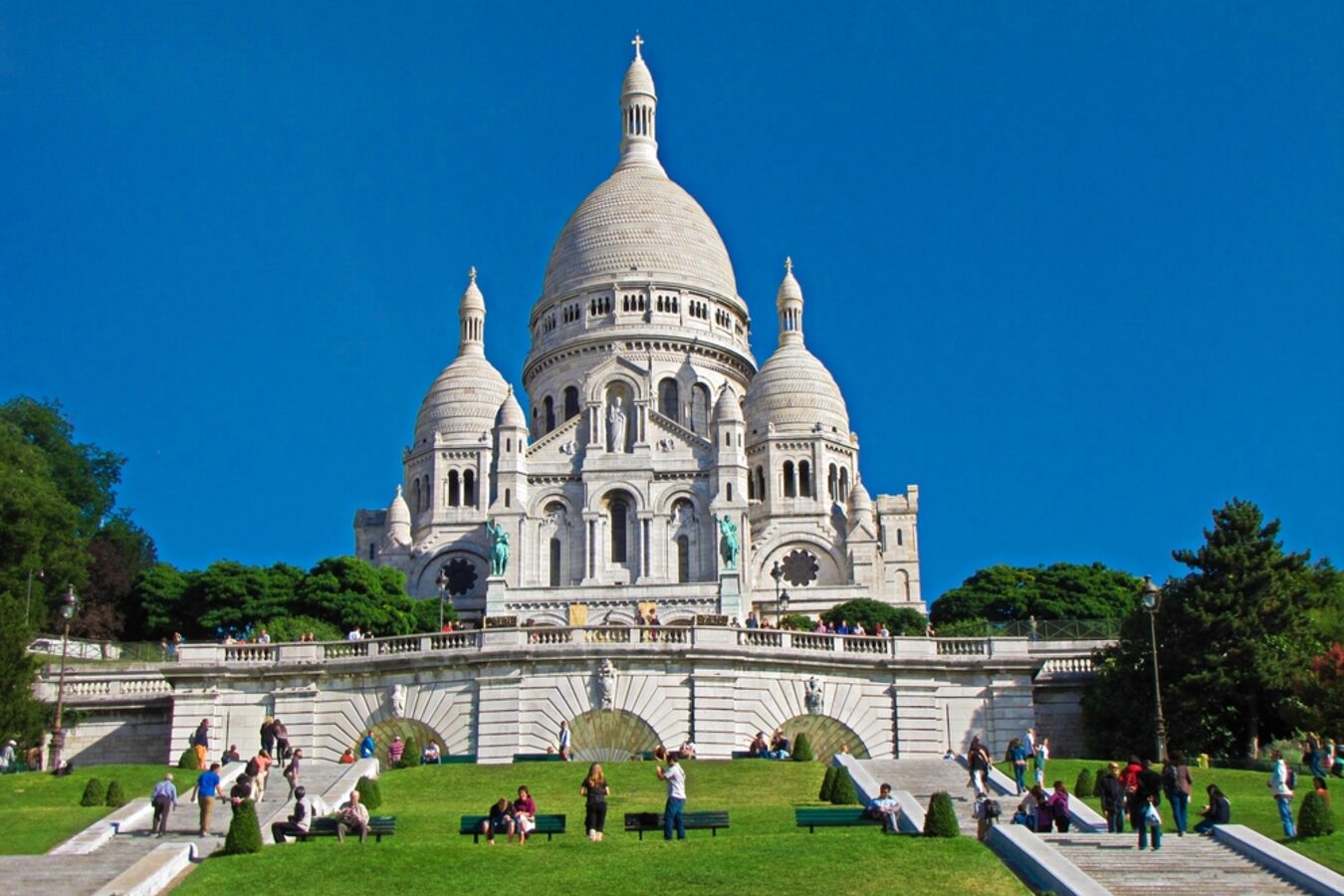
Montmartre rises above the city with a character that feels distinct from the formal boulevards below. Its history of artists, cabarets and independent-minded residents is still present in its sloping streets, small squares and studios, though the area’s popularity has changed its tempo. The Basilica of Sacré-Cœur commands a wide view across Paris, but the neighbourhood is best understood by walking beyond the main approach.
Seek out quieter lanes, pause in Place du Tertre when the artists are at work, and allow time for the area’s village-like corners. Early morning is particularly rewarding, before the busiest visitor hours settle over the hill.
Le Marais: Historic Architecture, Contemporary Energy
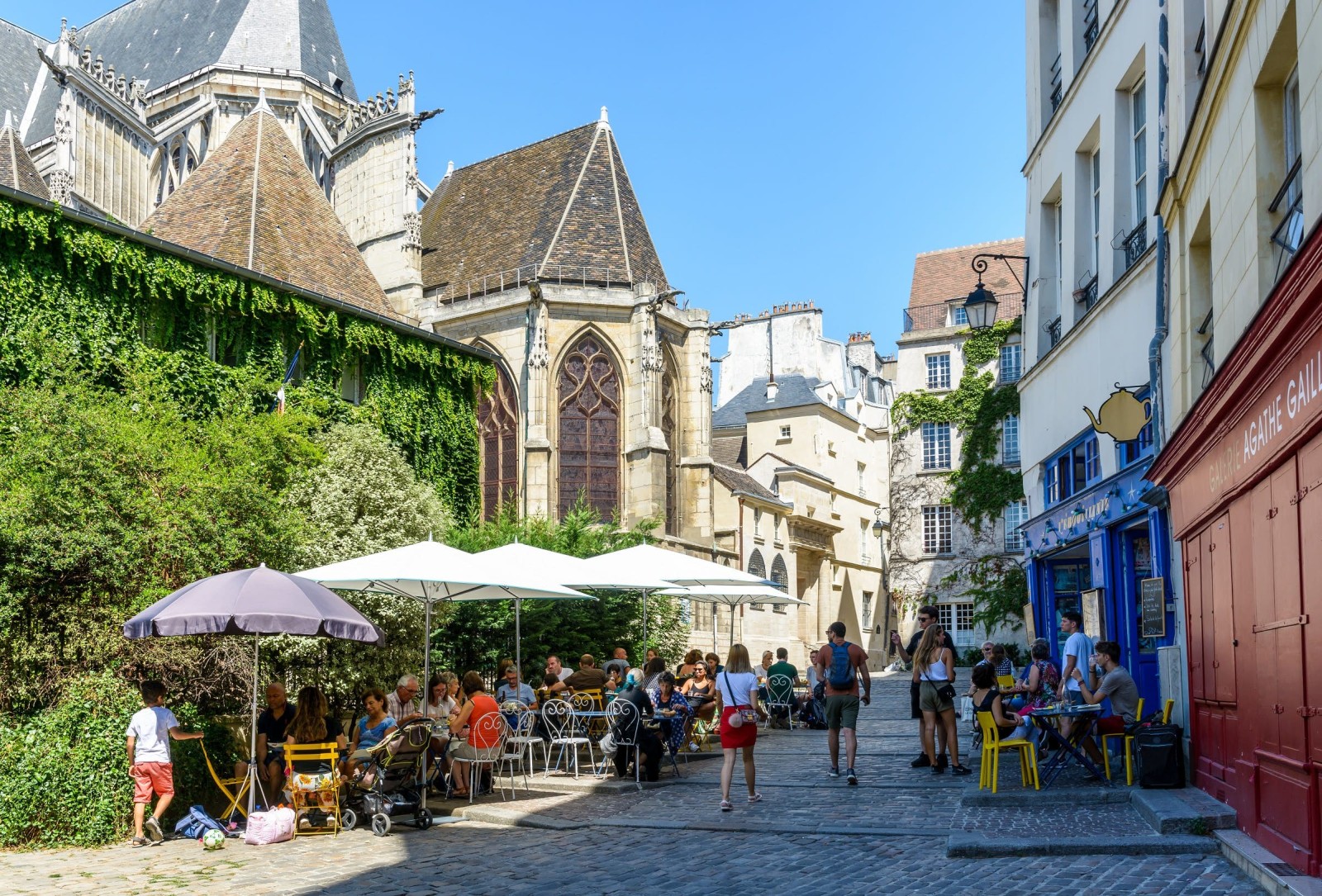
Le Marais is a study in Parisian layers. Noble townhouses and enclosed courtyards sit alongside independent galleries, design shops, cafés and a lively food scene. Its streets preserve traces of aristocratic Paris while welcoming a more contemporary, creative sensibility. The Musée Carnavalet, dedicated to the history of Paris, offers context for the district and the city beyond it.
Rather than follow a rigid route, leave room for discovery: a courtyard glimpsed through an open doorway, a small gallery, a specialist bookshop or a bakery drawing a queue around the corner. This is a neighbourhood for travellers who value the texture of a place as much as its headline attractions.
Saint-Germain-des-Prés: The Intellectual Café
On the Left Bank, Saint-Germain-des-Prés carries the memory of literary salons, philosophy and post-war intellectual life. Its cafés are famous, but their significance is not merely nostalgic: they represent the Parisian habit of allowing conversation to occupy public space. Independent bookshops, galleries and elegant streets make this an excellent district for an unhurried afternoon.
Come without an overfilled schedule. A coffee, a browse through a bookshop and a walk towards the Luxembourg Gardens can create a more persuasive portrait of the Left Bank than a checklist of addresses.
Fashion, Design and the Right Address
Paris remains one of the central stages of international fashion, yet its style is not confined to the grand maisons. Around Avenue Montaigne and Rue Saint-Honoré, flagship boutiques and couture houses present fashion as craft, heritage and theatre. The historic department stores—particularly Galeries Lafayette and Le Bon Marché—offer a broader view, bringing emerging designers, established labels, beauty and interiors into a single architectural experience.
Travellers interested in design should also explore smaller concept stores and galleries, where the city’s contemporary creative life is less ceremonial. A private shopping appointment or a specialist stylist can be useful for those seeking a focused experience, but the pleasure of Parisian style also lies in observing how clothes, interiors and public life share a common attention to detail.
The Parisian Table: From the Market to the Michelin Star
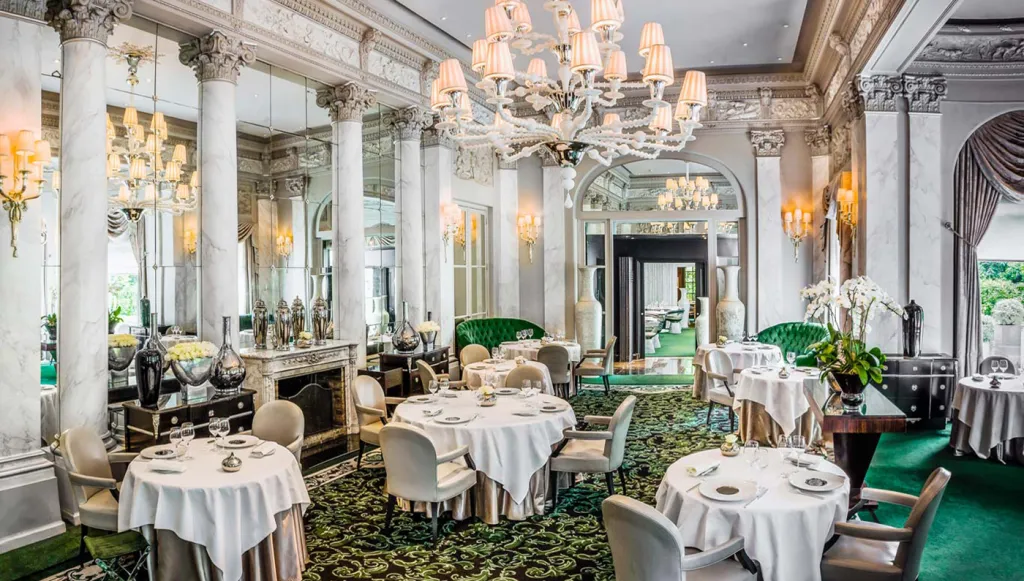
Parisian gastronomy is most satisfying when approached as a spectrum rather than a hierarchy. The city’s grand dining rooms and Michelin-starred restaurants are part of its reputation, but so are neighbourhood bistros, bakeries, market streets and the small rituals of an afternoon pâtisserie. A perfectly made croissant, a seasonal dish written on a chalkboard or a cheese course selected with care can communicate as much about French food culture as an elaborate tasting menu.
For a formal evening, book well in advance and decide what kind of experience matters most: classical French technique, contemporary experimentation, a celebrated chef’s signature or a room with a distinctive sense of occasion. By day, allow the itinerary to include a market or bakery. Paris is a city in which appetite can guide exploration, provided the experience is approached with curiosity rather than haste.
Luxury Stays in Paris: Four Distinct Expressions of Excellence
Choosing among the luxury hotels in Paris is less about identifying a single ‘best’ address than understanding the atmosphere each property creates. Location, service philosophy, architecture and the relationship between public rooms and private space all shape the stay.
Four Seasons Hotel George V, Paris
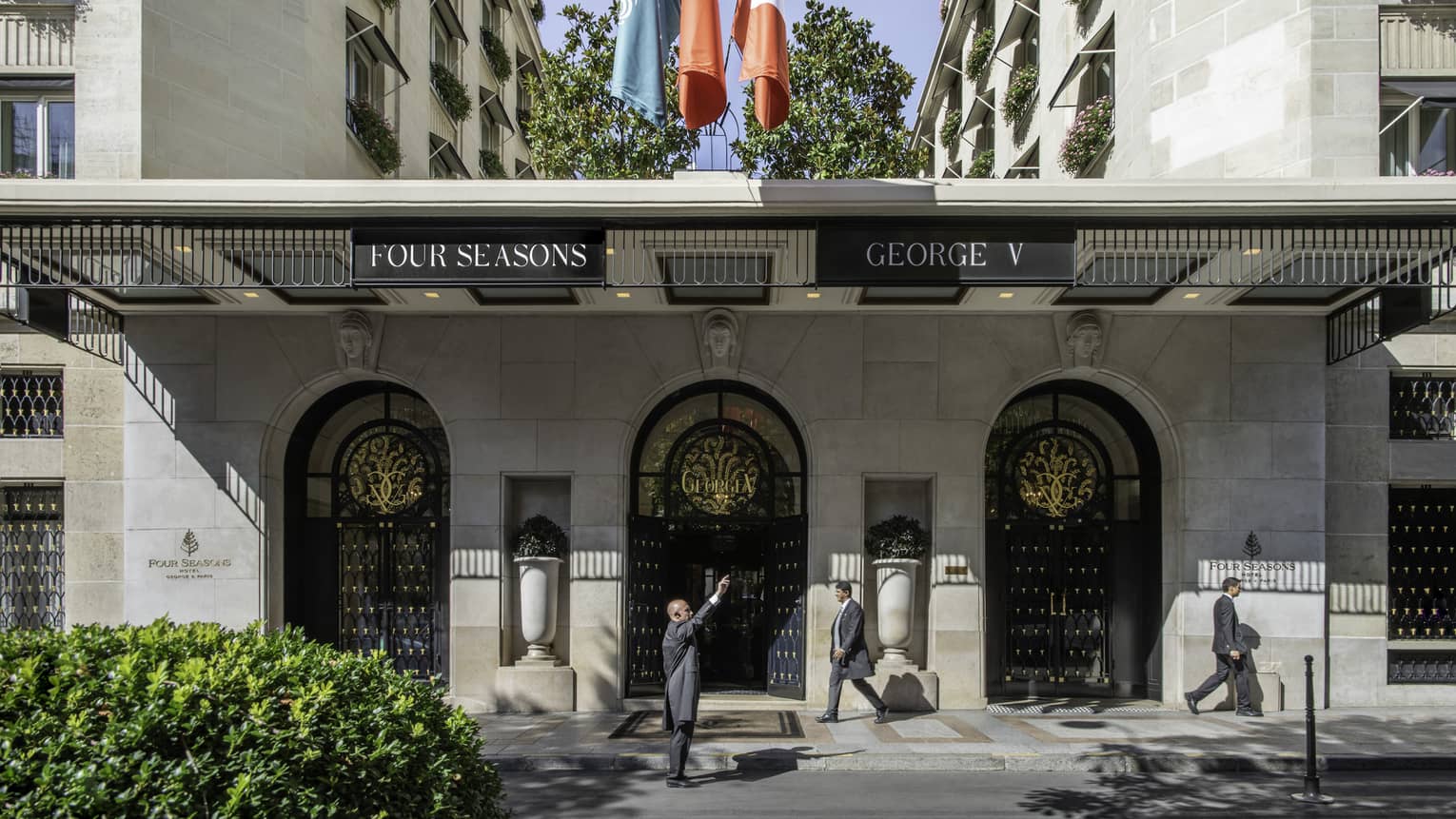
Just off Avenue des Champs-Élysées, the Four Seasons Hotel George V is known for its grand floral displays, richly detailed interiors and a dining programme that includes several Michelin-starred restaurants. The atmosphere is unmistakably ceremonial, making it well suited to travellers who value attentive service, a polished sense of occasion and the feeling of entering a private world just beyond the avenue.
Le Bristol Paris
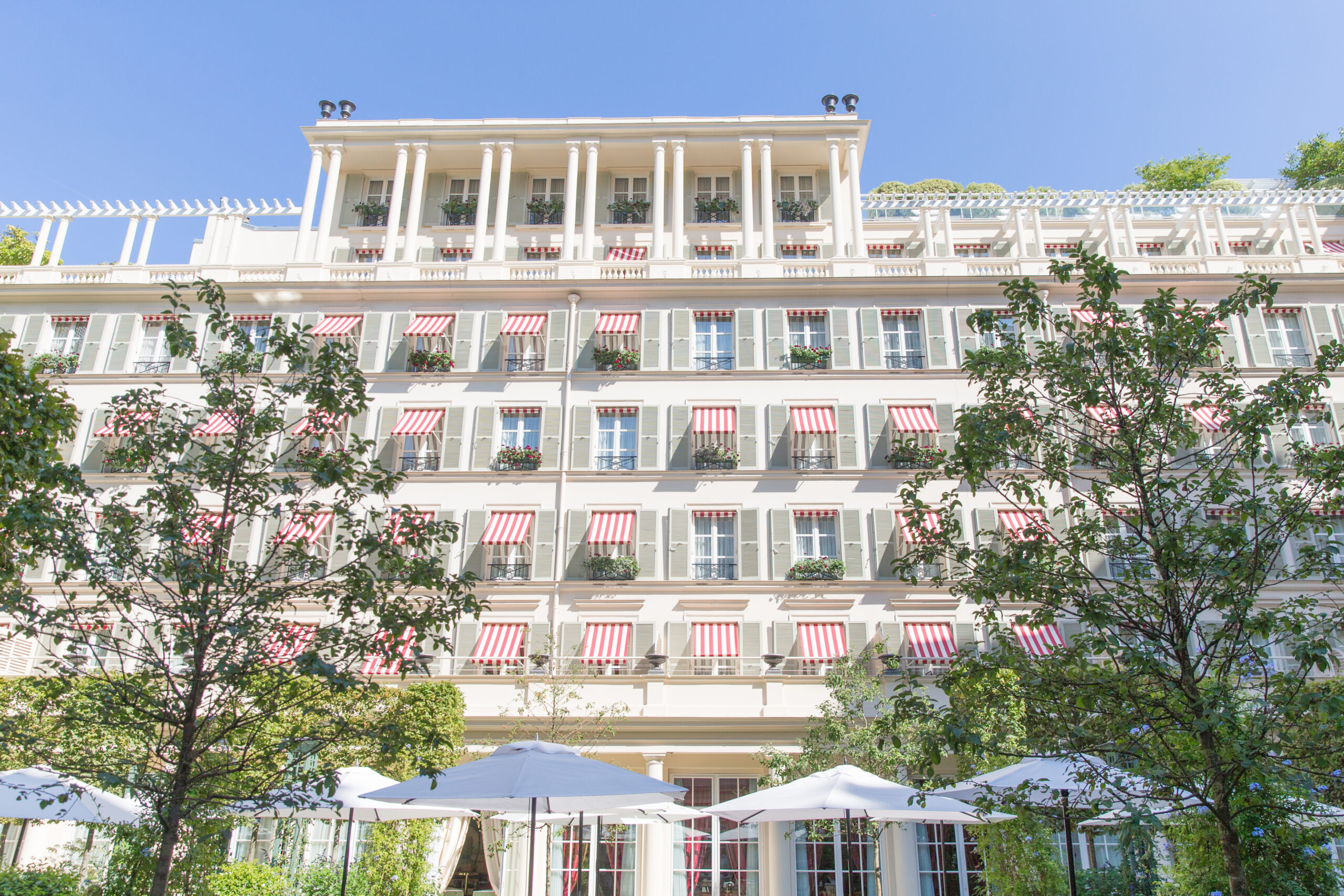
On Rue du Faubourg Saint-Honoré, Le Bristol represents a more residential interpretation of Parisian luxury. Its classical interiors, established service culture, private garden and rooftop swimming pool create a sense of retreat within the city. The hotel’s address also places guests close to the world of couture and the galleries of the Right Bank, while its quieter interiors offer a welcome counterpoint to the streets outside.
Le Meurice
Facing the Tuileries Garden, Le Meurice draws on the tradition of the grand Parisian palace hotel, with interiors influenced by eighteenth-century French design and a long association with artists and cultural figures. Its position is particularly appealing for museum-focused itineraries: the Louvre, Place de la Concorde and the gardens are close at hand, while the hotel itself offers an atmosphere of composed, old-world formality.
The Peninsula Paris — A Parisian Landmark Reimagined
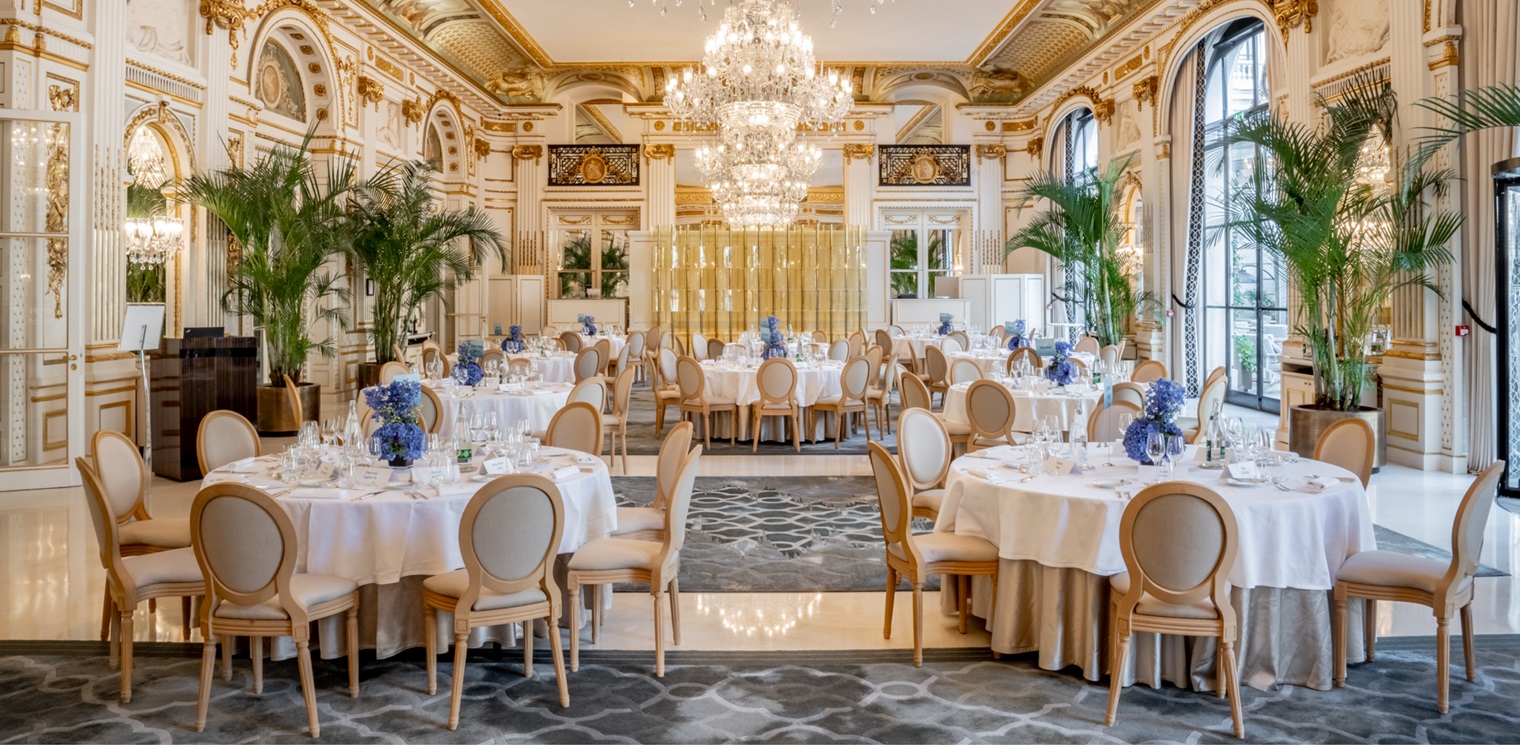
Set along Avenue Kléber, moments from the Arc de Triomphe, The Peninsula Paris occupies a distinguished place in the capital’s landscape of grand hotels. Housed within a meticulously restored nineteenth-century Haussmannian building, the property brings together the elegance of historic Paris and the quiet precision of contemporary hospitality. Its interiors unfold through soaring ceilings, intricate stonework, polished finishes and bespoke detailing, creating an atmosphere in which architectural grandeur feels remarkably intimate.
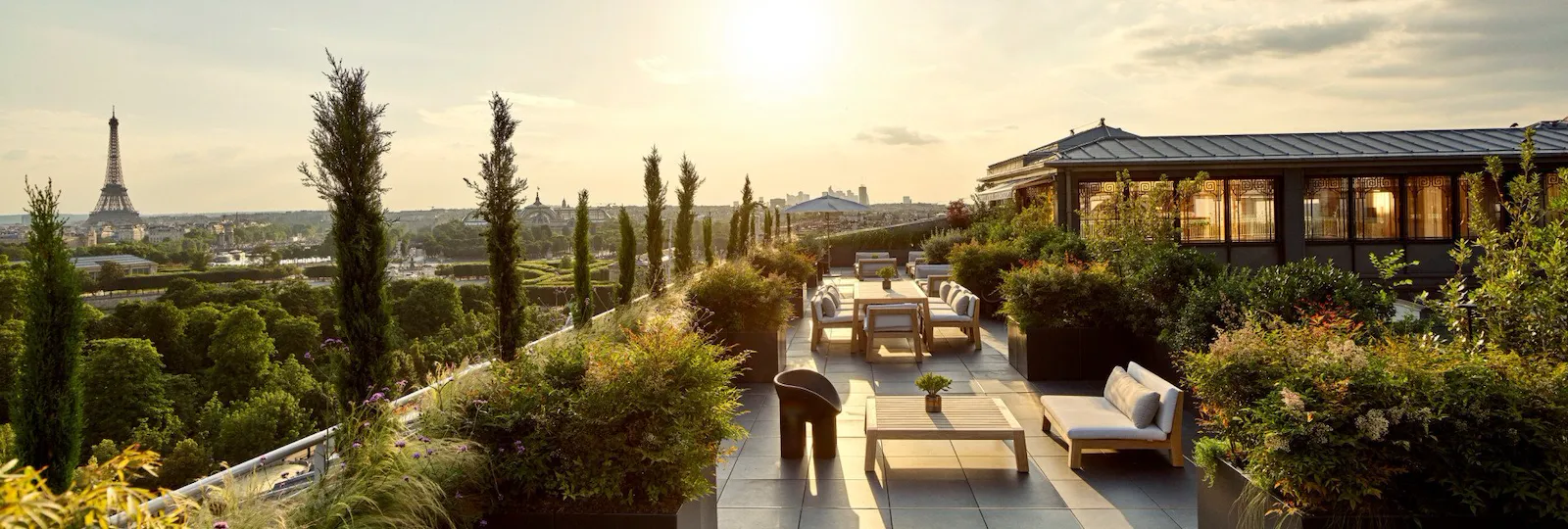
The experience extends into its exceptional accommodation, where expansive suites, considered furnishings and refined residential comforts offer a more private expression of Parisian living. At L’Oiseau Blanc, the hotel’s celebrated rooftop restaurant, French gastronomy is accompanied by sweeping views across the city, with the Eiffel Tower forming a striking presence on the horizon. Elsewhere, the hotel’s serene spa provides a welcome retreat from the rhythm of the capital, while its attentive, discreet service lends every arrival and departure a sense of effortless ease.
For travellers seeking a Paris address that balances historic character with contemporary sophistication, The Peninsula Paris offers more than an elegant place to stay. It provides a vantage point from which to experience the city’s architectural splendour, culinary culture and enduring romance, returning each evening to an atmosphere of considered luxury and understated distinction.
When to Visit Paris
Spring brings lengthening days, flowering gardens and a renewed life to the café terraces. It is an appealing season for walking, although weather can be changeable and popular dates fill quickly.
Summer offers long evenings and the pleasure of outdoor dining, river walks and open-air cultural events. It also brings high visitor numbers, so advance planning is important for major museums and sought-after restaurants.
Autumn is especially suited to travellers who enjoy galleries, fashion, food and a more contemplative urban mood. The changing colour in the gardens and the return of the cultural season give the city a different kind of energy.
Winter has its own rewards: illuminated streets, museum days, intimate dining rooms and the atmosphere of the city after dark. The weather can be cold and damp, but a well-planned stay can feel wonderfully inward-looking.
A Considered Three-Day Paris Itinerary
Day One — The Historic Centre
Begin around Île de la Cité, allowing time for Notre-Dame and Sainte-Chapelle where access and reservations permit. Continue along the Seine, then choose a focused visit to the Louvre rather than attempting to see the entire collection. Spend the late afternoon in the Tuileries before dinner at a restaurant chosen for its cuisine and atmosphere.
Day Two — Art, Design and the Left Bank
Start at the Musée d’Orsay, then cross into Saint-Germain-des-Prés for lunch and an unhurried exploration of its bookshops and galleries. Continue towards the Luxembourg Gardens if the weather allows. Reserve the evening for a performance at Palais Garnier or a carefully planned dining experience.
Day Three — Neighbourhood Paris
Spend the morning in Le Marais, leaving space for galleries, courtyards and independent shops. In the afternoon, move towards Montmartre and explore its quieter lanes before the day ends. If the view from the hill is your priority, time the visit for late afternoon; if its streets matter more, arrive earlier.
This itinerary is a framework, not a race. Opening days, timed entry and travel time between neighbourhoods should be checked before finalising each day.
Getting Around with Ease
Paris is highly walkable when explored neighbourhood by neighbourhood, but its scale makes a combination of walking, Métro, taxis and pre-arranged transfers practical. A private car is useful for airport transfers, evening reservations or travellers who prefer door-to-door movement; it is rarely the most efficient choice for every journey in the central city.
Book major museum visits and popular attractions ahead of time, particularly during school holidays and peak seasons. Leave buffers between reservations, and check current transport information before travelling. Comfortable shoes matter: even a carefully curated Paris itinerary tends to involve more walking than expected.
Beyond Paris: Continue Through France
Paris is a compelling beginning, but France reveals different dimensions of its character as the journey moves south and west. On the Mediterranean, Nice offers a meeting of Riviera elegance, sea-facing promenades and a distinct artistic heritage. Cannes adds a more theatrical atmosphere, shaped by its film culture, private beaches and yachting life.
For travellers drawn to food and regional identity, Lyon offers a rewarding counterpoint to the capital, with a deep culinary tradition and historic passageways that reward exploration. Bordeaux opens a world of wine estates, elegant architecture and countryside itineraries, while Strasbourg brings together canals, timber-framed houses and the layered heritage of Alsace.
Further south, Provence moves at a gentler pace through market towns, stone villages, vineyards and seasonal landscapes. In the French Alps, Chamonix-Mont-Blanc offers a dramatically different setting, where mountain routes and glacial panoramas replace the geometry of boulevards. Each destination deserves its own rhythm; together, they create a richer understanding of France beyond its capital.
Frequently Asked Questions
How many days are ideal for luxury travel in Paris?
Three to five days allows time for major cultural landmarks, distinct neighbourhoods, thoughtful dining and a more relaxed pace. Longer stays are worthwhile for travellers who want to explore galleries, fashion, food and day trips without compressing the experience.
What is the best area to stay in Paris?
The right neighbourhood depends on the character of the stay. The 1st and 8th arrondissements suit travellers prioritising major sights and palace hotels; Saint-Germain-des-Prés appeals to those drawn to the Left Bank; Le Marais offers historic streets, galleries and contemporary energy.
Which luxury hotels should I consider in Paris?
Four Seasons Hotel George V, Le Bristol Paris, Le Meurice and Cheval Blanc Paris each offer a distinct interpretation of high-end hospitality. Compare location, atmosphere, facilities and current room categories before deciding.
Is Paris suitable for a romantic trip?
Yes. River journeys, intimate restaurants, evening performances, museum visits and long walks through historic neighbourhoods can create a deeply personal itinerary. The most memorable plans usually leave space for spontaneity rather than scheduling every hour.
Should museum tickets be booked in advance?
Advance reservations are advisable for major museums and popular attractions, especially during busy periods. Always check the institution’s official website for current entry arrangements, opening days and any temporary closures.
When is Paris least crowded?
Crowds vary by attraction, event calendar and season. Early mornings and weekdays can be quieter at many sites, while winter outside major holiday periods may offer a more subdued atmosphere. No season is uniformly quiet across the entire city.
Can Paris be explored without a car?
Yes. Walking and public transport are practical for most central itineraries. Taxis or private transfers can complement them for airport journeys, late evenings or specific mobility and comfort needs.
What should I combine with Paris on a trip through France?
Nice and Cannes suit a Riviera extension; Lyon and Bordeaux appeal to food and wine enthusiasts; Strasbourg offers a different architectural and cultural identity; Provence and Chamonix-Mont-Blanc provide contrasting landscapes.
The Luminara Perspective
Paris rewards discernment more than speed. Its famous landmarks deserve their place in the itinerary, but they are only part of the story. The city becomes more revealing when its grand institutions are balanced with quieter streets, when a museum visit is followed by time to reflect, and when a carefully chosen hotel becomes a place to return to rather than merely somewhere to sleep.
The finest Paris itinerary is therefore not the one that includes the most addresses. It is the one that understands the relationship between them: art and architecture, couture and craft, the formality of a palace hotel and the ease of a neighbourhood café. Approach the city with that balance, and Paris offers more than a collection of beautiful scenes. It offers a way of living that lingers long after the journey has ended.
The Many Moods of France
For readers wishing to experience France beyond the capital, Nice offers a Mediterranean counterpoint to Paris, where artistic heritage meets the easy elegance of the Riviera. The atmosphere changes further in Cannes, where beach clubs, yachts and the international film calendar give the coastline a more glamorous, outward-facing character.
Those who prefer to let regional cuisine guide their travels will find Lyon an essential addition to a French itinerary. Its traditional bouchons, market culture and historic streets reveal a food identity that is distinct from Paris, while Bordeaux brings the experience into the vineyards, châteaux and wine estates that have shaped its reputation.
For a slower, more sensory journey, Provence invites travellers to exchange grand boulevards for village squares, seasonal markets and the landscapes of southern France. Strasbourg, by contrast, offers canals, half-timbered architecture and Alsatian traditions, while Chamonix-Mont-Blanc introduces the drama of the French Alps—an entirely different expression of French travel.
These paragraphs are written to support natural contextual links within the published Paris page. Link each destination mention to its corresponding Luminara Voyages France destination page once the target URLs are live.