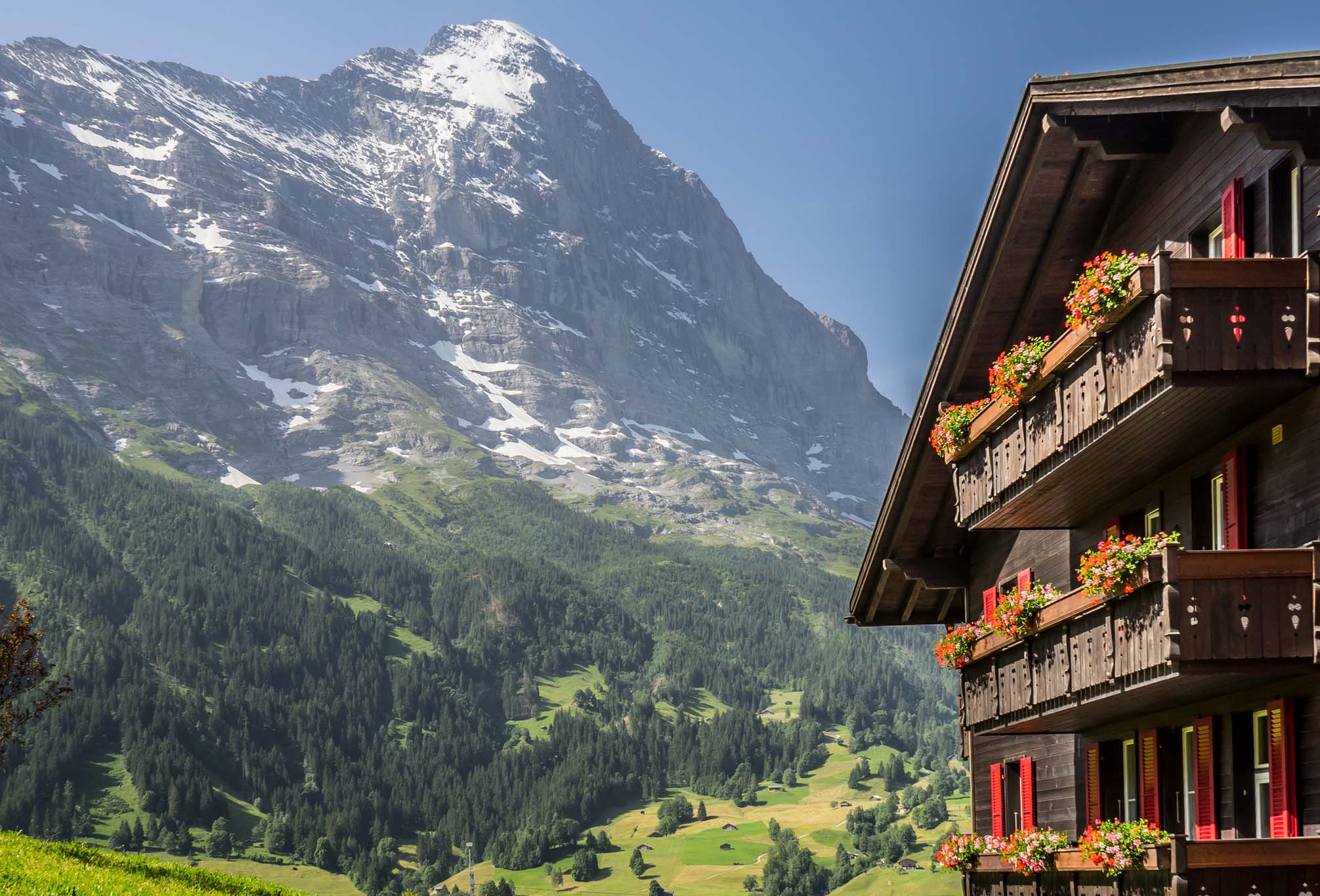
Some alpine destinations announce themselves through a single view. Grindelwald is defined by an entire wall of mountain. The north face of the Eiger rises above the village with a scale that seems almost improbable, its dark rock and snow-marked ledges changing character with every passing cloud. Below it, timber chalets and flowered balconies settle into a green valley, while meadows climb towards ridgelines and cable cars carry travellers into a world measured less by streets than by altitude, weather and light.
Set in the Bernese Oberland, Grindelwald is both a mountain village with a strong identity of its own and a gateway to some of the Swiss Alps’ most celebrated landscapes. Its appeal is not confined to one season. Summer opens walking routes towards clear mountain lakes and high pastures; autumn softens the slopes into copper and gold; winter brings snow-covered forests, ski runs and the quiet theatre of the peaks. Throughout the year, the Eiger remains the defining presence—a landmark, a challenge and an extraordinary companion to everyday life.
For the discerning traveller, Grindelwald offers a different register of luxury from Switzerland’s grand urban hotels or storied resort towns. Here, refinement is measured in a balcony with an uninterrupted mountain view, a table set after a day in the open air, the restorative warmth of a spa, or the privilege of reaching a high alpine landscape without surrendering comfort. This is a destination to experience with intention, leaving enough space in the itinerary for the mountains to set the pace.
A Village Shaped by the Mountains
Grindelwald’s village centre is more than a convenient base between excursions. Traditional chalets, the church steeple, small shops and terraces establish a sense of place that remains visible even as the destination welcomes travellers from around the world. Look upwards and the mountains are never merely scenery: they determine the direction of the light, the weather moving through the valley and the rhythm of the day.
A morning walk through the village is especially rewarding before the busiest excursion hours, when the streets feel unhurried and the Eiger’s contours emerge in the clear air. Pause at a bakery, browse local stores or choose a terrace facing the mountains. These quieter intervals give Grindelwald its character. The experience is not only about travelling upwards; it is also about returning to a village where the scale of the landscape remains present in the smallest details.
For architecture and photography, the contrast between dark timber, pale plaster, flower-filled balconies and the imposing mountain wall is particularly compelling. The best views shift as the sun moves, so a location that feels familiar at midday can appear entirely different in late afternoon. Rather than rushing through the centre, allow time to see it in more than one light.
Grindelwald-First: A High Balcony Above the Valley
Reached by gondola from the village, Grindelwald-First rises to 2,166 metres and opens onto a panorama of serrated peaks, steep slopes and expansive alpine sky. The ascent is part of the experience: houses and meadows gradually give way to forests, rock and the wider geometry of the Bernese Alps. At the summit, the view feels both immediate and immense, with the landscape unfolding in layers rather than as a single postcard image.
The First Cliff Walk presented by Tissot is one of the area’s signature experiences. Its metal walkway follows the mountainside before extending into a suspended section and viewing platform, giving visitors a dramatic perspective across the surrounding peaks. The route is relatively short, but its exposed setting and open views create a strong sense of altitude. Conditions can change quickly in the mountains; check local operating information and weather before setting out, and choose footwear suited to the terrain.
For travellers who prefer a quieter encounter, the real reward may be found in simply lingering at the viewpoints, watching clouds pass across the ridges and noticing how the light picks out individual rock faces. Grindelwald-First also offers seasonal adventure activities, including the First Flyer and mountain carts when operating. These add speed and exhilaration to the mountain experience, but they are not essential to appreciating the setting. The landscape itself is the principal attraction.
Bachalpsee: The Stillness of the High Alps
Bachalpsee rewards those willing to exchange the convenience of a viewpoint for the slower rhythm of a mountain path. From First, the route crosses open alpine terrain, where grassy slopes and rocky ridgelines frame views towards the Wetterhorn and neighbouring peaks. The lake appears quietly at the end of the walk, its waters often holding a clear reflection of the mountains when the weather is calm.
The atmosphere changes with the hour. Early light can lend the surrounding summits a cool, delicate definition; later in the day, the slopes may take on warmer tones, while passing cloud can transform the scene in minutes. In summer, the route is popular, but the experience is most satisfying when approached without haste. Sit beside the water, listen to the wind moving through the grass and allow the view to become more than a photograph.
Bachalpsee is not a place for a hurried arrival and immediate departure. Its appeal lies in the contrast between the effort of reaching it and the extraordinary stillness of the landscape. Conditions at altitude remain changeable even in warmer months, so appropriate footwear, weather layers and a realistic assessment of fitness are essential. Snow and trail conditions determine when the route is suitable.
Jungfraujoch: An Encounter with the World of Ice
From Grindelwald Terminal, the Eiger Express cableway carries travellers towards Eigergletscher, where the journey continues by the Jungfrau Railway to Jungfraujoch. At 3,454 metres above sea level, the station is recognised as the highest railway station in Europe. The journey itself is a remarkable transition, moving from a settled alpine valley towards the stark, luminous environment of permanent snow, ice and high mountain rock.
At Jungfraujoch, the scale of the Aletsch Glacier and the surrounding high peaks creates an experience unlike the softer landscapes around Grindelwald. The air is colder and thinner; the light can be dazzling; and the panorama reaches across a vast glacial world. The Sphinx viewing terrace offers a striking vantage point, while the Ice Palace provides an enclosed passage through sculpted ice. Together, these experiences reveal both the spectacle and physical reality of the high Alps.
Jungfraujoch is deservedly one of the region’s most famous excursions, but it should be planned with care. Weather can obscure the views, temperatures remain low even when the valley is warm, and altitude may affect some visitors. Check visibility and railway conditions before travelling, dress for winter conditions and avoid overloading the same day with additional demanding activities. For many travellers, this is the defining high-altitude experience of a Grindelwald stay.
The Eiger Trail: Beneath an Alpine Legend
The Eiger has long occupied a special place in mountaineering history, and the Eiger Trail offers a more intimate relationship with its formidable north face. The route, generally accessed via the Eigergletscher area, follows terrain beneath the mountain’s immense rock wall. Its appeal lies in the scale of the cliff, the textures of stone and scree, and the understanding that this landscape has tested generations of climbers.
Unlike a distant panorama, the trail brings the mountain close enough to reveal its layers and severity. Waterfalls, rocky slopes and changing views across the valley can become part of the walk, depending on conditions and the section travelled. This is a mountain route, not a landscaped promenade; snow, ice, exposure and weather can affect its suitability. Check current trail status and use local guidance when needed.
For travellers who appreciate the history of exploration, the Eiger Trail adds context to Grindelwald’s scenery. The north face is not merely dramatic in photographs: its reputation is tied to real risk, endurance and technical achievement. Even from a safe viewing point, the mountain’s presence carries a sense of scale that is difficult to reproduce elsewhere.
Männlichen: A Different Perspective on the Bernese Alps
Across the valley from Grindelwald, Männlichen offers a broad panorama of the Eiger, Mönch and Jungfrau. Access by mountain gondola makes the high landscape more approachable, while walking routes reveal a gentler side of the region: rolling alpine pastures, grazing cattle, wildflowers in season and long views across the peaks.
The Panorama Trail towards Kleine Scheidegg is especially appealing to travellers who want a substantial mountain experience without committing to a technical ascent. With the great peaks arranged along the horizon, the walk feels almost theatrical, yet its pleasure comes from the changing details underfoot and the way the landscape opens with every bend. Route length, walking time and operating services vary with the chosen direction and season, so confirm current conditions before setting out.
Männlichen makes a rewarding counterpoint to Grindelwald-First. Where First is known for its cliff-edge platform and adventure options, Männlichen offers a spacious, contemplative view of the Jungfrau massif. Together, they reveal how different the same mountain region can feel from one ridge to the next.
Pfingstegg: A Quieter Mountain Above the Village
Pfingstegg rises above Grindelwald on the side of the valley and offers a more intimate mountain escape. The cableway brings visitors to a setting of forest, meadow and far-reaching views, with walking routes leading towards the upper valley and the landscape around the lower glacier. It can feel less monumental than Jungfraujoch, but that is part of its appeal: the mountain environment remains close to the village and connected to the everyday geography of Grindelwald.
In the warmer season, Pfingstegg is a rewarding choice for travellers who want fresh air and views without making the entire day a major excursion. Seasonal attractions and walking routes may operate differently throughout the year, so check local schedules before travelling. The most satisfying visit leaves time for a meal or a pause at the mountain restaurant, with the village spread below.
Kleine Scheidegg: A Mountain Pass with a Railway Legacy
Kleine Scheidegg occupies a dramatic saddle beneath the Eiger, Mönch and Jungfrau, and has long been an important point in the region’s mountain railway network. Trains arrive against a backdrop of steep slopes and high peaks, giving the pass a distinctive atmosphere: part alpine crossing, part vantage point, part gateway to the Jungfrau Railway.
The journey to Kleine Scheidegg is an experience in its own right, with the landscape opening gradually as the train climbs above the valley. From the pass, walking routes and mountain views invite visitors to stay longer than a simple transfer might suggest. In clear weather, the north face of the Eiger appears especially imposing, while the surrounding ridges reveal the complexity of the massif.
The Valley, Waterfalls and the Wider Alpine Landscape
Grindelwald’s appeal extends beyond its best-known summits. The valley floor, the lower glacier landscape and the network of walking paths offer a quieter understanding of how the village sits within the Bernese Oberland. Seasonal streams, waterfalls, wooded paths and meadows make even a modest walk feel connected to the scale of the surrounding mountains.
The nearby Gletscherschlucht, or Glacier Canyon, provides a different perspective on the forces that have shaped the landscape. Walkways lead through a narrow gorge where water has carved through rock over time, creating a dramatic environment of rushing water, polished stone and shifting light. Access and opening periods depend on seasonal conditions, so verify details before planning a visit.
For travellers with additional time, Grindelwald also makes a natural base for exploring the wider Jungfrau region. Lauterbrunnen’s waterfall-lined valley, the car-free village of Wengen and the mountain village of Mürren each offer a distinct atmosphere. Each deserves enough time to reveal its own character; the wider region is best experienced through a thoughtful sequence rather than a checklist of famous names.
The Art of Staying: Luxury Hotels in Grindelwald
In Grindelwald, accommodation is part of the landscape experience. The right hotel gives the mountains a place in the day from the moment the curtains open to the final hours beside a fire or in a spa. Some addresses are contemporary and design-led; others carry the warmth of a long-established Swiss hotel. The best choice depends on whether the stay is centred on wellness, culinary discovery, village access or a more secluded alpine setting.
Bergwelt Grindelwald — Contemporary Alpine Design
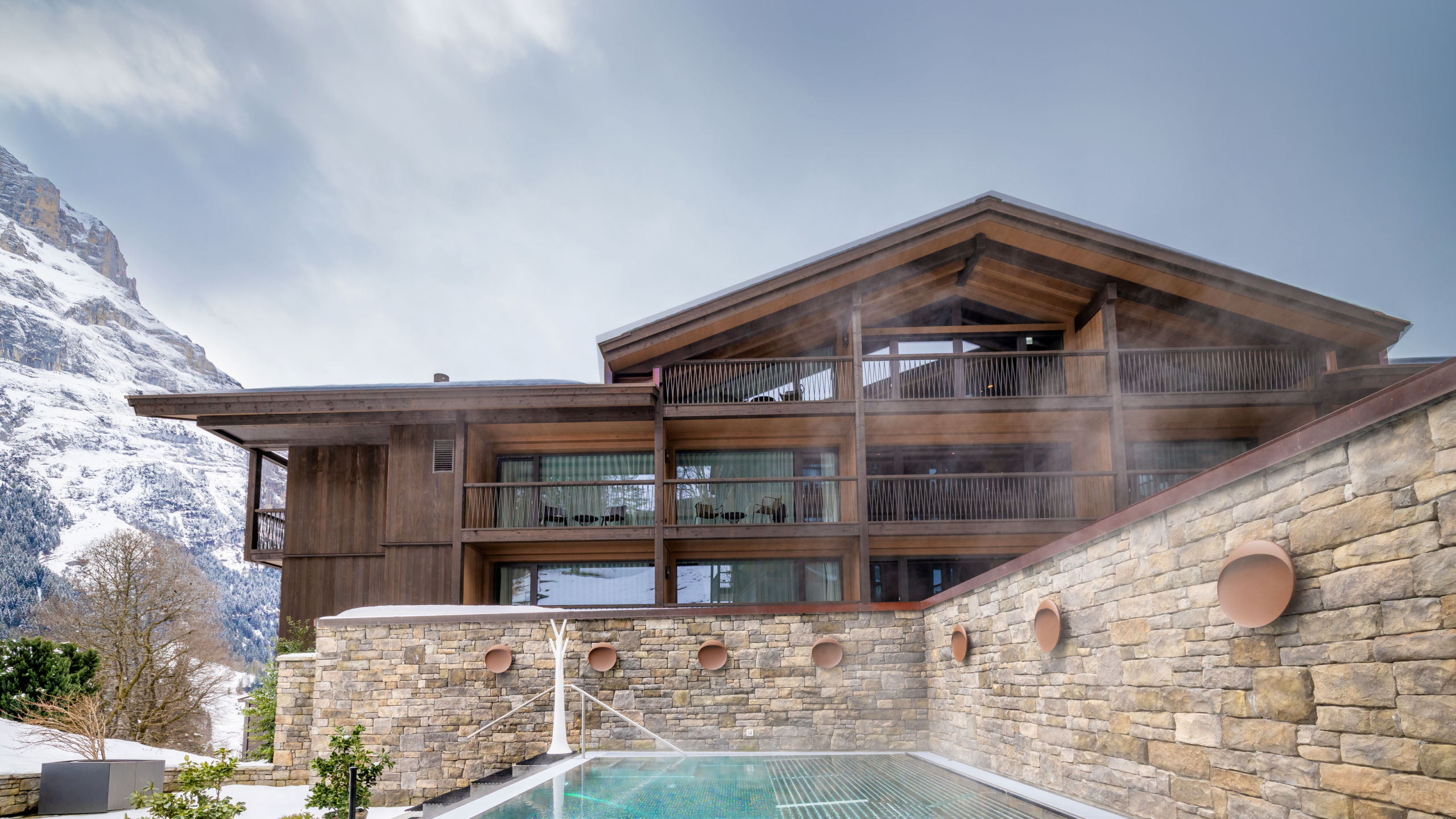
Bergwelt Grindelwald brings a contemporary design sensibility to the mountain village, with rooms and suites oriented around the experience of the Alps. The property’s Fire & Ice SPA offers a restorative counterpoint to days spent outdoors, while its dining and bar venues create spaces for a relaxed evening without leaving the hotel. BG’s Grill focuses on wood-fired cooking, and Seven Spirits Bar provides a setting for cocktails and conversation. This is a strong choice for travellers who want modern alpine character, wellness and a social atmosphere shaped around the mountains.
Romantik Hotel Schweizerhof Grindelwald — Swiss Hospitality and Tradition
Family-owned and welcoming guests since 1892, Romantik Hotel Schweizerhof combines a traditional Swiss hotel atmosphere with a central yet comparatively peaceful setting. Its rooms and suites, indoor pool, sauna facilities and range of restaurants make it well suited to travellers who value service and comfort alongside access to the village and mountain transport. Dining options include Swiss specialities and more elaborate multi-course experiences, allowing evenings to be tailored to the mood of the day. The hotel’s history lends it a sense of continuity that complements Grindelwald’s enduring alpine identity.
Aspen Alpine Lifestyle Hotel — A Retreat Facing the Eiger
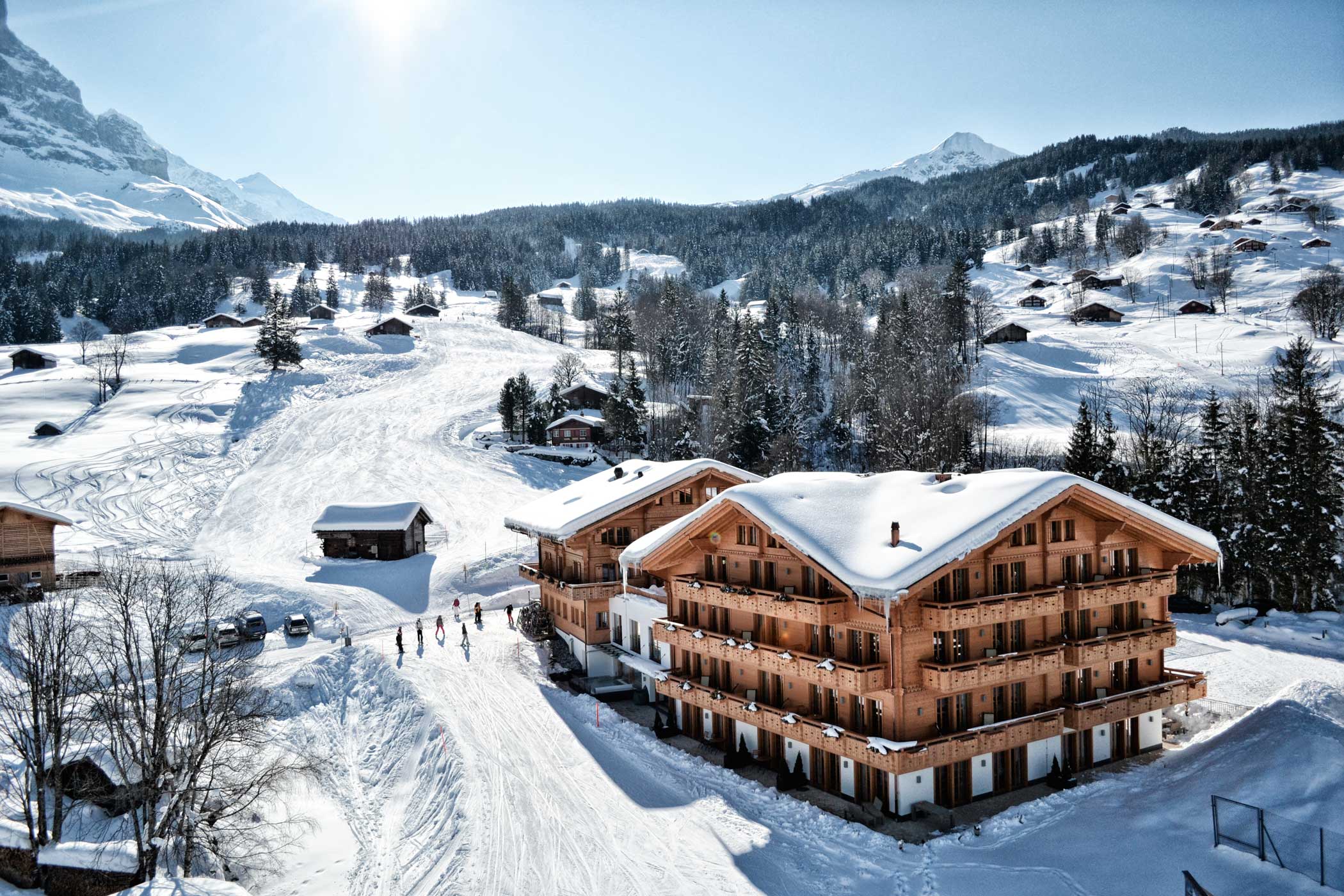
Set above the village in a striking alpine setting, Aspen Alpine Lifestyle Hotel is particularly appealing to travellers who want to feel close to the mountains. Its rooms and suites are styled in an alpine-chic idiom, while the spa includes a sauna, steam facilities and an outdoor whirlpool with mountain views. The property’s restaurants focus on regional products and reinterpreted cuisine, making it possible to move from a day in the open air to a considered dinner without losing the sense of place. Its setting and wellness offering make it attractive for couples and travellers seeking a quieter, restorative stay.
Choosing the Right Mountain Address
Choose Bergwelt for contemporary design, a collection of dining and bar spaces, and a dedicated spa; Schweizerhof for established Swiss hospitality and a broad range of facilities close to the village; and Aspen for a more retreat-like atmosphere with an elevated view towards the Eiger. Room categories, views, spa access and restaurant schedules vary, so confirm the details that matter most before booking. In Grindelwald, a mountain-facing room is more than a decorative extra: it can become one of the defining elements of the stay.
Alpine Dining: Flavours of the Bernese Oberland
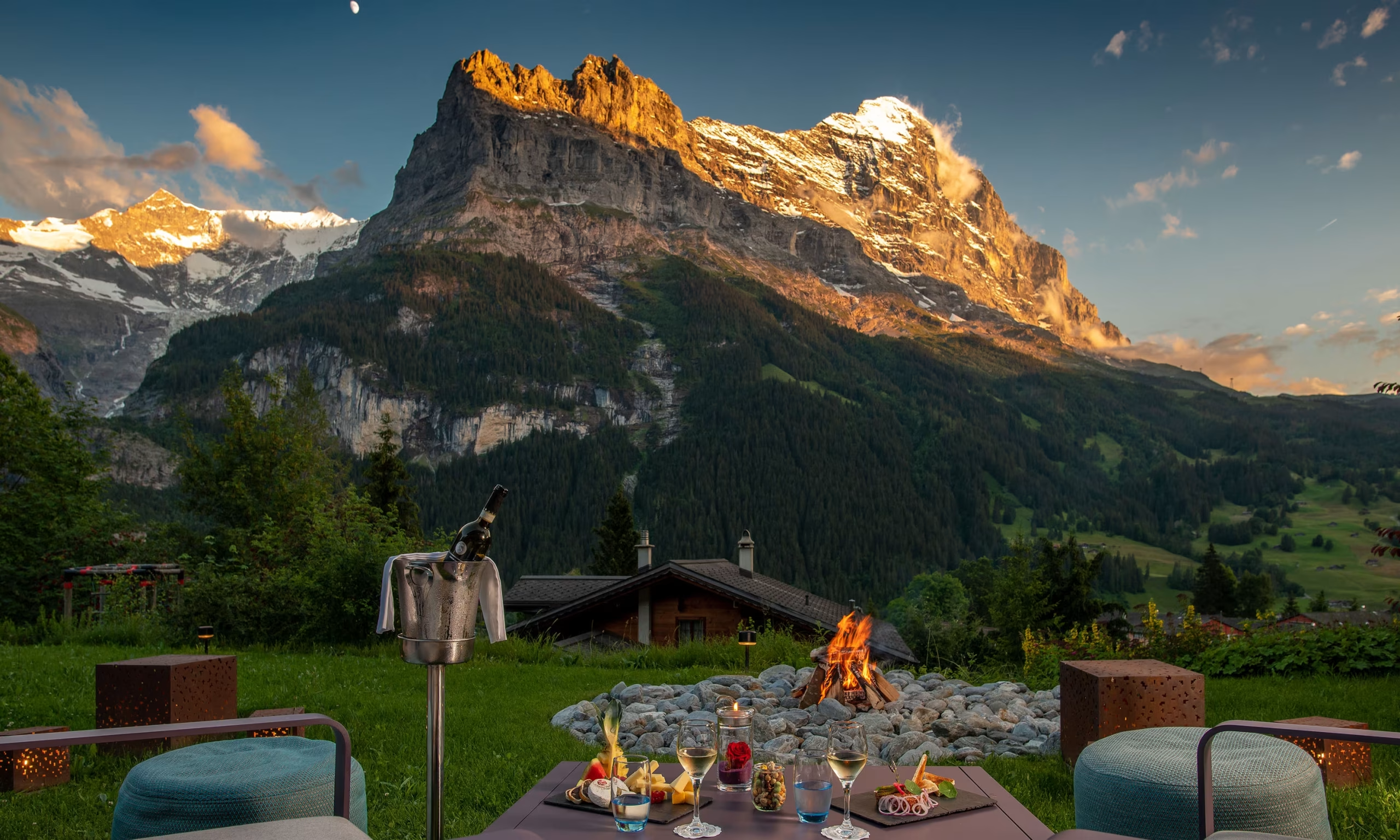
The food of the region is grounded in the practical traditions of mountain life. Cheese, potatoes, bread, seasonal produce and warming dishes remain central to the local table, while contemporary restaurants reinterpret regional ingredients with a lighter touch. Fondue and raclette are familiar choices, especially in colder months, but they are best enjoyed as part of the atmosphere rather than as culinary shorthand for Switzerland.
Look for menus that feature local cheeses, alpine herbs, seasonal vegetables and meat sourced from the region where available. A long lunch on a mountain terrace can be as memorable as a formal dinner, particularly when the view changes with the weather and the pace of the meal follows the quiet of the landscape. At the end of a day outdoors, a fireside table and a carefully chosen glass of wine provide a welcome return to warmth.
Hotel restaurants can be especially useful for a more considered dining experience, with the advantage of returning directly to the room afterwards. Reserve ahead during peak summer and winter periods, and confirm restaurant opening dates in shoulder seasons when some mountain venues operate on reduced schedules.
Winter: Snow, Silence and Alpine Ritual
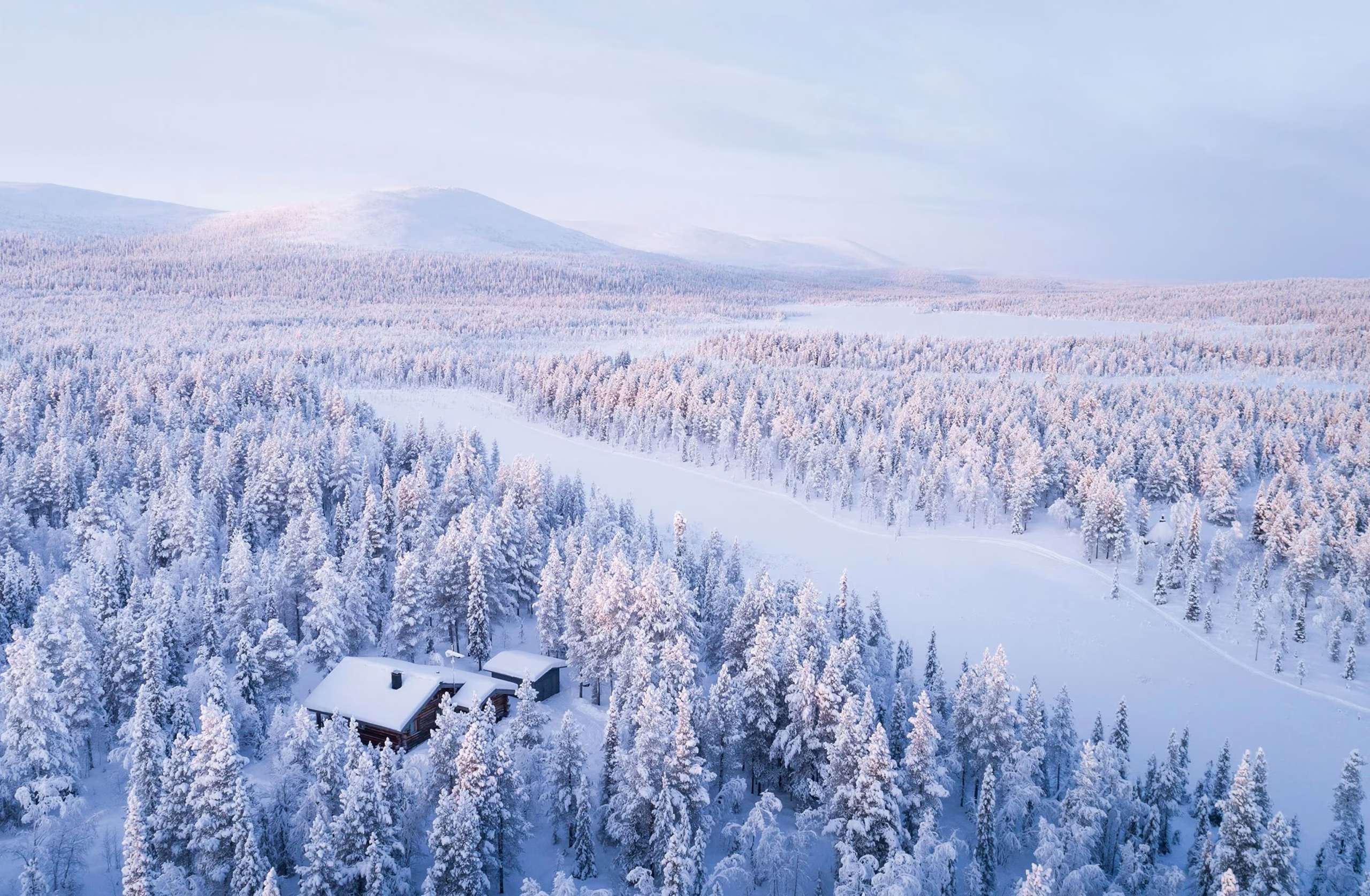
Winter changes Grindelwald’s proportions. Rooflines gather snow, forests become quieter and the Eiger’s dark face rises above a white valley with an almost graphic clarity. The Jungfrau Ski Region offers extensive terrain for skiing and snowboarding, while winter walking and sledging provide alternatives for travellers who prefer a slower pace or do not ski.
For a luxury winter stay, the day need not be measured entirely in vertical metres. A morning on the slopes can lead into a long lunch, a spa session and an evening devoted to regional food. The contrast between cold air and warm interiors becomes part of the pleasure. Weather and snow conditions are variable, so check current reports and transport operations rather than assuming every route or activity will be available.
Summer and Autumn: Meadows, Clear Lakes and Long Light
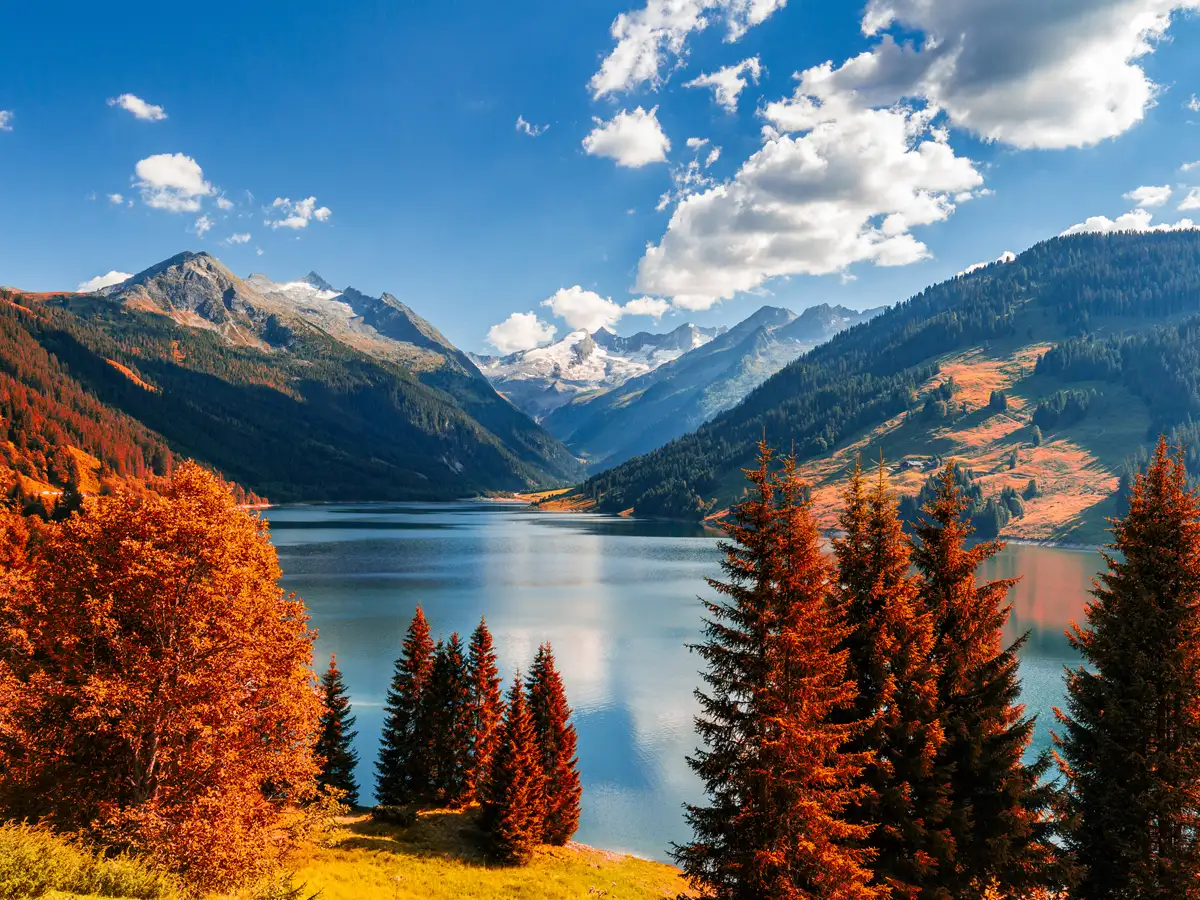
Summer opens the walking network and gives the high meadows their full colour. Routes towards Bachalpsee, Männlichen and the Eiger Trail offer very different ways to encounter the mountains, from reflective water and open ridgelines to the raw scale of a famous north face. Longer daylight hours allow for slow lunches and late-afternoon walks, though mountain weather can change rapidly even in the warmest months.
Autumn brings a more subdued palette. Grasses turn amber, the air sharpens and the village can feel more contemplative between the busy summer and winter periods. It is a beautiful season for photography and unhurried walks, but some lifts, restaurants and attractions may close or reduce their schedules. Check operating calendars in advance and treat the season as an invitation to travel more flexibly.
When to Experience Grindelwald
There is no single ideal season for every traveller. June through September is generally the strongest period for many hiking routes, alpine lakes and mountain viewpoints, subject to snow and local conditions. Winter is best for snow sports, winter walking and the atmosphere of a classic Swiss alpine village. Spring and late autumn can be quieter, but they may also bring limited access to certain mountain routes and seasonal businesses.
For a first visit, allow at least three nights. This gives time for one major high-alpine excursion, a day around First or Männlichen, and a slower day in the village or at the hotel. Four or five nights allow greater flexibility around weather and make it easier to enjoy both the mountain landscape and the quieter pleasures of a refined stay.
A Considered Three-Day Grindelwald Itinerary
Day One — Arrive Beneath the Eiger
Settle into the hotel and allow the village to introduce itself at an unhurried pace. Walk through the centre, pause for coffee or a light lunch, and take time to observe the changing light on the Eiger. If conditions permit, choose a short local walk rather than a demanding excursion on arrival day. Return to the hotel for the spa or a relaxed dinner centred on regional ingredients.
Day Two — First and Bachalpsee
Take the gondola to Grindelwald-First early enough to enjoy the views before the busiest hours. Experience the First Cliff Walk if conditions and comfort allow, then continue towards Bachalpsee for a longer walk and time beside the water. Carry layers and provisions, and confirm trail conditions before leaving. Return to the village in the afternoon for a quiet evening, allowing the day’s mountain scenery to remain the centrepiece.
Day Three — Jungfraujoch or Männlichen
Choose Jungfraujoch if the weather promises clear high-altitude views and you want to encounter the Aletsch Glacier and the world of ice. Alternatively, choose Männlichen for a more open-air day of panoramic walking beneath the Eiger, Mönch and Jungfrau. Avoid trying to do both in a single rushed itinerary. End with a final village walk or a long meal, then depart with enough time to enjoy the journey beyond Grindelwald.
Arriving and Moving Through the Region
Grindelwald is connected to the Swiss rail network via Interlaken Ost, with onward services into the village. Travelling by train allows the landscape to unfold gradually and removes the need to manage mountain roads or parking. If arriving with substantial luggage or on a tight schedule, a pre-arranged transfer may be convenient; once in the village, many central areas are walkable and mountain railways provide access to the principal high-altitude experiences.
Plan mountain excursions around current timetables, weather forecasts and visibility rather than relying only on a fixed itinerary. Cable cars, trains, hiking paths and mountain restaurants can have seasonal schedules. A Swiss travel pass or regional pass may offer value depending on the number and type of journeys planned; compare current inclusions and any supplements before purchasing.
At altitude, temperatures can be substantially lower than in the village, and exposure to sun, wind and rapidly changing weather is significant. Carry layers, water and suitable footwear, and check route difficulty honestly against your group’s fitness and experience. For popular excursions, advance booking can reduce friction, but flexibility remains essential.
Beyond Grindelwald: Continuing Through Switzerland
Grindelwald forms a natural chapter in a wider Swiss journey, particularly when paired with destinations that offer a contrasting landscape and rhythm. From here, the wider Jungfrau region opens towards Interlaken, where lakefront promenades and access to the Bernese Oberland create a different relationship with the mountains. Travellers drawn to the Matterhorn can continue to Zermatt, where alpine architecture and high-altitude panoramas define a distinctive resort atmosphere.
For a more rarefied winter tradition, St. Moritz offers the Engadin’s broad valley, celebrated hotels and a long association with alpine sport and society. Zurich, by contrast, brings the journey back to urban culture, Swiss design, fine dining and the calm sweep of its lake. Our Switzerland destination guide brings these landscapes together, helping travellers shape a route around the experiences they value most rather than simply the number of places they can reach.
The most rewarding itinerary gives each destination its own character. Grindelwald is best allowed to breathe: a few days beneath the Eiger, with enough time for a high mountain journey, a quiet meal and the simple pleasure of watching the weather travel across the peaks.
Frequently Asked Questions About Grindelwald, Switzerland
Is Grindelwald worth including in a luxury Swiss itinerary?
Yes. Grindelwald combines dramatic alpine scenery, access to Jungfraujoch and Grindelwald-First, a traditional village atmosphere and a choice of design-led and established mountain hotels. It works particularly well for travellers who want the mountains to be central to the journey.
How many nights should you spend in Grindelwald?
Three nights is a good starting point for the village, one major mountain excursion and time around First or Männlichen. Four or five nights provide more flexibility for weather and a slower hotel-led stay.
What is the most iconic mountain experience from Grindelwald?
Jungfraujoch is the region’s signature high-altitude excursion, with access to the Aletsch Glacier and the Sphinx viewing terrace. Grindelwald-First and the walk to Bachalpsee offer a different experience centred on open views, walking and the alpine landscape.
When is the best time to visit Grindelwald?
Summer is generally best for hiking and alpine lakes, while winter suits skiing, snowboarding and snowy village scenery. Shoulder seasons can be quieter but may have reduced transport and attraction schedules.
Which luxury hotels are worth considering in Grindelwald?
Bergwelt Grindelwald is known for contemporary alpine design and its Fire & Ice SPA; Romantik Hotel Schweizerhof offers long-established Swiss hospitality and extensive facilities; Aspen Alpine Lifestyle Hotel provides an elevated alpine setting, wellness facilities and views towards the Eiger.
Can you visit Jungfraujoch from Grindelwald in one day?
Yes. The journey via the Eiger Express and Jungfrau Railway makes a day excursion possible. Check weather, rail schedules and ticket availability, dress for high-altitude conditions and allow sufficient time rather than combining the trip with several other major excursions.
Is Grindelwald suitable for travellers who do not hike or ski?
Yes. Mountain railways, village walks, scenic viewpoints, hotel spas and dining experiences offer rewarding ways to enjoy the region without undertaking strenuous activities. Access to individual viewpoints still depends on operating schedules and weather.
Can Grindelwald be combined with Interlaken and Zermatt?
Yes. Grindelwald and Interlaken are close within the Bernese Oberland, while Zermatt can be included as part of a longer rail itinerary. Plan realistic transfer times and allow each destination enough time to feel distinct.
The Luminara Perspective: Let the Mountains Set the Pace
Grindelwald is memorable not only for the scale of its peaks, but for the way that scale changes the experience of time. A gondola ride becomes a passage into another landscape; a walk to a mountain lake becomes an invitation to pause; the view from a hotel terrace can hold the attention long after the day’s plans have ended. Here, luxury is not a performance. It is the freedom to experience extraordinary surroundings with comfort, care and room to breathe.
For Luminara Voyages, Grindelwald belongs among the essential chapters of Switzerland because it offers something that cannot be manufactured: a direct encounter with the grandeur of the Alps, balanced by thoughtful hospitality and the enduring character of a mountain village. Come for the Eiger, stay for the quiet moments between excursions, and leave with a sense of how expansive the world can feel when the itinerary makes space for it.
Continue your journey through our curated Switzerland destination guide, or discover the lakeside elegance of Zurich, the alpine gateway of Interlaken, the Matterhorn’s dramatic presence in Zermatt and the refined mountain traditions of St. Moritz. Each reveals a different facet of Switzerland; together, they form a journey shaped by landscape, character and considered luxury.
Continue Your Swiss Journey
Grindelwald reveals one of Switzerland’s most dramatic alpine landscapes, yet it is only one expression of the country’s extraordinary diversity. From the lakeside elegance of Zurich to the high mountain theatre of Zermatt, the cultural gateway of Interlaken and the rarefied traditions of St. Moritz, our Switzerland guide brings together destinations for a journey shaped around landscape, hospitality and a more considered pace.
Travellers wishing to balance Grindelwald’s close encounter with the Eiger with a broader view of the Bernese Oberland can continue to Interlaken, where lakeside promenades, elegant excursions and access to surrounding valleys create a different rhythm within the same remarkable mountain region.
From the Eiger’s immense north face to the unmistakable silhouette of the Matterhorn, Switzerland’s great mountain destinations each possess their own character. Zermatt offers a compelling next chapter, pairing high-alpine panoramas with a distinctive village atmosphere and hospitality shaped by its extraordinary setting.
For another expression of alpine refinement, St. Moritz introduces the landscapes of the Engadin, storied winter traditions and a celebrated hotel culture. Its broad valley and polished resort atmosphere provide a striking contrast to Grindelwald’s intimate relationship with the Eiger.
After days beneath the peaks, Zurich offers a graceful return to urban culture, with historic streets, contemporary art, Swiss watchmaking and the calm sweep of Lake Zurich. It makes a fitting beginning or conclusion to a journey through Switzerland.
A stay in Grindelwald is best shaped around the view and the feeling you want to return to after a day outdoors, whether that means contemporary alpine design, long-established Swiss hospitality or a retreat with wellness facilities and the Eiger on the horizon.