Milan does not announce itself with the theatrical ease of Rome or the romantic melancholy of Venice. Its seduction is more assured. It appears in the precision of a tailored jacket, the proportions of an old palazzo, the quiet confidence of a perfectly set table, the polished marble beneath an arcade and the almost instinctive understanding that beauty is most powerful when it does not have to explain itself.
This is Milan at its most compelling: a city where heritage and modernity do not compete, but sharpen one another.
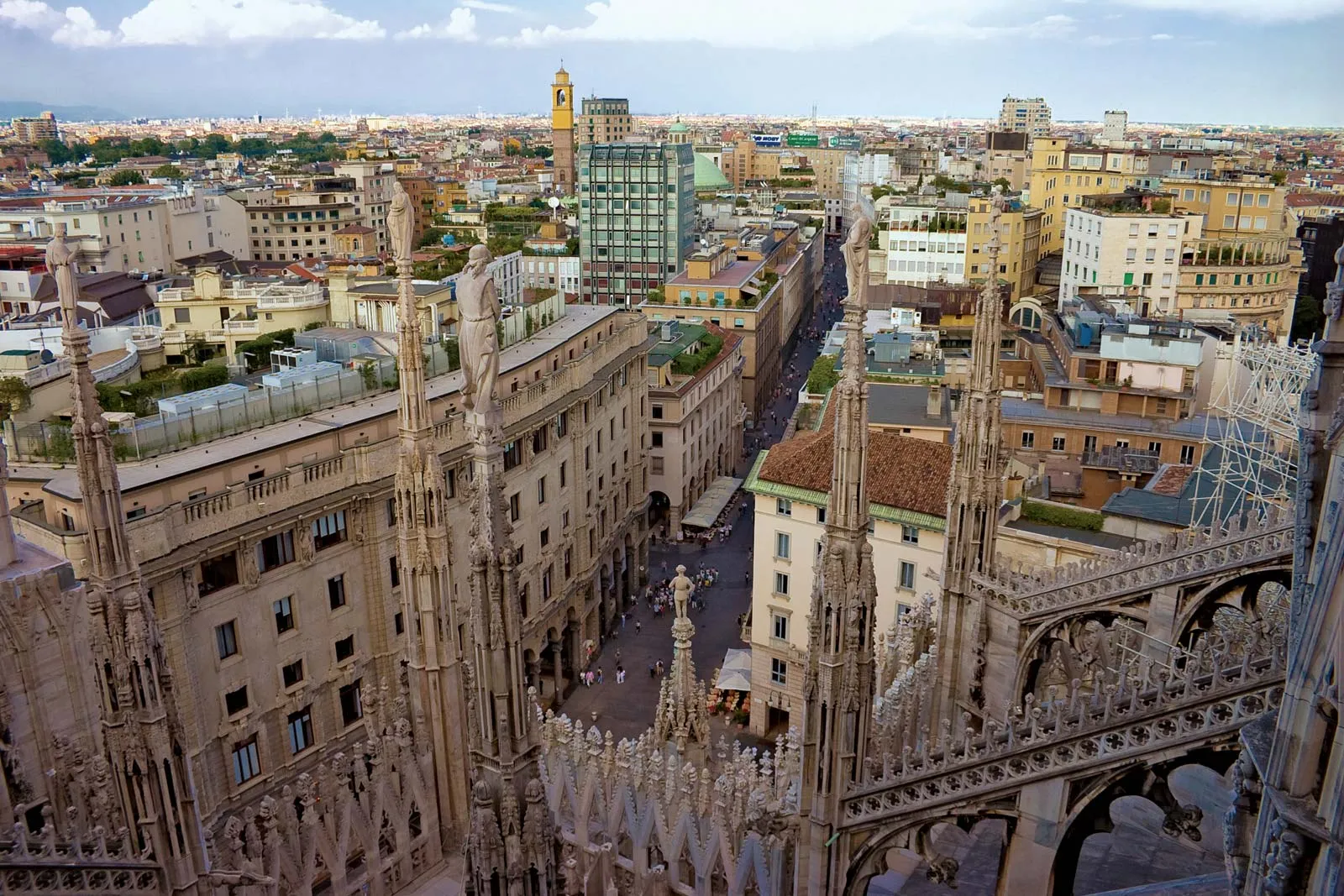
The Gothic spires of the Duomo rise above a city that has become one of the world’s great capitals of fashion, design and contemporary culture. Renaissance art sits comfortably beside avant-garde galleries. Historic courtyards conceal restaurants, ateliers and private gardens. Behind austere façades, Milan repeatedly reveals another layer.
For the luxury traveller, that sense of discovery is part of the privilege. Milan is not a city to be consumed in a checklist of landmarks. It is a city to be read slowly—through its neighbourhoods, its tables, its ateliers and the details that reveal themselves only when there is time to notice them.
Beneath the Duomo
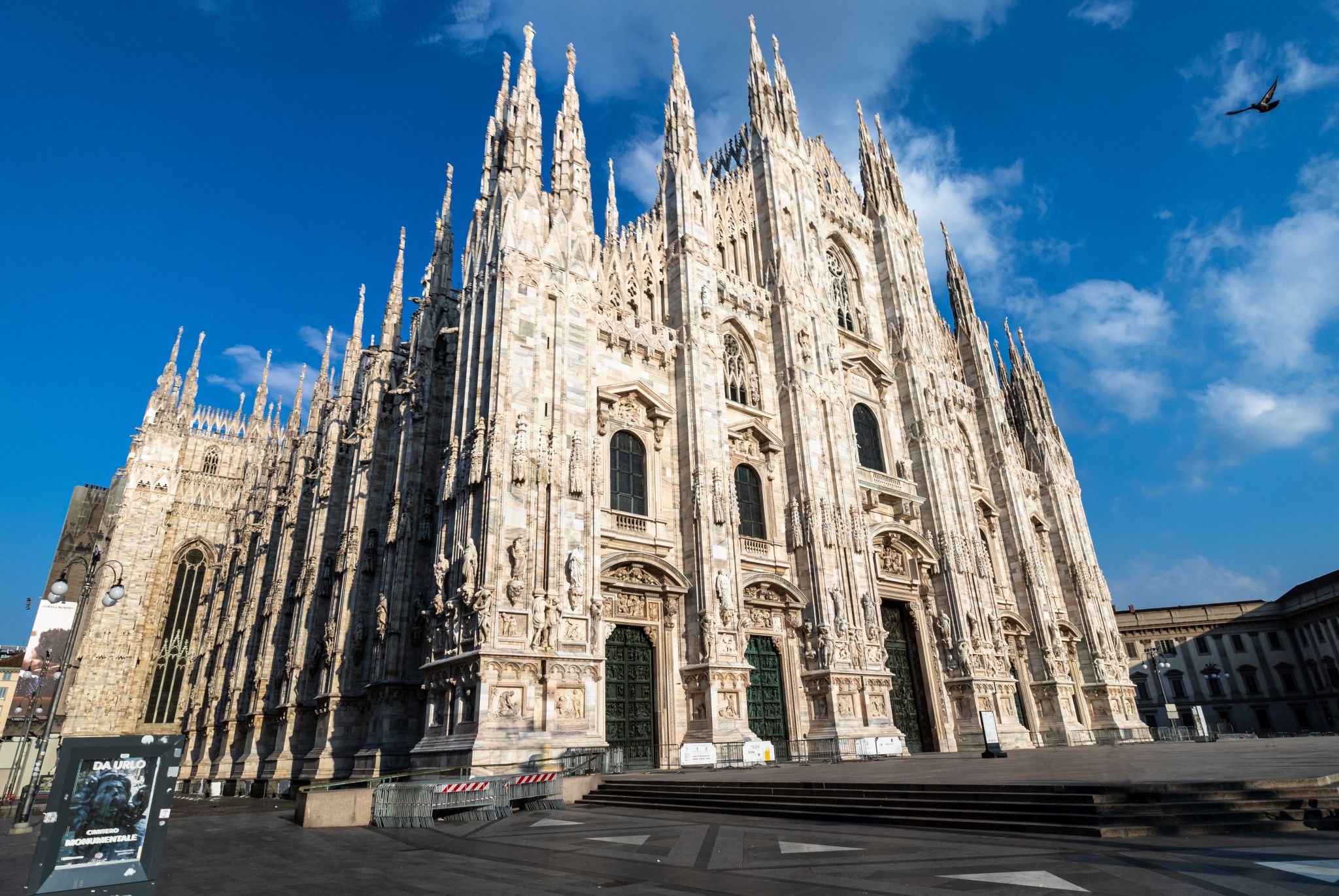
The first encounter with Milan is almost inevitably architectural.
The Duomo dominates the centre with extraordinary Gothic intricacy, its forest of spires and statues creating a skyline unlike any other in Italy. Yet the experience becomes richer when the cathedral is considered not as an isolated monument, but as the centre of a larger urban composition.
Step into the Galleria Vittorio Emanuele II and the atmosphere changes. The vaulted glass roof, mosaic floors and historic façades create an interior that feels simultaneously commercial and ceremonial. It is one of those rare places where simply walking becomes an experience in architecture.
Nearby, Teatro alla Scala adds another dimension. Opera has long been part of Milan’s cultural identity, and an evening at the theatre carries a particular sense of occasion. The city dresses differently after dark. Streets become quieter, restaurant tables begin to glow, and the formal elegance of Milan becomes more apparent.
Brera — Where Milan Becomes Intimate
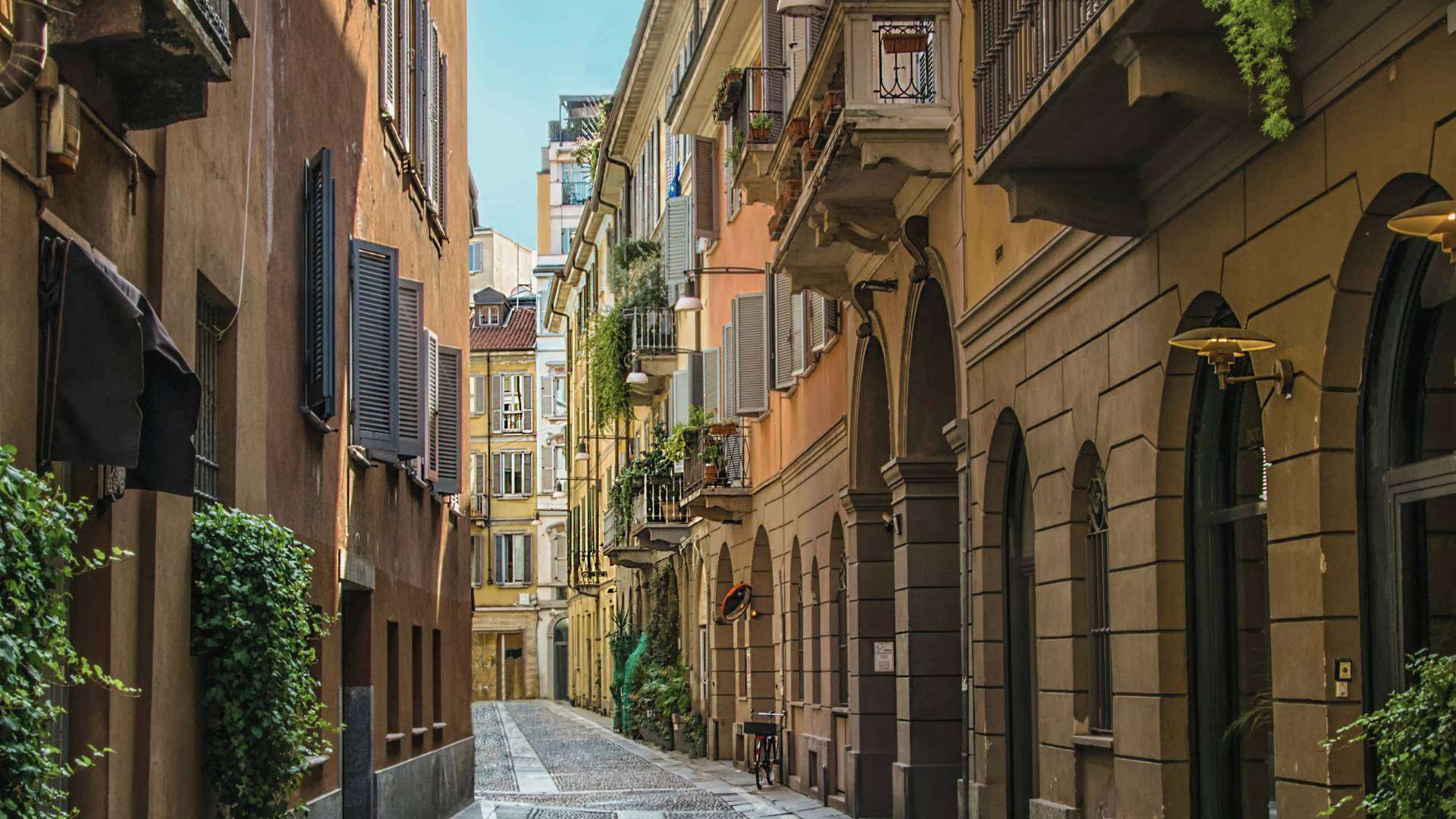
Brera offers a softer interpretation of the city.
Its narrow streets and ochre façades lead toward galleries, independent boutiques, antique shops and cafés where an afternoon can disappear almost unnoticed. The neighbourhood has an artistic temperament, but its charm is not performative. It feels lived in.
At its heart, the Pinacoteca di Brera houses one of Italy’s most important collections of art. Yet even beyond the gallery, Brera rewards a slower pace. Notice the details above the shopfronts. Step into courtyards. Follow a side street simply because it looks inviting.
This is where Milan becomes less about what is famous and more about what is beautifully observed.
The Milanese Eye — Why the City Dresses Differently
There is a reason Milan has become almost synonymous with sophisticated dressing. Here, fashion is not confined to a runway or a season; it is woven into the visual language of the city.
Milan is officially recognised as one of the world’s major fashion capitals, and the city’s relationship with clothing extends from historic Italian maisons and master tailoring to contemporary designers and the impeccably considered street style for which Milan is known. The Fashion Quadrilateral, centred around Via Montenapoleone, Via della Spiga, Via Manzoni and Corso Venezia, remains the city’s most concentrated expression of luxury fashion and Italian craftsmanship.
What makes Milanese style particularly compelling is its restraint. The most memorable look is rarely the loudest. It is the cut of a jacket, the fall of a fabric, the quality of leather, the proportion of a coat, the discreet watch or the confidence with which everything is brought together.
For the discerning traveller, this creates a different kind of experience. Milan can be explored through private appointments with ateliers, personal shopping, made-to-measure tailoring and the houses that have helped define the language of Made in Italy. Fashion becomes less about shopping and more about understanding why Italian clothing has earned such enduring authority.
The Language of Milanese Design
Milan’s relationship with design is deeper than a seasonal fashion calendar. It is embedded in the city’s architecture, interiors, furniture, lighting and everyday objects.
The Milanese aesthetic rarely depends on excess. It is architectural, tactile and exacting. A chair is considered not merely for how it looks, but for its proportion. A room is judged by the way light moves through it. Materials are selected for how they age, not simply how they photograph.
That philosophy can be felt across the city, from historic palazzi to contemporary showrooms and design districts. Milan’s reputation as a global design capital is inseparable from its wider culture of craftsmanship and innovation. citeturn0search11
For Luminara, this is one of Milan’s defining distinctions: luxury here is often expressed through intelligence of design rather than decoration.
Quadrilatero della Moda — The City Dressed in Its Finest
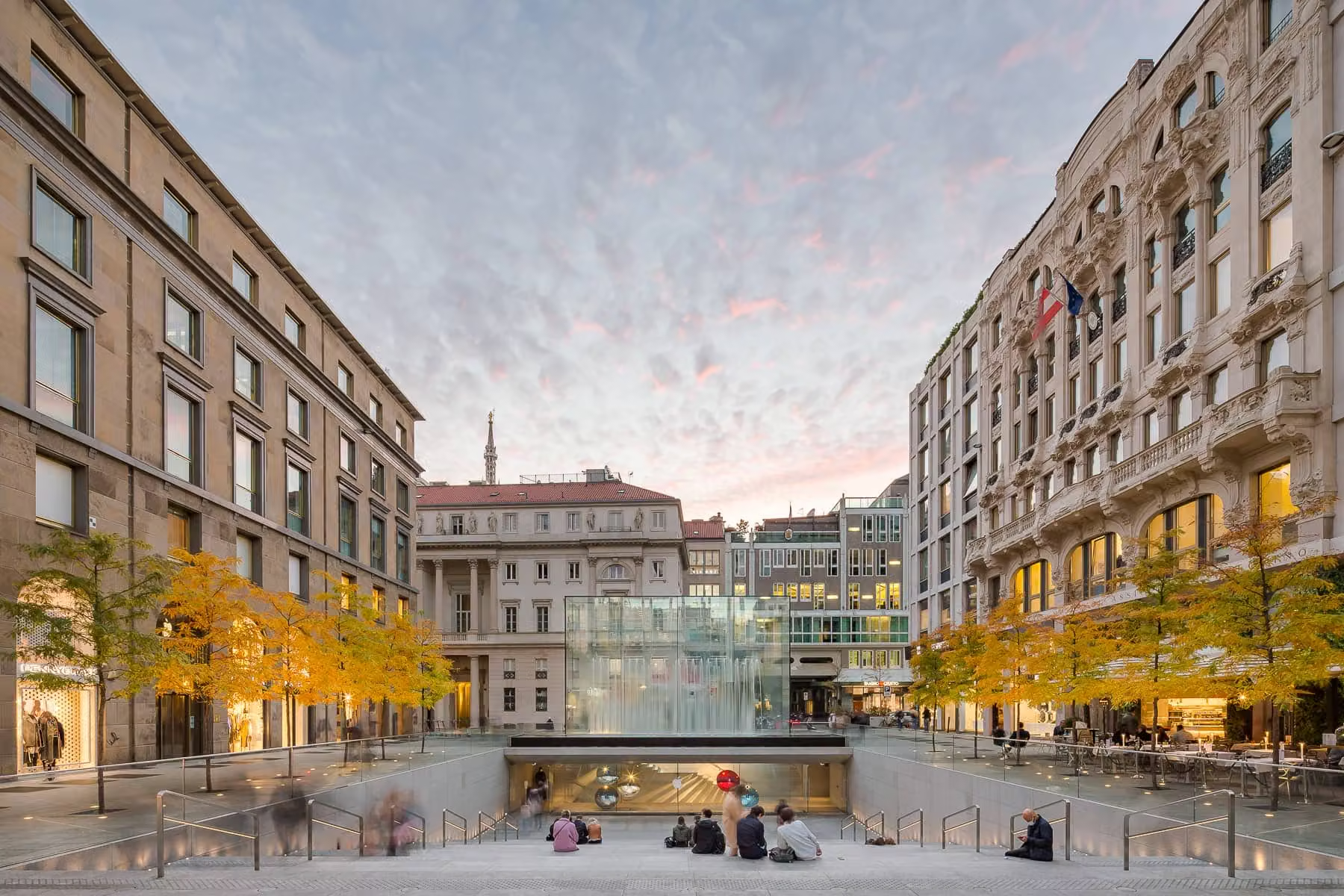
There are cities that follow fashion. Milan helps define it.
The Quadrilatero della Moda is one of the world’s most celebrated luxury shopping districts, formed by Via Montenapoleone, Via Manzoni, Via della Spiga and Corso Venezia. Its streets bring together international fashion houses, Milanese designers, jewellery, watches and exceptional Italian craftsmanship.
The most rewarding way to experience it is not to rush from boutique to boutique. A private stylist, an appointment at an atelier or access to a house normally experienced from behind closed doors can turn shopping into something more personal—a conversation with the people and traditions behind the objects.
Milan understands that true luxury is rarely about acquisition alone. It is about provenance, craftsmanship and knowing why something deserves to be kept.
The Last Supper — Art in Its Most Fragile Form
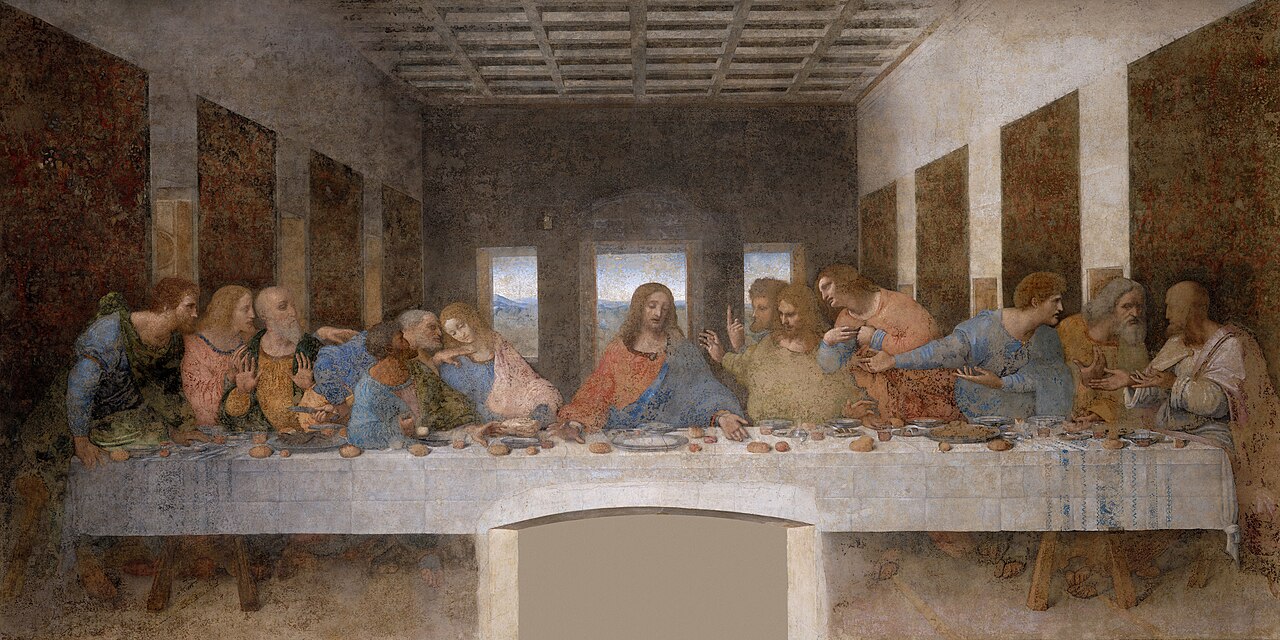
Few works of art have accumulated the cultural gravity of Leonardo da Vinci’s The Last Supper.
Painted in the refectory of Santa Maria delle Grazie, the work demands a different kind of attention from the monumental architecture elsewhere in the city. It is intimate, fragile and profoundly human.
A visit is best approached without haste. The room itself is part of the experience, and the painting rewards the kind of silence that modern travel rarely permits. Here, Milan’s relationship with art becomes personal rather than grand.
For travellers who value access and interpretation, a private art-led itinerary can place Leonardo’s Milan within the wider story of Renaissance Italy, connecting the city naturally with the artistic worlds explored elsewhere in our Italy Travel Journal.
Navigli — Milan After the Formalities
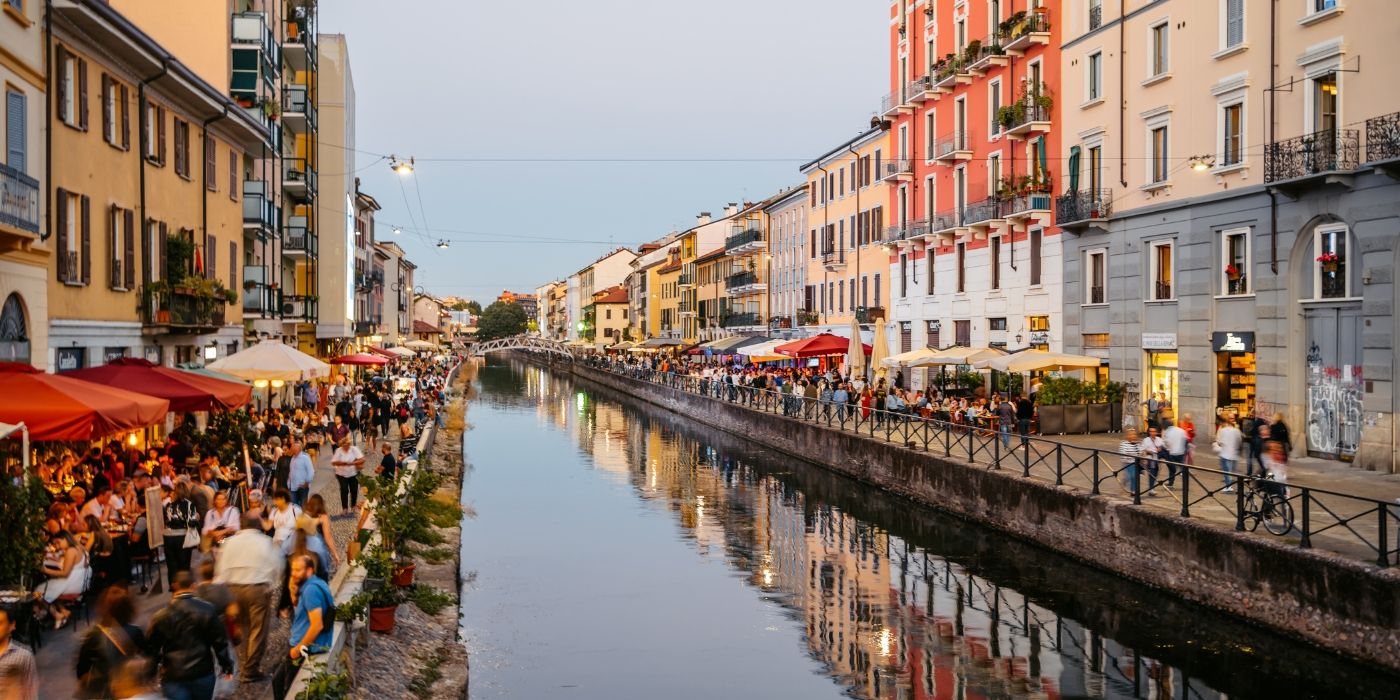
By evening, another Milan emerges.
Along the Navigli, the city’s formal elegance relaxes. Water catches the reflections of lights, tables extend toward the canals and aperitivo becomes less a ritual than a way of occupying the evening.
The atmosphere is intimate rather than spectacular. People linger. Conversations stretch. Milan stops performing for the day.
For the luxury traveller, this contrast is important. A sophisticated Milan itinerary should not remain inside grand hotels and fashion districts. It should leave room for the city’s more instinctive pleasures—the glass of wine, the unplanned table, the walk beside the water after dinner.
Milan at the Table
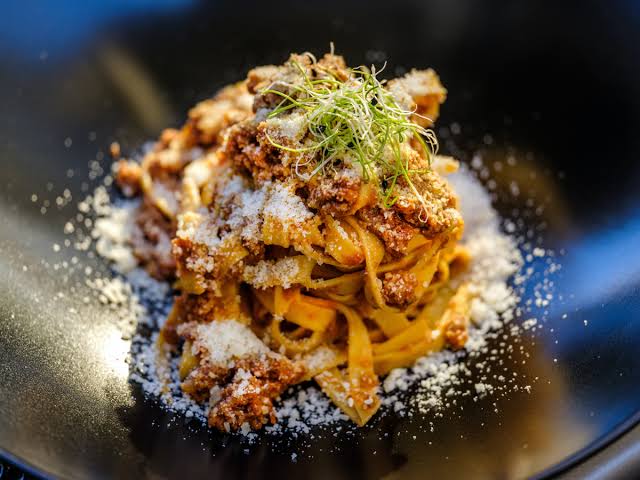
Milanese cuisine possesses the same restraint as the city itself. Its classics are recognisable, but the finest kitchens approach them with precision rather than spectacle.
Risotto alla Milanese, ossobuco and cotoletta alla Milanese belong to the city’s culinary vocabulary, while contemporary restaurants reinterpret regional traditions through modern technique and exceptional ingredients.
A truly memorable evening in Milan is as much about setting as cuisine. The right dining room, the right table, an attentive sommelier and enough time between courses can transform dinner from a meal into part of the city’s cultural rhythm.
And then there is aperitivo—a Milanese tradition that perfectly captures the city’s social elegance. It is less about excess than transition: the moment when work gives way to evening and the city becomes more relaxed without losing its polish.
The Art of Staying in Milan
Milan’s finest hotels understand the city’s central contradiction: it is intensely metropolitan, yet its most beautiful moments are often found behind closed doors.
Bvlgari Hotel Milano
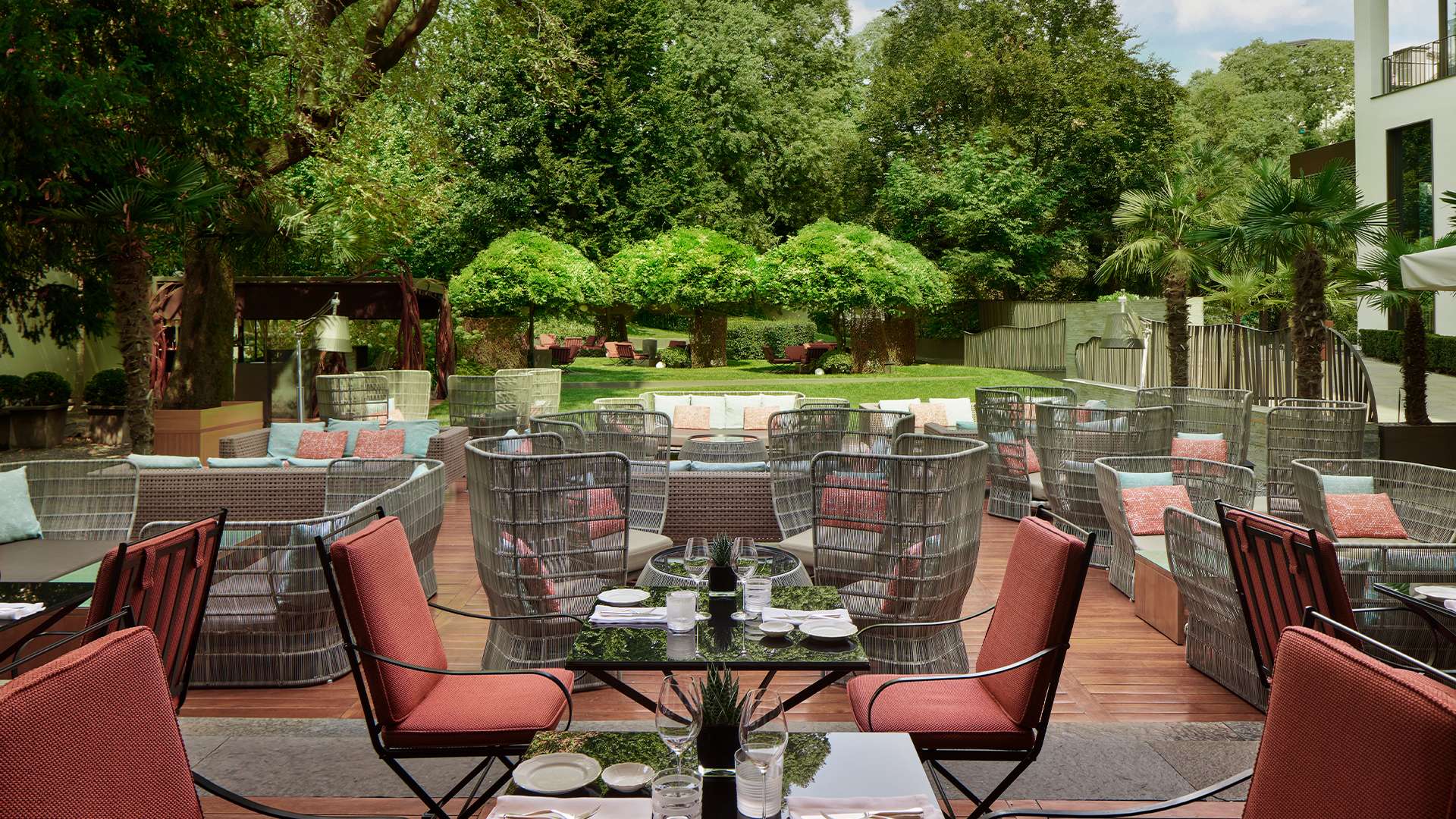
On a private street near Brera, Via Montenapoleone and La Scala, Bvlgari Hotel Milano occupies a refined eighteenth-century Milanese palazzo. Its defining surprise is the 4,000-square-metre private garden, an oasis of greenery concealed within the city. The hotel combines rigorous contemporary design with Italian materials, a sophisticated spa and a sense of privacy that makes the centre of Milan feel unexpectedly removed from its own energy.
For a Luminara stay, it is particularly compelling for travellers who want immediate access to Milan’s fashion and cultural core without sacrificing the feeling of retreat. The hotel also arranges bespoke experiences around the city and beyond, including private visits and curated journeys.
Four Seasons Hotel Milano
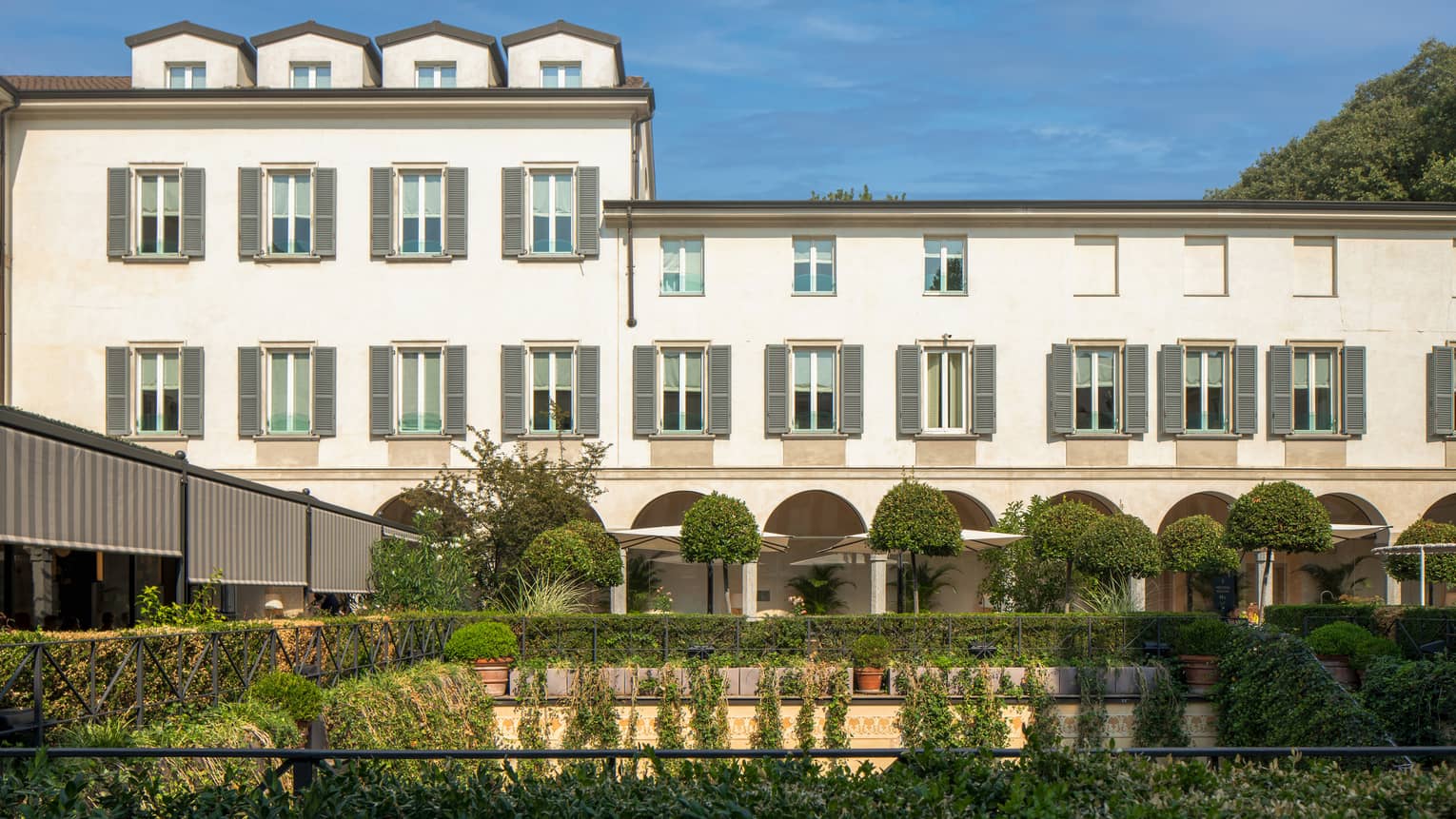
Set within a fifteenth-century convent in the heart of Milan’s Fashion District, Four Seasons Hotel Milano offers another interpretation of urban luxury. Frescoed spaces, a landscaped garden retreat, a spa and an exceptional location near the Duomo and Via Montenapoleone give the property a sense of history without making it feel museum-like.
It is a natural choice for travellers who want the city immediately beyond the hotel doors while returning each evening to an atmosphere of quiet, cultivated comfort.
Mandarin Oriental, Milan
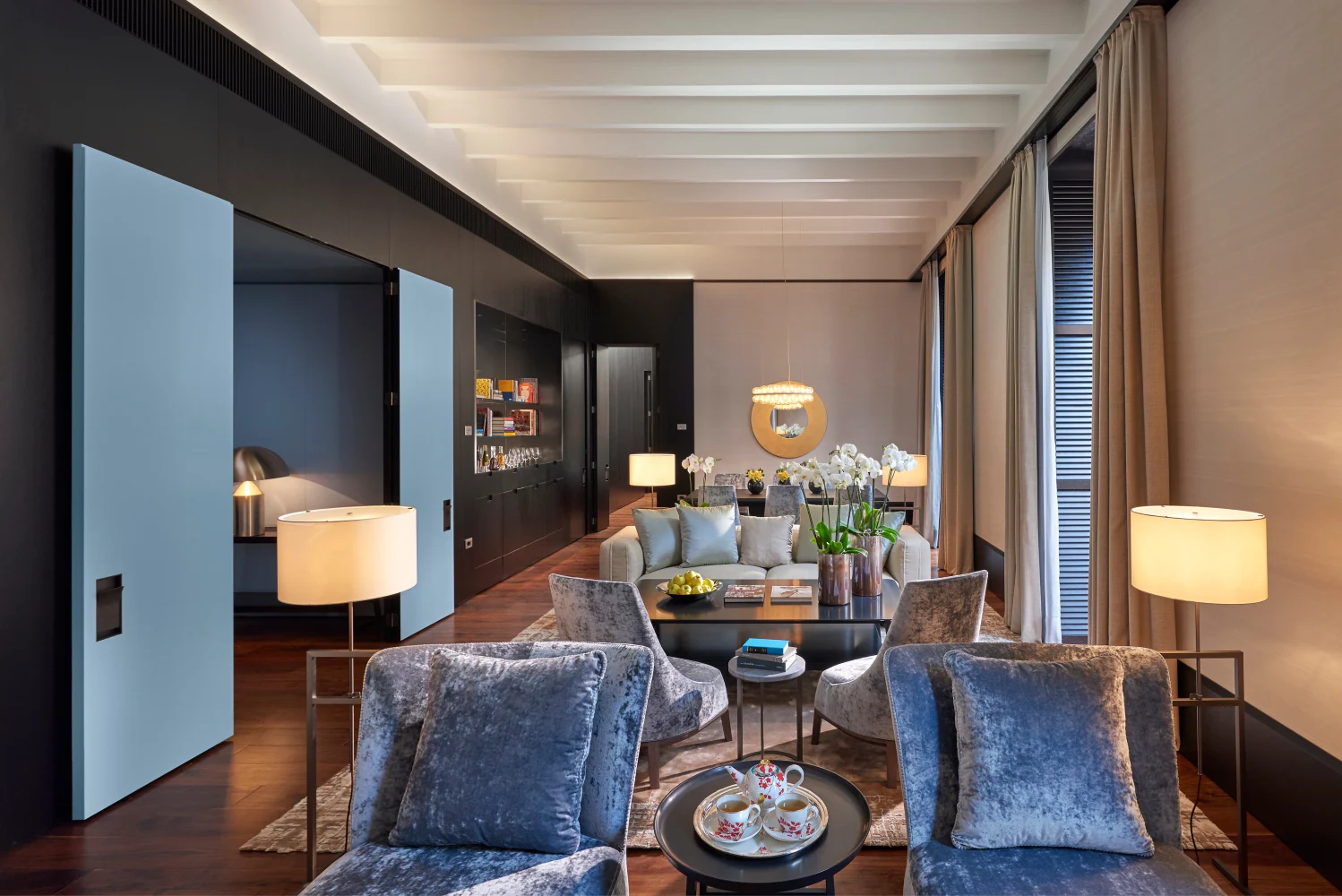
Near La Scala, Mandarin Oriental, Milan occupies four elegant eighteenth-century buildings and combines Milanese design with subtle Oriental touches. The property offers 104 rooms and suites, two leafy courtyards, a holistic spa and the two-Michelin-starred Seta by Antonio Guida.
The appeal is understated rather than theatrical—an appropriate match for travellers who prefer polished service, considered interiors and a central Milanese address.
Milan Beyond the Expected
The most memorable Milan experiences often happen away from the obvious landmarks.
A private fashion appointment can reveal the craft behind an Italian house. A design-led itinerary can move through studios and galleries normally overlooked by first-time visitors. An art specialist can place Leonardo, Brera and contemporary Milan within one continuous narrative. A private driver can extend the journey beyond the city, perhaps toward Lake Como, creating a natural transition from urban sophistication to lakeside serenity.
The point is not to add exclusivity for its own sake. It is to replace the generic with the considered.
Milan Within the Italian Journey
Milan occupies a fascinating position within the wider Italian landscape. From the quiet grandeur of the Dolomites to the lakeside elegance of Lake Como, the country continually changes its vocabulary of luxury.
After the alpine drama of the Dolomites, Milan feels more precise and urban; after the languid beauty of Lake Como, it brings a sharper rhythm of fashion, art and design. Together, these destinations reveal an Italy that is far more nuanced than any single journey could suggest.
This is where Milan belongs within the Luminara story—not simply as another Italian city, but as the meeting point between heritage and modernity, countryside and culture, craftsmanship and contemporary life.
When Milan Reveals Its Finest Side
Milan is compelling throughout the year, but its character shifts with the calendar. Spring brings softer light and the return of outdoor dining. Autumn brings a more polished, cultured atmosphere as the city’s fashion and design calendars regain their intensity. Winter has its own elegance, particularly around the festive season, while summer reveals quieter streets and a slower rhythm.
For a luxury journey, the ideal timing depends on what the traveller wants Milan to become: a fashion capital, an art city, a gastronomic escape, a design pilgrimage or an elegant beginning to a wider Italian itinerary.
A Luminara Perspective
Milan rewards those who understand that luxury is not synonymous with extravagance.
It is the private courtyard hidden behind a severe façade. The atelier appointment arranged before the city wakes. The table selected because its light is perfect at eight. The suite that allows the evening to continue in complete privacy. The art historian who changes the way you look at a painting you thought you already knew.
This is the Milan we would choose to reveal—not the city of hurried shopping lists and obligatory photographs, but the Milan of discernment.
A city where every detail appears considered, where style is rarely accidental, and where the finest experiences often happen just beyond the obvious.
Where Style Becomes a Way of Life
Eventually, Milan leaves you with an impression that is difficult to define.
It is not simply beautiful. It is composed.
The city understands proportion, restraint and the power of a well-made thing. It knows how to preserve a centuries-old courtyard while placing contemporary design inside it. It can turn an ordinary evening into a ritual and a historic building into a living expression of modern Italian life.
And perhaps that is Milan’s greatest luxury.
It never needs to ask for attention.
It already has it.