There is a particular hour in Cannes when the Mediterranean turns to brushed silver, the façades along the waterfront begin to glow, and the Croisette seems to settle into its own carefully composed scene. A tender breeze moves through the palms. Boats shift almost imperceptibly in the harbour. The terraces fill, not with haste, but with the unhurried confidence of a town that has long understood the pleasure of being seen—and the equal pleasure of watching the world pass by.
Cannes is often introduced through its most recognisable images: the red carpet, the grand hotels, the polished silhouettes of yachts in the old port. Yet the city is more nuanced than its reputation suggests. Behind the festival façade lies a working Provençal town shaped by markets, fishermen, narrow lanes and the everyday rituals of the south. Its glamour is real, but so is its local character. The most rewarding visit moves between both: from a private beach beneath the Croisette to a shaded table in Le Suquet; from a late afternoon among designer boutiques to the quiet pine-scented paths of the Lérins Islands.
For the traveller drawn to luxury with a sense of place, Cannes offers a rare balance. It can be theatrical without being entirely superficial, leisurely without being sleepy, and polished while retaining the textures of the Mediterranean. The art is to experience it beyond the obvious frame.
La Croisette: Cannes on the Grand Stage
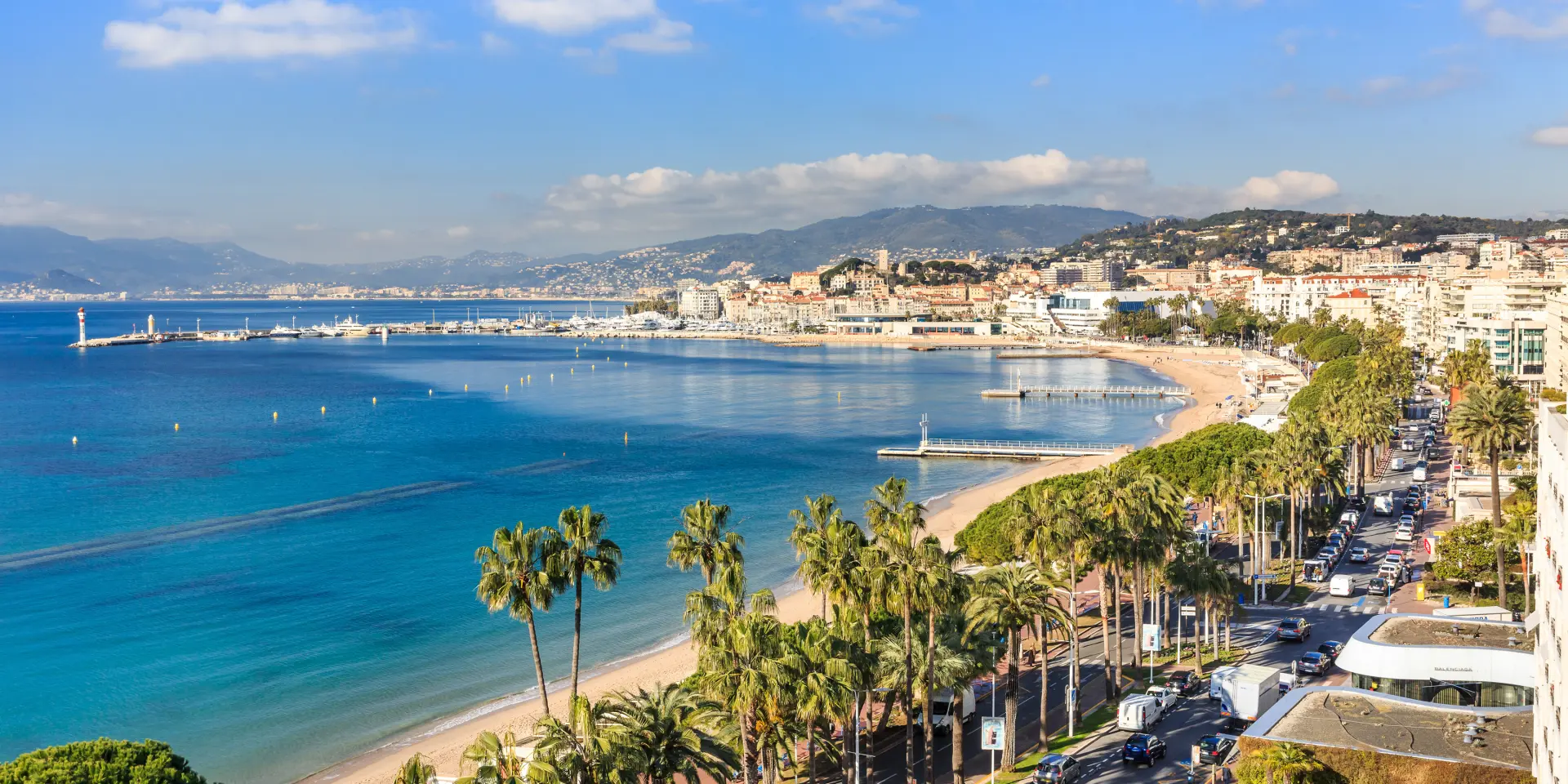
The Boulevard de la Croisette is the city’s signature promenade, tracing the curve of the bay between the Palais des Festivals and the beaches that stretch towards Port Canto. Palm trees punctuate the seafront; Belle Époque and contemporary façades stand behind terraces and fashion houses; the water remains in view, lending even an ordinary walk a sense of occasion. In the morning, the boulevard is a place for a measured stroll and coffee by the sea. By late afternoon, it becomes a theatre of linen jackets, sunlit sunglasses and conversations that seem to have nowhere urgent to go.
The Croisette’s grand hotels are part of its architecture as much as its hospitality. Their entrances, gardens and terraces give the boulevard its distinctive rhythm, while private beach clubs create a second, more intimate waterfront. A day here need not be extravagant at every turn. Choose a lounger, take a long lunch, read beside the water and let the changing light provide the entertainment. Cannes is at its best when luxury feels less like a performance and more like the freedom to linger.
The Palais des Festivals: Where the World Watches
At the western end of the Croisette stands the Palais des Festivals et des Congrès, inseparable from the Cannes Film Festival and the images that have travelled around the world: the steps, the cameras, the gowns and the brief, bright passage from arrival to applause. Outside festival season, the building offers a different kind of fascination. Its famous staircase and forecourt become a place to pause and consider how a small Mediterranean town became a global meeting point for cinema, creativity and cultural influence.
The festival itself transforms the city’s tempo. Hotels fill, beach pavilions become elaborate hospitality spaces, and private events extend well into the evening. Travellers visiting during this period should plan accommodation and restaurant reservations well in advance, and expect a livelier, more expensive city. Those who prefer a calmer Cannes can visit outside the festival dates and still enjoy the cinematic atmosphere without the same intensity.
Le Suquet: The Old Soul Above the Harbour
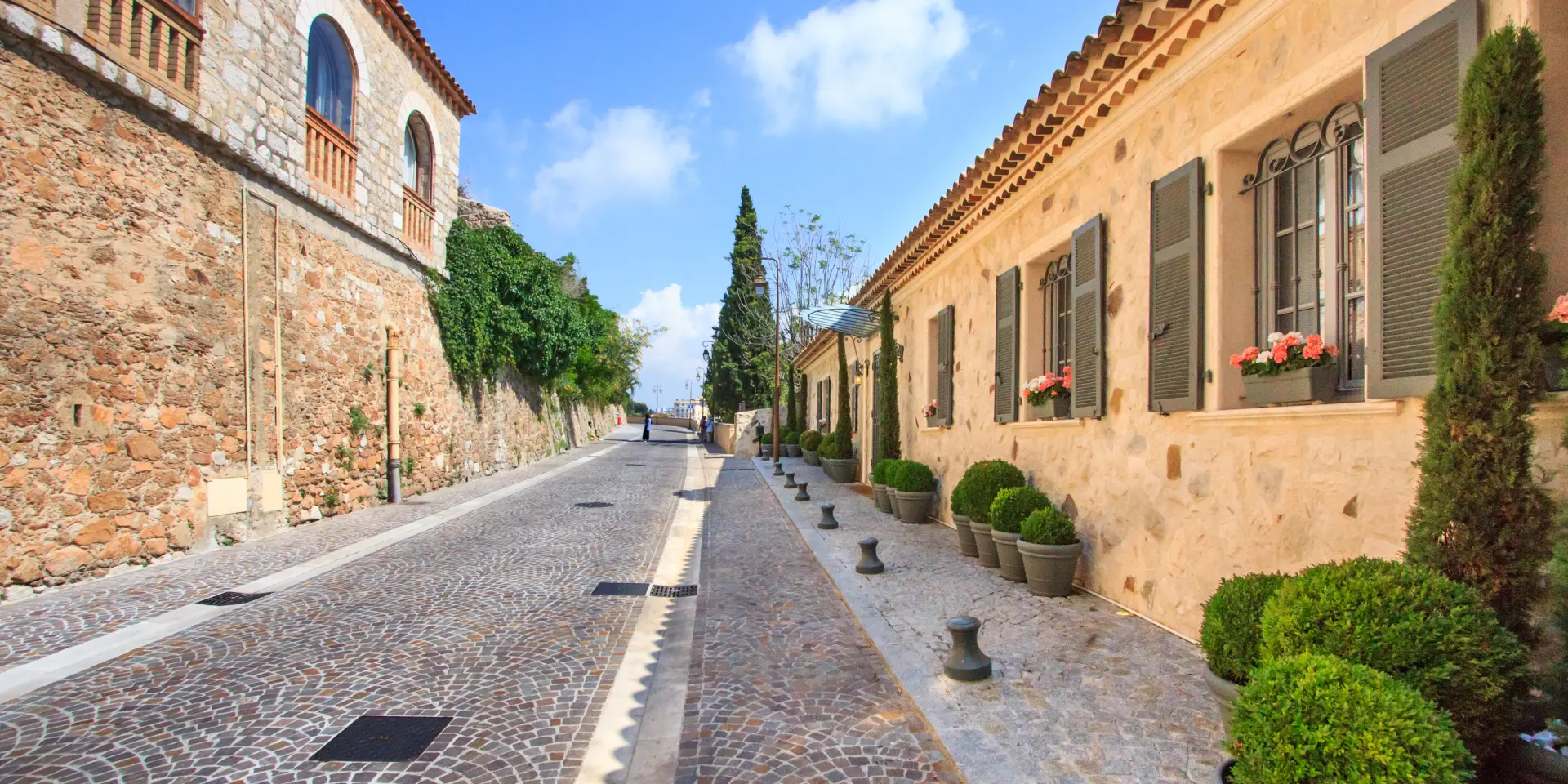
A short climb away from the waterfront, Le Suquet reveals a more intimate Cannes. The old quarter rises in a maze of narrow lanes, stone steps and pastel façades, where shutters frame glimpses of the sea and small restaurants occupy corners that seem made for lingering. Its character is not curated for spectacle; it is shaped by the older life of the town, before Cannes became a byword for film premieres and Riviera glamour.
At the summit, the area around the historic church and Musée des Explorations du Monde rewards the climb with wide views across the rooftops, the old port and the curve of the bay. Visit in the late afternoon, when the light softens over the terracotta tiles and the harbour begins to shimmer. Afterwards, descend slowly, choosing a table for Provençal cooking rather than rushing back towards the boutiques. Le Suquet is where Cannes feels most human—and where its glamour gains perspective.
The Old Port: Yachts, Sails and a Different Horizon
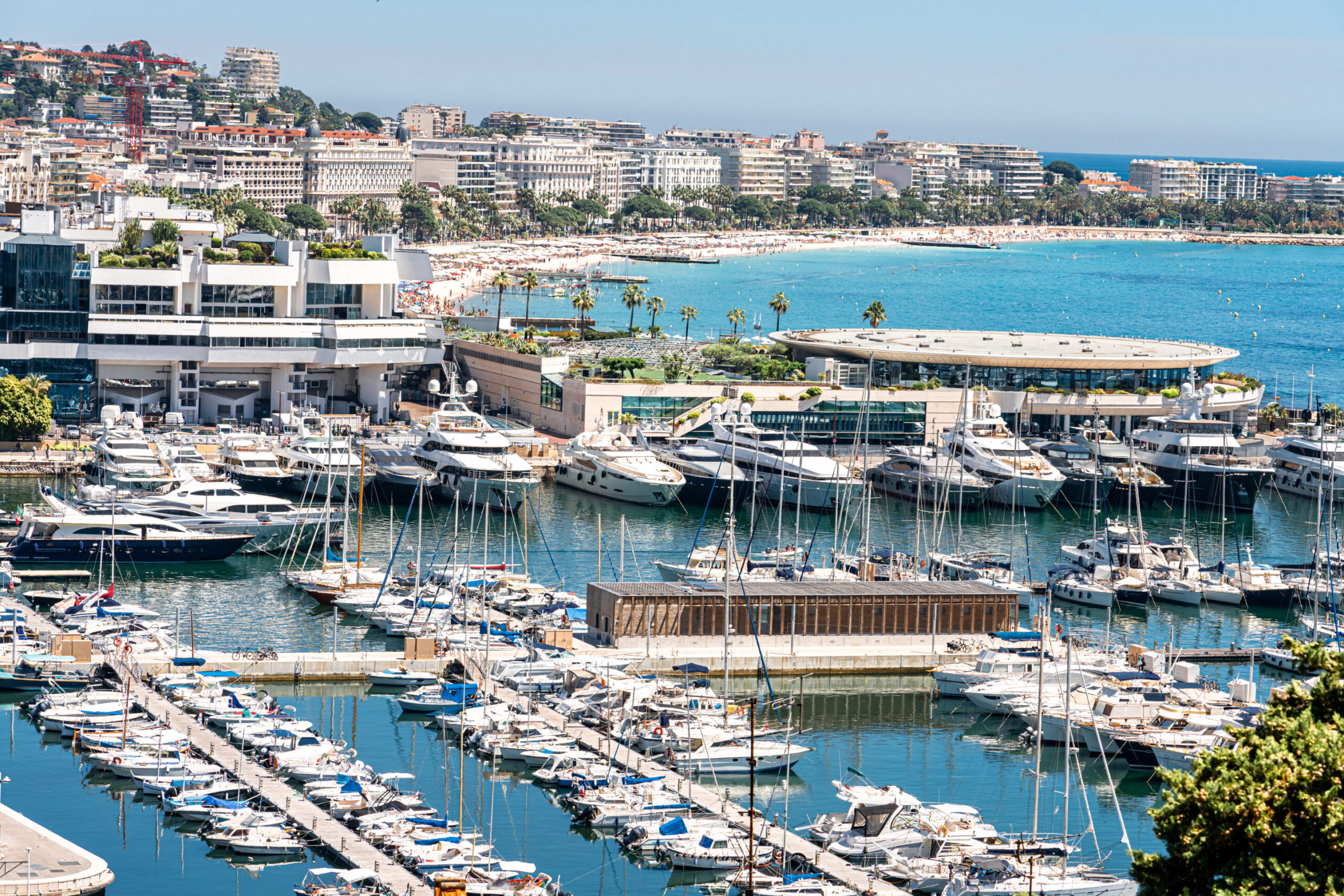
Below Le Suquet, the Vieux-Port offers a maritime counterpoint to the Croisette’s polished boulevard. Traditional sailing boats, pleasure craft and superyachts occupy the same broad frame, while the waterfront cafés and quays remain connected to the rhythms of the harbour. During major nautical events, the port becomes a showcase for the international yachting world; at quieter times, it is simply a beautiful place to watch the day begin or end.
For a more personal view of the coast, consider a private boat excursion arranged with a reputable operator, with the itinerary and safety provisions agreed in advance. From the water, Cannes reveals its geography more clearly: the sweep of the city, the hills behind it and the green silhouettes of the islands offshore. The point is not speed or spectacle, but the pleasure of seeing a familiar coastline from a quieter angle.
Îles de Lérins: The Quiet Riviera
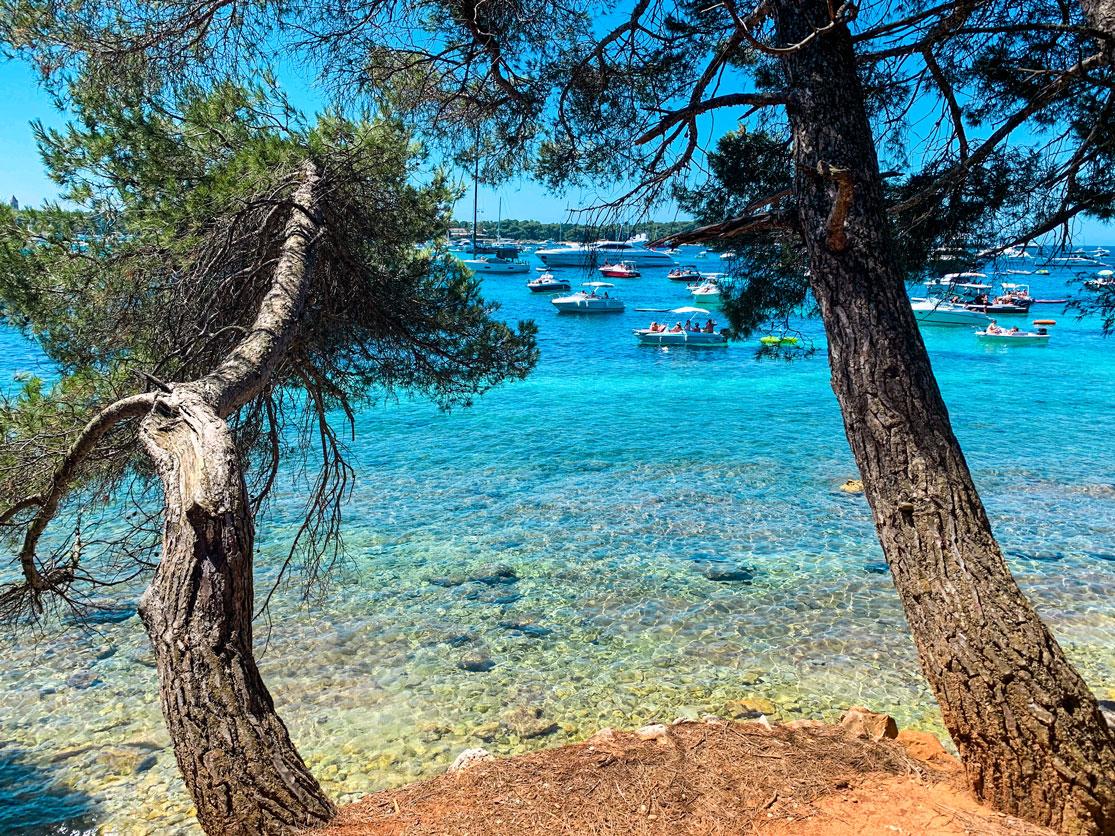
A short crossing from Cannes leads to the Lérins Islands, whose pine woods, rocky coves and clear water offer a striking contrast to the energy of the mainland. Sainte-Marguerite is known for woodland paths, secluded shoreline and Fort Royal, whose history adds a layer of intrigue to the landscape. The island invites walking rather than rushing: follow the shaded paths, stop where the sea opens between the trees, and allow time for a simple lunch before returning to the city.
Nearby Saint-Honorat has a distinct atmosphere shaped by its monastic community and long religious history. Its vineyards, chapels and quiet coastal routes make it an especially contemplative excursion. Visitors should respect the character and rules of the island and check ferry schedules before setting out. For travellers who associate the Riviera with noise and display, the Lérins offer a restorative reminder that the Mediterranean’s most memorable luxuries are sometimes silence, shade and unbroken water.
Rue d’Antibes and the Art of the Afternoon
Cannes is also a destination for considered shopping. Rue d’Antibes runs through the commercial heart of the city, balancing familiar labels with local shops, cafés and the everyday movement of residents. Nearby, the Carré d’Or and the Croisette gather international fashion houses and jewellery boutiques in a more polished setting. The pleasure lies in moving between these registers: a window of haute couture, a small shop selling regional specialities, then a pause at a café to watch the street.
Rather than treating shopping as a checklist, make it part of the day’s rhythm. Begin with a leisurely lunch, explore on foot, and leave enough time to return to the waterfront before sunset. Cannes is compact enough for these transitions to feel effortless, particularly when the hotel is chosen within walking distance of the centre.
Forville Market: The Taste of Provence
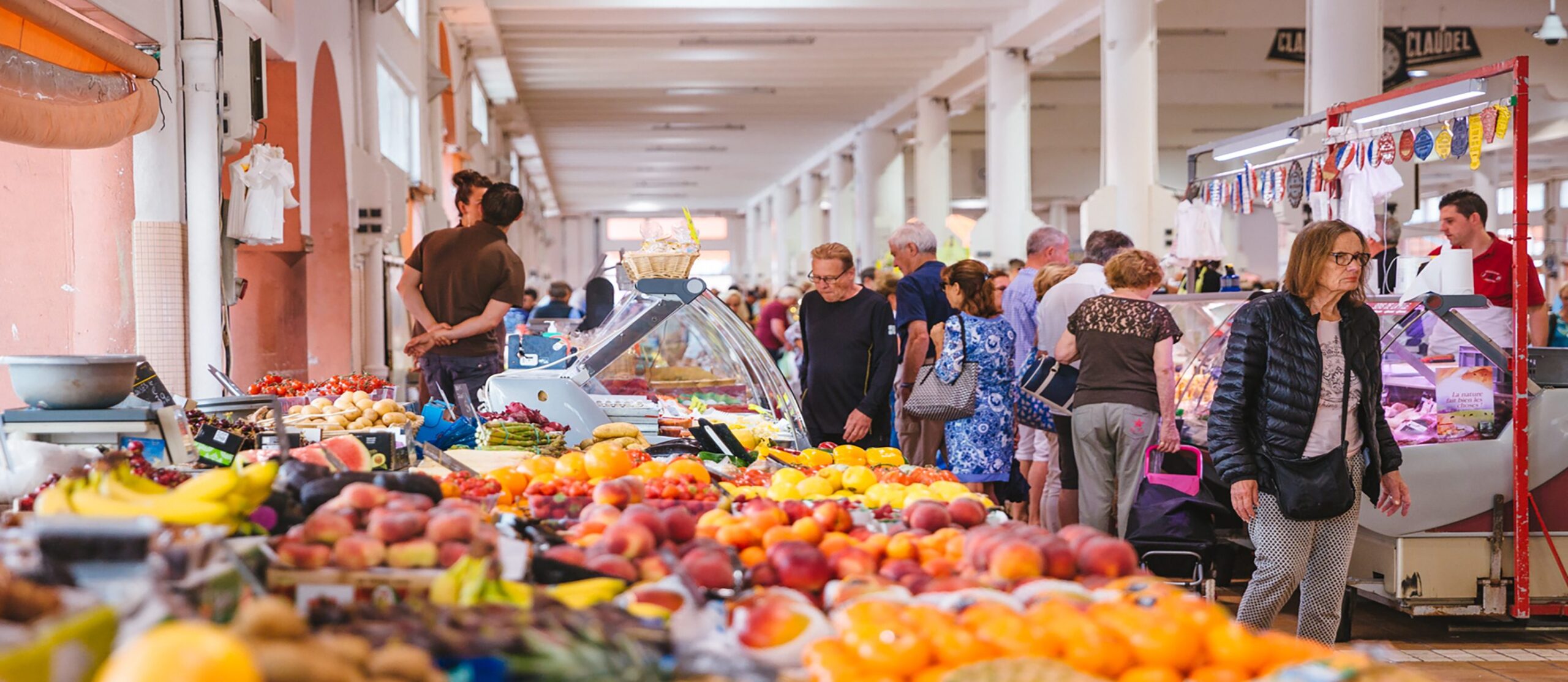
At Marché Forville, Cannes speaks in a more local register. The covered market is a lively meeting place for seasonal produce, herbs, olives, cheeses, flowers, seafood and the colours of Provençal cooking. Arrive in the morning, when stalls are active and the day’s ingredients are at their freshest. The experience is as much about observation as purchase: the conversations between vendors and regulars, the changing produce, and the way the market expresses the agricultural and coastal landscape around the city.
Cannes’ table draws on the broader cuisine of Provence and the Côte d’Azur: olive oil, ripe tomatoes, aromatic herbs, seafood, vegetables in season and wines from the surrounding region. Seek out menus that follow the market rather than relying only on familiar luxury-hotel dining rooms. A memorable stay might include both—a polished dinner overlooking the water and a relaxed lunch built around the produce of the south.
Cannes Through the Seasons
Spring: The Season of Anticipation
Spring brings fresh colour to the Riviera, comfortable temperatures for walking and a calendar that builds towards the Cannes Film Festival. The city begins to feel more animated, while the sea and promenades remain inviting for long afternoons. Festival dates create a dramatic shift in demand, so travellers seeking a spring stay should decide whether they want to be part of the event or enjoy Cannes before or after its busiest days.
Summer: Beach Clubs and Long Evenings
Summer is Cannes at its most sociable. Beach clubs, terraces and waterfront restaurants fill with the rhythms of a Mediterranean holiday, and the evenings stretch comfortably into outdoor dining. It is also the busiest period, with higher accommodation rates and greater demand for private beaches, boat trips and sought-after tables. Reserve key experiences ahead of time, but leave space in the itinerary for unplanned swims and sunset walks.
Autumn: Golden Light and a Softer Pace
Early autumn is particularly appealing for travellers who value warmth without the full intensity of summer. The sea often retains its summer warmth, the light becomes gentler, and the city settles into a more measured rhythm after the busiest weeks. It is a fine time for the Lérins Islands, long lunches and exploring the old quarter without rushing.
Winter: A More Intimate Cannes
Winter reveals a quieter, more residential side of the city. Some seasonal beach venues and services may operate on reduced schedules, but the waterfront, markets, old town and cultural life remain rewarding. Expect cooler evenings and check individual hotel facilities before booking, particularly if a heated pool, private beach or specific restaurant is central to the stay. For travellers who prefer atmosphere over crowds, winter can make Cannes feel unexpectedly personal.
A Wider Journey Along the Côte d’Azur
Cannes is ideally placed for discovering the wider French Riviera, where each town carries a different expression of Mediterranean life. Nice offers a deeper blend of art, old-town streets and grand waterfront architecture; Monaco brings a more formal world of harbour spectacle and polished urban luxury; and the hilltop villages inland reveal a quieter Provençal landscape of stone lanes, studios and long views. These places are not interchangeable, and that is precisely the appeal of travelling through the region.
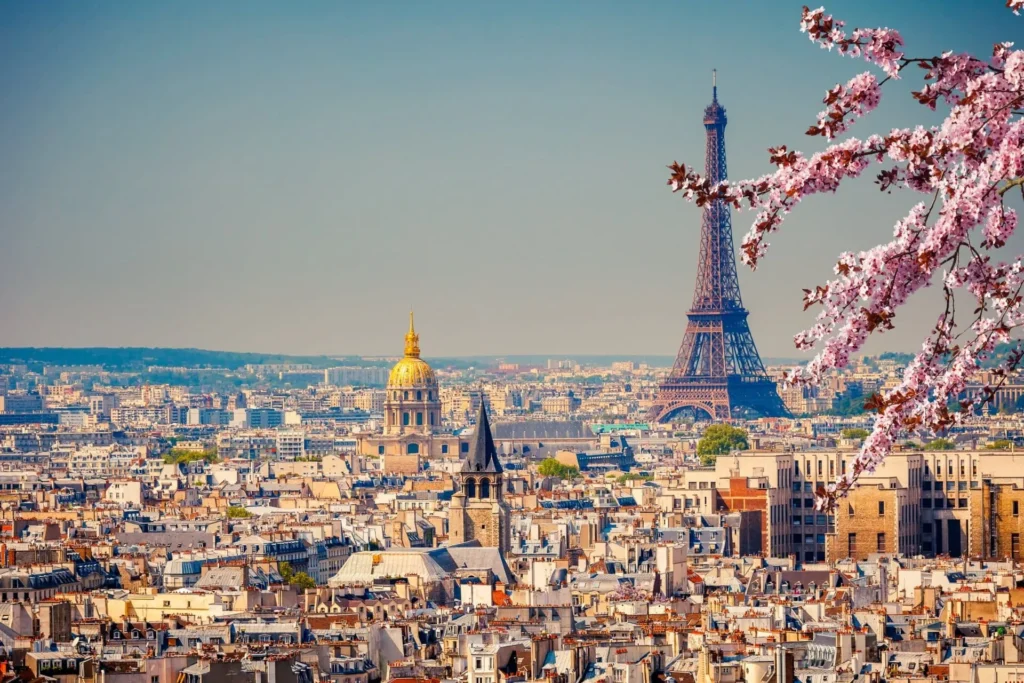
For a broader perspective on the country, continue through our France collection, where Paris offers a cultural capital’s layered elegance and Nice introduces the Riviera through light, colour and its distinctive Mediterranean character. Cannes belongs in the same journey, but it tells its story through cinema, the sea and the rituals of a celebrated resort town.
Five Addresses That Define the Elegance of Cannes
Cannes’ most distinguished hotels are not simply places to sleep; they are part of the city’s social and architectural landscape. The right address determines whether the stay feels immersed in the Croisette’s energy, oriented towards the beach, or tucked into a more private retreat. The following properties offer different interpretations of Riviera hospitality. Facilities, room categories and services can change, so confirm current details directly before booking.
Carlton Cannes, a Regent Hotel
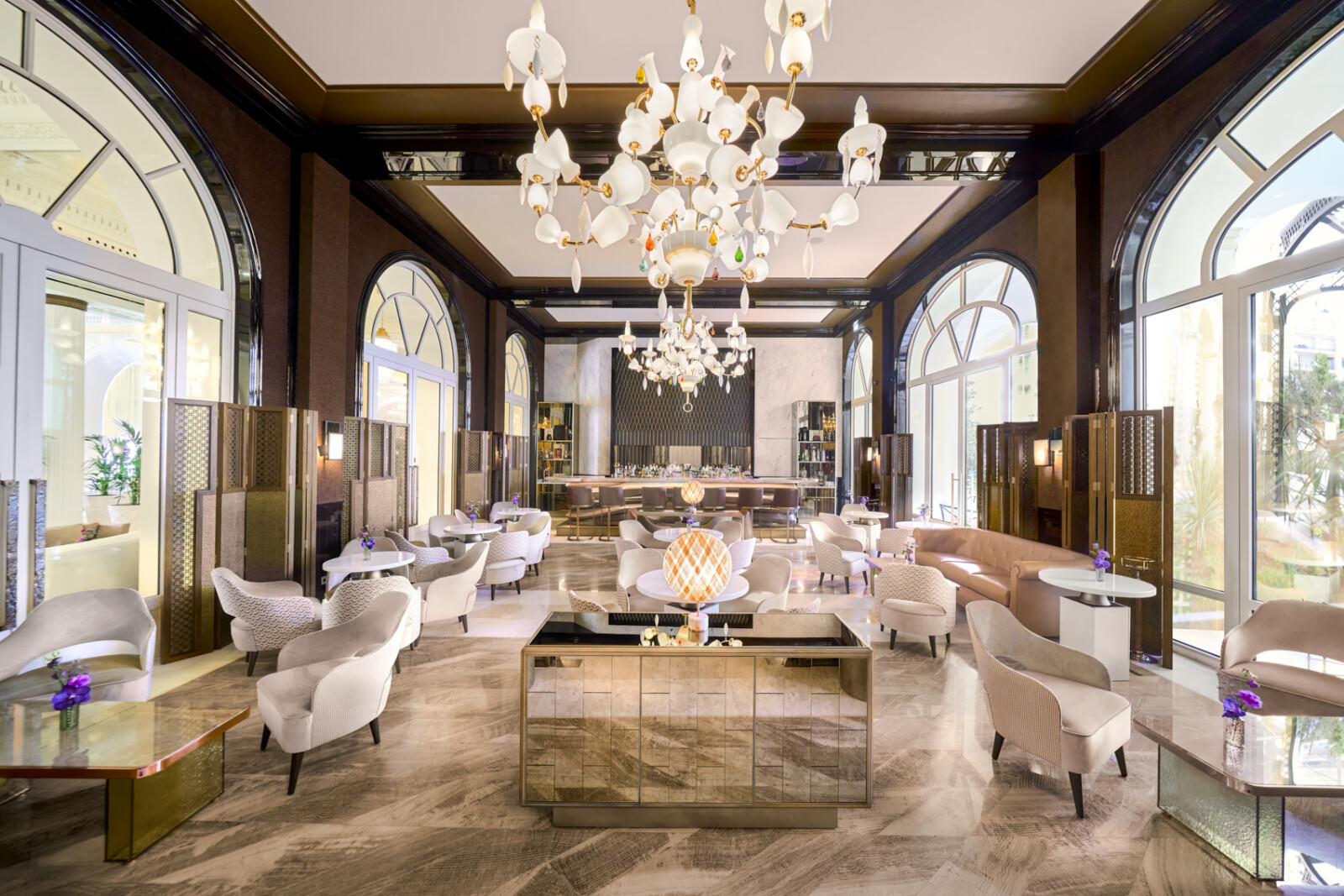
At 58 Boulevard de la Croisette, Carlton Cannes remains one of the Riviera’s defining grande-dame addresses. Its Belle Époque presence and contemporary reinvention place it firmly within the city’s visual mythology, while its rooms and suites are designed around light, detail and a sense of occasion. The hotel’s dining venues, bar and wellness facilities make it possible to spend much of the day within its orbit, yet its location also places the Croisette and the Mediterranean immediately outside. Choose it for classic Riviera stature with a polished modern sensibility.
Hôtel Martinez
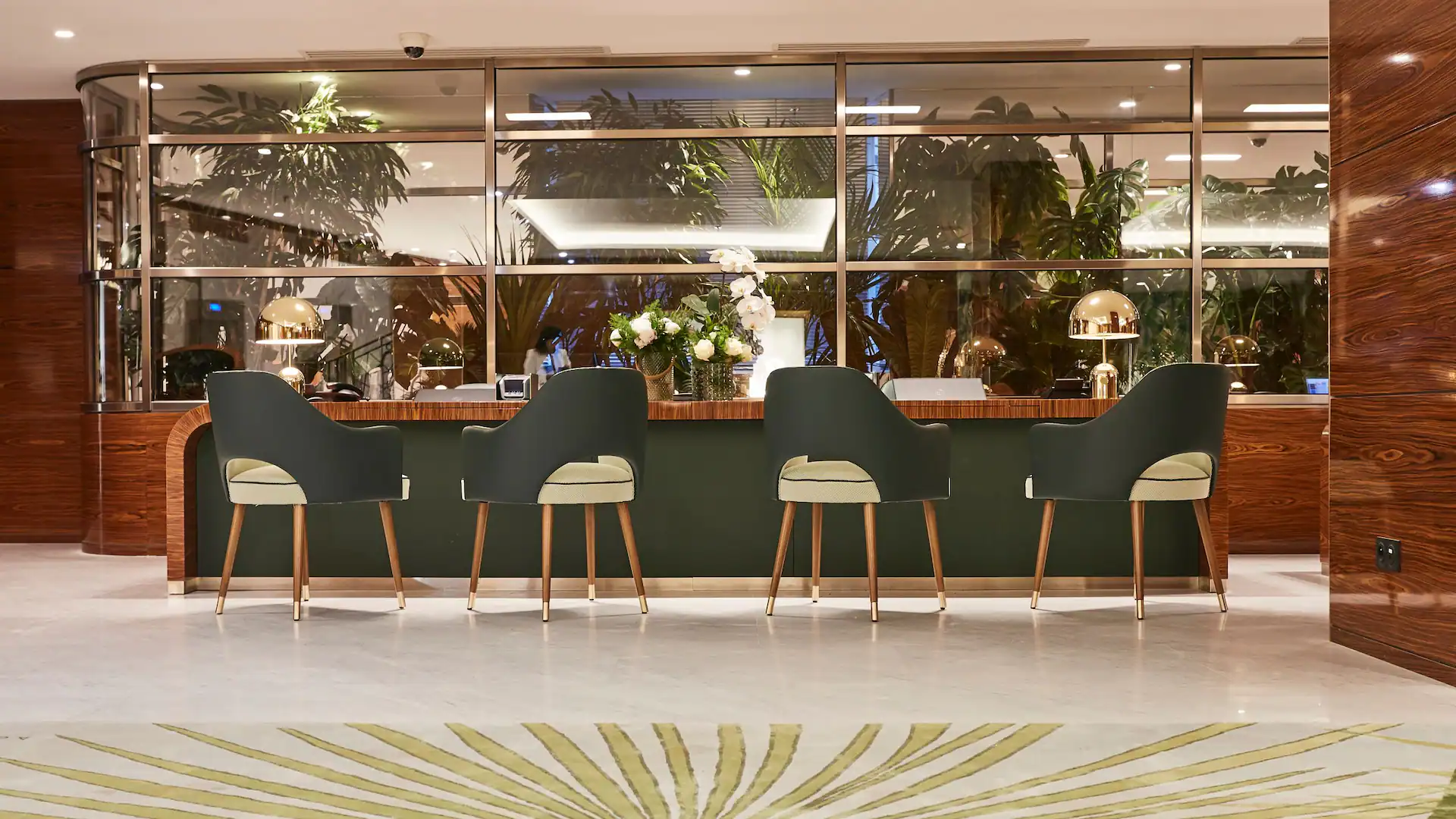
Hôtel Martinez, on the Croisette, has been part of Cannes’ hotel story since 1929. Its Art Deco character gives the property a strong sense of identity, while contemporary rooms and suites bring a lighter, more modern finish. The hotel is especially suited to travellers who want the beach and the boulevard to shape their days, with refined dining and a celebrated waterfront setting close at hand. Its Palace distinction underscores its position among the region’s leading luxury addresses.
Hôtel Barrière Le Majestic Cannes
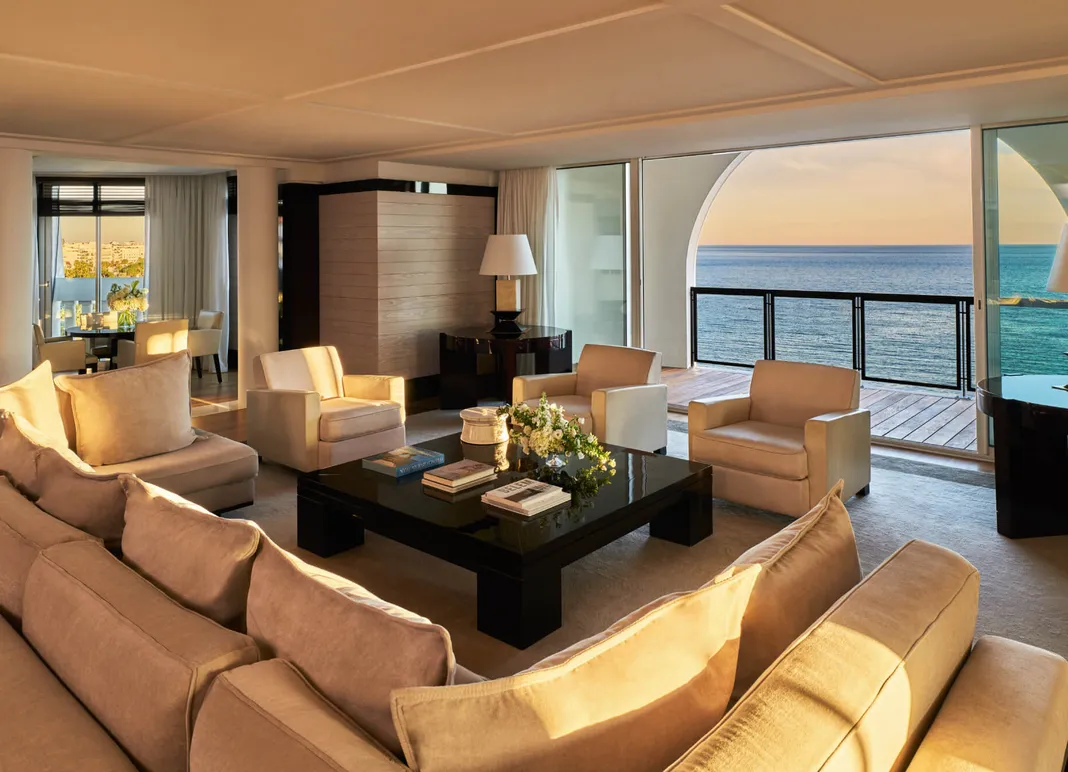
Facing the Palais des Festivals, Le Majestic places guests at the centre of Cannes’ cinematic geography. Its position is particularly compelling during major events, when the famous steps and the festival atmosphere are just across the boulevard. Rooms and suites combine elegant interiors with city or sea views, while the property’s private beach, outdoor pool and spa provide a counterpoint to the activity outside. It is a natural choice for travellers who want Cannes’ glamour close, but still value spaces devoted to rest.
Five Seas Hotel Cannes
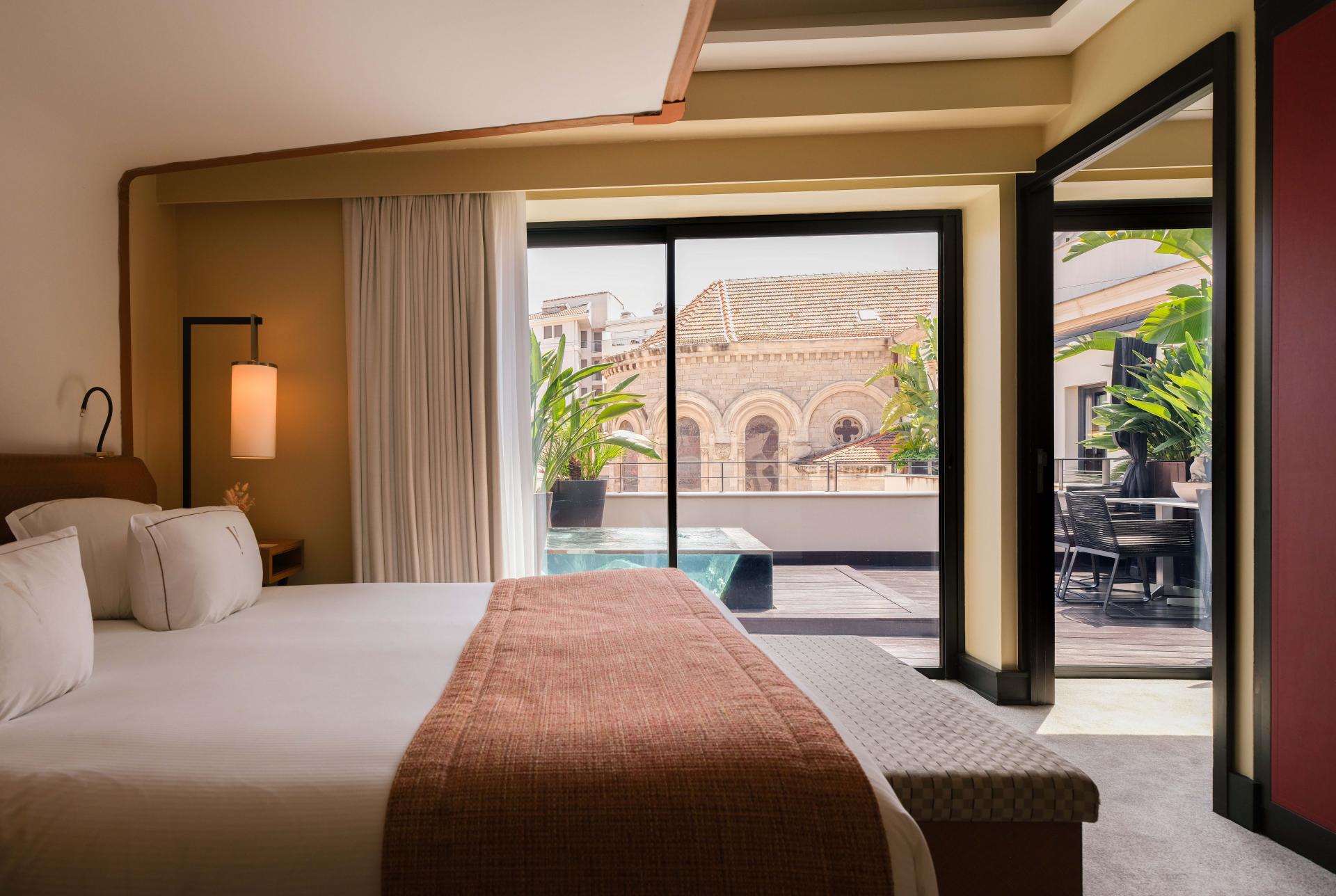
For a more intimate, contemporary interpretation of luxury, Five Seas Hotel offers a smaller-scale alternative within easy reach of the Palais des Festivals and the shopping streets. Its atmosphere suits travellers who prefer discreet design and a more boutique sensibility over the grandeur of a large palace hotel. The rooftop setting and pool are especially appealing for a pause above the city’s bustle. It is worth considering for couples or independent travellers who want a central base with a more private character.
Hôtel & Spa Belle Plage
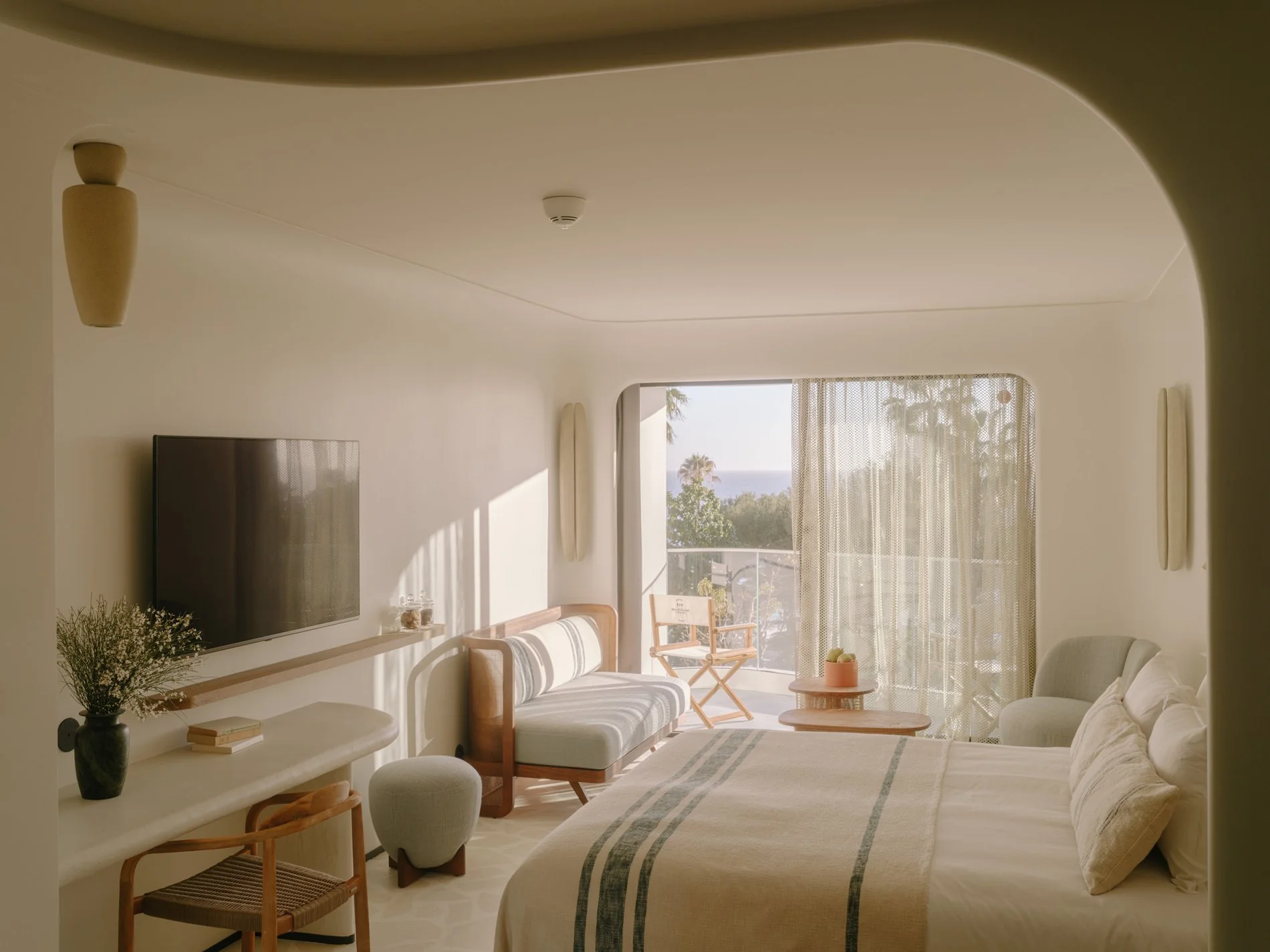
Set near the edge of the old quarter and the waterfront, Hôtel & Spa Belle Plage brings a more design-led, residential mood to Cannes. Its setting makes it possible to move between the atmosphere of Le Suquet, the old port and the beaches without feeling entirely absorbed by the Croisette’s busiest stretch. The interiors lean towards a contemporary Mediterranean palette, while the spa offers a quieter counterpoint to the city’s social energy. Consider it for a stay that values design, wellbeing and a slightly more individual point of view.
Planning Your Stay in Cannes
How Long to Stay
Three nights is a useful minimum for a first visit: one day for the Croisette, the Palais and the central shopping streets; another for Le Suquet, the old port and Forville Market; and a third for the Lérins Islands or a boat excursion. Four or five nights allow a more relaxed pace, with time for long lunches, a private beach afternoon and a day trip along the coast.
Getting There and Getting Around
Cannes is served by rail connections along the Riviera, and Nice Côte d’Azur Airport is the principal international gateway for many visitors. From the airport, travellers can continue by train, taxi or pre-arranged transfer, depending on luggage, arrival time and preference. Within central Cannes, many principal sights are walkable. A car is more useful for exploring the hinterland than for moving between the Croisette, old town and market.
When to Reserve
Book early if travelling during the Film Festival, major trade fairs or peak summer weeks. Confirm whether your preferred hotel’s beach, pool, restaurants and spa are operating during your dates, and reserve beach-club places, private transfers and popular restaurants where necessary. If the aim is a calmer, more personal stay, compare shoulder-season dates and choose a hotel whose character suits the experience you want.
Frequently Asked Questions About Cannes
Is Cannes worth visiting outside the Film Festival?
Yes. Outside festival season, Cannes retains its beaches, grand hotels, markets, old town, shopping streets and access to the Lérins Islands. The city is generally easier to enjoy at a slower pace when the festival crowds are absent.
What is the best area to stay in Cannes?
The Croisette suits travellers seeking grand hotels, sea views and direct access to private beach clubs. The centre around Rue d’Antibes is convenient for shopping and restaurants, while Le Suquet and the old port appeal to visitors who prefer historic streets and a more local atmosphere. Choose according to the pace and character you want from the stay.
How many days do you need in Cannes?
Allow at least three days to experience the main districts and make an excursion to the Lérins Islands. Four or five days create room for beach time, dining and a relaxed exploration of the surrounding Riviera.
Can you visit the Lérins Islands on a day trip?
Yes. Ferry services connect Cannes with the islands, although schedules vary by season and weather. Check current departure times before travelling, and allow enough time to explore without rushing back to the port.
Is Cannes suitable for a luxury holiday?
Cannes offers a strong combination of grand hotels, private beaches, fine dining, designer shopping, yacht excursions and cultural experiences. It can be tailored to a lively, event-led holiday or a quieter stay focused on the sea, food and the old town.
The Luminara Perspective: Let Cannes Unfold
The most memorable Cannes is rarely found in a single photograph. It appears in the contrast between a red-carpet staircase and the unassuming lanes of Le Suquet; in the quiet of a pine forest just offshore; in the market’s morning colours, or in the first cool shadow cast across a terrace after a day beside the sea. Glamour is part of the city’s language, but it is not the whole story.
Come for the Riviera’s cinematic promise, certainly. Stay long enough to discover the town behind the image. Let the day move from market to harbour, from the old quarter to the water, and allow the evening to arrive without too much planning. In Cannes, luxury is not only the grand address or the perfect view. It is the freedom to move between spectacle and stillness—and to know when each is worth seeking.
Where the French Journey Continues
The spirit of France extends far beyond the glamour of the Riviera, revealing a country whose character changes beautifully from one landscape to the next. In Paris, elegance unfolds through grand boulevards, celebrated art collections, couture houses and the timeless rituals of the Parisian table. Along the Mediterranean, Nice offers a more sunlit expression of French living, where Italianate architecture, artistic heritage and the blue expanse of the Baie des Anges shape the rhythm of each day. Further afield, the lavender-scented landscapes and historic villages of Provence invite a slower appreciation of southern France, while Chamonix-Mont-Blanc reveals an altogether different grandeur beneath the soaring peaks of the French Alps. Each destination possesses its own atmosphere, yet together they form a richer portrait of France—one defined not by a single image, but by the remarkable diversity of its landscapes, traditions and ways of living.