In Lyon, the day often reveals itself through the promise of a meal. Morning light settles across the façades of Vieux Lyon; the Saône moves quietly beneath the bridges; market stalls begin to fill with cheeses, seasonal fruit, charcuterie and flowers. Later, in a narrow street or a discreet dining room, conversation gathers around a table with the unhurried assurance of a city that has spent generations refining the pleasures of food. Lyon does not need to announce its sophistication. It is woven into the way the city lives.
Set at the meeting of the Rhône and Saône, between the northern vineyards of Beaujolais and the landscapes of the Rhône Valley, Lyon has long been shaped by exchange. Roman foundations, Renaissance merchant houses, silk-weaving traditions and an influential culinary culture have left the city with a layered identity. Its elegance is not the theatrical glamour of the Riviera, nor the monumental confidence of Paris. It is more intimate: a handsome square discovered at the end of a passageway, a view from Fourvière, the warmth of a neighbourhood bouchon, or the pleasure of walking beside the river after dinner.
For the discerning traveller, Lyon rewards attention rather than haste. Its great experiences are close enough to connect on foot, yet distinct enough to give each day its own character. Explore the traboules of the old town, admire the ordered façades of the Presqu’île, follow the city’s silk story through Croix-Rousse, and leave generous room for the table. In Lyon, gastronomy is not an accessory to the journey. It is one of the most revealing ways to understand the place.
Vieux Lyon: Renaissance Streets and Hidden Passageways
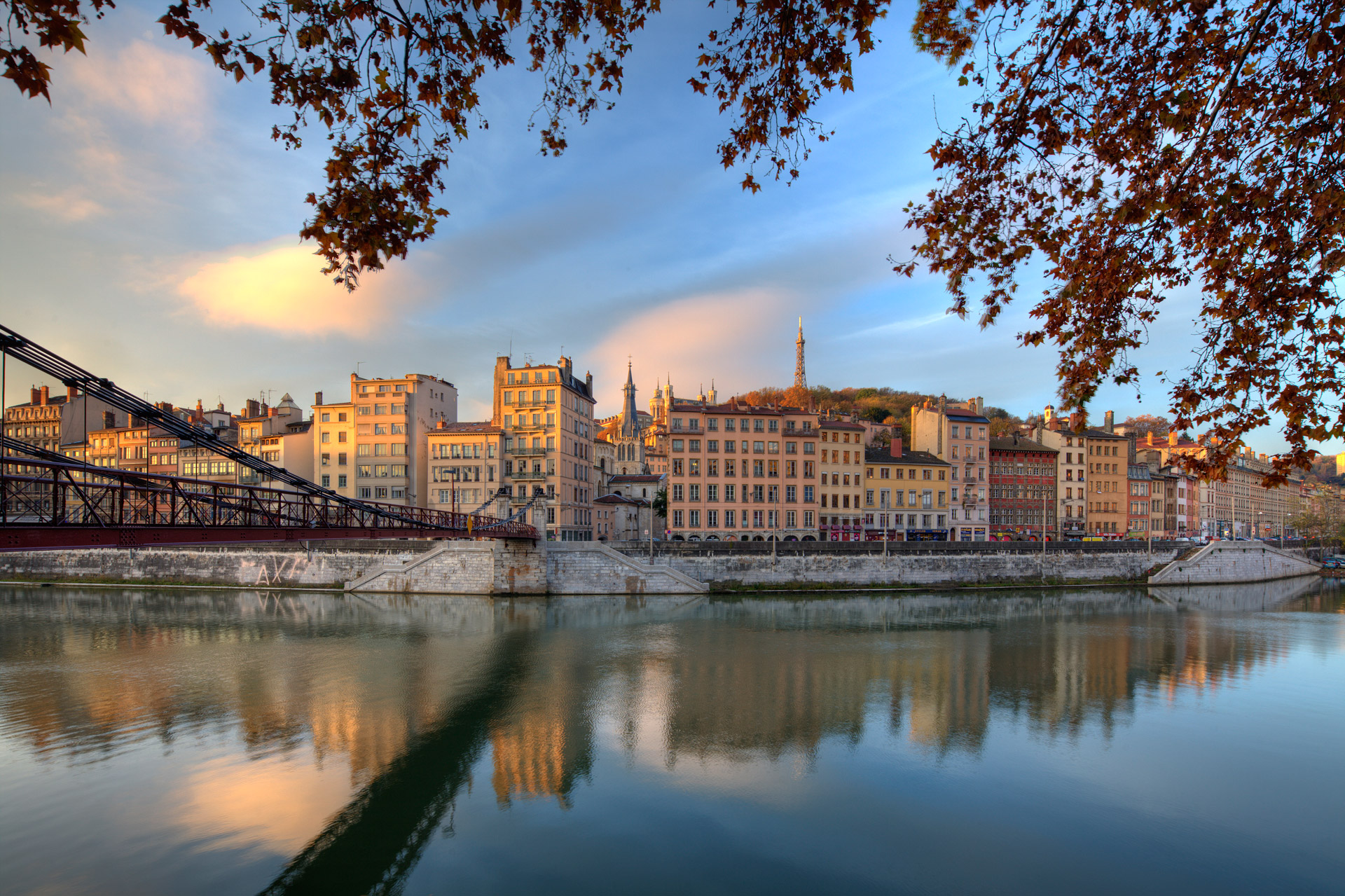
On the western bank of the Saône, Vieux Lyon unfolds through narrow lanes, honey-coloured stone, courtyards and tall Renaissance façades. The district flourished when merchants and banking families helped make Lyon an important European trading centre, and its architecture still carries the confidence of that era. Ornamental doorways open onto courtyards; staircases rise behind discreet entrances; painted details and sculpted stone reward anyone willing to look beyond the main street.
The area’s celebrated traboules—passageways threading through buildings and courtyards—belong to the city’s distinctive urban fabric. Some are accessible to visitors, while others pass through private or residential property, so follow posted access guidance and respect the quiet of the people who live here. The pleasure is not in treating the old town as a maze to conquer, but in allowing a walk to unfold: a glimpse through an open doorway, a small artisan shop, a shaded square, then the river appearing again at the end of a lane.
The Cathédrale Saint-Jean anchors the district with a striking blend of Romanesque and Gothic architecture. Around it, cafés and traditional restaurants make Vieux Lyon a natural place to pause, though the busiest streets can become crowded at peak hours. Arrive earlier in the day for a more contemplative atmosphere, then return in the evening when the façades and lantern-lit lanes take on a warmer, more intimate character.
Fourvière: The City from Above
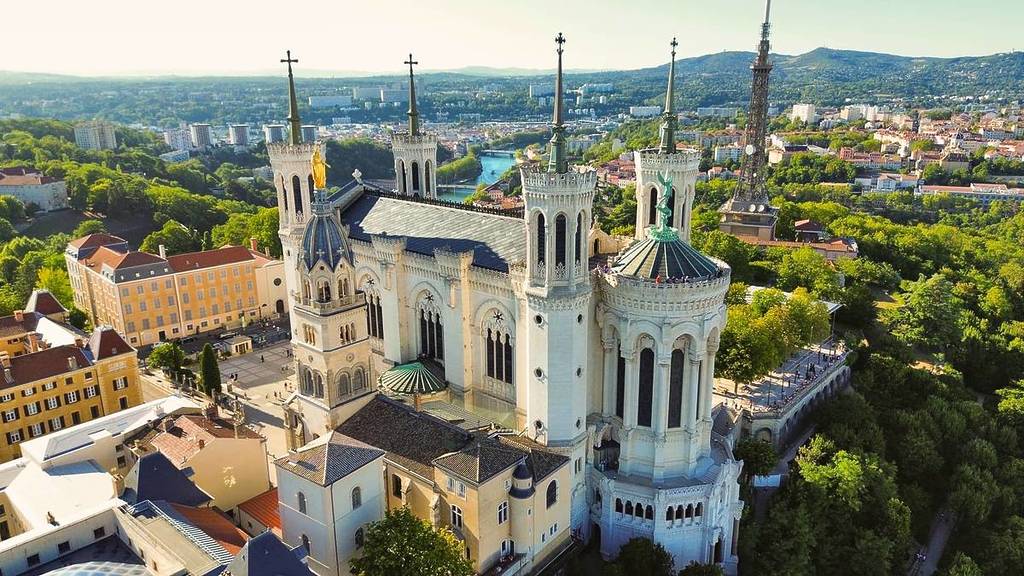
The climb towards Fourvière changes Lyon’s scale. Streets narrow, the city begins to fall away, and the rooftops reveal the meeting of the two rivers. At the summit, the Basilique Notre-Dame de Fourvière stands as one of Lyon’s most recognisable landmarks, its elaborate interior and commanding position making it as compelling from within as it is from the city below. The esplanade offers a broad panorama across terracotta roofs, church towers, river bends and, on clear days, the distant horizon beyond the urban basin.
Fourvière is also a place to understand Lyon’s longer history. Nearby archaeological remains recall the Roman settlement of Lugdunum, whose theatres and civic structures established the foundations of the city. The juxtaposition is remarkable: Roman stone, nineteenth-century religious architecture and a contemporary city moving steadily below. Give the hill time rather than treating it as a quick photograph stop. Visit the basilica, explore the archaeological area where open, and linger over the view as the light changes.
The funicular provides a convenient alternative to the climb on foot, especially when the day is warm or the itinerary is full. For a memorable sequence, come in the late afternoon, explore the summit, then descend towards Vieux Lyon for dinner. The transition from open panorama to intimate street life captures one of the city’s most satisfying contrasts.
Presqu’île: Lyon’s Elegant Urban Centre
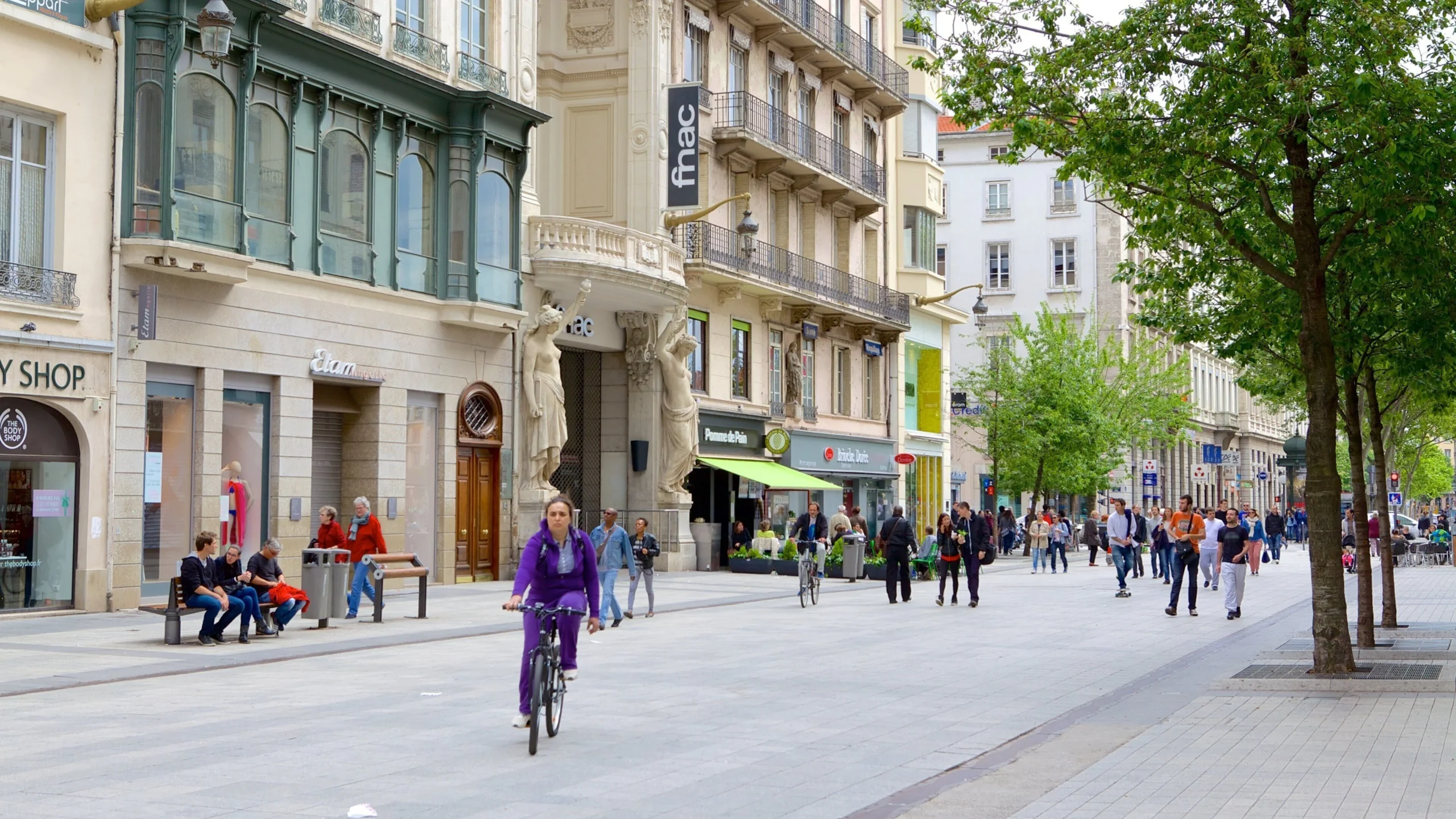
Between the Rhône and Saône, the Presqu’île forms the civic and cultural heart of Lyon. Its broad avenues, handsome façades, theatres, shops and café terraces lend the district a measured urban elegance. Place Bellecour opens a remarkable expanse at the centre of the city, while Place des Terreaux brings together public life, historic architecture and the Musée des Beaux-Arts. The streets between them are made for wandering, with independent boutiques, bookshops and patisseries appearing alongside familiar names.
Place des Jacobins, with its sculptural fountain and carefully composed architecture, is one of the Presqu’île’s most graceful pauses. Nearby streets invite a slower kind of discovery: a gallery tucked above street level, a refined chocolate shop, a café with a view of daily life passing outside. The area is particularly appealing for travellers who enjoy the energy of a city centre without needing to plan every hour around major sights.
In the evening, the Presqu’île becomes a natural setting for aperitif, theatre or a carefully chosen restaurant. It is also a practical base, with many of Lyon’s principal districts accessible on foot or by public transport. For a first visit, staying nearby can make the city feel legible from the outset, with both rivers and the old town within easy reach.
Croix-Rousse: Silk, Workshops and a Creative Spirit
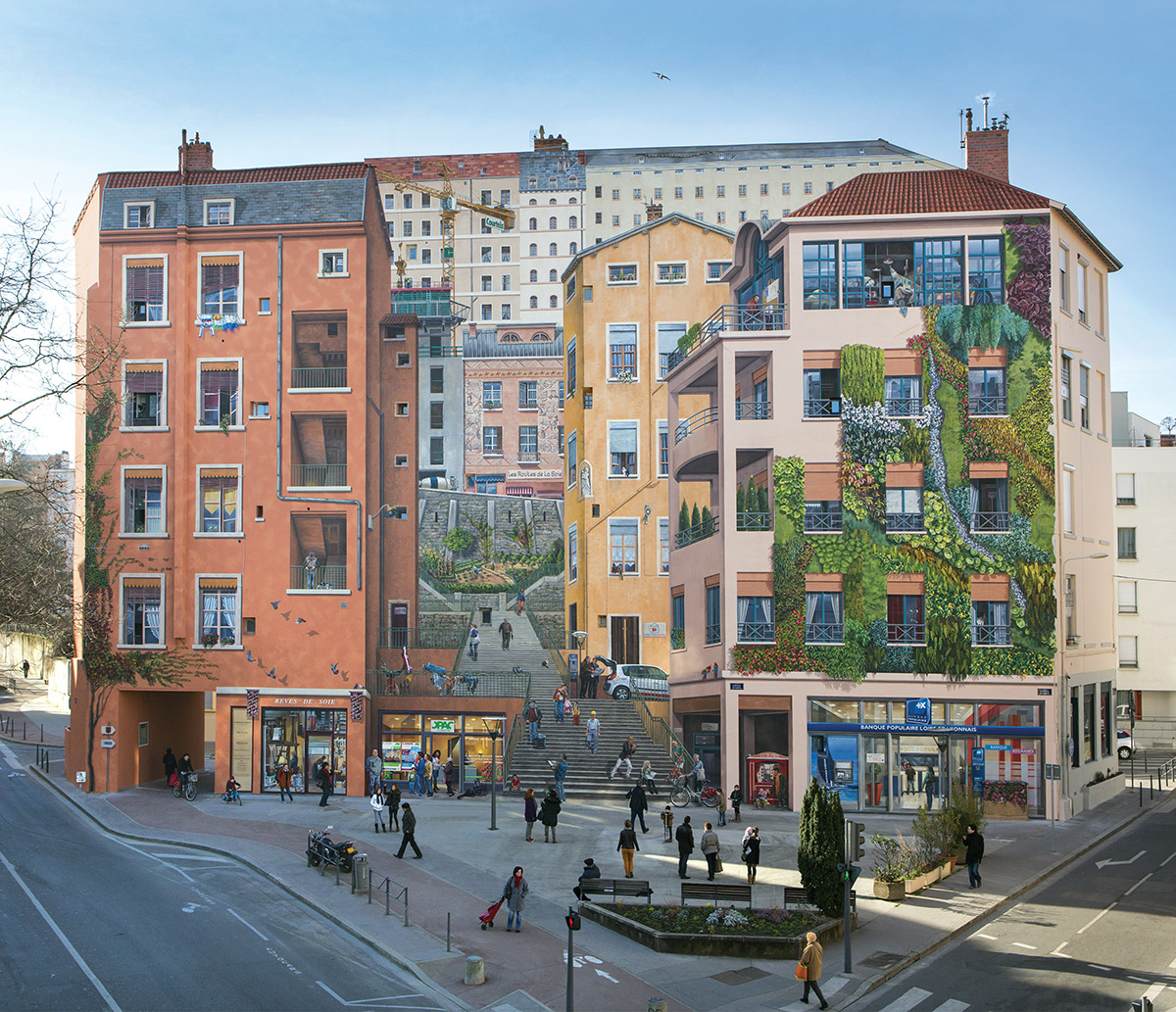
North of the Presqu’île, Croix-Rousse rises over the city with a character all its own. Historically associated with Lyon’s silk workers—the canuts—the district was shaped by workshops, tall-ceilinged buildings and the practical demands of weaving. Its streets and stairways preserve traces of that industrial past, while murals and contemporary creative spaces give the neighbourhood an expressive, lived-in energy.
The slopes are best explored without rushing. Passageways, small squares, independent shops and cafés create a neighbourhood rhythm that feels different from the monumental centre below. Mur des Canuts, the large trompe-l’œil mural depicting a changing urban scene, offers a vivid introduction to Lyon’s tradition of wall painting. Nearby, the Maison des Canuts interprets the history and techniques of silk production, helping visitors understand how an industry once tied Lyon to international trade and luxury craftsmanship.
Croix-Rousse also offers rewarding views across the city, especially from its upper streets and terraces. It is an excellent district for a long lunch or an afternoon spent browsing design shops and local studios. The appeal lies in its balance of heritage and contemporary life: a place where the past remains visible without turning the neighbourhood into a museum.
Confluence: Contemporary Lyon by the Water
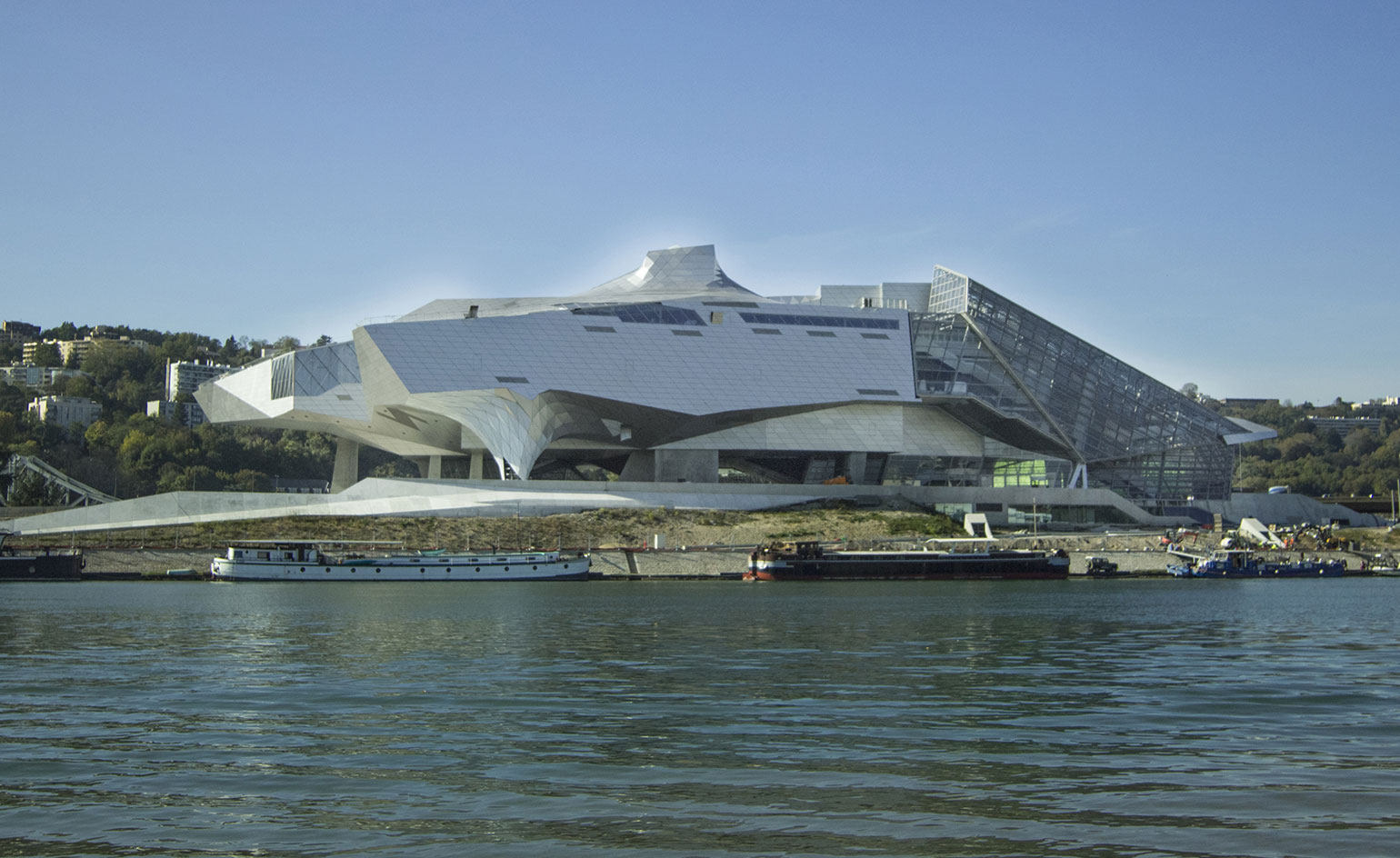
At the southern end of the Presqu’île, where the Rhône and Saône meet, Confluence presents a different face of Lyon. Former industrial and port areas have been transformed through contemporary architecture, public spaces, cultural venues and new residential quarters. The effect is more open and experimental than the historic centre, with bold building forms and waterside promenades framing a district still evolving.
The Musée des Confluences is the area’s signature landmark, both for its striking architecture and for exhibitions that explore the natural world, human societies and the stories people tell about their origins. Its position at the meeting of the rivers gives the building a symbolic resonance: a museum devoted to connections, set where two waterways become one. Check current exhibitions and opening arrangements before visiting, as programmes and access can vary.
Confluence works well as a contrast to a morning among Renaissance lanes or a meal in a traditional bouchon. Walk along the river, observe the changing skyline and stop at a terrace when the weather permits. For travellers interested in design, urban renewal and the ways European cities reinterpret their industrial past, this district adds an important contemporary note to Lyon’s story.
Les Halles de Lyon Paul Bocuse: A City’s Culinary Identity
Lyon’s reputation as a gastronomic capital is best approached with appetite and curiosity. Les Halles de Lyon Paul Bocuse, the celebrated covered food market, gathers a remarkable range of regional specialities under one roof: cheeses, charcuterie, breads, pastries, seafood, chocolates and prepared dishes that reflect the richness of the surrounding region. It is a place to observe the city’s relationship with food as much as to taste it. Displays are carefully arranged, conversations are knowledgeable, and the pleasure comes from seeing the ingredients of a culinary culture brought together.
The market honours the legacy of Paul Bocuse, one of the defining figures of modern French gastronomy, while its vendors represent the wider network of producers and artisans that gives Lyon its depth. Visit with enough time to browse rather than simply collect a list of famous products. A small tasting, a conversation with a cheesemonger or a carefully chosen pastry can become one of the most memorable parts of a city break.
Lyon’s food culture also extends well beyond the market. Seasonal menus, regional wines and traditional dishes appear in restaurants across the city, from long-established bouchons to contemporary kitchens. The best approach is to balance tradition with discovery: enjoy the hearty conviviality of a classic local meal, then reserve another evening for a more modern interpretation of the region’s ingredients.
The Bouchon: Lyon’s Most Intimate Dining Ritual
A traditional Lyonnais bouchon is less about ceremony than conviviality. The tables are close, the atmosphere is animated, and the cooking draws on a local repertoire built around seasonal ingredients, offal, charcuterie, poultry, freshwater fish and generous sauces. Dishes such as quenelles de brochet, salade lyonnaise and tarte à la praline express different sides of the region’s culinary identity, though menus vary and not every restaurant interprets tradition in the same way.
The experience is as much social as gastronomic. Meals are designed to be enjoyed slowly, with conversation moving from one course to the next and a sense that the table is a place to gather rather than simply refuel. Travellers who prefer lighter or plant-forward cooking can still enjoy Lyon’s food scene by checking menus in advance; the city’s contemporary restaurants offer a broader range of approaches alongside its traditional institutions.
Choose a bouchon thoughtfully. Look for clear menus, a welcoming atmosphere and a commitment to regional cooking rather than relying only on a nostalgic interior. Reservations are sensible for well-known establishments, particularly at weekends. A meal in a good bouchon can reveal a Lyon that no architectural itinerary quite captures: practical, generous, proudly local and deeply attached to the pleasures of eating well.
Lyon Through the Seasons
Spring: Markets, Gardens and Riverside Walks
Spring brings fresh colour to Lyon’s squares and riverbanks, with comfortable conditions for exploring on foot. Outdoor terraces return to life, and the city’s markets offer an inviting introduction to seasonal produce. It is a fine period for combining the old town and Fourvière with long walks along the Rhône, while keeping a light layer for cooler evenings.
Summer: Long Evenings by the Rivers
Summer gives Lyon a relaxed outdoor rhythm. Residents gather along the riverbanks, café terraces remain busy into the evening, and the city’s public spaces feel especially sociable. Midday heat can make uphill exploration less comfortable, so visit Fourvière earlier or later in the day and plan museum visits or leisurely lunches for the warmer hours.
Autumn: The Season for Gastronomy
Autumn is especially appealing to travellers drawn to food and wine. Seasonal ingredients, cooler walking weather and the surrounding vineyards make this a rewarding time to build a trip around markets, restaurants and regional excursions. The city’s cultural calendar also brings renewed activity after summer, although popular dining rooms may need advance reservations.
Winter: Warm Tables and Cultural Depth
Winter brings a more intimate mood to Lyon. The historic streets feel atmospheric after dark, museums offer a welcome pause from the cold, and traditional dining becomes particularly inviting. The Fête des Lumières, usually held in December, can transform the city with artistic light installations; dates, routes and crowd-management details should be checked for the year of travel, and accommodation booked early.
A Wider Journey Through France
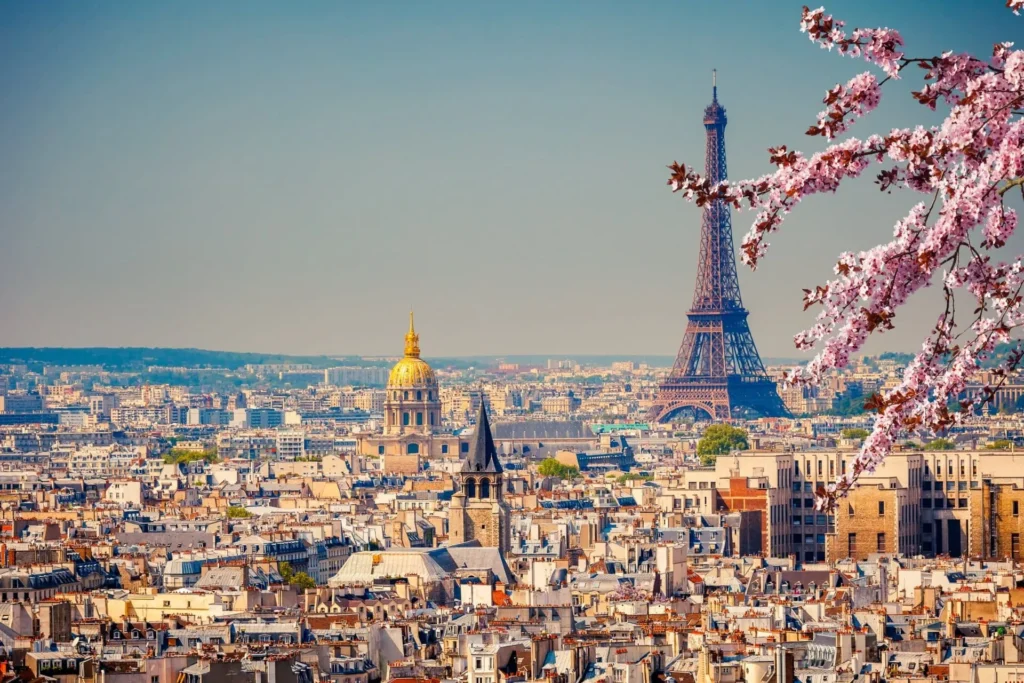
Lyon offers a different perspective on France from the capital and the Mediterranean coast. Where Paris draws visitors into art, fashion and grand urban culture, and Nice opens onto the light and colour of the Riviera, Lyon is best understood through its culinary heritage, Renaissance streets and the quiet pleasure of its public squares. Together, these destinations reveal how varied French life can be within a single journey. For travellers continuing through our France collection, Paris and Nice offer two complementary chapters: one shaped by the capital’s cultural grandeur, the other by the easy rhythm of the Mediterranean.
Five Distinguished Addresses for a Stay in Lyon
Lyon’s finest hotels reflect the city’s layered character. Some occupy historic buildings that place guests within the old town’s atmosphere; others offer contemporary design, expansive views or the polish of an established luxury address. The most suitable choice depends on whether the stay is centred on gastronomy, architecture, shopping or easy access to the rivers. Hotel facilities and room categories may change, so verify current details directly before booking.
Villa Florentine
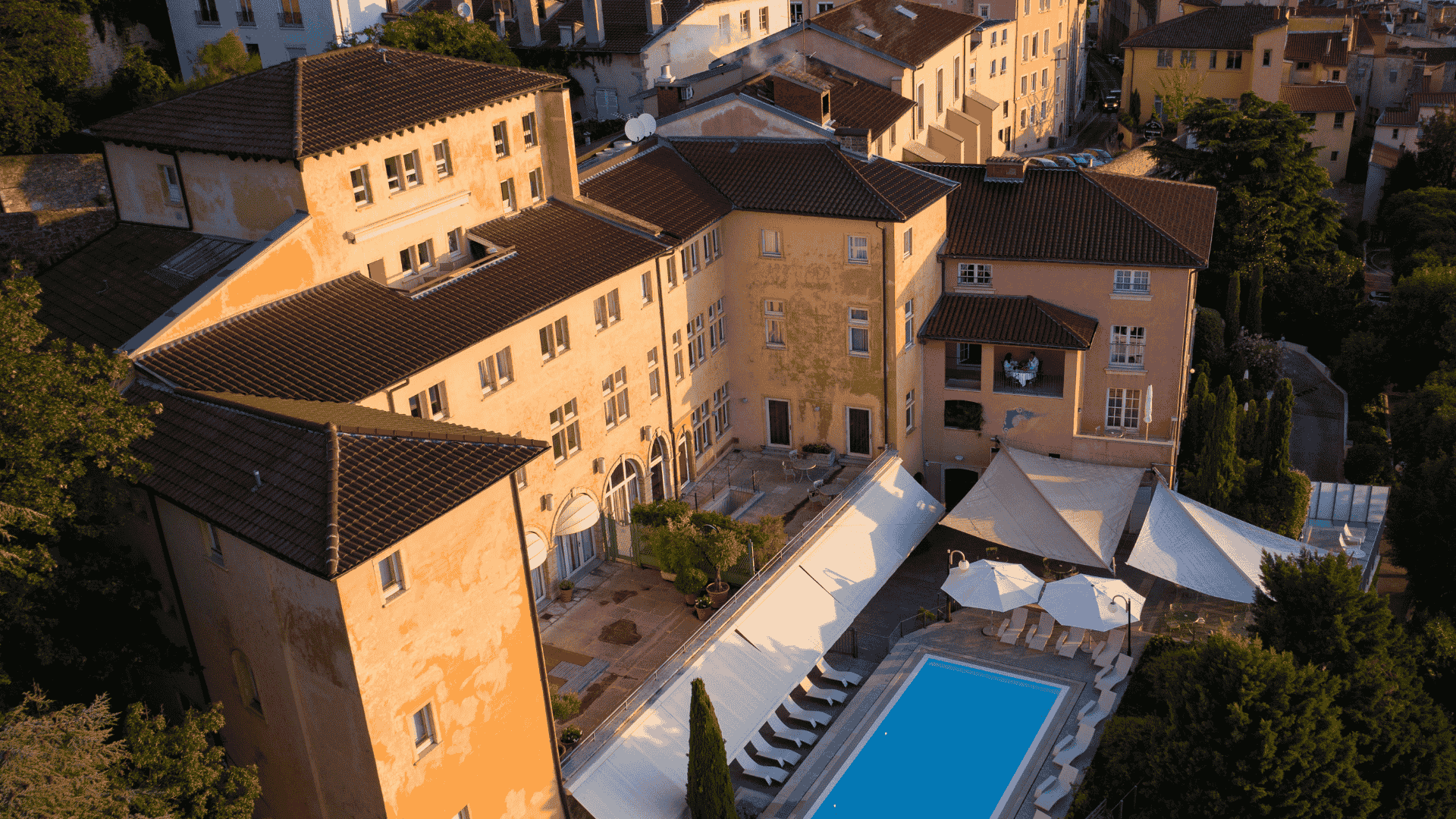
Set above Vieux Lyon on Fourvière Hill, Villa Florentine occupies a former convent and offers a distinctly atmospheric perspective on the city. Its position gives many rooms and terraces broad views over the rooftops, while the historic architecture creates a sense of retreat from the streets below. The property is particularly suited to travellers who value character, quiet and a feeling of arrival at the end of a day spent exploring the old town. The hillside setting means that walking routes involve slopes and steps, although local transport can make the journey easier.
InterContinental Lyon – Hotel Dieu
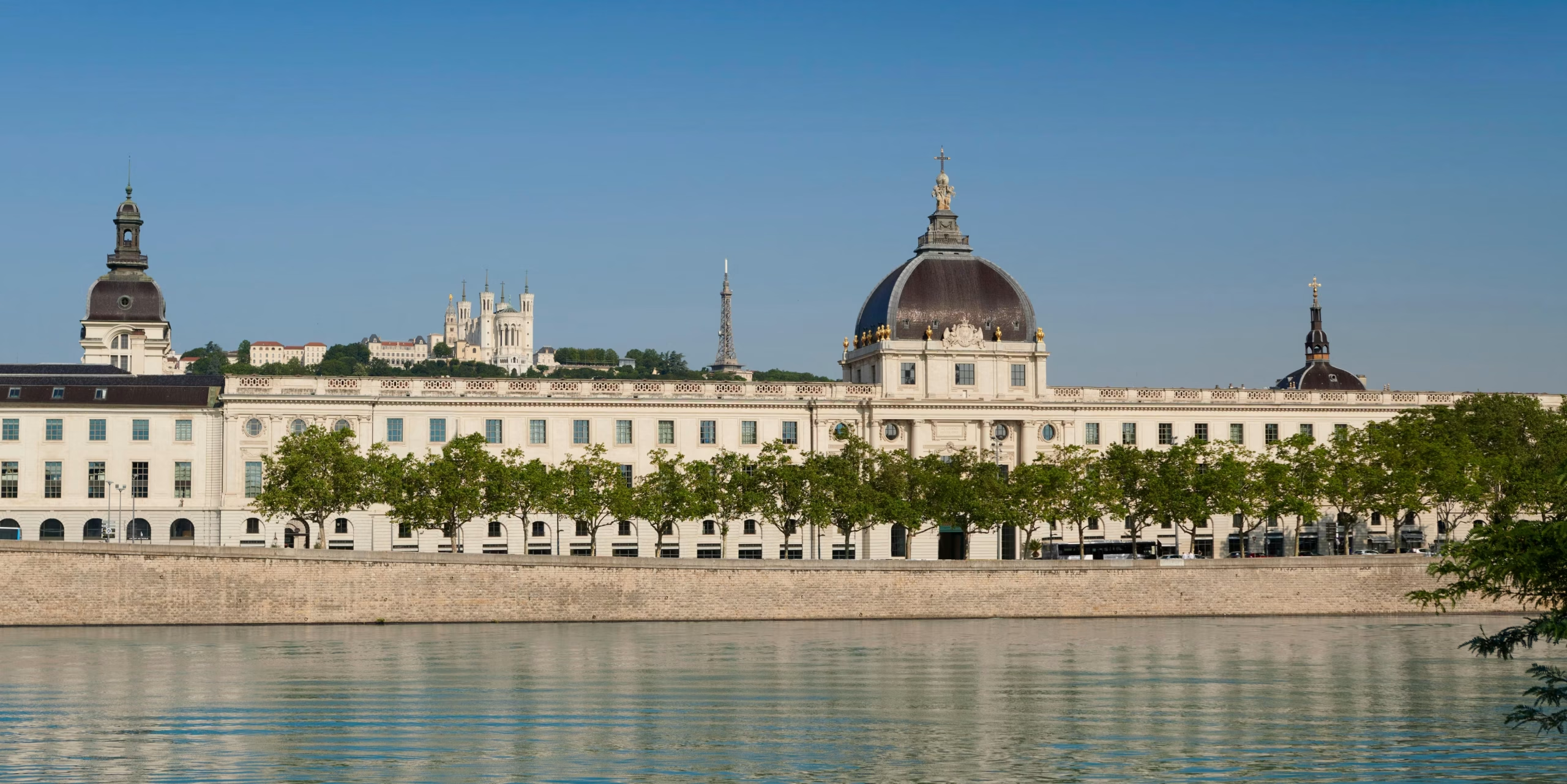
Within the monumental Grand Hôtel-Dieu complex on the Rhône, the InterContinental Lyon – Hotel Dieu brings contemporary hospitality into one of the city’s most significant historic settings. The architecture, courtyards and riverside location make the property an appealing base for exploring the Presqu’île, with shops, restaurants and major squares close at hand. Its grand interiors and design-led public spaces suit travellers seeking a polished city stay with a strong sense of place.
Cour des Loges Lyon, A Radisson Collection Hotel
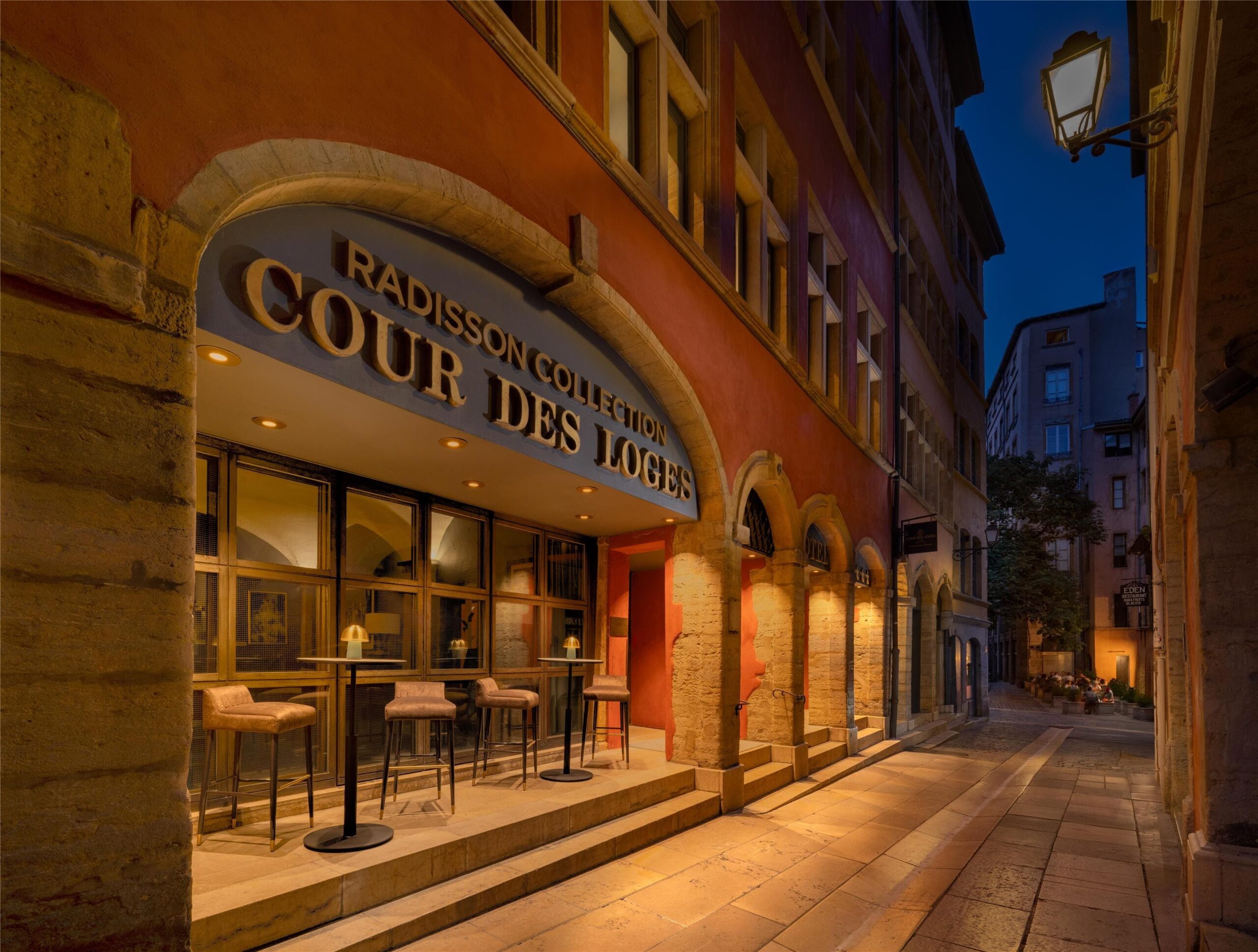
In the heart of Vieux Lyon, Cour des Loges is associated with the district’s Renaissance atmosphere and the intimate scale of its historic streets. The property’s architectural character makes it a natural fit for visitors who want the old town to be part of the experience from the moment they step outside. Before booking, confirm the current operating status, facilities and room offerings, as hotel operations and service arrangements can change.
Boscolo Lyon Hotel & Spa
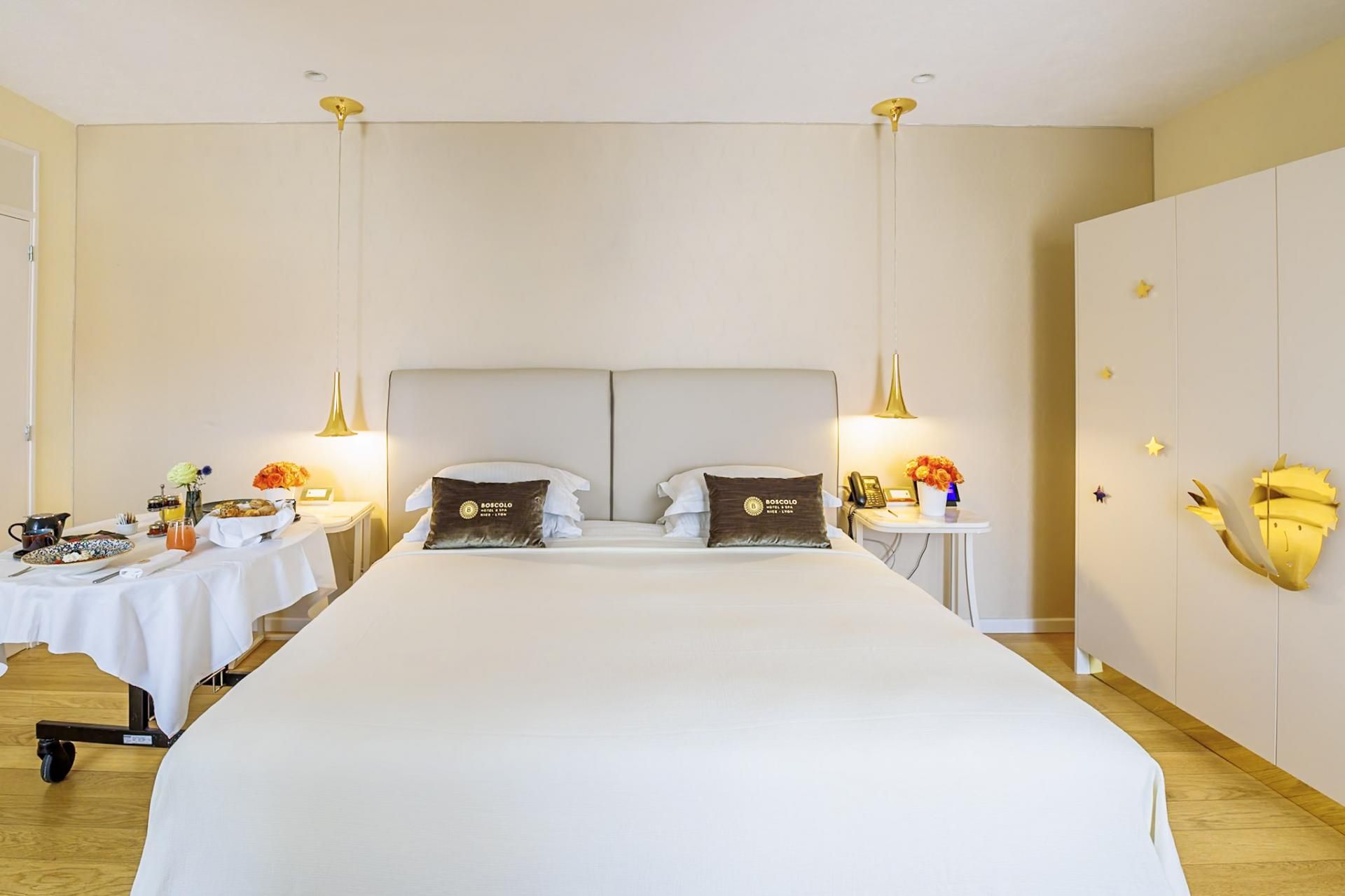
On the Rhône-facing side of the Presqu’île, Boscolo Lyon combines an elegant urban address with interiors that draw on European decorative references. Its central location makes it convenient for the city’s shopping streets, river walks and dining scene, while the spa provides a counterpoint to a full day on foot. It is a considered option for travellers who prefer a contemporary luxury base close to the city’s principal districts.
Villa Maïa
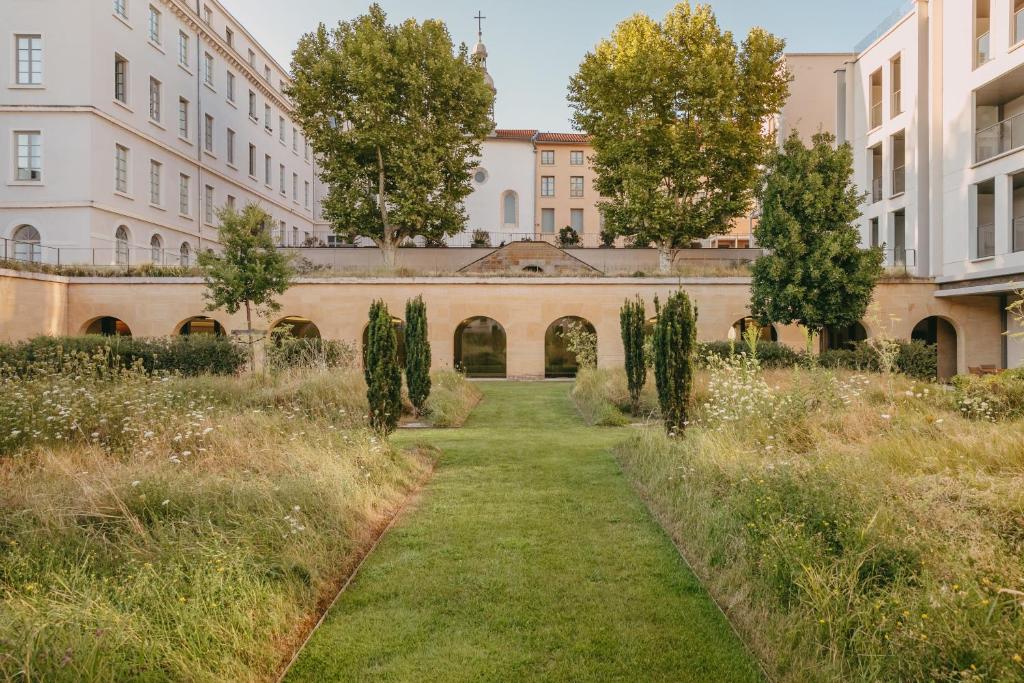
Near the Fourvière area, Villa Maïa offers a quieter, design-conscious interpretation of luxury, with a setting that balances proximity to the historic centre and a sense of separation from its busiest streets. The interiors are understated and contemporary, while the elevated position can offer broad city views. It is particularly appealing to travellers who value calm, architectural clarity and wellbeing alongside easy access to Lyon’s cultural and culinary attractions.
Planning Your Stay in Lyon
How Long to Stay
Three days provide a strong introduction: devote one to Vieux Lyon and Fourvière, another to the Presqu’île and its cultural landmarks, and a third to Croix-Rousse, the food markets or Confluence. Four or five days allow a more relaxed pace, with time for restaurants, galleries and a possible excursion into the nearby wine country.
Getting There and Around
Lyon is well connected by high-speed rail, with major services arriving at Lyon Part-Dieu and other regional connections using Lyon Perrache. Lyon-Saint Exupéry Airport provides international links, with onward travel into the city by public transport, taxi or pre-arranged transfer. The central districts are well served by metro, tram, funicular and bus routes; comfortable walking shoes are useful for cobbled streets and the slopes around Fourvière and Croix-Rousse.
Reservations and Local Etiquette
Reserve sought-after restaurants ahead of time, particularly for weekend dinners and special occasions. Check museum opening days and current exhibition schedules, and allow additional time when visiting the traboules because access can be restricted. A few words of French are appreciated, and a courteous greeting before asking a question is a simple way to begin an interaction.
Frequently Asked Questions About Lyon
What is Lyon best known for?
Lyon is widely celebrated for its gastronomy, Renaissance old town, Roman heritage, silk-weaving history and the meeting of the Rhône and Saône rivers. Its culinary identity is a major part of the city’s appeal, but its architecture, museums and neighbourhoods reward exploration too.
How many days should you spend in Lyon?
Three days are enough for the principal districts and a considered introduction to the food scene. Four or five days allow more time for museums, markets, neighbourhood walks and restaurants without rushing.
Is Lyon a good destination for luxury travellers?
Yes. Lyon offers distinguished hotels, acclaimed dining, private guided experiences, cultural institutions and easy access to the surrounding wine regions. Its luxury is often more understated and culinary than overtly glamorous.
What should you eat in Lyon?
Regional specialities include quenelles de brochet, salade lyonnaise, charcuterie, local cheeses and tarte à la praline. Menus vary by season and restaurant, and the city also has a strong contemporary dining scene.
Can Lyon be explored without a car?
Yes. The main districts are connected by public transport and many central sights can be explored on foot. A car is only necessary for some excursions beyond the city, such as visiting selected vineyards or rural destinations.
The Luminara Perspective: Leave Room for the Table
Lyon reveals itself most generously when the itinerary makes room for pauses. A morning spent among Renaissance courtyards can lead to a long lunch; a visit to Fourvière can end with the city spread beneath you; an afternoon in Croix-Rousse can dissolve into coffee and conversation. The best moments often arrive between the landmarks, when a market stall, a quiet square or a well-chosen restaurant changes the pace of the day.
Come for the food, but allow Lyon to offer more than a list of dishes. Look closely at the architecture, follow the rivers, notice the city’s relationship with craft and trade, and let each neighbourhood set its own tempo. In Lyon, refinement is not always formal. Sometimes it is simply the pleasure of being in the right place, at the right hour, with nowhere else you need to be.
Beyond Lyon: Discover More of France
France reveals a different character with every change of landscape. In Paris, grand boulevards, intimate galleries and the quiet rituals of its celebrated cafés create a portrait of timeless urban elegance. Further south, Nice offers a sunlit expression of French living, where pastel façades overlook the Mediterranean and leisurely afternoons unfold along the Promenade des Anglais. Along the same luminous coastline, Cannes brings a more glamorous sensibility, with its celebrated Croisette, private beach clubs and an enduring association with cinema and Riviera sophistication. Lyon, by contrast, invites a deeper appreciation of France through its Renaissance passageways, elegant squares and culinary heritage woven into everyday life. Together, these destinations reveal the country in all its diversity—from the cultural sophistication of the capital to the Riviera’s coastal allure and Lyon’s distinctive art de vivre.