A City That Knows the Value of Time
There is a particular hour in Bordeaux when the limestone façades begin to gather the colour of honey, the Garonne catches the last light of the afternoon, and the grand squares of the city seem to settle into an almost theatrical stillness. Conversations spill from café terraces. The scent of a carefully prepared meal drifts through narrow streets. Somewhere beyond the city, the vineyards of the Médoc, Saint-Émilion and Pessac-Léognan follow the contours of a landscape that has made patience an art form.
Bordeaux does not rely on the immediacy of spectacle. Its appeal reveals itself more gradually—in the proportions of an eighteenth-century square, the polished rituals of a wine tasting, the understated assurance of a beautifully restored townhouse and the pleasure of a table where every course seems to belong to its surroundings. Here, refinement is not an occasional indulgence reserved for special moments; it is woven into the city’s architecture, its culinary traditions and its approach to everyday life.
To experience Bordeaux well is to move between worlds: from the elegant riverfront to the medieval lanes of Saint-Émilion, from contemporary dining rooms to historic château cellars, from the energy of the city centre to the hushed geometry of vineyards stretching towards the horizon. It is a destination for travellers who appreciate the difference between simply seeing a place and understanding its character. And perhaps that is Bordeaux’s greatest luxury: the invitation to slow down, look closer and discover that some of France’s most memorable experiences are not staged for attention. They are simply lived.
The Riverfront and the Theatre of Place de la Bourse
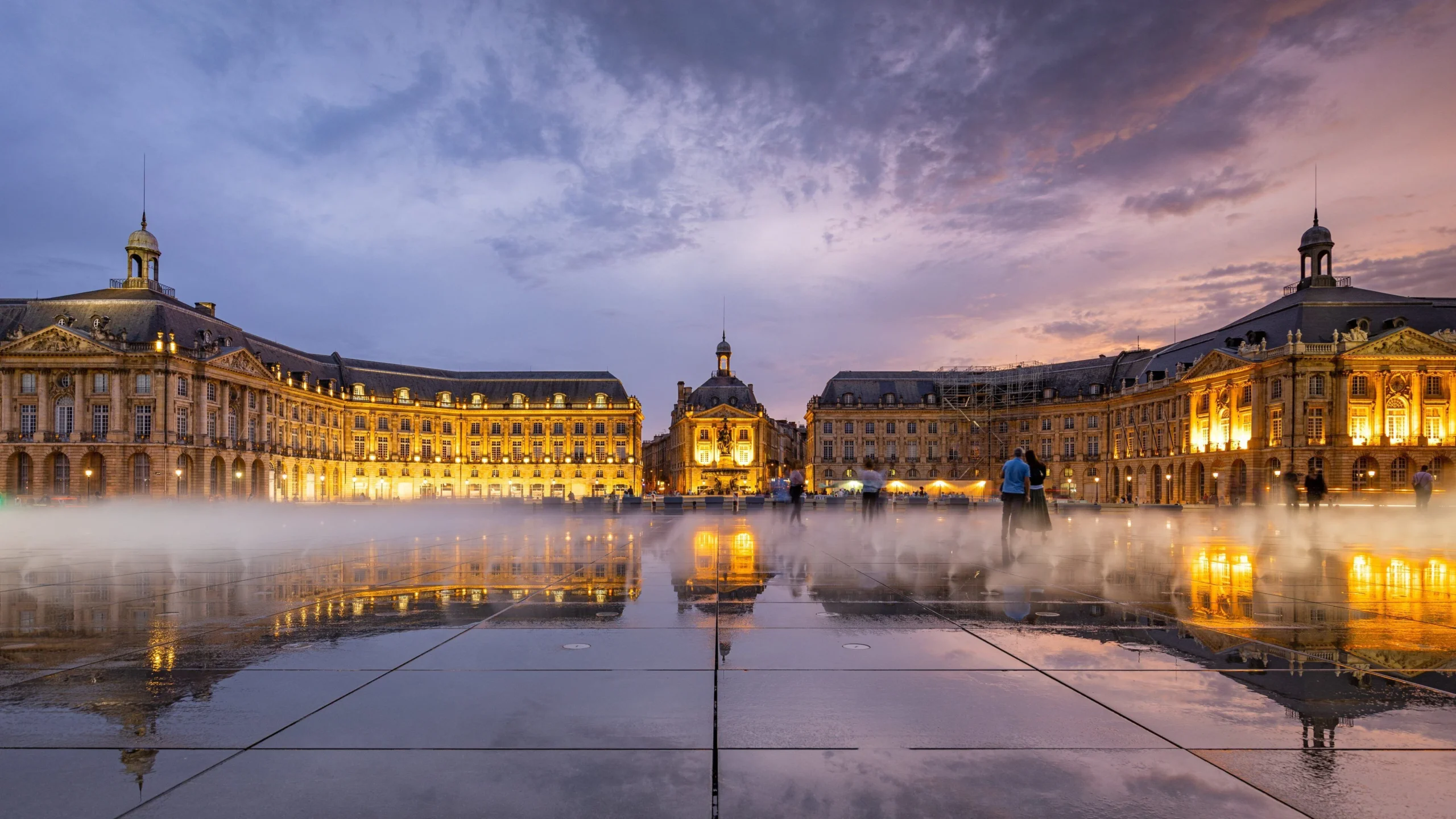
Bordeaux’s relationship with the Garonne has shaped its fortunes for centuries. Along the riverfront, broad promenades and handsome façades create a cityscape that feels both monumental and inviting. The most arresting expression of this architectural confidence is Place de la Bourse, whose balanced classical frontage opens towards the water with extraordinary composure.
Across the quay, the Miroir d’eau turns the architecture into a shifting reflection. On a still morning, the square appears doubled beneath a fine veil of water; at dusk, the lights and silhouettes ripple across the surface. Visit early for a quieter atmosphere, or return in the evening when the stone softens into warm amber. The riverfront is best experienced without rushing from one landmark to the next: walk a stretch of the quays, pause for coffee, and watch the city settle into its evening rhythm.
Saint-Pierre: Old Bordeaux, Best Discovered Slowly
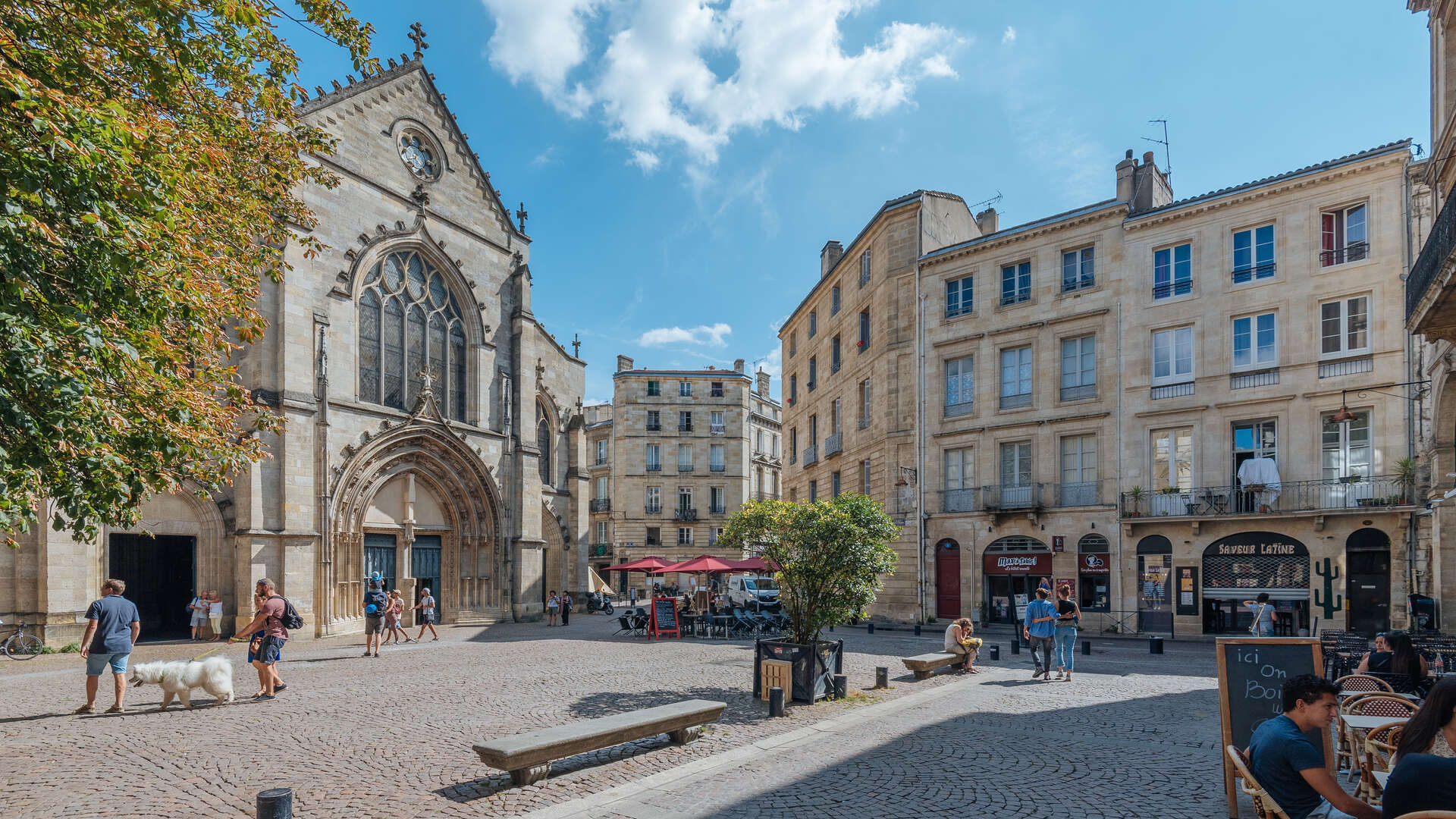
Within the historic centre, the Saint-Pierre quarter reveals a more intimate Bordeaux. Narrow streets wind between honey-coloured buildings, small squares open unexpectedly onto restaurant terraces, and centuries of trade and civic life remain legible in the urban fabric. This is the part of the city to explore without an exact itinerary.
Look beyond the first impression of a picturesque lane. Notice the carved doorways, wrought-iron balconies and the way the light travels along the façades late in the day. Independent boutiques and wine bars sit alongside longstanding neighbourhood addresses, creating a rhythm that feels lived-in rather than staged. The nearby Grosse Cloche, one of Bordeaux’s recognisable historic gateways, offers a reminder that the city’s polished avenues grew from a much older urban story.
The Grand City: Grand Théâtre and the Golden Triangle
Bordeaux’s eighteenth-century confidence reaches its most theatrical expression around the Grand Théâtre and the elegant streets of the Golden Triangle. The Grand Théâtre, with its columned portico and sculptural figures, is an architectural statement of civic ambition. Even without attending a performance, its setting deserves time: arrive before evening, when the façades catch the fading light and the surrounding cafés begin to fill.
From here, broad avenues lead towards refined shopping streets, historic passages and beautifully composed squares. Designer boutiques, perfumeries, patisseries and traditional establishments share the same urban stage. Place des Quinconces, one of Europe’s largest city squares, offers a contrasting sense of scale. Together, these places show Bordeaux at its most composed: confident in its heritage, yet entirely at ease with contemporary life.
Chartrons: A Neighbourhood with a Wine Merchant’s Memory
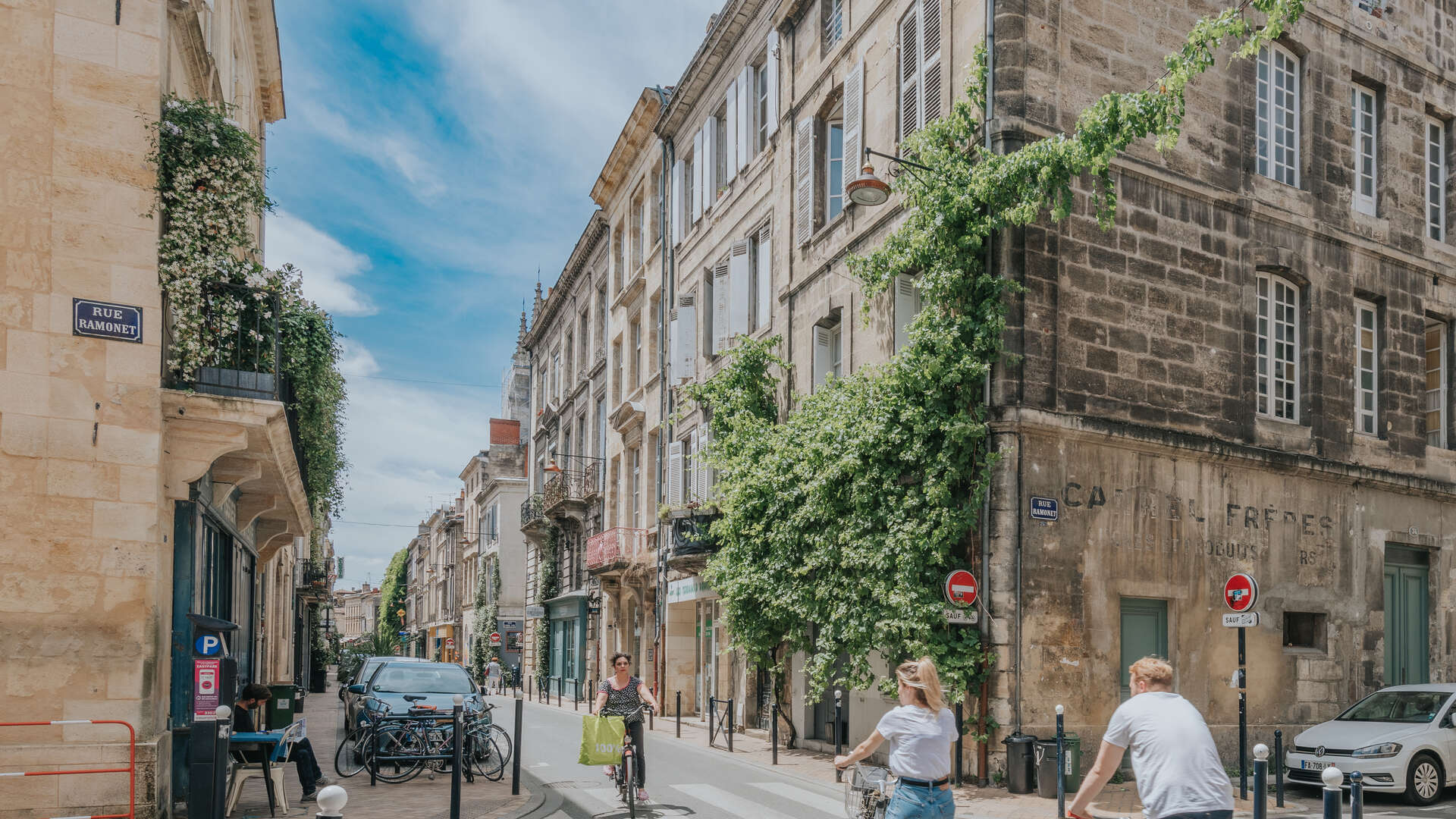
North of the historic centre, Chartrons carries the memory of Bordeaux’s trading past in a more relaxed register. Once associated with wine merchants and warehouses, the neighbourhood now combines handsome old buildings with antique dealers, independent galleries, cafés and restaurants. Its appeal lies in the balance between history and everyday neighbourhood life.
Spend an unhurried morning browsing the streets, stopping for coffee and looking into shops where objects have already lived several lives. The river is close enough to draw you back towards the water, while the quarter’s quieter streets invite a different pace from the city’s grand ceremonial centre. Chartrons rewards travellers who like to find a destination through its small details: a beautifully arranged shop window, a market conversation, a long lunch that turns into the afternoon.
La Cité du Vin: Understanding the World Behind the Glass
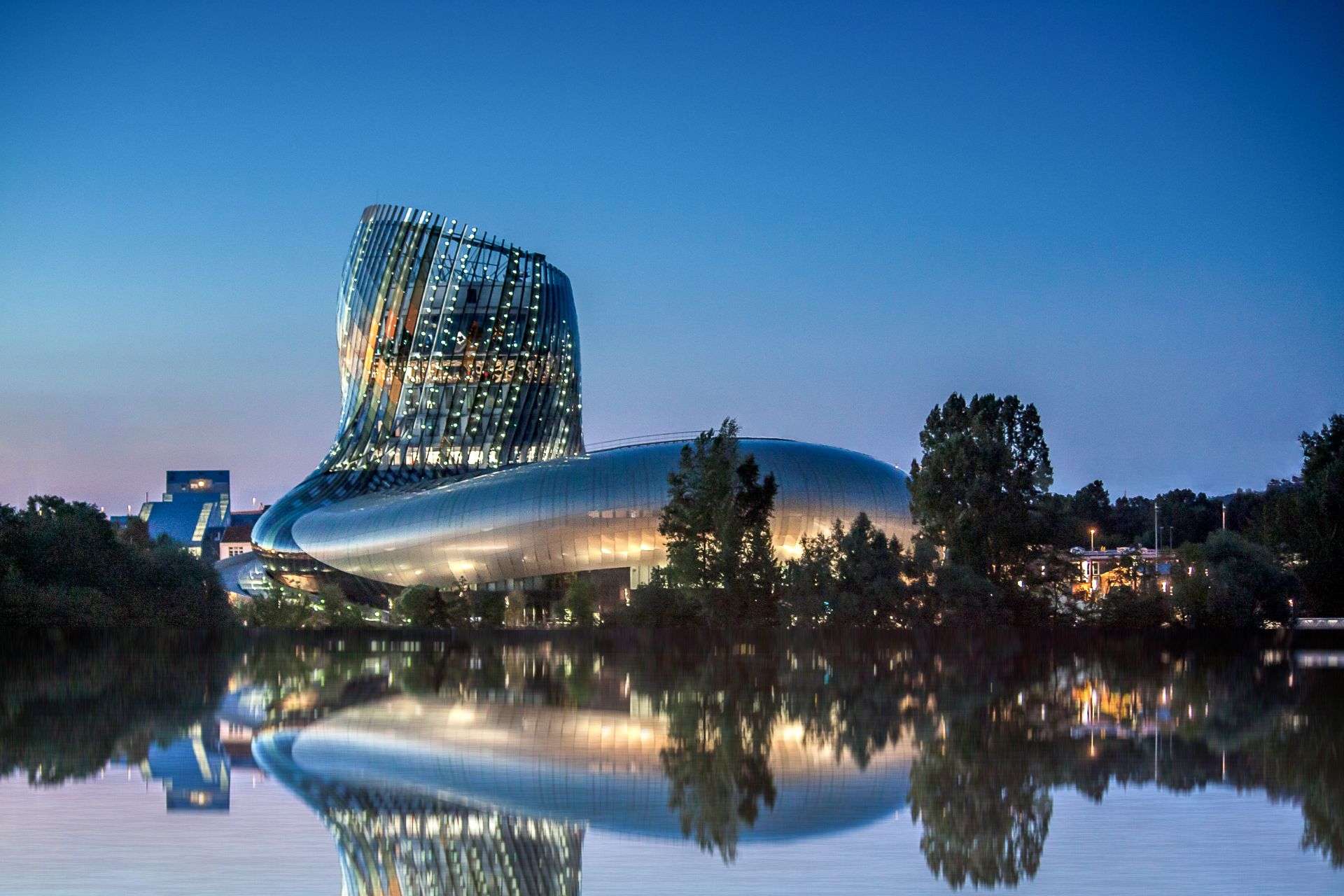
Wine in Bordeaux is more than a celebrated product; it is a language of landscape, climate, history, agriculture and craft. La Cité du Vin offers an immersive introduction to wine cultures across different regions and eras. Its contemporary architecture provides a deliberate contrast with the city’s classical stonework, making the visit an encounter with modern Bordeaux as well as its most famous tradition.
The experience is valuable even for visitors who are not already wine enthusiasts. It provides context for the vineyards beyond the city and helps explain why appellations, soils, vintages and methods matter so deeply to local identity. Allow enough time to explore, and consider arranging a guided tasting if you would like a more focused introduction. Pair the visit with a walk along the northern riverfront to see how Bordeaux honours its past without being confined by it.
Beyond the City: Saint-Émilion, the Médoc and Pessac-Léognan
Bordeaux’s wider landscape is an essential part of its character. The vineyards are not a decorative extension of the city; they are living places where soil, weather, generations of knowledge and patient decisions shape each vintage. A private or small-group visit, arranged in advance, can transform a tasting from a brief indulgence into a meaningful encounter with the region.
Saint-Émilion: Medieval Beauty among the Vines
Saint-Émilion combines an atmospheric medieval village with a wine landscape of international renown. Stone lanes rise and fall between old houses, small squares and viewpoints over the surrounding vines. Explore on foot, with time for lunch and a visit to a winery whose approach suits your interests. A well-planned day balances architectural heritage with a tasting that explains the character of the estate rather than simply presenting a sequence of wines.
The Médoc: Château Architecture and Grand-Cru Heritage
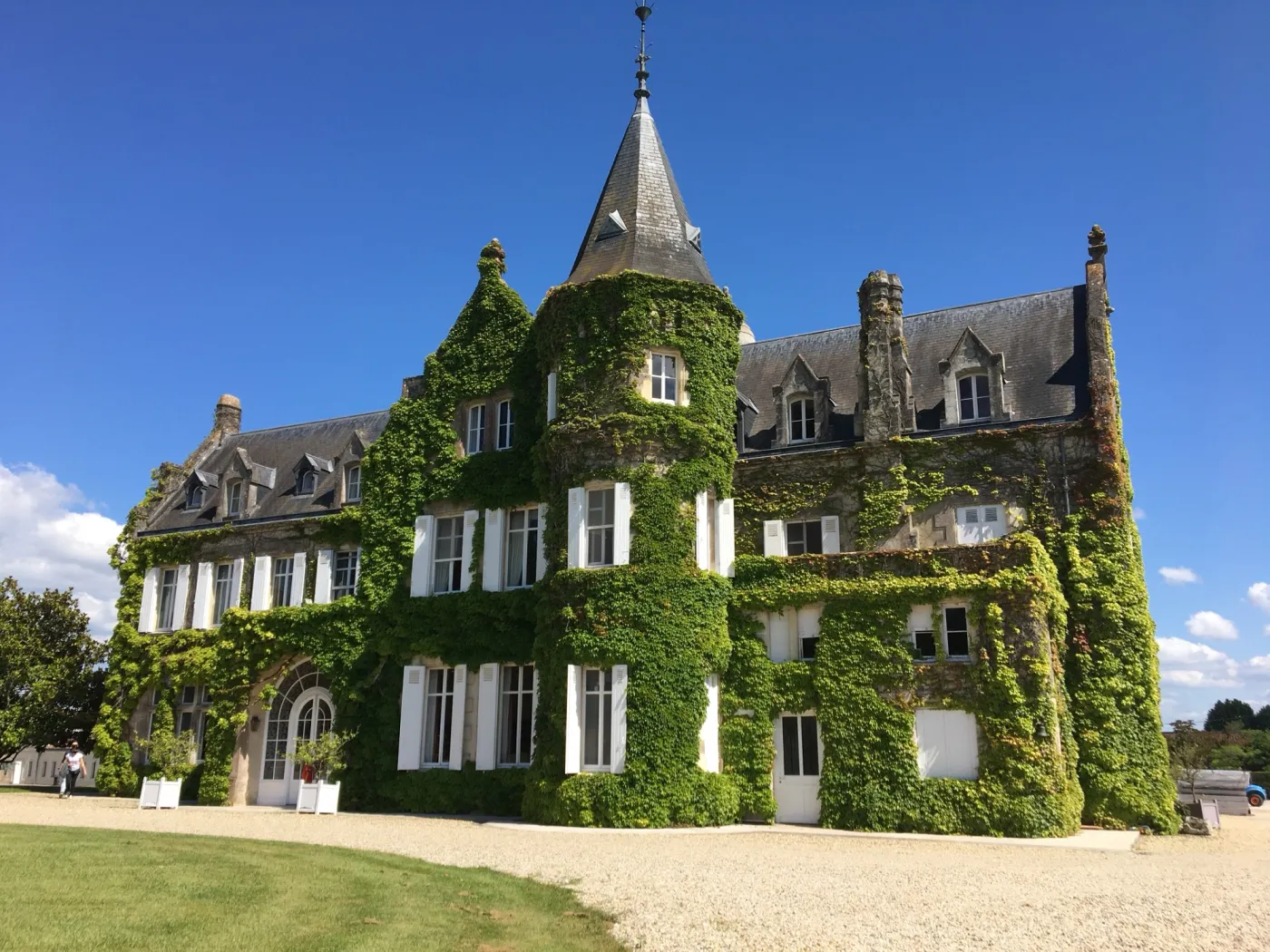
North-west of Bordeaux, the Médoc is associated with celebrated château estates and long, carefully tended rows of vines. The journey becomes part of the experience: quiet country roads, formal gates, gravel approaches and estates whose architecture expresses a particular history of winemaking. Visits are not always available on a walk-in basis, so advance arrangements are important, especially for sought-after properties.
Pessac-Léognan: A More Intimate Vineyard Escape
Closer to the city, Pessac-Léognan offers an appealing way to enter the vineyard landscape without committing to a full day on the road. Vineyard visits can be paired with a leisurely lunch or a restorative afternoon back in the city. For travellers who prefer a slower itinerary, this proximity makes it possible to enjoy the countryside while retaining time for Bordeaux’s galleries, restaurants and riverfront.
The Bordeaux Table
The region’s cuisine is grounded in the generosity of south-western France: seasonal produce, seafood from the Atlantic coast, carefully prepared duck, market vegetables and dishes shaped by a strong sense of place. The finest meals are not necessarily the most elaborate. They may be found in a neighbourhood bistro where the menu follows the season, or in a contemporary dining room where regional ingredients are handled with restraint and imagination.
Bordeaux’s wine culture naturally accompanies the table, but it should not narrow the experience. Ask about local cheeses, market produce and regional specialities; allow the sommelier or server to suggest a pairing that suits the dish rather than choosing by reputation alone. For a special evening, reserve ahead and let the meal set the rhythm of the night.
No visit feels complete without tasting a canelé, the small caramelised pastry with a tender centre that has become one of the city’s signature pleasures. Enjoy one with coffee or bring a carefully packed box home. It is a modest souvenir, but a distinctly Bordeaux one.
The Finest Addresses in Bordeaux and Its Wine Country
In Bordeaux, the choice of address shapes the entire stay. A grand hotel in the historic centre places architecture, restaurants and cultural life at the door; a discreet townhouse offers a more private atmosphere; a vineyard retreat makes the landscape itself part of the experience. These properties offer different interpretations of luxury, from classical city grandeur to an immersive escape among the vines.
InterContinental Bordeaux – Le Grand Hôtel
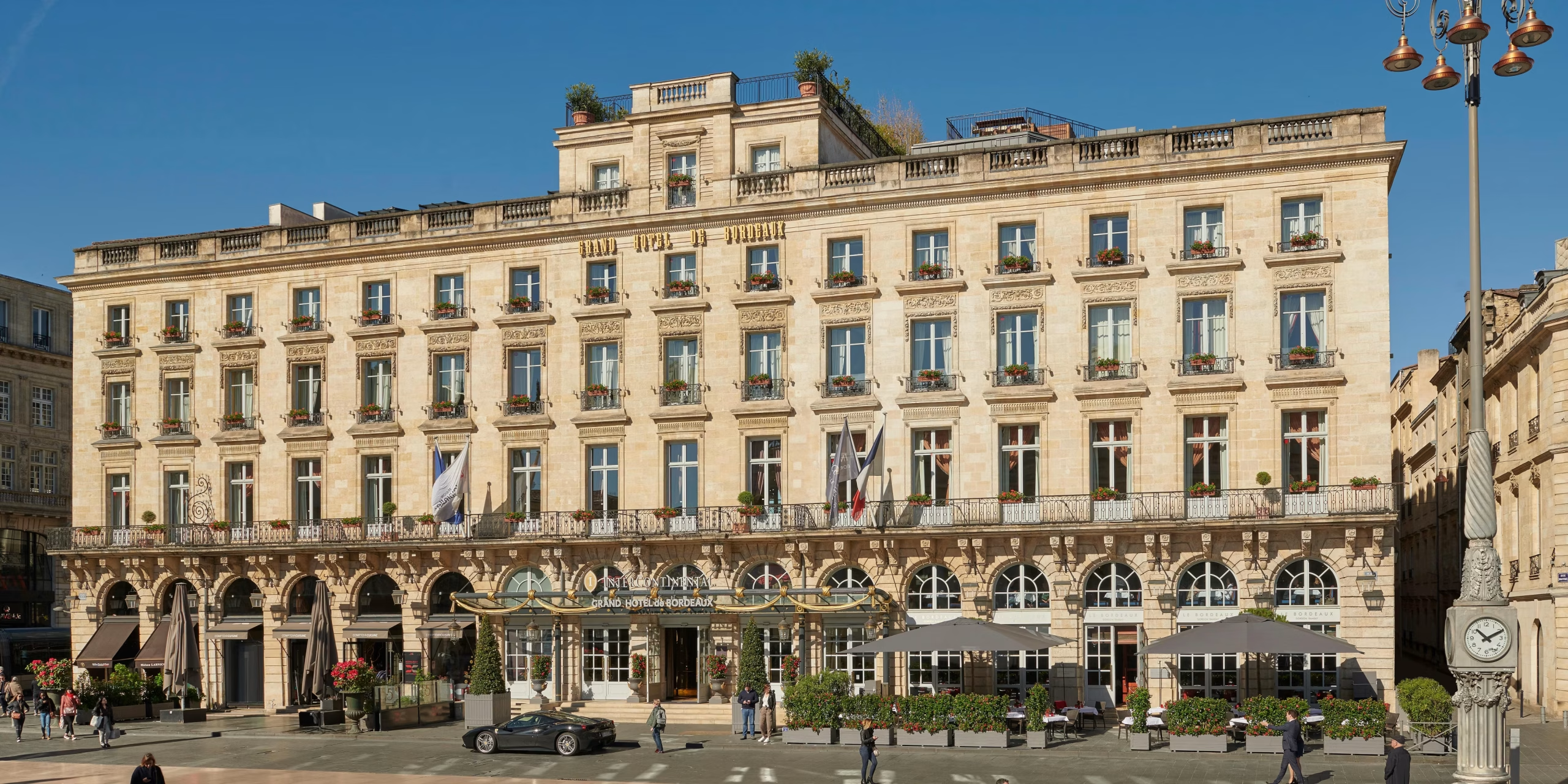
Facing Place de la Comédie, InterContinental Bordeaux – Le Grand Hôtel is a natural choice for travellers drawn to the city’s ceremonial heart. Its historic setting and interiors by Jacques Garcia create a sense of occasion, while the central location makes the Grand Théâtre, the Golden Triangle and principal shopping streets easy to explore on foot. The hotel also offers a Guerlain spa and Le Pressoir d’Argent Gordon Ramsay, giving guests the option of pairing a day in the city with an evening centred on fine dining. Choose this address for a classic Bordeaux stay with a distinctly grand-hotel sensibility.
Yndō Hôtel
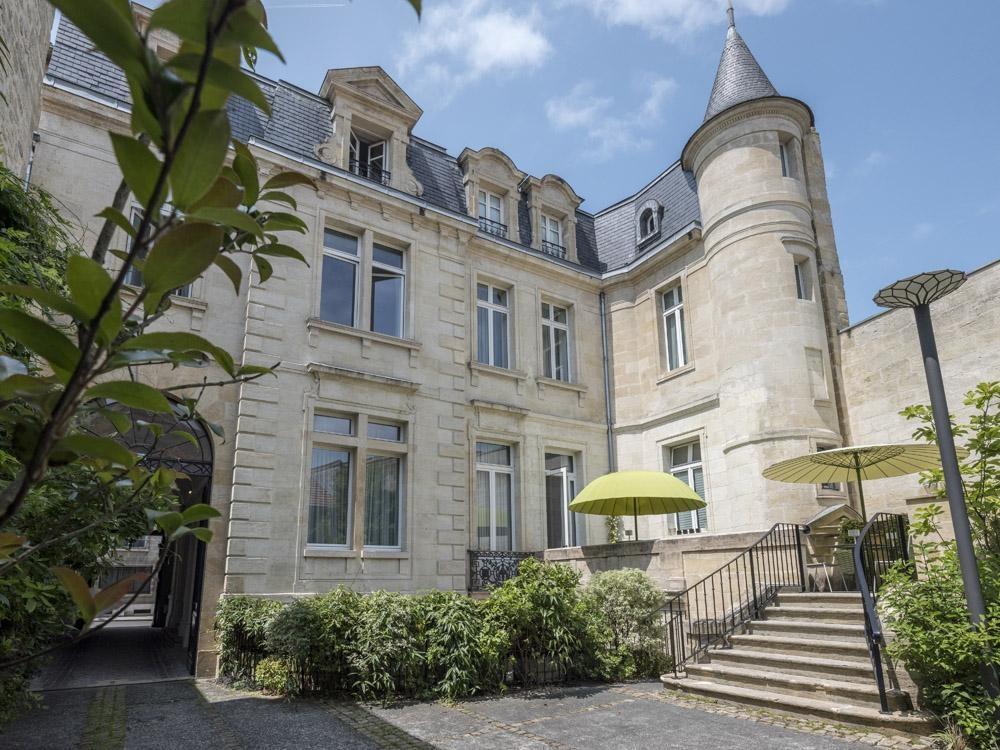
Set within a private mansion in central Bordeaux, Yndō Hôtel offers a more intimate interpretation of five-star hospitality. Individually designed rooms, considered furniture and a deliberately personal atmosphere distinguish it from a larger palace-style hotel. The property suits travellers who value discretion, thoughtful design and the feeling of staying in a private residence rather than a conventional city hotel. Its restaurant is reserved for hotel guests, reinforcing the sense of a self-contained urban retreat.
Les Sources de Caudalie
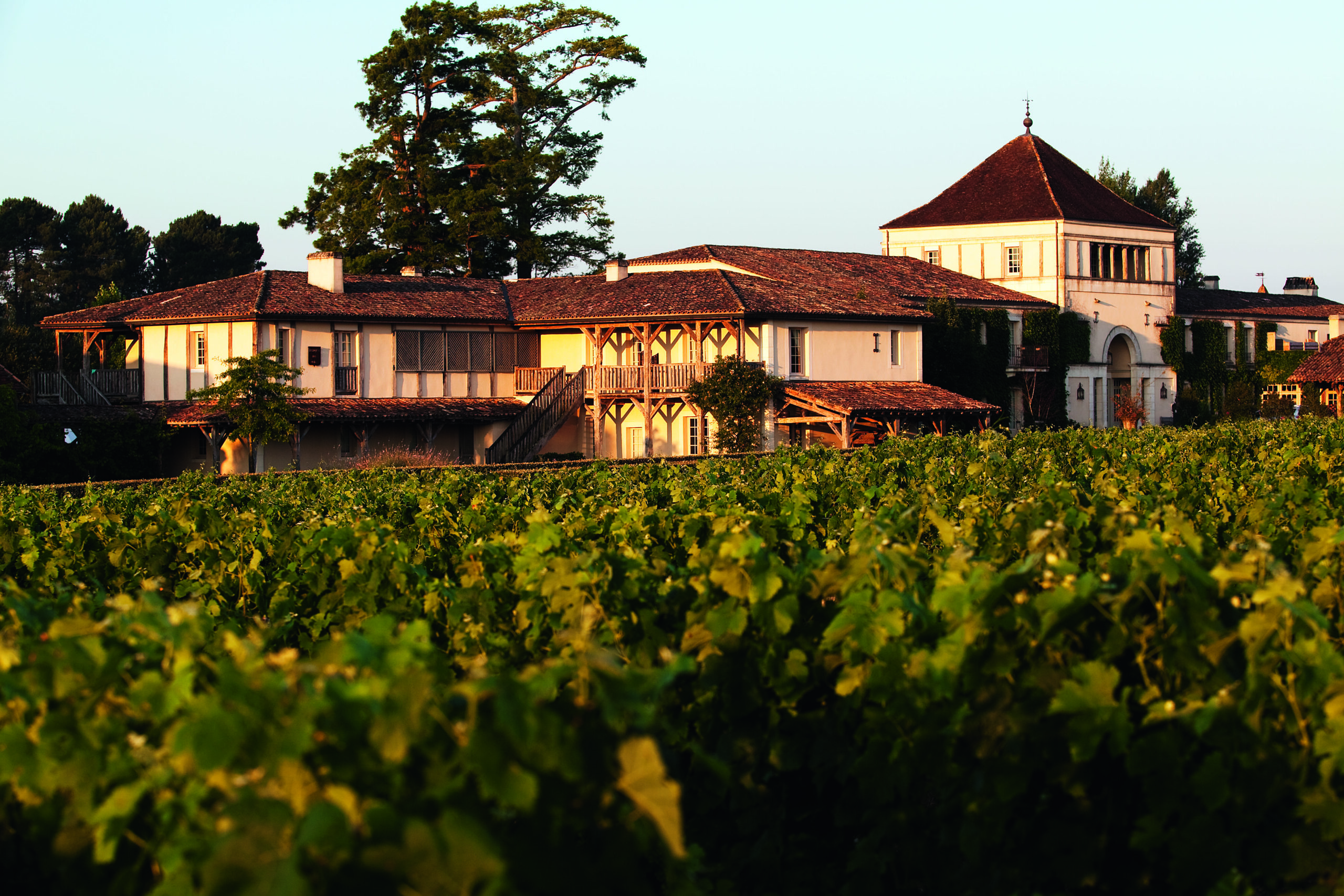
For a stay in which the vineyards become the principal attraction, Les Sources de Caudalie lies among the vines of Château Smith Haut Lafitte in the Pessac-Léognan area outside central Bordeaux. The property brings together vineyard surroundings, gastronomy and a spa centred on vinotherapy. Its rooms and suites are distributed across houses with individual character, creating an atmosphere closer to a secluded country estate than a city hotel. It is particularly suited to travellers who want to combine winery visits with restorative time, long meals and a slower pace. Plan transport in advance if you intend to spend evenings in Bordeaux itself.
Le Palais Gallien Hôtel & Spa
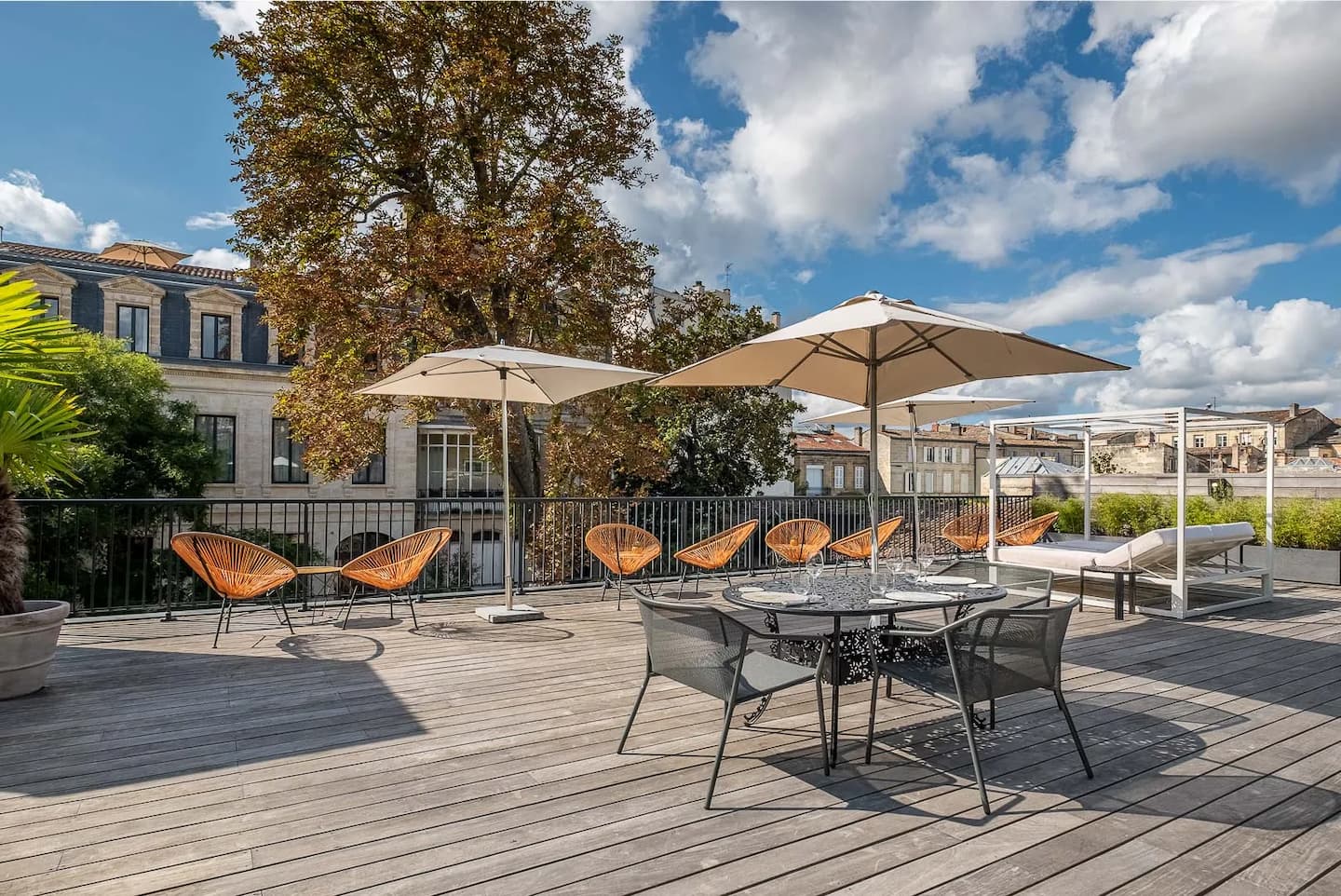
Le Palais Gallien Hôtel & Spa offers a boutique alternative for travellers who prefer a smaller property and a quieter residential setting. With an outdoor pool and spa facilities, it provides a retreat between walks through the historic centre and long dinners. It is a strong option for guests who want an intimate base without giving up access to Bordeaux’s central districts. Confirm room categories and current facilities directly when booking.
Hôtel Burdigala by Inwood Hotels
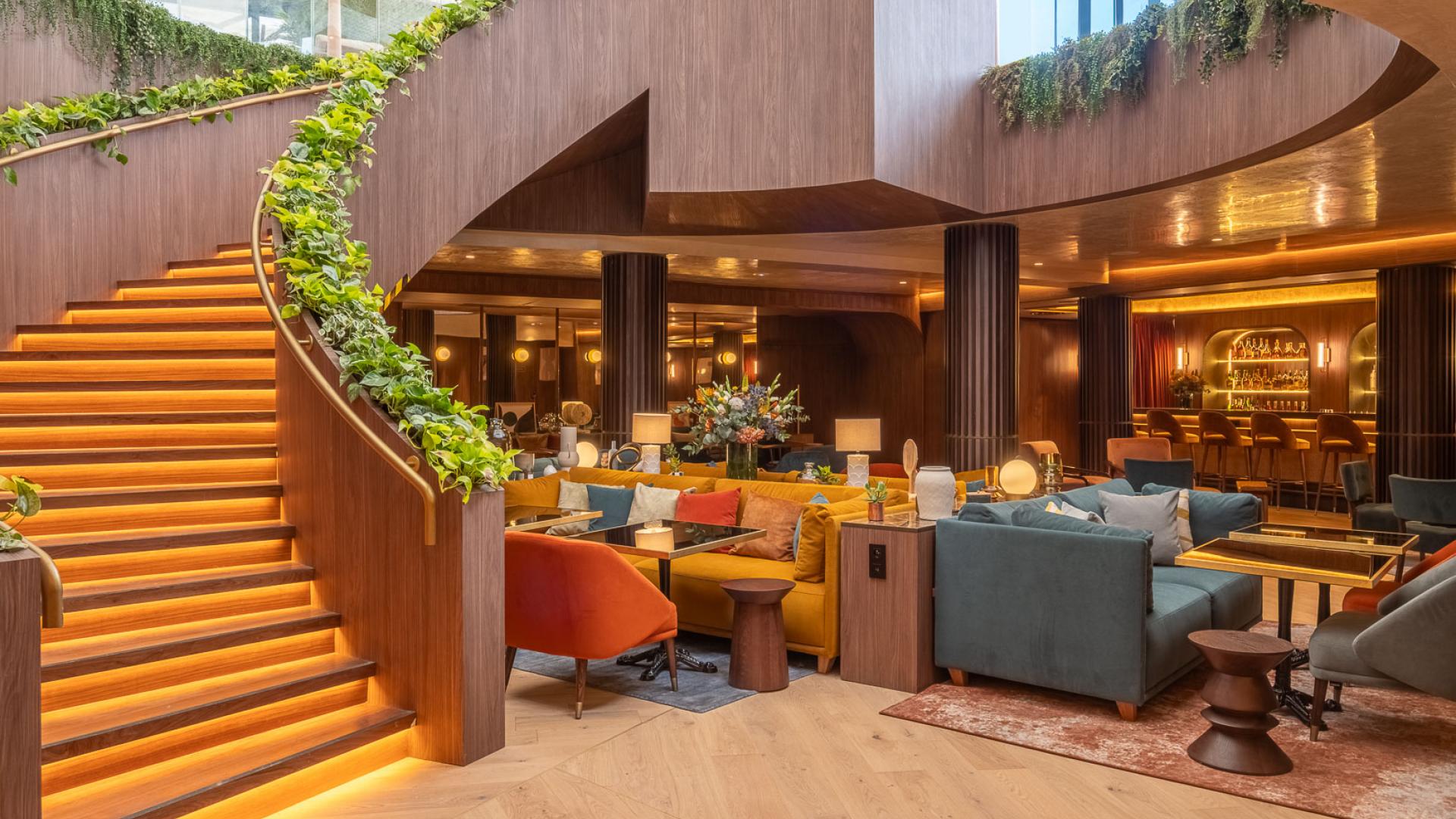
Hôtel Burdigala by Inwood Hotels presents a contemporary, design-conscious option for visitors who want modern comfort and a less formal atmosphere. Its location makes it practical for combining city exploration with dining and shopping, while its contemporary character contrasts with Bordeaux’s more traditional grand-hotel addresses. It is worth considering for travellers who value a polished base with a modern sensibility over period interiors.
For any property, verify current room offerings, dining arrangements, spa access and seasonal services directly before booking. Bordeaux’s most rewarding stays are those selected for the experience you want: a grand urban address, a private townhouse atmosphere or a few restorative days surrounded by vines.
When to Visit Bordeaux
Spring brings fresh colour to the city’s parks and riverfront, with comfortable conditions for walking and day trips into the vineyards. It is an appealing season for travellers who want to combine architecture, restaurants and countryside without the height of summer’s visitor numbers.
Summer offers long evenings, outdoor dining and a lively riverfront. It is a rewarding time to linger over dinner and explore the city on foot, although popular hotels and vineyard appointments should be secured early. In the countryside, midday heat can make a slower schedule preferable.
September and early autumn are especially evocative in wine country, when harvest activity lends the region a heightened sense of purpose. Timing varies by year and vineyard, and harvest does not guarantee that every estate will offer the same visitor access. Book visits ahead and be flexible about the day’s schedule.
Winter gives Bordeaux a more intimate mood. The city’s restaurants, museums and historic interiors become the focus, while the streets feel less hurried. It can be an excellent season for a cultural stay built around architecture, food and wine, provided you check opening times for individual estates and attractions.
Planning a Refined Bordeaux Escape
Allow at least three nights to appreciate Bordeaux without turning the visit into a sequence of appointments. Two days can be devoted to the historic centre, neighbourhoods, food and cultural sites; a third can be reserved for a vineyard excursion. If wine country is central to your plans, consider adding a night outside the city or choosing a vineyard hotel for part of the stay.
A private driver can be worthwhile for a day involving multiple estates, especially when tastings are involved. For Saint-Émilion or the Médoc, confirm visit times and transport before setting out; not every château welcomes unannounced visitors. Within Bordeaux, walking and public transport are practical for many central sights, while a tram or taxi can simplify trips to districts farther from the historic core.
Reserve sought-after restaurants and hotel rooms well ahead for peak dates. When choosing a winery, prioritise the story you want to understand—architecture, terroir, organic or biodynamic practices, a particular appellation, or the work of a specific producer—rather than trying to fit the greatest possible number of tastings into a day.
Frequently Asked Questions
How many days should you spend in Bordeaux?
Three nights is a useful starting point for combining the historic centre, neighbourhoods, food and a vineyard excursion. Wine-focused travellers may prefer four or five nights, particularly if they want to explore more than one appellation at an unhurried pace.
Is Bordeaux worth visiting if you are not a wine enthusiast?
Absolutely. Its architecture, riverfront, museums, neighbourhoods, markets and regional cuisine make it a compelling city in its own right. La Cité du Vin can also provide an accessible introduction to wine cultures without requiring prior knowledge.
Which vineyards are best for a day trip from Bordeaux?
Saint-Émilion, the Médoc and Pessac-Léognan each offer a different experience. The right choice depends on your interests, available time and preferred style of visit. Arrange château appointments in advance and consider a driver if visiting multiple estates.
Where should you stay in Bordeaux for a luxury trip?
For a grand city-centre experience, consider InterContinental Bordeaux – Le Grand Hôtel. Yndō Hôtel suits travellers who prefer an intimate townhouse setting, while Les Sources de Caudalie is designed for a vineyard-and-wellness escape outside the city. Le Palais Gallien Hôtel & Spa and Hôtel Burdigala offer boutique and contemporary alternatives.
What food should you try in Bordeaux?
Explore the cuisine of south-western France, including seasonal market produce, seafood, regional duck dishes and local cheeses. Make time for a canelé, Bordeaux’s distinctive caramelised pastry, and let the season guide your restaurant choices.
Beyond Bordeaux: Discover More of France
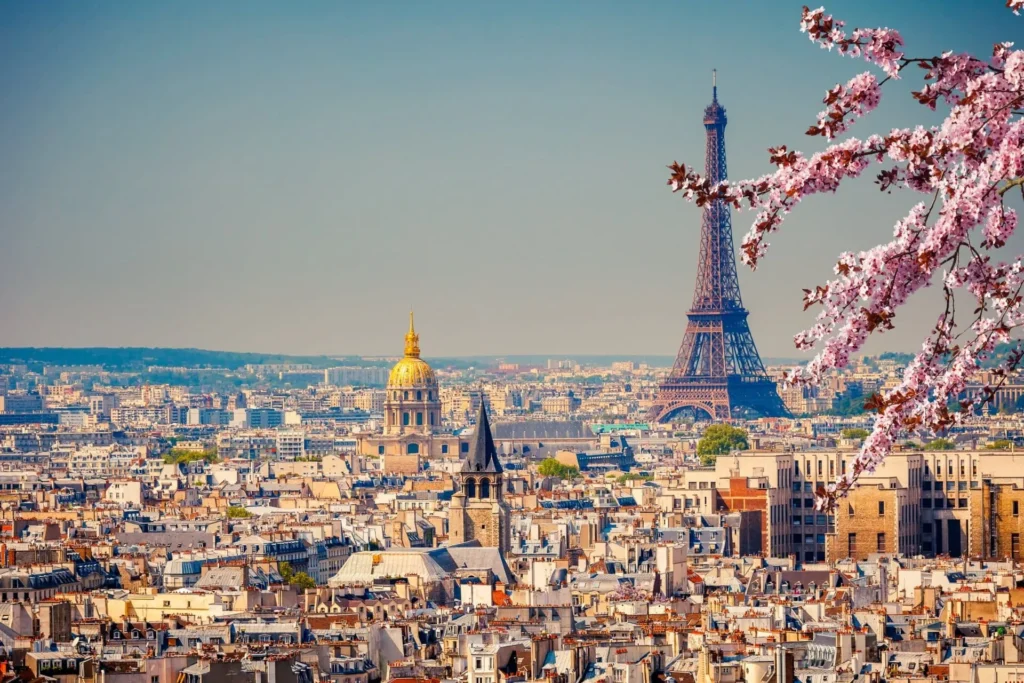
France reveals its many personalities through the contrast between its cities and landscapes. In Paris, grand boulevards, celebrated galleries and the rituals of its café terraces express a distinctly metropolitan elegance. Along the Mediterranean, Nice offers a softer rhythm, with pastel façades, sea-facing promenades and the unhurried pleasures of the Riviera. Cannes brings a more glamorous note to the coast, where the Croisette, private beach clubs and cinematic heritage shape its unmistakable character. Lyon offers another perspective, inviting travellers into Renaissance passageways, elegant squares and a culinary culture deeply rooted in everyday life.
Bordeaux completes this journey with its golden-stone architecture, historic wine trade and the vineyards that stretch beyond the city. Experienced together, these destinations reveal a France defined not by one image, but by a remarkable range of ways to live, dine and travel well.
The Luminara Perspective
Bordeaux is at its most compelling when it is approached as more than a destination for wine. Its grand façades speak of civic ambition; its neighbourhoods preserve the texture of daily life; its dining rooms reveal a culture that values the pleasure of sitting down and staying a little longer. Beyond the city, the vineyards offer a different kind of luxury—one measured in landscape, knowledge and time.
Come for the celebrated names, certainly, but leave room for the unplanned moments: a quiet square discovered on foot, a conversation that changes the direction of lunch, the late light on the river, or a glass enjoyed slowly after a day among the vines. Bordeaux rewards the traveller who understands that refinement is not about doing more. It is about noticing more.