At first light, the bushveld seems to hold its breath. A ribbon of mist lingers above a riverbed; pale grass catches the sun; somewhere beyond the acacia thorn, a call breaks the stillness. The safari vehicle pauses. No one speaks. In the dust beside the road, fresh tracks record a passage made in the dark—perhaps a leopard moving between thickets, perhaps elephants on their way to water. In Kruger National Park, the landscape is never merely scenery. It is evidence of a world continuously in motion.
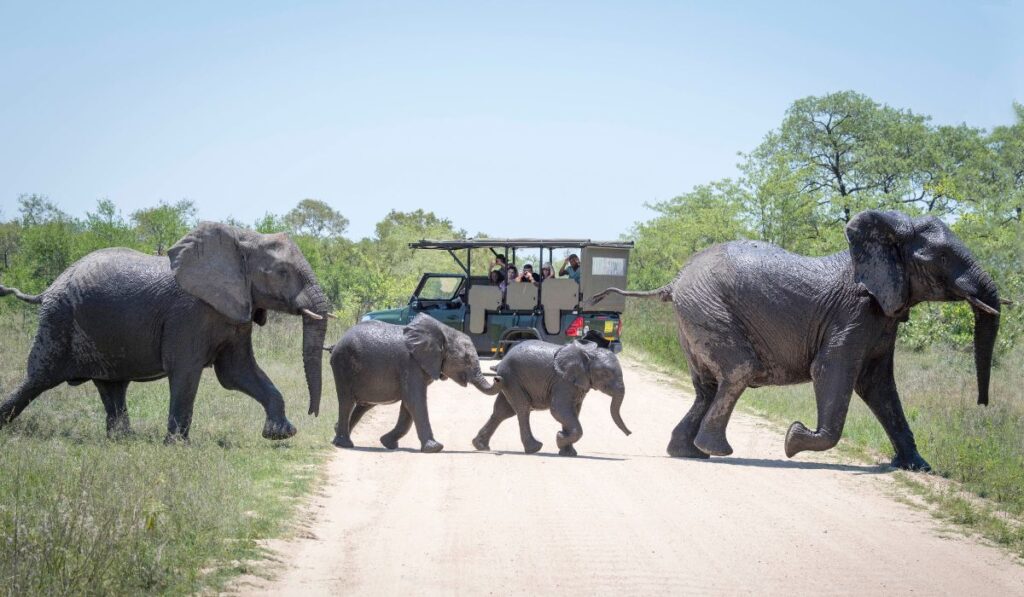
Stretching across a vast expanse of northeastern South Africa, Kruger is one of the continent’s celebrated wildlife destinations. Its appeal rests not on a single dramatic vista, but on a remarkable variety of ecosystems: open savanna, mopane woodland, riverine forest, rocky outcrops and seasonal watercourses. Each habitat shapes a different theatre of life. One morning may be given to elephants crossing a road in unhurried procession; another to the patient search for a leopard beneath a canopy of leaves, or the sudden spectacle of vultures circling above a distant kill.
Luxury here is inseparable from attention. The most memorable safari is rarely the one that attempts to collect every species on a checklist. It is the one that leaves room for a guide to read the ground, for a sighting to unfold without haste, and for the wilderness to remain wild. Whether staying in a private concession or exploring the public road network at one’s own pace, Kruger rewards curiosity, patience and respect.
Understanding Kruger
A Landscape of Many Worlds
Kruger is not a single, uniform wilderness. The southern region is known for productive game-viewing areas and a network of rivers that draw wildlife, while central grasslands can offer rewarding encounters with grazers and predators. Further north, vegetation shifts towards mopane woodland and the scenery becomes more remote in character. Birdlife, plant communities and the texture of the terrain change along the way, making the park as rewarding for naturalists as it is for first-time safari travellers.
The Sabie, Sand and Crocodile river systems influence where animals feed, drink and move. During dry periods, water becomes a powerful organising force; after rain, temporary pools and newly greened plains disperse wildlife across a wider area. These patterns are never guarantees. The bush does not operate to a visitor’s timetable, and a guide’s knowledge of habitat and behaviour is more useful than any promise of a particular sighting.
The Big Five—and the Value of Looking Beyond Them
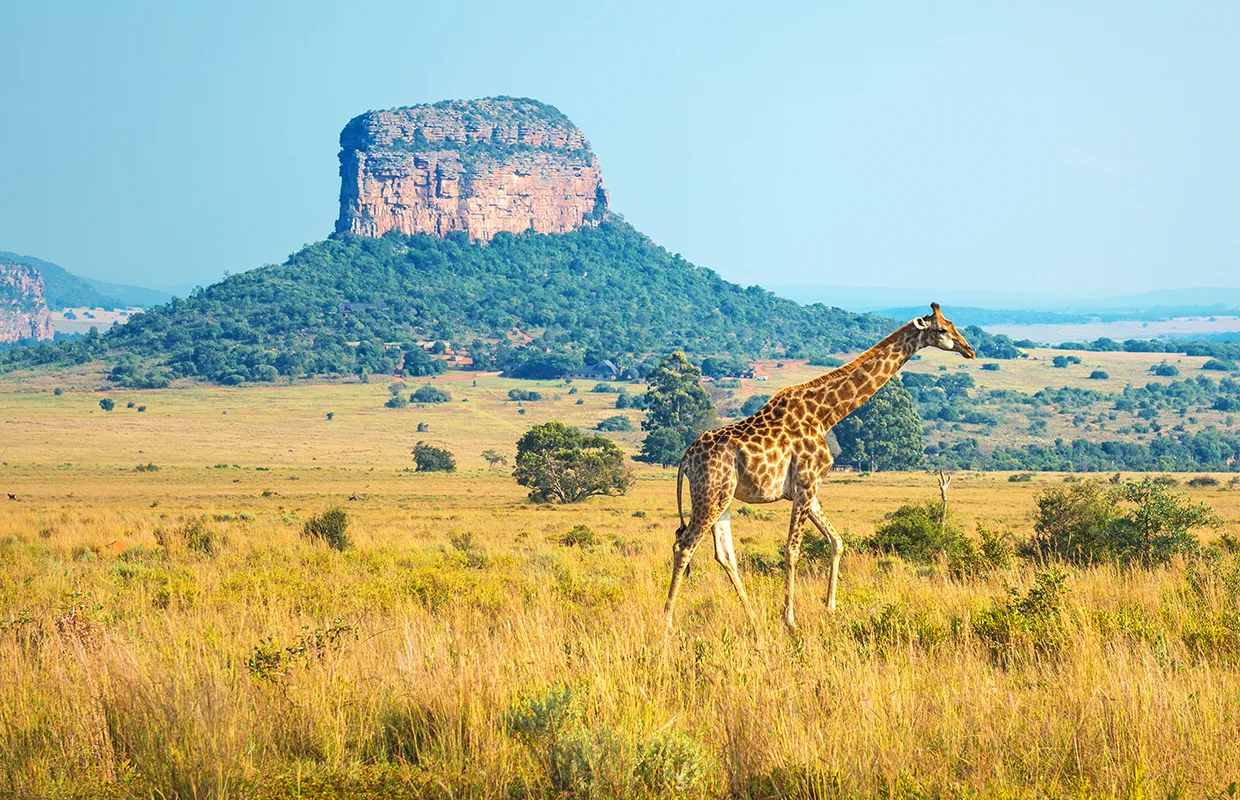
Lion, leopard, elephant, rhinoceros and buffalo have long shaped the language of African safari. Kruger is an important place to encounter these iconic species, but the richness of a game drive extends far beyond them. Giraffes browse tree crowns; zebras and impalas move through the grass in shifting bands; hippos surface in rivers; crocodiles rest along muddy banks; and hyenas, jackals and wild dogs reveal the complex relationships that sustain the ecosystem. Kruger is also a remarkable birding destination, with raptors, ground-dwelling species and seasonal migrants adding movement and sound to every drive.
A sighting is never owed to the traveller. Wildlife moves freely, often unseen, and no ethical operator can guarantee a leopard, a hunt or a close encounter. The pleasure lies in the search itself: a change in a guide’s attention, a sudden silence among birds, an antelope’s fixed gaze, or the alarm call that suggests something has moved through the grass.
The Art of the Game Drive
Dawn: The Bush Before the Heat
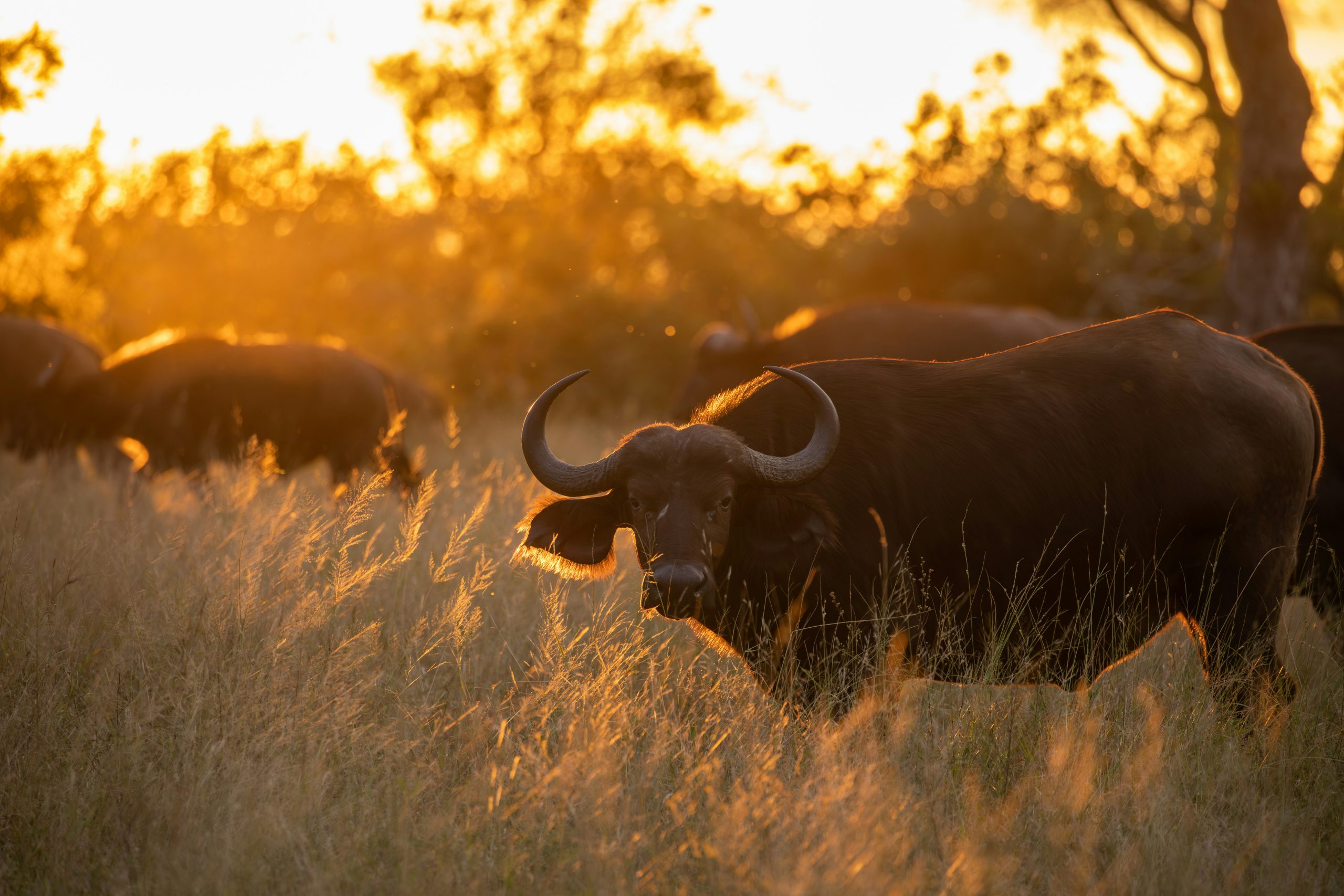
The first drive often begins before sunrise, when the air is cool and nocturnal animals may still be active. The changing light gives the landscape a sculptural quality: thorn trees stand in silhouette, dust glows in the vehicle’s beams, and the first birds begin their calls. Predators may be returning from a night’s movement, while herbivores gather strength for the hours ahead.
On guided drives from private lodges, a guide and tracker may work together to interpret tracks, scent, alarm calls and animal behaviour. Their skill lies as much in knowing when to wait as in knowing where to look. In the public park, self-drivers can create their own dawn ritual, provided they respect official opening times, remain on permitted roads and allow enough time to return before gates close.
The Middle Hours: A Different Pace
As the day warms, animals may retreat into shade and sightings can become less frequent. This is not lost time. It is an invitation to notice smaller details: dung beetles at work, a lilac-breasted roller flashing across the road, termite mounds, or the scent of the bush after rain. At a rest camp, a shaded lunch and a pause beside the water can be part of the safari rather than a break from it.
A private lodge may use warmer hours for rest, a leisurely meal, a conservation conversation or a guided walk where available. Walking safaris bring attention down to the ground—to spoor, plants, insects and the signs of animal movement—but must be conducted with qualified guides and according to the reserve’s rules.
Dusk: The Landscape Changes Its Voice
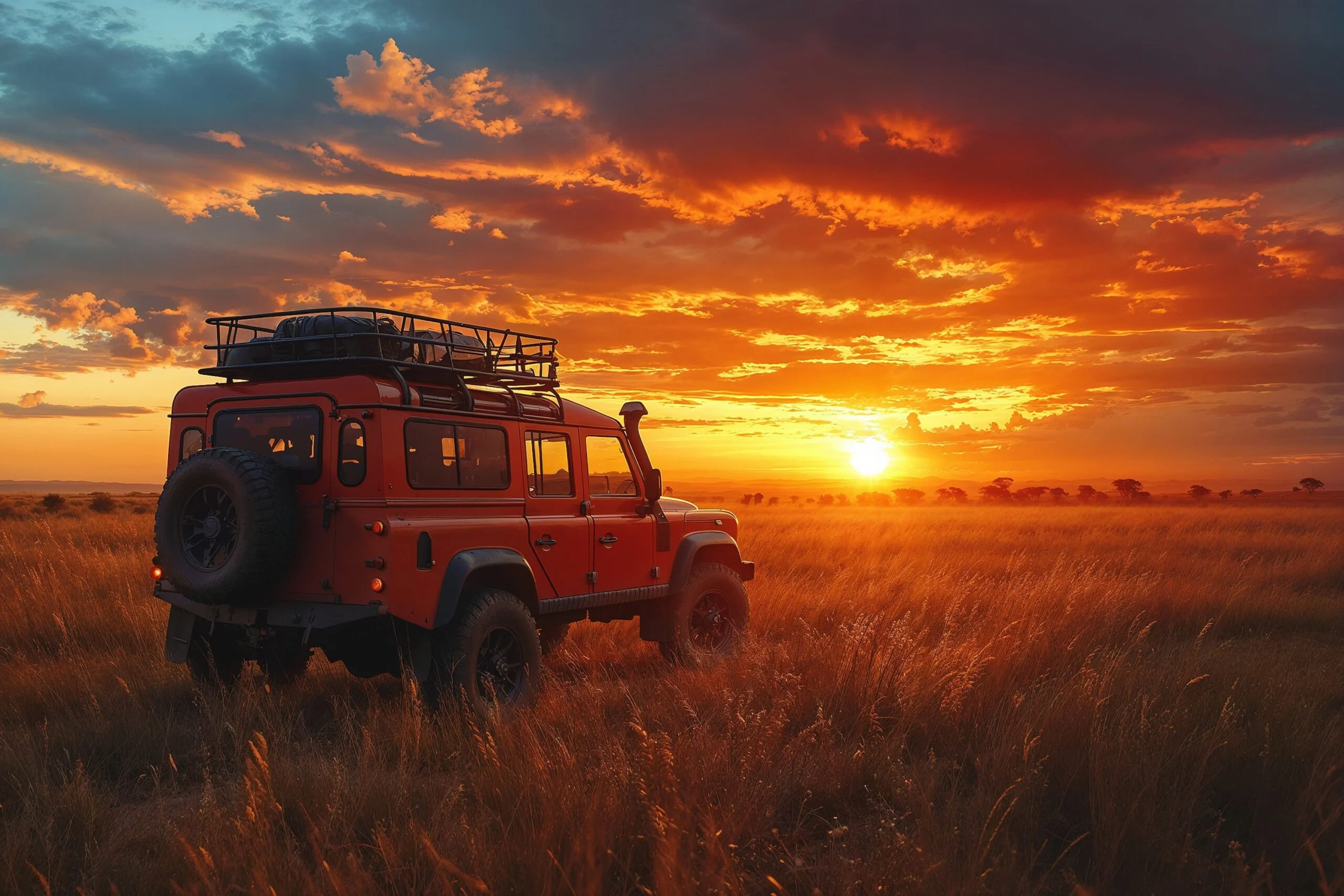
Late afternoon brings another shift. Light turns amber, shadows lengthen and the calls of birds and insects gather into a layered soundscape. A herd may approach a water source; elephants can move quietly through woodland despite their size; predators may become more active as the heat fades. In private concessions, guided drives may continue after dark under specific operating rules. In the public park, visitors must follow official gate and camp schedules and may not continue driving after closing.
The return to a lodge can be as memorable as the drive: lanterns along a path, a fire lit beneath the stars, the distant whoop of a hyena and a sky without city glare. Such moments need no embellishment. Their power comes from knowing the wilderness continues beyond the reach of the light.
Private Concessions and the Public Park
Kruger’s public road network and private concessions offer different, complementary ways to experience the region. Public areas allow visitors to explore at their own pace, stop at designated picnic sites and rest camps, and plan a safari around a range of accommodation styles. They appeal to travellers who enjoy self-drive exploration and the independence of choosing their route.
Private concessions within the greater Kruger landscape generally offer a more guided and intimate format, with limited guest numbers, specialist trackers, scheduled drives and, where permitted, guided walks or night drives. Boundaries and operating arrangements vary. Not every lodge marketed as ‘Kruger’ is located within the national park itself, and neighbouring private reserves have their own identities and access rules.
The stays below are selected for their distinctive approaches to place, design and safari hospitality. Activities, access arrangements and inclusions should always be confirmed directly with each property before travel.
Luxury Stays: Seven Distinct Ways to Experience Kruger
An exceptional safari lodge should do more than place a comfortable suite beside the bush. It should create a meaningful relationship with the landscape—through architecture, guiding, conservation work, food, or the privilege of observing wildlife without disturbing it.
Singita Lebombo Lodge
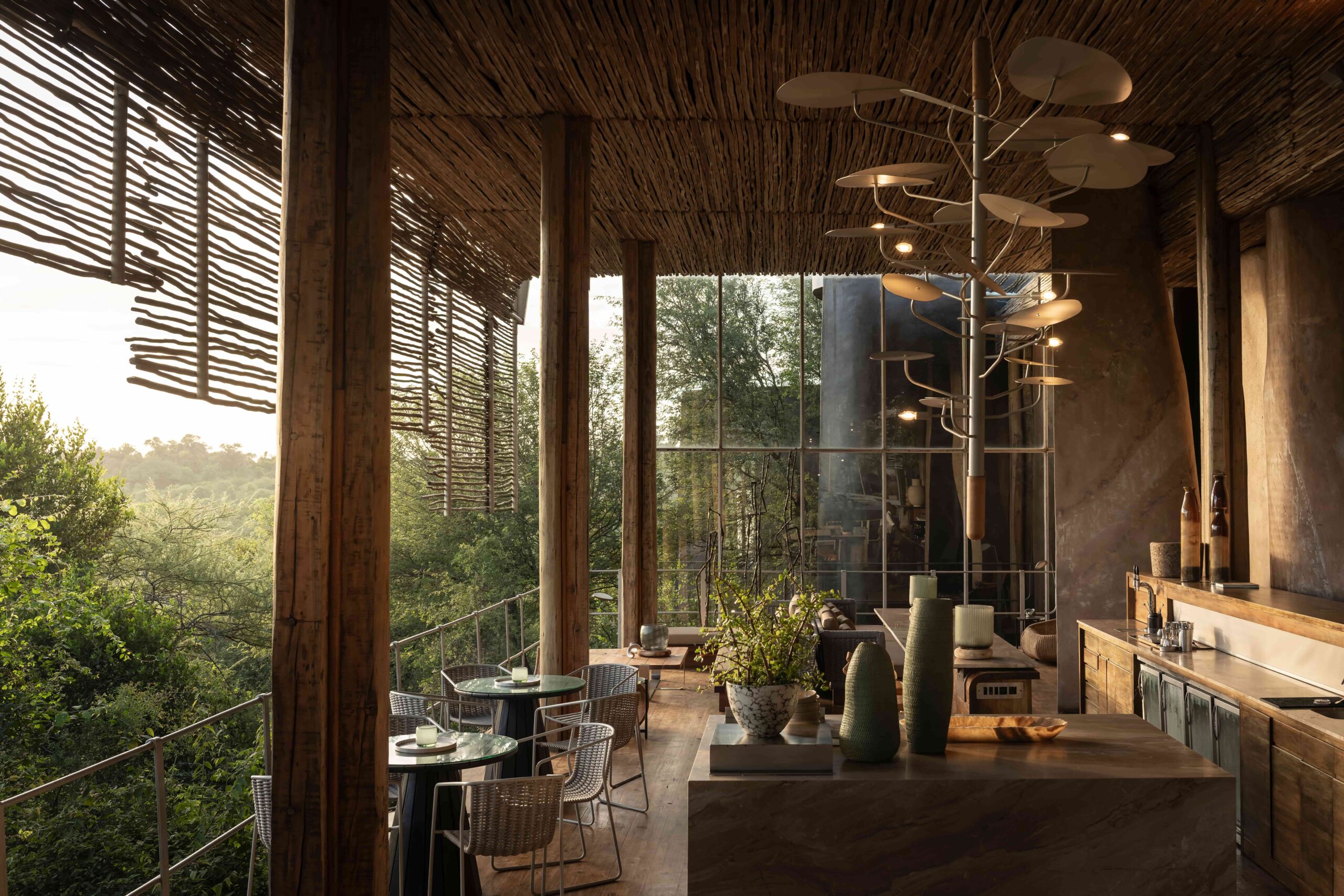
Set in a private concession in southeastern Kruger, Singita Lebombo takes a strikingly contemporary approach to safari architecture. Glass-walled, loft-like suites appear to hover above the N’Wanetsi River landscape, drawing the terrain into the room through expansive views and elevated decks. The effect is architectural yet not detached: open spaces, earthy tones and long sightlines keep the wilderness present throughout the day.
Guided game drives and walking safaris, where appropriate, are complemented by a considered wine programme and spaces devoted to conservation and local creativity. Lebombo suits travellers who appreciate modern design, a strong sense of place and a safari shaped by expert interpretation rather than spectacle alone.
Singita Sweni Lodge
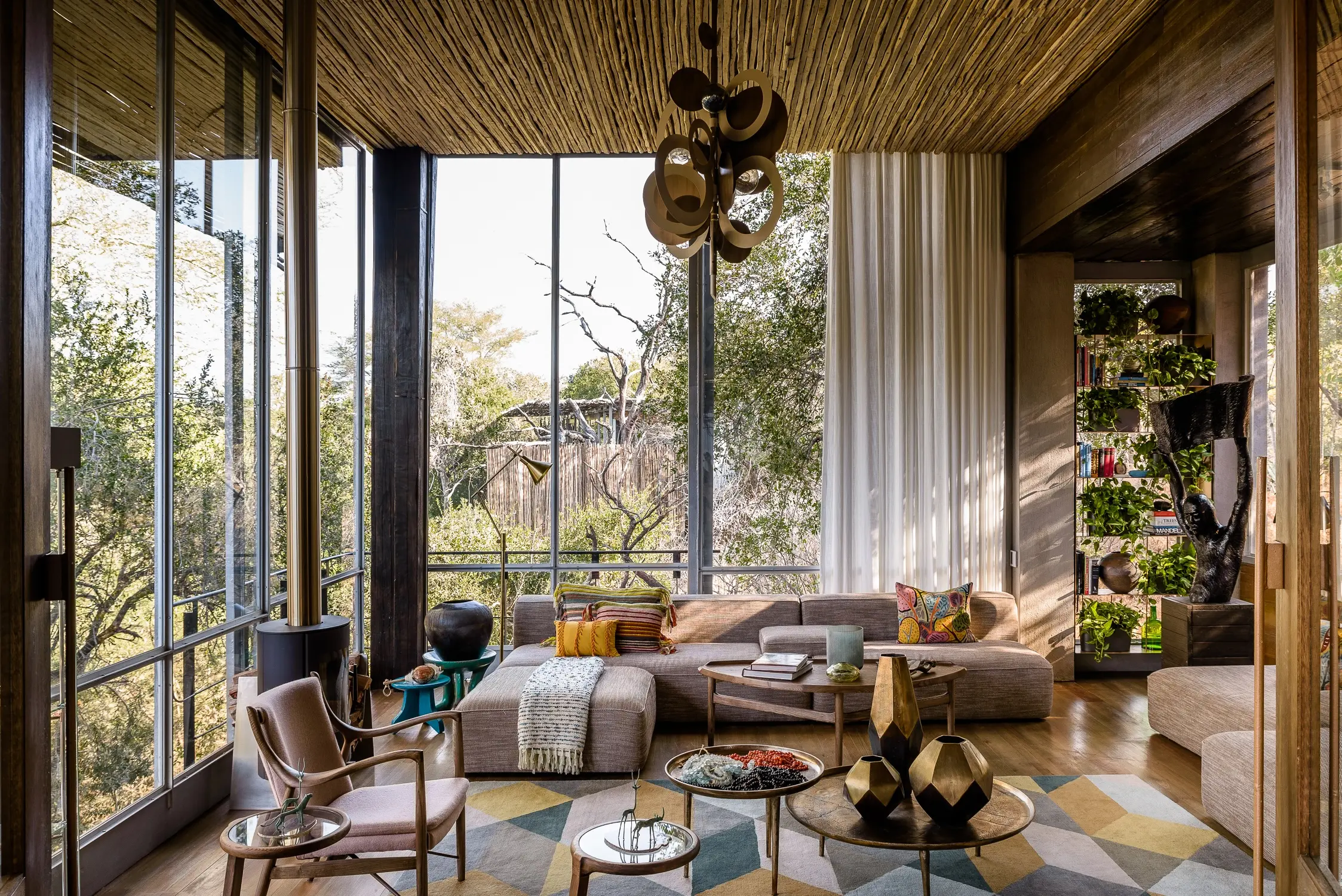
Also within Singita’s private concession, Sweni offers a more intimate, nature-led expression of the same conservation-minded philosophy. Its position near the Sweni River and surrounding woodland creates a close connection to the movement of wildlife and the rhythms of water. The design favours a low profile, tactile materials and a sense of being enveloped by the bush rather than perched above it.
Sweni appeals to travellers who value a quieter retreat, with guiding and wildlife interpretation at the centre of the stay. As with any safari property, the experience is shaped by season, conditions and animal movement; the reward is the chance to inhabit the landscape with attention.
Jock Safari Lodge
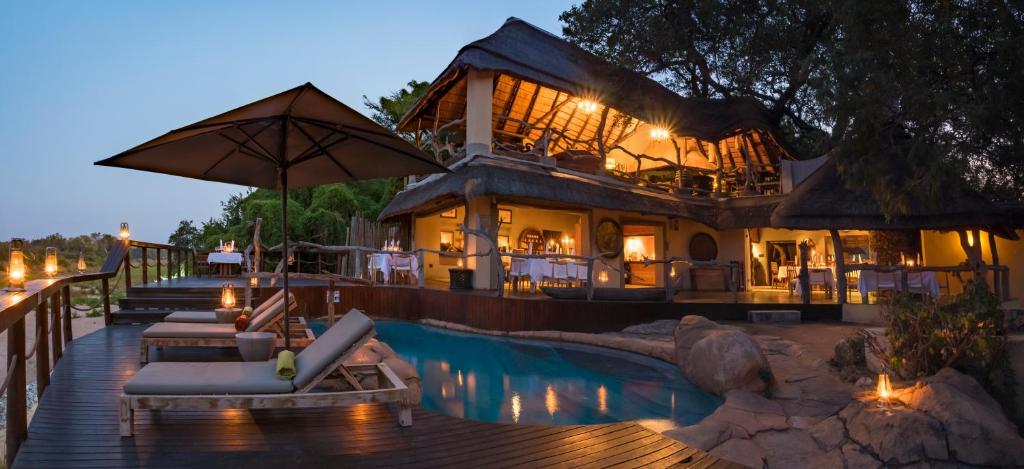
In the southern reaches of Kruger, Jock Safari Lodge draws on the landscape’s riverine setting and the history associated with the area. Its accommodation is designed to feel sheltered within the bush, with private outdoor spaces that encourage guests to remain attentive to the sounds and movements beyond the room. The lodge balances traditional safari atmosphere with the comforts expected of a high-end retreat.
Jock suits travellers who want guided wildlife experiences paired with a sense of secluded, old-world safari romance. Confirm which activities are included in the selected rate, how drives are scheduled, and whether the accommodation category best suits couples, families or a private group.
Hamiltons Tented Camp
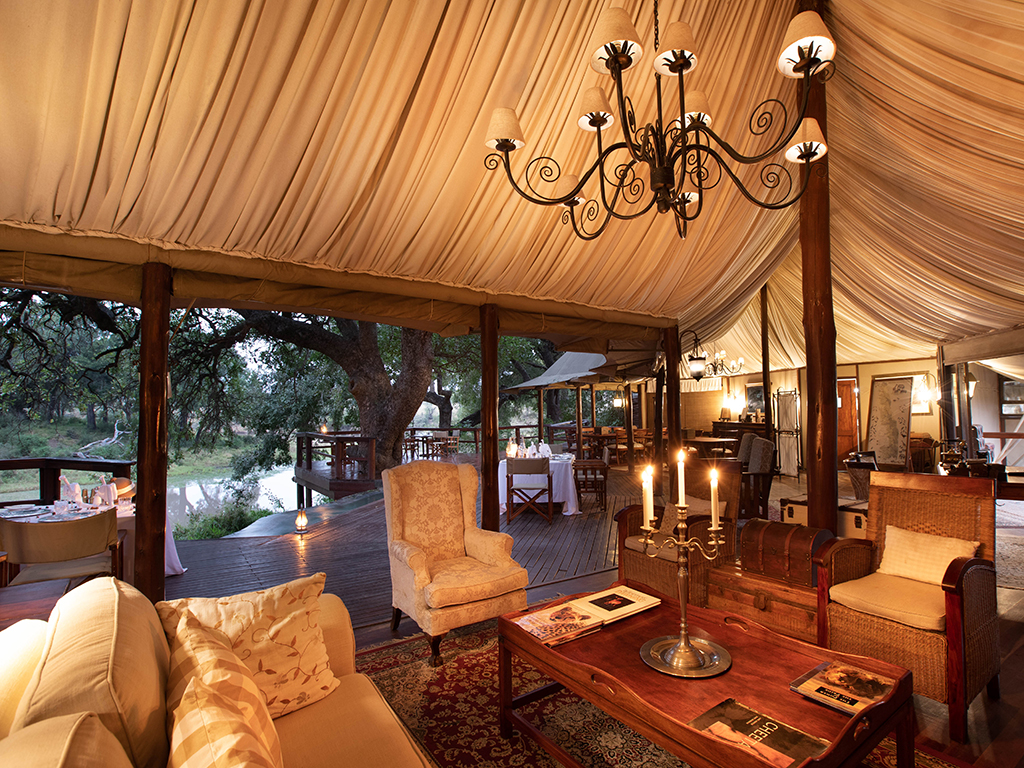
Hamiltons embraces the romance of a classic canvas safari, with elevated tented suites set amid trees and riverine vegetation. Timber, canvas and deep verandas create the impression of a refined expedition camp rather than a conventional hotel.
Its appeal lies in atmosphere and intimacy. Guests return from a drive to the hush of trees, canvas moving in the breeze and the small rituals that give a safari its rhythm. Hamiltons suits travellers who want the sensory character of tented living without relinquishing attentive service and comfort. Confirm current operating details and inclusions directly with the lodge.
Imbali Safari Lodge
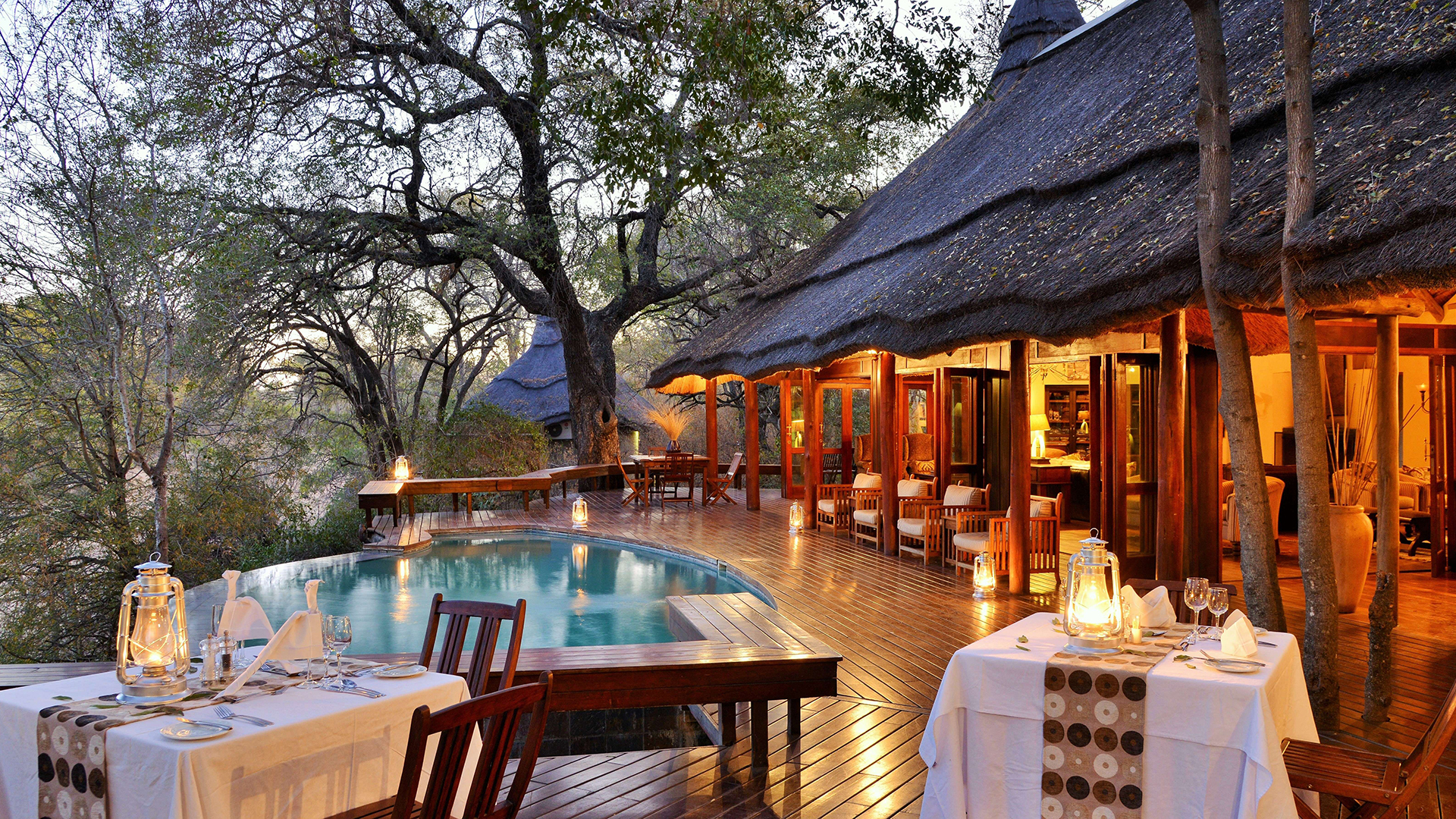
Located in a private concession within Kruger, Imbali places emphasis on the sense of retreat that a safari can provide. Suites offer privacy and views into the surrounding landscape, while outdoor spaces invite guests to pause between drives. The bush remains the main event: changing light, distant calls and the possibility of wildlife passing through the area are part of the daily experience.
Imbali is suited to travellers seeking a traditional luxury-lodge format, where guided game viewing, meals and rest are woven into a coherent rhythm. Inclusions can vary by package and season, so check the current details before confirming a stay.
Kruger Shalati — The Train on the Bridge
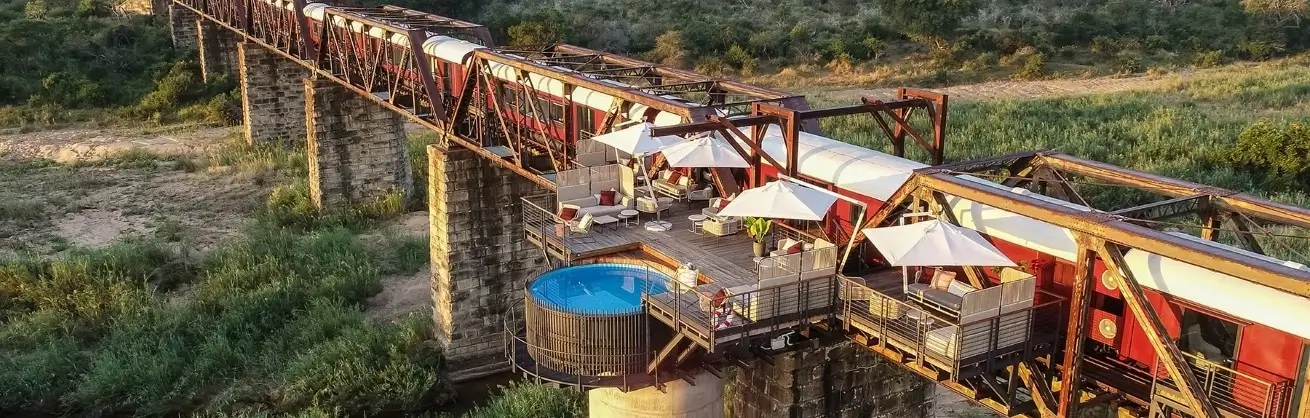
Kruger Shalati offers a distinctive concept: a restored train positioned on the historic Selati Bridge above the Sabie River, near Skukuza. Railway heritage, elevated positioning and contemporary interiors create an experience unlike a conventional bush lodge. Below, the river corridor draws wildlife and birds, while the bridge places guests within a striking piece of the park’s travel history.
The property suits travellers who enjoy design-led hospitality and a strong sense of narrative as much as traditional lodge seclusion. It can be a memorable option for a shorter stay within the public park, depending on the itinerary and access arrangements. Sightings are never guaranteed, and the animals remain the priority.
Rhino Walking Safaris — Plains Camp
For travellers drawn to walking, Rhino Walking Safaris offers a different relationship with Kruger’s wilderness. Plains Camp is associated with an approach in which the details of the bush become the focus: spoor pressed into sand, the scent of crushed leaves, bird calls above the path and guides interpreting the environment on foot. This is not simply a slower game drive; it is a different way of reading the landscape.
Walking safaris depend on conditions, guide assessment and safety protocols, and they are not suitable for every traveller. Discuss fitness, mobility and expectations before booking. For those who are a good fit, the experience can create a lasting appreciation for ecology that often goes unnoticed from a vehicle.
Wildlife Conservation: The Responsibility Behind the Experience
Kruger is not a stage set for tourism. It is a protected ecosystem whose future depends on habitat management, ecological research, anti-poaching work, responsible visitor behaviour and the participation of communities living in the wider region. The pressures are complex: human-wildlife conflict, illegal wildlife trade, changing land use, drought and the needs of neighbouring communities all influence conservation.
Responsible tourism begins with small, non-negotiable choices. Remain inside vehicles except in designated areas; never feed, call or attempt to attract wildlife; keep a respectful distance; obey speed limits and gate times; and follow guides’ instructions without exception. Do not pressure guides to approach animals for a photograph. A close sighting is not worth causing stress, changing behaviour or endangering people.
When choosing a lodge, look beyond broad sustainability language. Ask how it contributes to conservation and local livelihoods, whether claims are specific and transparent, and how it manages waste, water and energy. Properties and programmes change, so verify current initiatives rather than assuming every safari delivers the same impact.
The Flavours of Safari
Dining in Kruger is shaped by the rhythm of the day. Early coffee may be served before a dawn drive; a light breakfast follows in the cool morning; lunch is unhurried during the warmer hours; and dinner gathers guests around a table or fire as the sounds of the bush rise after dark. At high-end lodges, menus often draw on South African ingredients and regional traditions, while wine selections introduce the country’s varied growing regions.
The pleasure is not only in formality. A thoughtfully prepared meal after hours in the field, a picnic at a permitted site, or a fireside conversation about the day’s sightings can be more memorable than a complicated menu. Communicate dietary requirements in advance, especially at remote properties where provisions are planned around guest numbers.
For self-drive travellers, rest camps and designated picnic areas provide practical places to pause. Plan meals and fuel stops in relation to distances and gate times; the park is vast, and the temptation to keep driving after a sighting can make a day feel rushed.
When to Visit Kruger National Park
Dry Season | May to September
The cooler, drier months are often favoured for wildlife viewing. Vegetation thins, visibility can improve and animals may concentrate around remaining water sources. Mornings can be cold, particularly on open vehicles, so warm layers are essential. The landscape may appear subdued in colour, but its structure and tracks are often easier to read.
Spring Transition | September to November
Temperatures rise and the first rains may arrive unevenly. The bush begins to change, birdlife becomes more animated and the landscape moves towards its greener phase. Heat can be intense before the rains establish themselves, so hydration and a flexible daily pace matter.
Rainy Season | November to March
Summer brings dramatic skies, fresh growth, warmer temperatures and a lively birding season. Newborn antelope may be seen, while dense vegetation can make some mammals harder to locate. Afternoon thunderstorms may affect driving and activities, and humidity can be high. This season rewards travellers who value the ecosystem in full growth rather than seeking only the easiest sightings.
Autumn Transition | March to May
As rainfall eases, the landscape gradually begins to dry. Conditions vary from year to year, but the transition can offer a balance of greener scenery and improving visibility. It suits travellers seeking a richly textured safari, provided they remain flexible about weather and animal movement.
Planning Your Safari
How long to stay: Three nights is a useful minimum for a first safari, but four to five nights allows the experience to breathe. Wildlife viewing is unpredictable; additional time creates more opportunities without turning each drive into a race.
Getting there: Kruger is accessible by road from Johannesburg and through regional airports serving the wider Lowveld. The best route depends on the lodge, gate, transfer arrangements and whether you plan to self-drive. Some lodges use nearby airstrips and arrange transfers; confirm exact logistics with the property before booking flights.
Choose your safari style: Self-drive visitors should reserve accommodation, study official maps and calculate distances conservatively. Travellers staying in private concessions should confirm whether transfers, meals, drinks, drives, walks and conservation levies are included. Do not assume every package has the same terms.
Gate times and road rules: Public park gates and camps have strict schedules that change seasonally. Check current SANParks information before travel and allow a generous margin to reach overnight accommodation. Speed limits apply, off-road driving is prohibited unless specifically authorised, and visitors must remain in vehicles except in designated areas.
Health and packing: Kruger is in a malaria-risk region. Seek current advice from a qualified travel-health professional well before departure and follow guidance appropriate to your itinerary. Pack neutral, comfortable clothing, a warm layer for early drives, sun protection, insect repellent, binoculars and a camera with a useful zoom.
Families and accessibility: Age limits, walking requirements and vehicle arrangements differ between lodges and activities. Confirm policies in writing if travelling with children, older guests or anyone with mobility needs. A private vehicle or tailored itinerary may be more comfortable for some groups.
Photography and patience: Bring binoculars as well as a camera. Keep voices low, avoid sudden movements and do not ask a driver to block an animal’s path. A photograph is best when it records a natural moment without changing it.
Beyond the Bush: Continue the South African Journey
A safari in Kruger can be paired with a few days in Cape Town, where the mood changes from the hush of the bush to a city shaped by Table Mountain, the Atlantic coastline, contemporary culture and accomplished dining. The contrast is part of the pleasure: wilderness at dawn, coastal light and urban sophistication later in the journey. Allow enough time for transfers rather than compressing both experiences into an exhausting sequence.
Travellers interested in extending their time in the Greater Kruger region may also wish to explore Sabi Sand, a separate private game reserve adjoining the western boundary of Kruger, with its own distinct safari character. It deserves a dedicated journey rather than being treated as interchangeable with the national park. Beyond South Africa, the Luminara Voyages collection offers other ways to experience place through landscape and hospitality—from Switzerland’s alpine grandeur to Japan’s quiet rituals, Italy’s art of living, France’s layered elegance and the Maldives’ intimate relationship with the sea.
These journeys are united less by a single definition of luxury than by the chance to experience a destination on its own terms: with time, context and a sense of discovery.
Frequently Asked Questions
What is the best time to visit Kruger National Park?
The dry season, broadly May to September, is often preferred for wildlife viewing because vegetation is thinner and animals may gather near water. The summer rainy season offers lush scenery and rewarding birdlife, but dense growth can make some mammals harder to spot.
How many nights should I spend in Kruger?
Three nights is a useful starting point, while four or five nights provides more time for varied drives and a less hurried experience. Wildlife sightings are never guaranteed, so additional time is valuable.
Can I visit Kruger on a self-drive safari?
Yes. The public park has a network of roads, rest camps and designated picnic areas. Plan distances carefully, obey speed limits and gate times, and remain inside your vehicle except in designated areas.
What is the difference between Kruger and Sabi Sand?
Kruger National Park is a large national park with public roads, rest camps and private concessions. Sabi Sand is a separate private game reserve adjoining Kruger’s western boundary, with its own access and safari arrangements. They are geographically connected but are not the same destination.
Are the Big Five guaranteed?
No. The Big Five are present in the region, but sightings depend on animal movement, habitat, season and chance. Responsible guides do not guarantee sightings or disturb animals to secure them.
Is Kruger suitable for a luxury safari?
Yes. The area includes high-end lodges in private concessions and distinctive properties within the public park. Luxury can include specialist guiding, limited guest numbers, thoughtful architecture and conservation engagement, but exact inclusions vary by lodge.
Is Kruger a malaria-risk area?
Yes. Kruger is in a malaria-risk region. Seek current advice from a qualified travel-health professional before travel and follow guidance appropriate to your itinerary.
Can Kruger be combined with Cape Town?
Yes. Many itineraries combine a safari with Cape Town’s coastal scenery, culture and dining. Choose flight and transfer arrangements carefully and leave adequate time between regions.
What should I pack for game drives?
Bring neutral layers, warm clothing for early mornings, sun protection, insect repellent, binoculars and a camera with a useful zoom. Avoid bright flashes and follow your guide’s instructions.
Are night drives available throughout Kruger?
No. Night-drive access depends on the accommodation, concession and operating rules. In the public park, visitors must comply with official gate and camp schedules; confirm activities directly with your lodge.
The Luminara Perspective
Kruger is not defined by how many animals appear before the lens. Its deeper appeal lies in the discipline of attention: learning to distinguish a track from a mark in the dust, recognising the tension in a herd before a predator is visible, or sitting quietly as the last light leaves a river. The most refined safari is one that gives the wilderness room to remain itself.
Stay long enough to let the landscape set the pace. Choose a lodge whose relationship with the place is thoughtful, trust guides who value interpretation over spectacle, and remember that every encounter takes place on the animals’ terms. In Kruger, the extraordinary is not always a dramatic sighting. Sometimes it is the moment the bush falls silent—and you realise you have begun to listen.