A leopard steps from the shadow of a jackalberry tree, pauses in a shaft of late-afternoon light, and looks towards the vehicle as if weighing the interruption. No one moves. The tracker reads the animal’s posture; the guide quietly explains the direction of its attention. For a few suspended moments, the distance between observer and wilderness feels astonishingly small. Then the leopard slips into the thicket, leaving behind no grand finale—only the memory of a creature entirely at ease in its own world.
This is the particular spell of Sabi Sand. Along the western edge of Kruger National Park, an unfenced private reserve allows wildlife to move freely across a wider landscape while a carefully managed lodge system shapes a more intimate way of experiencing it. The reserve is especially celebrated for leopard sightings, yet its character cannot be reduced to one animal or one photograph. Lions cross sandy tracks at dawn; elephants browse through riverine woodland; wild dogs move with purposeful energy; and smaller details—a bird’s alarm call, the scent of rain on dust, a fresh print beside a vehicle track—can transform an ordinary drive into a lesson in the living bush.
Unlike Kruger’s public road network, Sabi Sand is experienced through a booked lodge and its guided safari programme. Guests do not simply arrive and explore independently: access, vehicle movements and game viewing are governed by reserve and lodge arrangements. The result, at its best, is a safari built around patience, specialist interpretation and a personal rhythm. Luxury here is not a promise that nature will perform. It is the privilege of being accompanied by people who know how to read its signs—and who understand when to leave a moment undisturbed.
A Wilderness Without a Visible Border
Sabi Sand shares an unfenced boundary with Kruger, allowing many animals to move between the two landscapes without regard for human-made lines. This ecological connection matters: the reserve is not an isolated wildlife enclosure, but part of a larger system of habitats. Yet the visitor experience differs substantially from a self-drive journey through the national park. Sabi Sand’s lodge-based model centres on guided drives, experienced trackers, carefully managed sightings and a closer relationship between guests and the field team.
Individual lodges hold traversing rights over particular areas rather than the entire reserve. A lodge’s location, guiding team and neighbouring properties therefore shape the terrain encountered on a drive. When choosing a stay, ask about the style of game viewing, the number of guests per vehicle, the lodge’s approach to sightings and the balance between shared and private activities.
The Leopard’s Country
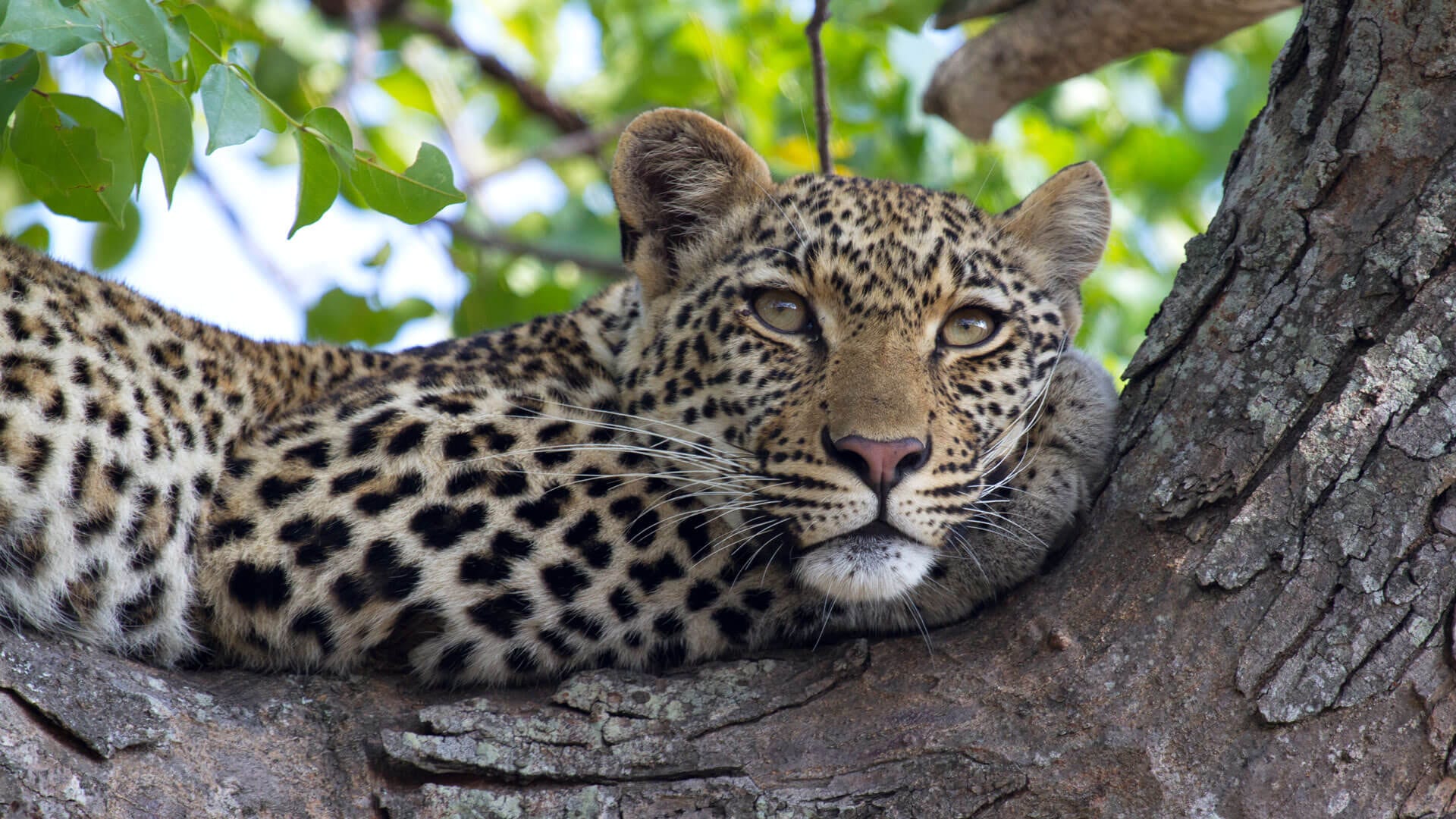
Sabi Sand has earned a formidable reputation for leopard viewing, in part because experienced trackers know how to interpret the signs that precede a sighting: a scrape in the sand, a scent mark, a sudden shift in impala behaviour or the alarm calls of monkeys and birds. Leopards are elusive by nature, and no responsible guide can promise an encounter. The search itself can become an education in the animal’s habits, territories and extraordinary ability to disappear into dappled shade.
When a leopard is found, the quality of the experience depends on restraint. A good sighting leaves room for the animal to move, hunt, rest or retreat without pressure. Guests should resist treating proximity as a trophy; the most meaningful encounter is one in which the animal’s behaviour remains natural and its needs take precedence over the photograph.
Beyond the Famous Cats
Lions and leopards may dominate the imagination, but Sabi Sand’s wildlife story is broader. African wild dogs can travel considerable distances in search of prey; hyenas navigate a complex social world; elephants alter the landscape as they feed and move; and giraffes, buffalo, zebra and antelope form the shifting cast around water and woodland. Hippos and crocodiles occupy river systems, while raptors and smaller birds animate the sky and edges of the track.
The guide’s role is to connect these moments. A herd’s sudden alertness, the direction of a wind, the absence of birdsong or the way a predator uses cover can be as revealing as a direct sighting. Travellers who arrive curious about ecology—not merely the Big Five—often leave with a richer understanding of the reserve.
A Safari Measured in Moments
First Light: Reading the Night’s Work
The day begins while the sky is still cool and pale. Coffee is poured, a light layer is drawn over the shoulders, and the vehicle slips into the bush as nocturnal activity gives way to morning. Tracks laid down in the night are still fresh, and a tracker may pause to distinguish an old print from one made only minutes earlier. Dawn is a time of possibility rather than certainty: predators may still be moving, herbivores gather to feed, and first light reveals details that midday can flatten.
The most accomplished guiding teams combine technical knowledge with an instinct for pacing. They may follow a trail, stop to listen, or abandon a promising line when the evidence suggests the animal has moved on. The guest is invited into a process of interpretation rather than delivered from one guaranteed spectacle to another.
The Long Pause Between Drives
At Sabi Sand, the hours between drives are not an inconvenience to be filled. They are part of the design. A late breakfast, a quiet hour on a private deck, a book beside the pool or a conversation with a guide can give the morning’s encounters time to settle. Wildlife may appear near camp, but the landscape should never be treated as a stage; observe quietly and follow the lodge’s guidance.
Some lodges offer guided walks, birding, wellness treatments or conservation-led experiences, subject to their own policies and conditions. Walking in big-game country is a specialised activity, not an informal stroll, and is undertaken only with qualified guides when permitted. Discuss mobility, fitness and interests before booking.
Dusk: The Bush in Another Register
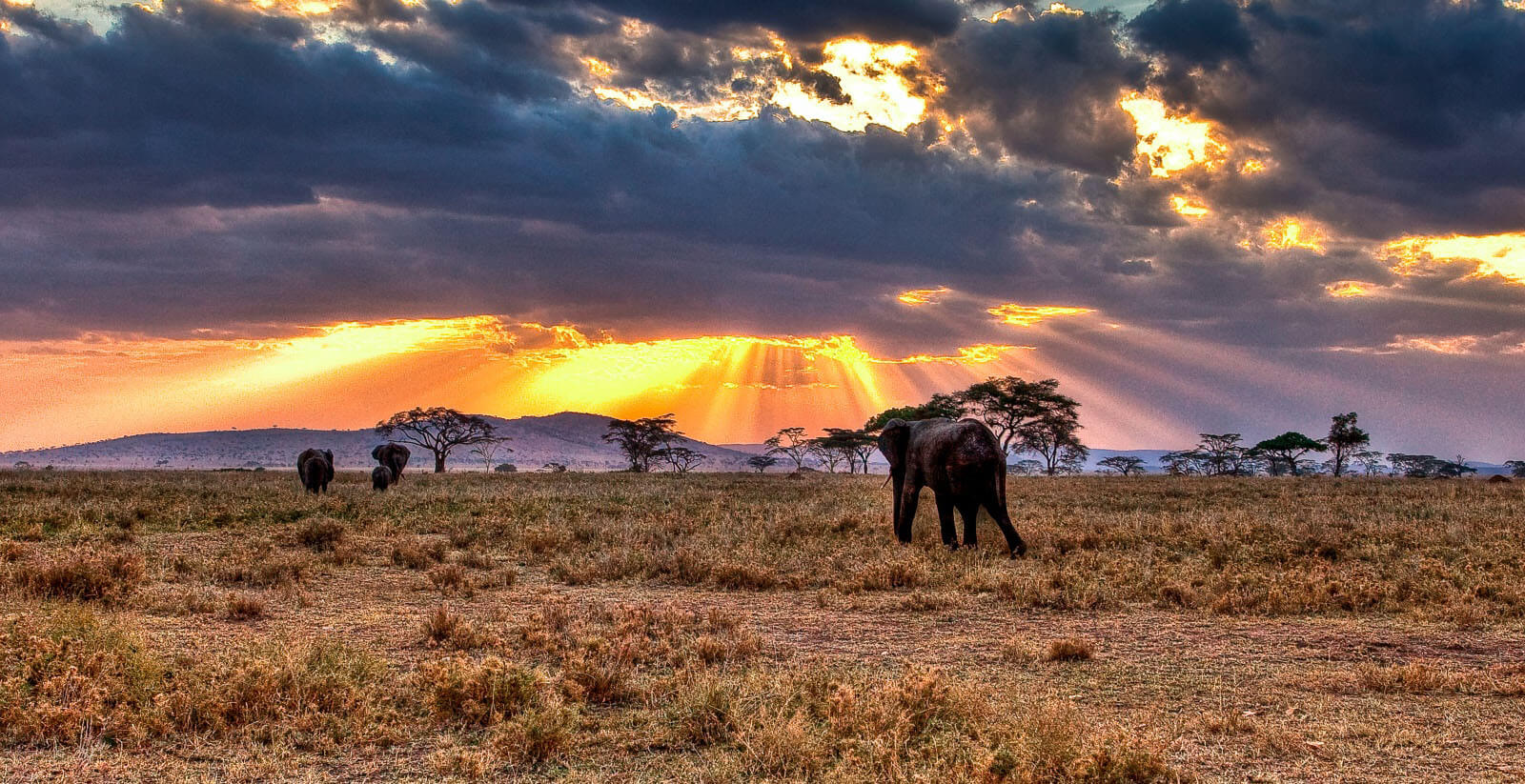
As the heat begins to ease, long shadows stretch across sandy tracks, elephants emerge from shade and the air carries the dry, resinous scent of vegetation warmed through the day. A sundowner stop may offer a view across open country, but its true luxury lies in the pause: the chance to watch the light soften without rushing towards the next activity.
After sunset, a drive may continue under the lodge’s operating rules, revealing nocturnal life in a different register. Spotlighting should be handled by trained professionals and must never become a reason to harass or surround an animal. Back at camp, lantern-lit paths, a fire and dinner beneath the night sky restore the sense that the day has unfolded in harmony with the bush.
Luxury Stays: Seven Distinct Expressions of Sabi Sand
Sabi Sand’s most compelling lodges share a commitment to guided wildlife encounters, but their personalities vary. Some place architecture and privacy at the forefront; others favour a heritage-camp atmosphere, a strong family focus or an immersive walking experience. The right choice is not necessarily the most elaborate property. It is the one whose setting, guiding philosophy and rhythm match the safari you want to remember.
Singita Boulders Lodge
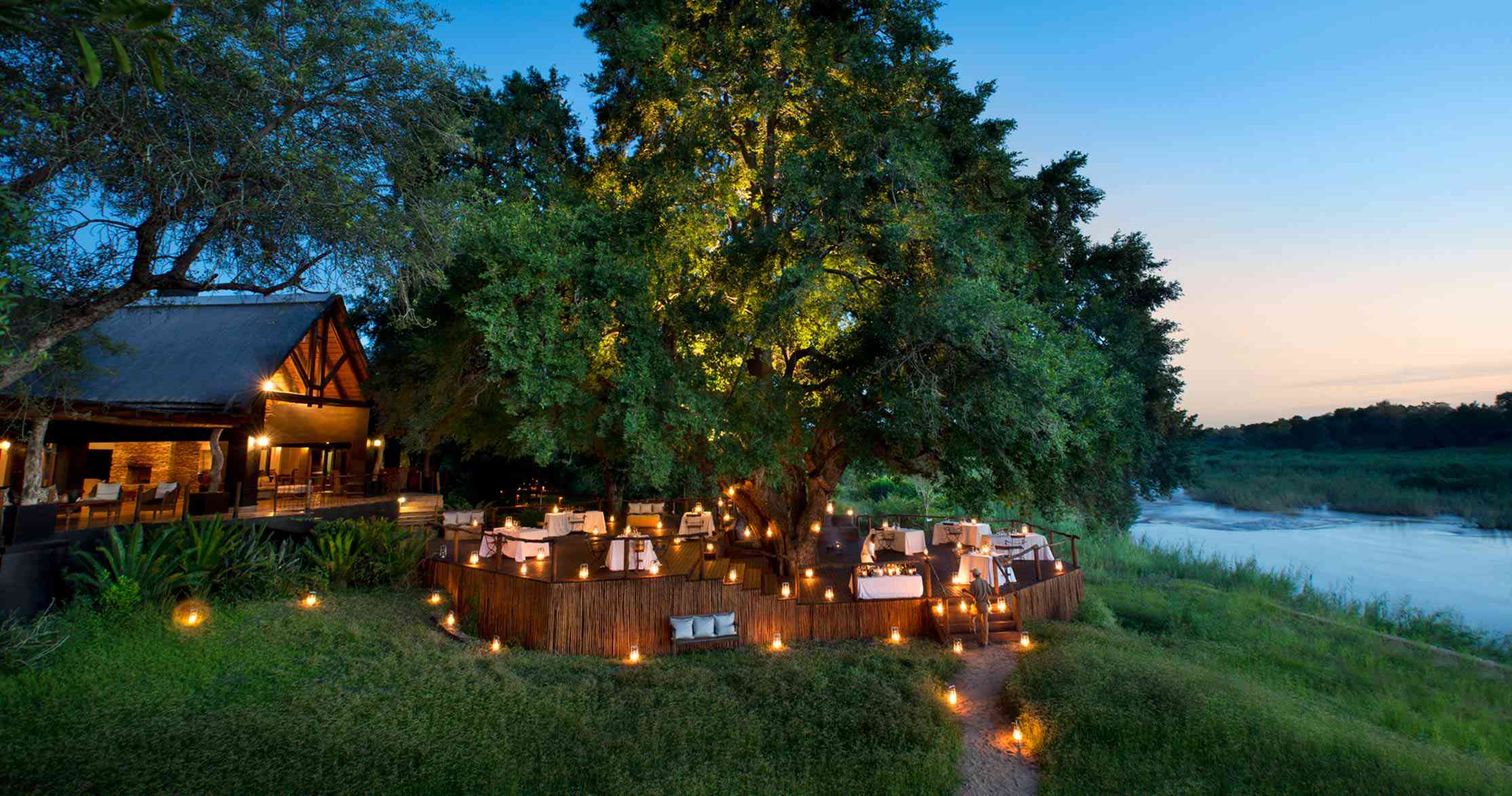
Set beside the Sand River, Singita Boulders Lodge draws on stone, timber, glass and organic forms to create a contemporary sanctuary rooted in the landscape. Its suites and open living spaces frame the riverine environment, while design details favour texture and restraint over overt spectacle. The lodge’s guiding culture and conservation orientation are central to the stay; wildlife is interpreted through the expertise of the field team.
Boulders suits travellers who appreciate understated design, generous private space and a safari in which architecture and wilderness remain in conversation. Its river setting can make the movement of birds and animals part of the atmosphere even when guests are not on a drive.
Singita Ebony Lodge
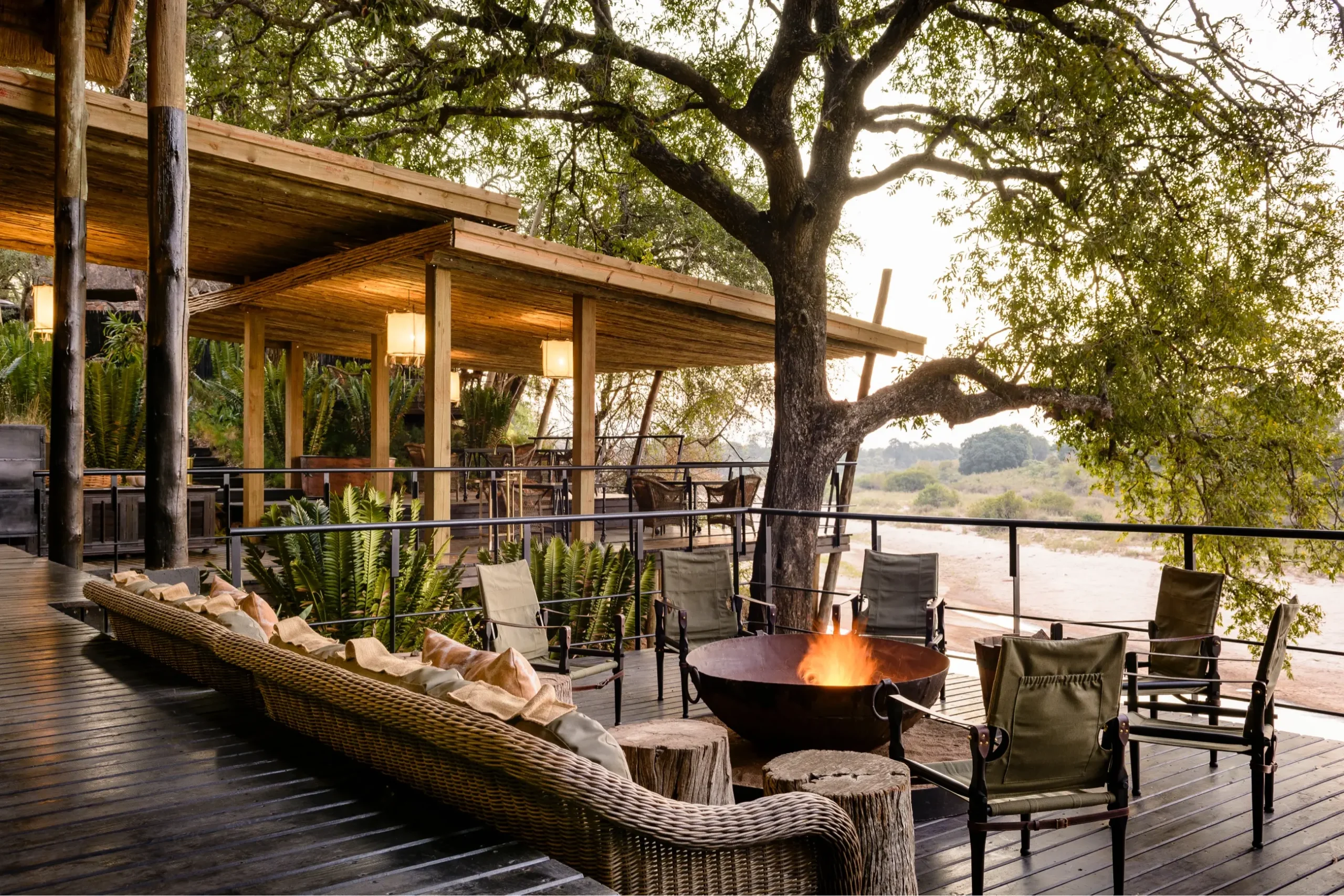
Also positioned along the Sand River, Singita Ebony Lodge combines a classic safari sensibility with a refined contemporary finish. Natural materials, shaded decks and expansive views lend the property a residential warmth, while the river corridor gives the landscape a constant presence. The mood is intimate and tactile: a place to return from a drive, remove dusty boots and watch the light settle over the trees.
Ebony suits guests who want polished service and expert guiding in a warm, familiar lodge atmosphere. Confirm the exact room category, inclusions and current activities directly with the property.
Londolozi Founders Camp
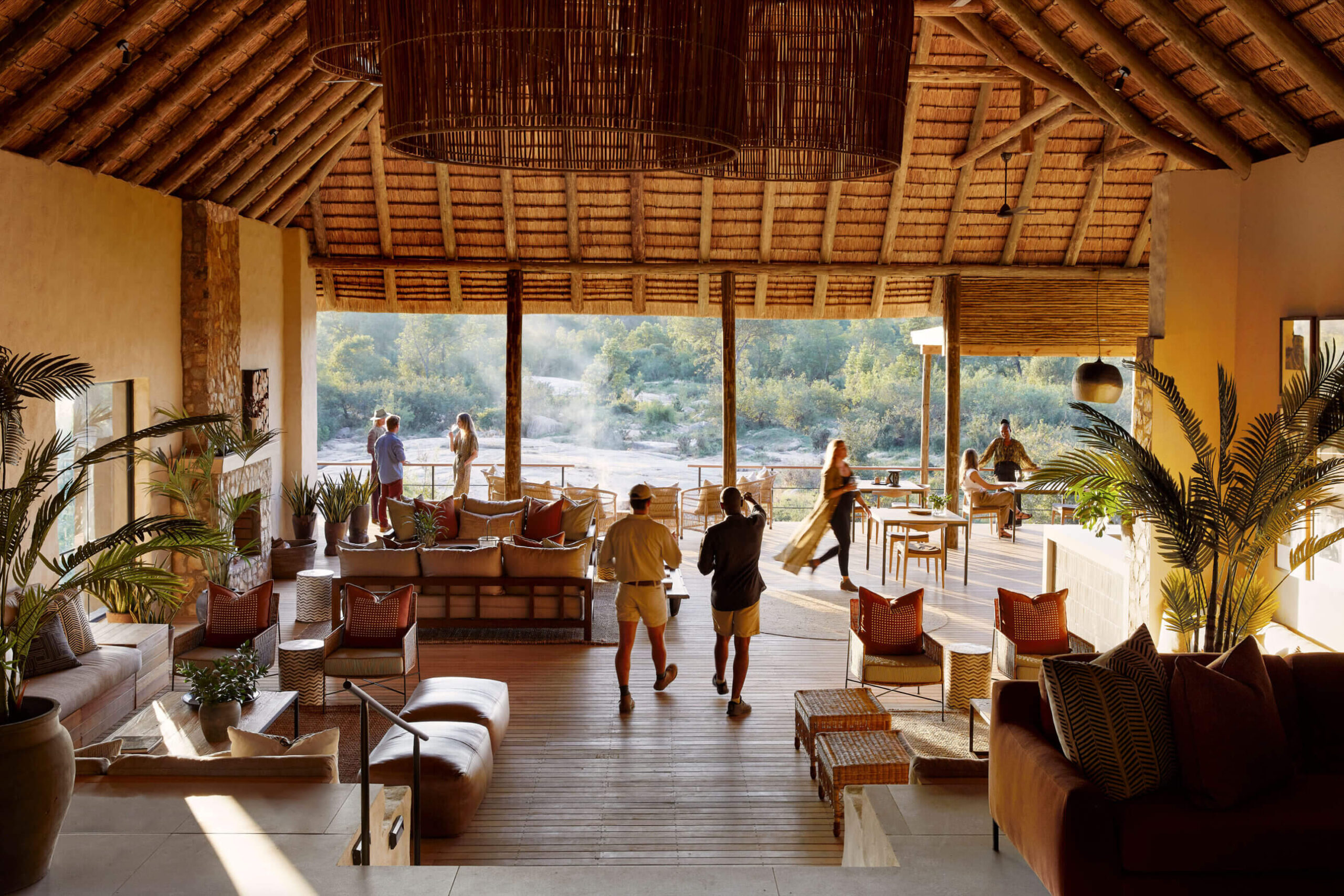
Londolozi’s history is closely associated with photographic safari and a long-standing conservation ethos. Founders Camp reflects that legacy through a relaxed style, with the Sand River landscape and surrounding woodland shaping the experience. Rather than relying on formal grandeur, its appeal lies in the continuity between setting, guiding culture and the feeling of being immersed in a living wilderness.
It is a strong choice for travellers who want a sense of safari heritage alongside contemporary comfort. The quality of the experience rests in interpretation, the pace of the drives and the opportunity to understand the reserve as an ecological system rather than a catalogue of sightings.
Londolozi Varty Camp
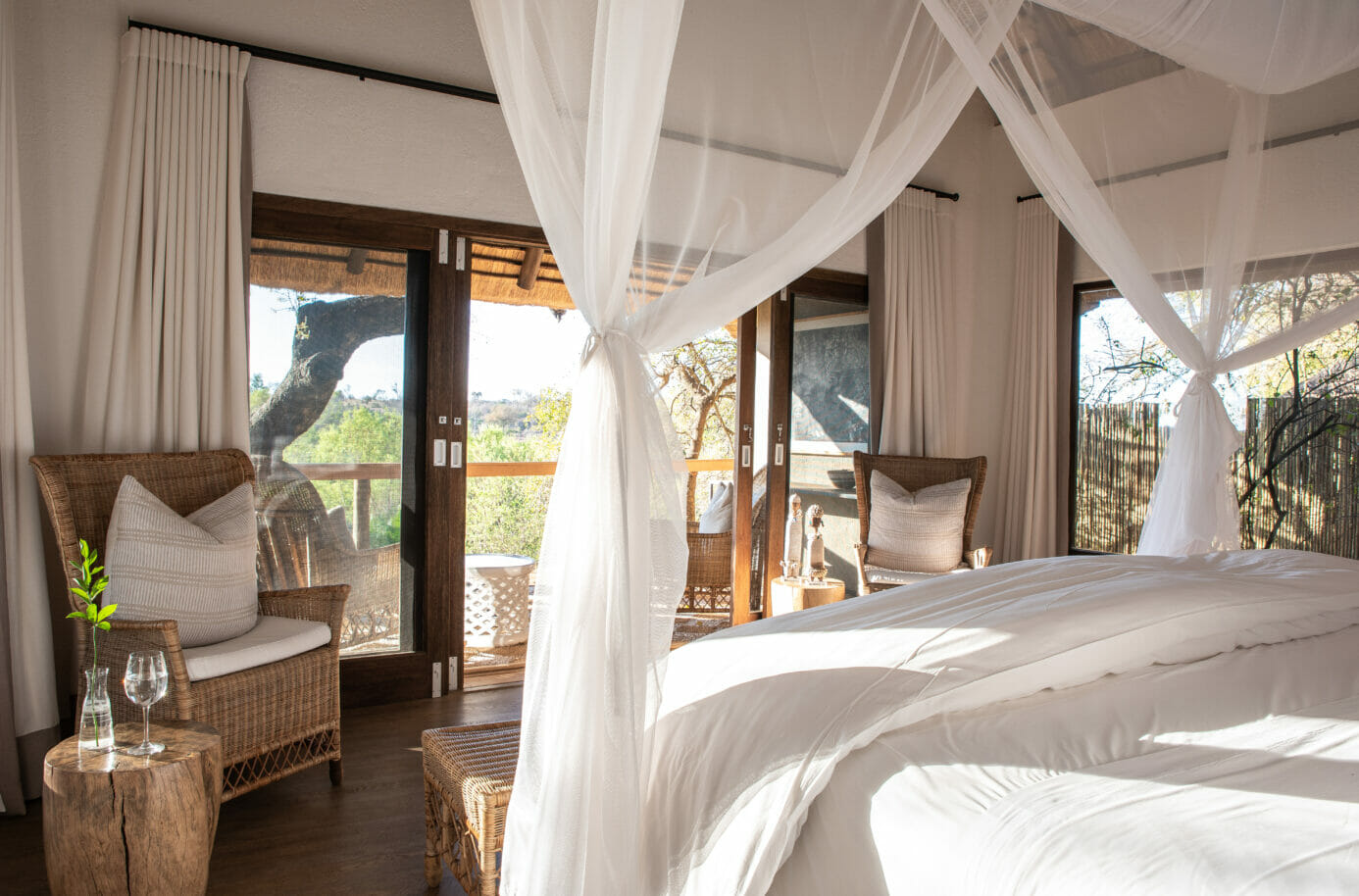
Varty Camp offers another expression of Londolozi’s character, with a welcoming atmosphere that can work well for families and multi-generational travel, subject to current age policies and arrangements. Its design and communal spaces encourage guests to share the day’s stories, while the surrounding reserve provides a setting for guided game viewing and conversation about conservation.
For families, the value of a safari often lies in interpretation: helping younger travellers understand tracks, animal behaviour and the responsibilities of being in the bush. Discuss family needs with the lodge before booking, including age limits, private vehicle options and activity suitability.
Sabi Sabi Earth Lodge
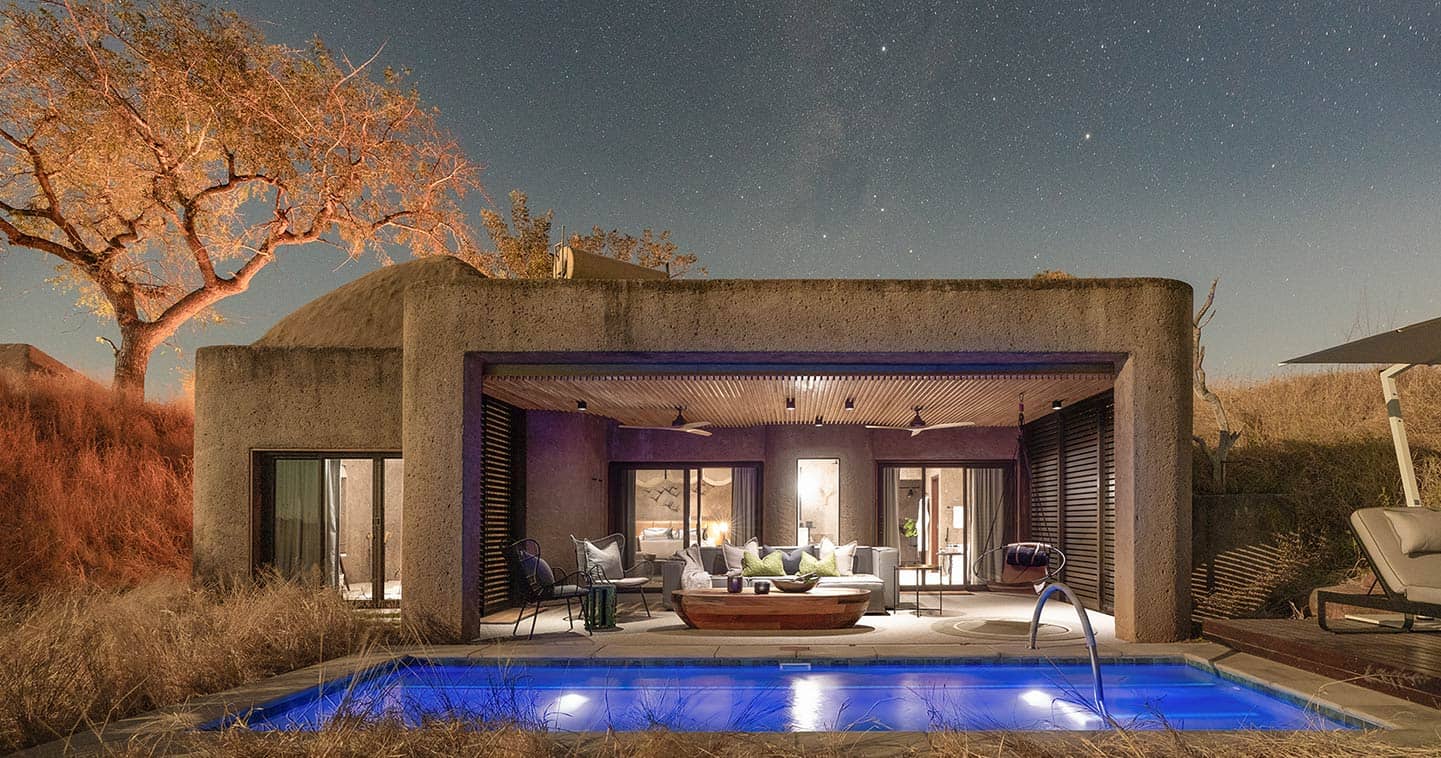
Earth Lodge is a sculptural interpretation of a safari retreat. Built into the terrain and shaped by earthy tones, flowing lines and carefully composed spaces, it feels less like a conventional camp than an architectural meditation on the land. Interiors pair natural textures with contemporary art and generous private areas, while the lodge’s conservation philosophy links the guest experience to wilderness protection and support for surrounding communities.
Earth Lodge is compelling for design-minded travellers and couples seeking a considered stay. Its visual language is distinctive, but the purpose of the journey remains guided time in the reserve, where the landscape—not the architecture—sets the pace.
Leopard Hills
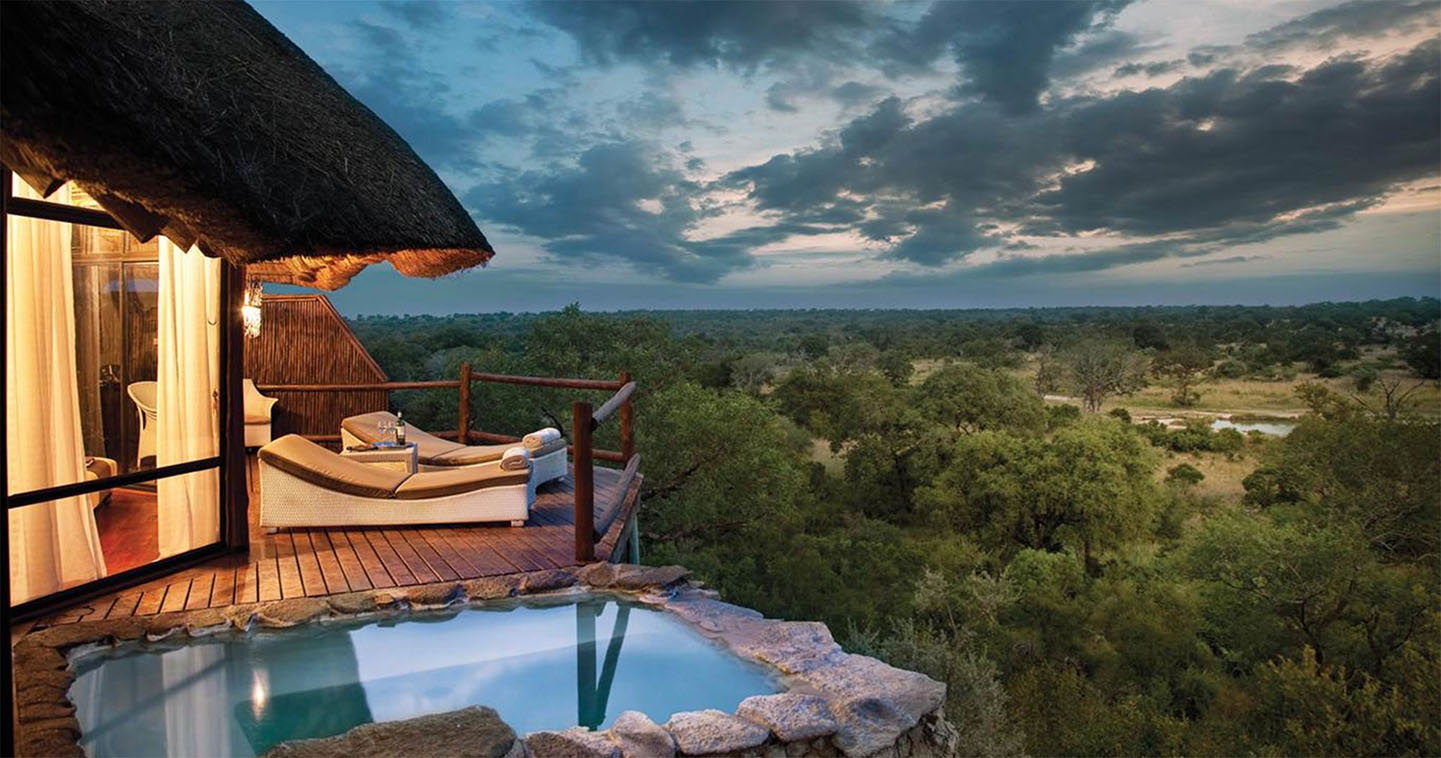
Perched above a rocky outcrop in the western sector of Sabi Sand, Leopard Hills is known for suites with expansive views over the bush. The elevated setting gives the lodge a dramatic sense of perspective, while private decks and plunge pools create a retreat between drives. The rocky formations and surrounding vegetation lend a different character from the riverine settings of neighbouring properties.
The lodge appeals to guests who value privacy, sweeping views and a classic high-end safari format. Wildlife sightings depend on movement and season; the setting is an invitation to observe, not a guarantee of what will appear below the deck.
Dulini River Lodge
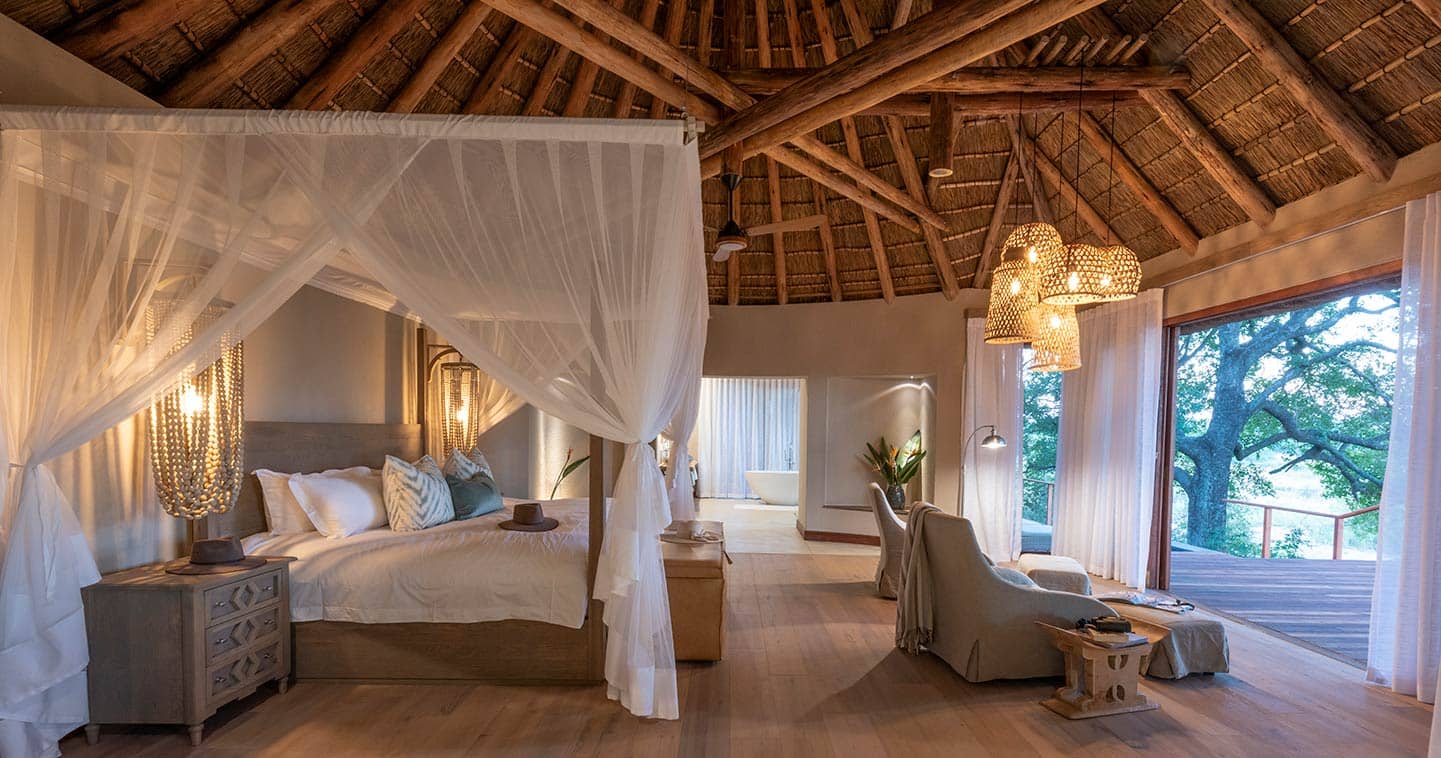
Dulini River Lodge is set along the Sand River, where water and the shade of riverine trees shape the atmosphere. Its intimate scale and suite-led design favour quiet comfort, with outdoor spaces that keep guests connected to the sounds and shifting light of the bush. The experience is personal rather than theatrical, built around guiding, considered hospitality and the luxury of time.
Dulini River suits couples and travellers looking for a discreet retreat with guided safari experiences. Confirm the current activity schedule and inclusions before booking, particularly if you are interested in walking, private drives or conservation experiences.
Conservation: The Responsibility Behind the Encounter
Sabi Sand’s private-lodge model is built around the relationship between wildlife tourism, protected habitat and neighbouring communities. Conservation work may include anti-poaching measures, ecological monitoring, habitat management, responsible vehicle practices and community initiatives. Programmes differ by operator, so travellers should look for transparent, specific explanations rather than broad claims of sustainability.
The unfenced relationship with Kruger is ecologically important because animals can move across a wider landscape. That shared system makes collaboration, responsible tourism and habitat protection essential. The reserve’s long-term value is not measured solely by memorable sightings, but by the integrity of the land and the future of the species that depend on it.
Visitors have a role to play. Follow guide instructions, keep voices low, never feed or call wildlife, and accept when a guide chooses not to approach an animal. Do not ask for off-road pursuit or a closer photograph if it risks disturbance. A responsible safari recognises that the privilege of observation carries an obligation to leave the encounter undisturbed.
Dining Beneath the Southern Sky
Dining in Sabi Sand is woven into the day’s rhythm rather than confined to a formal restaurant schedule. There may be coffee before dawn, breakfast after the first drive, a leisurely lunch during the heat and dinner around a fire or beneath a wide field of stars. Lodges commonly draw on South African ingredients and regional influences, with wine lists introducing the country’s varied wine regions.
The most memorable meals are often those that belong to their setting: dinner after a day in the field, a quiet table overlooking the river or a fireside conversation that continues long after the plates have been cleared. Share dietary requirements ahead of arrival, especially at remote camps where provisions are arranged in advance.
Ask what is included in the rate. Many private lodges offer packages combining accommodation, meals and scheduled activities, but transfers, premium drinks, private vehicles, conservation levies and other extras vary.
Choosing the Right Season
Dry Season | May to October
The dry months are often favoured for game viewing. Vegetation becomes thinner, animals may concentrate near rivers and water sources, and tracks can be easier to interpret. Days are generally mild, while early mornings and evenings can be very cold, particularly on an open vehicle. September and October can become hot as the dry season advances. This period is popular, so desirable lodges should be reserved well in advance.
Green Season | November to March
Summer rain transforms the reserve. Grass grows high, trees flush with new leaves and the landscape takes on a vivid green character. Migratory birds arrive, newborn antelope may be seen and predator-prey relationships become compelling to observe. Thick vegetation can make some mammals harder to locate, and afternoon storms may interrupt plans, but the season offers colour and a different ecological story.
The Shoulder Months | April and Early November
Transitional periods can offer a balance between changing vegetation, variable weather and a different pace of travel. Conditions vary year to year, so choose dates around the experience you value—clearer visibility, lush landscapes, birding or a quieter lodge atmosphere—rather than assuming any month guarantees a particular sighting.
Planning a Sabi Sand Stay
Length of stay: Three nights is a useful minimum, while four nights or more gives the rhythm of guided drives and unhurried lodge time room to develop. A short stay can be rewarding, but repeated drives allow guests to understand varied habitats and how wildlife behaviour changes through the day.
Getting there: Many guests arrive via Skukuza Airport or Kruger Mpumalanga International Airport; some lodges arrange charter flights or transfers. Road access is through designated gates, and the correct gate depends on the lodge. Confirm the route and transfer details directly with the property; arriving at the wrong gate can cause a substantial delay.
No self-drive safari inside the reserve: Guests generally travel to their booked lodge and then explore on guided lodge vehicles according to reserve rules. Do not plan to use Sabi Sand as an independent road-trip destination in the way you might use Kruger’s public road network.
What to confirm: Ask which activities are included, whether drives are shared or private, how many guests typically travel in a vehicle, whether guided walks are available, and which conservation or entrance levies apply. Check child policies, mobility requirements, dietary arrangements and transfer schedules in writing.
Health and packing: Sabi Sand lies within a malaria-risk region. Consult a qualified travel-health professional well before departure for current advice tailored to your itinerary. Pack neutral layers, a warm jacket for early drives, sun protection, insect repellent, comfortable closed shoes, binoculars and a camera with a useful zoom.
Photography and etiquette: Keep voices low, follow the guide’s instructions and never request that a vehicle block an animal’s path. Avoid flash where it could disturb wildlife. A sighting should end when the animal’s behaviour suggests discomfort, regardless of the photograph.
Budget and value: Private-reserve stays can represent a significant investment, but rates differ by lodge, season, room type and inclusions. Compare the whole experience rather than nightly price alone: guiding quality, vehicle arrangements, location, food, transfers and conservation levies all shape value.
From the Bush to the Coast
Sabi Sand pairs naturally with Cape Town, where the mood shifts from riverine woodland and guided drives to Table Mountain, Atlantic beaches, cultural districts and a sophisticated dining scene. Allow adequate time for the transfer between regions; the contrast is precisely what makes the combination compelling.
Travellers wishing to deepen their safari journey may also explore Kruger National Park, a distinct experience with public self-drive routes, rest camps and private concessions. Sabi Sand is not simply a more luxurious name for Kruger; it is a separate private reserve whose lodge-led model and guided traversing create a different relationship with the bush.
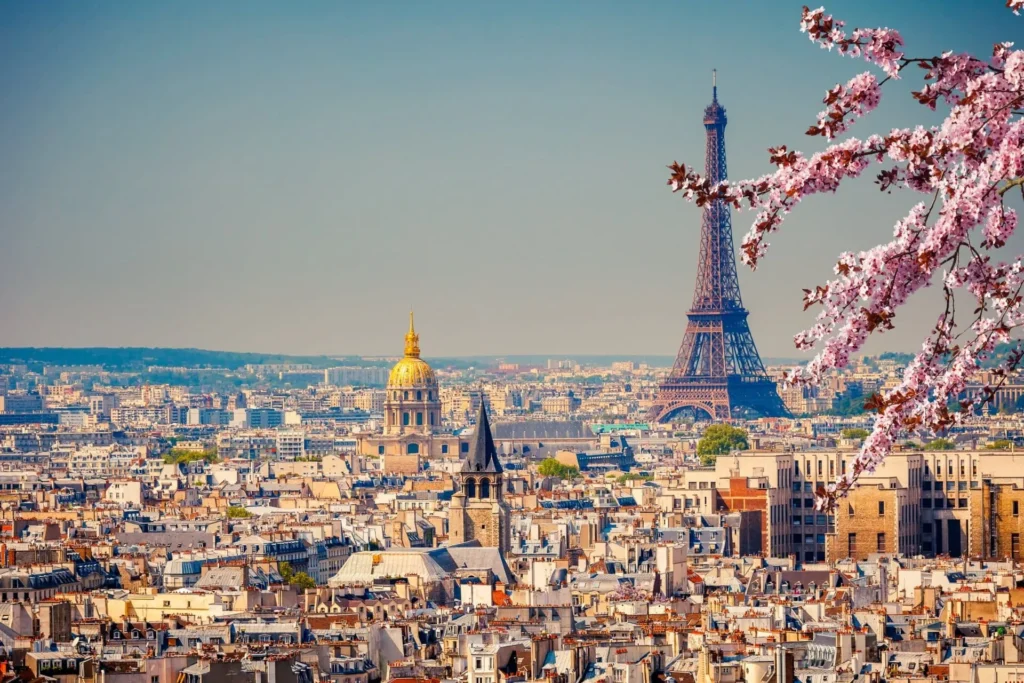
Beyond South Africa, the Luminara Voyages collection explores other forms of place and atmosphere. Switzerland offers high-altitude drama; Japan brings a refined language of ritual and craft; Italy celebrates regional character and the art of living; France layers heritage with contemporary elegance; and the Maldives places water, privacy and stillness at the centre of the experience. Each destination is approached on its own terms, with time and context allowed to shape the journey.
Frequently Asked Questions
What makes Sabi Sand different from Kruger National Park?
Sabi Sand is a private game reserve adjoining Kruger’s western boundary, with an unfenced ecological connection between the two. Its guest experience is lodge-based and guided; visitors do not independently self-drive around the reserve as they can on Kruger’s public roads.
Is Sabi Sand particularly good for leopard sightings?
The reserve is widely celebrated for leopard viewing, supported by experienced trackers and varied habitat. Leopards are wild and elusive, so sightings can never be guaranteed.
How many nights should I stay in Sabi Sand?
Three nights is a useful starting point; four or more gives more opportunities for varied drives and time to enjoy the lodge. The ideal length depends on your wider itinerary and interest in wildlife.
When is the best time to visit?
May to October is often preferred for drier conditions and clearer visibility. November to March brings lush vegetation, summer rain and excellent birding. Both seasons have distinct rewards, and wildlife viewing is possible year-round.
Can I self-drive inside Sabi Sand?
No. The reserve is generally experienced through guided activities arranged by your booked lodge. Drive to the correct designated gate and confirm access arrangements with the property.
Which lodges are best for a luxury stay?
The best fit depends on the experience you value. Singita Boulders offers contemporary river-side design; Sabi Sabi Earth Lodge is architecturally distinctive; Leopard Hills has an elevated setting; Londolozi carries a strong safari heritage; and Dulini River Lodge offers an intimate riverine retreat. Confirm current inclusions and policies directly.
Is Sabi Sand suitable for families?
Some lodges welcome families and offer suitable accommodation or tailored experiences, while others have age restrictions or activity limits. Check each property’s current child policy and discuss private vehicles or family arrangements before booking.
Is malaria a concern in Sabi Sand?
Sabi Sand is in a malaria-risk region. Seek current advice from a qualified travel-health professional well before departure and follow recommendations tailored to your health and travel plans.
Can I combine Sabi Sand with Cape Town?
Yes. The combination offers a striking contrast between guided safari and coastal city life. Plan flights and transfers carefully, leaving enough time between regions.
Are meals and game drives included?
Many lodges offer packages that include meals and scheduled drives, but exact inclusions vary. Confirm transfers, drinks, private activities, levies and other extras in writing.
Will I see the Big Five?
The reserve supports the Big Five, but no responsible operator can guarantee every sighting. Wildlife moves freely and viewing depends on season, habitat and chance.
The Luminara Perspective
Sabi Sand is at its finest when luxury gives way to attention. A beautiful suite may frame the river, a chef may turn local ingredients into a memorable dinner, and a tracker may find a story written in the dust. Yet the defining moment is often simpler: a leopard moving through the last light, an elephant pausing to listen, or the hush that settles over a vehicle when the bush reveals something unexpected.
Come for the possibility of extraordinary encounters, but leave space for the quieter moments that make them meaningful. Choose a lodge whose relationship with the land is thoughtful, trust the people who know the terrain, and remember that the wilderness does not owe anyone a performance. In Sabi Sand, the rarest privilege is not getting closer at any cost. It is being allowed to witness—and knowing when to remain still.