
From ancient forests and sculpted headlands to ocean-facing sanctuaries
Introduction: A Coastline That Refuses to Be Rushed
The Garden Route reveals a different South Africa—one shaped not by a single defining landscape, but by the extraordinary transitions between them. Indigenous forest gives way to open beaches; lagoons mirror steep green hills; mountain passes descend towards a restless ocean. The road is the thread connecting these scenes, yet the most memorable moments often happen when the journey pauses: when mist lifts from the canopy, when a coastal path reaches a cliff above the surf, or when the last light settles over a lagoon from the privacy of a terrace.
Stretching along the southern coast, the Garden Route is less a single destination than a sequence of distinct moods. Wilderness is defined by lakes, rivers and long stretches of sand. Knysna turns inward towards its great tidal lagoon, while Plettenberg Bay opens onto golden beaches and dramatic headlands. Further east, Tsitsikamma protects a wilder meeting of forest, river and sea. George, beneath the Outeniqua Mountains, offers a country-estate interlude. The region’s appeal lies in these contrasts—and in the ease with which a thoughtful itinerary can move between them.
For Luminara travellers, the Garden Route is best approached as a slow, considered journey rather than a race between viewpoints. Choose a few exceptional bases, allow time for the properties themselves, and leave breathing room between coastal walks, forest experiences and long lunches. Luxury here is not only expressed through design or service. It is also the privilege of being close to nature without having to surrender comfort, privacy or a sense of occasion.
Wilderness: Where Water, Forest and Sky Meet
Wilderness has a quiet, almost meditative quality. Its beaches stretch wide beneath changing skies, while waterways thread through reeds and forested hills. It is a place for early walks, slow breakfasts and afternoons that need little planning beyond following the light. The landscape feels expansive without being remote, offering a softer introduction to the Garden Route before the coastline grows more dramatic farther east.
Spend the morning on the beach, when the air is cool and the horizon seems to hold the entire day in reserve. Later, explore the lakes and waterways by kayak or guided excursion, choosing an operator that respects local habitats and current conditions. The surrounding area rewards gentle exploration: short forest trails, quiet viewpoints and scenic drives that make the journey itself feel like an experience. Rather than filling every hour, reserve time to return to your accommodation before sunset and watch the landscape change from the comfort of a private deck.
Knysna: The Lagoon as a Way of Life
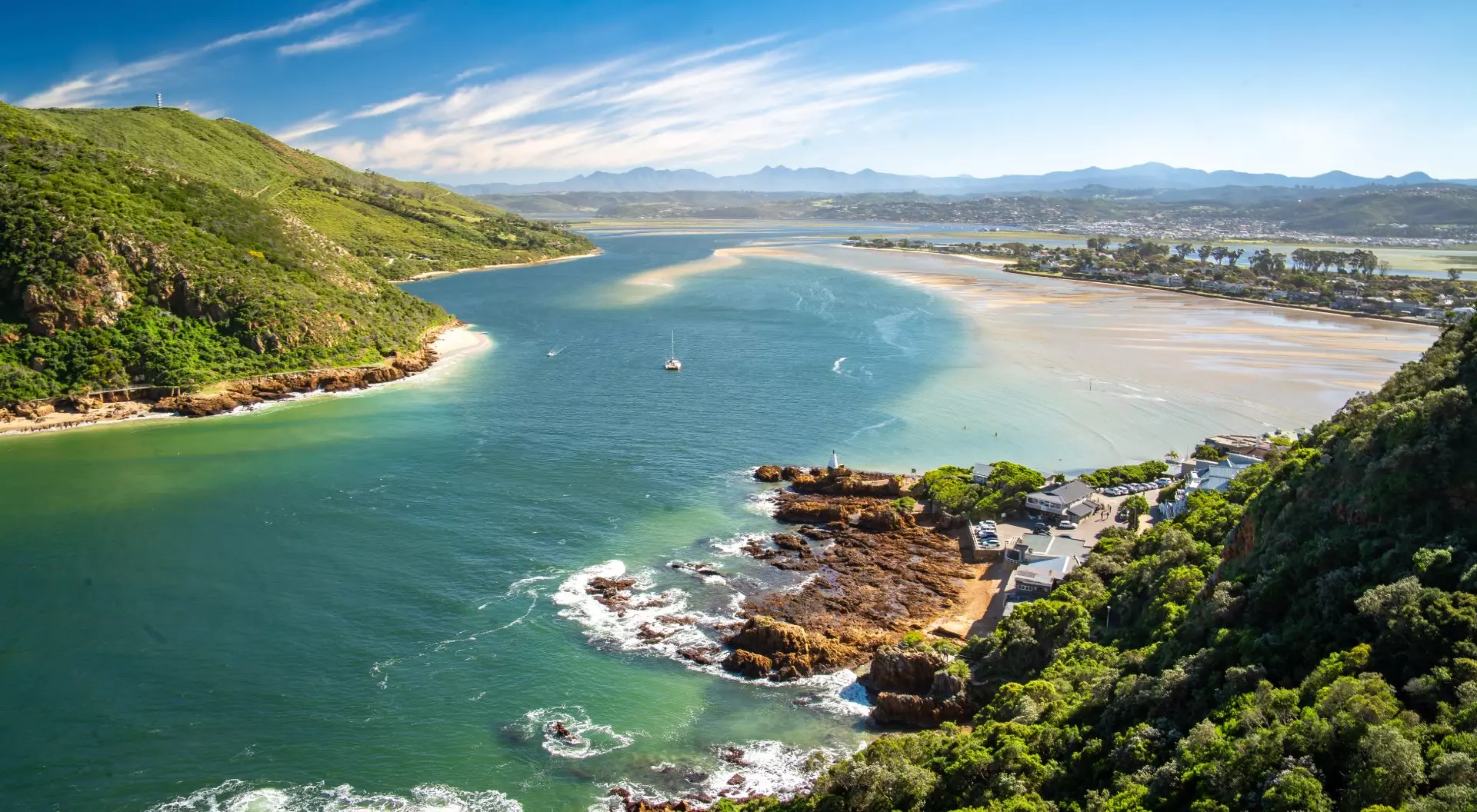
Knysna is organised around water. The lagoon draws the eye through the town towards the sandstone headlands known as the Knysna Heads, where the estuary meets the Indian Ocean. Along its edge, restaurants and cafés make the most of the view, while boats move across the water with an unhurried rhythm. The town has a lively, contemporary character, yet its real luxury is the access it provides to several landscapes at once: lagoon, coast, forest and sheltered coves.
A private or small-group boat excursion offers a particularly rewarding perspective. From the water, the shoreline’s curves and the green slopes beyond become easier to read, and the scale of the Heads comes into focus. For a more leisurely day, arrange a sunset cruise and let the changing light become the main event. Featherbed Nature Reserve, subject to access and operating arrangements, offers another way to understand the headlands and their coastal ecology.
Knysna’s forest deserves time of its own. Beneath the canopy, the air cools and the pace changes; giant trees, fern-filled understory and quiet streams create a striking contrast with the bright coast. Choose a marked trail or a knowledgeable local guide, and treat the forest as a place to observe rather than conquer. The town is also closely associated with oysters and seafood, making a lagoon-side meal a natural part of the experience. Ask about seasonality and sourcing, and let the menu reflect what is available rather than expecting every dish year-round.
Plettenberg Bay: Headlands, Beaches and Ocean Light
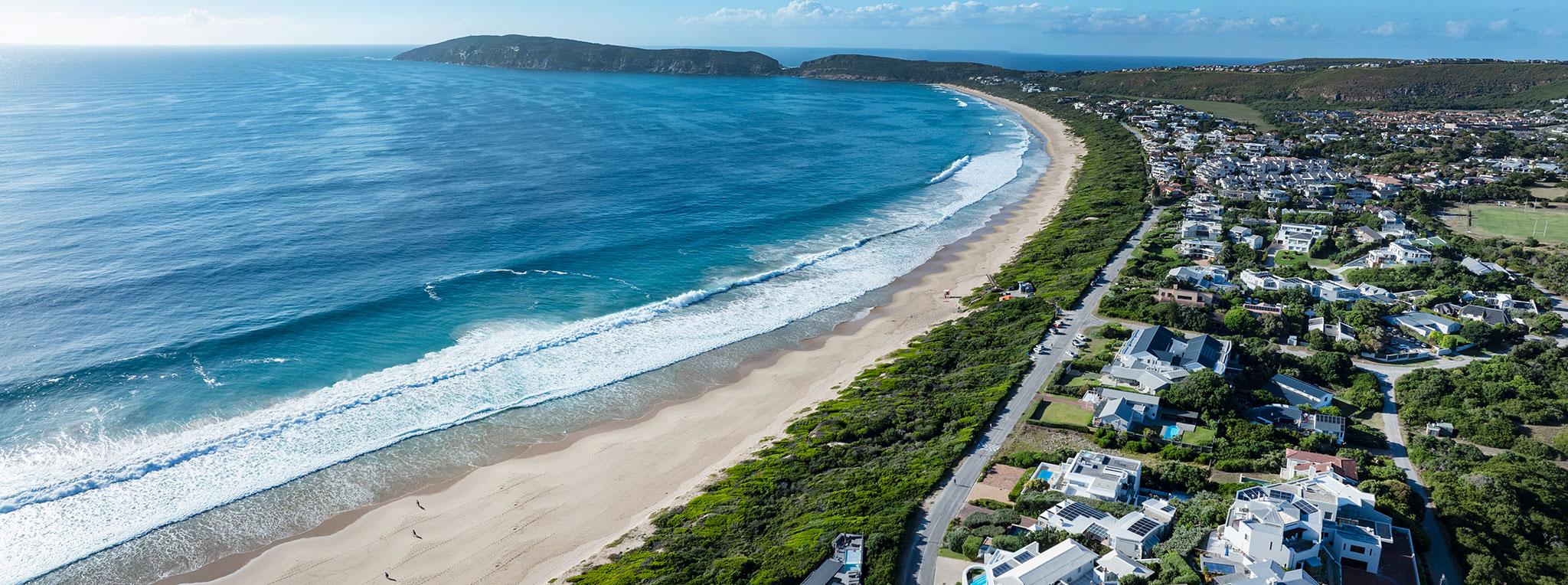
Plettenberg Bay, often shortened to Plett, has a more open, sunlit character. Its beaches curve beneath low hills, while the Robberg Peninsula reaches into the sea in a succession of cliffs, coves and sweeping views. The town’s atmosphere can shift from relaxed beach escape to polished coastal retreat, depending on where you stay and how you shape the day.
Robberg Nature Reserve is one of the area’s defining landscapes. Trails follow the peninsula’s contours, opening views over the ocean and along the coast; route choice should match your fitness, the weather and the time available. Start early to avoid the strongest heat and carry water, sun protection and suitable footwear. The reward is not simply a viewpoint, but the changing relationship between land and sea as the path rises and falls above the surf.
Depending on the season and responsible operator availability, marine excursions may offer opportunities to observe whales, dolphins or other wildlife in their natural environment. Choose operators with clear wildlife guidelines, maintain respectful distances and remember that sightings are never guaranteed. For a quieter day, alternate a beach walk with a long lunch and an afternoon at the hotel. The coast is most generous when the schedule leaves space for weather, tide and chance.
Tsitsikamma: The Forest’s Dramatic Edge
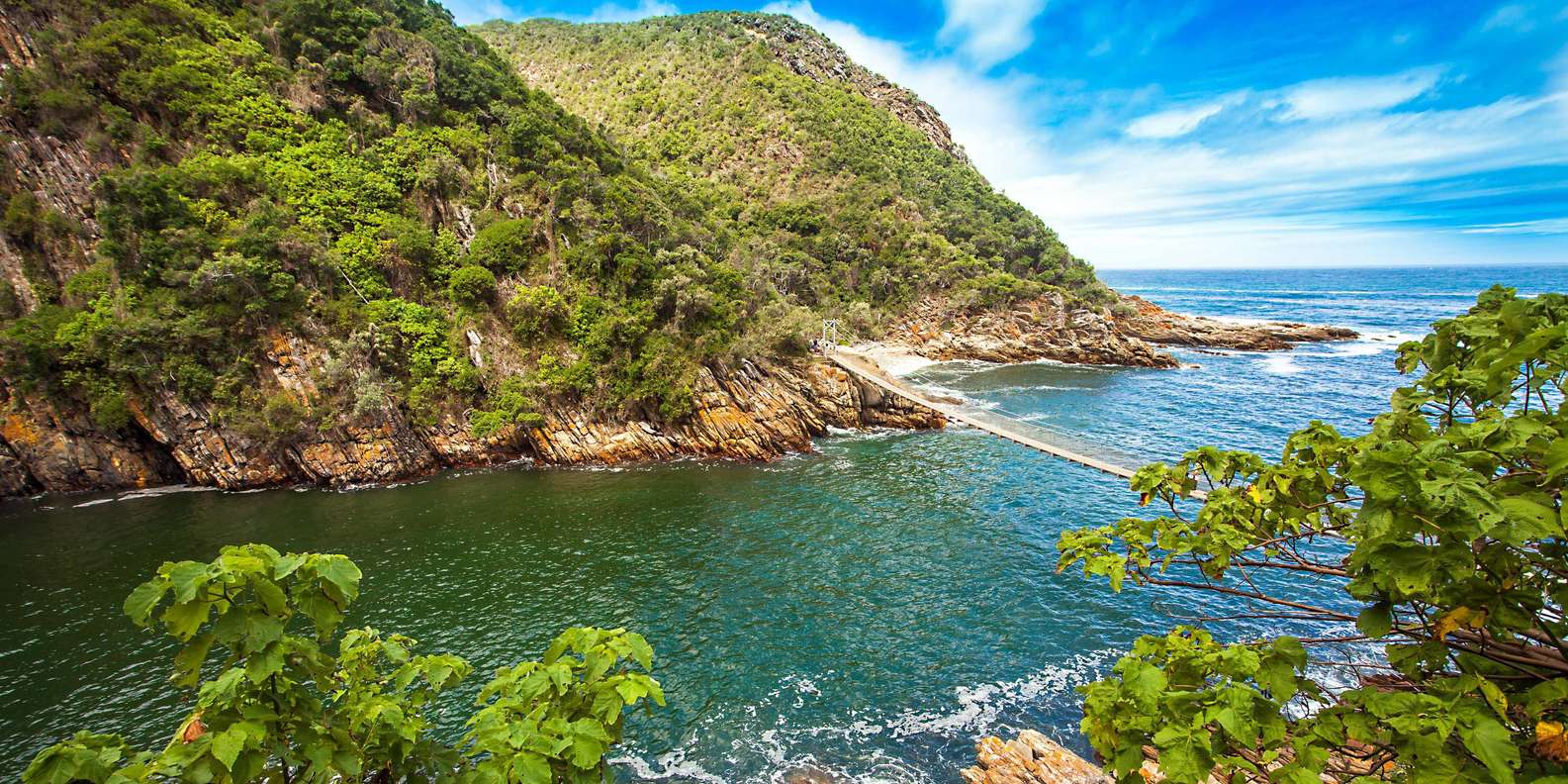
East of Plettenberg Bay, the landscape becomes more elemental. At Tsitsikamma, dense indigenous forest presses towards a rugged coastline, rivers cut through deep ravines and waves break against dark rock. This is the Garden Route at its most dramatic: less about polished coastal leisure and more about the sensation of standing at the boundary between ancient vegetation and the open sea.
The Storms River Mouth area is a signature stop, where walking routes and suspension bridges reveal the river gorge from different angles. Conditions can change quickly along the coast, so check access, weather and trail guidance before setting out. For a deeper encounter with the forest, choose a guided walk that explains the ecology and history of the landscape rather than treating it as a backdrop for photographs.
Adventure is part of Tsitsikamma’s identity, with options that may include kayaking, canopy activities and longer hikes depending on operator schedules and conditions. Select experiences according to your comfort level and safety standards. Even travellers who prefer a gentler pace will find the region rewarding: the sound of the surf, the shade beneath the trees and the immense scale of the coastline provide their own form of immersion.
George and the Outeniqua Mountains: A Country-Estate Interlude
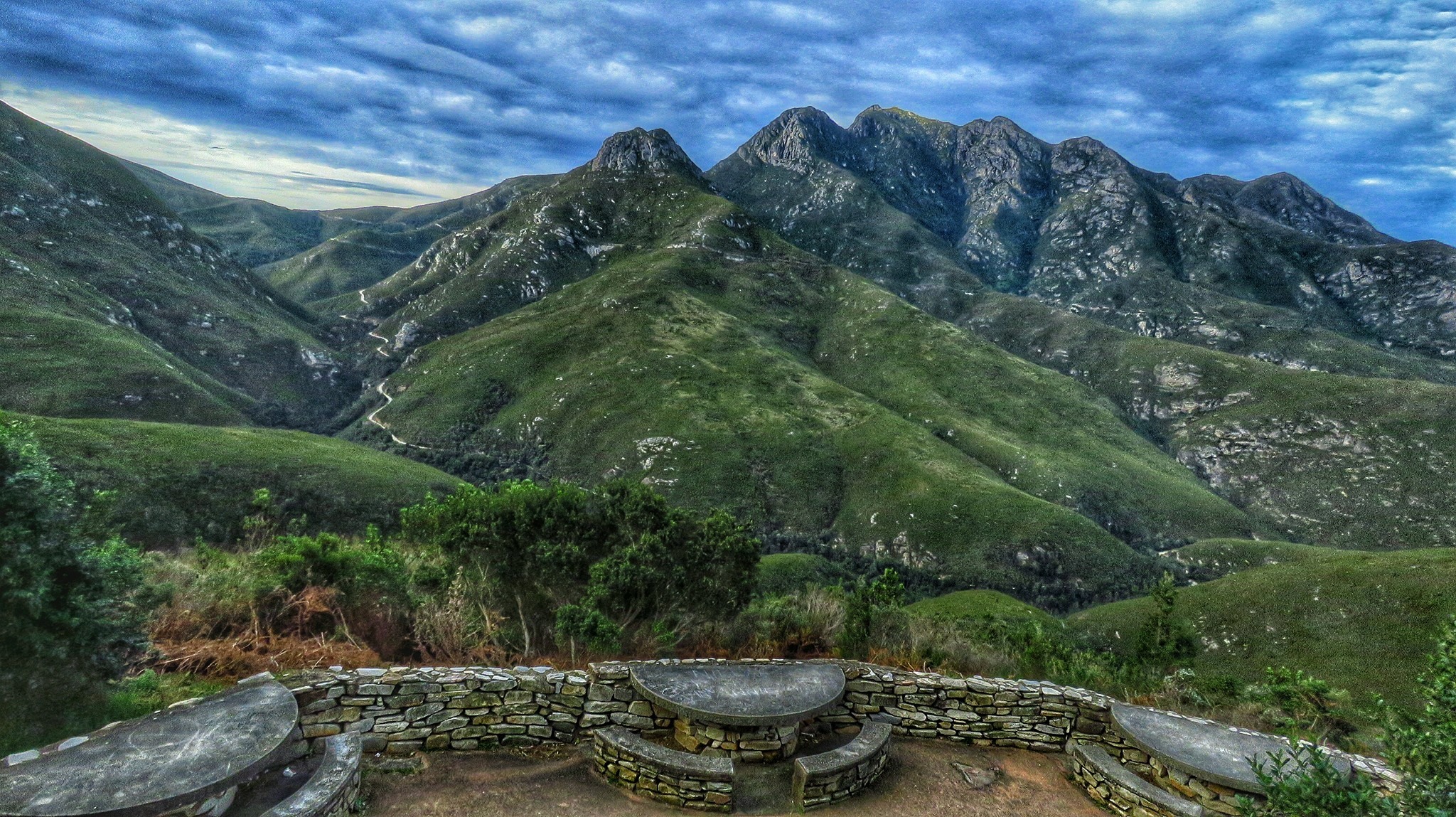
George sits beneath the Outeniqua Mountains and offers a different kind of Garden Route stay. Here, the mood is more spacious and estate-oriented, with landscaped grounds, golf, wellness and easy access to mountain scenery. It is a useful counterpoint to the beach towns, particularly for travellers who want to balance outdoor exploration with time devoted to a resort’s facilities.
Fancourt, set on an extensive estate near George, brings together refined accommodation, restaurants, spa facilities and championship golf. The Manor House provides a more intimate, heritage-led setting for guests seeking a quieter stay. Even for travellers who are not golfers, the appeal lies in the scale of the grounds, the mountain backdrop and the opportunity to pause between more active days. Confirm current access, dining arrangements and experiences directly with the property before planning a visit.
Signature Experiences: The Garden Route at Its Best
**A private coastal drive.** Plan a day around a beautiful stretch of coast rather than a long list of stops. A private driver can make it easier to pause at viewpoints, coordinate restaurant reservations and enjoy the journey without the fatigue of constant navigation.
**A lagoon cruise at golden hour.** In Knysna, the water becomes a stage for shifting colour: green hills darken, the shoreline softens and the Heads frame the distant ocean. Choose a reputable operator and check weather conditions before departure.
**A guided forest walk.** A knowledgeable guide can reveal the ecology of the indigenous forest, including its plant life, birdlife and complex relationship with surrounding communities. Stay on designated paths and follow local conservation guidance.
**A long lunch with an ocean view.** Let lunch anchor the day. Seafood, seasonal produce and a well-chosen South African wine can turn a simple pause into a defining memory. Reserve ahead during busy periods and communicate dietary requirements in advance.
**A nature experience with a light footprint.** Whether walking at Robberg or observing marine wildlife, choose experiences that prioritise habitat protection and responsible viewing. The privilege of encountering wild places comes with a responsibility to leave them undisturbed.
**A restorative afternoon at the lodge.** The most considered itinerary includes time to do very little. A spa treatment, a private terrace, a pool or a quiet hour listening to the forest can be as valuable as another excursion.
A Collection of Exceptional Coastal and Forest Retreats
A Garden Route itinerary is stronger when accommodation is treated as part of the destination, not merely a convenient place between excursions. These properties offer different expressions of the region—from forest seclusion to coastal views and a full-service country estate. Confirm current facilities, room details and availability directly with each property.
The Plettenberg — Coastal Elegance Above the Ocean.
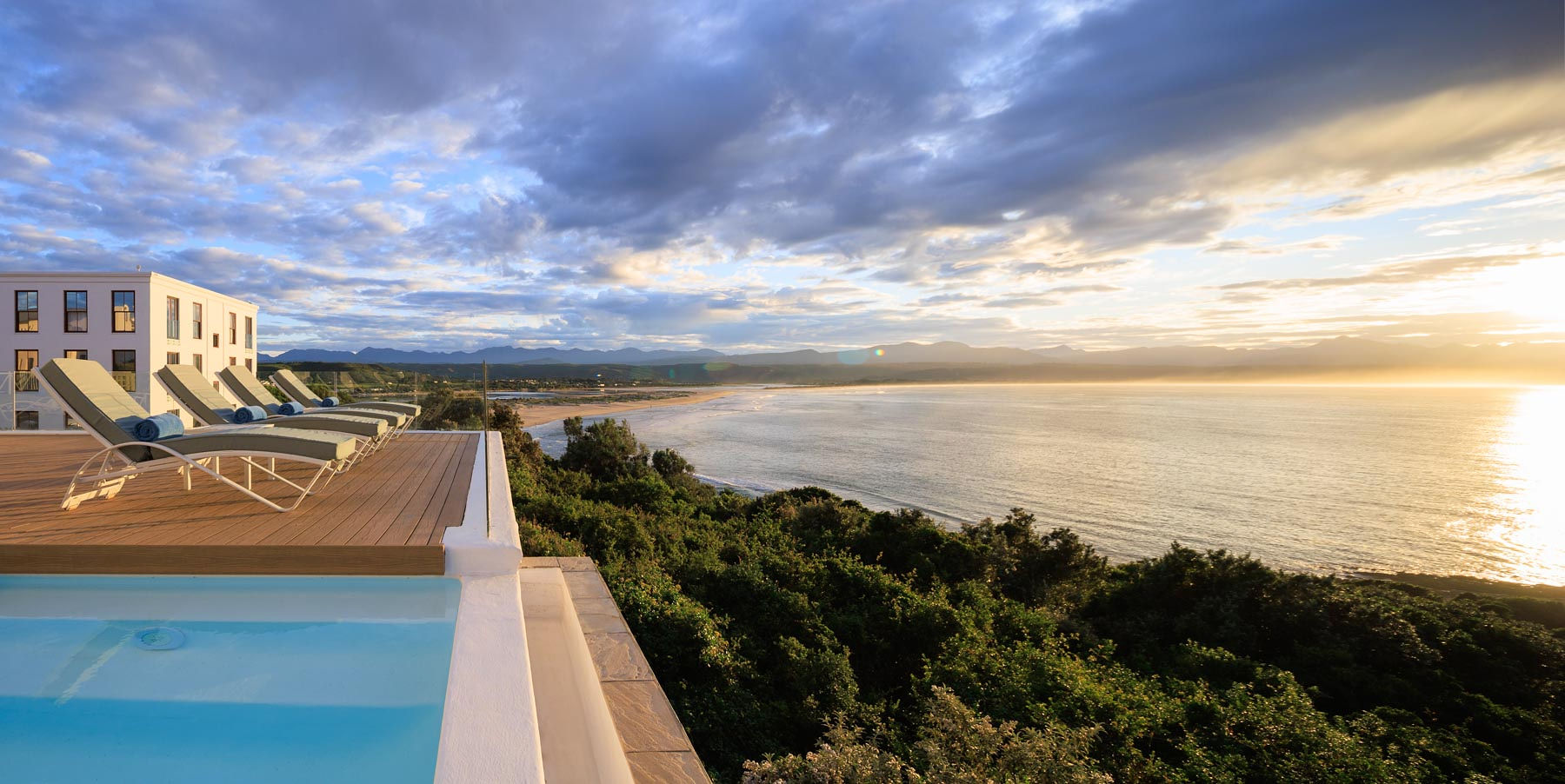
Set on a rocky headland in Plettenberg Bay, The Plettenberg frames the Indian Ocean, beaches and distant mountains from an elevated seaside setting. Its rooms and villas offer a polished base for travellers who want the coast close at hand without sacrificing privacy or service. Amelia’s places the sea’s produce at the centre of its dining identity, making the hotel particularly suited to a romantic escape or a refined coastal pause. The location also works well for exploring Robberg and the beaches around Plett, while leaving time to enjoy the views from the property itself.
Tsala Treetop Lodge — Seclusion Within the Canopy.
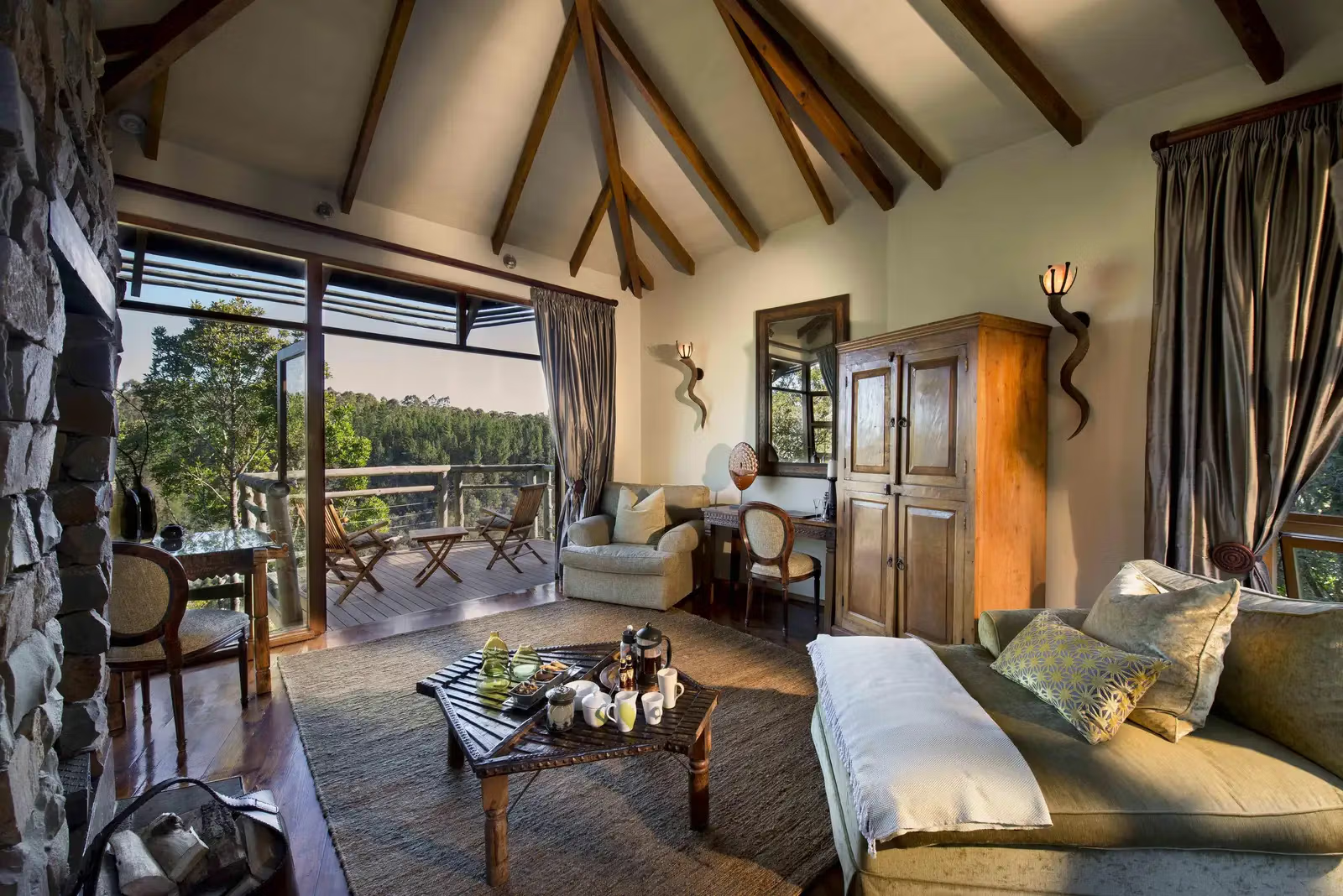
Between Knysna and Plettenberg Bay, Tsala Treetop Lodge is immersed in an ancient indigenous forest. Its architecture is designed around the treetops, with private suites and villas that make the canopy part of the stay rather than a view seen from a distance. The sense of retreat is central to its appeal: quiet, privacy, distinctive design and dining that encourages guests to linger. Tsala is ideal for couples or travellers seeking a nature-led stay with a strong architectural identity, and it can serve as a memorable base between the coast and forest experiences.
Fancourt — A Refined Estate Beneath the Mountains.
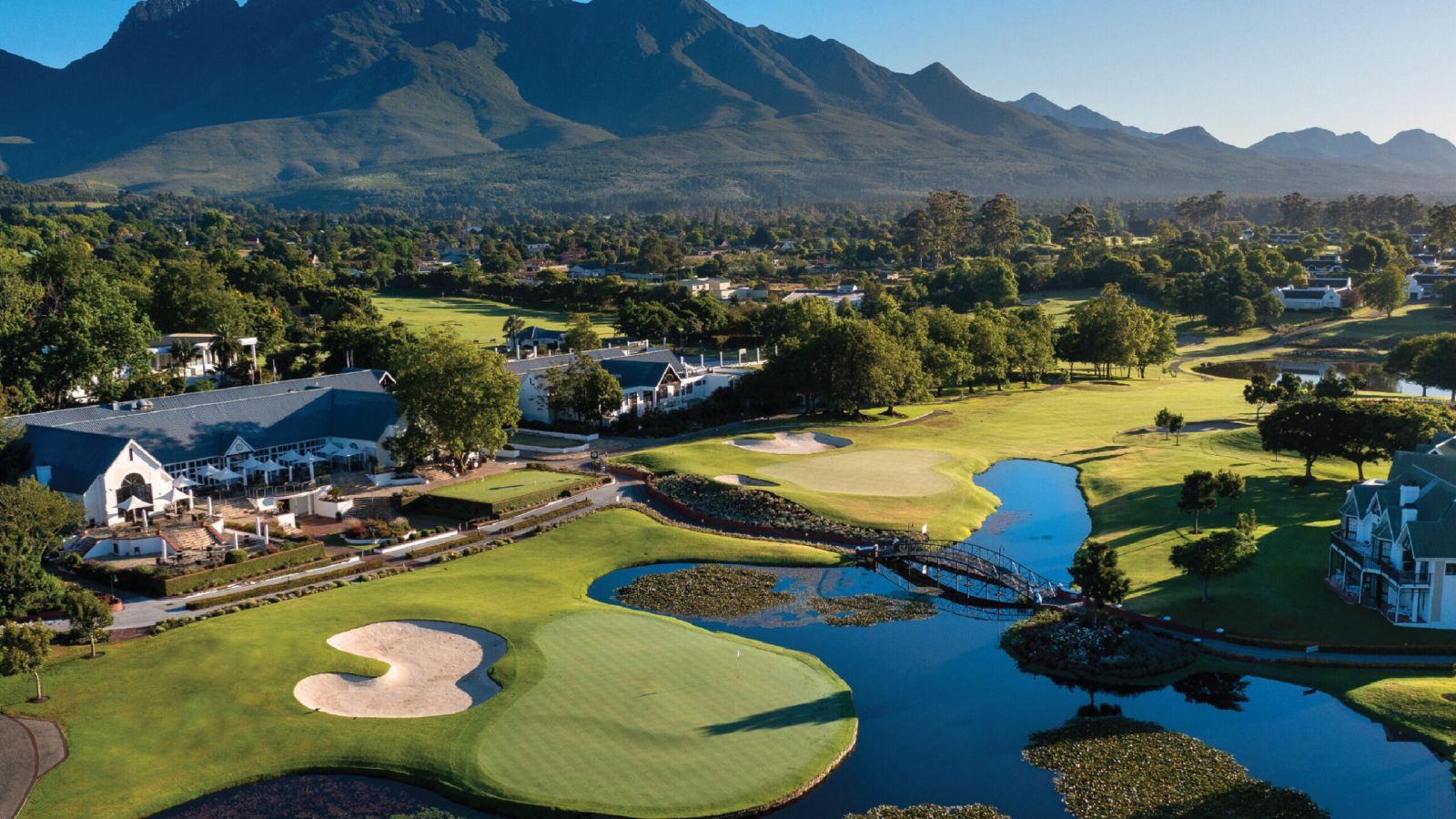
Near George, Fancourt offers a broader resort experience across extensive grounds beneath the Outeniqua Mountains. Its accommodation, dining, spa and golf facilities make it suitable for families, couples and travellers who appreciate a full-service estate. The property’s heritage character is especially evident at The Manor House, an intimate suite-only retreat with a more private atmosphere. Fancourt works well as a restorative interlude in a longer Garden Route journey, particularly for guests who want to alternate scenic drives with wellness, golf or time on the estate.
The Manor House at Fancourt — A More Intimate Retreat.
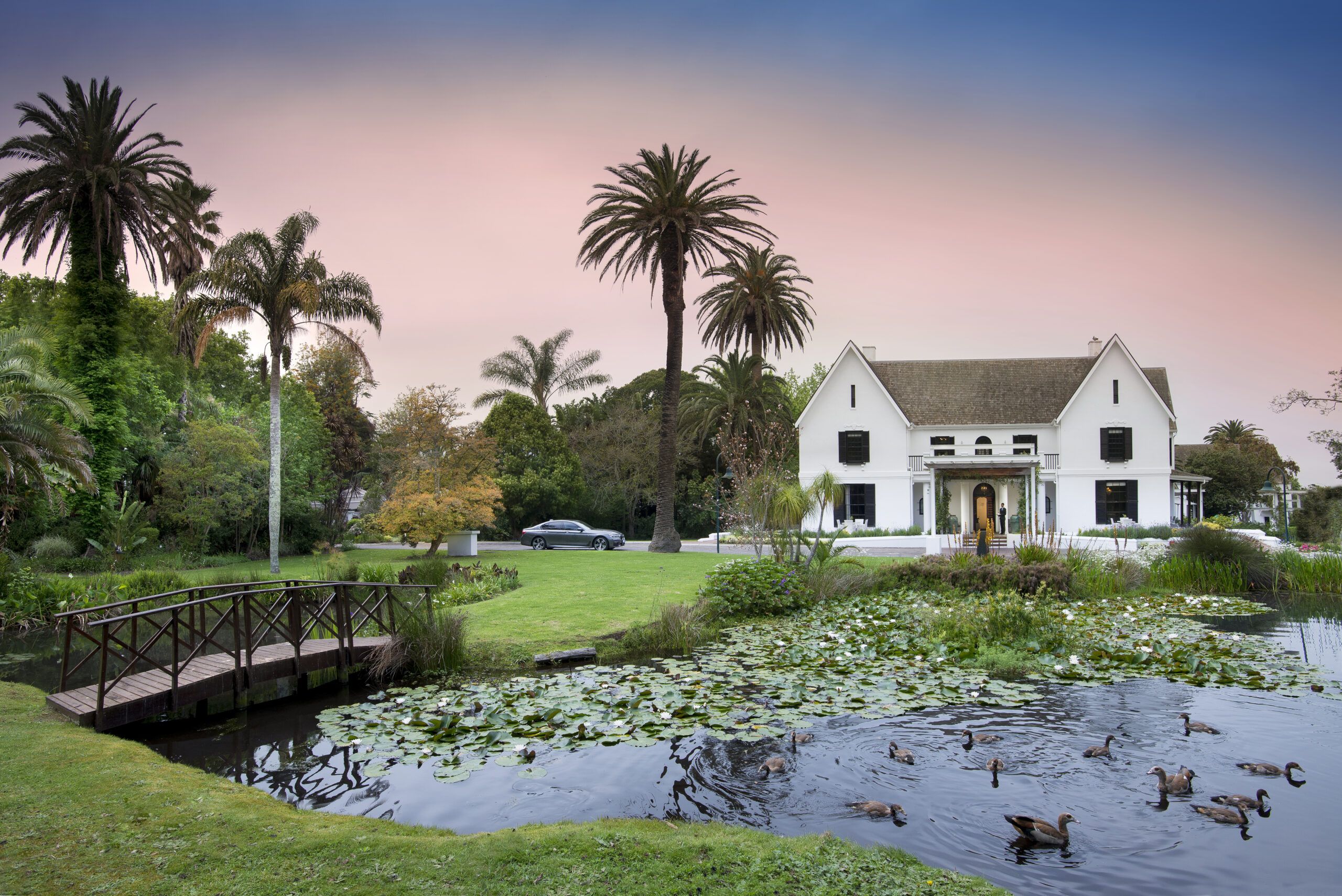
For travellers who prefer the atmosphere of a boutique hideaway over a larger resort, The Manor House offers a more intimate expression of Fancourt’s estate setting. Its historic character is paired with contemporary comforts, creating a private-feeling base for couples and guests seeking quiet. The surrounding grounds and mountain backdrop lend themselves to slow mornings and unhurried afternoons. Confirm age policies, suite availability and included facilities directly with the property when booking.
Kanonkop House — A Lagoon-Side Hideaway in Knysna.
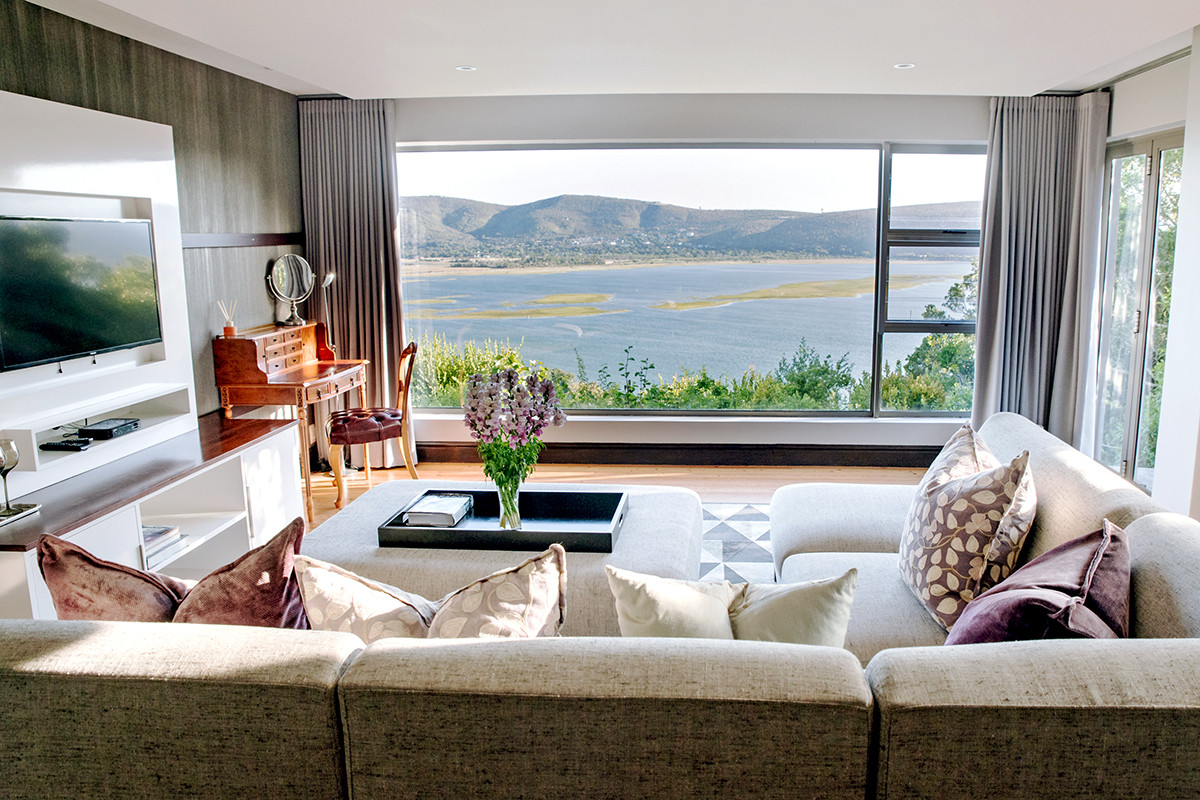
Kanonkop House offers a more intimate, design-conscious stay overlooking the Knysna Lagoon. Its position above the water creates a sense of retreat while keeping the town’s restaurants, boat experiences and forest access within reach. It is a compelling choice for travellers who value views and personal scale over the facilities of a large resort. Select a room category with the outlook you most want to wake up to, and allow an evening to unfold without leaving the property.
When to Visit: Choosing the Right Season
The Garden Route is a year-round destination, but conditions vary along the coast and between the forest, mountains and open beaches. Spring, from September to November, brings fresh growth and a renewed sense of colour. It can be an appealing time for scenic drives and walking, although wind and rain remain possible and conditions vary from day to day.
Summer, from December to February, is popular for beach time, outdoor dining and long daylight hours. It is also a busy travel period, so reserve accommodation and sought-after restaurants early. Autumn, from March to May, can offer a more settled rhythm and comfortable conditions for exploring, though the weather is never guaranteed. Winter, from June to August, is cooler and wetter in parts of the region, lending the forests a moody beauty and making fireplaces, wellness facilities and flexible plans especially welcome.
Marine wildlife activity is seasonal and depends on species, migration patterns, sea conditions and responsible operator availability. If a wildlife excursion is central to your trip, check local guidance for your dates rather than planning around a guaranteed sighting. For hiking, boat trips and forest activities, confirm current conditions shortly before setting out.
Planning a Seamless Garden Route Journey
Allow at least four to six nights if you want to experience the region without turning it into a sequence of transfers. A shorter visit can work, but it is better to focus on two or three bases than attempt every town. Knysna and Plettenberg Bay make a strong combination for lagoon, forest and coastal experiences; George can add a resort-led stay, while Tsitsikamma rewards travellers who want a more active, nature-focused section of the journey.
The N2 is the main road linking many of the region’s towns, but driving times depend on the exact route, traffic, weather and stops. Avoid underestimating the time needed for scenic detours. If the itinerary includes wine, long lunches or several activities in a day, consider a private driver for selected sections. Self-drivers should plan rest breaks, drive conservatively and avoid night driving on unfamiliar rural roads where possible.
Book accommodation first during peak periods, then secure signature experiences and restaurants. Pack layers, comfortable walking shoes, sun protection, a light rain jacket and swimwear if your plans include the coast or a lodge pool. For hikes, check trail conditions and carry water. For marine activities, follow the operator’s safety guidance and remember that weather may require changes.
The Garden Route pairs naturally with Cape Town and the Cape Winelands before continuing towards a safari. A journey might begin with the city’s food, design and coastline, move through vineyard country for a slower culinary interlude, then follow the southern coast towards Knysna, Plett and Tsitsikamma. From there, travellers can connect onward to other South African regions according to flight schedules and the length of the trip.
Frequently Asked Questions
What is the Garden Route best known for?
The Garden Route is known for its varied southern coastline, indigenous forests, lagoons, beaches, mountain scenery and outdoor experiences. Knysna, Plettenberg Bay, Wilderness and Tsitsikamma each offer a distinct character.
How many days should I spend on the Garden Route?
Four to six nights is a comfortable starting point for a multi-stop journey. With fewer nights, focus on two or three areas rather than attempting the entire route.
What are the most rewarding places to visit?
Knysna is known for its lagoon and forest, Plettenberg Bay for beaches and the Robberg Peninsula, Wilderness for lakes and long beaches, and Tsitsikamma for its forested coastline and Storms River Mouth.
When is the best time to visit the Garden Route?
Summer is popular for beaches and long days, spring and autumn can be pleasant for scenic exploration, and winter brings cooler, often wetter conditions. Local weather can change quickly, so plan flexibly.
Is the Garden Route suitable for a luxury holiday?
Yes. The region offers oceanfront hotels, forest lodges, country estates, private villas, fine dining, wellness facilities and private guided experiences. The strongest itinerary balances excursions with time to enjoy the accommodation.
Should I drive the Garden Route or arrange a private driver?
Self-driving offers flexibility, while a private driver can make longer transfers and activity-heavy days more relaxed. Choose based on comfort, itinerary and driving preferences.
Can I see whales and dolphins on the Garden Route?
Marine wildlife may be seen at certain times and in suitable conditions, but sightings are never guaranteed. Choose responsible operators and check seasonal guidance close to your travel dates.
Is Tsitsikamma worth including?
Yes, particularly for travellers drawn to indigenous forest, rugged coastline, river gorges and walking routes. It adds a more elemental, adventure-oriented dimension to the coastal towns.
What should I pack?
Bring comfortable walking shoes, layers, sun protection, a light waterproof jacket and clothing suited to outdoor activities and relaxed restaurant dining. Pack swimwear if you plan beach time or have a pool at your accommodation.
Can the Garden Route be combined with Cape Town and the Cape Winelands?
Yes. Many travellers begin in Cape Town, continue through the Cape Winelands and then follow the southern coast. Allow enough nights for each region and verify road or flight connections before confirming the itinerary.
Are nature experiences suitable for all fitness levels?
Many areas offer short walks and scenic viewpoints, but some trails are steep, exposed or lengthy. Choose routes to match your ability, check current conditions and follow local safety guidance.
A Final Note: Travel by the Texture of the Landscape
The Garden Route stays with you through its contrasts: the hush of a forest after rain, the bright openness of a beach, the deep blue of the ocean beyond a headland, and the warmth of returning to a beautifully considered room after a day outdoors. It is a destination that rewards restraint. Choose fewer stops, stay somewhere with a strong sense of place, and let each landscape have the time it deserves. Along this coast, the most luxurious itinerary is not the fullest one, but the one that leaves you present enough to remember it.