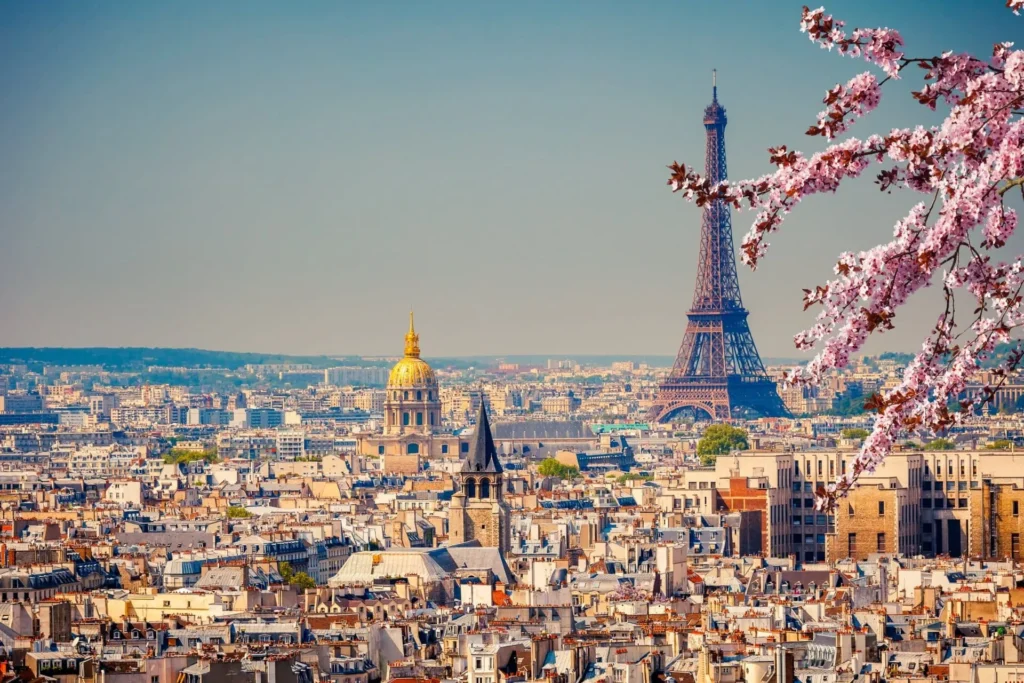
Vineyard estates, mountain-framed valleys and the art of taking one’s time
Introduction: Where the Landscape Sets the Pace
Beyond Cape Town, the road begins to loosen its grip on the city. Mountain silhouettes rise beyond long avenues of oak, whitewashed gables appear between old trees, and vineyards unfold in measured rows across the valleys. In the Cape Winelands, luxury is rarely announced with spectacle alone. It is found in the quiet precision of a cellar tasting, a table set beneath ancient trees, a beautifully restored manor house, or the unhurried drive between one estate and the next.
This is a region shaped by agriculture, architecture, migration and centuries of winemaking. Stellenbosch brings historic streets, contemporary galleries and a lively culinary scene into close conversation with the surrounding vineyards. Franschhoek, set within a dramatic mountain basin, has an unmistakable gastronomic identity. Paarl offers a broader, sunlit landscape of wine farms and heritage, while smaller country roads invite travellers to leave the itinerary deliberately unfinished.
The Cape Winelands reward a slower kind of travel. Rather than attempting to visit as many estates as possible, choose a handful that reflect your interests—perhaps a serious cellar experience, a long lunch, a private art viewing and an afternoon reserved for the pool. The pleasure lies in the quality of each encounter, and in having enough time to notice the landscape between them.
Stellenbosch: Heritage with a Contemporary Pulse
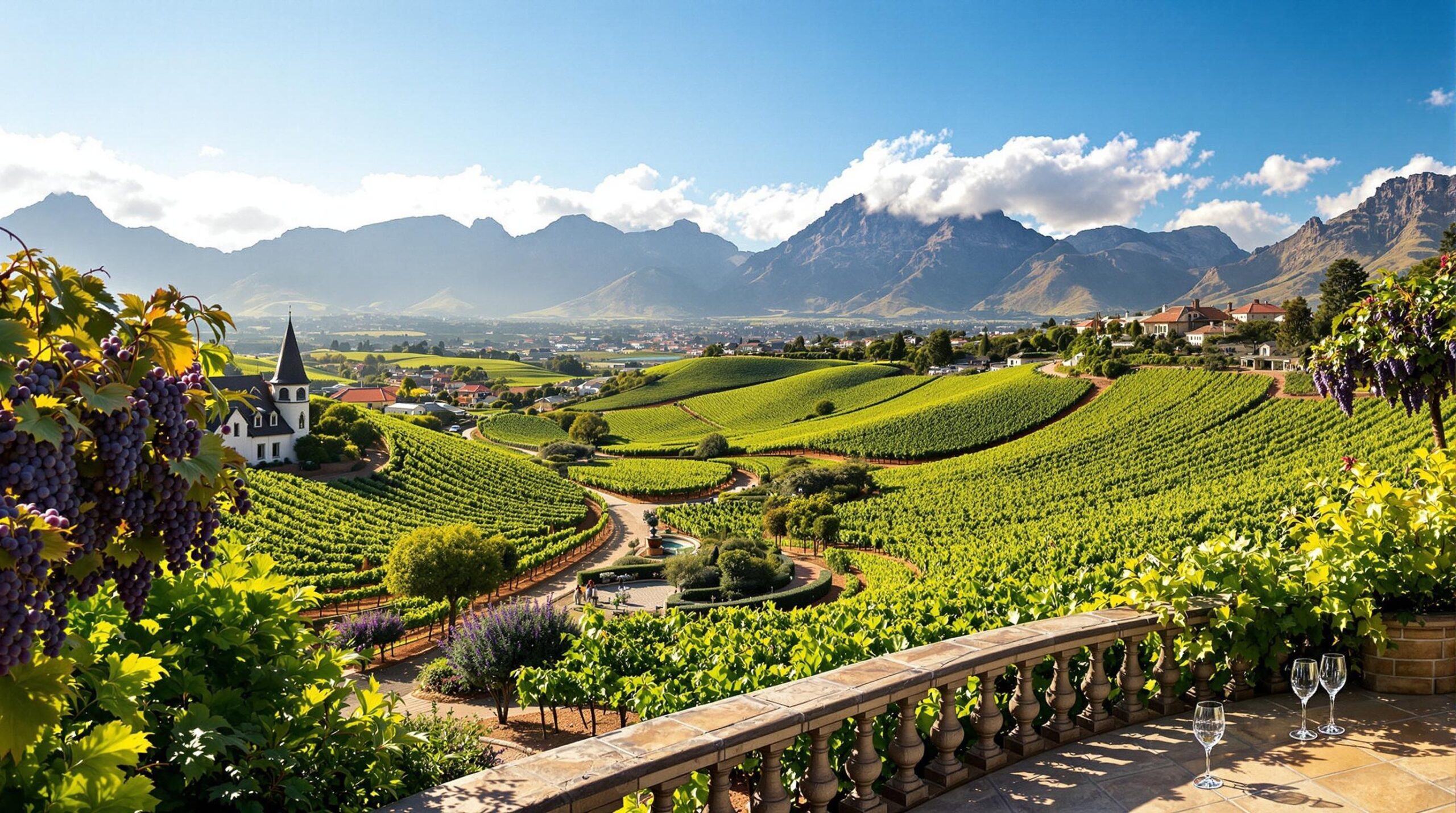
Stellenbosch is one of the Cape’s most compelling introductions to wine country. Its historic centre is threaded with oak-lined streets, Cape Georgian and Cape Dutch façades, independent galleries and cafés that keep the town feeling lived-in rather than preserved behind glass. The university lends an energetic rhythm, while the surrounding valleys open quickly into vineyards and mountain-backed estates.
Begin with a walk through the town centre, taking time to look beyond the façades: shaded courtyards, small design stores and galleries reveal a creative culture that sits comfortably beside the region’s agricultural traditions. Later, head into the surrounding wine routes for a guided tasting shaped around the varieties and styles that interest you. A considered appointment with a knowledgeable host can be more rewarding than a succession of hurried tastings.
For travellers drawn to design and visual art, the estates around Stellenbosch offer another layer of discovery. Sculpture gardens, contemporary collections and architecture that frames the landscape turn a winery visit into an encounter with place. Delaire Graff Estate, positioned along Helshoogte Pass, brings wine, art, gardens, dining and wellness together against expansive vineyard and mountain views. Its lodges are designed around privacy, private terraces and pools, making the estate as much a retreat as a tasting destination. These vineyard landscapes offer a different perspective on South Africa, complementing the country’s coastal character and its more remote wilderness regions.
Franschhoek: A Valley Made for the Table
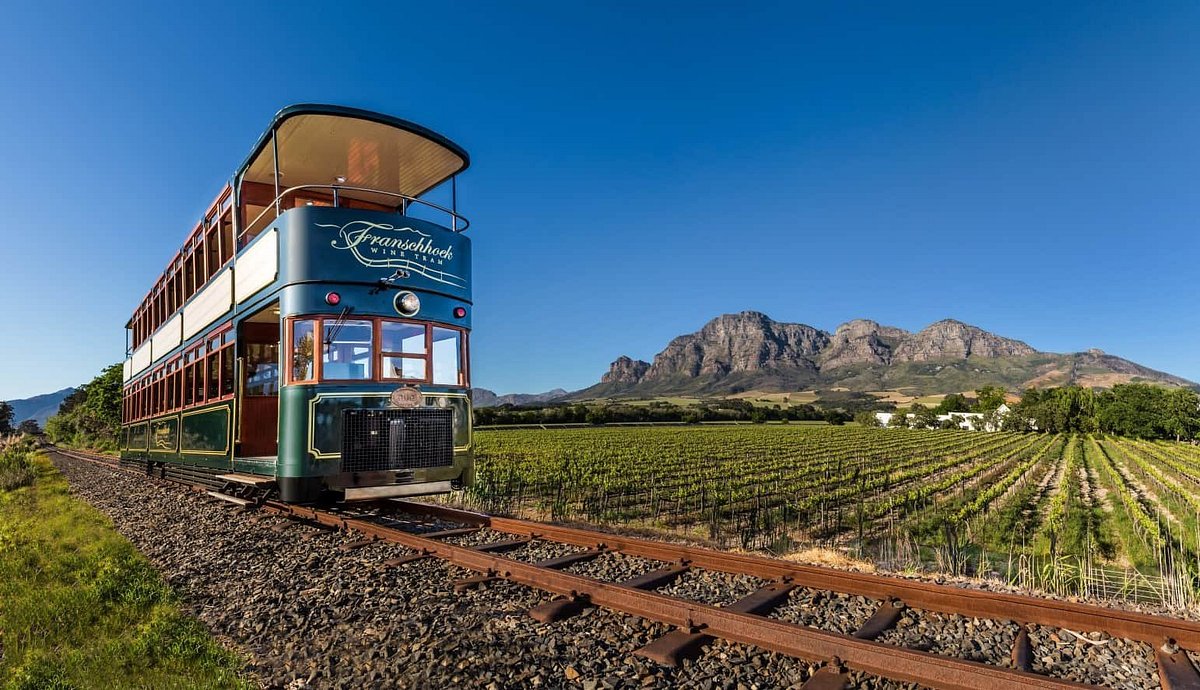
Franschhoek feels intimate on arrival: a village framed by steep mountain slopes, with a main street that draws the eye towards the countryside beyond. Its French Huguenot history forms part of the area’s cultural story, but the modern character of Franschhoek is best understood through its kitchens, wine estates and carefully composed hospitality.
Give the day a culinary structure. A late-morning tasting can lead into a leisurely lunch, followed by a walk through the village or a visit to a nearby estate. The strongest experiences are often built around a conversation—with a winemaker explaining the character of a vintage, a chef describing the source of an ingredient, or a host sharing how a family estate has evolved over generations.
Franschhoek is also a natural setting for a celebratory escape. Couples may favour a private table, a suite overlooking the valley and a schedule with little more than a tasting and dinner. Food-focused travellers can plan around a restaurant reservation and build the rest of the day around it. Because popular restaurants and curated tastings can book out, reserve key experiences before arrival rather than relying on walk-in availability.
Paarl and the Roads Between the Estates
Paarl offers a different register: broader horizons, warm light and a sense of space that suits a more exploratory itinerary. Wine farms sit within a varied agricultural landscape, and the town’s heritage and surrounding hills provide a useful counterpoint to the more concentrated rhythms of Stellenbosch and Franschhoek.
Rather than treating Paarl as a checklist of stops, use it to shape a scenic day. Choose one estate for a guided tasting, pause for a relaxed meal, and leave room for the road itself. The Winelands are particularly beautiful when viewed without urgency: rows of vines catching the afternoon sun, farm buildings set behind old trees, and mountain ridges changing colour as the day moves towards evening.
Experiences Worth Building a Journey Around
A Private or Hosted Cellar Tasting
A memorable tasting is not simply a flight of glasses. It is a chance to understand how soil, climate, grape variety, harvest decisions and ageing shape the wine in front of you. Arrange a hosted session at an estate whose style interests you, and share your preferences in advance. Ask about the wines’ character and production rather than trying to taste everything on offer. Availability, formats and fees vary by estate, so confirm details directly before travelling.
A Long Lunch in the Vineyards
The region’s food culture deserves as much attention as its wine. Plan lunch as the centrepiece of a day, not a short interval between tastings. Seasonal produce, regional ingredients and thoughtful pairings allow the landscape to reach the table. For a special occasion, request a terrace or garden setting where available, and let the meal unfold without a tightly timed afternoon appointment.
Art, Architecture and Estate Gardens
Many Winelands estates offer more than vineyards and cellar doors. Art collections, sculpture gardens, historic farm buildings and contemporary design create a dialogue between cultivated landscape and creative expression. Delaire Graff Estate is especially notable for its substantial art collection and landscaped grounds. Check access arrangements and opening times before visiting, particularly if your plans include a specific exhibition or guided experience.
A Scenic Drive with Room to Wander
The freedom to stop is part of the region’s appeal. A private driver allows everyone to enjoy tastings without the responsibility of driving afterwards, while also making it easier to connect estates across different valleys. If self-driving, choose a designated non-drinking driver and plan a conservative route. Keep the schedule light enough to accommodate an unexpected viewpoint, a village café or an estate that deserves more time than anticipated.
A Restorative Afternoon
The Winelands are not only for active exploration. A private pool, a treatment at an estate spa, a book on a shaded terrace or a quiet hour overlooking the vines can become the most memorable part of the stay. Build in unstructured time; a luxury itinerary should leave space for the destination to work its quiet magic.
Luxury Stays: Distinctive Addresses in Wine Country
The most rewarding base depends on the mood you want from the journey: an art-filled estate, a secluded countryside retreat, or a design-led property close to the village and its restaurants. These addresses offer distinct ways to experience the Cape Winelands; confirm current services, room categories and seasonal availability directly with each property.
Delaire Graff Estate — Art, Privacy and Panoramic Views
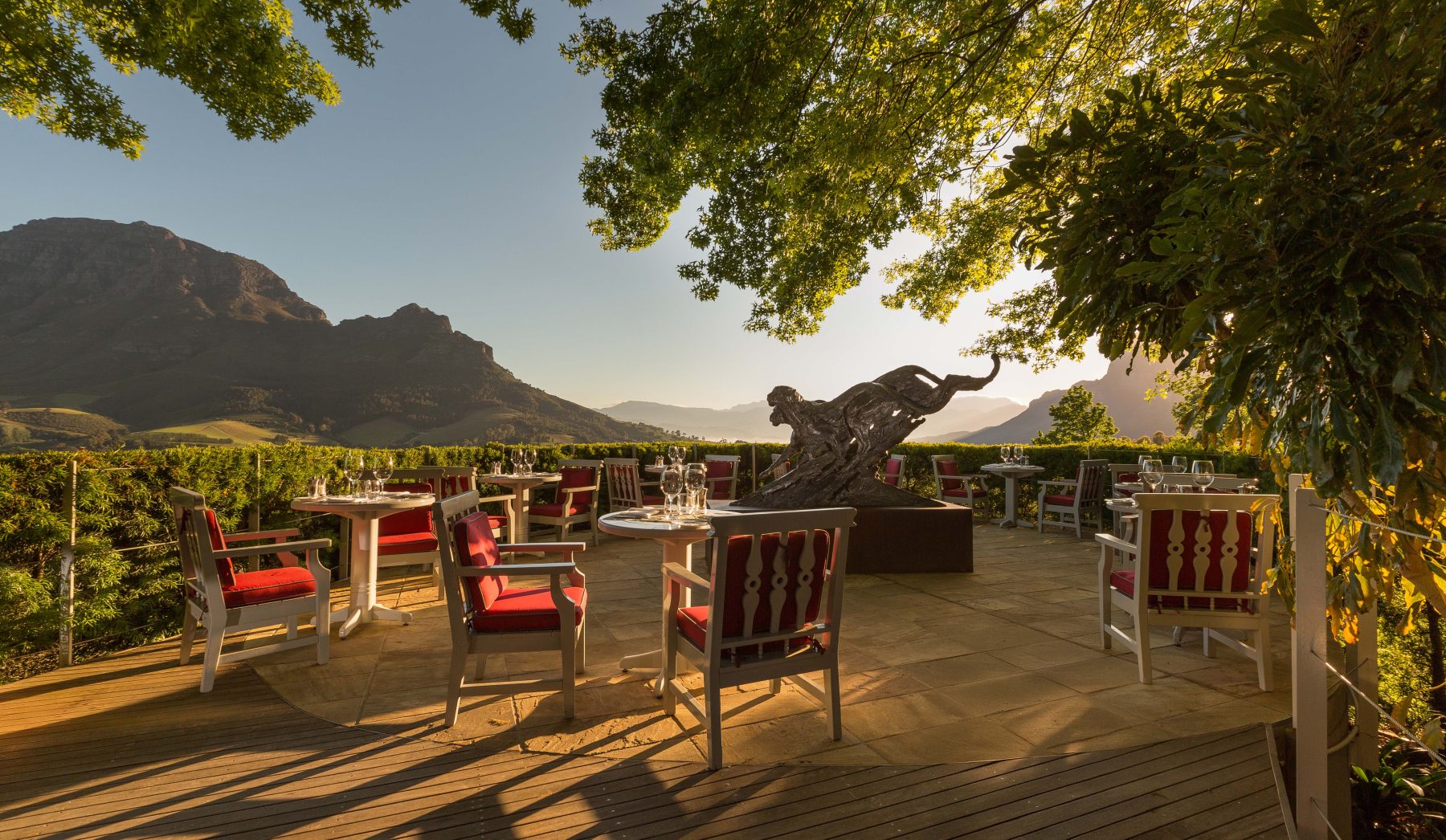
Set along Helshoogte Pass, Delaire Graff Estate combines vineyard scenery with an unusually strong emphasis on art, gardens, dining and wellness. Its lodges feature private terraces and heated pools, with views across vineyards and towards the surrounding mountains; larger residences provide additional space for families or private groups. The estate’s restaurants and wine lounge make it possible to build an entire stay around the property, while the spa offers a quieter counterpoint to tasting and dining. It is particularly suited to travellers who value design, privacy and a sense of occasion.
Leeu Estates — A Secluded Franschhoek Retreat
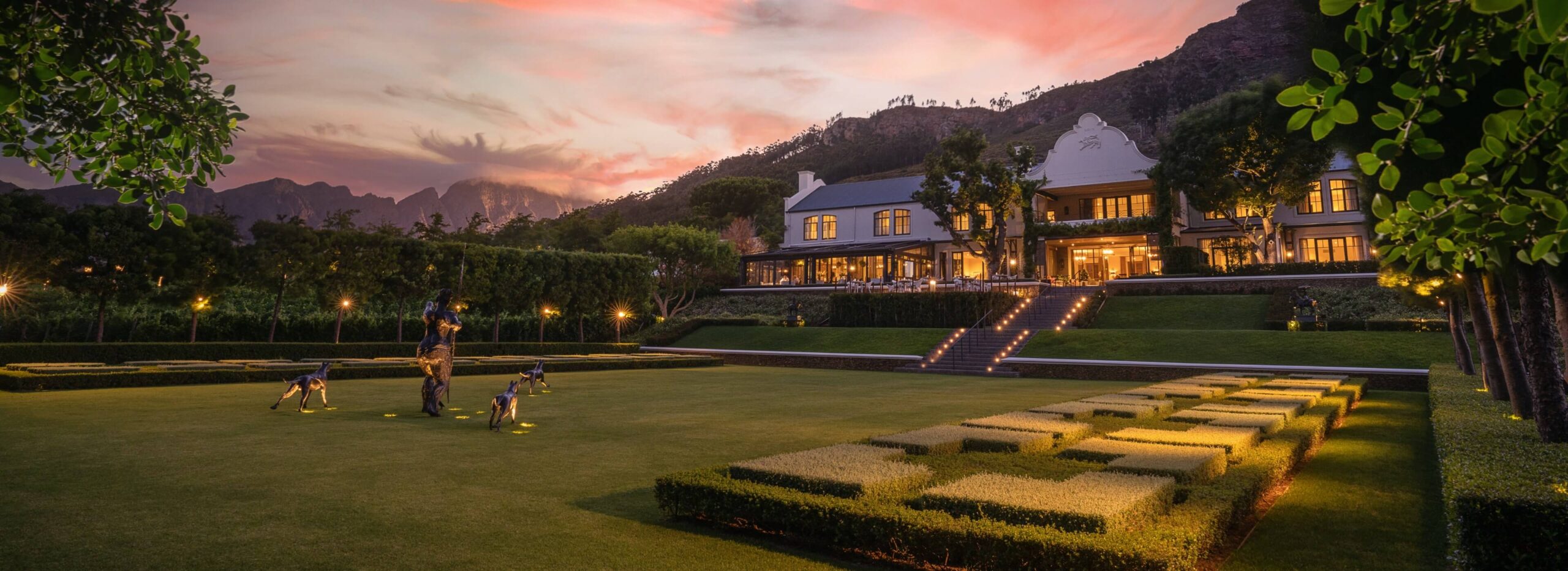
Leeu Estates is a strong choice for travellers seeking a polished countryside retreat within the Franschhoek valley. Its estate setting, landscaped grounds, art and wine identity create a sense of separation from the village without losing access to its restaurants and culinary culture. The appeal is less about a single grand gesture than the cohesion of the experience: considered interiors, a peaceful landscape and the possibility of alternating between the estate and the valley at an easy pace.
La Residence — Residential Grandeur in the Valley
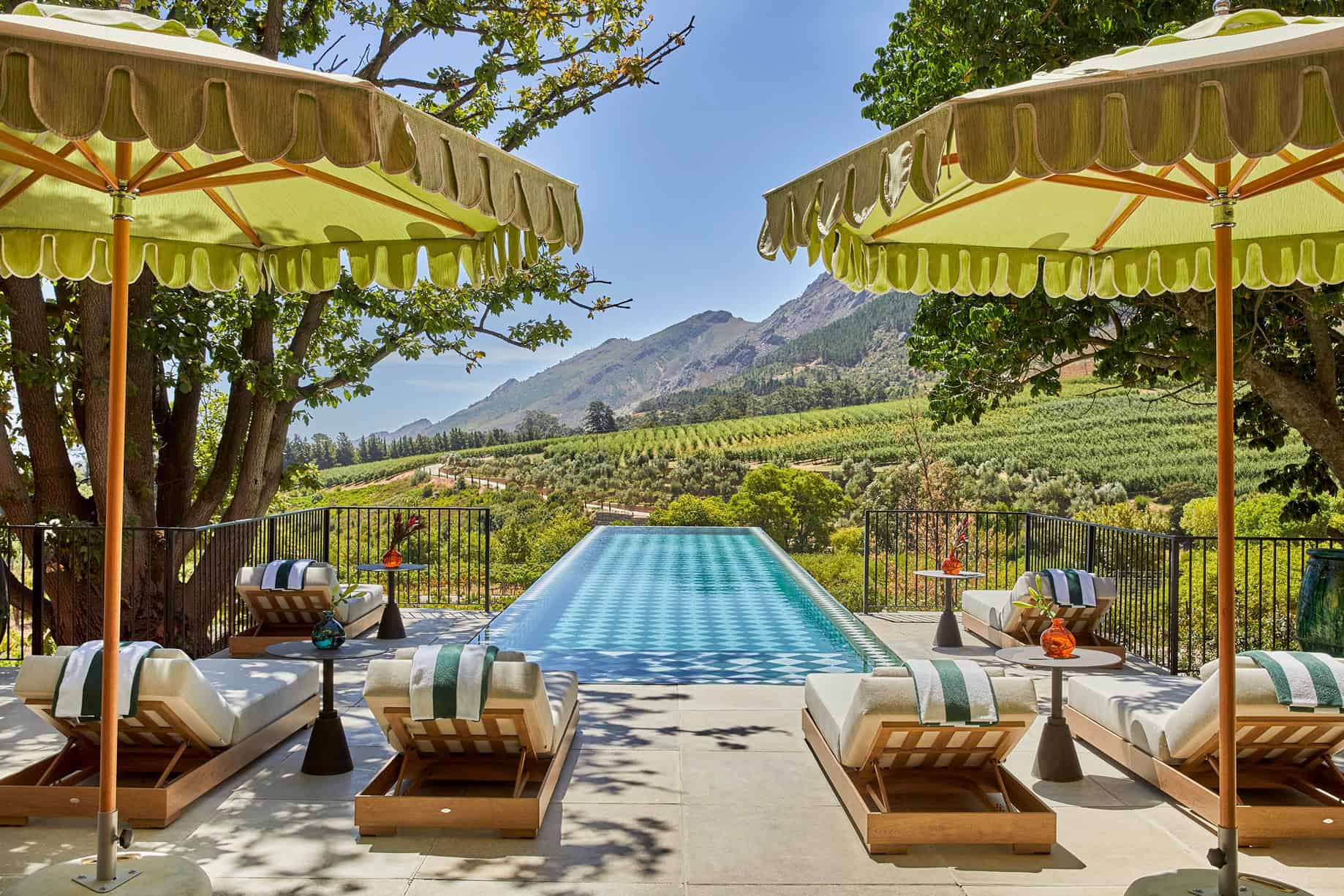
La Residence offers a more intimate, residential expression of luxury, with a setting shaped by vineyards, gardens and mountain scenery. It suits travellers who want the feeling of a private country house rather than a conventional hotel, especially for a romantic escape or a special celebration. Allow time to enjoy the property itself instead of treating it only as a place to sleep between restaurant reservations and wine tastings.
Babylonstoren — A Garden-Led Country Escape
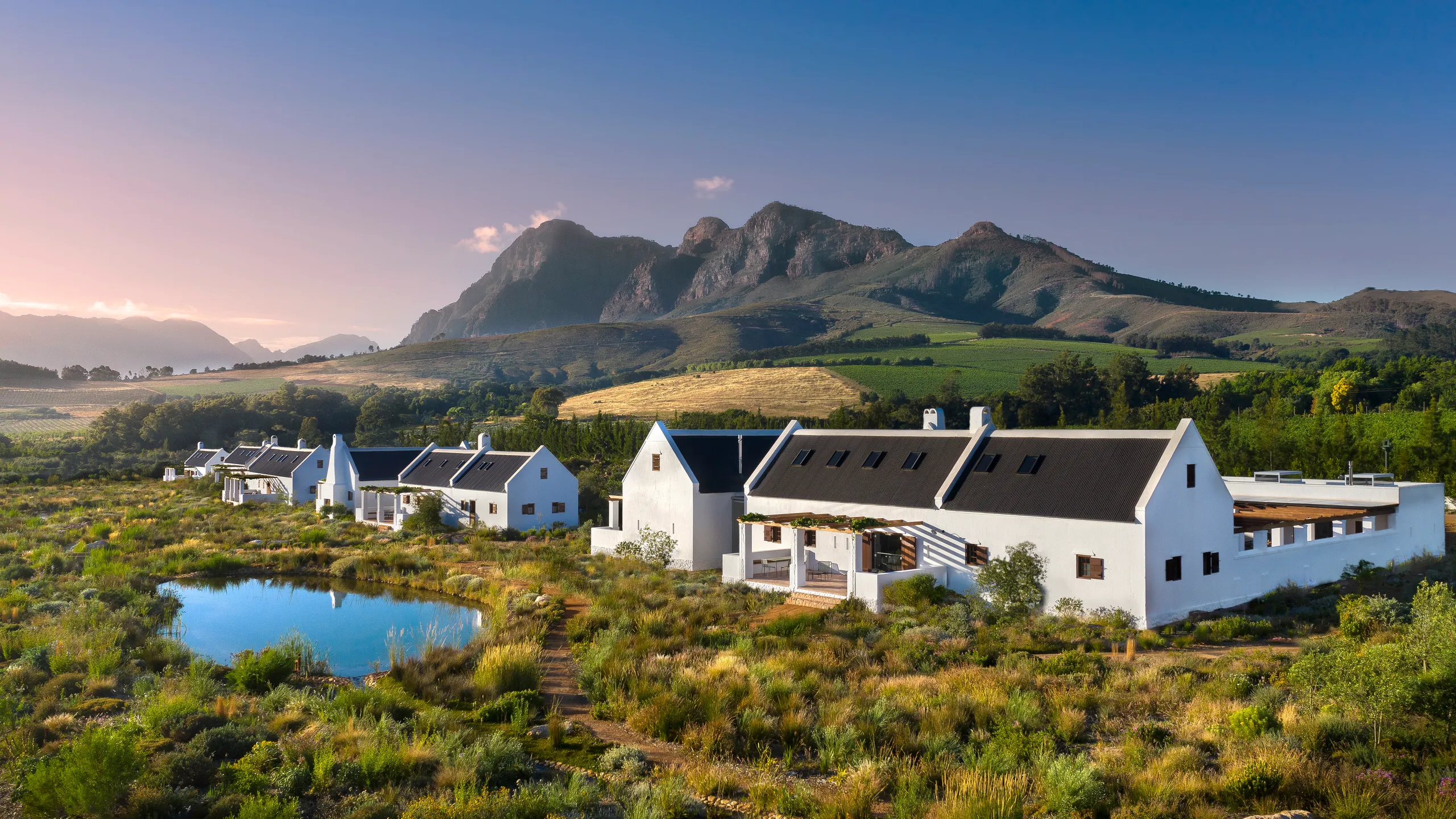
Babylonstoren brings a distinctive agricultural and garden-centred sensibility to a Winelands stay. Its working farm, expansive gardens and strong connection between produce and dining make it especially appealing to guests interested in food, horticulture and the rhythms of the land. A visit here is best approached with curiosity: leave time to explore the gardens, appreciate the seasonal produce and experience the estate beyond its accommodation.
Mont Rochelle — Elevated Views above Franschhoek
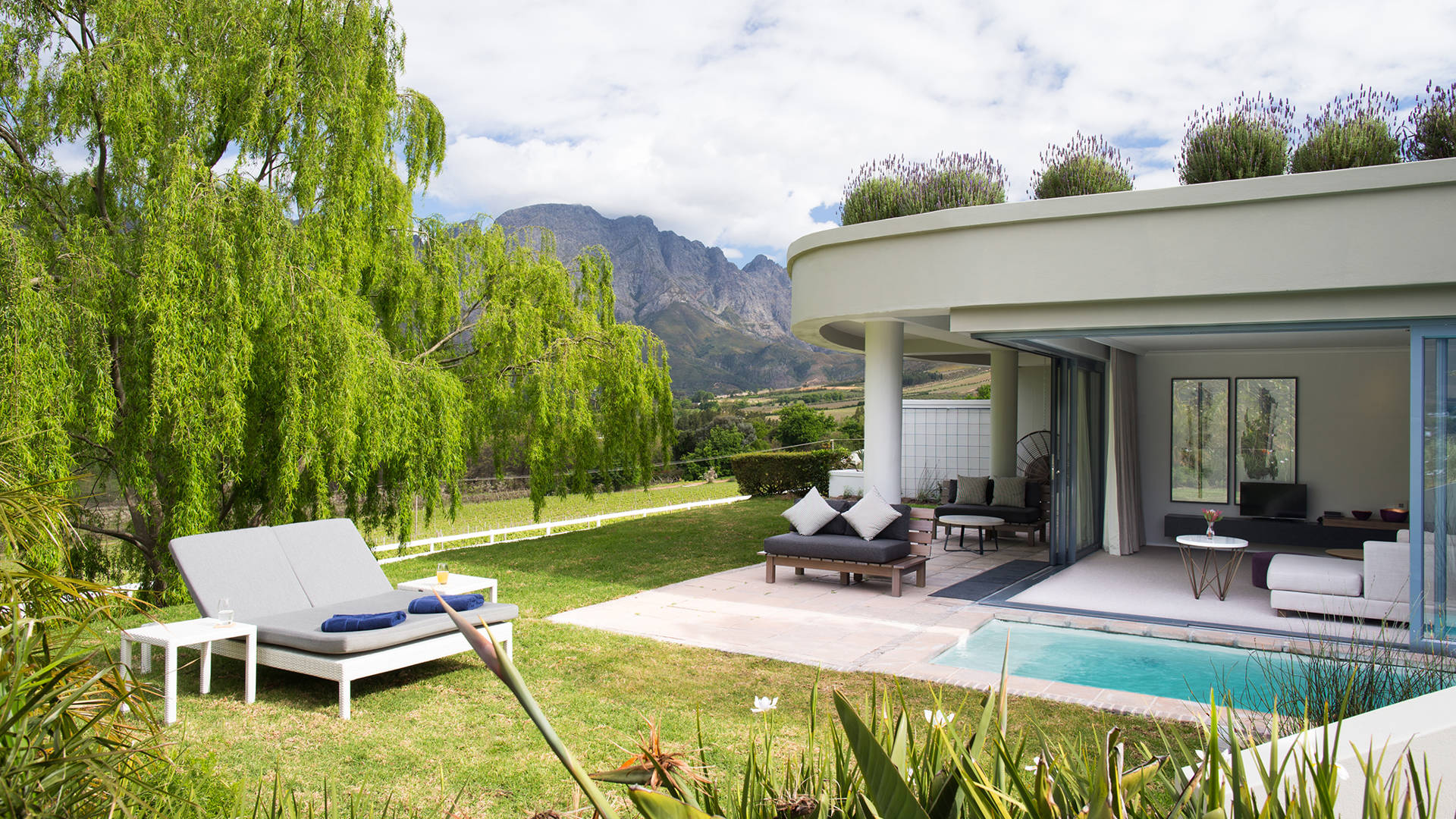
Set on the slopes above Franschhoek, Mont Rochelle offers vineyard views and a country-estate atmosphere close to the village. It can work well for travellers who want a scenic retreat while remaining within reach of Franschhoek’s restaurants and wine experiences. Its position encourages slow mornings and sunset views, with the village available when the mood shifts from quiet to sociable.
When to Visit the Cape Winelands
The Cape Winelands can be rewarding throughout the year, but each season changes the mood of the landscape. Spring, from September to November, brings fresh growth and gardens in bloom. It is a good period for scenic drives and outdoor tastings, although conditions can vary. Summer, from December to February, is generally warm and lively, with long days that suit vineyard lunches and outdoor dining; it is also a popular travel period, so reserve accommodation and restaurants well ahead.
Autumn, from March to May, is associated with harvest activity and the transition towards richer vineyard colours, though exact timing depends on the vintage and weather. It is an especially evocative season for travellers interested in the winemaking process, but harvest dates and visitor access should be checked with individual estates. Winter, from June to August, brings cooler weather and a more contemplative atmosphere. Fireside dining, cellar visits and restorative hotel stays can be particularly appealing, while rain and changing conditions make flexible planning important.
There is no single perfect month for every traveller. Choose summer for long outdoor days, spring for fresh greenery, autumn for the energy of the harvest season, or winter for a slower, food-led escape. Always verify estate hours and seasonal experiences before finalising the itinerary.
Planning a Seamless Winelands Escape
For a first visit, allow at least three nights if you want to experience more than one town without rushing. Two nights can work for a focused stay in one area, while four or five nights allow time for both Stellenbosch and Franschhoek, a day in Paarl, and an afternoon devoted to the hotel or estate itself. The region is accessible from Cape Town, but transfer times depend on the starting point, traffic and the estates selected.
A private driver is often the most comfortable choice for a tasting-led itinerary. It allows you to enjoy wine responsibly and reduces the effort of navigating between estates. Book sought-after restaurants and hosted tastings in advance, communicate dietary needs early, and avoid stacking too many appointments into one day. Comfortable walking shoes, sun protection and a light layer are useful across changing conditions. If travelling during a busy period, secure accommodation before building the rest of the schedule around it.
The Cape Winelands also pairs naturally with other South African experiences. Begin with the coast and urban energy of Cape Town, continue into wine country for food and landscape, and then turn towards the wildlife reserves of Kruger National Park or the private safari setting of Sabi Sand. Each destination offers a different rhythm, allowing the wider journey to move from city and sea to vineyard and wilderness. Travellers planning a broader itinerary can begin with our Cape Town guide, continue into the wildlife-rich landscapes of Kruger, and finish with the intimate safari experience explored in our Sabi Sand travel journal.
Frequently Asked Questions
What are the Cape Winelands best known for?
The region is known for its vineyards and wine estates, mountain scenery, historic towns, Cape Dutch architecture, restaurants, art and countryside hospitality. Stellenbosch, Franschhoek and Paarl each offer a distinct character.
How many days should I spend in the Cape Winelands?
Three nights is a useful starting point for a relaxed first visit. Two nights can suit a focused stay in one area, while four or five nights provide more room for multiple towns, dining experiences and time at the hotel.
Is Stellenbosch or Franschhoek better for a luxury stay?
Stellenbosch offers historic streets, a lively cultural scene and easy access to a wide range of estates. Franschhoek is especially appealing to food-focused travellers and those seeking a village-and-valley atmosphere. The better choice depends on your preferred pace and dining plans.
When is the best time to visit the Cape Winelands?
Spring and summer are attractive for green vineyards and outdoor dining; autumn can bring harvest-season interest; winter suits cellar visits and a slower culinary escape. Weather and harvest timing vary, so confirm specific experiences before booking.
Can I visit the Cape Winelands on a day trip from Cape Town?
Yes, a day trip is possible, particularly to Stellenbosch, but it will be selective. An overnight stay is preferable if you want to enjoy tastings, a long lunch and the countryside without rushing.
Do I need to book wine tastings in advance?
Advance booking is recommended for private, hosted or premium tastings, and especially for popular estates or peak travel periods. Check each estate’s current tasting formats, fees and opening hours directly.
Is a private driver worth arranging?
For a tasting-focused itinerary, a private driver offers comfort and allows everyone to enjoy wine responsibly. It can also simplify transfers between estates and restaurants.
Are the Cape Winelands suitable for travellers who do not drink wine?
Yes. The region offers gardens, art, architecture, walking, food experiences, spa treatments, markets and scenic drives. Wine can be one part of the journey rather than its central purpose.
What should I pack for the Cape Winelands?
Pack comfortable walking shoes, sun protection, a light layer for cooler evenings and weather-appropriate clothing for the season. If you plan to visit formal restaurants, include an outfit suited to the venue.
Can I combine the Cape Winelands with a safari?
Yes. The Winelands can be paired with Cape Town and then with a safari destination such as Kruger or Sabi Sand. Allow sufficient transfer time and confirm flights or road connections before fixing the itinerary.
Are the luxury estates open to non-resident visitors?
Policies vary by property and experience. Some restaurants, tastings, gardens or spa services may require reservations or be limited to resident guests. Check access conditions directly before travelling.
A Final Note: Let the Valley Unfold
The Cape Winelands are at their best when the itinerary makes room for discovery. One morning might begin among the vines, move into a conversation over a carefully chosen vintage, and end with a table set beneath the mountains as the light softens across the valley. The luxury is not simply in the estate or the glass; it is in the space to experience both without haste. In this corner of South Africa, the most memorable journey is often the one that leaves a little unscheduled.