
An Island Written in Stone and Sea
On Rhodes, history is not confined to a museum or a single landmark. It lives in the honey-coloured walls of the Old Town, in narrow lanes polished by centuries of footsteps, in harbour fortifications facing the open water, and in villages where daily life continues beneath the island’s long Mediterranean light. The past is visible everywhere, yet Rhodes is not held still by it. Along the coast, the rhythm changes to beach mornings, long lunches and evenings shaped by the sea.
The largest island in the Dodecanese, Rhodes has long occupied a crossroads of maritime worlds. Ancient Greeks, Byzantines, the Knights of St John, Ottomans and Italians each left traces in its architecture and traditions. That layered inheritance gives Rhodes a character distinct from the Cycladic simplicity of Mykonos or Santorini: medieval streets, classical remains, Ottoman-era details and Italian-period buildings form a more complex visual story.
For the considered traveller, Rhodes offers a rare balance. Its historic centre rewards slow exploration, while the coastline provides room for swimming, sailing and restorative days away from the crowds. The most rewarding visit is not a race through monuments or beaches, but a journey that gives each side of the island its own time.
Rhodes Old Town: A City Within Walls
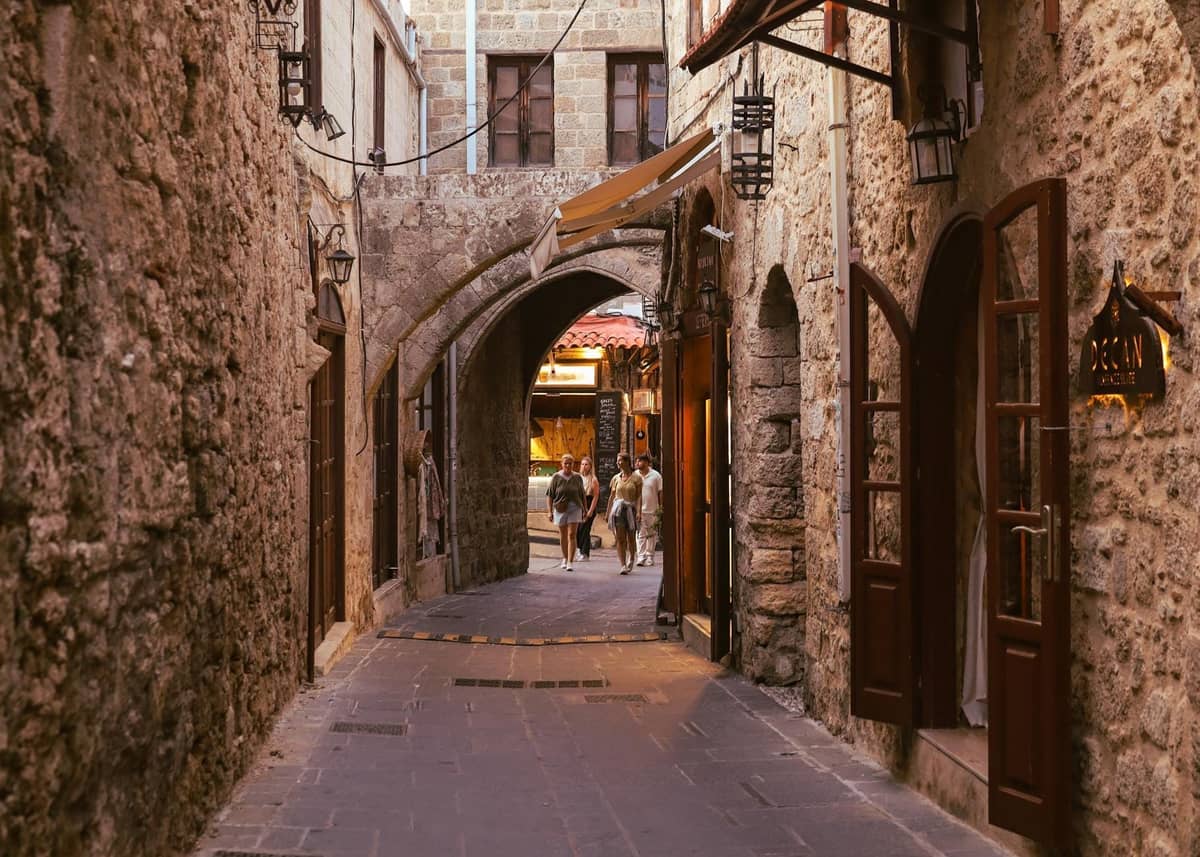
Encircled by formidable medieval fortifications, the Medieval City of Rhodes is a UNESCO World Heritage Site and one of the island’s defining experiences. Enter through its gates and the scale of the city becomes clear: stone lanes lead past courtyards, churches, small shops and quiet squares, while arches and façades reveal the many periods that have shaped the settlement.
The Street of the Knights is among the most evocative routes through the historic centre. Its stone buildings recall the era of the Knights Hospitaller, who occupied Rhodes from 1309 to 1523 and transformed the city into a fortified stronghold. Nearby, the Palace of the Grand Master stands as a commanding landmark. Its monumental rooms and imposing exterior convey the military and political power once concentrated here. Check official opening arrangements before visiting, as access and schedules can change.
The Old Town is more than a sequence of monuments. The Lower Town’s streets reveal the coexistence of Gothic, Ottoman and later influences, while shops, cafés and everyday neighbourhood life bring the historic setting into the present. Look into small courtyards, pause in a shaded square and allow time for unplanned turns rather than following a checklist.
Visit early or later in the day, when the light softens and the lanes can feel more intimate. Comfortable shoes are essential: the surfaces are often uneven, and the pleasure of exploring comes from moving slowly rather than rushing between landmarks. Treat the Old Town as a living neighbourhood as well as a heritage site, and be respectful of residents and places of worship.
Mandraki Harbour and the Waterfront
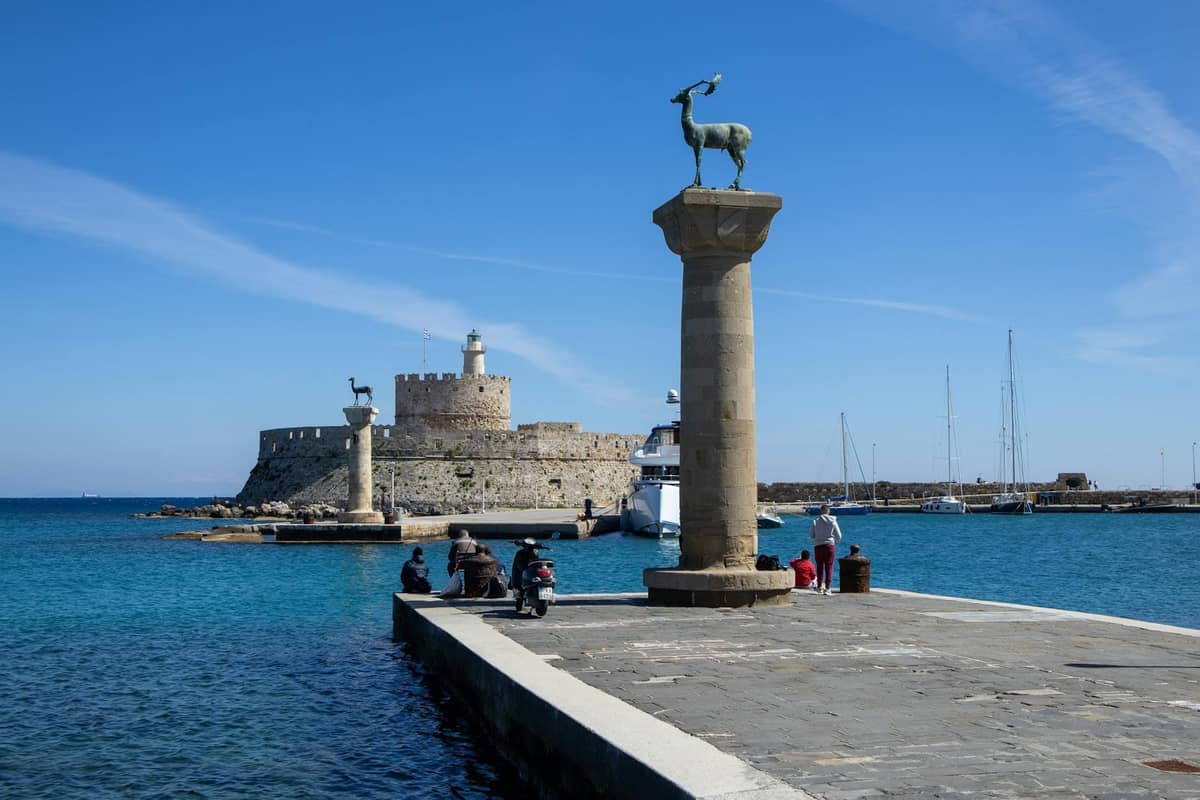
Mandrake Harbour offers a more open view of Rhodes, with fishing boats, excursion vessels and waterfront promenades framed by historic buildings. The harbour is closely associated with the island’s maritime identity and provides a natural transition between the walled city and the wider coastline. Take time to watch the movement of boats and the changing light across the water rather than treating the harbour as a quick photo stop.
The waterfront is a pleasant place for a relaxed walk, a coffee or an early-evening pause. It can also be a starting point for comparing boat excursions, although routes and departures depend on the season and sea conditions. If a sailing day is central to your plans, confirm the operator, itinerary, inclusions and weather policy in advance. Do not assume that every cruise visits the same coves or includes swimming stops.
Lindos: Whitewashed Lanes Beneath the Acropolis
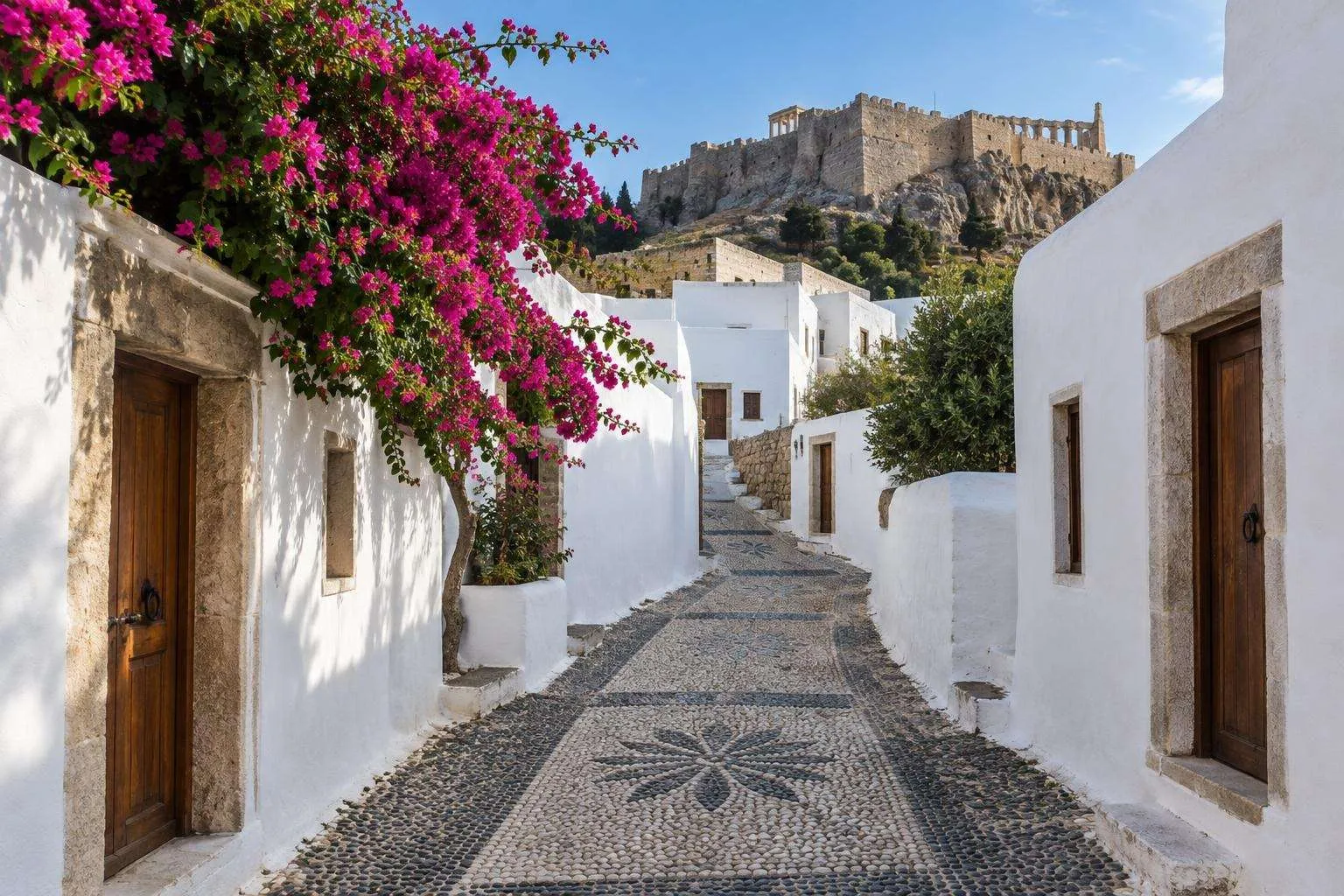
On the island’s southeastern coast, Lindos offers a different architectural mood. Whitewashed houses cluster beneath a rocky height crowned by the Acropolis, while narrow pedestrian lanes wind between courtyards, boutiques and small places to eat. From above, the coastline opens into clear bays and pale beaches; within the village, the experience is more intimate, defined by shade, stone and the rhythm of walking.
The Acropolis of Lindos brings together layers of history, including the sanctuary of Athena Lindia and remains from later periods. The climb follows a cobbled route through the village and can be steep and exposed. Visit during cooler hours, wear suitable footwear and carry water. Check current opening hours, ticketing and access arrangements through official heritage information before setting out.
After exploring the Acropolis and village, allow time by the sea. St Paul’s Bay is known for its distinctive sheltered shape, while other nearby beaches offer different combinations of sand, facilities and watersports. Lindos can be busy during peak season, so an early arrival—or an overnight stay nearby—can create a more unhurried experience. Keep the visit flexible rather than trying to fit the village, archaeological site and several beaches into a single rushed afternoon.
The Coastline: Bays, Beaches and Open Water
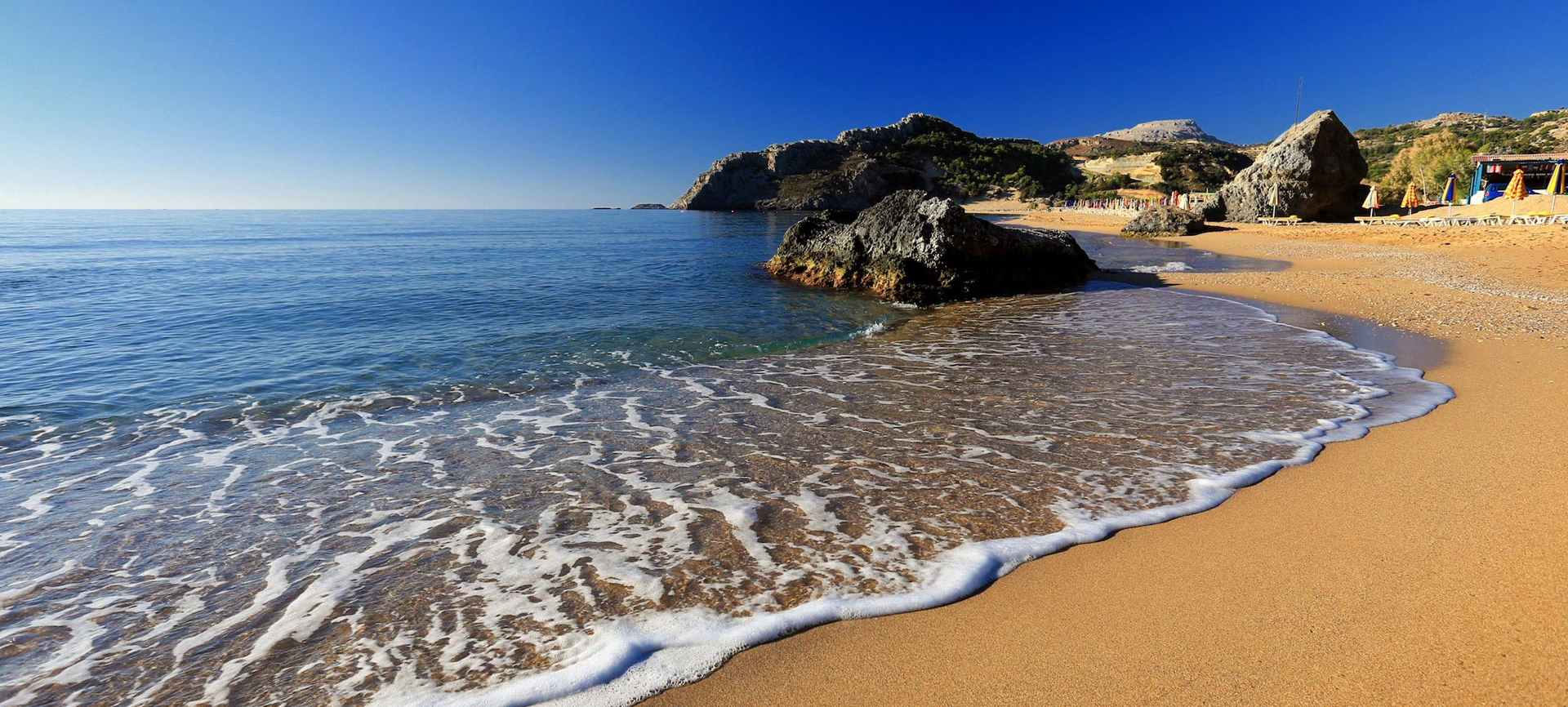
Rhodes has a varied coastline, and the right beach depends on the kind of day you want. The eastern shore is often the more sheltered choice for swimming, with resort areas and coves offering different levels of activity. Anthony Quinn Bay is known for its rocky setting and clear water; Tsambika is associated with a broad sandy beach beneath the surrounding hills; and the beaches around Lindos combine scenic views with access to the village.
Further south, the coast becomes more spacious. Prasonisi, at the island’s southern tip, is particularly associated with wind and watersports. Conditions can appeal to experienced windsurfers and kitesurfers, but the wind and sea should guide any activity. Visitors who simply want to see the landscape can enjoy its striking meeting of coastlines without entering the water.
The western coast is often breezier and can feel different from the more sheltered east. This contrast matters when choosing where to swim or stay: a beach that is comfortable one day may be less inviting the next. Ask locally about wind direction and sea conditions, use designated swimming areas and book watersports through reputable operators.
Rhodes is large enough that beaches should be planned by region rather than treated as interchangeable stops. Choose one stretch of coast for the day, leave room for a long lunch, and avoid spending the entire holiday travelling between distant bays. If a beach has limited facilities, bring water, sun protection and anything else you may need.
Beyond the Best-Known Stops
Rhodes rewards travellers who leave the busiest coastal centres for a while. Inland villages and countryside offer a slower island rhythm, with traditional cafés, stone houses, chapels and agricultural landscapes. The Valley of the Butterflies is a well-known natural area whose seasonal character depends on the time of year; follow local guidance and avoid disturbing wildlife.
At Embonas, the island’s agricultural side comes into focus through village life and local wine traditions, with the surrounding countryside providing a change of pace from the coast. A visit can pair well with a relaxed lunch and a drive through the interior. Check opening hours and arrange transport in advance, particularly if you plan to visit wineries or enjoy wine with a meal.
These detours add balance to a Rhodes itinerary. They shift attention away from the familiar postcard views and towards the island as a place with working landscapes, local customs and everyday routines. If time allows, choose one inland excursion rather than trying to cross the island several times in a single day.
Experiences That Make Rhodes Feel Personal
A Slow Walk Through the Old Town. Begin before the busiest hours, when stone lanes and courtyards feel especially atmospheric. Choose a few historic sites, then let the smaller details fill the spaces between them.
A Private Day on the Water. A private or small-group boat outing can reveal coves and coastal perspectives that are difficult to appreciate from land. Set the route according to weather, swimming conditions and the operator’s advice, and leave time for a relaxed meal rather than packing in too many stops.
A Long Lunch in Lindos. After exploring the village and Acropolis, take time for a shaded lunch and an unhurried walk back through the lanes. The experience is as much about pace and setting as it is about the view.
A Taste of the Island’s Interior. Explore a village, ask about regional dishes and local wine, and allow the countryside to become part of the journey. Book tastings ahead where needed and arrange transport if you plan to drink.
The Flavours of Rhodes
Rhodes’s food culture reflects its position at a crossroads of the eastern Mediterranean. Traditional tavernas, family-run eateries and contemporary restaurants offer different ways to explore local ingredients and island recipes. Look for seasonal vegetables, grilled seafood, local cheeses, olive oil, herbs and dishes shaped by long-standing home-cooking traditions.
Seek out local specialities such as pitaroudia, savoury chickpea fritters, and ask about seasonal dishes rather than ordering only familiar favourites. Menus and recipes vary between kitchens, so a conversation with the people preparing the food can be as rewarding as the meal itself. Local wines offer another way to explore the island’s agricultural traditions.
In the Old Town, dining comes with the atmosphere of historic streets; along the coast, the sea may be part of the setting; inland, a village meal can provide a more grounded sense of place. For sought-after restaurants in summer, reserve ahead, particularly for sunset tables or larger groups. At the same time, leave room for a spontaneous stop: some of the most satisfying meals are the ones that interrupt an over-planned day.
Curated Luxury Stays
Rhodes offers several different interpretations of luxury, from a refined base near the medieval centre to hillside retreats above the sea and full-service beachfront resorts. The best choice depends on whether your priority is cultural exploration, privacy, wellness, family-friendly facilities or the ease of having much of the holiday experience on site.
Rodos Park — Rhodes Town
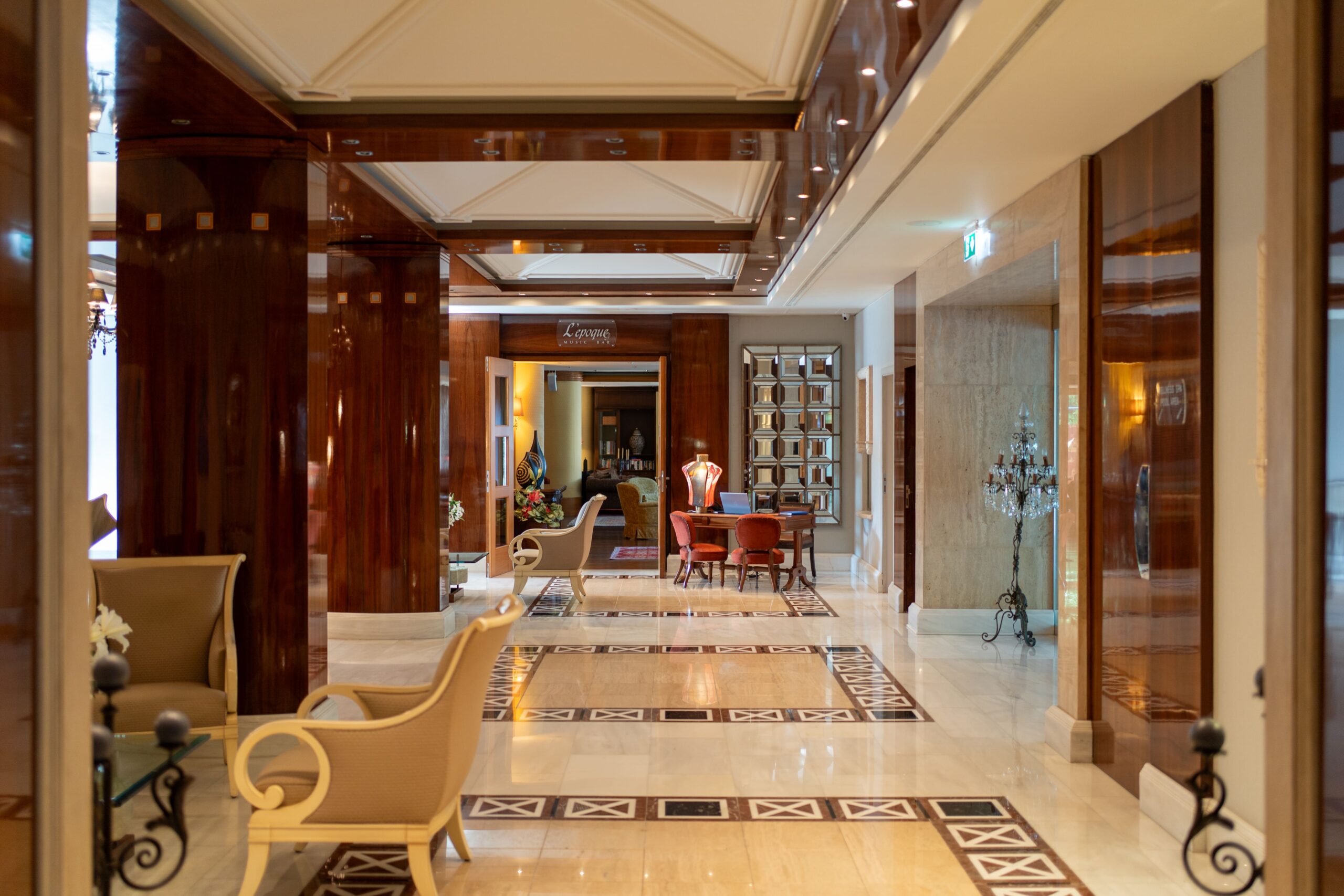
Set near the historic centre, Rodos Park is a strong option for travellers who want to explore the Medieval City, restaurants and evening streets without making every outing a long transfer. Its boutique-hotel positioning offers a different rhythm from a large beach resort: the emphasis is on a town-based stay, with the heritage district close at hand. This is a practical choice for a short cultural escape or for travellers who intend to combine the Old Town with selected excursions around the island.
Best suited to: guests who prioritise Rhodes Town, history and dining over a resort built around direct beach access. Before booking, confirm the current room category, restaurant and wellness facilities, seasonal operation and transfer options directly with the hotel.
Lindos Blu Luxury Hotel & Suites — Vlycha Bay
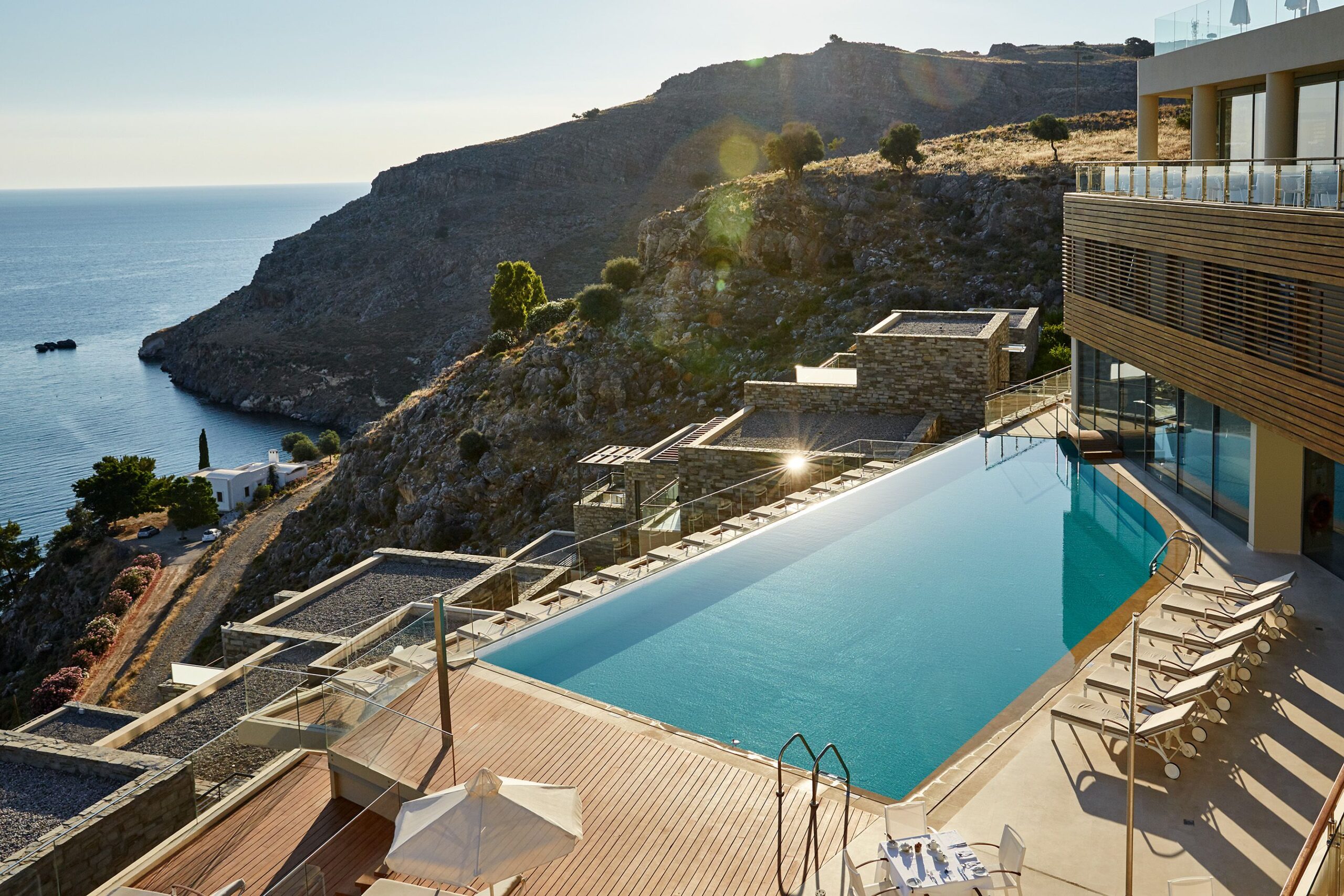
Built into the hillside above Vlycha Bay, Lindos Blu is an adults-only retreat shaped around sea views, terraces and a quieter atmosphere near Lindos. The property’s official information highlights its hillside design, beach access, pools, spa, fitness facilities and restaurants. Its setting can suit couples who want a considered resort experience while remaining close enough to explore Lindos and its Acropolis.
The hillside layout means that routes around the property may involve steps, lifts and changes in level, so travellers with mobility needs should confirm suitability for their particular room and preferred facilities. The hotel is seasonal and has an age policy; check the current opening period and minimum-age requirements before booking.
Best suited to: couples and adults seeking a scenic, design-conscious retreat with access to Lindos. It is less appropriate for travellers who want to stay inside the historic village or who prefer a lively, family-focused resort.
Elysium Resort & Spa — Kallithea
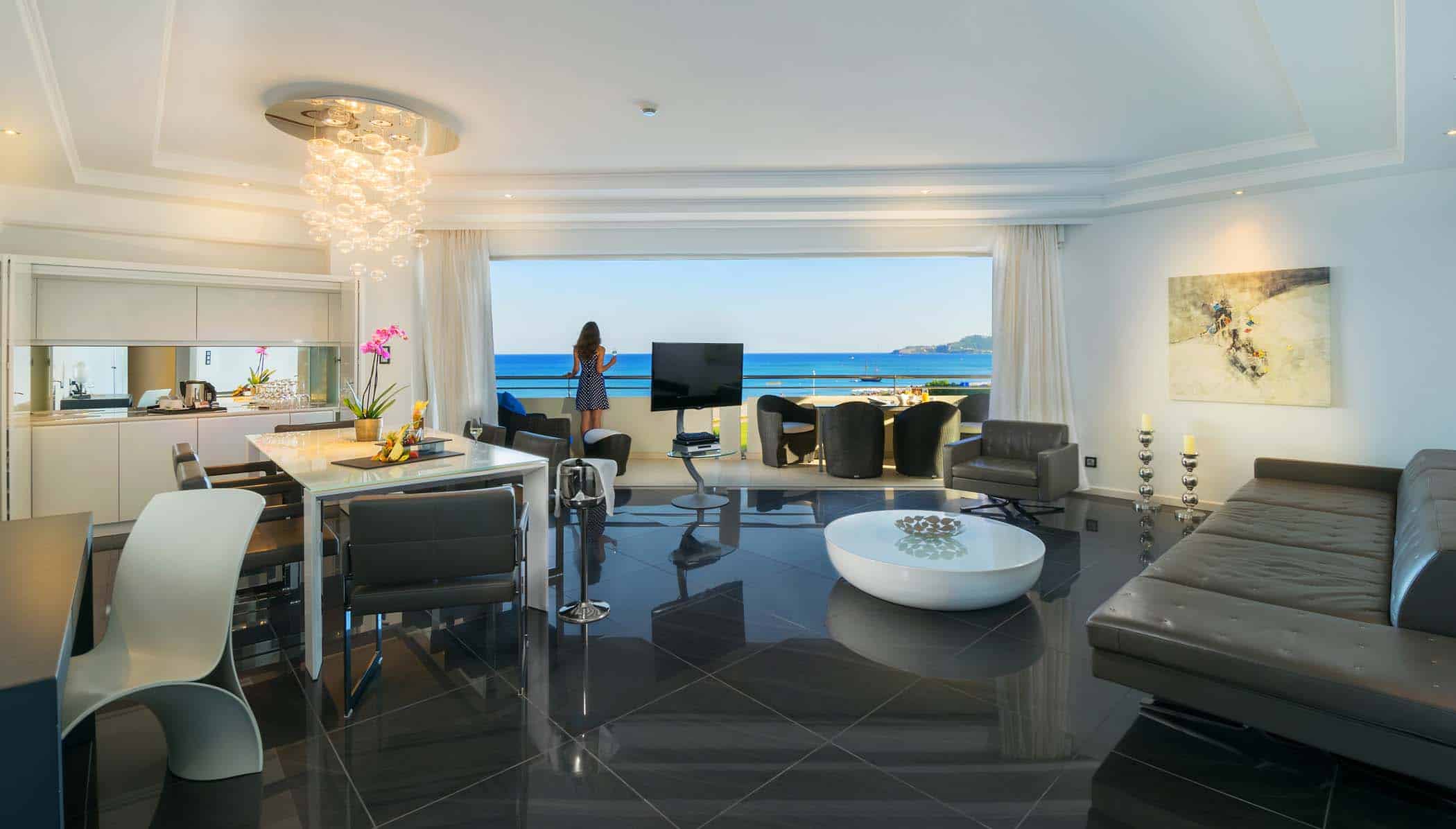
Elysium Resort & Spa occupies a beachfront position near Kallithea Springs on Rhodes’s eastern coast, around eight kilometres from Rhodes Town according to the property. Its official overview describes a contemporary resort with a long Blue Flag-awarded beach, lagoon-style pool and a substantial spa offering treatments and wellness facilities. This combination makes it a compelling choice for travellers who want beach time and restorative facilities without giving up access to the island’s main historic centre.
The resort is a different proposition from a small boutique hotel: guests may spend a significant part of the holiday on the property, moving between the beach, pools, dining and spa. Confirm which spa facilities carry additional charges, what is included in the selected rate, and whether seasonal services will be available during your dates.
Best suited to: travellers who value beachfront convenience, wellness and a full-service resort environment, while keeping Rhodes Town within reach by road.
Mitsis Selection Alila — Faliraki area
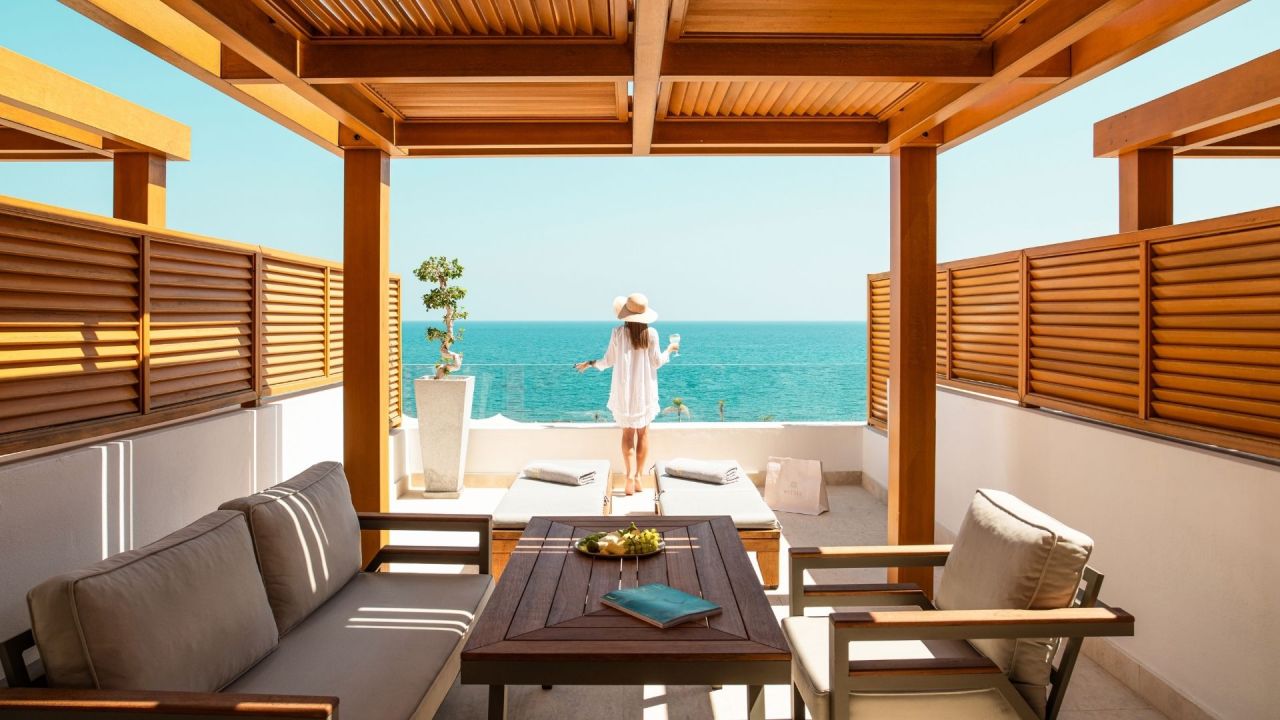
Mitsis Selection Alila offers a broad, resort-led approach to a Rhodes stay. Its official property information lists extensive guest services, dining and recreation, making it a potential fit for travellers who appreciate having many facilities and organised experiences in one place. This is not the same kind of escape as a boutique hotel near the Medieval City or a quieter adults-oriented retreat above Vlycha Bay; its appeal is the convenience and range of a larger resort.
Because inclusions can vary by room type, offer and booking channel, review the exact terms before reserving. Check which restaurants require advance booking, whether selected experiences or transfers are included in your rate, and which services incur an additional charge. The property’s official offers are date-specific and should not be assumed to apply to every stay.
Best suited to: travellers who prefer a full-service resort with numerous on-site options. Those seeking quiet seclusion or a walkable historic setting may prefer a different base.
Choosing the Right Base
Rhodes Town is practical for history, dining and evening walks. Lindos and nearby bays suit travellers who want a scenic coastal setting, while larger resort areas can provide extensive facilities and organised beach access. The island’s size makes location especially important: consider how often you want to travel, whether you will hire a car, and whether your priority is cultural exploration, beach time or a blend of both.
Do not select a hotel by photographs alone. Compare the exact room or suite category, location within the property, beach access, meal arrangements, transfer needs and cancellation terms. Verify seasonal opening dates and facilities directly with the hotel before publication or booking.
When to Visit Rhodes
Late spring and early autumn often provide a comfortable balance for exploring historic sites, villages and the coast. Summer brings long days, warm sea temperatures and the fullest range of seasonal services, but it also brings higher demand and busier attractions. July and August can be particularly hot, making early starts, shade and regular water breaks valuable.
Spring can be rewarding for walking and countryside excursions, while September and early October may suit travellers who want a more measured pace while retaining a summery atmosphere. Weather varies each year, and some hotels, restaurants and boat services operate seasonally. Confirm opening dates, transport schedules and access to archaeological sites before finalising a trip.
For the Old Town and Lindos, plan outdoor sightseeing for the cooler parts of the day and leave the hottest hours for lunch, a swim or a break. If your priorities are quieter streets and cultural exploration, shoulder-season dates may be more comfortable than the busiest weeks of summer.
A Four-Day Rhodes Itinerary
Day One — Rhodes Town and the Medieval Centre. Explore the Old Town, the Street of the Knights and the Palace of the Grand Master, checking official opening arrangements in advance. In the late afternoon, walk towards Mandraki Harbour and enjoy dinner near the waterfront.
Day Two — Lindos and the Eastern Coast. Arrive in Lindos early, explore the village and visit the Acropolis if conditions and access allow. Spend the afternoon at a nearby bay, then return at a relaxed pace. Avoid scheduling too many distant beaches on the same day.
Day Three — A Day on the Water. Choose a reputable boat excursion or spend the day at a beach that matches your preferred atmosphere. Let sea conditions guide the plan and leave space for a long lunch. Confirm the route and cancellation policy before departure.
Day Four — Inland Rhodes. Explore a village or the countryside, perhaps including Embonas if it fits your interests and transport plan. Return with time for a final walk or meal in Rhodes Town. If you prefer a slower holiday, use this day for a second beach or a longer stay in Lindos.
Before You Go
Rhodes is bigger than it may appear on a map, so plan excursions by area and allow realistic travel time. A hire car can be useful for exploring beaches and villages, while taxis, transfers and organised excursions may suit travellers who prefer not to drive. Confirm transport options for your accommodation, particularly if you are staying outside the main towns.
Book popular hotels and selected restaurants ahead during high season. For the Old Town and the Acropolis at Lindos, comfortable footwear and water are essential; exposed archaeological sites can be hot, and some paths are uneven or steep. Check official site opening hours and ticket information close to your visit, as schedules and access can change.
For boat trips and watersports, use reputable operators and follow local advice on weather and sea conditions. Bring sun protection, respect heritage sites and local communities, and avoid trying to cover the entire island in a single day. Rhodes is best experienced with a thoughtful plan and enough room for spontaneity.
Frequently Asked Questions
Is Rhodes suitable for a luxury cultural holiday?
Yes. Rhodes combines a UNESCO-listed medieval city, archaeological sites, coastal scenery, village life and a range of boutique hotels and full-service resorts. The best base depends on whether you want to prioritise heritage, beach time or both.
How many days should I spend in Rhodes?
Four days is a useful introduction to Rhodes Town, Lindos, a beach or boat day and a short inland excursion. A longer stay allows more time to explore the coast without repeatedly travelling across the island.
What is the best area to stay in Rhodes?
Rhodes Town suits travellers focused on history and restaurants. Lindos and nearby bays offer a scenic coastal atmosphere, while areas such as Kallithea and Faliraki provide larger resort options. Choose based on transport preferences and the pace you want.
When is the best time to visit Rhodes?
Late spring and early autumn often balance comfortable sightseeing weather with a less intense pace than peak summer. July and August are livelier but can be hot and busy. Check seasonal hotel and attraction schedules before booking.
Can I visit Lindos and Rhodes Town in one day?
It is possible, but it can feel rushed, especially if you want to explore the Acropolis and village properly. If time allows, dedicate separate blocks of time to each, or stay overnight near Lindos for a slower experience.
Do I need a car in Rhodes?
Not necessarily if you plan to stay in Rhodes Town and take selected organised excursions. A car can provide greater flexibility for remote beaches and inland villages, but compare parking, distances and local transport options before deciding.
Are the luxury hotels open all year?
Do not assume so. Many island properties and services operate seasonally. Confirm the exact opening dates, facilities and services for your travel dates directly with the hotel.
Continue Your Journey Through Greece
Rhodes reveals a Greece shaped by medieval walls, maritime history and long stretches of coastline, but each destination offers its own perspective on the country. In Santorini, villages cling to the volcanic caldera, with striking views and an intimate island atmosphere. Crete opens into a world of Venetian harbour towns, mountain landscapes and deeply rooted culinary traditions. For a journey into Greece’s ancient and contemporary heart, Athens brings monumental history, neighbourhood culture and a vibrant dining scene together beneath the Acropolis.
Taken together, these destinations show how richly varied Greece can be: from island coastlines and historic streets to a capital whose past remains part of its present.
The Luminara Perspective
Rhodes is most rewarding when its contrasts are allowed to coexist. Spend the morning among the stones of the Old Town, then exchange the close texture of its lanes for the openness of the sea. Give Lindos enough time to be more than a photograph, and leave one part of the itinerary free for a village, a quiet meal or an unexpected turn inland.
The island’s luxury is not limited to a view from a terrace or the comfort of a well-chosen hotel. It is the freedom to move between centuries and landscapes without hurry—to feel the weight of history, the warmth of the coast and the simple pleasure of a day that has room to breathe. That is the Rhodes worth discovering through Luminara Voyages.