The Essence of Rome
Rome does not reveal itself all at once.
At first, it arrives as the city everyone already knows: the Colosseum rising above the ancient centre, the Pantheon opening its great oculus to the sky, Bernini’s fountains, Michelangelo’s masterpieces, the warm stone of palazzi and the eternal movement of people through its piazzas.
Then the surface begins to change.
A side street leads to a tiny bar where an espresso is taken standing at the counter. A church door opens onto a Caravaggio. A quiet garden appears behind an unassuming façade. A trattoria in Testaccio serves a plate of pasta whose simplicity feels almost radical. At dusk, the city turns gold and the ruins seem less like monuments than fragments of an enormous living story.
This is the Rome worth travelling for.
Rome is ancient, but it is not a museum. It is Catholic and classical, aristocratic and irreverent, monumental and intensely local. Its layers overlap: ancient temples became churches, imperial roads became modern streets, Renaissance palaces stand beside contemporary cafés. The past is not preserved behind glass. It is embedded in everyday life.
The most rewarding Rome travel experience therefore asks for more than a checklist. It asks you to move between eras, neighbourhoods and moods.
See the ancient city. Then eat in the city that grew around it. Walk through the Baroque centre. Spend an afternoon in a private garden. Leave the historic core for Testaccio or the Appian Way. Return after dark and watch the same streets become something entirely different.
Rome is not simply eternal because it has survived.
It is eternal because it keeps becoming.
Rome at a Glance
Character: ancient, artistic, theatrical, intimate and unmistakably Roman
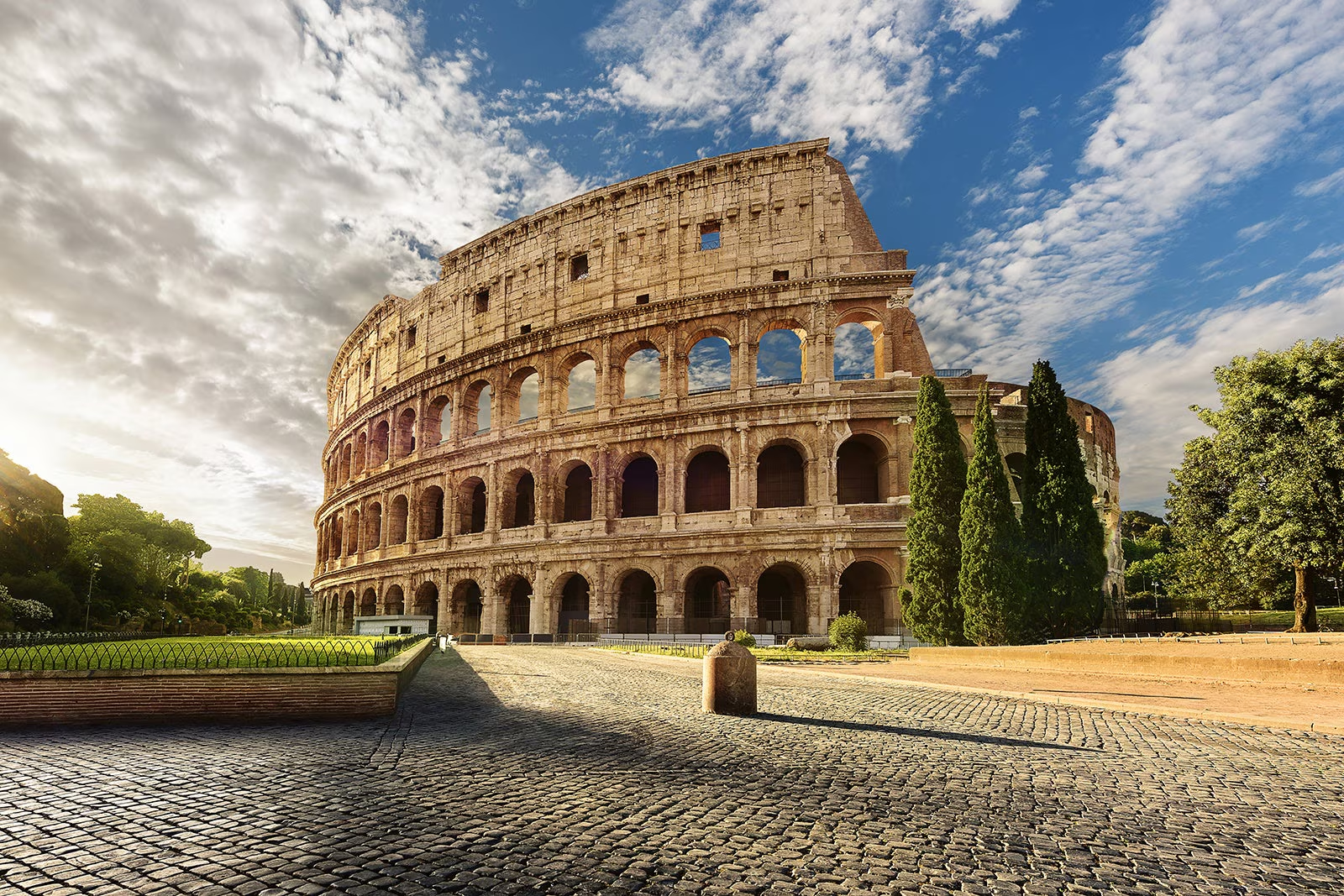
Known for: the Colosseum, Roman Forum, Pantheon, Vatican Museums, St Peter’s Basilica, fountains, piazzas, Baroque art and extraordinary cuisine
Historical identity: centre of the Roman Republic and Empire, later the capital of the Christian world, and ultimately the capital of modern Italy
UNESCO significance: the Historic Centre of Rome and related Holy See properties are inscribed for an exceptional concentration of artistic, architectural and historical testimony
Essential neighbourhoods: Centro Storico, Monti, Trastevere, Testaccio, Prati, Jewish Ghetto, Aventine and Villa Borghese
Signature foods: carbonara, cacio e pepe, gricia, amatriciana, Roman artichokes, supplì and traditional fifth-quarter dishes
Best luxury rhythm: early cultural visits, long lunches, late-afternoon walks, aperitivo and unhurried dinners
Ideal stay: four to seven nights for a first journey
Best approach: experience monumental Rome early, then spend increasing amounts of time in the Rome that belongs to its residents
Rome, Region by Region
Centro Storico — Rome in Full Light
For Rome travel, the historic centre is the essential beginning: Piazza Navona, the Pantheon, Trevi Fountain, Campo de’ Fiori, the Spanish Steps and the narrow streets that connect them.
This is the Rome of façades, fountains and sudden revelations. A walk can begin with an ancient column and end at a Baroque church whose interior feels like a theatre set.
Come early. The city is quieter, the light softer and the architecture easier to read. Then return later without a schedule. The magic of the centre lies partly in repetition: seeing the same piazza in morning light, afternoon heat and evening glow.
Ancient Rome — Empire in Stone
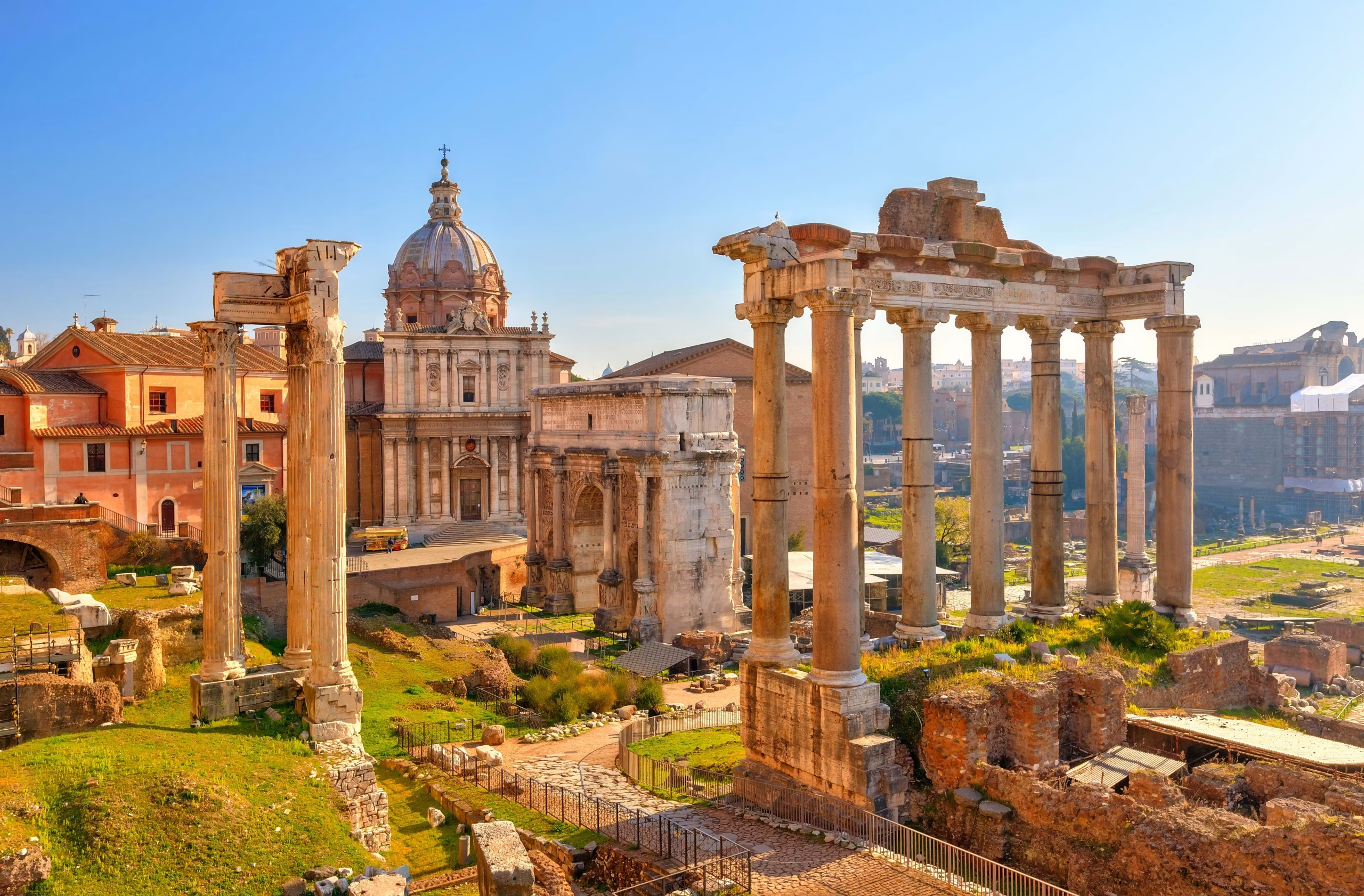
For Rome travel, the Colosseum, Roman Forum and Palatine Hill form the monumental heart of ancient Rome.
The scale is difficult to comprehend until you begin walking through it. Temples, basilicas, arches, roads and fragments of domestic life reveal a city that was not merely powerful but extraordinarily organised.
Do not rush this area. Give it a morning. A private archaeologist or expert guide can transform stones into political drama, engineering ambition and human stories.
Monti — The Ancient Neighbourhood with a Modern Pulse
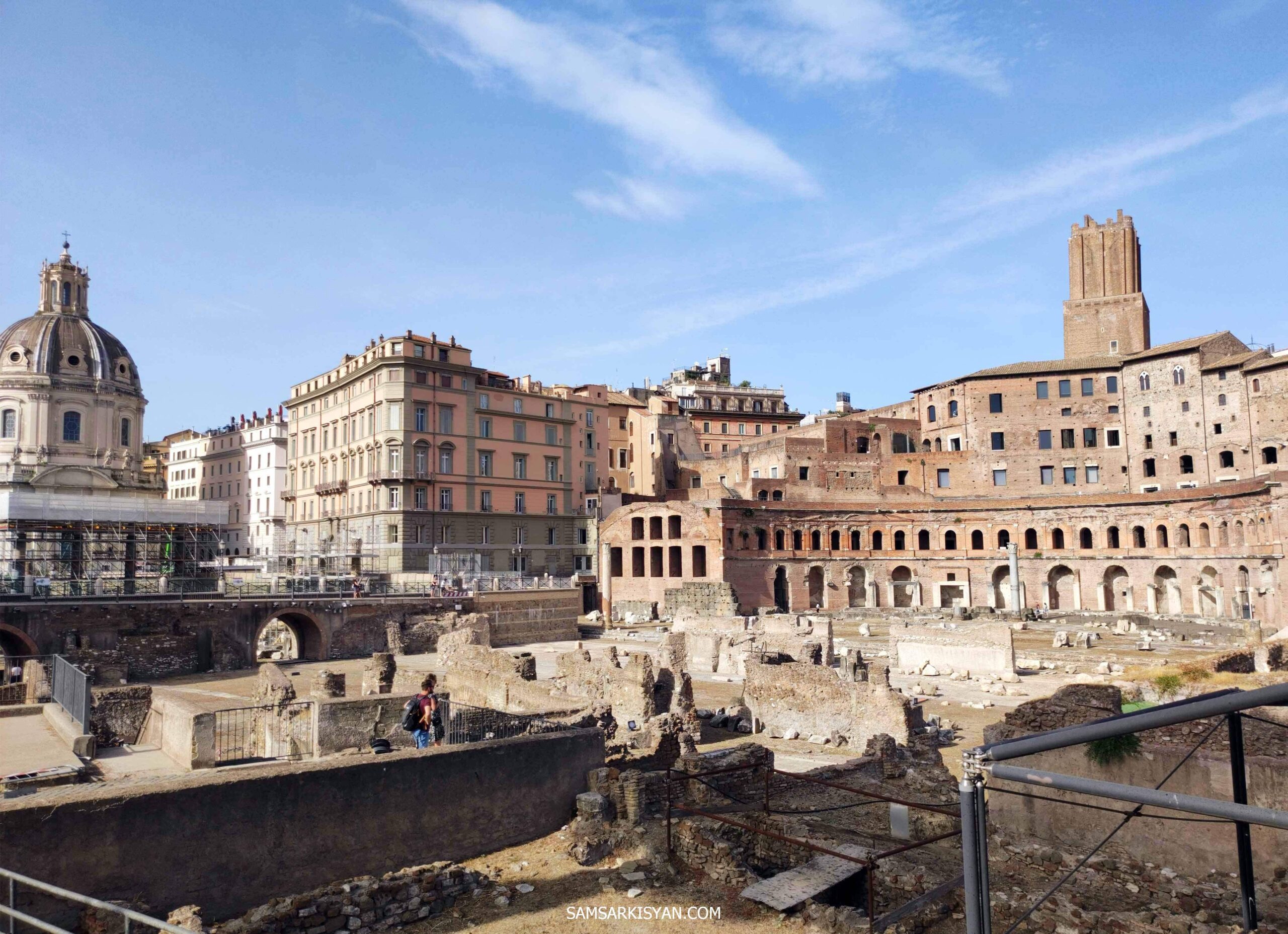
It is particularly appealing after the monumental centre because it allows the day to shift naturally from archaeology to contemporary life.
Trastevere — Rome After the Postcard
For Rome travel, across the Tiber, Trastevere is one of Rome’s most atmospheric districts. Its lanes, squares, trattorias and evening energy have made it beloved by visitors and Romans.
Come for Santa Maria in Trastevere, but stay for the streets around it. Let dinner become the evening rather than something squeezed between attractions.
Testaccio — The Soul of Roman Food
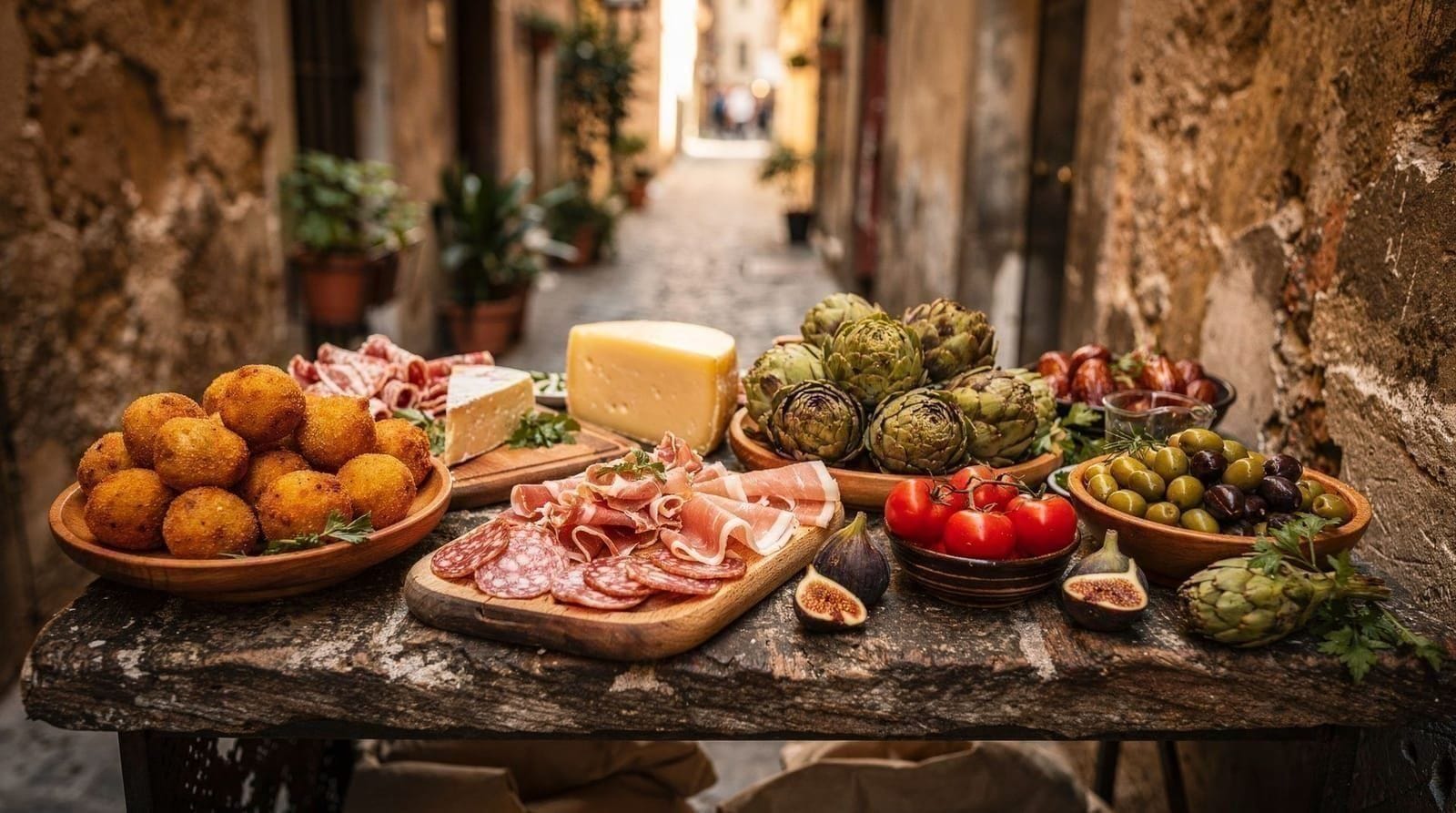
For Rome travel, Testaccio feels closer to the working history of Rome. The neighbourhood grew around the ancient river port and Monte Testaccio, the artificial mound created from discarded amphorae.
Today it remains one of the best places to understand the relationship between Roman food and everyday life.
Aventine & Orange Garden — Rome in Silence
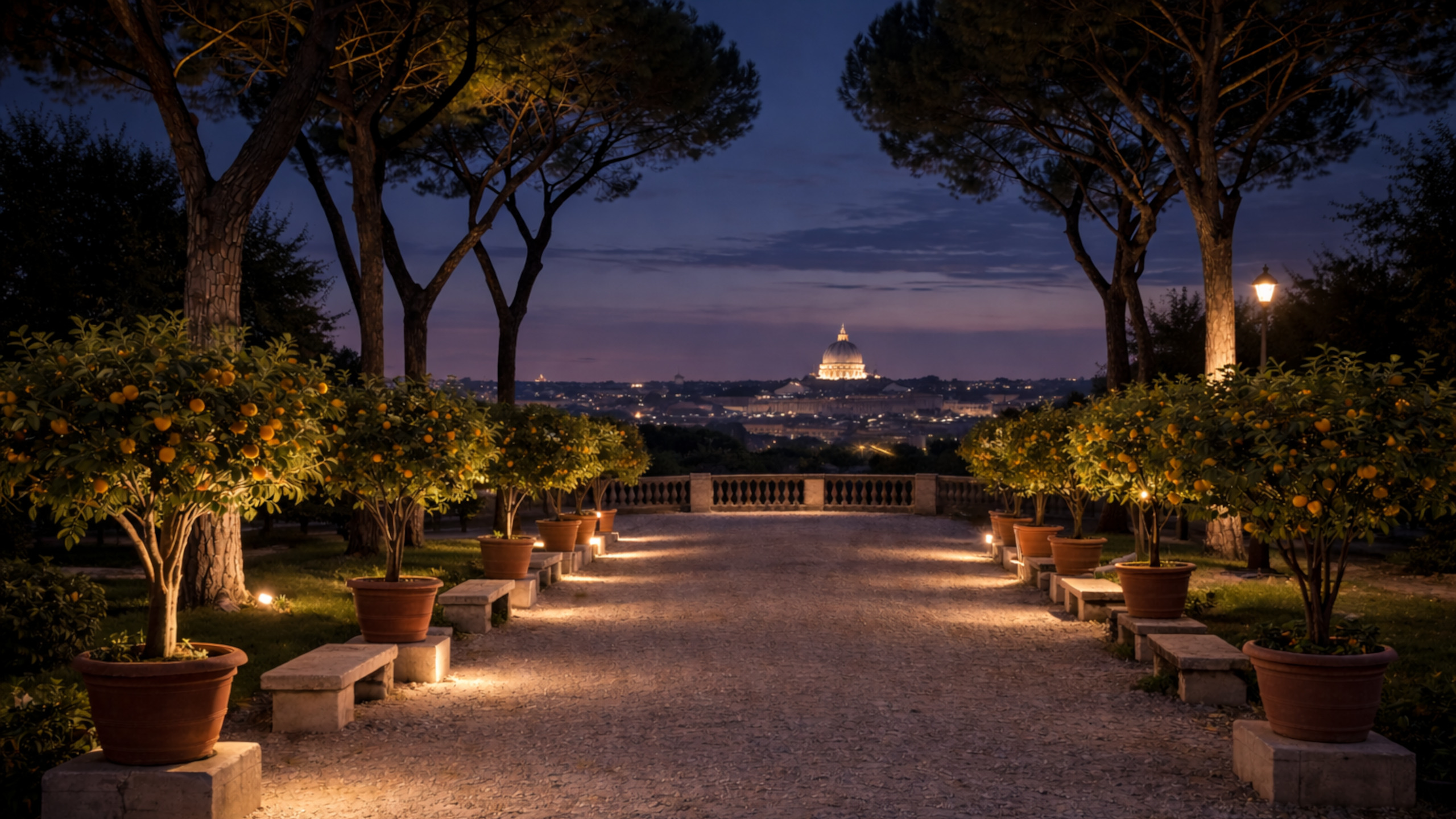
For Rome travel, for a quieter Rome, cross toward the Aventine. The Orange Garden offers a celebrated view toward the dome of St Peter’s, while the hill itself carries a more residential, contemplative atmosphere.
This is a good place to remember that Rome’s luxury is often measured in space, shade and time.
Villa Borghese & Pincio — Art and Air
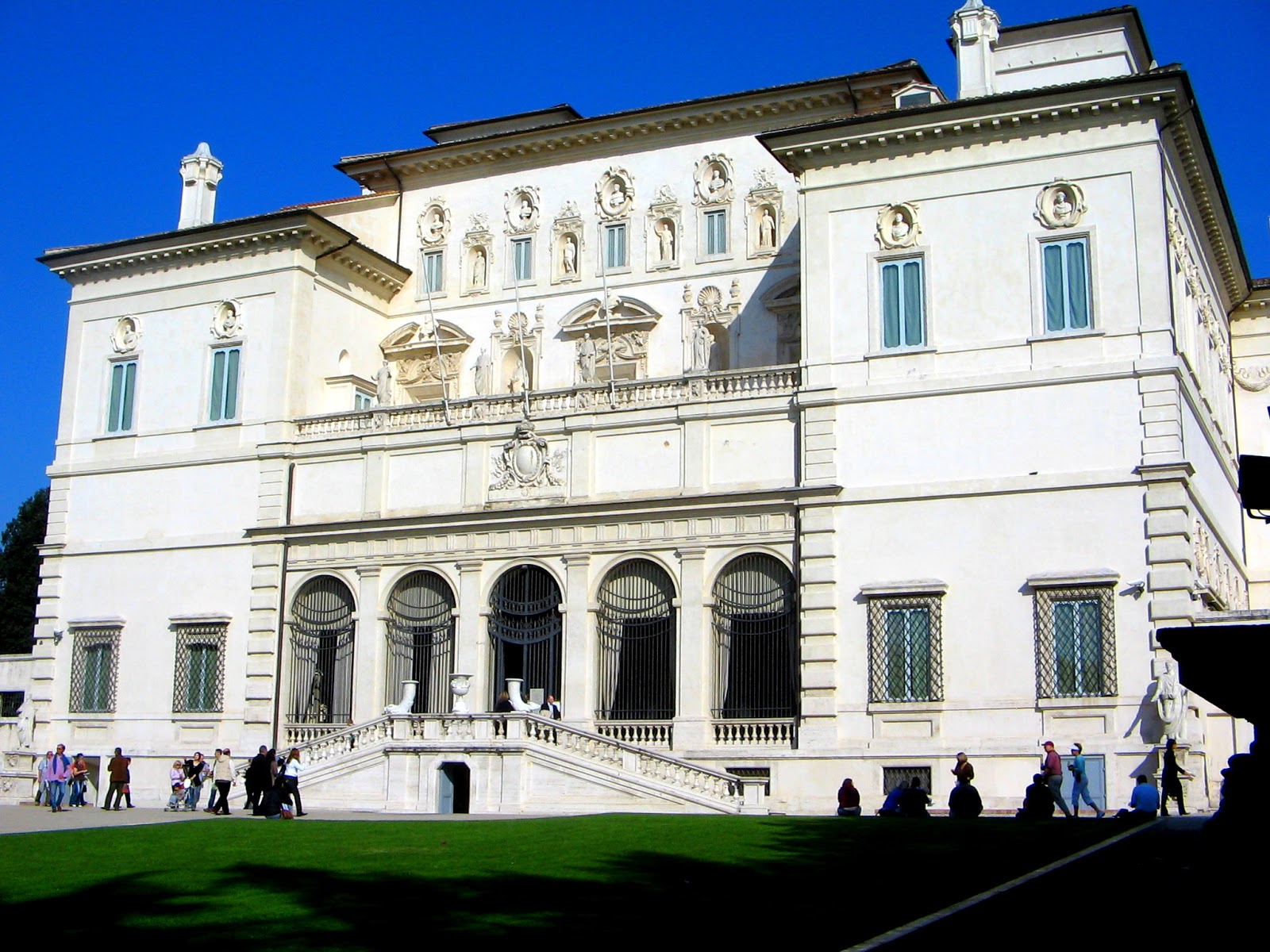
For Rome travel, Villa Borghese is one of the city’s great green spaces, with gardens, fountains, monuments and museums.
The Galleria Borghese contains celebrated works by Bernini, Canova, Caravaggio, Raphael and Titian.
Begin with art, then walk through the gardens toward the Pincio terrace.
Rome opens below you.
The Vatican & Prati — Sacred Rome
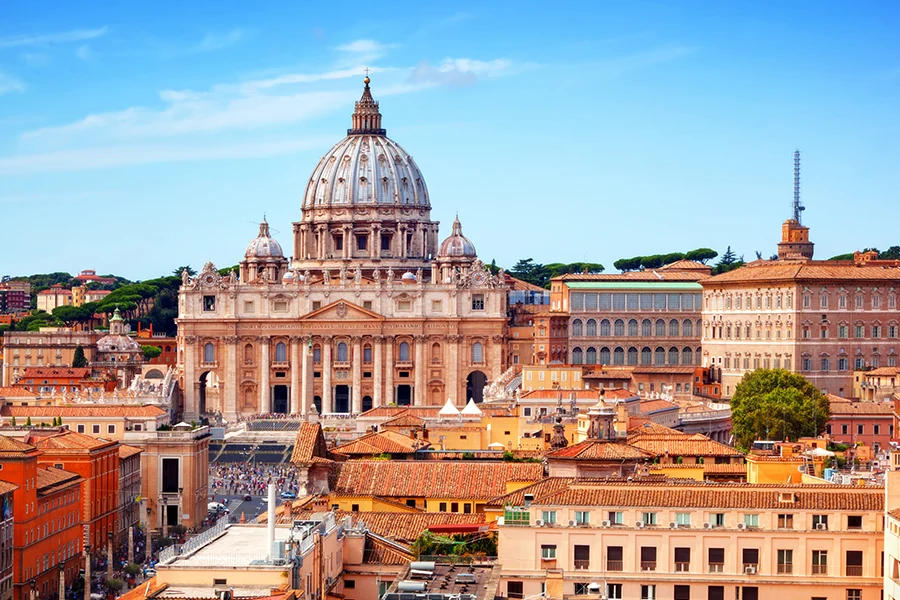
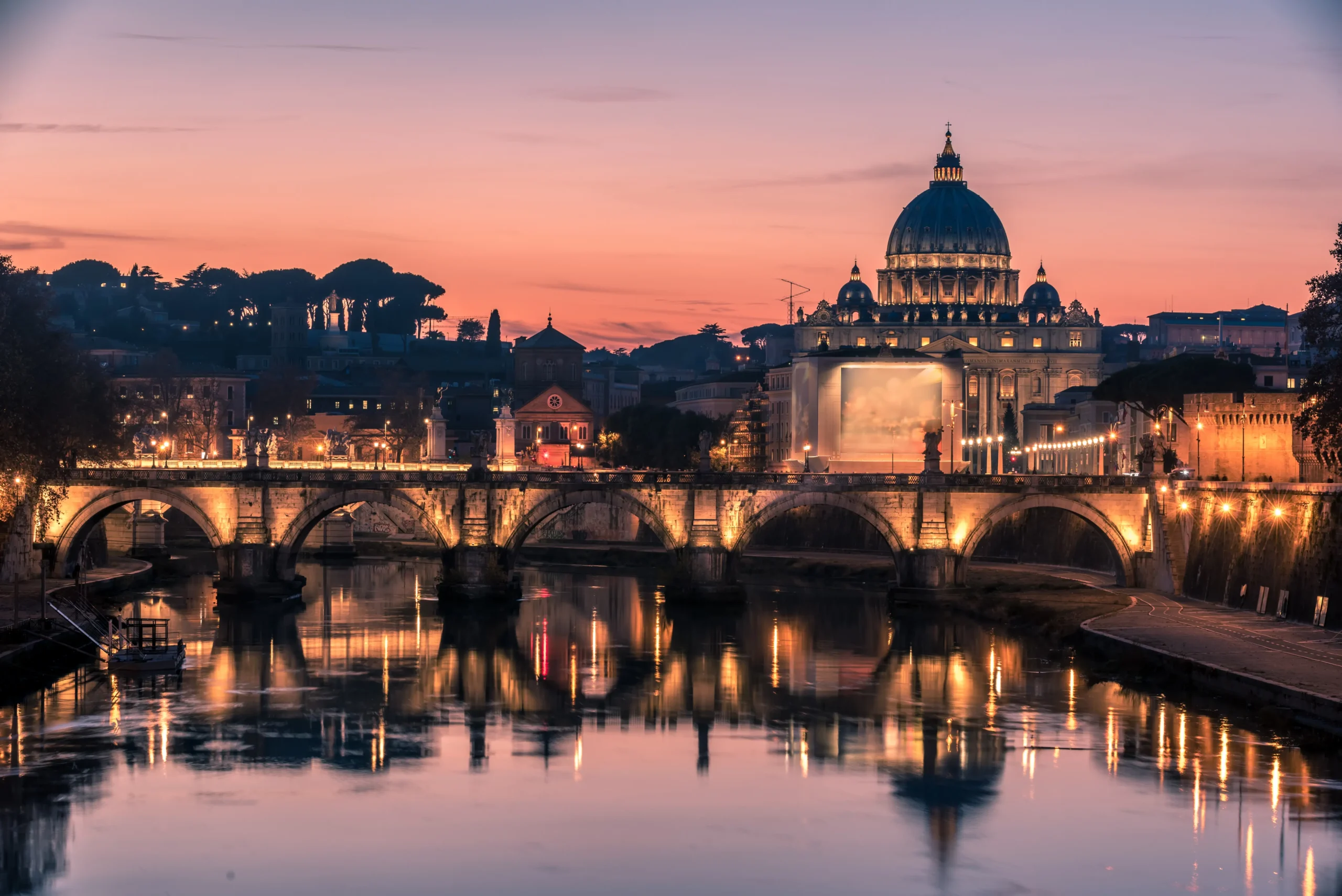
For Rome travel, Vatican City is a separate sovereign state within Rome, but its cultural presence is inseparable from the city’s identity.
The Vatican Museums, Sistine Chapel and St Peter’s Basilica form one of the world’s great concentrations of art and religious heritage.
Prati offers a more residential contrast, with elegant streets and restaurants.
Appian Way — Rome Beyond the Centre
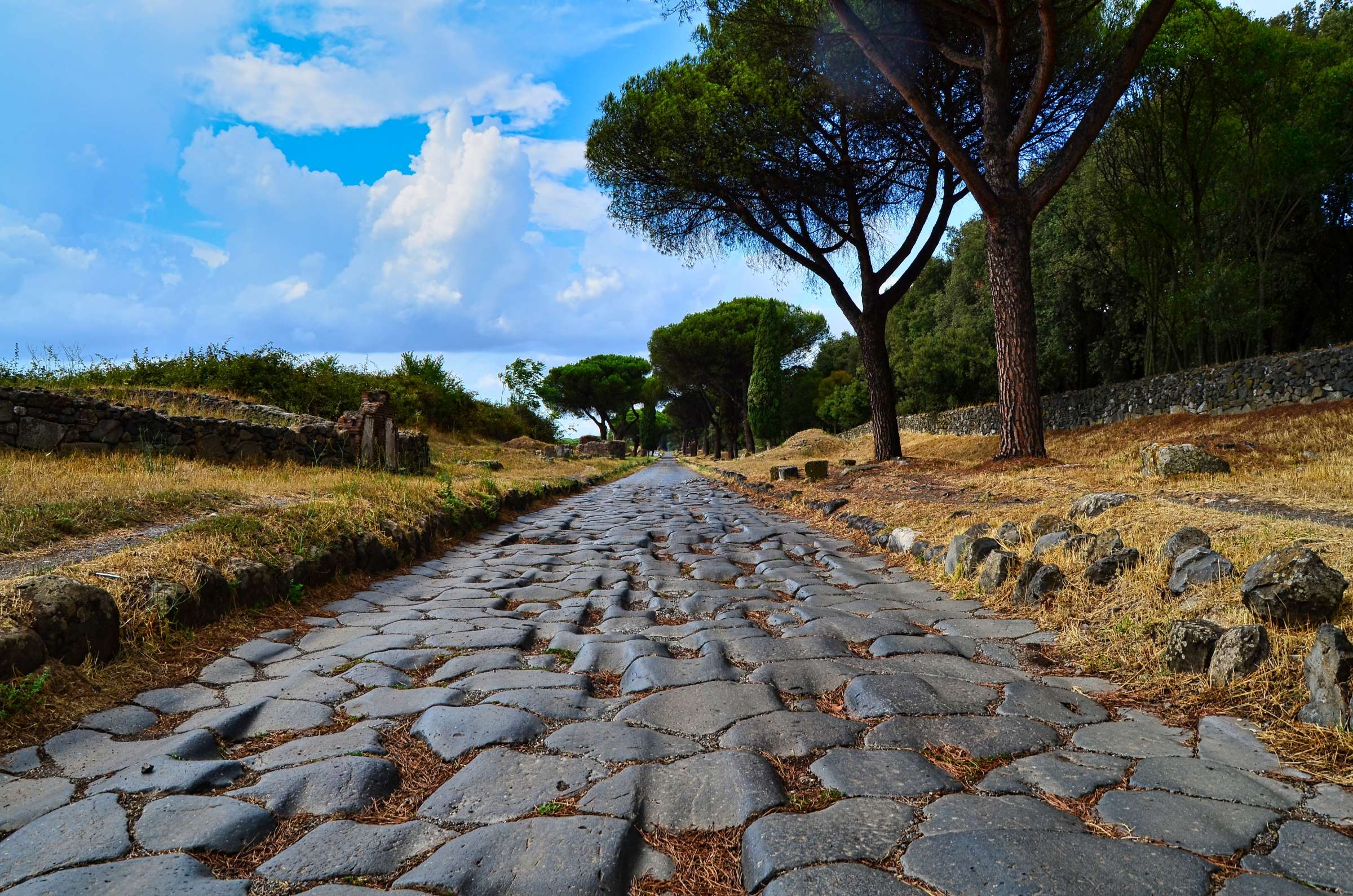
For Rome travel, the ancient Via Appia was created in 312 BC and became one of the Roman world’s great roads, eventually extending toward Brindisi.
Today, the Appian Way landscape combines archaeological monuments, catacombs, villas, greenery and long stretches that can be explored on foot or bicycle.
This is one of Rome’s finest counterpoints to the historic centre: open sky, ancient stone and the sense of a road continuing beyond the horizon.
The Story Behind Rome
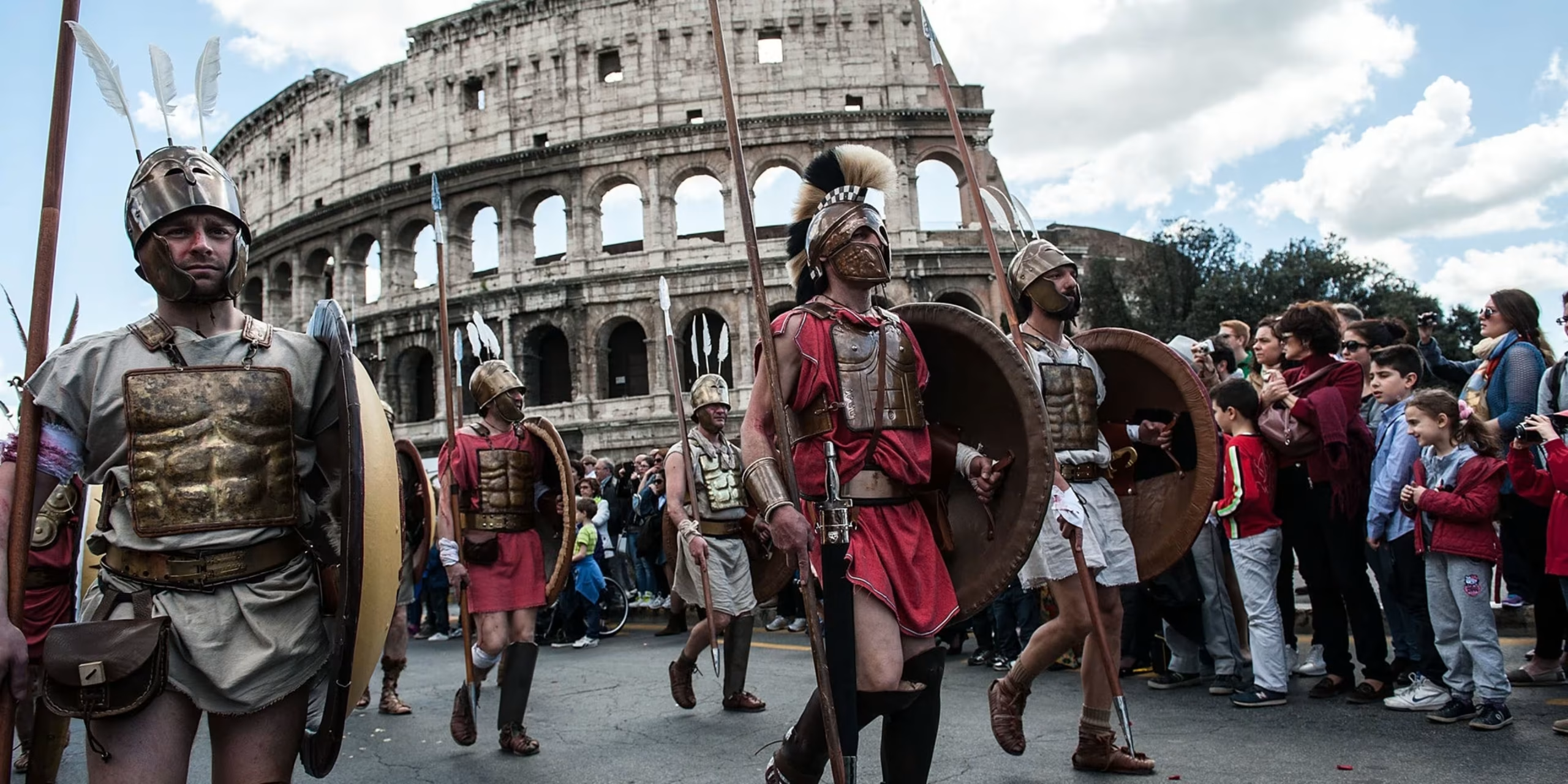
Rome is a city built through accumulation.
According to tradition, Rome was founded in 753 BC. From the Roman Republic to the Roman Empire, from the rise of Christianity to papal Rome, from Renaissance and Baroque transformation to the capital of unified Italy, the city has repeatedly reinvented its identity without erasing what came before.
The historic centre is an exceptionally complex and stratified urban landscape in which ancient, Christian, Renaissance and Baroque Rome coexist. Ancient forums and monuments sit alongside churches, palaces, fountains and modern city life.
The Pantheon is a perfect example.
The original temple was commissioned by Marcus Agrippa in 27 BC, while the building standing today largely reflects reconstruction under Hadrian between 118 and 125 AD. It was later consecrated as a Christian church, helping preserve it through centuries of change.
Rome’s story is therefore not a straight line.
It is a palimpsest.
The city has repeatedly taken the architecture, art and memory of one era and made them part of another.
Once you understand that, walking through Rome becomes less like sightseeing and more like reading a manuscript written across two and a half millennia.
The Rome You Came to See
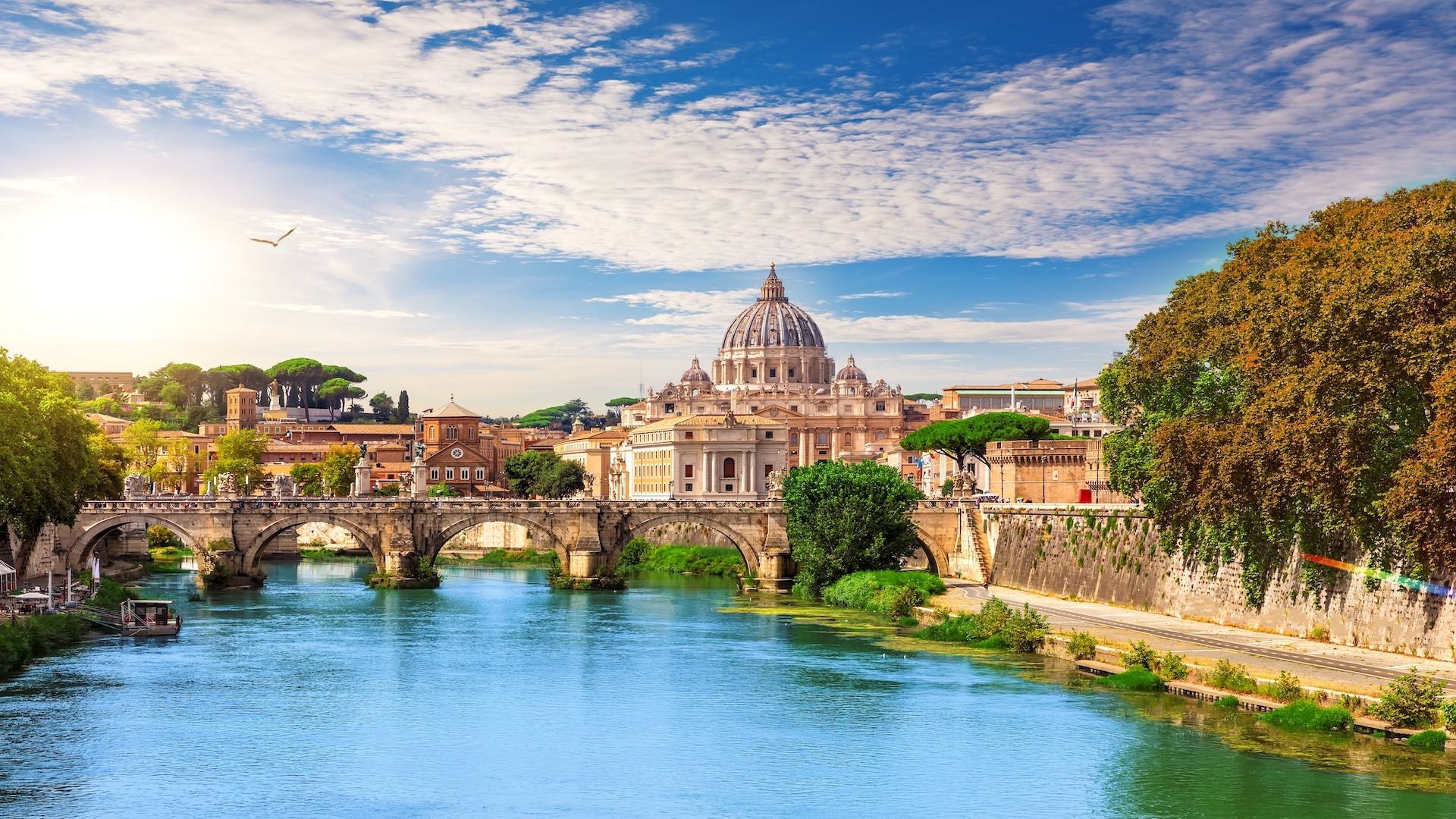
You came for the Colosseum.
For the first glimpse of the Trevi Fountain.
For the Pantheon’s impossible dome.
For the Vatican Museums.
For the Spanish Steps and the cinematic Rome of Fellini.
You should see them.
But the deeper pleasure comes after the obvious.
It is the espresso before the city fully wakes. The church you enter because its doors happen to be open. The small bakery with a queue of Romans. The long lunch that quietly becomes two hours. The evening walk when the stone façades catch the last light.
Rome travel becomes more rewarding when the famous places become anchors rather than the entire itinerary.
See the Colosseum, then disappear into Monti.
See the Vatican, then walk through Prati.
See the Pantheon, then turn away from the crowds and find a quiet palazzo courtyard.
See the Trevi Fountain at first light, then have breakfast while the city catches up with you.
The postcard is real.
The life behind it is better.
The Luminara Way
Rome should not be conquered.
It should be inhabited.
Our preferred rhythm is deliberately spacious: one major cultural experience in the morning, a long lunch, a period with no fixed agenda, and an evening that begins with a walk rather than a reservation.
Stay central enough to return to your room between chapters.
Use early access or private guiding where it meaningfully changes the experience.
Choose one exceptional museum rather than trying to see every gallery.
Give neighbourhoods time to reveal themselves.
Most importantly, allow Rome to remain slightly unfinished.
You do not need to see everything.
You need to remember how the city felt.
Iconic Experiences
The Colosseum & Ancient Rome
Enter the Colosseum and continue through the Roman Forum and Palatine Hill with an expert who can connect architecture to politics, engineering and daily life.
The Pantheon
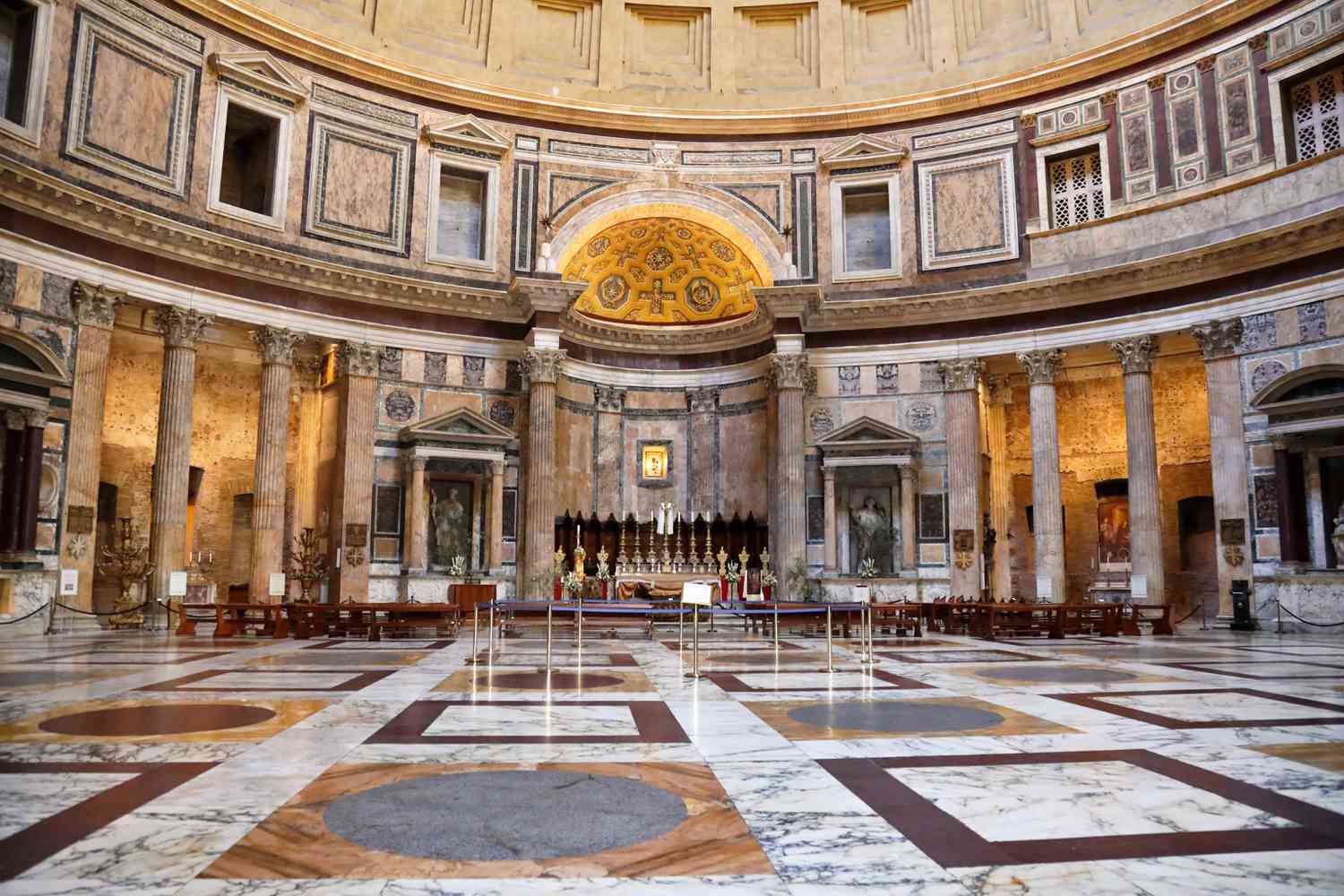
Come early enough to experience the interior without the full intensity of the day.
Look upward.
The oculus changes the way light moves through the building.
Trevi Fountain
Visit before breakfast, then return after dark.
The difference in atmosphere is remarkable.
The Vatican Museums & Sistine Chapel
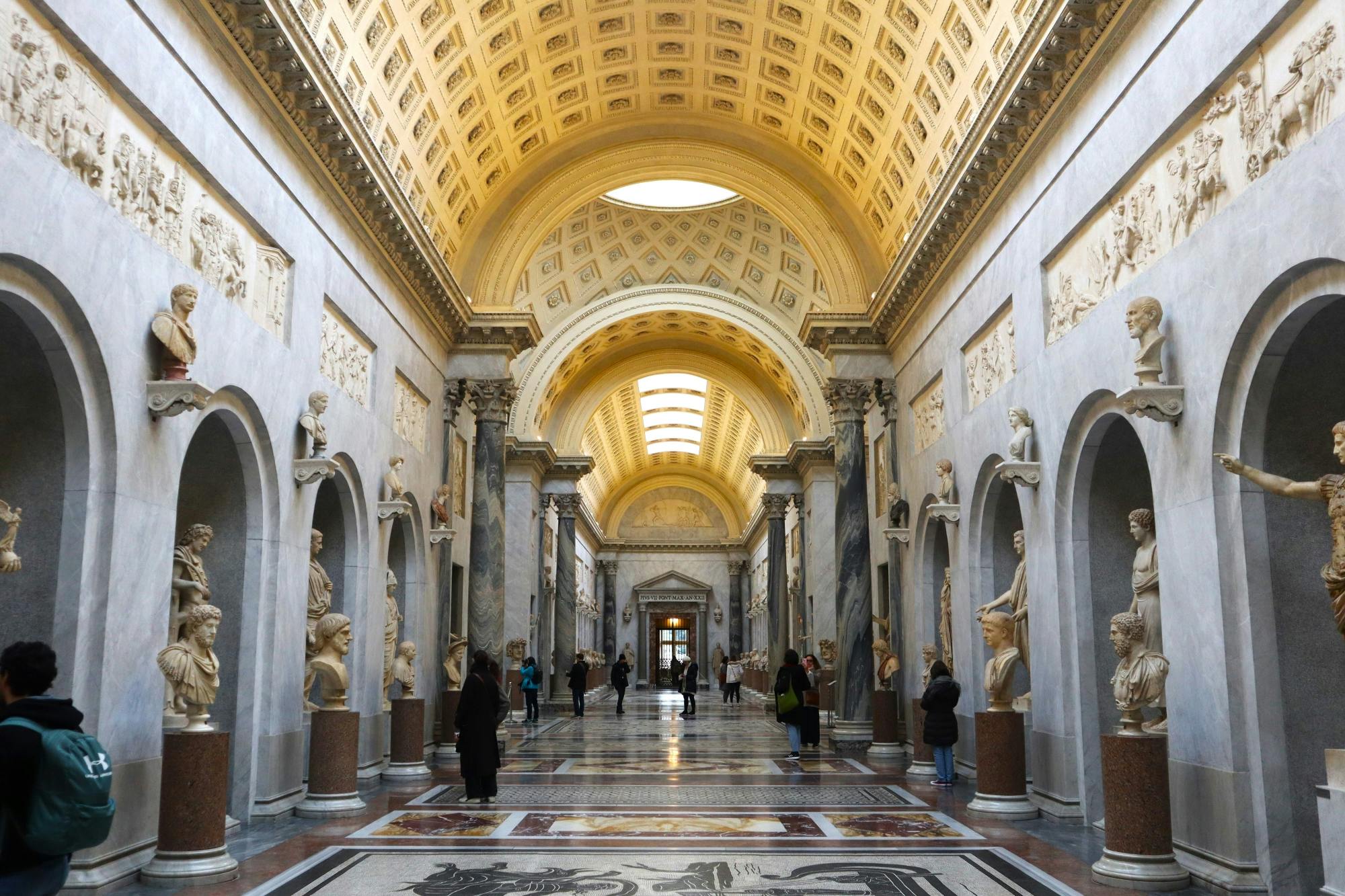
Approach the Vatican as an art journey rather than a race toward the Sistine Chapel.
Ancient sculpture, the Raphael Rooms and the wider collections deserve attention.
Galleria Borghese
For travellers interested in sculpture and painting, this is one of Rome’s most concentrated artistic experiences, particularly for Bernini and Caravaggio.
The Baroque Centre
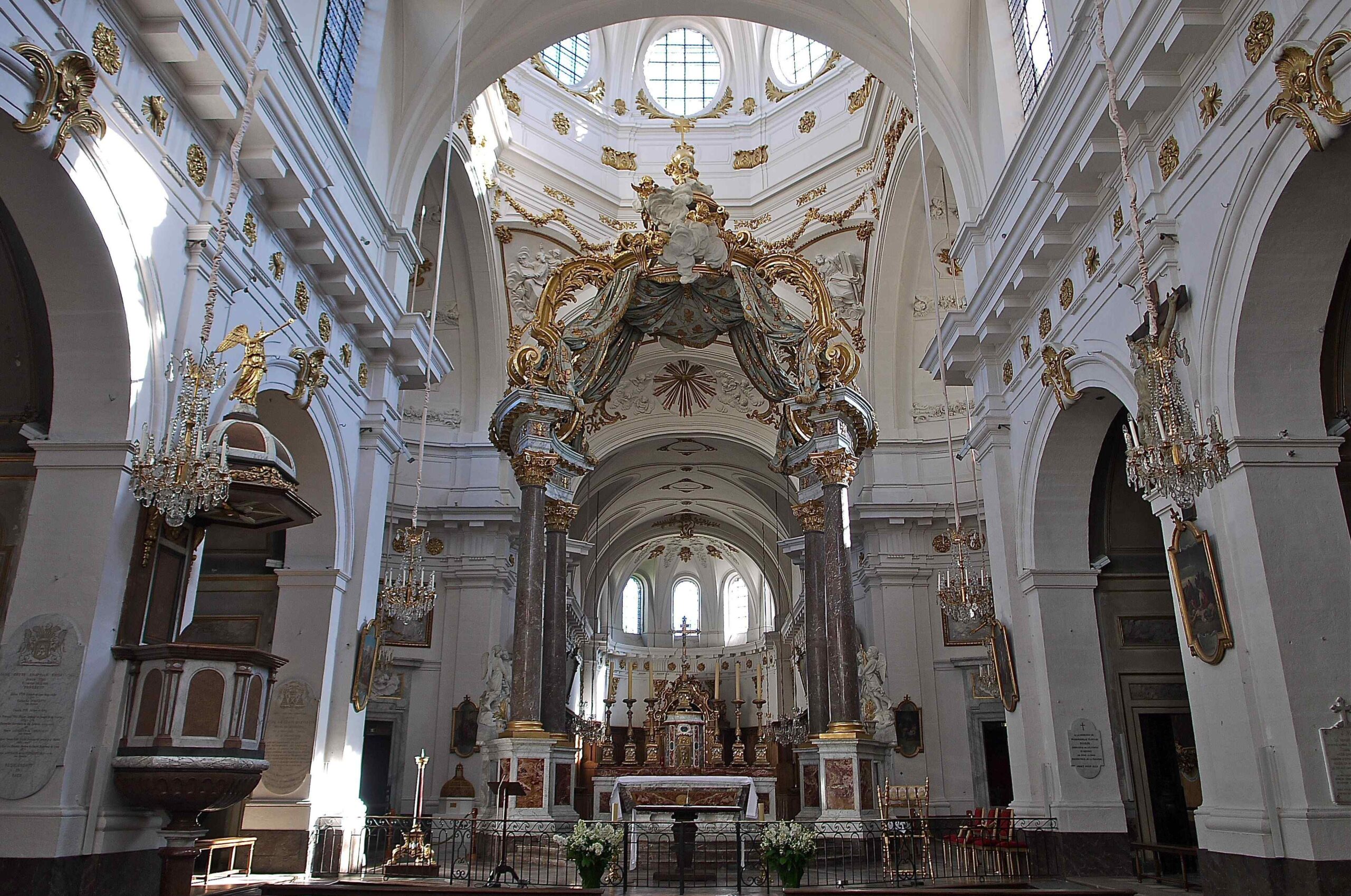
Walk Piazza Navona, the churches around Campo de’ Fiori and the streets toward the Pantheon.
Rome’s Baroque identity is best understood on foot.
The Appian Way
Trade traffic for ancient paving stones and open countryside.
Walk or cycle through the Appian Way landscape, where tombs, villas and catacombs remain part of the scenery.
Beyond the Famous
Rome becomes more interesting when you deliberately step away from its greatest monuments.
Explore the Jewish Ghetto and discover a cuisine shaped by one of Europe’s oldest Jewish communities in Rome.
Look for Roman-Jewish artichokes, particularly carciofi alla giudia, as part of the city’s culinary history.
Walk the Aventine at the end of the afternoon.
Spend time in Testaccio rather than simply visiting it for lunch.
Visit the Appian Way on a weekday morning when the landscape can feel astonishingly far from central Rome.
Explore Garbatella or San Lorenzo for a different architectural and social vocabulary.
Seek out contemporary art in former industrial spaces.
And leave room for the smallest discoveries: a courtyard, a fountain, a bookshop, a wine bar, a family-run pastry shop.
The less you treat Rome as a checklist, the more it behaves like a city.
Art, Architecture & Craft
Rome is one of the few cities where art history can be encountered almost accidentally.
Ancient engineering is everywhere: roads, aqueducts, arches, baths and domes.
Renaissance architecture introduced new classical ideals.
Baroque Rome turned urban space itself into theatre through fountains, façades, churches and monumental perspectives.
Bernini’s Rome is especially rewarding because his work does not live only inside museums.
His sculptures and fountains are embedded in churches, squares and public spaces.
Caravaggio offers another route through Rome.
Several of his works remain in churches where they became part of the city’s visual culture.
Then there is contemporary Rome: independent galleries, design studios, converted industrial spaces and modern Italian fashion.
Craft remains important too.
Rome’s luxury shopping is concentrated around the Spanish Steps and the Trident, including Via dei Condotti, Via Borgognona and Via Frattina, where Italian and international maisons sit alongside specialist ateliers and jewellers.
The Luminara approach is to look beyond logos.
Find the Roman craftsman, jeweller, leather worker, perfumer or small atelier where the relationship between hand and material still matters.
The Roman Table — Food & Wine
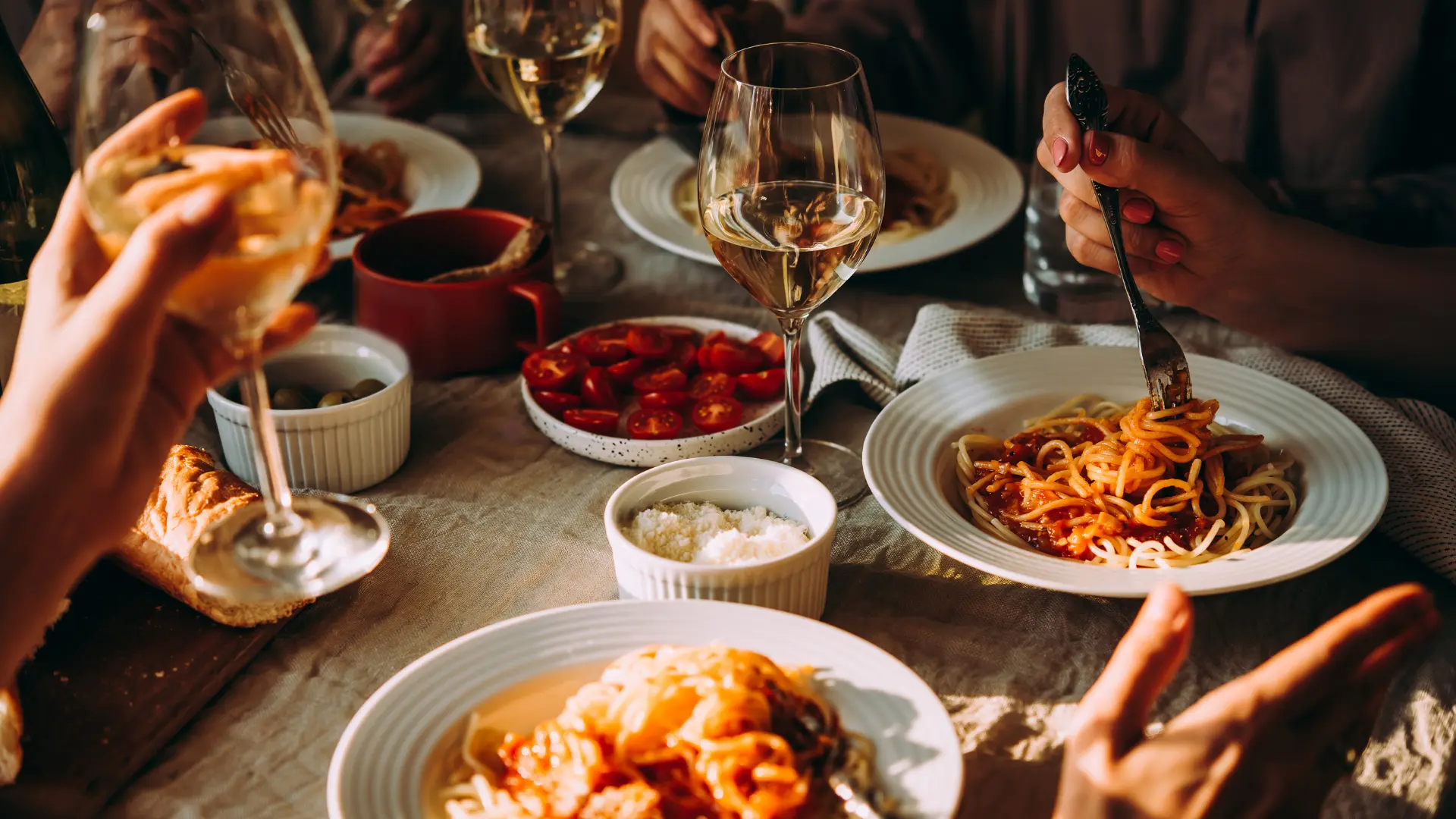
Rome’s food is powerful because it is not trying to impress you.
It comes from necessity, seasonality and repetition: a handful of excellent ingredients transformed through technique.
Carbonara combines pasta, guanciale, eggs, Pecorino Romano and black pepper.
Cacio e pepe is almost elemental: pasta, cheese and pepper.
Gricia strips the recipe back to guanciale, Pecorino and pepper.
Amatriciana introduces tomato to the family.
But stop there and you miss half the story.
Try supplì.
Eat seasonal artichokes.
Look for puntarelle.
Taste saltimbocca.
Explore the fifth-quarter tradition that produced dishes such as trippa alla romana and coda alla vaccinara.
In spring, vignarola brings together broad beans, peas, artichokes, lettuce and other seasonal ingredients.
Roman-Jewish cuisine adds another layer, particularly the celebrated carciofo alla giudia.
And then there is the Roman ritual of eating.
Lunch is not merely fuel.
Aperitivo is not simply a drink.
Dinner should not be rushed.
For Luminara, the most memorable Roman meal may be the one that occupies the least prestigious table: a simple trattoria, a handwritten menu, a plate of pasta, a local wine and nowhere else you need to be.
Signature Luminara Experiences
Rome Before the Crowds
Begin with an early private visit to ancient Rome or the Vatican, then sit down to breakfast while the city is still waking.
A Private Baroque Walk
Follow an art historian through Rome’s fountains, churches, sculptures and hidden perspectives, focusing on the relationship between Bernini, Borromini and the urban theatre of the Baroque.
The Roman Table
Spend an afternoon moving through a market, food atelier or traditional neighbourhood before sitting down to a long, expertly curated Roman lunch.
Appian Way by Bicycle
Leave the centre behind and cycle a section of the ancient road through the Appian Way landscape, combining archaeology with open countryside.
Rome After Dark
Begin with aperitivo, continue through a beautifully lit historic centre and end with a late Roman dinner.
A Private Roman Atelier
Meet a maker whose work represents contemporary Roman craftsmanship—jewellery, leather, fragrance, ceramics or another discipline—then connect the workshop visit with a neighbourhood lunch.
Where to Stay — The Luminara Selection
Hotel de Russie — The Gardened Classic
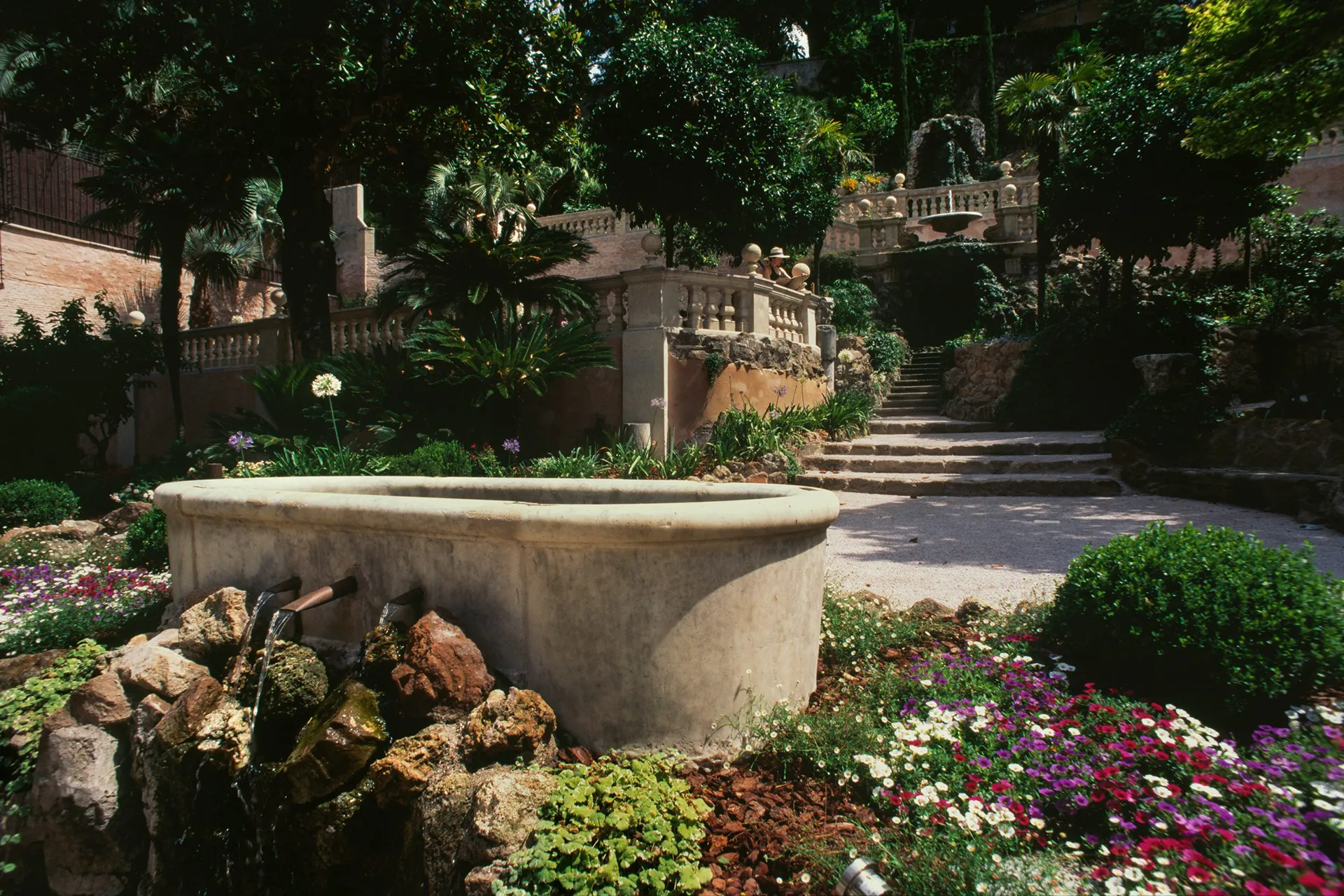
Between Piazza del Popolo and the Spanish Steps, Hotel de Russie offers one of Rome’s rare combinations of central location, contemporary elegance and a historic garden.
Its Secret Garden gives the property an unusual sense of calm in the middle of the city.
The hotel also combines Italian dining, aperitivo and a substantial spa.
For Luminara, its strength is not simply luxury.
It is the ability to step out of Rome’s intensity and immediately find a garden.
Hotel Eden — The Elevated Roman View
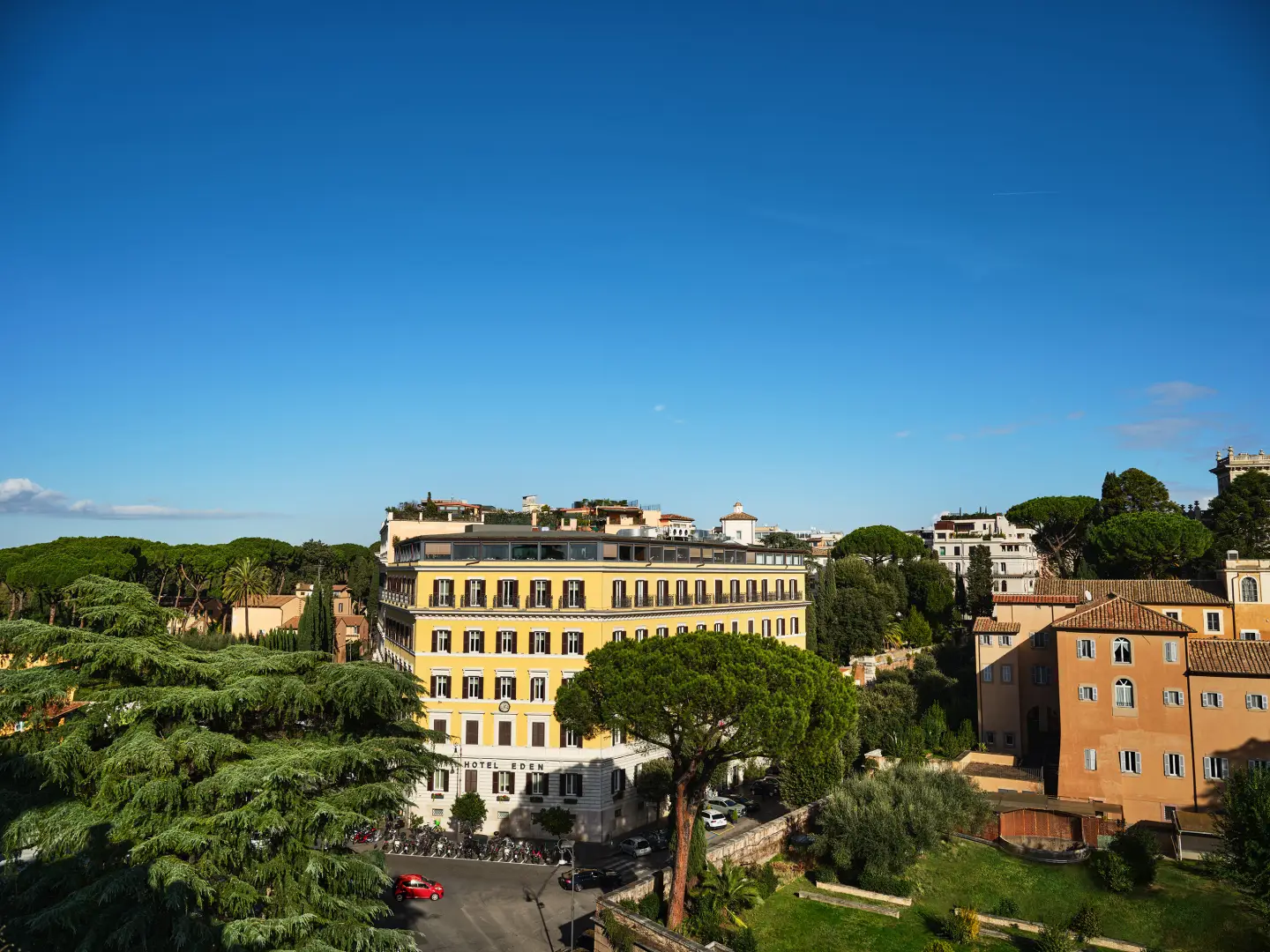
Near the Spanish Steps and Villa Borghese, Hotel Eden offers a polished, intimate mood oriented toward the city skyline.
Its rooftop restaurants provide sweeping views, while La Terrazza offers a Michelin-starred dining experience centred on contemporary interpretations of Italian and Roman flavours.
It is particularly suited to travellers who want the hotel to participate in the evening rather than simply provide a room.
Hotel Hassler Roma — The Spanish Steps Address
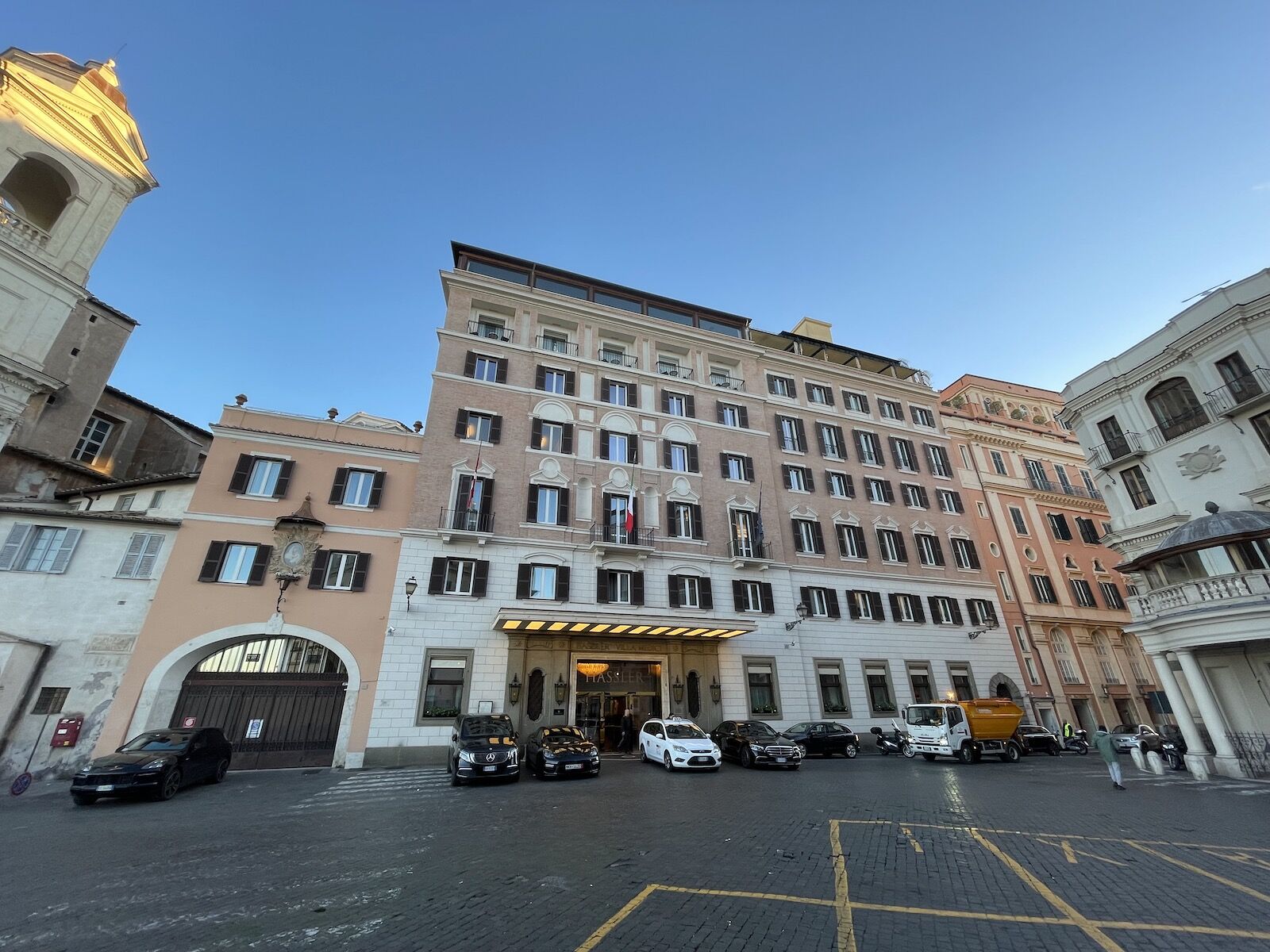
At the top of the Spanish Steps, Hotel Hassler occupies one of Rome’s most recognisable positions.
The property sits within walking distance of Villa Borghese and major landmarks while placing guests directly above Piazza di Spagna and the luxury boutiques of Via dei Condotti.
Its appeal is classic Roman glamour: location, views, discretion and a sense of continuity.
The Luminara Selection
The right Roman hotel should make the city easier to experience.
Look for a location that reduces transfers, interiors with genuine character, strong concierge knowledge and a sense of place.
In Rome, luxury is not only about the suite.
It is about returning from the city and finding the right kind of silence.
A Day in Rome
07:00 — The City Before It Wakes
Walk toward the Pantheon or Trevi Fountain before the centre fills.
Rome’s stone has a different colour in the early light.
08:30 — Breakfast
Choose a simple Roman breakfast: coffee, pastry and perhaps a second coffee.
Do not overcomplicate it.
09:30 — Culture
Spend the morning on one major cultural experience: the Colosseum and ancient city, Vatican Museums, or Galleria Borghese.
13:00 — Lunch
Make lunch the centre of the day.
Choose a neighbourhood restaurant and order what the kitchen does best.
15:00 — The Pause
Return to the hotel, sit in a garden, visit a quiet church or simply walk without a destination.
17:00 — Rome on Foot
Choose a neighbourhood and explore it without a checklist.
This is when the city begins to feel local.
19:00 — Aperitivo
Find a refined bar or neighbourhood enoteca.
Watch Rome transition into evening.
20:30 — Dinner
Roman food deserves time.
Choose between traditional trattoria cooking and a contemporary interpretation of the city’s cuisine.
22:30 — The Walk Home
Walk through a piazza after dinner.
Let Rome’s architecture provide the final course.
Rome After Dark
Rome becomes more intimate after sunset.
The heat falls away.
The monuments are illuminated.
Restaurant tables spill into narrow streets.
Piazza Navona becomes a place to linger rather than pass through.
Trastevere is lively, while the historic centre can feel surprisingly cinematic once the day-trippers have disappeared.
Monti offers wine bars and contemporary energy.
Around Testaccio, the evening remains rooted in food and neighbourhood life.
For a more refined night, begin with aperitivo in a garden or rooftop setting, then move into a long dinner.
The goal is not to fill the night.
It is to give Rome enough time to reveal its quieter side.
Rome Before 8 AM
Early Rome is one of the city’s great luxuries.
At this hour, the Colosseum is still surrounded by morning silence.
The Pantheon feels almost private.
The Trevi Fountain is no longer a wall of cameras but a monument framed by the sound of water.
Walk through Piazza Navona before the cafés become busy.
Cross the Tiber.
Watch the first light touch the domes.
Or leave the centre entirely and begin the Appian Way while the countryside is cool.
Rome rewards early risers not because the city has less to offer later, but because the first hours allow you to see its scale before the crowds compress it.
Rome Through the Seasons
Spring — Rome in Bloom
Spring is one of the most beautiful times to explore Rome on foot.
Gardens become especially inviting, while longer days make it easier to combine cultural visits with neighbourhood walks.
Summer — Early Mornings & Long Evenings
Summer can be hot, particularly around exposed archaeological areas.
Build the day around early starts, long lunches, shaded gardens and later evenings.
Autumn — The Golden City
Autumn brings softer light and an excellent rhythm for walking, museums and food.
It is particularly suited to travellers who want to combine Rome with the countryside.
Winter — Rome with More Silence
Winter offers a different atmosphere.
The city remains culturally rich, but some famous spaces can feel less pressured outside peak periods.
Cooler air also makes long walks more comfortable.
Whenever you travel, Rome is best approached with flexibility.
The city has an enormous calendar of religious, cultural and public events, and major sites can operate with timed-entry requirements or changing schedules.
A Luminara Five-Day Rome Journey
Day 1 — Arrival & the Historic Centre
Settle into the city.
Walk from Piazza di Spagna toward the Pantheon and Piazza Navona.
Finish with a long Roman dinner.
Day 2 — Ancient Rome
Begin early with the Colosseum, Roman Forum and Palatine Hill.
After lunch, rest or explore Monti.
Return to the centre after dark.
Day 3 — Vatican & Prati
Spend the morning with Vatican collections and St Peter’s Basilica.
Take a slower afternoon in Prati before dinner.
Day 4 — Art, Food & Neighbourhood Rome
Visit Galleria Borghese, walk Villa Borghese and Pincio, then continue toward Trastevere or Testaccio for an evening centred on Roman food.
Day 5 — Appian Way & Departure
Spend the morning on the Appian Way or in another quieter part of Rome before departure.
A Luminara Seven-Day Rome Journey
Day 1 — Arrive into Rome
Settle in and take an evening walk through the historic centre.
Day 2 — The Ancient City
Colosseum, Forum and Palatine with an expert guide.
Dinner in Monti.
Day 3 — Baroque Rome
Pantheon, Piazza Navona, Campo de’ Fiori and the surrounding churches.
Allow time for cafés and small discoveries.
Day 4 — Vatican Rome
Vatican Museums, Sistine Chapel and St Peter’s.
Spend the evening in Prati.
Day 5 — Borghese & the Villa
Galleria Borghese, Villa Borghese and Pincio.
Continue toward the Spanish Steps and Via del Babuino.
Day 6 — The Roman Neighbourhoods
Choose between Trastevere, Testaccio, the Jewish Ghetto and Aventine.
Build the day around food and local life.
Day 7 — Ancient Roads
Explore the Appian Way by bicycle or on foot, then return for one final Roman lunch before departure.
Rome for Different Travellers
For First-Time Visitors — Prioritise ancient Rome, the Vatican, Pantheon, Trevi Fountain and one great art collection, but keep enough time for neighbourhood life.
For Couples — Choose a central luxury hotel, private cultural experiences, long lunches and evenings on foot.
For Art Lovers — Build the journey around Borghese, Vatican collections, Baroque churches and contemporary galleries rather than monuments alone.
For Food Travellers — Spend more time in Testaccio, Trastevere, the Jewish Ghetto and neighbourhood trattorias.
For Families — Combine ancient monuments with parks, shorter cultural visits and experiences that turn Roman history into stories.
For Repeat Visitors — Leave the checklist behind. Explore Appian Way, Garbatella, Ostiense, quieter churches, contemporary art and local food culture.
For Luxury Travellers — Use private guiding selectively, prioritise location and access, and spend more on time-saving experiences than on unnecessary movement.
Responsible & Slow Rome
Rome’s historic centre is a living city as well as a heritage landscape.
Its World Heritage management recognises pressures including visitor and tourism pressure, environmental concerns and the challenge of protecting historic fabric.
A more thoughtful Rome itinerary therefore makes sense.
Travel outside the most pressured hours where possible.
Stay longer rather than rushing through.
Walk and use public transport when practical.
Support neighbourhood restaurants and independent makers.
Avoid treating residential streets as photo sets.
The Appian Way and less-visited neighbourhoods also demonstrate another advantage of slow travel: spreading time beyond the most famous monuments often produces a richer experience.
In Rome, responsible travel and luxury travel can be the same thing.
Both ask you to move with intention.
Combining Rome with Italy
Rome is the natural opening chapter of an Italian journey because it introduces so many of the country’s essential themes: history, art, food, architecture, craftsmanship and the theatre of public life.
Continue north to Florence for the Renaissance and craftsmanship.
Move into Tuscany for vineyards, estates and countryside.
Travel east to Venice for canals, palazzi and the lagoon.
Continue toward Lake Como for alpine elegance, or south to the Amalfi Coast for Mediterranean drama.
Later, Sicily can provide a deeper story of the Mediterranean, while Naples brings Italy’s southern energy into focus.
Rome should therefore not consume the entire itinerary.
It should open it.
Before You Arrive
Rome is one of Europe’s great cultural cities, but its scale is easy to underestimate.
Comfortable shoes matter, and a central hotel can dramatically improve the experience.
Reserve major museums and timed-entry attractions in advance, particularly for the Colosseum, Vatican Museums and Galleria Borghese.
Allow more time than map distances suggest.
Rome’s streets are designed for discovery rather than efficiency.
For airport arrivals, arrange transfers in advance if travelling with substantial luggage or on a tightly timed itinerary.
Dress respectfully for religious sites, and remember that churches can have their own access requirements.
Most importantly, leave empty space.
Rome is one of those cities where a spontaneous hour can become the memory you keep.
Luminara Note
Rome is perhaps the most difficult city in Italy to summarise because almost every sentence about it feels incomplete.
It is ancient, but alive.
It is grand, but often intimate.
It belongs to emperors, popes, artists and statesmen, yet it also belongs to the person drinking coffee at the same neighbourhood bar every morning.
That tension is the real luxury of Rome.
You can spend the morning standing beneath the remains of an empire and the evening discussing dinner with a waiter who has known the restaurant’s suppliers for years.
You can look at a Bernini sculpture in a church and then walk outside into ordinary Roman life.
You can stand beside the Pantheon and realise that two thousand years of history have not made the city quieter.
They have made it deeper.
Come to Rome for the monuments.
Stay for the life between them.
Continue Your Italy Journey
Rome opens the door to Italy.
From here, the journey can move north into Florence, where the Renaissance becomes personal through art, architecture and craftsmanship.
It can continue into Tuscany, where the pace changes from city streets to vineyards, estates and long lunches.
Follow the water to Venice.
Travel north to Lake Como.
Turn south to the Amalfi Coast and Naples.
Or continue farther into Sicily, where Italy’s story becomes unmistakably Mediterranean.
Rome is the beginning because so much of Italy can be understood through what happens here: history becoming daily life, art becoming architecture, food becoming identity, and beauty becoming part of the ordinary.
The Eternal City is not the end of the story.
It is the first great chapter.
Continue Beyond Italy
From Rome’s ancient streets to Japan’s timeless cities, discover another side of luxury travel through Tokyo, Kyoto and Osaka.