There are cities that announce their importance through grand gestures, and there are those that allow their character to emerge in quieter ways. Zurich belongs to the latter. In the early hours, when the River Limmat carries the first light beneath its bridges and the church towers of the Old Town rise above the rooftops, the city feels almost contemplative. By midday, its rhythm has changed: polished shopfronts gleam along Bahnhofstrasse, café terraces fill, and boats move across Lake Zurich beneath a horizon that, on clear days, opens towards the distant Alps.
Zurich, Switzerland is often associated with finance, precision and an enviable standard of living. Yet its appeal to the discerning traveller lies in the balance between these polished surfaces and a deeply lived-in cultural life. Medieval lanes sit close to contemporary galleries; grand hotels preserve generations of hospitality while embracing modern design; and the lake offers a sense of spaciousness that seems improbable in a city so connected to the world.
For Luminara Voyages, Zurich is not simply a stop before the mountains. It is a destination to experience slowly: through a private perspective on its architecture, a beautifully considered meal, an afternoon devoted to art, or the unhurried pleasure of watching the city recede from the deck of a boat.
The Old Town: Zurich’s Historic Heart
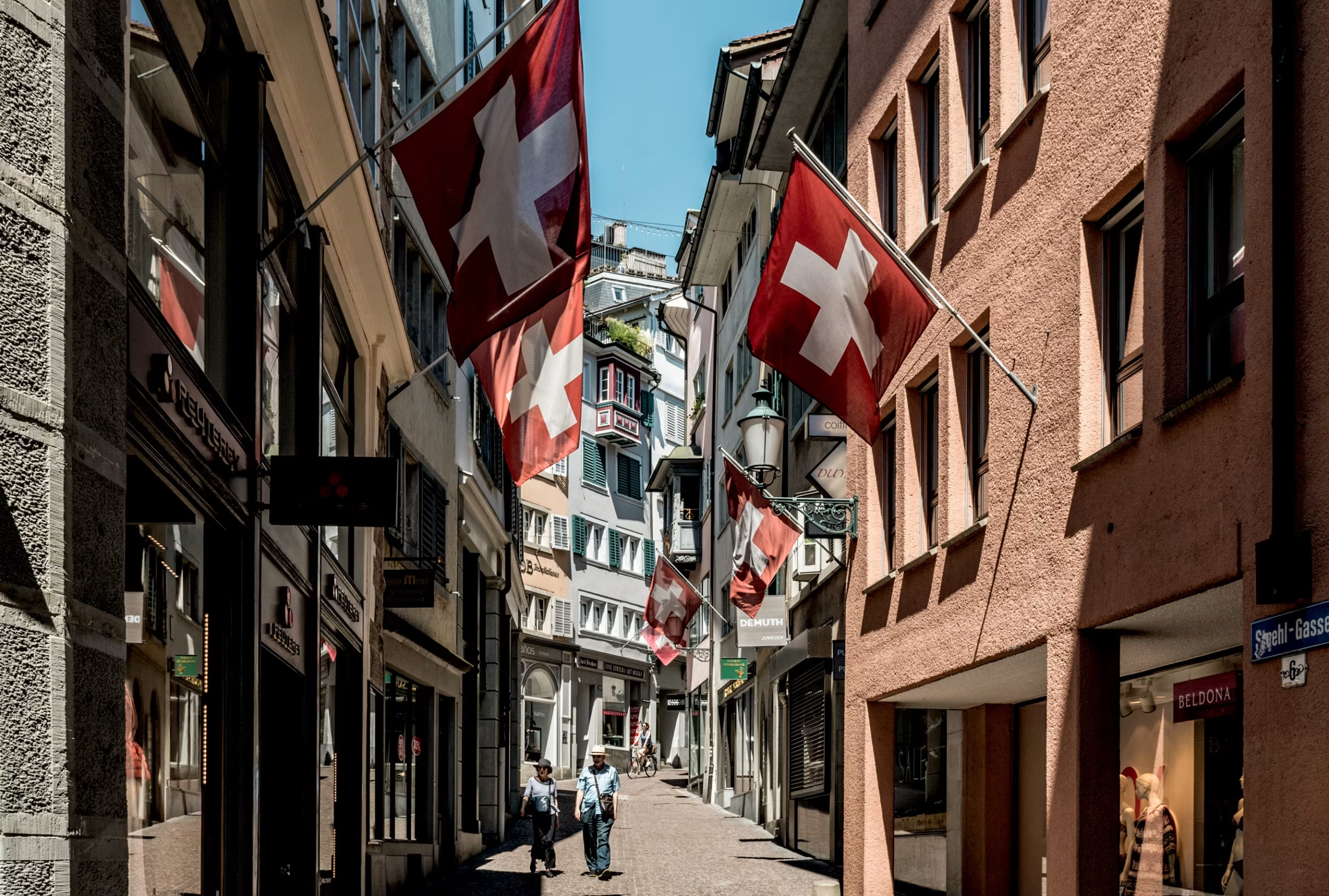
Begin in the Altstadt, where the city’s history is written into sloping lanes, painted façades and the changing line of the Limmat. On the eastern bank, Niederdorf invites wandering without an agenda. Small shops, intimate restaurants and historic buildings reveal themselves between narrow passages, while the wider riverfront brings the city’s landmarks into view.
The twin towers of Grossmünster remain among Zurich’s most recognisable silhouettes. Nearby, Fraumünster is known for its stained-glass windows, including work by Marc Chagall, whose colour transforms the interior into something unexpectedly luminous. Rather than treating these places as boxes to tick, allow time for the details: the play of light across stone, the quiet of a church interior, the view from a bridge where the old city seems to gather around the water.
Above the rooftops, Lindenhof offers a pause from the movement below. Once associated with the city’s Roman past, this leafy square is now one of the most rewarding vantage points over the Old Town, the Limmat and Grossmünster. Visit in the morning, when the streets are still gentle, or return at dusk as windows begin to glow and the river takes on the colour of the sky.
Zurich’s historic centre is compact enough to explore on foot, but its character rewards a slower pace. A private walking tour with a knowledgeable local guide can bring context to the guild houses, hidden courtyards and architectural layers that might otherwise pass unnoticed.
Bahnhofstrasse: A Study in Swiss Refinement
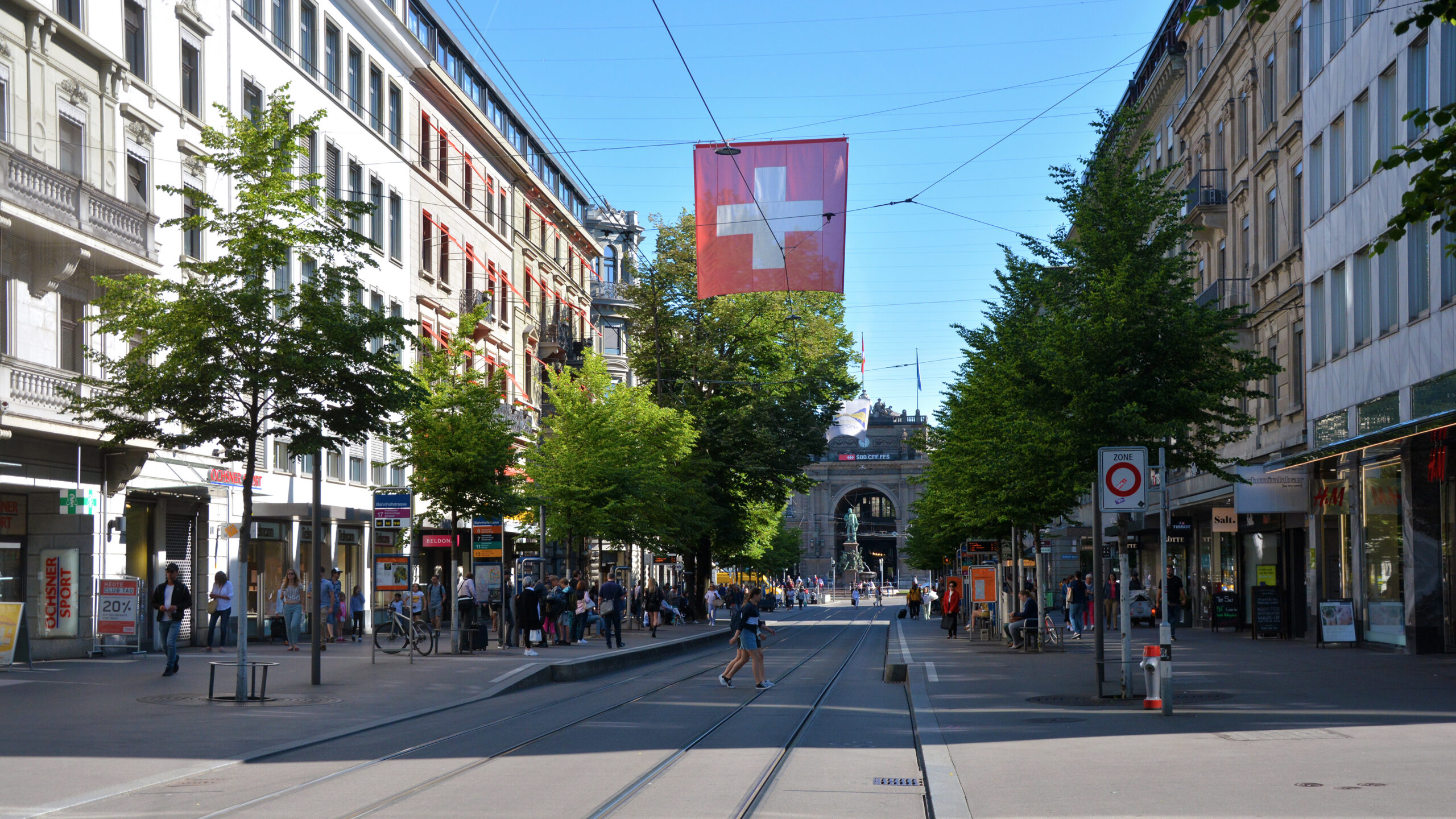
Running between the main railway station and the lake, Bahnhofstrasse is Zurich’s celebrated shopping boulevard. Its reputation rests not only on international fashion houses, fine jewellery and watch boutiques, but also on the distinctly Swiss relationship between luxury and craftsmanship. Here, the pleasure is as much in the considered detail as in the purchase itself: a watchmaker’s heritage, the finish of a leather accessory, or the patient expertise behind a piece of fine jewellery.
For travellers with a particular interest in horology, the boutiques around Bahnhofstrasse and Paradeplatz offer a concentrated introduction to Swiss watchmaking. A more personal experience begins with an appointment, allowing time to explore collections with specialist guidance rather than moving from window to window. Even without a shopping list, the boulevard is worth walking from end to end; its atmosphere changes as the lake draws nearer and the commercial centre gives way to open water.
Make time for Confiserie Sprüngli at Paradeplatz. Established in the nineteenth century, this Zurich institution is known for its delicate Luxemburgerli macarons, pralines and refined patisserie. A coffee and something sweet here is not merely a convenient pause; it is a small ritual that connects the city’s contemporary elegance with its long-standing café culture.
Lake Zurich: The City at a Gentler Pace
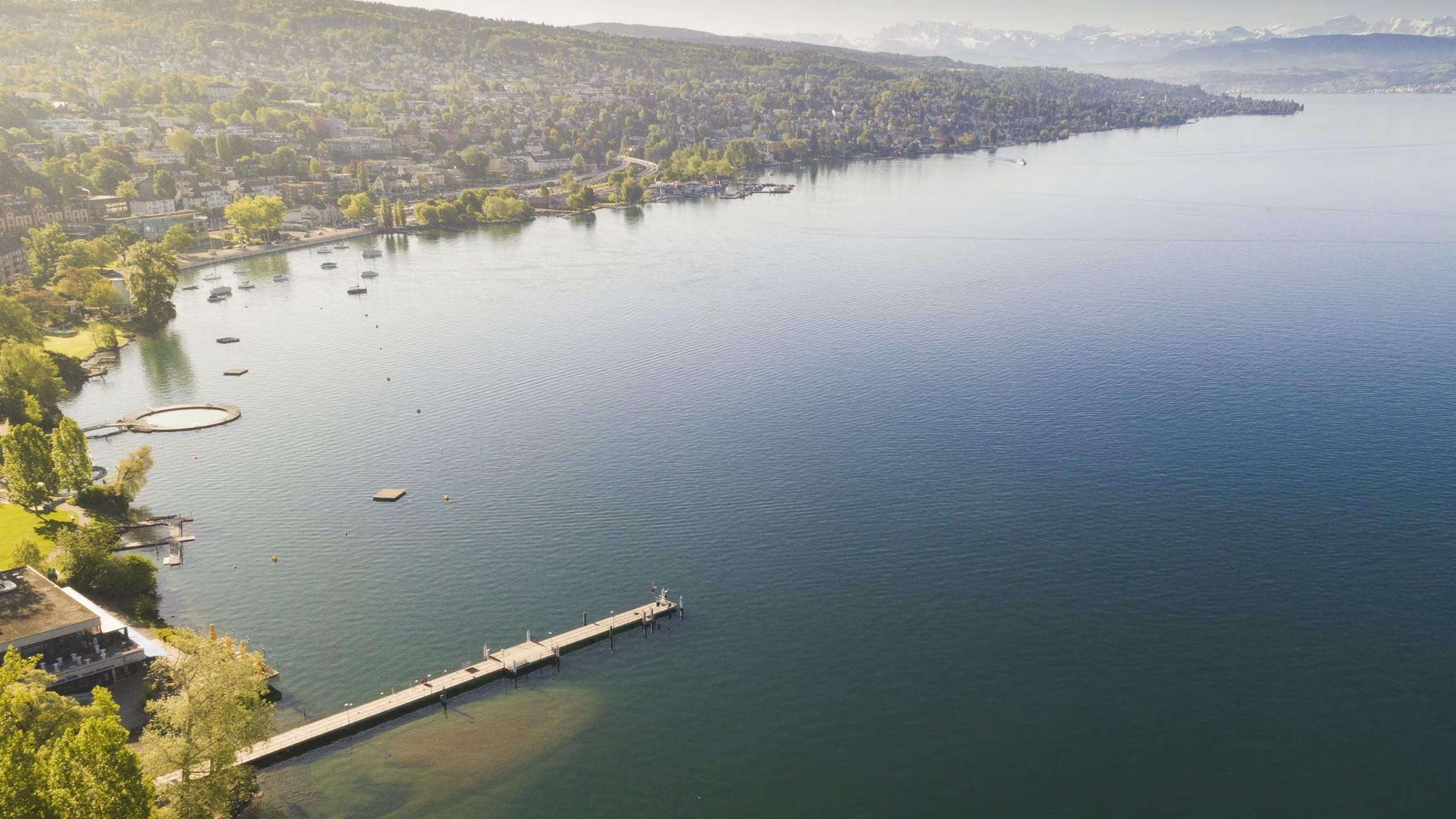
The lake gives Zurich its breathing space. Framed by wooded slopes and lakeside neighbourhoods, Lake Zurich changes character with the season: bright and social in summer, silver beneath autumn skies, and quietly atmospheric in the colder months. The waterfront invites an unhurried walk, but the most memorable perspective often comes from the water itself.
A cruise departing from Bürkliplatz allows the city to fall back into a graceful panorama of steeples, rooftops and green hills. Depending on the route and season, longer journeys travel towards lakeside towns such as Rapperswil. For a more tailored experience, enquire about a private boat arrangement, confirming the vessel, route, operating season and onboard provisions in advance. On a clear day, the lake becomes a moving frame for the Alps in the distance.
Along the shore, pause at a lakeside terrace or simply sit beside the water and watch the changing light. In warmer weather, local life moves outdoors: swimmers gather at public bathing areas, boats cross the lake and the waterfront takes on an easy, almost Mediterranean rhythm. This is one of Zurich’s most appealing contrasts—an international city that still makes room for the simple luxury of being outside.
Art, Architecture and Contemporary Culture
Zurich’s cultural life extends well beyond its historic churches. At Kunsthaus Zürich, major works from different periods sit alongside Swiss art and contemporary expression. The museum’s extension, designed by David Chipperfield Architects, brings a calm architectural clarity to the experience, making the building itself part of the visit. Art lovers should check current exhibitions before arrival and consider a guided visit when a particular collection or artist deserves more attention.
The city also carries a distinctly experimental streak. Zurich was the birthplace of Dada in 1916, and its creative identity continues through galleries, design spaces and independent cultural venues. The Museum für Gestaltung offers a different lens, exploring Swiss design, graphics and applied arts. Together, these institutions reveal a city that values precision without surrendering curiosity.
For an itinerary built around culture, allow one substantial museum visit rather than trying to see everything. Pair it with a leisurely lunch, a walk through the surrounding neighbourhood and an evening performance at the opera house or Tonhalle, subject to the programme. The result feels less like a checklist and more like a day shaped around Zurich’s creative intelligence.
Luxury Stays in Zurich: Five Addresses with Distinct Character
In Zurich, the right hotel changes the texture of the entire stay. Some travellers will prefer a historic address beside the lake; others may value an intimate design hotel within walking distance of the Old Town, or a resort-like retreat above the city. These properties offer different expressions of Swiss hospitality, and each deserves to be chosen for its own character.
Baur au Lac — A Legacy Beside the Water
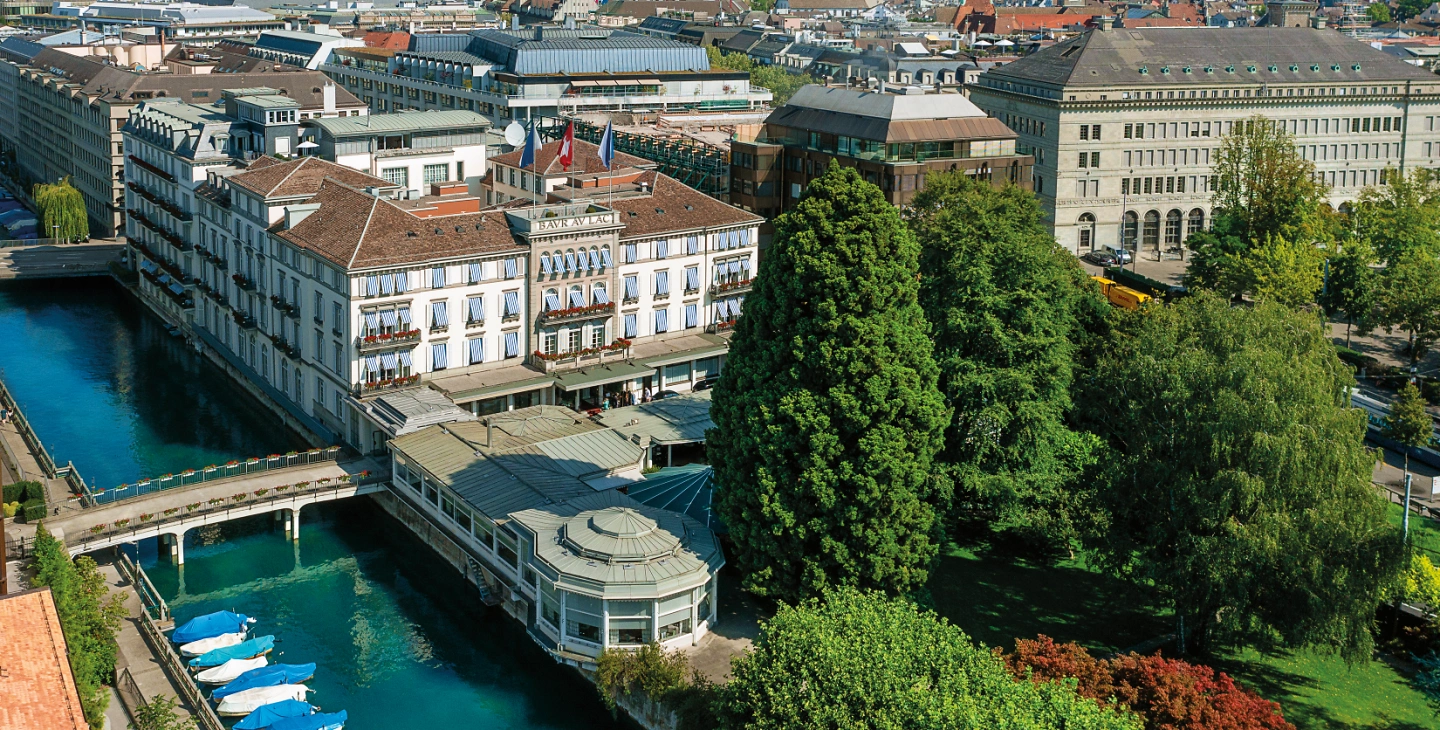
Set within its own leafy park near Lake Zurich, Baur au Lac has welcomed guests since 1844 and remains one of the city’s defining grand hotels. Its appeal lies in the combination of a discreet lakeside setting and a central address: Bahnhofstrasse, the Old Town and the cultural heart of Zurich are close at hand, yet the hotel’s grounds create a sense of retreat. Individually styled rooms and suites draw on a range of design influences, while dining terraces and attentive service reinforce the feeling of a privately held city residence. It is especially suited to travellers who want heritage, garden tranquillity and effortless access to the city.
The Dolder Grand — A City Resort Above Zurich
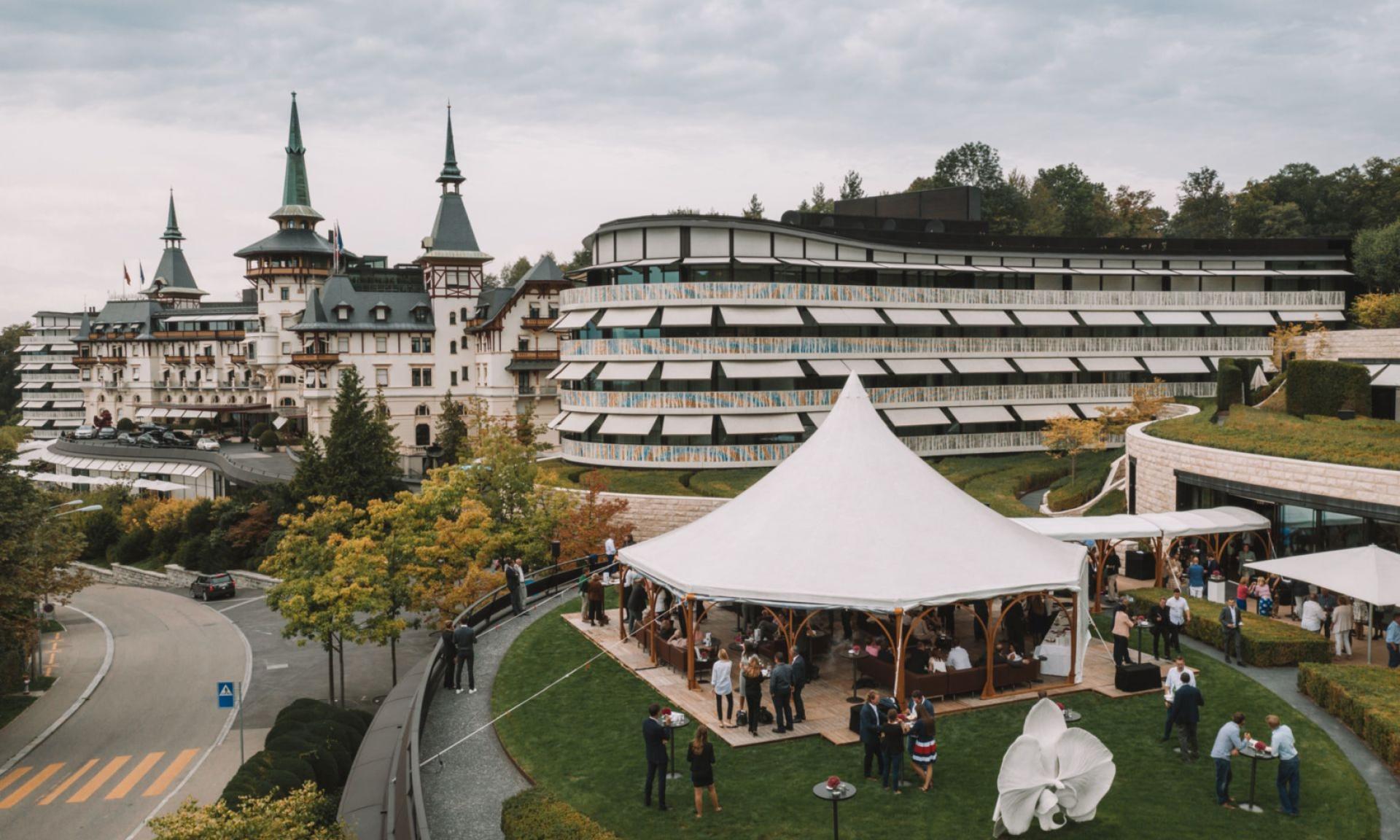
High above the rooftops on the Zürichberg, The Dolder Grand offers a more expansive interpretation of luxury. The historic hotel, first opened in 1899, combines contemporary architecture with views across Zurich, Lake Zurich and the Alps. Its substantial spa, extensive art collection and resort-like atmosphere make it an appealing choice for guests who want their hotel to be part of the destination rather than simply a place to sleep. Allow time for the spa or an art-led wander through the property; the experience is designed to unfold at a slower pace.
Widder Hotel — History Reimagined in the Old Town
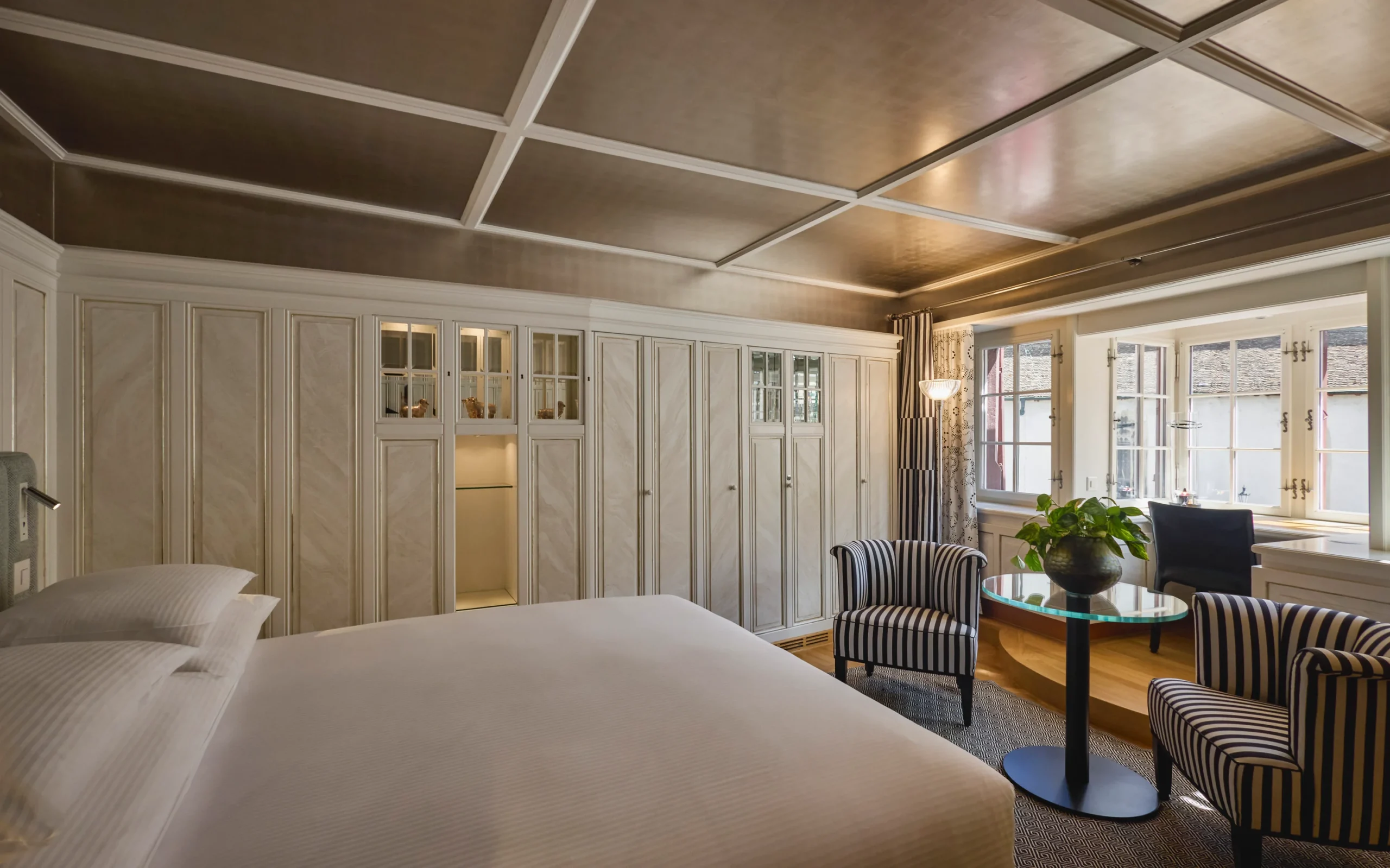
For a stay immersed in Zurich’s historic centre, Widder Hotel brings together nine historic buildings in a distinctive five-star boutique setting. Its rooms and suites combine heritage architecture with contemporary design, creating spaces that feel individual rather than uniform. The hotel’s culinary venues and celebrated bar add to its appeal for travellers who prefer an intimate, design-conscious atmosphere, with the Old Town immediately beyond the door.
Choosing the Right Address
Choose Baur au Lac for lakeside heritage and a private-park setting; The Dolder Grand for a spa-led retreat with elevated views; and Widder Hotel for a characterful base among the Old Town’s lanes. Room categories, views, dining availability and seasonal experiences vary, so confirm the details that matter most before booking. In a city as walkable as Zurich, the best choice is less about distance alone than the mood you want to return to at the end of each day.
A Table Worth Lingering Over
Zurich’s culinary identity moves confidently between tradition and innovation. For a taste of the region, look for Zürcher Geschnetzeltes—typically sliced veal in a creamy sauce, often served with rösti. The dish is comforting rather than showy, and it belongs to the city’s food culture as surely as its polished dining rooms do. Seasonal menus, Swiss produce and thoughtful wine lists provide a wider view of contemporary local cooking.
For something more formal, reserve ahead at a restaurant that suits your preferred style, whether that means a tasting menu, contemporary Swiss cuisine or Mediterranean dining by the lake. The city’s leading hotels can be useful starting points for concierge recommendations and table reservations. Keep one meal flexible, too: Zurich is a city where an unplanned café stop or a late afternoon pastry can become one of the day’s most memorable moments.
The Best Time to Visit Zurich
Late spring and summer bring long evenings, lakeside life and the greatest opportunity to enjoy boat journeys and outdoor terraces. June through early September is particularly appealing for travellers who want to combine city exploration with time on the water, although popular periods call for advance reservations.
Autumn lends Zurich a more introspective atmosphere. Parks and surrounding hills turn to warm colours, museum visits become especially inviting, and the city’s cafés offer a natural refuge between walks. Winter brings crisp air, festive lights and seasonal markets, with the lake and Old Town taking on a quieter beauty. Snow is not guaranteed in the city itself, so travellers seeking a winter landscape should plan mountain excursions separately.
For a balanced first visit, three nights allow time for the Old Town, Bahnhofstrasse, a lake experience, one major cultural visit and a relaxed dining evening. Extend the stay if you want to explore the surrounding lake region or use Zurich as a refined beginning or ending to a wider Swiss itinerary.
A Thoughtfully Paced Three-Day Zurich Itinerary
Day One — The Historic City
Begin with a guided walk through the Old Town, including Grossmünster, Fraumünster and the lanes around Niederdorf. Pause at Lindenhof for the view, then settle into a long lunch. Spend the afternoon exploring Bahnhofstrasse at your own pace, with time for Swiss watchmaking or jewellery boutiques if these interest you. Finish with an elegant dinner and an evening stroll beside the Limmat.
Day Two — The Lake and the Art Scene
Start with coffee and patisserie at Confiserie Sprüngli before heading towards the waterfront. Take a lake cruise or arrange a private boating experience, depending on the season and availability. After returning to the city, devote the afternoon to Kunsthaus Zürich or the Museum für Gestaltung. The evening might be reserved for a performance, a tasting menu or a relaxed drink at your hotel.
Day Three — A Slower Perspective
Choose the experience that best suits your pace: a restorative morning at The Dolder Grand Spa, a more detailed exploration of Zurich’s galleries and independent shops, or a longer excursion along Lake Zurich. Leave space for a final lakeside walk and an unhurried meal before departure. Zurich is at its best when the itinerary has room to breathe.
Extending the Journey Beyond Zurich
Zurich works beautifully as part of a wider Swiss journey. Travellers drawn to dramatic alpine scenery can continue towards Zermatt, where the Matterhorn defines the horizon and mountain hospitality takes on a different scale. Interlaken offers a gateway to lakes and high alpine landscapes, while St. Moritz introduces a more rarefied world of winter sport, grand hotels and Engadin elegance. Each destination has a distinct personality; Zurich provides the cultural and urban counterpoint that makes the contrast more rewarding.
For a broader view of the country, explore our Switzerland destination guide, then shape the route around the experiences that matter most—whether that is alpine rail travel, lakeside retreats, exceptional dining or time in the mountains. The most satisfying Swiss itineraries are not necessarily the ones with the most stops, but those that give each place enough time to reveal itself.
Planning Your Luxury Stay in Zurich
Zurich Airport is well connected to the city, and rail services make onward travel across Switzerland straightforward. For a smooth arrival, arrange a hotel transfer or private vehicle if you are travelling with luggage, arriving late or planning a tightly timed itinerary. Within the centre, walking and public transport are often more practical than using a car.
Reserve sought-after hotel categories, fine-dining tables and private experiences in advance, particularly during major events and the summer season. Museum opening days, exhibition schedules and lake-cruise timetables can change; verify them close to travel. Switzerland uses the Swiss franc, and prices in Zurich can be high, so plan a comfortable allowance for dining, transport and cultural visits rather than allowing costs to shape every decision on the ground.
Most importantly, avoid overloading the schedule. Zurich’s luxury is often found in the transitions: a short walk between the river and the lake, a conversation with a knowledgeable guide, an hour spent with a collection, or the quiet return to a hotel that feels exactly right.
Frequently Asked Questions About Zurich, Switzerland
Is Zurich worth visiting for a luxury holiday?
Yes. Zurich combines high-end hospitality, fine watchmaking and shopping, a strong art scene, refined dining and direct access to Lake Zurich. It also works well as a cultured opening or closing chapter to a wider Swiss itinerary.
How many days should you spend in Zurich?
Three nights is a comfortable starting point for the Old Town, Bahnhofstrasse, a lake cruise, one or two cultural visits and relaxed dining. Add extra nights if you want to explore the wider lake region or enjoy a more resort-led hotel stay.
Which luxury hotel is best in Zurich?
The choice depends on the experience you want. Baur au Lac suits travellers seeking historic lakeside elegance; The Dolder Grand is ideal for a spa-focused retreat with elevated views; and Widder Hotel offers a distinctive boutique stay in the Old Town.
When is the best time to visit Zurich?
Late spring and summer are excellent for lake cruises and outdoor dining. Autumn is rewarding for art, cafés and quieter walks, while winter offers festive atmosphere and seasonal charm. Check individual experiences and transport schedules before travel.
What are the most distinctive things to do in Zurich?
Explore the Old Town with a knowledgeable guide, browse Swiss watch boutiques on Bahnhofstrasse, take a cruise on Lake Zurich, visit Kunsthaus Zürich and enjoy a long meal centred on Swiss ingredients and regional specialities.
Can Zurich be combined with Zermatt, Interlaken or St. Moritz?
Absolutely. Zurich’s transport connections make it a practical addition to a wider Swiss itinerary. Allow enough time for travel between destinations and choose the sequence based on your interests, season and preferred pace.
Is Zurich easy to explore without a car?
Yes. The historic centre is highly walkable, and public transport is well developed. A private transfer can still be useful for airport arrivals, luggage-heavy travel or tailored excursions.
Zurich, Considered Through the Luminara Perspective
Zurich rarely asks to be admired loudly. Its pleasures are more precise: the line of the river beneath an old bridge, the quiet assurance of a hotel with generations of history, the colour of a stained-glass window, the first view of the Alps beyond the lake. Stay long enough, and the city’s polished reputation gives way to something more personal—a place of cultural depth, considered detail and extraordinary ease.
At Luminara Voyages, we believe the finest journeys are shaped not by how much is seen, but by how thoughtfully each moment is chosen. Zurich offers that possibility in abundance: a city to discover with curiosity, experience with intention and remember for its understated elegance.
Beyond Zurich: The Swiss Escape
Zurich offers an elegant introduction to Switzerland, where the rhythm of a cosmopolitan city meets the tranquillity of its lakes and the distant promise of the Alps. Beyond its historic streets and refined waterfront, the country unfolds into landscapes of extraordinary character, from the dramatic mountain panoramas of Zermatt, where the Matterhorn rises above an enchanting alpine village, to Interlaken, where glacial valleys, crystalline lakes and sweeping mountain vistas define the experience. For those drawn to a more exclusive expression of Swiss living, St. Moritz reveals a world of distinguished alpine retreats, winter traditions and exceptional hospitality, while Switzerland’s lakeside escapes offer a quieter interlude shaped by beautiful surroundings, considered luxury and the pleasure of unhurried travel. Together, these destinations reveal a side of Switzerland that extends far beyond its cities, inviting travellers to experience the country through its most remarkable landscapes, distinctive stays and unforgettable journeys.