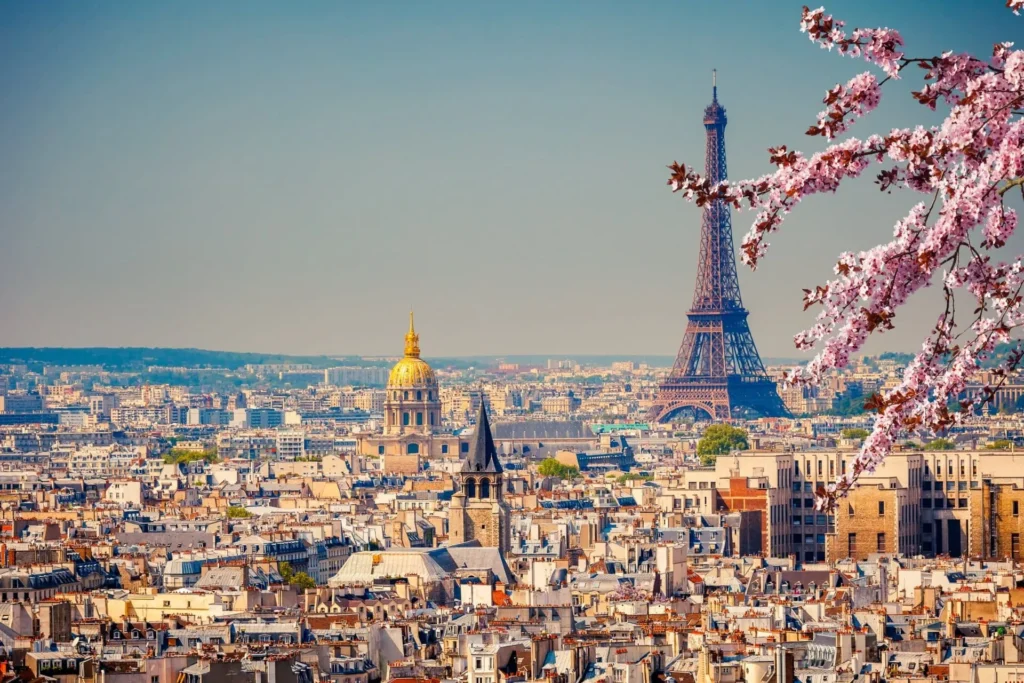
A landscape of stone villages, fragrant hillsides and the quiet luxuries of the South of France.
Where the Landscape Sets the Pace
In Provence, the day seems to begin with the light itself. It slips across pale limestone walls, settles on terracotta roofs and catches the silver-green leaves of olive trees before the villages have fully stirred. At a market square, linen awnings lift in the morning breeze; baskets fill with apricots, tomatoes and herbs still carrying the warmth of the earth. Beyond the last houses, the landscape opens into vineyards, cypress-lined lanes and hills that turn blue at the horizon. Nothing here needs to hurry to become beautiful.
Provence is not one single scene, nor a region that can be reduced to lavender fields and sunlit villages. It is a collection of distinct landscapes and local temperaments: the Roman inheritance of Arles, the artistic legacy of Aix-en-Provence, the dramatic ochre of the Luberon, the Alpilles’ pale ridges and olive groves, and the broad plateaux that colour the imagination of summer. Each has its own rhythm, and the pleasure lies in allowing those differences to shape the journey.
Luxury here is often expressed through space and time rather than display. It may mean waking in a restored bastide with shutters opening onto a garden, taking a private tour through an artist’s landscape, lingering over lunch beneath plane trees or returning from a village market to a pool hidden among cypresses. Provence invites a considered kind of travel: fewer hurried transfers, longer stays and room for unplanned discoveries.
To know Provence is to look beyond its famous images and understand how landscape, craft, food and daily life belong together. The region rewards travellers who come not merely to see the South of France, but to inhabit its particular art de vivre, however briefly.
Aix-en-Provence: Fountains, Art and the Elegance of the Everyday
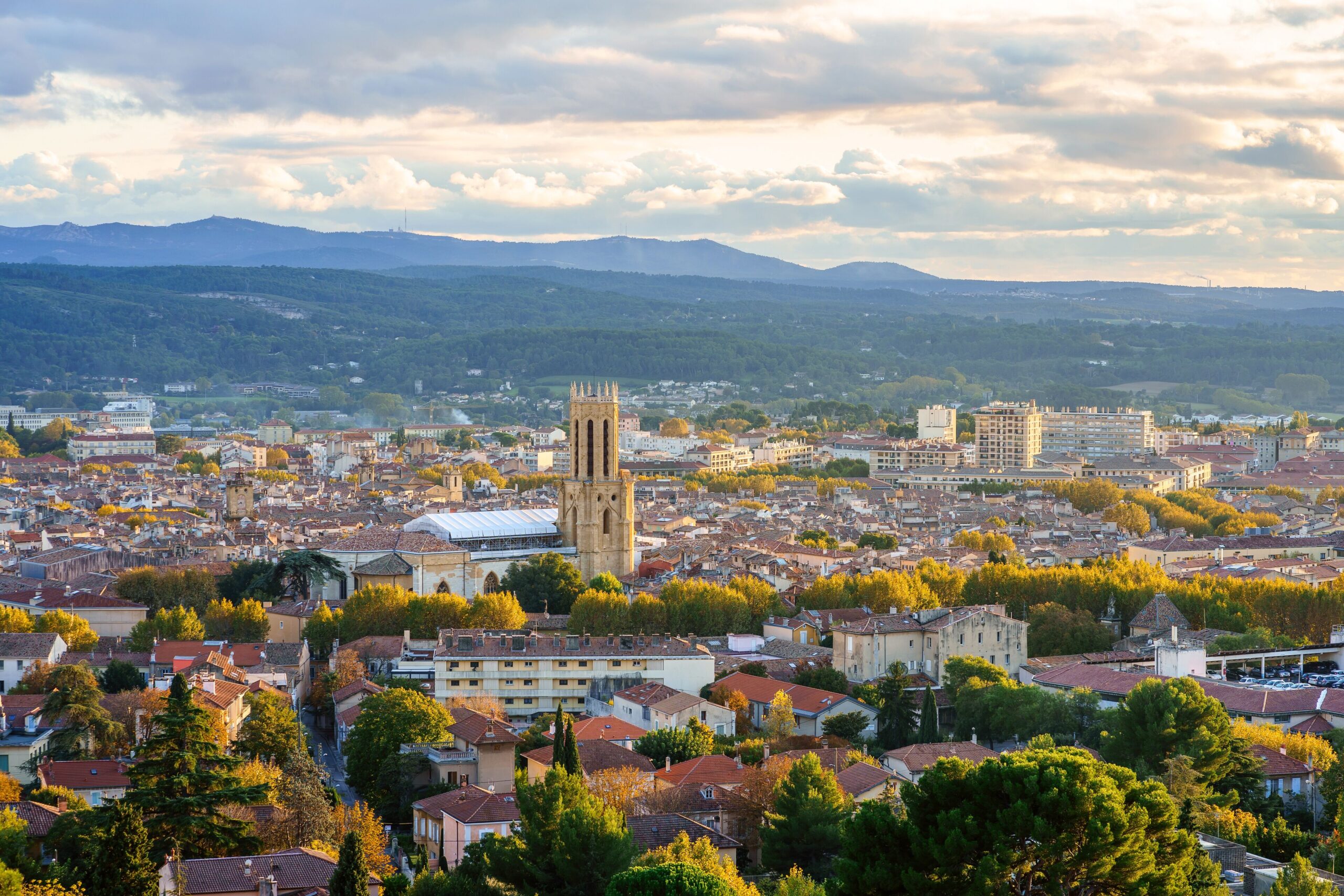
Aix-en-Provence offers one of the region’s most urbane introductions. Its old centre is threaded with narrow streets, elegant townhouses and squares shaded by plane trees, where fountains provide a gentle soundtrack to café conversations. The Cours Mirabeau, with its broad promenade and handsome façades, gives the city a composed centre, while smaller lanes reveal independent boutiques, patisseries and markets that remain part of local life.
Aix is inseparable from Paul Cézanne, whose way of seeing the surrounding countryside helped change modern painting. Visitors can explore the Atelier de Cézanne and follow the landscapes associated with Mont Sainte-Victoire, whose angular presence appears beyond the city. The point is not simply to trace an artist’s biography, but to understand how Provençal light and terrain became subjects in their own right.
Make time for the markets, especially in the morning, when seasonal produce, flowers, cheeses and regional specialities give the squares a vivid sense of place. Aix works beautifully as a first or final stop: refined and cultural, yet relaxed enough to encourage a long lunch and an afternoon without fixed plans.
The Luberon: Hilltop Villages and the Beauty of Stone
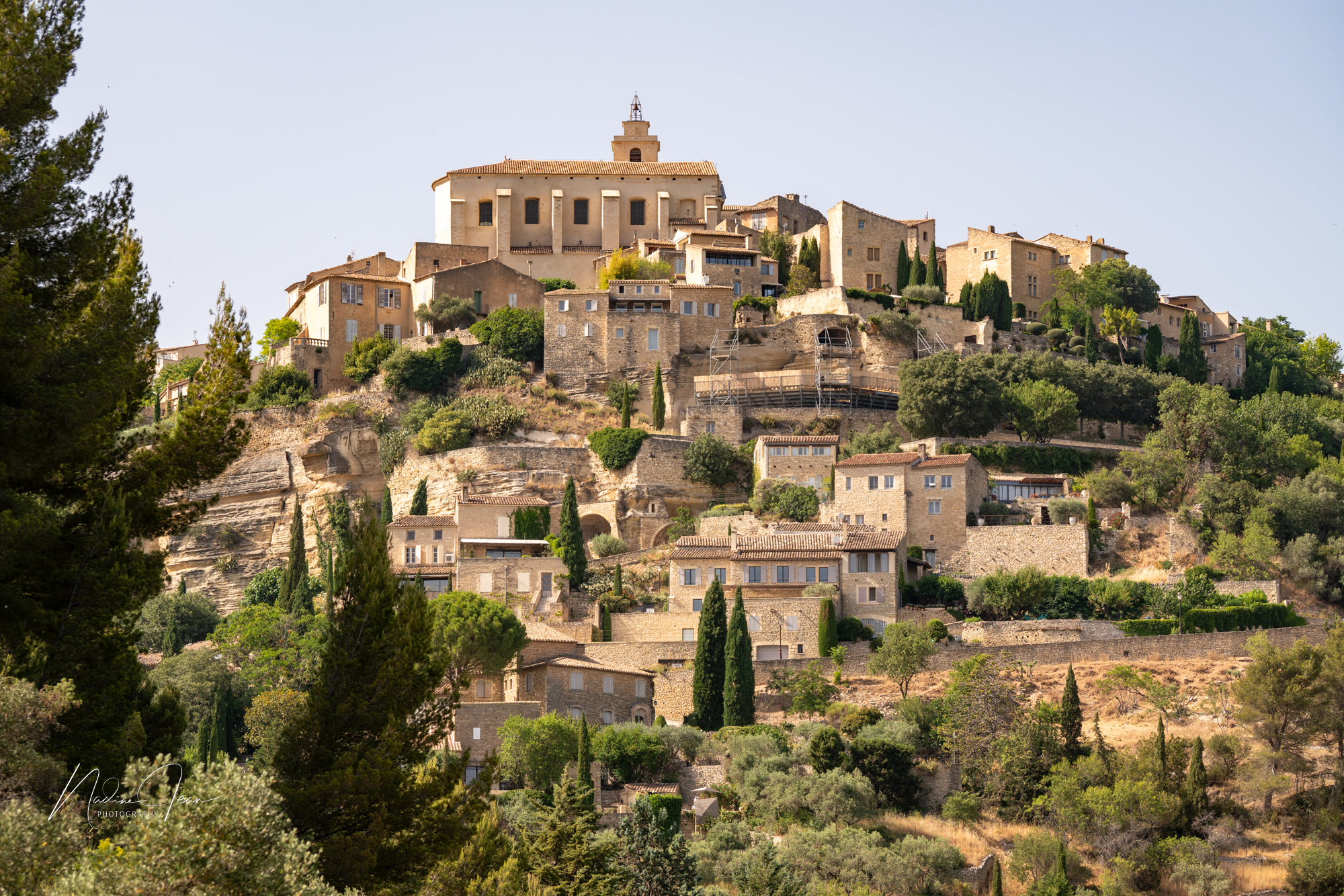
The Luberon is the Provence many travellers imagine, but its villages reward more than a photographic stop. Gordes rises above the valley in a layered composition of pale stone houses; Ménerbes stretches along a ridge with long views over vineyards and orchards; Roussillon offers a striking contrast, its ochre cliffs and façades ranging from burnt orange to deep rose. Each village has a different relationship with the land, and it is worth resisting the temptation to visit too many in one day.
Arrive early or later in the afternoon, when the lanes are quieter and the stone shifts in colour. Browse local galleries and ateliers, pause at a terrace overlooking the countryside and leave time to explore beyond the central viewpoint. The most rewarding moments often come in the details: a shaded passage, a sculptor’s studio, a courtyard softened by climbing plants or a table set for lunch with no view more dramatic than the village street.
The Luberon is well suited to a private driver or carefully planned self-drive itinerary, since villages are dispersed and public transport between them can be limited. A thoughtful route pairs two or three places with a leisurely meal rather than attempting a checklist of every celebrated village.
The Alpilles and Saint-Rémy-de-Provence: Art, Olive Groves and Quiet Grandeur
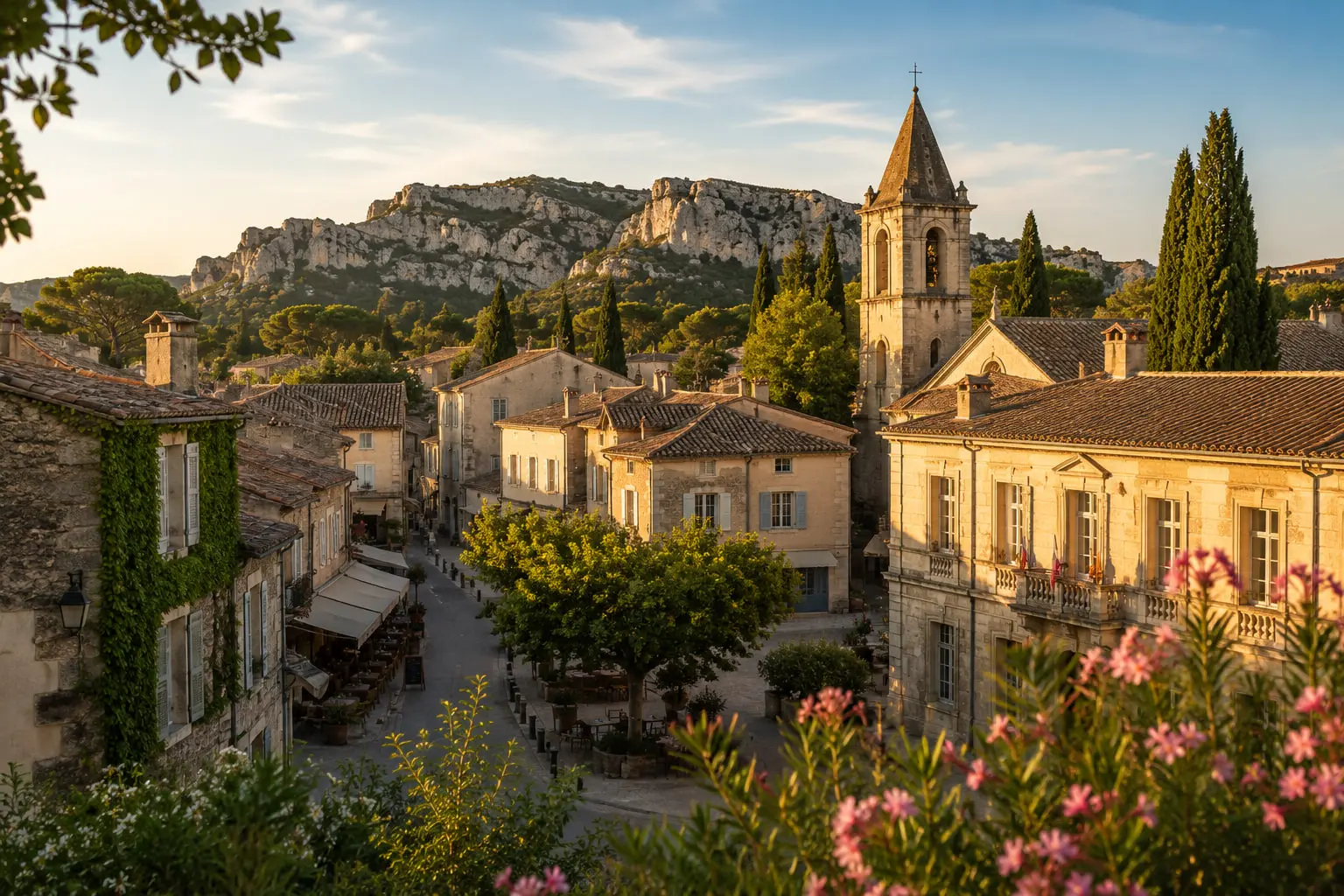
Around Saint-Rémy-de-Provence, the Alpilles rise in pale limestone ridges above olive groves, vineyards and small roads edged with cypress trees. The landscape feels sculptural: compact, sunlit and defined by the contrast between white rock and deep green vegetation. Saint-Rémy itself is a graceful town of fountains, shaded streets, boutiques and inviting terraces, with a pace that makes it easy to stay longer than planned.
The area is associated with Vincent van Gogh, who spent time at Saint-Paul-de-Mausole and produced a remarkable body of work inspired by the surrounding landscape. Visiting the site and walking routes connected with his paintings can add depth to a stay, especially when approached as an encounter with place rather than a simple literary pilgrimage.
Nearby Les Baux-de-Provence occupies a dramatic rocky spur, with stone lanes and views across the Alpilles. Its setting is extraordinary, though it can become busy in peak season. Visit early, then retreat into the countryside for a long lunch or an afternoon among the olive trees.
Arles: Roman Heritage and Contemporary Creativity
Arles carries a different weight of history. Its Roman amphitheatre, ancient theatre and remains of the imperial city recall that Provence has been a meeting place of cultures for millennia. Yet Arles is not frozen in antiquity. Its streets support galleries, independent design, photography and a contemporary cultural scene that gives the city a lively edge.
Walk the old centre slowly, moving between monumental stonework and modest squares where everyday life continues around the historic fabric. The Rhône shapes the city’s wider atmosphere, while the surrounding Camargue introduces wetlands, salt flats, horses and birdlife. Together, they make Arles an excellent base for travellers who want their Provence to include history, art and a more expansive natural world.
If your visit coincides with a major exhibition or cultural event, book accommodation early. Arles’ appeal is strongest when you leave time for both its major sites and the smaller discoveries along its side streets.
Lavender Country: The Scent of Summer
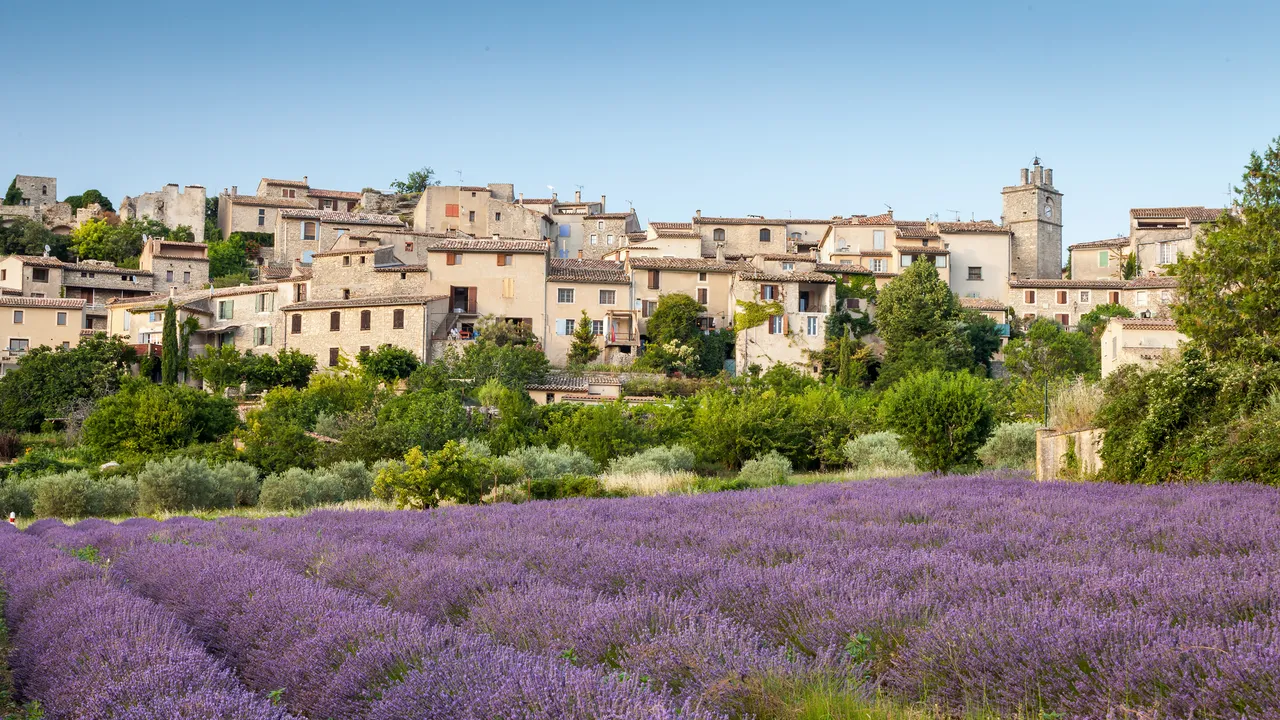
Lavender is one of Provence’s most enduring images, but the experience depends on timing and location. On the Valensole plateau, broad fields create an almost painterly geometry of purple rows beneath an enormous sky. Around Sault and the foothills of Mont Ventoux, lavender shares the landscape with farms, orchards and villages that offer a more rural perspective. The colour and fragrance are seasonal, and the exact flowering period shifts with weather and altitude.
For a visit centred on lavender, plan around the local season and check current conditions before travelling. Peak bloom often falls in early to mid-summer, but dates vary from year to year. Early morning and late afternoon provide softer light and a calmer atmosphere; midday can be hot, and fields may be working agricultural land, so remain on public paths and respect growers’ property.
The finest lavender itinerary is rarely only about the fields. Combine the landscape with a village market, a visit to a distillery or producer, and lunch featuring local ingredients. That context turns a beautiful view into a richer understanding of the region’s agricultural traditions.
The Camargue: A Wilder Face of Provence
West of Arles, the Camargue opens into a broad, low-lying landscape of lagoons, reed beds, salt marshes and open skies. It is a striking counterpoint to the hilltop villages: less architectural, more elemental, and shaped by water, wind and wildlife. White horses, black bulls and flocks of flamingos are emblematic of the region, though sightings depend on season and conditions.
A guided nature excursion can help visitors understand the delicate ecosystems and working traditions of the Camargue. Birdwatching, cycling and scenic drives offer ways to experience the area, while the coast near Saintes-Maries-de-la-Mer adds a maritime note. The region is best approached with patience and respect for its protected environments.
For travellers who want to balance Provence’s cultivated landscapes with something more expansive, the Camargue offers a memorable change of scale. It is not the polished countryside of the bastides, but a reminder that the region’s beauty is also wild, windswept and alive.
The Provençal Table: Markets, Olive Oil and Long Lunches
Provençal cooking is inseparable from the seasons. Tomatoes, aubergines, courgettes, peppers, olives, herbs and stone fruit appear in different forms as the year moves forward, while seafood and fish feature more prominently nearer the coast. Dishes such as ratatouille, soupe au pistou and aioli express a cuisine that values produce, fragrance and balance rather than unnecessary complication.
Markets are among the most pleasurable ways to encounter this food culture. Browse slowly, ask about local cheeses and olive oils, and look for products tied to the surrounding landscape. In the Luberon and Alpilles, olive oil is a point of regional pride; across the countryside, vineyards contribute to the rhythms of lunch and dinner. A guided market visit or a cooking session with a local chef can bring these connections into focus.
The classic Provençal lunch is not a meal to rush. Choose a terrace under plane trees, order according to the season and leave room for fruit, cheese or a local dessert. For a formal evening, the region’s celebrated restaurants offer inventive interpretations of southern French cooking, often with menus built around nearby producers. Reserve ahead in high season, particularly for small dining rooms and destination restaurants.
From Grand Bastides to Countryside Retreats
Provence’s most compelling luxury stays are rooted in the landscape. Some occupy historic country houses surrounded by olive groves; others combine contemporary architecture with gardens, vineyards and views towards the Alpilles. The best choice depends on the rhythm you want: a secluded retreat for slow days, a village-edge address for walking to dinner, or a design-led property that places art and architecture at the centre of the experience.
Villa La Coste
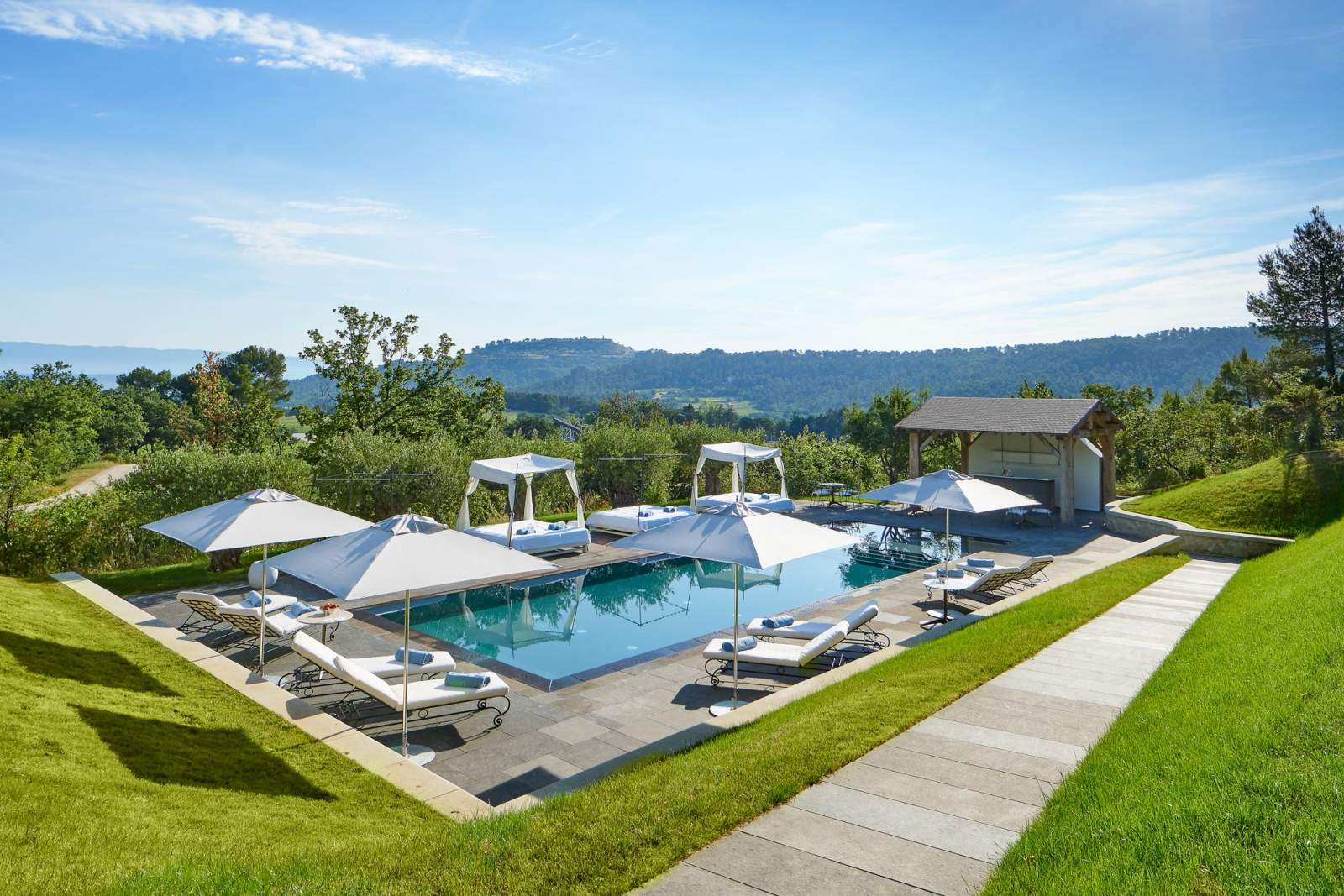
Set within the Château La Coste art and wine estate near Aix-en-Provence, Villa La Coste brings together contemporary architecture, art, vineyards and highly individualised hospitality. Its suites are conceived as private spaces within a larger landscape of installations and architecture, making the estate itself central to the stay. Guests can move between art walks, wine experiences, dining and restorative time without constructing every hour around a separate excursion. It is particularly suited to travellers who appreciate modern design and cultural experiences as much as traditional Provençal charm.
Airelles Gordes, La Bastide
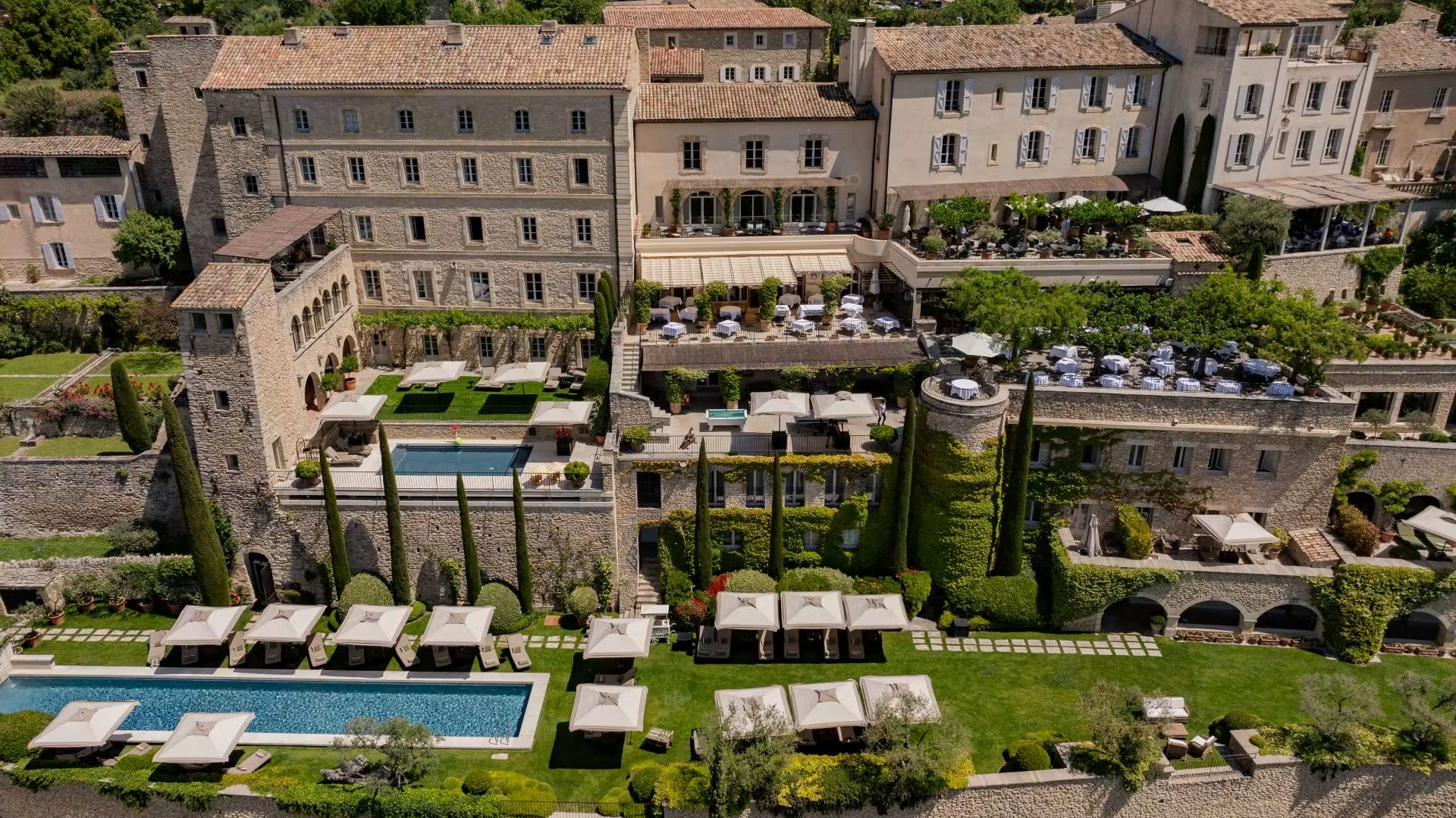
Perched within the hilltop village of Gordes, Airelles Gordes, La Bastide offers a dramatic relationship with the Luberon landscape. Its setting places the village’s stone architecture and broad valley views at the heart of the experience, while interiors evoke the layered character of a historic Provençal residence. The property suits travellers seeking a highly polished stay with attentive service, spa time and a sense of occasion. Its position also makes early-morning and evening exploration of Gordes especially rewarding, when the village is quieter.
Coquillade Provence
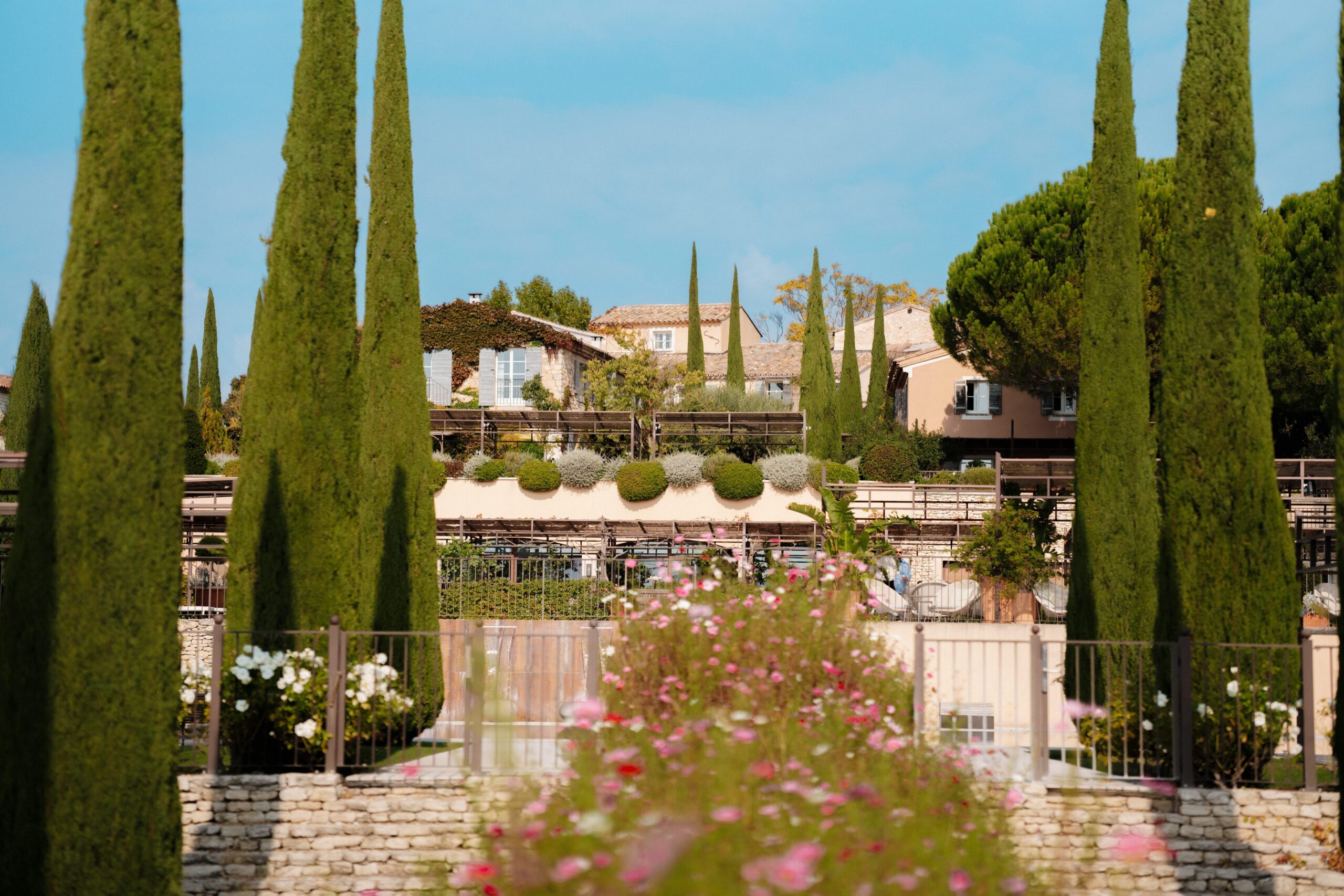
Among vineyards and rolling countryside near the Luberon, Coquillade Provence offers a resort-style interpretation of the region, with an emphasis on outdoor living, wellness and wine. The estate’s setting lends itself to cycling, relaxed days by the pool, spa treatments and excursions into nearby villages. It works well for travellers who want a comfortable base from which to explore while retaining space for restorative hours between outings.
Domaine de Fontenille
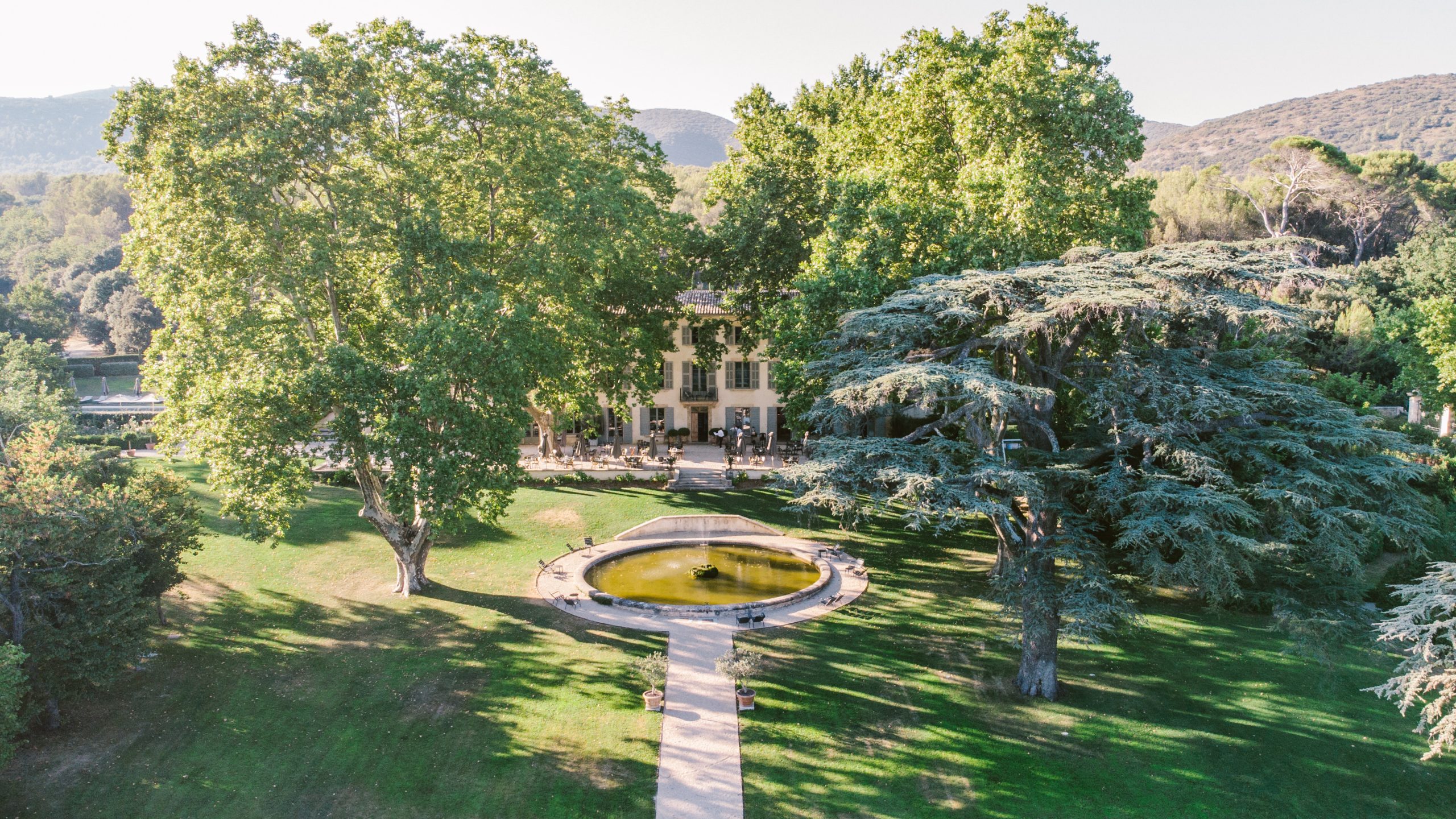
In the Luberon, Domaine de Fontenille occupies a historic bastide set within gardens and vineyard landscapes. The atmosphere is intimate and country-house in character, with a focus on seasonal dining, wine and the quiet pleasures of rural life. It is a strong choice for travellers who prefer an understated retreat to a large resort, and who value the ability to spend an afternoon wandering the grounds before dinner.
Baumanière Les Baux-de-Provence
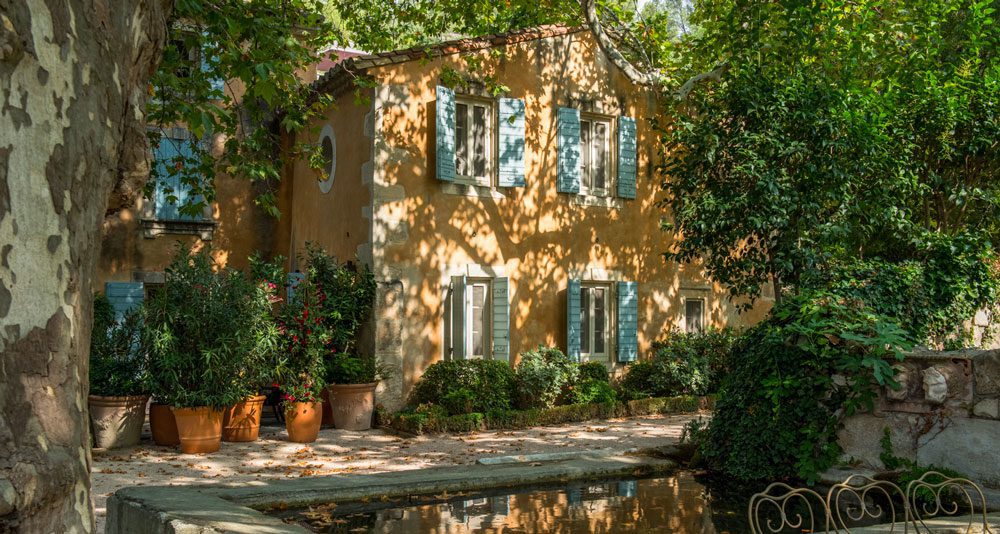
At the foot of the rocky village of Les Baux-de-Provence, Baumanière combines a celebrated gastronomic heritage with the landscape of the Alpilles. Its setting among gardens and stone terrain makes the property feel deeply connected to its surroundings, while its dining tradition gives food-focused travellers a particular reason to stay. The experience suits guests who want to centre a few days around exceptional meals, local produce and the quieter rhythm of the countryside.
Before booking, confirm current facilities, dining arrangements, seasonal openings and room categories directly with each property. In Provence, the details of the stay—garden outlook, terrace, location and distance to the places you hope to explore—can matter as much as the hotel name.
When to Visit Provence
Spring brings green hillsides, wildflowers and comfortable temperatures for village walks and cultural visits. It is an appealing season for travellers who want to explore Aix, Arles and the Luberon without the height of summer’s heat. Gardens and markets begin to feel lively, while the countryside is often at its freshest.
Summer is the season of long evenings, outdoor dining and lavender, though the busiest villages can be crowded and midday temperatures high. If lavender is a priority, plan dates around local flowering reports rather than relying on a fixed calendar. Start early, reserve restaurants and allow time to retreat to the shade during the warmest hours.
September and early autumn bring a softer pace, harvest activity and warm days ideal for exploring vineyards, villages and markets. The light becomes gentler, and the countryside remains inviting without the intensity of peak summer. Autumn is especially attractive for food-focused travel.
Winter offers a quieter, more local perspective, though some rural hotels, restaurants and attractions reduce their hours or close seasonally. It can be rewarding for travellers drawn to art, architecture and peaceful town stays, provided they confirm openings and plan a more focused itinerary.
Planning a Refined Provence Journey
Allow at least four nights to experience Provence without spending the entire trip in transit. A practical itinerary might combine Aix-en-Provence with two or three days in the Luberon or Alpilles, then add Arles or the Camargue if time allows. The region is larger and more varied than it can appear on a map, so choose a base according to the experiences that matter most.
A rental car or private driver offers the greatest flexibility for hilltop villages, lavender fields and country estates. If you prefer not to drive, concentrate on a single base and arrange selected excursions with a local guide. Distances between villages can be deceptively time-consuming, particularly on narrow roads in high season.
Reserve sought-after hotels and restaurants well in advance for summer and major local events. For lavender fields, winery visits and private experiences, check seasonal availability and arrange appointments before travelling. Pack comfortable shoes for cobbled lanes, sun protection for open landscapes and a light layer for evenings outside the warmest months.
Above all, resist the urge to see all of Provence in one visit. The region’s pleasure lies in the intervals: the market that takes longer than expected, a lunch that stretches into the afternoon, a village discovered on the way to somewhere else. Build the itinerary around a few meaningful experiences and allow the rest to happen.
Beyond Provence: Discover More of France
France reveals a different character with every change of landscape. In Paris, grand boulevards, celebrated galleries and café terraces create a portrait of metropolitan elegance. Nice offers the sunlit ease of the Mediterranean, while Cannes brings a more glamorous Riviera sensibility shaped by the Croisette and its cinematic heritage. Lyon introduces a city culture defined by Renaissance passageways, elegant squares and a deep culinary tradition; Bordeaux pairs grand limestone architecture with celebrated wine country; and Strasbourg reveals the distinctive meeting of French and German influences through its canals, timbered houses and Alsatian table. Provence offers another register entirely: a world of hilltop villages, fragrant landscapes and long, unhurried afternoons. Together, these destinations reveal the many ways France makes an art of living well.
Frequently Asked Questions
How many days should you spend in Provence? Four to six nights is a useful starting point, especially if you want to combine Aix-en-Provence, the Luberon and the Alpilles without rushing. Longer stays make it easier to include Arles, the Camargue or lavender country.
When is lavender season in Provence? Flowering varies by location, altitude and weather, but it often takes place from early to mid-summer. Check local conditions close to your travel dates, as fields do not all bloom at once.
Do you need a car to explore Provence? A car or private driver makes it easier to reach hilltop villages, countryside hotels and lavender areas. Travellers without a car can base themselves in Aix-en-Provence or another well-connected town and arrange selected guided excursions.
Where should you stay for a luxury Provence trip? Airelles Gordes, La Bastide suits travellers drawn to the Luberon; Villa La Coste offers art and contemporary architecture; Coquillade Provence and Domaine de Fontenille provide countryside settings; and Baumanière Les Baux-de-Provence is especially appealing for gastronomy and the Alpilles.
What is Provence known for beyond lavender? Its appeal includes historic towns, Roman heritage, art history, olive oil, seasonal markets, regional wines, hilltop villages and the varied landscapes of the Luberon, Alpilles and Camargue.
The Luminara Perspective
Provence is not a destination to be measured by the number of villages visited or photographs collected. Its deeper appeal lies in the relationship between landscape and daily life: the market that follows the season, the stone house shaped by generations, the olive grove that turns silver in the wind and the table that gathers people around what the land has offered.
Come for the light, certainly, but stay for the way the region asks you to live differently. Let a village morning unfold without a schedule; take the longer route through the countryside; choose a meal for its ingredients rather than its reputation. In Provence, refinement is not an elaborate performance. It is the quiet art of paying attention.