A world of glacial horizons, Alpine refinement and the quiet grandeur of the mountains
A Landscape That Changes Your Sense of Scale
There are places where the landscape becomes the principal character, and Chamonix-Mont-Blanc is one of them. The valley opens beneath a procession of formidable peaks; glaciers descend through steep folds of rock; pine forests darken the lower slopes while snow catches the highest ridgelines long after the village has entered the afternoon. Even the most elegant chalet seems modest here, its timber and stone made more beautiful by the immensity surrounding it.
Chamonix’s reputation was built through mountaineering, exploration and the human fascination with the high Alps. Yet the destination has evolved beyond its history as a base for climbers and skiers. Today, it offers a layered experience: historic streets and independent boutiques, serious mountain culture, contemporary gastronomy, restorative spas and hotels that interpret Alpine hospitality in markedly different ways. The appeal is not limited to winter, nor reserved for those who want to test themselves against the mountains.
Luxury in Chamonix is best understood as access to contrast. A morning can begin with the extraordinary silence of a high-altitude panorama, continue with a carefully prepared lunch in the valley and end beside a fire, looking towards the peaks as the last light drains from their faces. It can mean a private chalet with room for family and friends, a design-conscious hotel close to the centre or a table where regional ingredients are treated with the precision of fine dining. The setting supplies the drama; the art lies in how the day is shaped around it.
For Luminara Voyages, Chamonix is not simply an Alpine adventure destination. It is a study in scale, atmosphere and the particular refinement of mountain living—where the most memorable luxury may be a room with a view, a guide who knows the valley intimately or the pleasure of returning from the cold to a place that feels entirely your own.
The Centre of Chamonix-Mont-Blanc: Alpine Life Beyond the Postcard
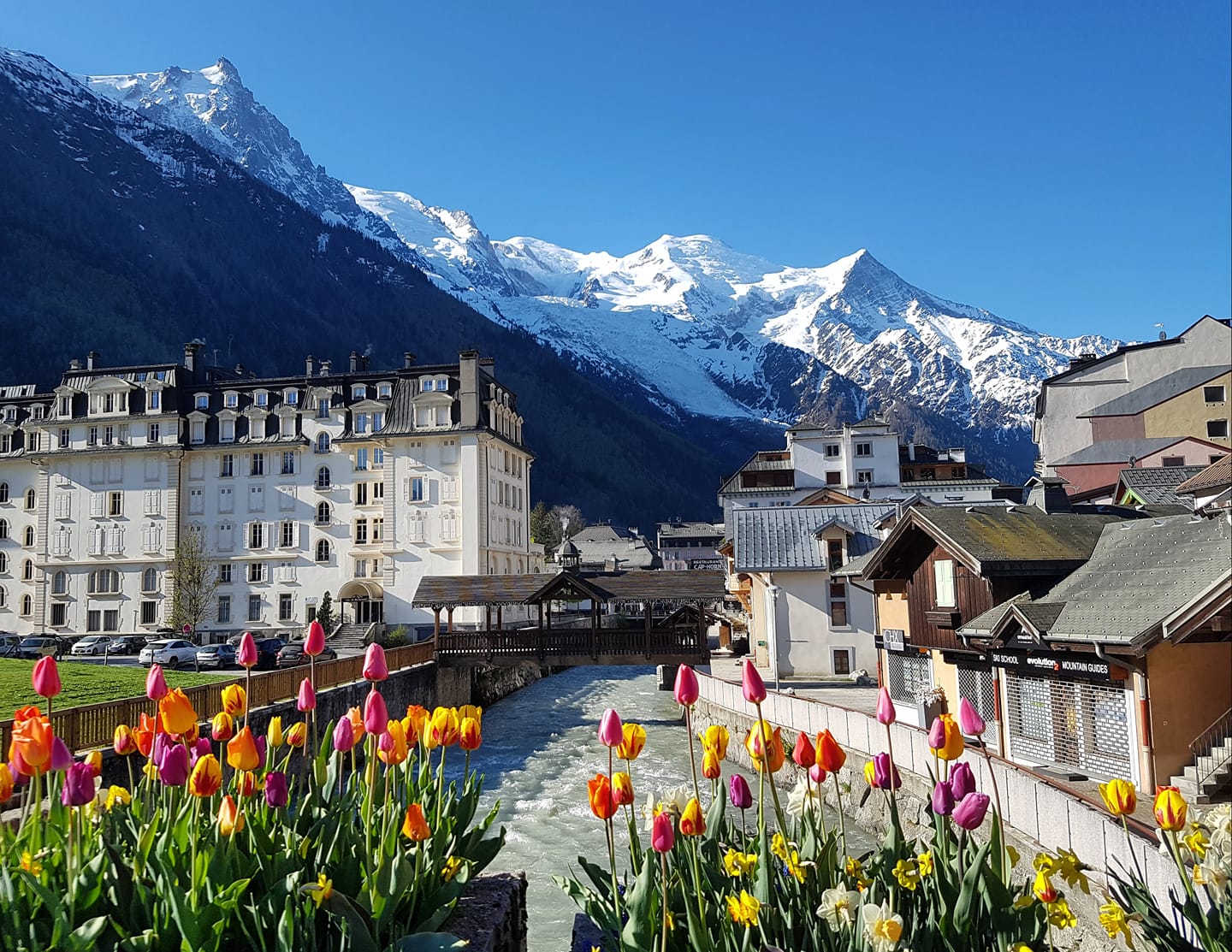
Chamonix’s town centre is compact enough to explore on foot, yet rich in detail. Traditional façades, sporting shops, bakeries and contemporary boutiques share streets shaped by the valley’s long relationship with mountain travel. The atmosphere is energetic rather than remote: mountaineers and skiers move between cafés and equipment shops, while visitors gather on terraces to watch the weather change over the peaks.
The town is worth experiencing at more than one hour of the day. In the morning, the streets feel purposeful, with guides preparing for the mountains and cafés opening for the first wave of customers. Late afternoon brings a different rhythm, when people return from slopes and trails, and the centre becomes a place to linger over a drink or dinner. Explore beyond the busiest shopping streets to find quieter corners, local food shops and views framed by buildings.
Chamonix’s identity is inseparable from the culture of mountaineering. Museums and heritage displays offer context for the explorers, guides and climbers who helped shape the valley’s reputation. This history gives the destination depth: the mountains are not merely scenery but a presence that has influenced work, architecture, tourism and the local sense of possibility.
Aiguille du Midi: The Valley Seen from Above
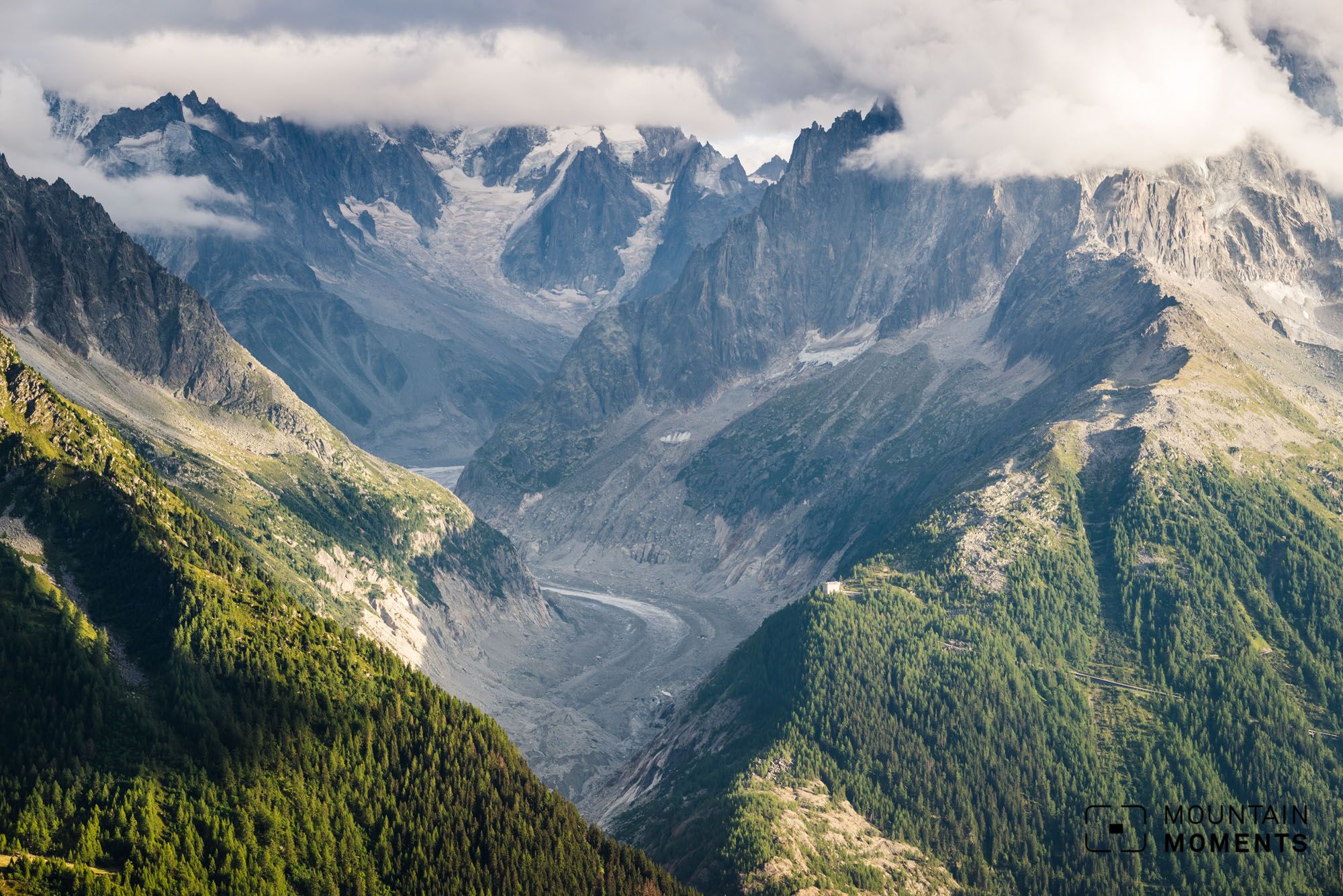
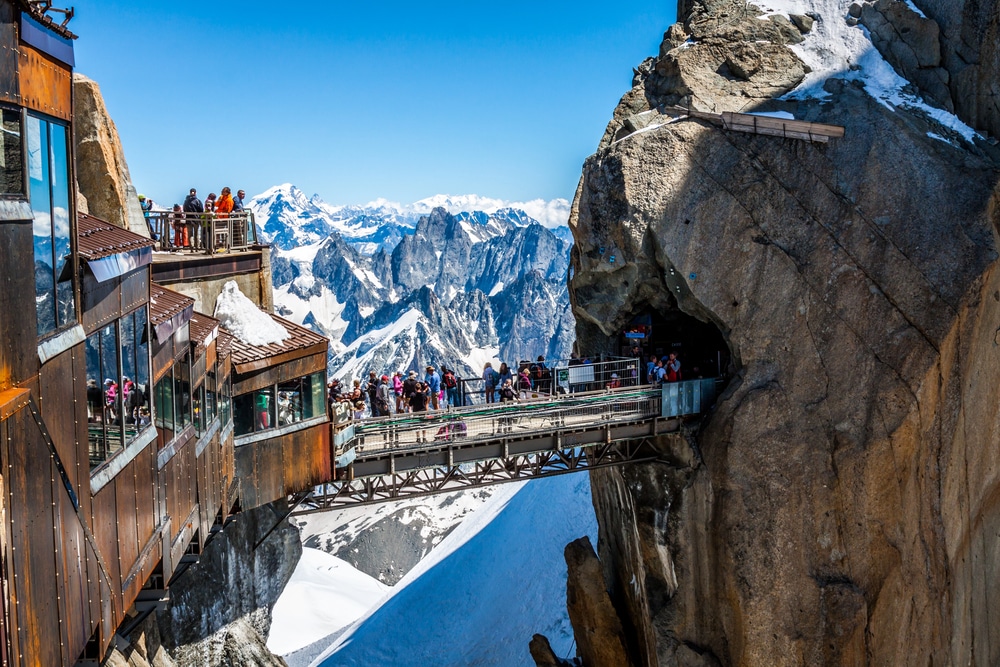
The ascent to Aiguille du Midi is one of Chamonix’s defining experiences. The cable car carries visitors from the valley to a high-altitude world of rock, ice and sweeping Alpine horizons, with viewing terraces that reveal the Mont Blanc massif from an extraordinary vantage point. The transition is dramatic: the scale of the landscape changes, the familiar valley becomes a small pattern far below, and the peaks seem close enough to occupy the entire horizon.
The experience is best approached with practical care rather than treated as a routine sightseeing stop. Conditions can change quickly, temperatures at altitude may be markedly lower than in town, and some visitors may feel the effects of elevation. Check operating information and weather before departure, dress in warm layers even in summer, and allow time to acclimatise. The glass viewing experience known as Step into the Void is optional, not the reason everyone needs to make the ascent.
On a clear day, the panorama can feel almost unreal: ridgelines recede towards Italy and Switzerland, glaciers carve pale paths through dark rock and Mont Blanc dominates the view. Yet the most affecting moments are often quiet ones—standing on a terrace as clouds move across a summit or watching sunlight travel over the ice. Aiguille du Midi is not simply a viewpoint; it is an encounter with the scale of the high Alps.
Mer de Glace: A Glacier and the Memory of Ice
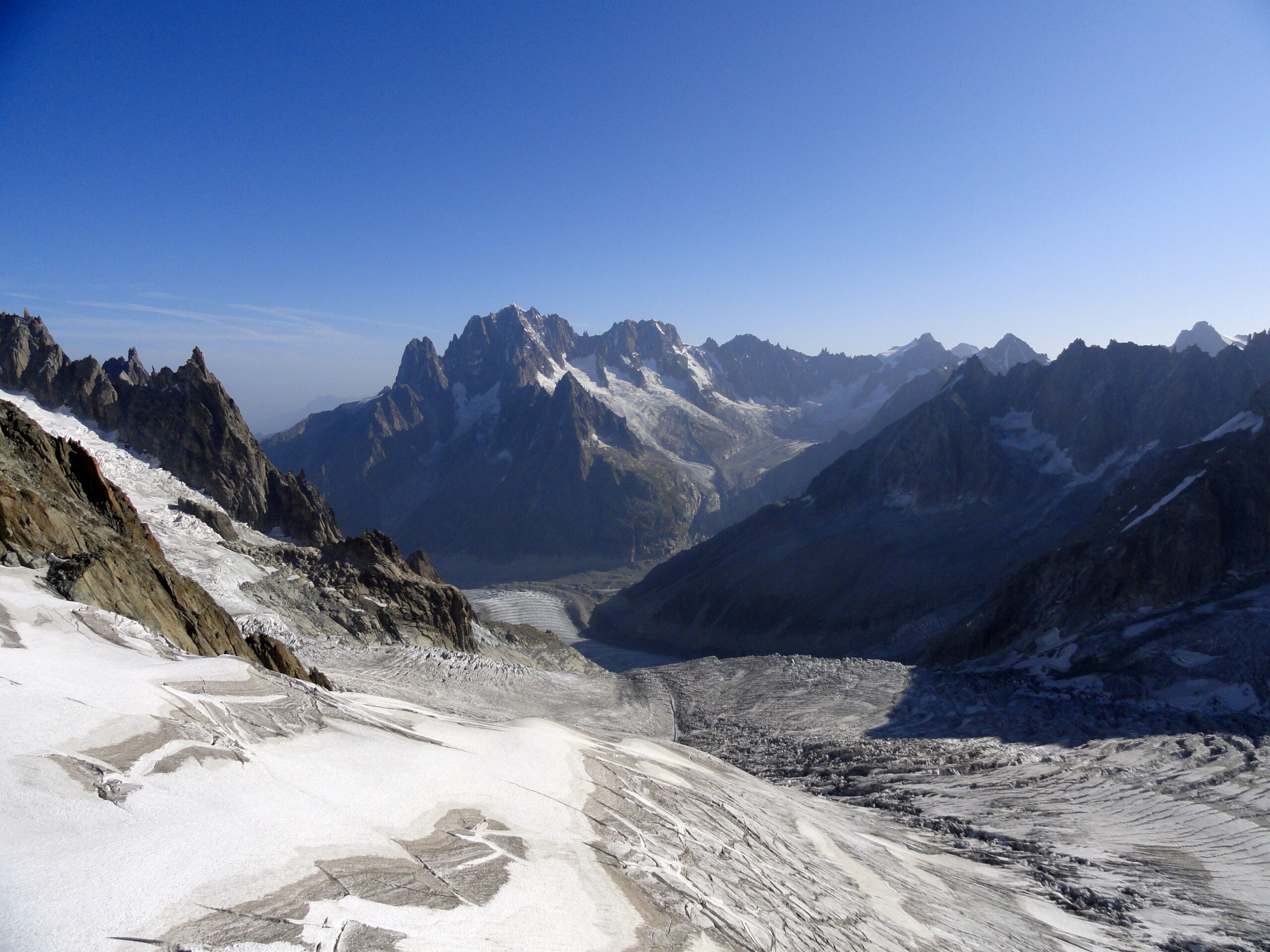
The Montenvers railway climbs from Chamonix towards the Mer de Glace, one of the valley’s best-known natural landmarks. The journey itself is part of the appeal, lifting travellers above rooftops and forested slopes before opening onto a rugged mountain panorama. From the viewpoint, the glacier reveals the immense forces that have shaped this landscape over time.
The Mer de Glace is also a place to reflect on environmental change. Glaciers are dynamic systems, and their visible retreat offers a powerful reminder that the Alps are not a static backdrop. Access to specific features, including any ice grotto or connecting transport, can vary by season and conditions, so check current arrangements before visiting.
Allow time to take in the surrounding peaks rather than rushing back immediately. The high mountain environment can feel stark and elemental, a useful counterpoint to the comfort of valley hotels. For travellers who prefer scenery to strenuous activity, Montenvers offers a way to experience the grandeur of the mountains without undertaking a long hike.
Brévent, Flégère and the Sunlit Side of the Valley
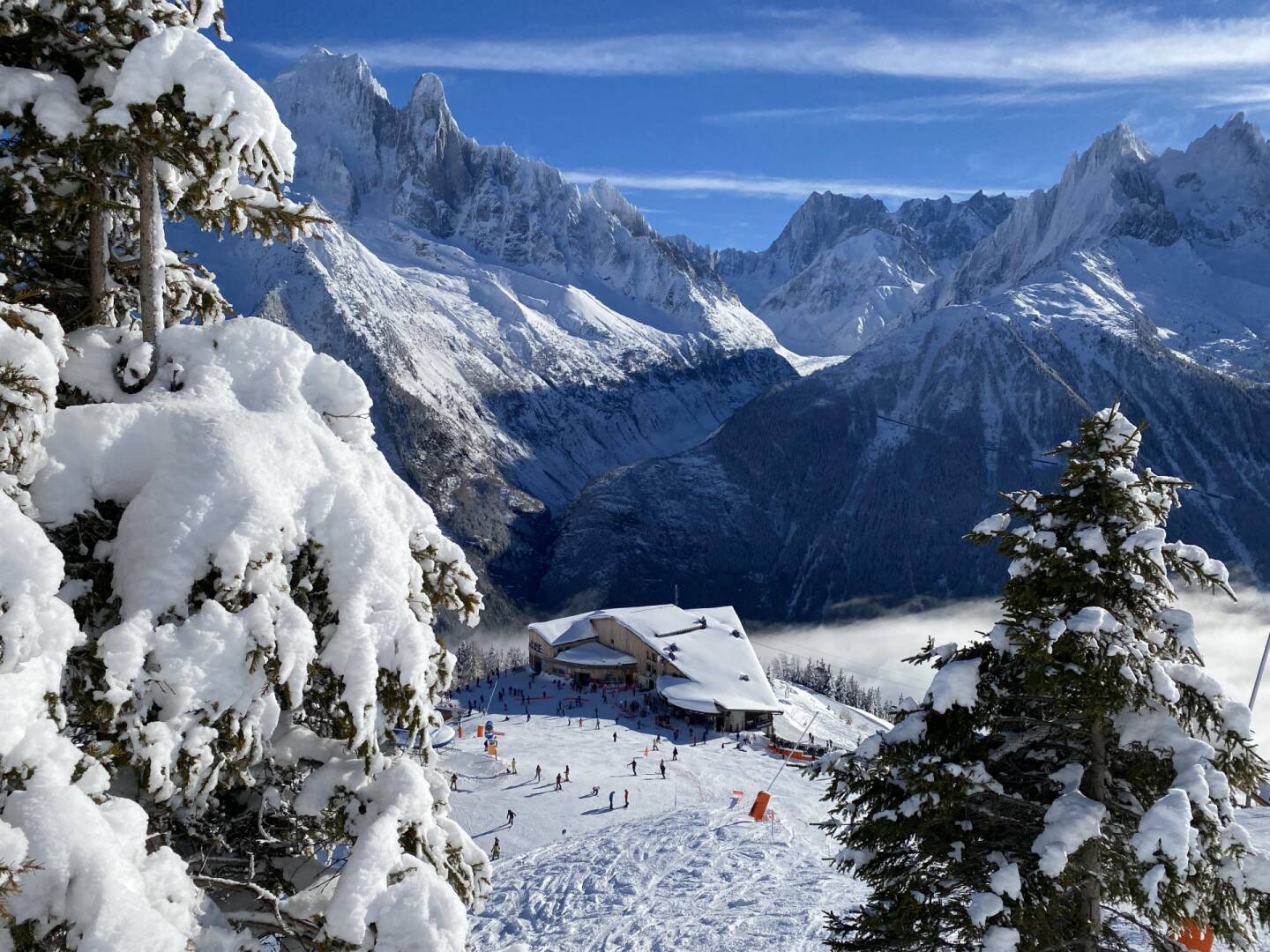
Across the valley from the Mont Blanc massif, the Brévent and Flégère areas offer another perspective on Chamonix’s dramatic geography. The views place the great peaks directly in front of the observer, giving the mountains a composed, almost architectural presence. In summer, marked trails provide routes for walkers of different abilities; in winter, the area becomes part of the valley’s wider skiing landscape.
The appeal lies in the relationship between effort and reward. A lift can make high viewpoints accessible, while more ambitious visitors can connect the experience with hiking routes when conditions permit. Choose a route according to weather, ability and current mountain information rather than relying on a fixed itinerary. In the high Alps, good judgement is part of the experience.
For photographers, changing light can be as compelling as the view itself. Early and late hours often reveal more texture in the rock and snow, while shifting cloud can create different scenes within minutes. Even a short walk near a mountain station can become memorable when the landscape is given time to unfold.
Summer: Trails, Wildflowers and Long Alpine Days
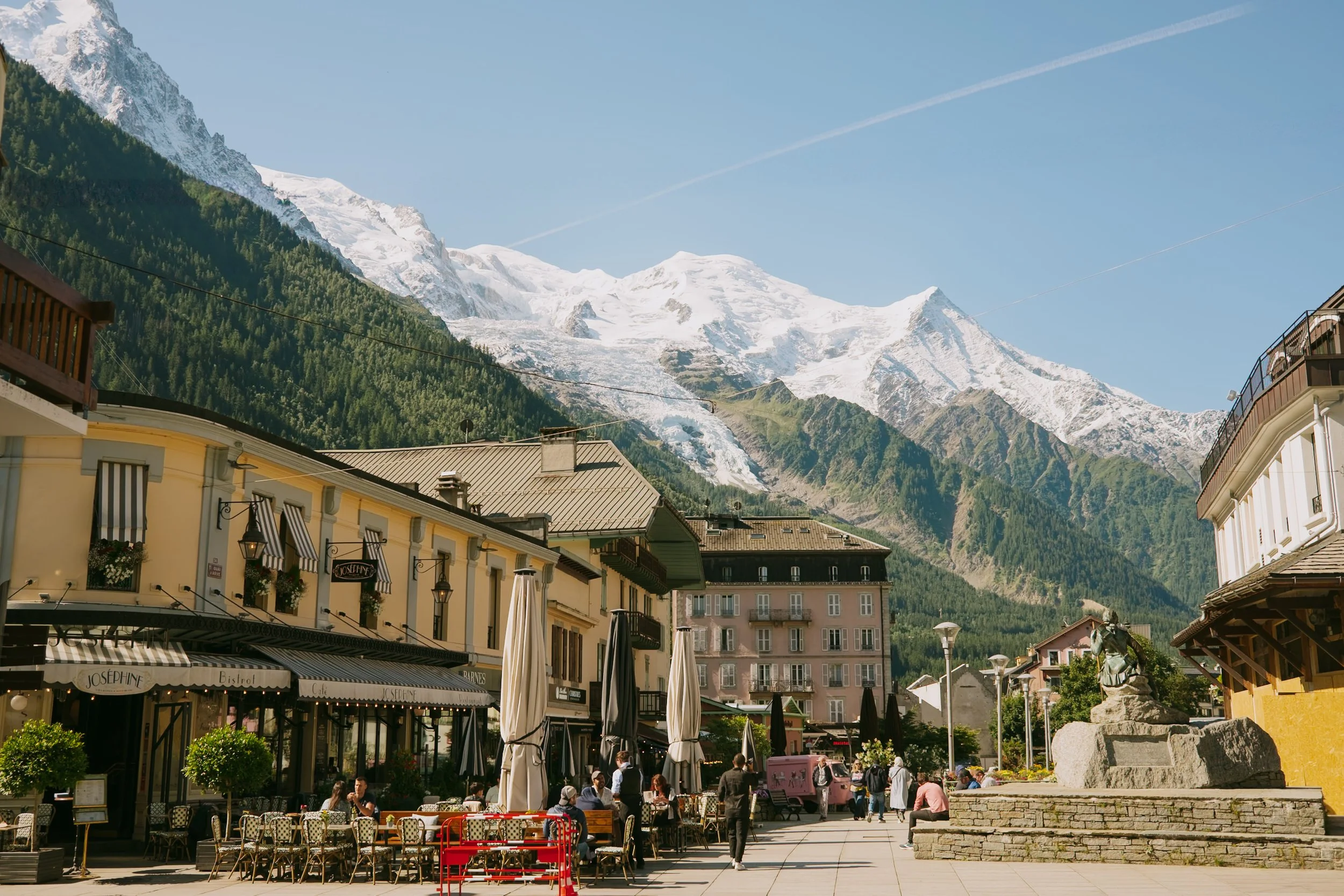
Summer changes the valley’s character without diminishing its drama. Snow remains on the highest peaks while lower slopes open to hiking routes, mountain lakes and meadows bright with seasonal flowers. The days are long, and the range of possible experiences extends from gentle valley walks to demanding mountain routes. Guided hikes can add context to the terrain and help travellers choose routes appropriate to their ability.
The most rewarding summer itinerary balances activity with recovery. Begin early for a walk, return to the valley for lunch and leave the afternoon open for a spa, a terrace or a slow exploration of town. Mountain weather can change quickly, and trails may be affected by snow, storms or maintenance even outside winter. Check local conditions, carry suitable equipment and avoid choosing a route based only on its photographs.
Winter: The Rituals of Snow and Firelight
In winter, Chamonix becomes a world of snow-covered rooftops, crisp air and mountain silhouettes that seem sharper against the pale sky. Skiing and snowboarding are central to the season, but the valley offers more than downhill sport. Snowshoe walks, scenic lifts, mountain restaurants and quiet afternoons in a spa create a varied winter rhythm for travellers with different interests and levels of experience.
The ski areas across the valley have different characters, and the right choice depends on ability, conditions and the kind of day you want. Beginners should seek suitable instruction and terrain; experienced skiers may want to explore with a qualified guide where conditions demand it. The high mountain environment should always be respected, particularly away from marked and controlled pistes.
The finest winter stays allow the outdoors to remain part of the day without making the entire trip dependent on skiing. A heated pool with a mountain view, a carefully prepared dinner, a private transfer to the ski area or a fire-lit lounge can make the return from the cold as memorable as the time spent outside.
The Alpine Table: Savoyard Traditions and Contemporary Dining
The cuisine of the Chamonix valley draws on the wider Savoyard tradition: mountain cheeses, potatoes, cured meats, seasonal produce and dishes designed for cold-weather appetites. Fondue, raclette and tartiflette remain familiar favourites, but the region’s dining scene also includes contemporary kitchens that interpret Alpine ingredients with a lighter touch and greater attention to seasonality.
A thoughtful meal here is about more than the menu. The setting—whether a village restaurant, a mountain terrace or an elegant dining room—changes the experience. Look for regional cheeses, local charcuterie and dishes that make sense in the season. In summer, terraces invite long lunches beneath the peaks; in winter, the pleasure of a warm room and an unhurried meal becomes part of the mountain ritual.
For a special evening, reserve ahead and consider a tasting menu or a restaurant with a strong relationship to local producers. Chamonix’s most rewarding dining experiences balance technique with a sense of place: the food should feel refined, but never detached from the landscape that surrounds it.
Luxury Stays: Five Distinct Ways to Experience Chamonix
In Chamonix, accommodation shapes the relationship with the mountains. A central grand hotel brings restaurants and the town’s daily rhythm within easy reach; a historic family-run property offers a more personal expression of Alpine hospitality; and a private chalet creates room for privacy, shared meals and days arranged around your own pace. These addresses offer different interpretations of mountain luxury. Verify current facilities, seasonal openings and room categories directly before booking.
Hôtel Mont-Blanc
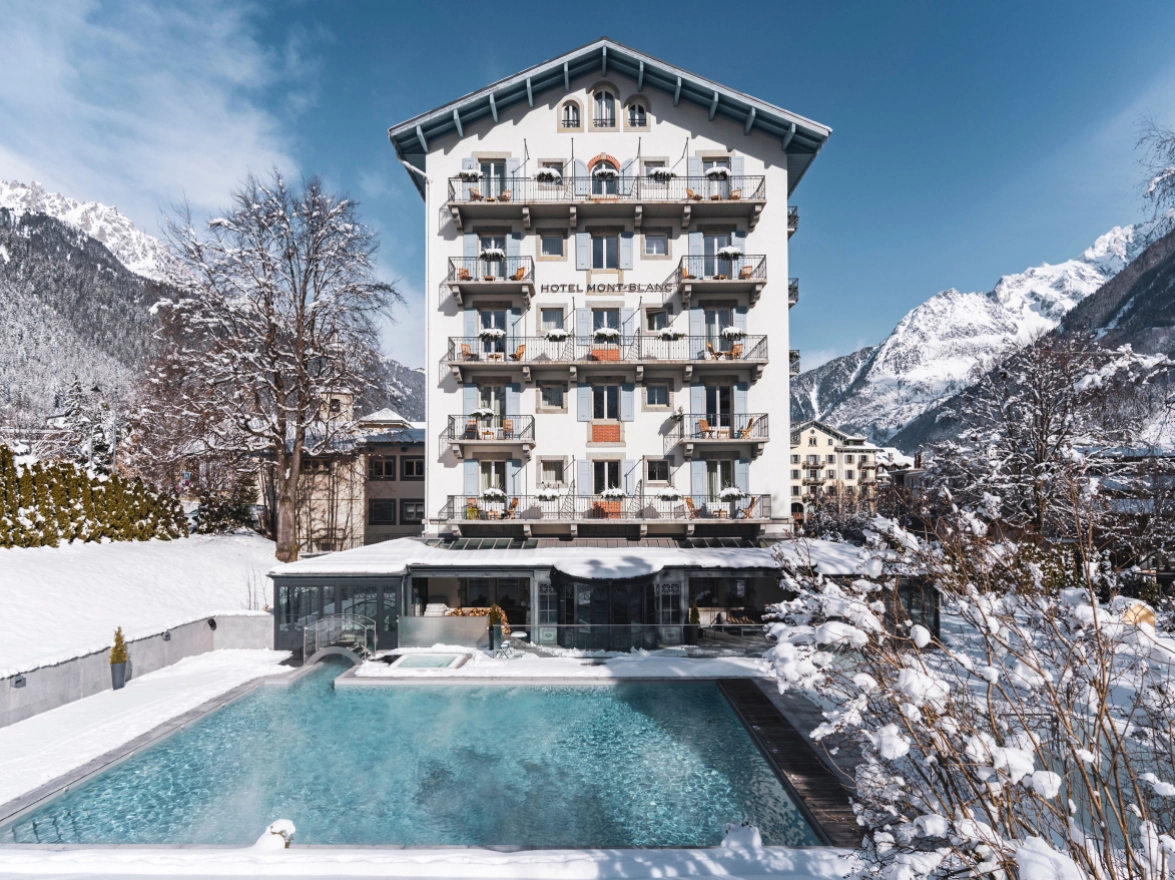
In the heart of Chamonix, Hôtel Mont-Blanc pairs a central address with a polished, classic-hotel atmosphere. The property places views of the surrounding peaks at the centre of the stay, while its heated outdoor pool and Spa by Clarins offer a restorative counterpoint to days on the mountain. Its restaurant, Le Matafan, presents seasonal cooking with references to Alpine and wider regional traditions. This is an appealing choice for travellers who want the ease of town-centre living without sacrificing the rituals of a high-end mountain retreat.
Le Hameau Albert 1er
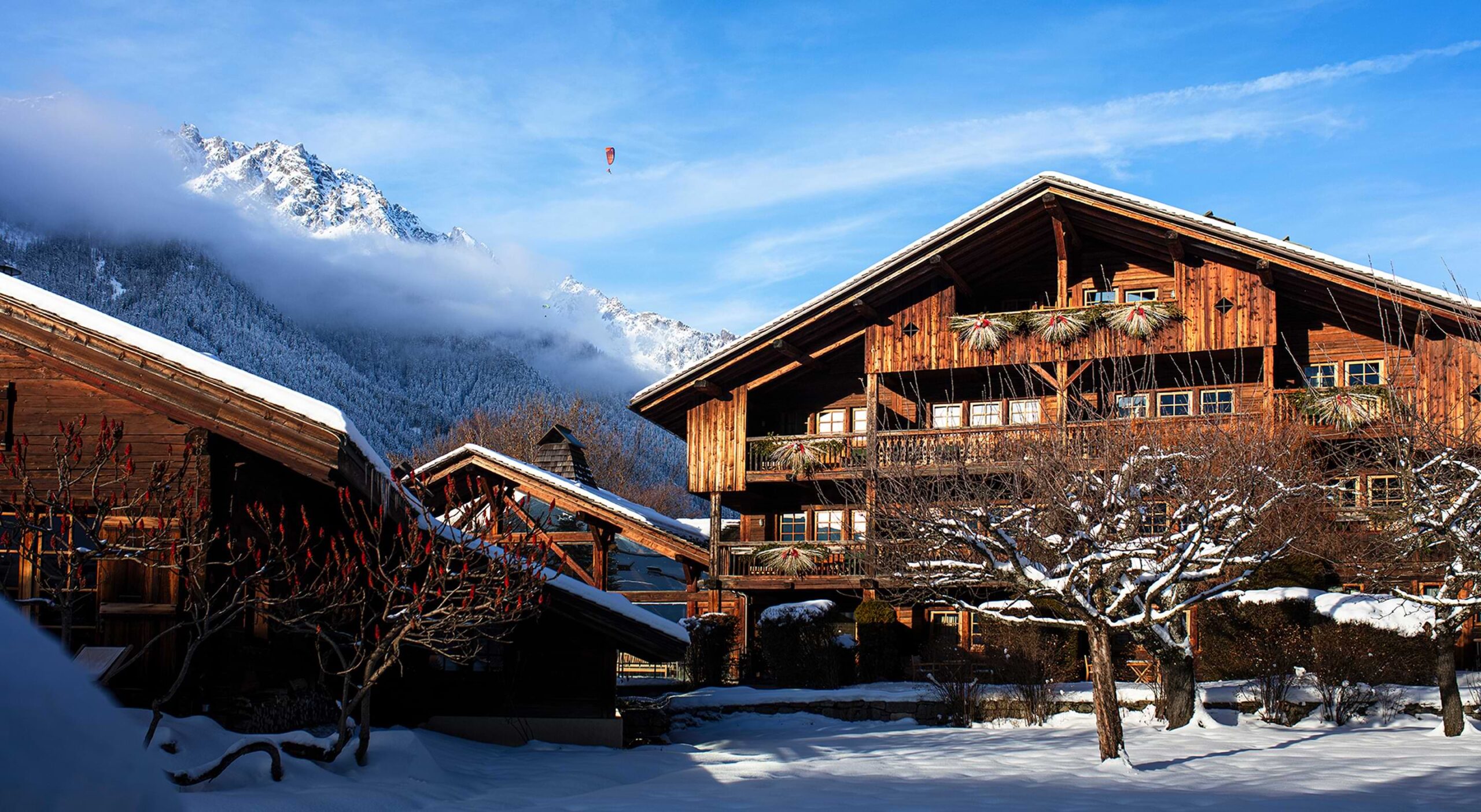
A family-run Relais & Châteaux property close to the centre, Le Hameau Albert 1er offers a more intimate interpretation of Chamonix hospitality. Its accommodation ranges from individually designed rooms and suites to independent chalets, combining contemporary pieces with the warmth of traditional Alpine materials. Dining is central to the experience, with the gastronomic Table Albert 1er alongside La Maison Carrier, whose atmosphere draws on the character of an old mountain farmhouse. The property’s spa and heated pool create a quieter world to return to after time outdoors.
Grand Hôtel des Alpes
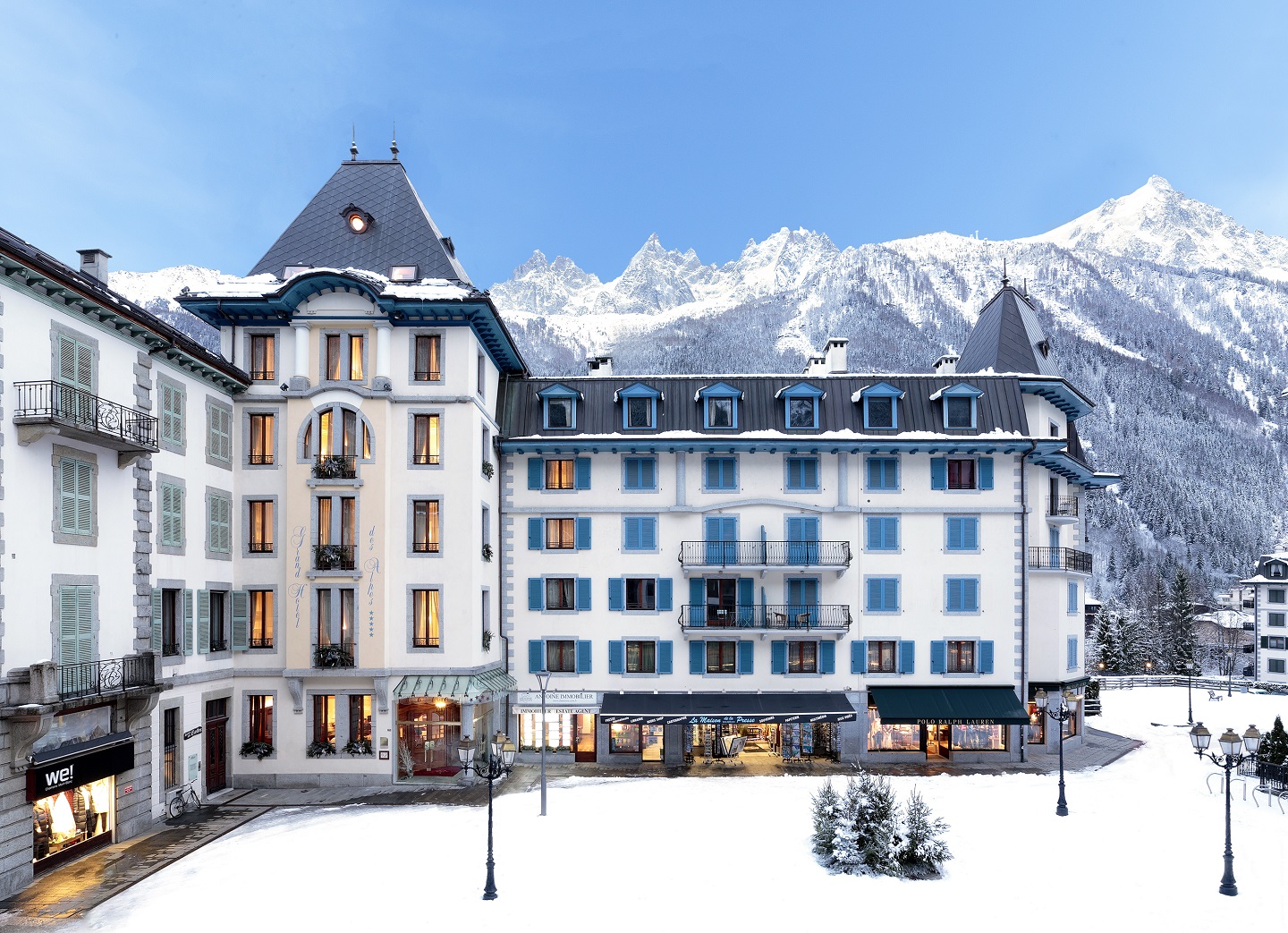
Grand Hôtel des Alpes offers a historic, central base for travellers who value an established Alpine address and easy access to the town’s restaurants, shops and mountain transport. Its character is more traditional than that of a design-led contemporary resort, making it suitable for guests who appreciate a sense of continuity and classic hospitality. When choosing a room, consider the outlook and layout carefully, since the experience of waking in the valley is shaped as much by the view as by the address itself.
Le Morgane
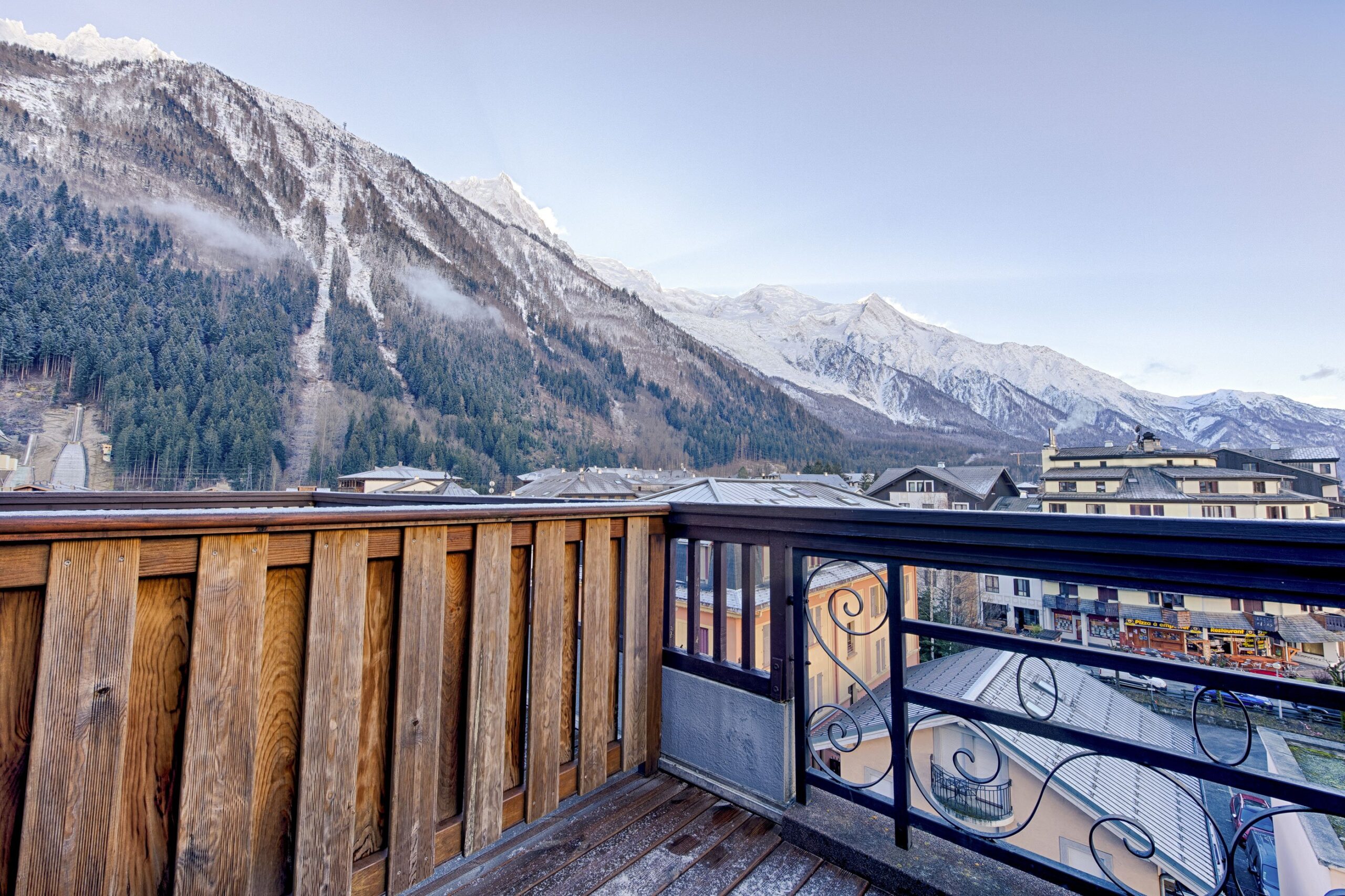
Le Morgane brings a more contemporary design sensibility to the Chamonix hotel scene. Its modern interiors and wellness facilities provide a comfortable base for travellers who want to move between mountain experiences and the restaurants and boutiques of the town. It suits visitors who prefer a relaxed, design-conscious atmosphere over formal grand-hotel ceremony, while keeping the valley’s principal experiences within convenient reach. Confirm current room features and wellness access when booking.
Les Granges d’en Haut
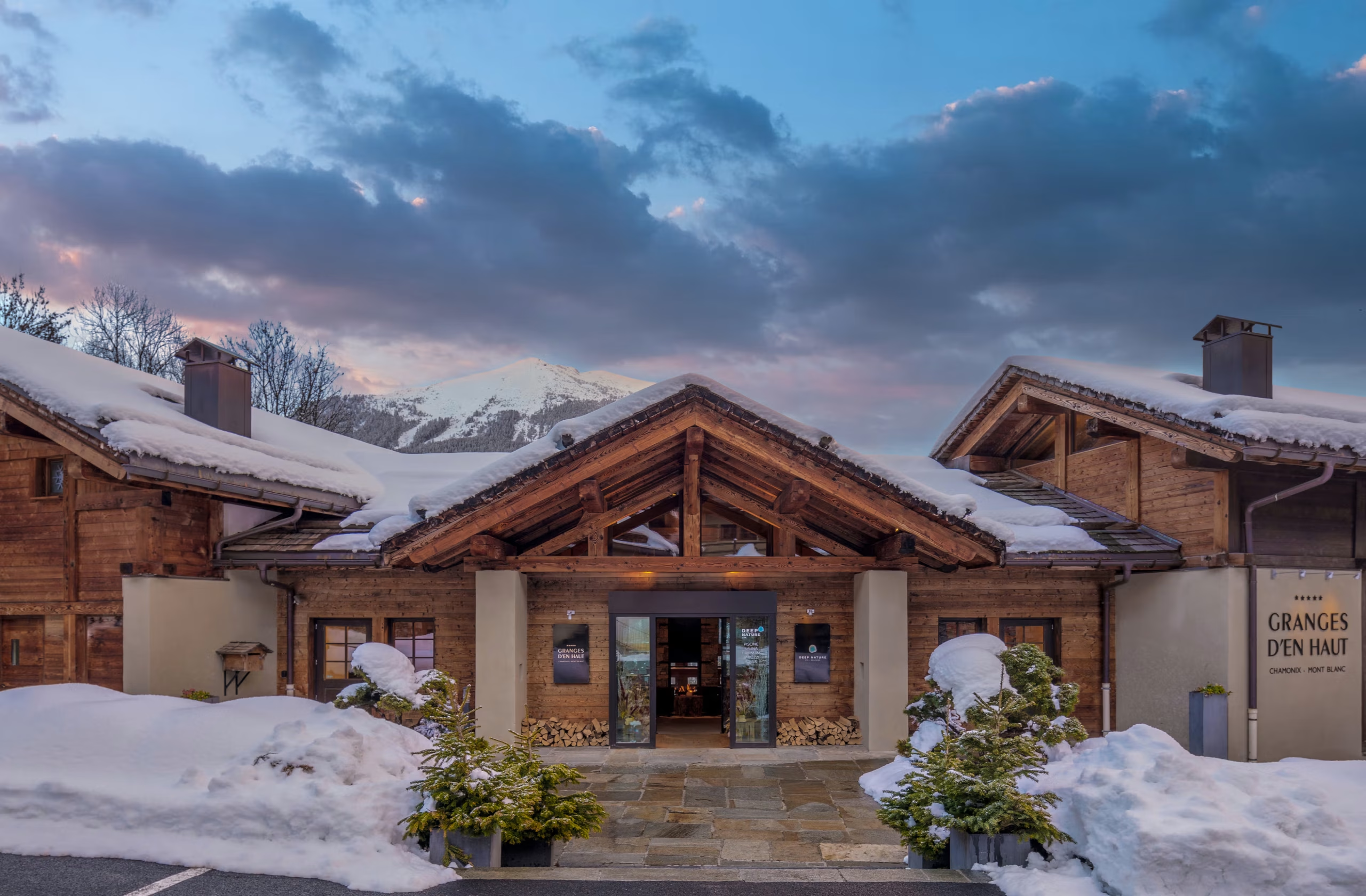
In Les Houches, a short distance from central Chamonix, Les Granges d’en Haut offers a chalet-led experience with a more private, residential feel. It is suited to travellers who value space, mountain views and the freedom to organise days around their own group, whether travelling as a family or with friends. The setting creates a different rhythm from a town-centre hotel: quieter evenings, more emphasis on the chalet itself and a closer sense of retreat. Check current services, seasonal arrangements and transport options before confirming a stay.
The best choice depends on the kind of mountain journey you want. For a classic central address, consider Hôtel Mont-Blanc or Grand Hôtel des Alpes; for a property with a strong family history and distinctive dining, Le Hameau Albert 1er stands out; Le Morgane offers a contemporary alternative; and Les Granges d’en Haut is worth considering when privacy and chalet living matter most.
When to Visit Chamonix-Mont-Blanc
Summer is ideal for travellers drawn to hiking, mountain scenery and long days outdoors. Lower trails and lifts open according to the season and conditions, while high-altitude experiences remain weather-dependent. It is a rewarding period for combining active mornings with relaxed afternoons in town, though popular dates should be booked ahead.
Winter brings skiing, snow sports and the atmosphere of a classic Alpine resort. December through the main winter season can be lively, especially around holiday dates, so hotel rooms, equipment and lessons are best arranged in advance. Conditions vary each year, and the right travel dates depend on snow, lift operations and the activities you have in mind.
Spring and autumn can offer a quieter mood, but these are also transition periods when some lifts, trails, restaurants or seasonal services may be closed or operating on reduced schedules. They suit travellers who prioritise the town, lower-elevation walks and a slower pace, provided they check local opening information before arrival.
Planning a Refined Alpine Escape
Allow at least three nights for Chamonix, and longer if you want to combine high-mountain viewpoints, outdoor activity, spa time and unhurried dining. Four or five nights make it easier to adapt plans to the weather rather than feeling obliged to attempt every major attraction on a single clear day.
Aiguille du Midi and Montenvers are popular experiences, so check ticket availability and operating conditions ahead of time. Weather can interrupt high-altitude services, and flexibility is essential. If one of the major viewpoints is closed, the valley offers alternatives—from a walk near Lac des Gaillands to village exploration, museums or a long lunch.
The centre is walkable, and public transport and valley rail services can help connect settlements and activity areas. A car is not essential for every visitor, especially when staying centrally, but private transfers can be useful for a chalet outside town or tailored excursions. Pack layers, sunglasses, sun protection and appropriate footwear in every season; high-altitude conditions can differ sharply from the valley floor.
Most importantly, do not overfill the itinerary. The weather may shift, a viewpoint may call for a longer stay, or the best hour of the day may be the one spent doing very little. Chamonix rewards travellers who leave room for the mountains to set the pace.
Beyond Chamonix: Discover More of France
France offers many ways to experience refinement, and each destination changes the rhythm of the journey. Paris brings the cultural energy of grand boulevards, celebrated galleries and intimate cafés; Nice offers the sunlit ease of the Mediterranean; Cannes adds the glamour of the Croisette and its cinematic heritage. Lyon invites travellers into Renaissance passageways and a deeply rooted culinary culture, while Bordeaux pairs grand limestone architecture with celebrated wine country. Strasbourg reveals the meeting of French and German influences through canals, timbered houses and the Alsatian table. Provence, by contrast, is shaped by hilltop villages, olive groves and long, sunlit afternoons. Chamonix completes this French collection with a more elemental kind of grandeur, where glaciers, alpine forests and the Mont Blanc massif bring the landscape to the foreground.
Frequently Asked Questions
How many days should you spend in Chamonix?
Three nights is a useful starting point, while four or five nights allow more flexibility for weather-dependent mountain experiences, spa time and dining.
Is Chamonix worth visiting in summer?
Yes. Summer brings hiking, mountain viewpoints, alpine meadows and long days outdoors. Lift and trail access varies by season and conditions, so check local information before travelling.
What is the Aiguille du Midi experience?
A cable car takes visitors from Chamonix to high-altitude viewing terraces with panoramic views across the Mont Blanc massif. Dress warmly, consider the effects of altitude and check operating conditions in advance.
Can you visit Chamonix without skiing?
Absolutely. The valley offers high-mountain viewpoints, the Montenvers railway and Mer de Glace, museums, village walks, dining, spas and summer hiking. Many experiences can be enjoyed without skiing.
Which luxury hotels should you consider in Chamonix?
Hôtel Mont-Blanc offers a classic central stay with a heated outdoor pool and Clarins spa; Le Hameau Albert 1er combines family-run hospitality, varied accommodation and distinctive dining; Grand Hôtel des Alpes offers a historic town-centre address; Le Morgane brings contemporary design; and Les Granges d’en Haut offers a more private chalet-style experience near Les Houches. Confirm current facilities directly before booking.
The Luminara Perspective
Chamonix is not defined by the number of lifts taken, trails completed or peaks photographed. Its deeper appeal lies in the way the mountains change the scale of ordinary things: a quiet breakfast becomes a moment of anticipation, a walk through the forest becomes a passage between worlds, and the return to a warm, considered interior feels especially welcome after a day in the open air.
Come for Mont Blanc, certainly, but leave room for the smaller rituals that make a stay memorable: the first light on the ridgeline, the warmth of a mountain kitchen, a long conversation after a day outdoors or an hour spent watching clouds move across the peaks. In Chamonix, luxury is not an attempt to soften the mountains into something predictable. It is the art of experiencing their grandeur with care, comfort and a sense of wonder.