
There is a Greece beyond the familiar blue domes and sunlit island harbours—a Greece of mist gathering over forested mountains, stone villages tucked into the folds of the Pindus range, and ancient bridges that seem to have grown from the landscape itself. In the remote region of Epirus, Zagori offers a quieter, more elemental kind of luxury: the pleasure of space, stillness, extraordinary walking country and hospitality shaped by generations of mountain life.
Known collectively as the Zagorochoria, the region’s traditional settlements are connected by cobbled paths, limestone architecture and elegant stone arches. Recognised as the Zagori Cultural Landscape by UNESCO in 2023, this is a place where cultural heritage and the natural world remain inseparable. Days unfold between dramatic gorge viewpoints, clear rivers, village squares and fireside dinners. For travellers who value authenticity as much as comfort, Zagori reveals a distinctly different side of Greece.
Why Zagori Belongs on a Luxury Greece Itinerary
Zagori is not a destination for hurried sightseeing. Its appeal lies in the rhythm of moving slowly: a private guide leading you along an old mule path, a long lunch built around Epirus ingredients, a suite framed by mountain views, or an unplanned pause beside a river so clear that its stones appear suspended in the water. Rather than grand resorts and conspicuous spectacle, luxury here is expressed through thoughtful design, local knowledge, privacy and access to landscapes that feel wonderfully removed from everyday life.
The region is spread across numerous villages, so choosing a comfortable base and arranging transport in advance makes the experience more rewarding. A private vehicle or driver allows you to connect viewpoints, bridges and villages without turning each day into a logistical exercise.
Vikos Gorge: A Landscape of Monumental Scale
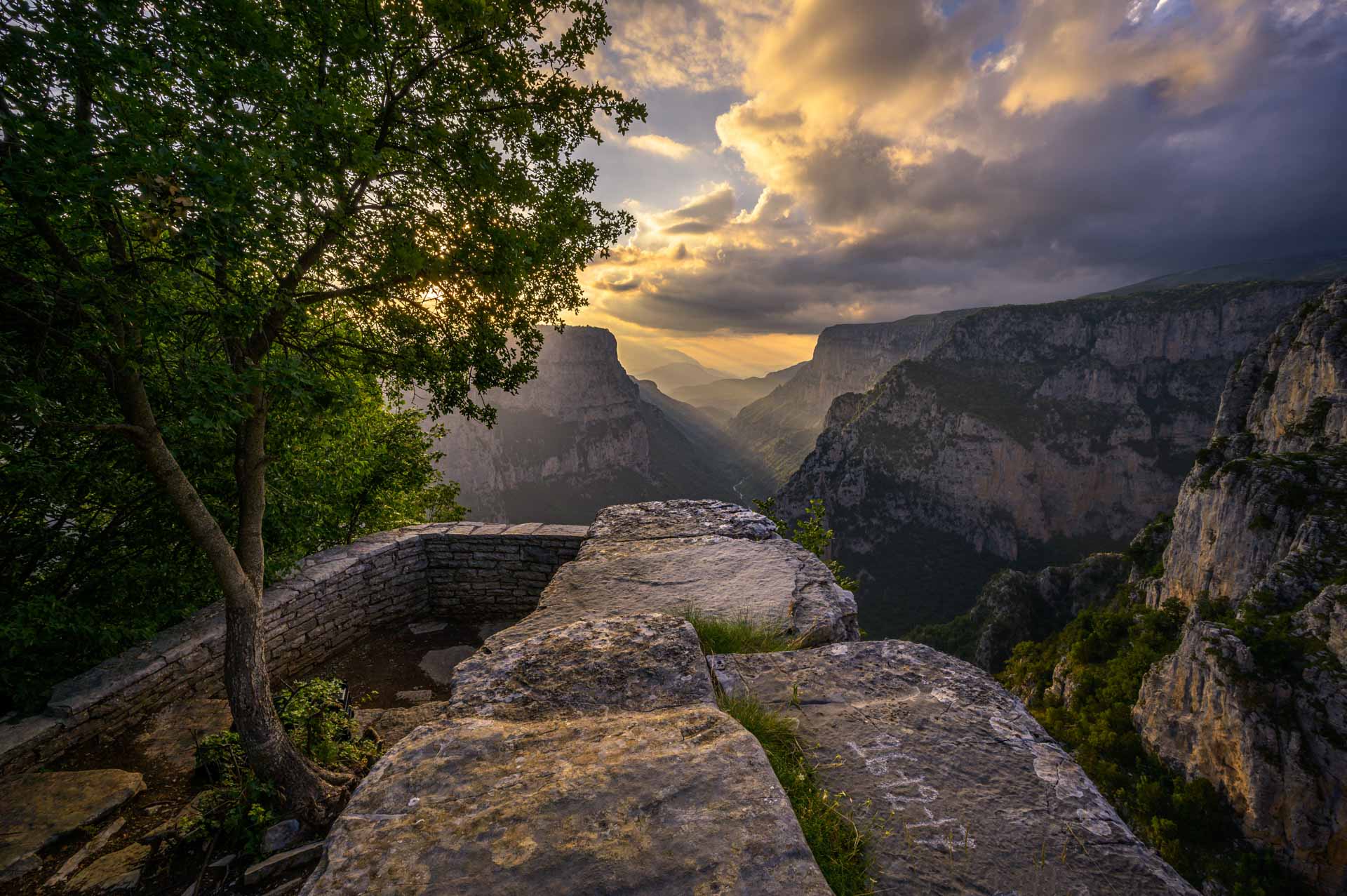
The defining natural landmark of Zagori is Vikos Gorge, a vast cleft in the Pindus Mountains whose steep limestone walls rise above the course of the Voidomatis River. From viewpoints above the gorge, the scale is almost difficult to absorb: layers of rock descend into shadow, wooded slopes trace the contours of the valley, and the horizon seems to open in successive ridgelines.
For a gentler introduction, visit a designated viewpoint near Monodendri or Oxya and allow time to take in the changing light. More active travellers can arrange a guided hike through the gorge, but this is a serious full-day undertaking rather than a casual stroll. Trail conditions, weather and seasonal access matter; use an experienced local guide and confirm conditions before setting out.
The Zagori Villages: Stone, Slate and Quiet Squares
Papigo and Mikro Papigo
Set beneath the dramatic limestone towers of Mount Tymfi, Megalo Papigo and Mikro Papigo are among the region’s most atmospheric villages. Stone houses, slate roofs and narrow lanes give the settlements a close relationship with the mountain landscape. Wander slowly, pause for coffee in the village square and look upward: the peaks form a shifting backdrop throughout the day. Mikro Papigo is also a compelling base for mountain walks and the natural pools near Rogovo, best enjoyed when conditions are suitable.
Monodendri and the Oxya Viewpoint
Monodendri combines traditional stone architecture with access to some of Zagori’s most memorable views. Its lanes and village square invite an unhurried visit, while the nearby Oxya viewpoint provides a spectacular perspective across the gorge. The historic Monastery of Agia Paraskevi, perched close to the gorge edge, adds a contemplative cultural dimension; respect local customs and any access restrictions.
Vitsa and Dilofo
Vitsa is a graceful village of stone mansions, cobbled paths and wooded surroundings, well suited to a stay focused on comfort, food and gentle exploration. Dilofo feels even more secluded, with traditional houses and lanes that reward wandering without a strict plan. In both villages, the architecture is not a stage set: it reflects a long-established way of building for the terrain and climate.
Kipi and the Stone Bridges
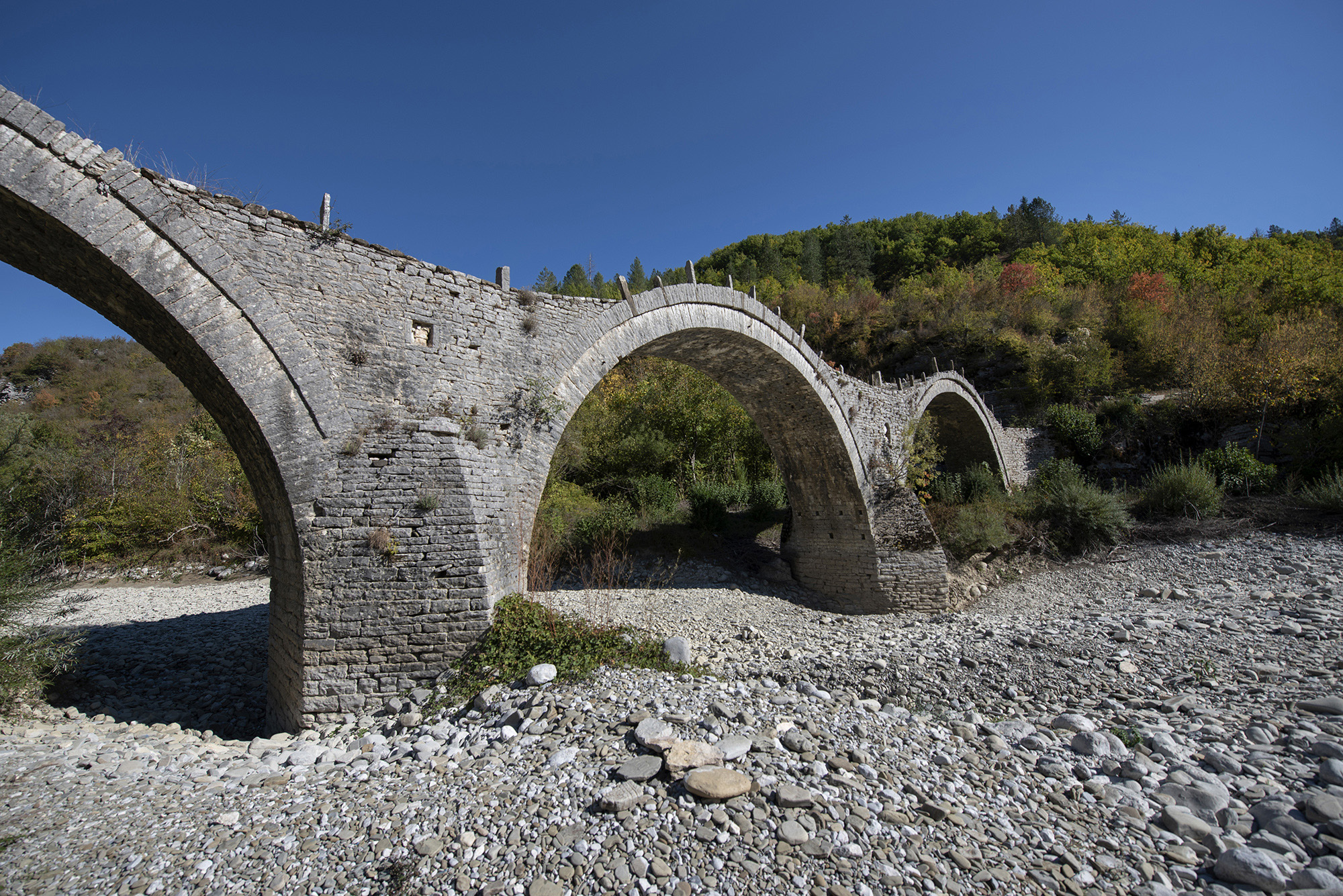
The stone bridges are among Zagori’s most distinctive works of folk architecture. The three-arched Kalogeriko Bridge near Kipi is particularly elegant, while the Kokkoros (or Noutsos) Bridge is another celebrated landmark. Built to connect communities across rivers and ravines, these structures express the ingenuity of local stonemasons and the region’s historic networks. Visit with care, keep to established paths and avoid climbing on fragile masonry.
Experiences That Make Zagori Unforgettable
Walk with a Local Mountain Guide
A guided walk brings context to the landscape: old routes between villages, medicinal plants, traditional stonework and the ecology of the Pindus forests. Choose the distance and elevation to suit your fitness, and plan longer routes around the season and forecast. For experienced hikers, the ascent toward Drakolimni, the alpine lake on Mount Tymfi, is a demanding mountain outing that requires appropriate preparation and conditions.
Follow the Voidomatis River
The Voidomatis is known for its remarkably clear, cold water and wooded banks. Depending on season and local operators, guided rafting or other river-based experiences may be available. Book with qualified local professionals, follow safety guidance and treat this fragile river environment with care.
Discover Epirus Through Its Food
Zagori’s cuisine is rooted in the mountain pantry. Look for handmade pies filled with wild greens, cheese or herbs; slow-cooked meats; seasonal mushrooms; local cheeses; beans and warming soups. Meals tend to be generous rather than theatrical, with flavour shaped by regional ingredients and family traditions. Ask your host or guide which dishes are best in season, and leave room for a long lunch in a village taverna.
Experience the Landscape Across the Seasons
Spring brings fresh greenery, flowing water and ideal conditions for many walks, although higher trails can remain challenging. Summer offers longer days and cooler mountain air than Greece’s coastal regions, while village squares become lively during local festivals. Autumn is especially beautiful as forests turn gold and copper. Winter can be atmospheric, with snow, mist and fireside evenings, but road and trail conditions may change quickly; travel with flexibility.
Luxury Stays in Zagori
The best accommodation in Zagori complements rather than competes with its setting. Expect stone architecture, intimate scale, regional cooking and a sense of retreat. Availability and seasonal facilities vary, so confirm room types, wellness access and dining arrangements directly before booking.
Mikro Papigo 1700 Hotel & Spa — Mikro Papigo
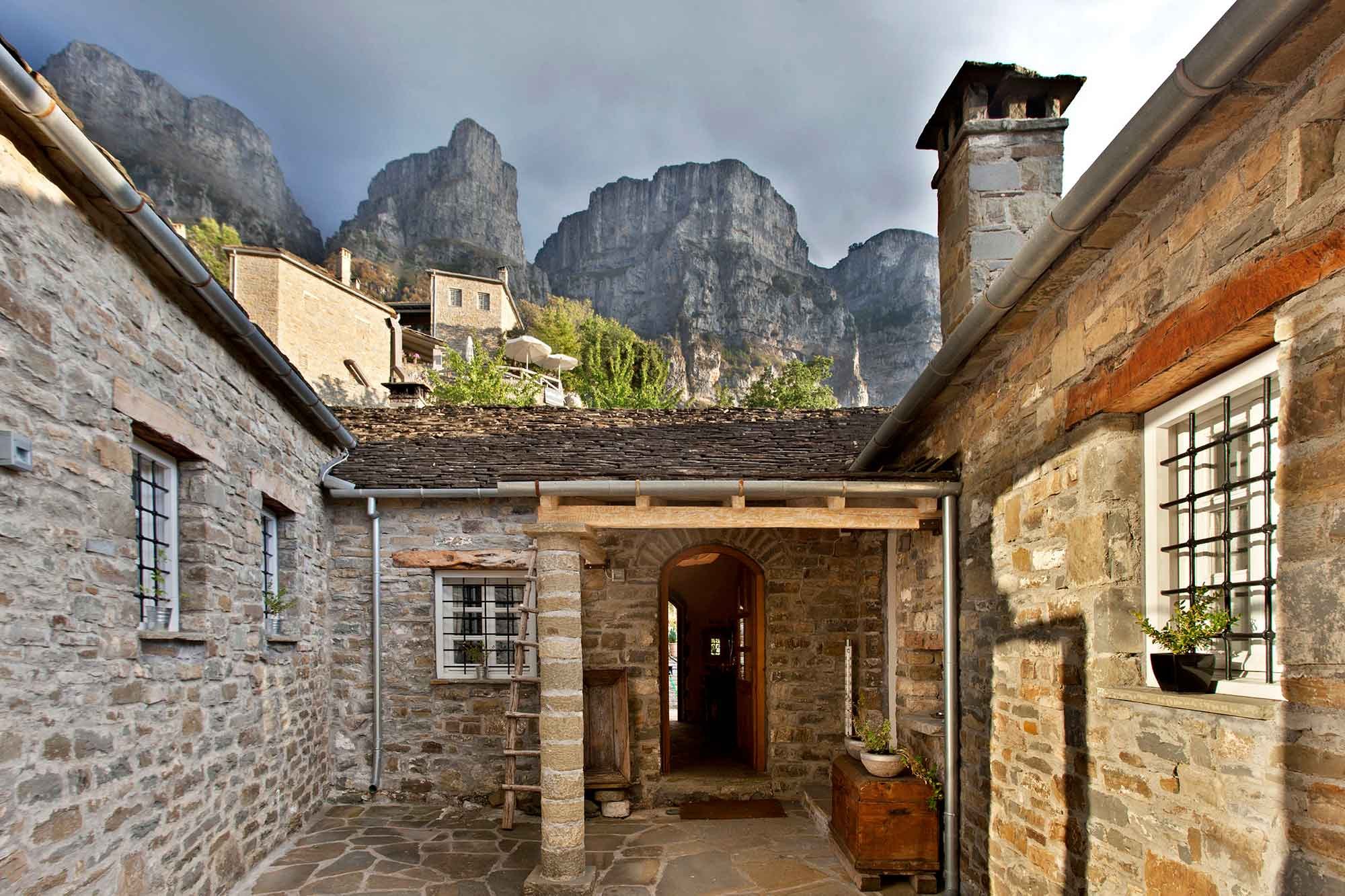
A distinctive mountain retreat arranged across traditional-style buildings, Mikro Papigo 1700 pairs the character of the village with considered design, a spa and a restaurant focused on Greek organic herbs cuisine. Its setting beneath the dramatic Papigo peaks makes it particularly appealing for travellers who want a design-led base for exploring the high mountain landscape.
Kôres Boutique Hotel & Spa — Vitsa
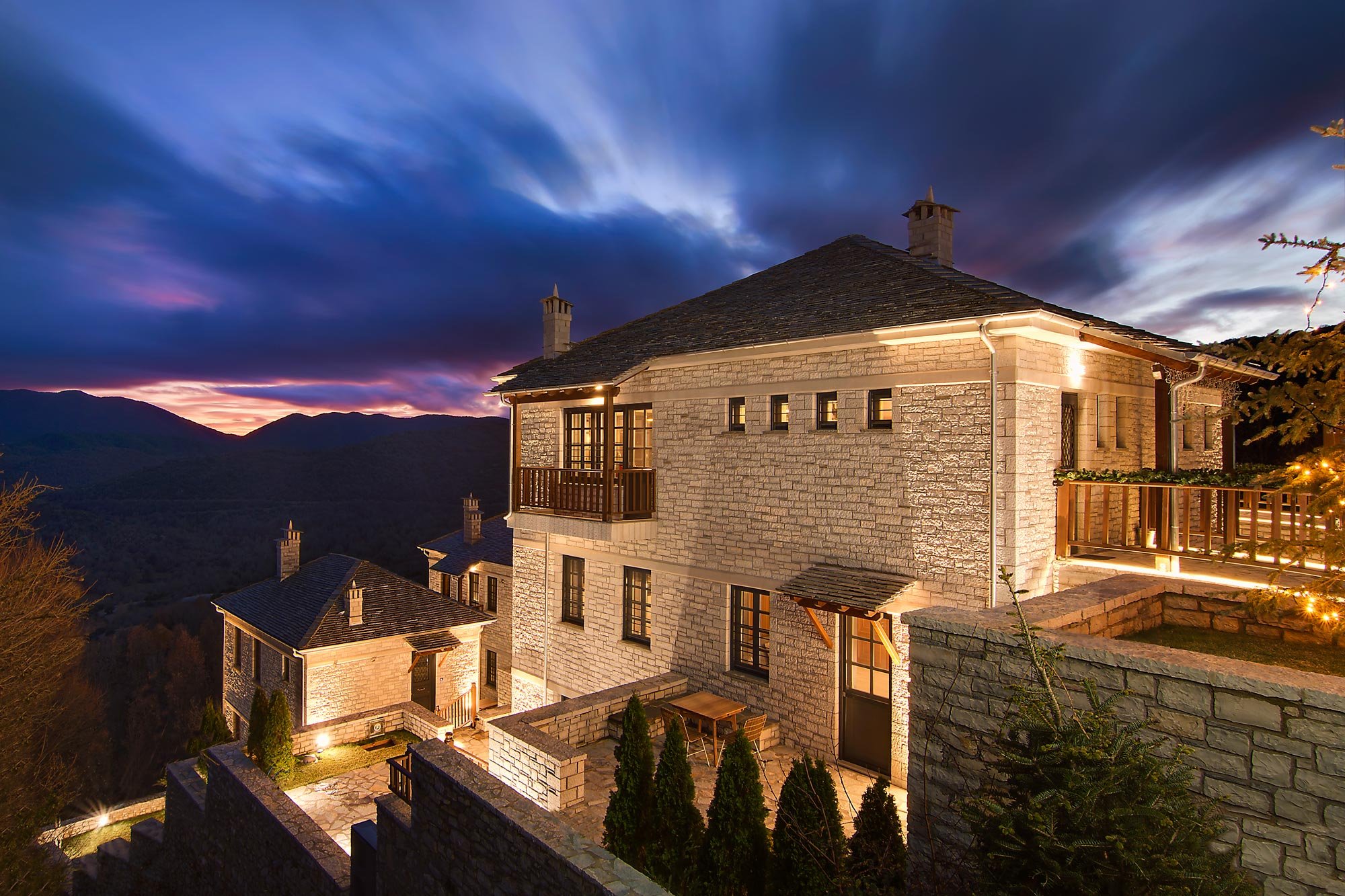
Built in a stone-led style that reflects the surrounding villages, Kôres offers a polished boutique-hotel experience, with mountain-facing rooms, a restaurant and wellness facilities including an indoor heated pool and spa. It suits travellers who want a restorative stay with a little more structure and service after days spent walking or exploring.
For a genuinely elevated stay, prioritise location, views, thoughtful hosting and access to a knowledgeable local guide over a long list of facilities. In Zagori, the sense of place is the defining amenity.
When Is the Best Time to Visit Zagori?
Late spring through early summer is ideal for green valleys, rivers and walking, while September and October bring crisp air and autumn colour. July and August offer long days and village life, though popular viewpoints and accommodation can be busier. Winter is beautiful for travellers who enjoy cold-weather scenery and cosy interiors, but snow and changing road conditions require careful planning. For demanding hikes, check local trail advice and weather rather than relying on the calendar alone.
A Three-Day Luxury Itinerary in Zagori
Day One — Villages and Stone Bridges
Arrive via Ioannina and settle into your chosen village hotel. Spend the afternoon with a local guide exploring Kipi and its celebrated stone bridges, including Kalogeriko and Kokkoros. Continue through nearby villages at an unhurried pace, then enjoy a dinner of regional specialities in a traditional restaurant.
Day Two — Vikos Gorge and Monodendri
Begin with a scenic drive to Monodendri and the Oxya viewpoint for a dramatic panorama of Vikos Gorge. Visit the area around the Monastery of Agia Paraskevi if open, then choose a guided walk matched to your ability and the day’s conditions. Return to the hotel for a restorative evening and a relaxed mountain dinner.
Day Three — Papigo and the Mountain Landscape
Explore Megalo Papigo and Mikro Papigo beneath the peaks of Tymfi. Depending on season, fitness and conditions, take a short walk near the village or arrange a more ambitious guided outing. Finish with a leisurely lunch and time to enjoy the stillness of the mountains before departing.
Practical Advice for a Seamless Stay
Fly or travel to Ioannina, the principal gateway to Zagori, then continue by rental car, private transfer or a pre-arranged driver. Public transport links some villages, but schedules and onward connections can limit flexibility. Pack sturdy walking shoes, layers, rain protection and a refillable water bottle even in warmer months. For gorge hikes or high-mountain routes, confirm conditions locally and consider a qualified guide. Village roads can be narrow and winding, so allow generous driving time.
Frequently Asked Questions About Zagori
Is Zagori worth visiting on a luxury trip to Greece?
Yes—especially for travellers seeking a quieter contrast to the islands. Its luxury is grounded in exceptional landscapes, traditional architecture, intimate hotels, regional cuisine and access to guided outdoor experiences.
How many days should you spend in Zagori?
Three days is a rewarding introduction to the villages, bridges and Vikos Gorge. Four to five days allows more time for longer walks, a slower hotel stay and additional villages.
Do you need a car in Zagori?
A car or private driver is strongly recommended for connecting villages and viewpoints efficiently. Some routes can be reached by bus from Ioannina, but schedules may be limited.
Is Zagori suitable for travellers who do not hike?
Absolutely. Village walks, scenic viewpoints, stone bridges, local food and comfortable mountain hotels make a rewarding visit possible without strenuous hiking.
Can Zagori be combined with the Greek islands?
Yes. Pairing Zagori with an island such as Corfu creates a compelling contrast between mountain heritage and Ionian coastal life. Allow enough time for transfers rather than trying to fit both into a rushed itinerary.
The Luminara Perspective
Zagori is Greece at its most quietly profound. It asks for no performance and offers no need for spectacle: only mountain air, stone shaped by human hands, rivers that move through ancient forests and villages that have kept their own pace. Stay long enough to learn the names of the peaks, linger over a meal and follow a path simply because it looks beautiful. Here, the most memorable luxury is not excess. It is the rare feeling of being fully present.
For travellers wishing to discover another side of Greece, Zagori offers a beautiful contrast to the sunlit islands and celebrated coastal escapes explored throughout our Greece Collection. From the volcanic shorelines and sculptural landscapes of Milos to the timeless island charm of Corfu, each destination reveals a different expression of Greek beauty. Continue your journey through the ancient heritage of Athens, the iconic sunsets of Santorini, the diverse landscapes of Crete, the medieval character of Rhodes, or the cosmopolitan elegance of Mykonos. Together, these destinations invite you to experience Greece beyond a single itinerary—from mountain sanctuaries and historic villages to turquoise waters, remarkable architecture and unforgettable island stays.
At Luminara Voyages, we believe the most extraordinary journeys are shaped not simply by the places we visit, but by the way each place makes us feel. And in Zagori, among the ancient stone bridges and immense mountain horizons, that feeling is one of rare stillness—a reminder that sometimes the greatest luxury is discovering somewhere the world has yet to hurry.

