There is a quieter Japan beyond the rhythm of Tokyo, Kyoto and Osaka. It begins where the land loosens its grip on the sea, where ferries cross calm water between islands, fishing boats rest in sheltered harbours and contemporary art appears where you might least expect it. This is Setouchi.
Setouchi surrounds the Seto Inland Sea across seven prefectures—Hyogo, Okayama, Hiroshima, Yamaguchi, Tokushima, Kagawa and Ehime—and more than 700 islands. The official regional tourism platform presents the area through its art islands, historic towns, gardens, food, nature, cycling and sea journeys. Setouchi travel therefore feels less like visiting one destination and more like entering a chain of connected worlds.
The genius of Setouchi travel is its ability to make movement part of the experience. A ferry is not merely a transfer. A bridge is not merely infrastructure. A garden is not simply an attraction. A small port, an old merchant house, a lemon grove or a piece of contemporary architecture can become the reason you remember the journey.
For Luminara, this is Japan at its most contemplative: art, architecture, sea, gastronomy and island life arranged at a human pace. The greatest luxury here is often time—the time to stay overnight on an island after the day visitors have gone, to watch the last ferry cross the horizon, or to sit quietly with nothing on the schedule.
The Essence of Setouchi
Setouchi is defined by transitions. City becomes port. Port becomes island. Island becomes open sea. Modern concrete meets traditional timber. A contemporary sculpture stands against pine trees. A bicycle climbs a bridge and suddenly the Inland Sea opens beneath you. For travellers who value atmosphere over accumulation, Setouchi travel is a lesson in leaving room for discovery.
Unlike a destination built around a single monumental landmark, Setouchi rewards accumulation. One moment is a museum in a hillside. The next is a bowl of udon in Takamatsu. Then a white-walled merchant house in Kurashiki, followed by an evening ferry and a hotel room facing water.
The most rewarding Setouchi travel is therefore deliberately unhurried. Choose fewer islands. Stay longer. Allow weather to change the order of the day. Leave space for the small discoveries that never appear on an itinerary.
If Tokyo is about velocity and Kyoto about continuity, Setouchi is about perspective. It gives Japan room to breathe.
Setouchi at a Glance
- Country — Japan A strong Setouchi travel plan should feel spacious, with the sea shaping the pace between cultural encounters.
- Region — Seto Inland Sea and its surrounding seven prefectures
- Signature islands — Naoshima, Teshima, Shodoshima, Inujima and the islands of the Shimanami Kaido
- Key gateways — Takamatsu, Okayama, Hiroshima, Onomichi, Imabari and Kobe
- Ideal duration — 5–7 days for a first journey; longer for an island-focused itinerary
- Best seasons — Spring and autumn for walking and cycling; summer for sea journeys; winter for seafood and quieter stays
- Signature experiences — contemporary art, architecture, ferries, gardens, cycling, historic towns, seafood, citrus and island stays
- Travel rhythm — Slow, design-led, culturally immersive and flexible
Setouchi travel works best when the itinerary is designed around geography rather than a checklist. Ferries and regional rail shape the journey, while walking, cycling and private transfers allow the smaller places to reveal themselves.
Setouchi, Region by Region
01 — NAOSHIMA — Where Art Became Landscape
Naoshima is the centrepiece of Setouchi’s contemporary-art identity. The island’s museums, outdoor works and architecture were developed in dialogue with its landscape, so the experience is never simply indoors. Tadao Ando’s concrete forms, the sea, forests and artworks create a destination in which the journey between buildings becomes part of the art. The most memorable Setouchi travel here begins when you stop treating the museums as separate appointments.
02 — TESHIMA — Art, Agriculture & Silence
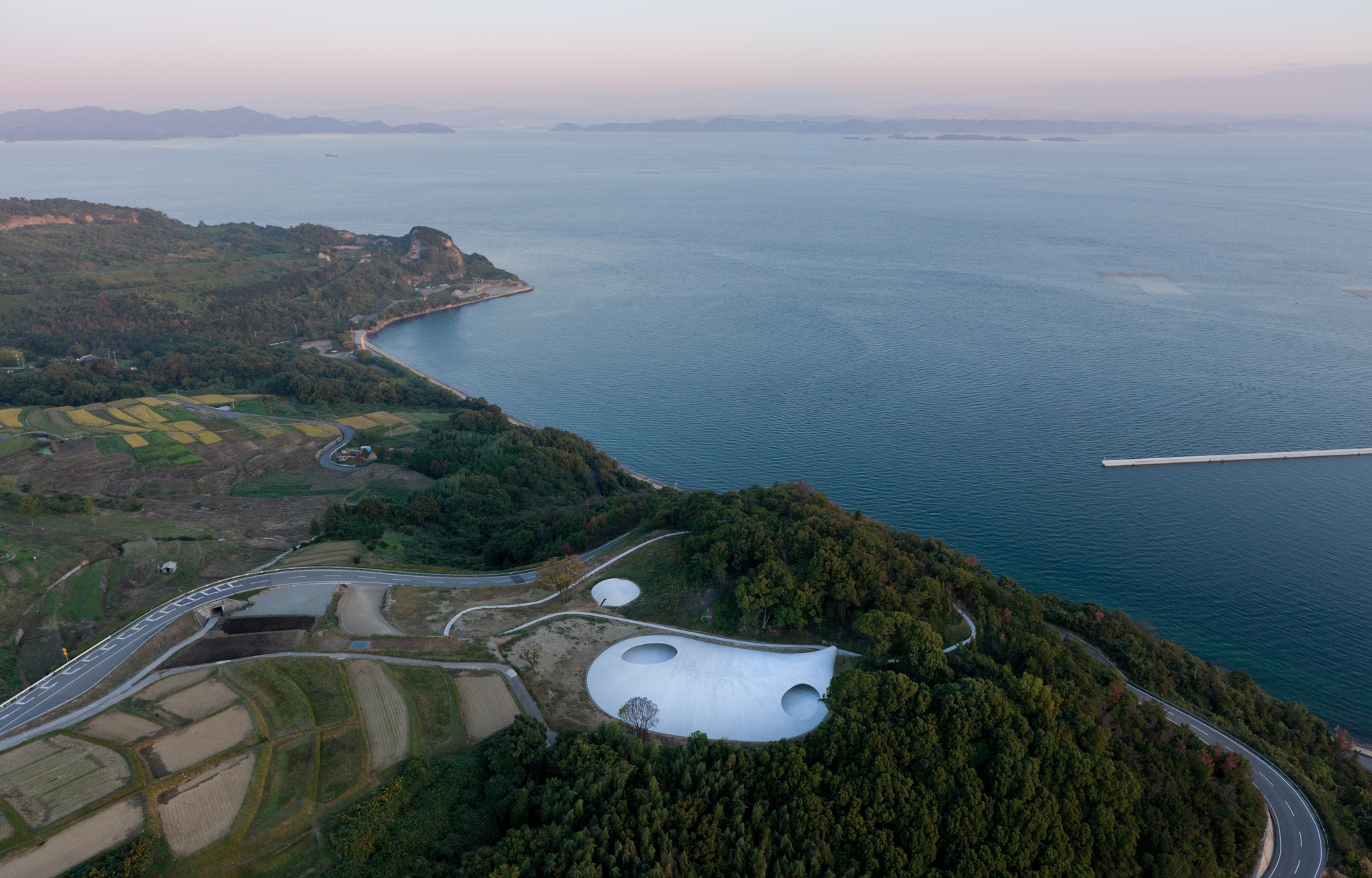
Teshima feels more elemental. Rice fields, wooded slopes and sea views create the setting for an art experience rooted in atmosphere. The Teshima Art Museum is especially powerful because its architecture allows light, air, sound and the surrounding landscape to become part of what you perceive. Setouchi travel here is about slowing down enough to notice. This is Setouchi travel at its most elemental: art, agriculture, weather and silence occupying the same frame.
03 — SHODOSHIMA — Olives, Citrus & Island Life
Shodoshima introduces a more agricultural and maritime character. Olive groves, fishing communities, coastal roads and small settlements give the island a distinctly local rhythm. It is ideal for travellers who want Setouchi travel to move beyond museums and into the everyday life of the Inland Sea. For food-minded travellers, Setouchi travel gains another dimension on Shodoshima.
04 — TAKAMATSU — The Gateway to Kagawa’s Islands
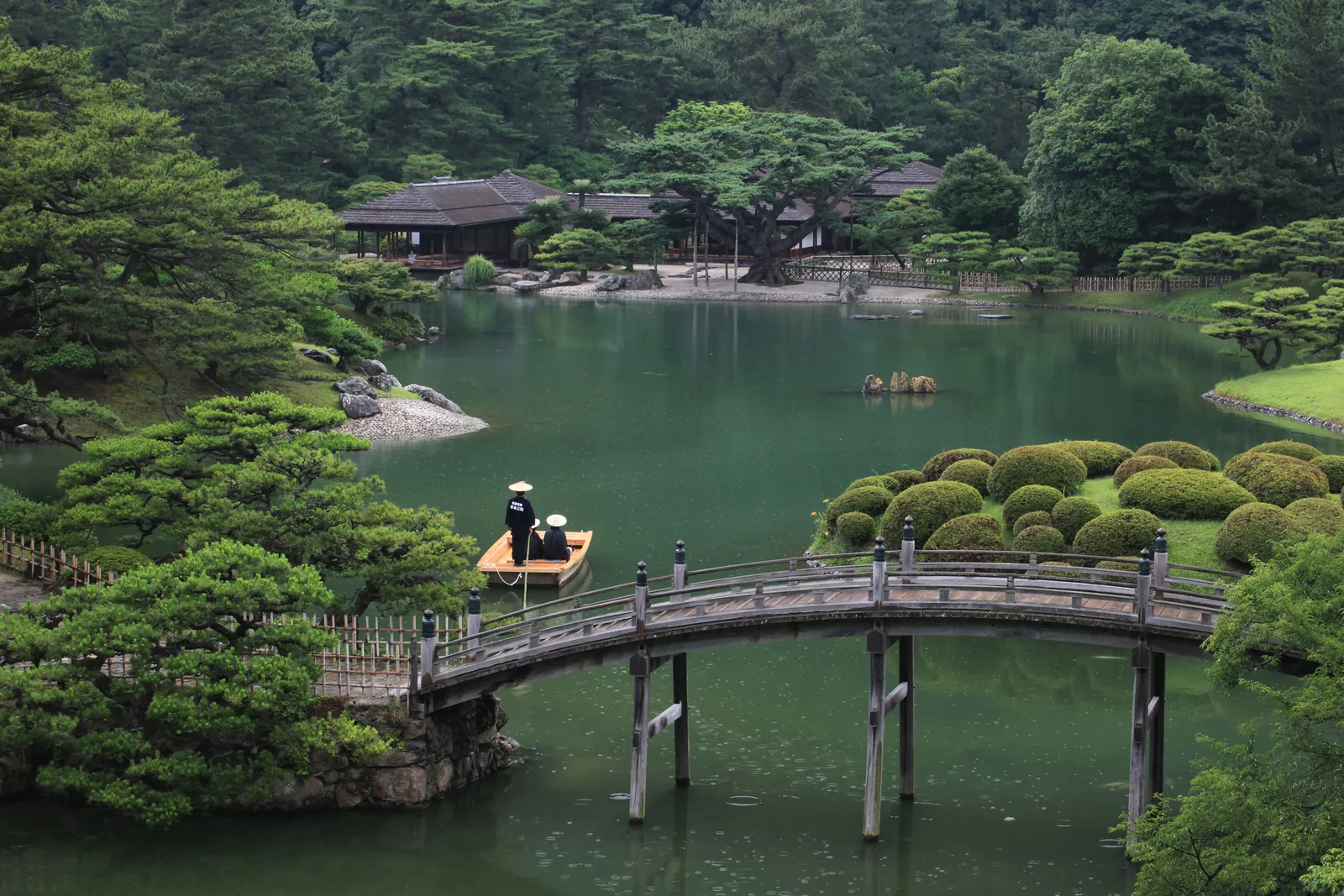
Takamatsu is one of the region’s most useful bases. It connects naturally with the islands while offering its own cultural depth, especially through Ritsurin Garden and Kagawa’s celebrated udon culture. The city works beautifully as the composed beginning or ending of an island journey. Takamatsu gives Setouchi travel a composed urban beginning before the islands take over.
05 — KURASHIKI — A Merchant Town Preserved
Kurashiki’s Bikan Historical Quarter is one of western Japan’s most atmospheric heritage districts. White-plastered storehouses, dark timber, willow-lined canals and narrow streets recall the town’s commercial past. Arrive in the afternoon, stay into evening and the experience becomes considerably quieter. A night in Kurashiki adds a heritage chapter to Setouchi travel without requiring a change of pace.
06 — ONOMICHI — Hills, Temples & Harbour Views
Onomichi rises from the water in a series of lanes, temples and hillside viewpoints. It is a town made for wandering. The waterfront also provides a natural gateway to the Shimanami Kaido, making it particularly valuable for travellers who want to combine culture with cycling. Onomichi is where Setouchi travel begins to feel especially tactile—stairs, stone, bicycles and sea air.
07 — MIYAJIMA — The Spiritual Side of the Inland Sea
Miyajima brings a different emotional register. Its famous shrine, tidal shoreline, forested mountain and temples create a landscape where nature and spirituality are inseparable. Stay overnight and experience the island after the busiest hours, when its atmosphere changes completely. For travellers seeking a quieter spiritual dimension, Setouchi travel reaches a natural climax here.
08 — SHIMANAMI KAIDO — Japan by Bicycle
The Shimanami Kaido links Onomichi and Imabari through a chain of islands and spectacular bridges. It is one of Japan’s defining cycling journeys. Even travellers who do not want to cycle the entire route can experience a carefully selected section by bicycle, car or support vehicle.
The Art Islands
Setouchi’s art islands are not simply places with museums. They represent a different idea of how art can inhabit a landscape. On Naoshima, Teshima and Inujima, architecture, nature and contemporary works are deliberately intertwined. The art islands are the cultural heart of Setouchi travel, but their power lies in the landscape surrounding the institutions.
Benesse Art Site Naoshima began its transformation in the late twentieth century, with Benesse House Museum opening in 1992 as a facility integrating a museum and hotel. Designed by Tadao Ando, it established a model in which art, architecture and the natural setting of the island could coexist. The collection includes site-specific works placed not only in galleries but around the surrounding environment.
This is why a refined Setouchi travel itinerary should not treat the art islands as rushed day trips. Give each island enough time for the experience to unfold. Walk. Pause. Look at the sea. Notice how the architecture frames a view.
- Naoshima — Benesse House Museum, Chichu Art Museum, Lee Ufan Museum, Art House Project and outdoor works.
- Teshima — Teshima Art Museum and the island’s agricultural landscape.
- Inujima — a smaller-scale art experience shaped by architecture, industrial heritage and contemporary practice.
- Naoshima after dark — an entirely different atmosphere when the day visitors have departed.
The Setouchi You Came to See
There are images that stay with you because they feel larger than a photograph: a red pumpkin at the edge of the sea, a concrete gallery opening toward blue water, a bridge floating above a chain of islands, an old canal reflecting timber houses at dusk.
- A late-afternoon ferry crossing with the islands appearing one by one through the haze.
- The first quiet encounter with a major Naoshima artwork.
- Teshima Art Museum surrounded by fields and open sky.
- Kurashiki’s Bikan quarter after the crowds have thinned.
- Cycling across a Shimanami Kaido bridge with the Inland Sea below.
- Miyajima at first light, before the shoreline fills with day visitors.
- A long seafood dinner accompanied by local sake and the sound of the harbour outside.
The Architecture of Setouchi
Architecture is one of Setouchi’s hidden languages. On Naoshima, Tadao Ando’s buildings create controlled encounters with light, shadow, concrete and sea. In Kurashiki, architecture speaks through preservation: white walls, black timber, tiled roofs and merchant-storehouse proportions. On the islands, traditional homes and contemporary interventions sit within the same landscape.
The result is a destination that rewards travellers interested in design without turning the journey into an architectural lecture. The buildings are experienced through movement: entering darkness, emerging into light, turning a corner and discovering the sea.
For Luminara, this is one of the defining reasons Setouchi travel feels so sophisticated. The region does not separate culture from scenery. It makes them part of the same visual experience.
Island Hopping, Reimagined
The ferry is one of Setouchi’s great pleasures. It changes the psychology of travel. Instead of watching a landscape pass through a window, you move through it. Harbours recede. Islands approach. The horizon opens. The next destination appears gradually. That sense of movement is fundamental to Setouchi travel: the route itself becomes part of the memory.
A well-designed Setouchi travel itinerary should therefore avoid excessive transfers. Choose a logical island sequence and allow the ferry itself to become part of the day. On selected routes, private boat charters can elevate the experience further, turning an inter-island transfer into a private coastal journey.
The best rhythm is often one major cultural experience in the morning, lunch without urgency, a village or coastline in the afternoon and sunset by the water before dinner.
Luxury Hotels & Distinctive Stays
Setouchi’s strongest hotels are not necessarily the largest. They are properties where architecture, history, landscape and hospitality feel inseparable. This is where the luxury of Setouchi travel becomes most convincing: not in excess, but in the quality of the setting. The right hotel can transform Setouchi travel from an itinerary into a lived experience.
BENESSE HOUSE — The Art Hotel of Naoshima
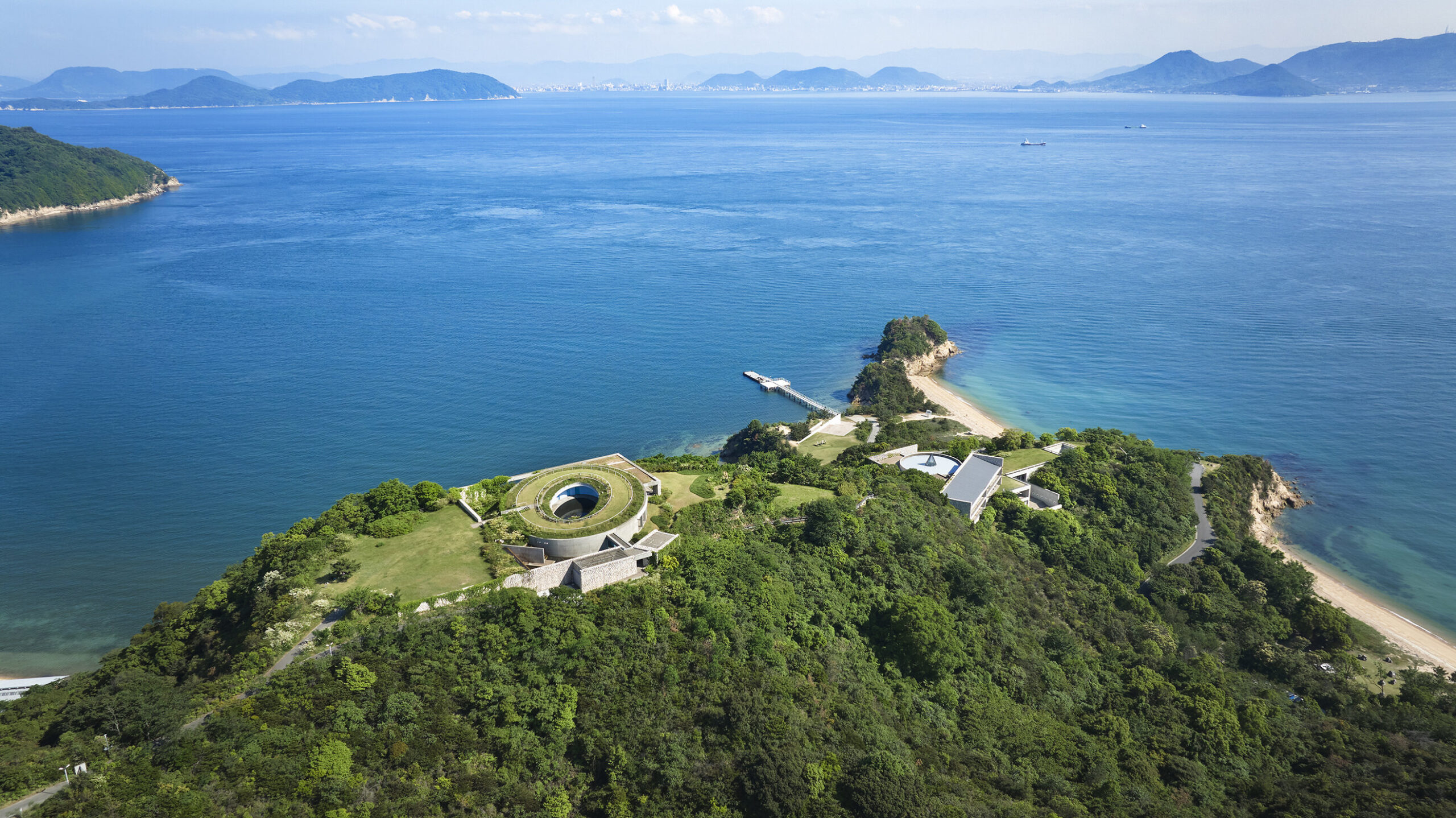
Benesse House is the defining accommodation for travellers who want to live inside the art story rather than simply visit it. Opened in 1992, it integrates hotel accommodation with contemporary art and was designed around the coexistence of nature, art and architecture. The complex includes Museum, Oval, Park and Beach accommodation areas, each offering a different relationship with the island.
The Museum and Oval experiences are particularly distinctive, while Beach places guests close to the shoreline. Staying here changes the rhythm of Naoshima: museums are no longer something you finish before the ferry leaves. The island becomes your evening landscape.
Luminara choice — For the traveller who wants the hotel itself to become part of the cultural journey.
AZUMI SETODA — A Contemporary Ryokan in a Historic Port
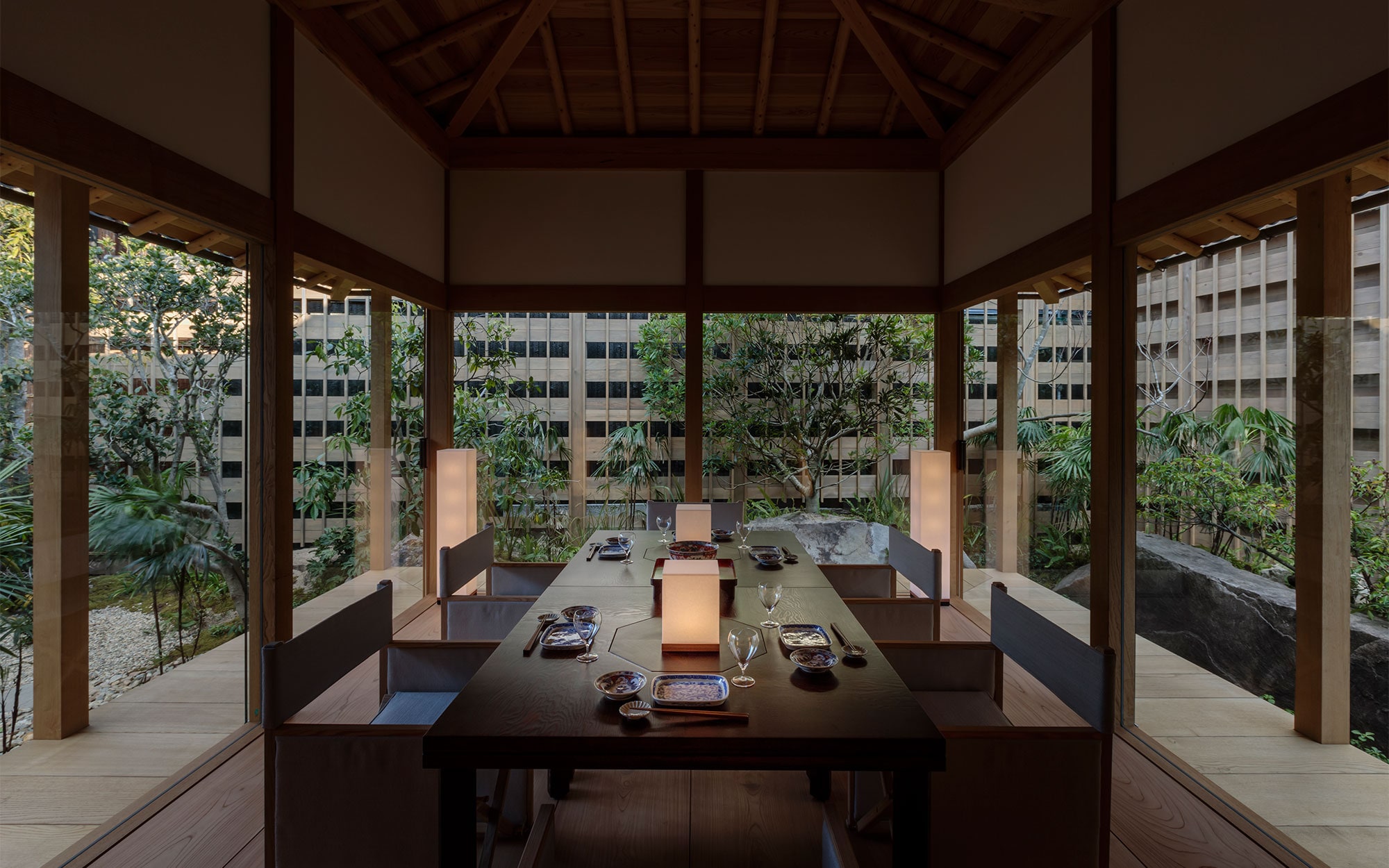
On Ikuchijima, near the midpoint of the Shimanami Kaido, Azumi Setoda occupies a former Horiuchi family residence dating to the early Meiji era. The property opened in 2021 after restoration and combines traditional materials and sukiya-inspired design with contemporary guest rooms. Every room includes a hinoki cypress bath, while dining focuses on seasonal ingredients from the Seto Inland Sea.
Its appeal is deeper than aesthetics. The property is embedded in Setoda’s history as a maritime port, and the surrounding island offers cycling, citrus landscapes, cultural sites and sea experiences. For travellers seeking a quieter form of Setouchi travel, it is one of the region’s most compelling addresses.
Luminara choice — For travellers who want history, craftsmanship, food and island life to meet under one roof.
OTHER DISTINCTIVE STAYS
- Design-led island accommodation on Naoshima and Teshima for a closer relationship with contemporary art.
- Heritage properties in Kurashiki for travellers drawn to historic architecture and evening walks.
- Seaside resorts around the Inland Sea for longer stays built around water and landscape.
- Traditional ryokan in wider Setouchi for travellers who want to add Japanese bathing and seasonal cuisine to an island journey.
Setouchi at the Table
Food is one of the reasons Setouchi travel works so naturally as a slow journey. The Inland Sea supplies seafood; Kagawa is renowned for udon; Ehime and other southern areas are rich in citrus; Okayama is celebrated for fruit; and individual islands have developed their own agricultural identities. For Luminara, Setouchi travel should always include time at the table.
The finest meals are often tied closely to season and geography. Look for oysters in colder months, fresh fish from the Inland Sea, local vegetables, citrus, regional sake and dishes that make the origin of an ingredient obvious.
A Luminara dining day might begin with a simple udon breakfast in Takamatsu, continue with an island lunch built around local produce, and end with a refined seasonal dinner in a small dining room where the chef knows exactly where the fish came from.
Olives, Citrus, Seafood & Sake
Shodoshima’s olive groves give the region an unexpected Mediterranean note, while citrus orchards across the islands add brightness to food, drinks and everyday life. Setoda is especially associated with lemons, and the landscape around the Shimanami Kaido often feels as though the orchards are spilling down toward the sea.
Winter changes the table again. Seafood becomes richer, oysters take centre stage in parts of Hiroshima, and sake becomes an especially natural companion to the season.
The result is a culinary map rather than a single cuisine. Setouchi travel becomes more meaningful when the menu changes as the geography changes.
Setouchi After Dark
Setouchi does not compete with Tokyo for nightlife, and that is precisely its strength. Darkness restores the islands to themselves. Harbours become quieter. Historic streets lose their daytime movement. Hotel terraces and small dining rooms become places to listen rather than rush.
On Naoshima, an overnight stay creates the possibility of experiencing the island after the day visitors have departed. In Kurashiki, the canal and old storehouses take on a different mood after sunset. In Setoda, the port town becomes an invitation to slow down.
The ideal evening is simple: dinner, a walk, perhaps a drink, then an early night before the next ferry.
Setouchi Before 8 AM
Early morning is one of the most underrated elements of Setouchi travel. Fishing boats return. Schoolchildren appear on quiet streets. Temple grounds are still. The first light catches the water and turns ordinary harbour buildings into silhouettes.
Miyajima is particularly rewarding before the crowds arrive. Kurashiki is equally beautiful when the Bikan district is still waking. On an island, dawn can feel almost private.
For Luminara, these hours matter because they reveal the destination as a place where people live, not simply a backdrop for visitors.
Setouchi Through the Seasons
SPRING · Blossoms, Gardens & New Green The character of Setouchi travel changes dramatically with the calendar.
Spring brings fresh colour to gardens, temple grounds and island landscapes. Comfortable temperatures make this one of the strongest periods for walking, cycling and combining several cultural experiences in a day. Ritsurin Garden is especially rewarding, while the art islands benefit from soft light and longer days.
SUMMER · Sea, Cycling & Island Life
Summer gives Setouchi a more maritime energy. Ferries, coastal roads, swimming, cycling and long evenings become central to the experience. Begin active days early, take a slower middle of the day and return to the water in the evening.
AUTUMN · The Season for Wandering
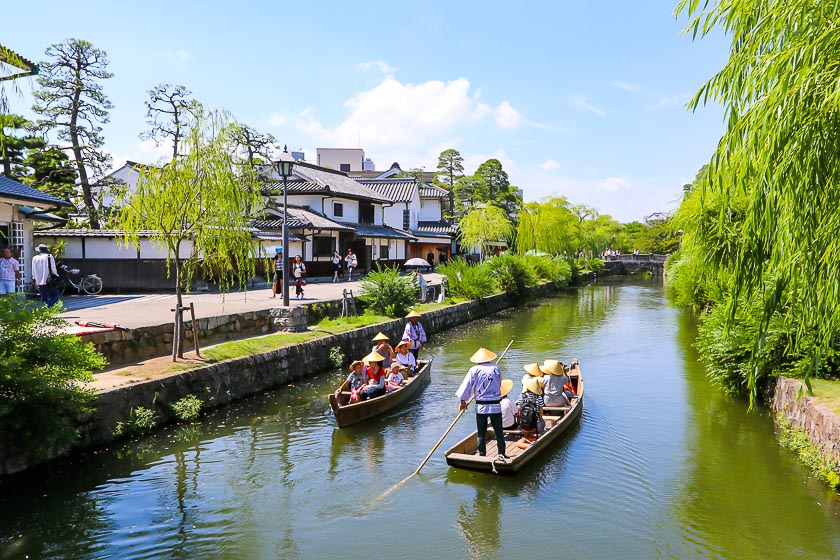
Autumn may be the most balanced season for Setouchi travel. Cooler temperatures invite long walks and cycling, foliage adds depth to mountain and temple landscapes, and the light across the Inland Sea becomes increasingly clear.
WINTER · Seafood, Sake & Quiet
Winter strips the destination back to essentials. Visitor numbers are often lower, seafood becomes a highlight and evenings invite longer meals. For travellers who value atmosphere over activity, winter can be an unexpectedly elegant time to visit.
A Luminara Five-Day Setouchi Journey
- DAY 1 — TAKAMATSU · Arrive, explore Ritsurin Garden, discover Kagawa’s food culture and settle into the rhythm of the Inland Sea.
- DAY 2 — NAOSHIMA · Ferry to the island, explore Benesse Art Site and stay overnight so the island remains yours after the day visitors leave.
- DAY 3 — TESHIMA · Experience Teshima Art Museum and the island landscape at a deliberately slow pace; continue toward the next base.
- DAY 4 — KURASHIKI · Explore the Bikan Historical Quarter, architecture and local craft; stay through blue hour.
- DAY 5 — ONOMICHI · Walk the hillside lanes and experience a selected section of the Shimanami Kaido, or continue toward Miyajima.
A Luminara Seven-Day Setouchi Journey
- DAYS 1–2 — TAKAMATSU & NAOSHIMA · City, garden, ferry and the art island.
- DAY 3 — TESHIMA · Art, agriculture and an overnight island atmosphere.
- DAY 4 — SHODOSHIMA · Olive landscapes, coastal roads and local food.
- DAY 5 — SETODA · Azumi Setoda, citrus country and a slower island rhythm.
- DAY 6 — ONOMICHI & SHIMANAMI KAIDO · Cycling or private road journey through the island chain.
- DAY 7 — MIYAJIMA · Shrine, mountain and an unhurried final day; overnight if the itinerary allows.
Setouchi for Different Travellers
- FOR ART LOVERS — Give Naoshima and Teshima enough time to feel like destinations, not museum stops.
- FOR COUPLES — Choose island stays, private dining, sunset boat journeys and quiet mornings.
- FOR DESIGN LOVERS — Combine Tadao Ando’s architecture with historic merchant districts and contemporary ryokan.
- FOR CYCLISTS — Build the Shimanami Kaido into the core itinerary rather than adding it as an afterthought.
- FOR FAMILIES — Mix museums with ferries, gardens, easy cycling and coastal experiences.
- FOR PHOTOGRAPHERS — Prioritise dawn harbours, bridges, architecture, changing light and island silhouettes.
- FOR SLOW TRAVELLERS — Choose fewer islands, stay overnight and allow the weather to influence the day.
Beyond the Famous Setouchi
Naoshima is the name most travellers know, but it should be an introduction rather than the entire story. Inujima offers a smaller and more intimate art experience. Shodoshima reveals agriculture and island life. Setoda introduces maritime history and citrus culture. The smaller ports and villages show a side of Japan that major cities cannot reproduce.
This is where Setouchi travel becomes genuinely personal. You may discover a small temple because you took the wrong lane. A ferry delay may become lunch by the harbour. A rainy afternoon may make a museum feel even more atmospheric. The destination rewards flexibility.
Do not measure the journey by how many islands you have seen. Measure it by how deeply one or two of them stayed with you.
The Shimanami Kaido
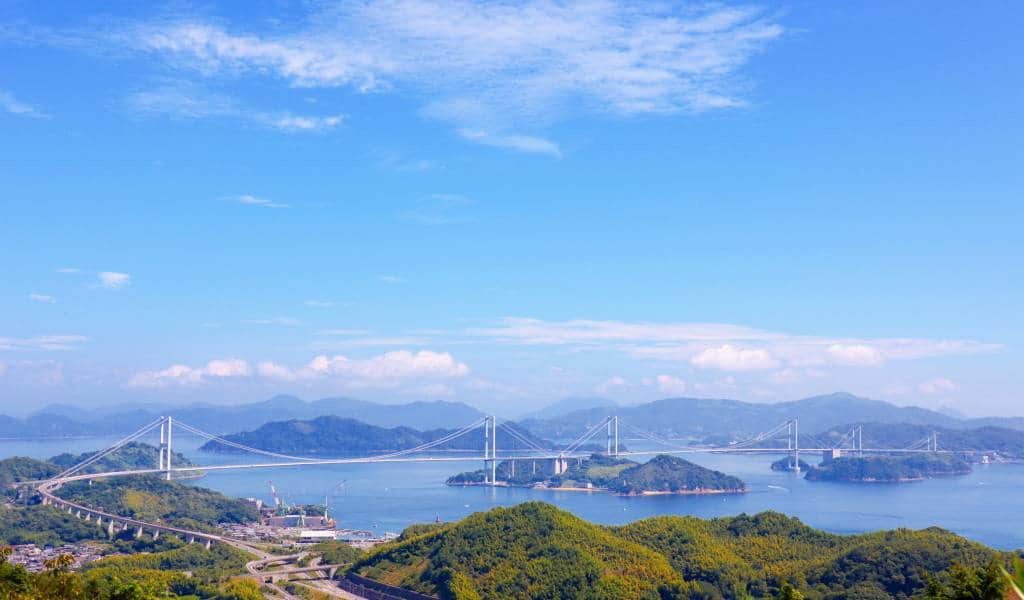
The Shimanami Kaido deserves special treatment because it is both a route and a destination. Crossing the Seto Inland Sea through a chain of islands, the road connects Onomichi in Hiroshima Prefecture with Imabari in Ehime Prefecture. Cyclists experience the landscape at the ideal speed: fast enough to travel, slow enough to notice. Few experiences express the freedom of Setouchi travel more clearly than crossing the island chain by bicycle.
For a premium journey, the route does not have to mean carrying luggage on a bicycle for days. Support vehicles, selected cycling sections and carefully chosen accommodation can preserve the experience while making it accessible to a wider range of travellers.
The visual reward is constant: bridges, orchards, fishing settlements, small ports and open water. This may be the purest expression of Setouchi travel as movement through landscape.
Miyajima & the Spiritual Side of Setouchi
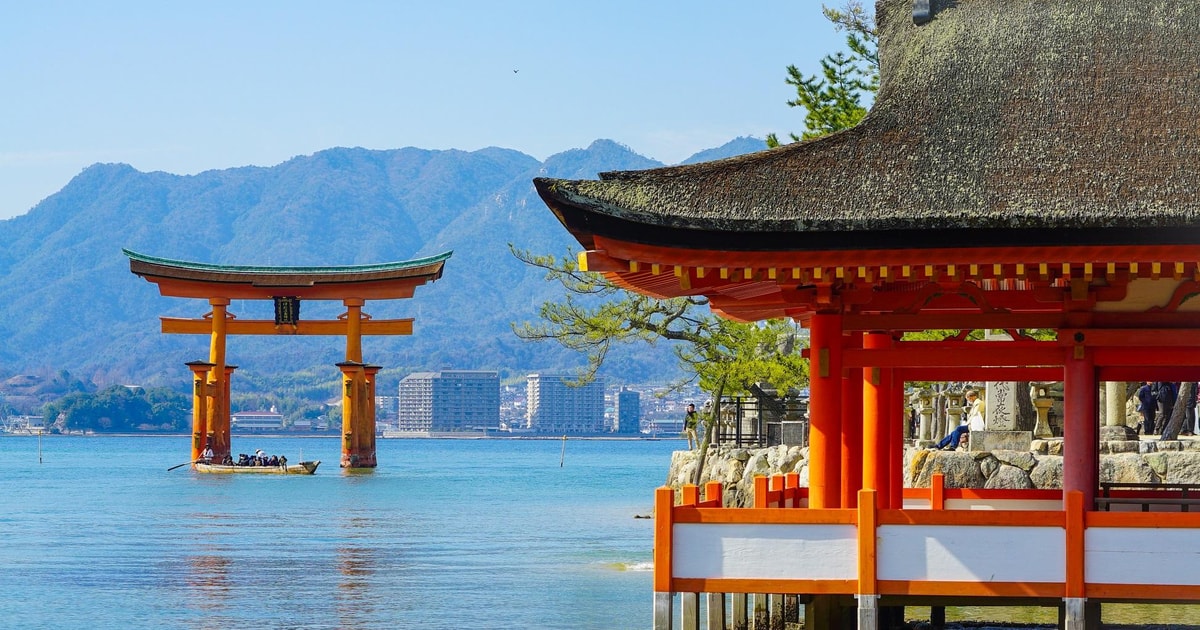
Miyajima is often photographed for its famous torii, but the island’s emotional depth comes from the relationship between shrine, sea and mountain. Mount Misen rises behind the settlement, and the forested landscape changes the experience from a sightseeing stop into something more contemplative.
Arrive early, walk slowly and, if possible, stay overnight. The island becomes quieter after the day visitors leave. That transition—from spectacle to atmosphere—is exactly the kind of transformation Luminara seeks in Setouchi travel.
Combining Setouchi with Kyoto, Osaka & Hiroshima
Setouchi is ideal as the slower chapter of a larger Japan journey. Kyoto provides temples, gardens and traditional craft. Osaka adds food and urban energy. Hiroshima introduces a profound historical dimension. Setouchi then becomes the space between them: water, islands, art and time.
A particularly elegant sequence is Tokyo → Kyoto → Osaka → Setouchi → Hiroshima/Miyajima. Another is Osaka → Takamatsu → Naoshima → Teshima → Kurashiki → Hiroshima, allowing the journey to gradually shift from urban Japan into island Japan.
Setouchi travel works especially well after several busy city days. The pace changes almost immediately once the first ferry leaves the harbour.
Before You Arrive
- Reserve major art museums and island accommodation in advance, particularly during popular periods.
- Check ferry timetables before finalising each day’s route; island travel depends on schedules.
- Pack light when moving between islands. A compact bag makes ferry and port transfers considerably easier.
- Carry comfortable walking shoes; historic districts, temple paths and island roads often involve uneven surfaces and stairs.
- For cycling, choose distances appropriate to your fitness and build weather flexibility into the plan.
- Keep one or two unscheduled windows. Setouchi is better when the itinerary can breathe.
- Recheck museum closures, exhibitions, ferry schedules and hotel arrangements shortly before travel.
Luminara Note
Do not try to see all of Setouchi in one trip. The region is too expansive and too subtle for that approach. This is the philosophy behind our Setouchi travel approach: fewer stops, deeper encounters, better memories.
Instead, choose a sequence of contrasts: a museum in the morning, a ferry at midday, a historic street in the afternoon and the sea at sunset. Stay where the day-trippers leave. Eat what the island grows. Let architecture, weather and light influence the rhythm.
The most luxurious form of Setouchi travel is not necessarily the most expensive. It is the journey with enough space to notice what other itineraries pass by.
Continue Your Japan Journey
- Tokyo — The energy of contemporary Japan.
- Kyoto — Tradition, craft and quiet refinement.
- Osaka — Food, nightlife and urban character.
- Japanese Alps — Mountains, villages, ryokan and onsen.
- Hokkaido — Wild landscapes, powder snow and northern horizons.