The Essence of Hokkaido
There is another Japan beyond the neon, temples and crowded platforms.
It begins where the roads widen, the forests deepen and the horizon seems to stretch without interruption.
Hokkaido is Japan’s northern frontier: a vast island of volcanic mountains, deep forests, powder snow, wild coastlines, flower fields, clear lakes and extraordinary seasonal produce. It feels less polished by the hand of the city and more shaped by weather, geography and time.
Hokkaido travel is an invitation to experience Japan at a larger scale. Here, luxury can mean waking beneath Mount Yotei, watching steam rise from an onsen in the snow, dining on uni and king crab by the sea, or driving through fields of lavender with no itinerary demanding your attention.
Come in winter for legendary powder. Come in summer for flowers and open roads. Come in autumn for forests of copper and gold. Come in spring for the first green after the snow.
Hokkaido does not ask you to rush. It asks you to look.
Hokkaido at a Glance
Hokkaido is Japan’s northernmost main island and one of its most diverse travel regions. The island naturally divides into central, northern, southern and eastern areas, each with its own landscapes and experiences.
Best for: powder skiing, luxury resorts, onsen, seafood, gastronomy, road journeys, wildlife, photography, flower fields and wilderness.
Ideal length: 5–10 days.
Best first journey: Sapporo → Otaru → Niseko → Furano/Biei. Travellers with more time should continue east towards Shiretoko and the Akan-Mashu region.
Winter: December–March for snow and skiing.
Summer: June–August for flowers, hiking and long scenic drives.
Autumn: September–October for foliage, food and cooler mountain air.
Spring: April–May for a quieter transition between seasons.
The most rewarding Hokkaido travel itinerary does not attempt to see everything. It chooses a landscape and gives it time.
Hokkaido, Region by Region
The island changes dramatically as you move across it. A sophisticated journey is less about collecting attractions and more about choosing the right sequence of landscapes.
Sapporo — The Northern Capital Sapporo is an elegant opening chapter for Hokkaido travel.
Sapporo is the natural urban beginning to a Hokkaido journey.
It is modern, spacious and unmistakably northern, with broad avenues, excellent restaurants and a food culture shaped by the island’s produce. Seafood, miso ramen, dairy products, crab and seasonal vegetables all have a place here.
Spend an evening exploring Susukino, visit Odori Park, or climb Mount Moiwa for a city view after dark.
Then leave the city before it becomes too familiar. The mountains are waiting.
Otaru — Canals, Glass and the Sea Otaru gives Hokkaido travel a quieter maritime character.
Otaru feels intimate compared with Sapporo.
Its historic canal, stone warehouses, glass workshops and old trading architecture reveal the city’s maritime past. The atmosphere becomes especially beautiful late in the afternoon, when the canal lights begin to glow.
Otaru is also a gateway to the Shakotan Peninsula and some of Hokkaido’s finest seafood. For travellers who enjoy food, craft and slower urban experiences, it makes a graceful overnight stop.
Niseko — Snow, Silence and Mount Yotei
Niseko is Hokkaido’s most internationally recognised mountain destination, but its appeal extends far beyond skiing.
Winter brings famously light powder snow and a sophisticated resort culture. Summer reveals another Niseko: green fields, cycling roads, rafting, hiking, golf, farm restaurants and mountain air.
Mount Yotei dominates the landscape, its almost symmetrical profile giving the region a northern counterpart to Mount Fuji.
This is where Hokkaido travel becomes a balance of adventure and restoration.
Furano — Fields Beneath the Sky Furano adds colour and countryside to Hokkaido travel.
Furano is one of Hokkaido’s great summer landscapes.
Lavender fields create waves of purple in the warmer months, but the region is much more than a seasonal photograph. Farms, vineyards, local produce, cycling routes and mountain scenery make it rewarding beyond the peak flower period.
In winter, Furano becomes a ski destination known for dry snow and expansive mountain views.
Stay close to the countryside and let the landscape become part of the morning.
Biei — The Art of Open Space Biei is ideal for the slow, scenic side of Hokkaido travel.
Biei is defined by rolling farmland, isolated trees, long roads and enormous skies.
Its famous Blue Pond is atmospheric, but the deeper pleasure is driving or cycling through the countryside, where each turn creates another composition of fields, hills and distant mountains.
Biei is particularly suited to photographers and travellers who prefer landscapes over queues.
Hakodate — History at the Edge of Japan Hakodate brings history into a Hokkaido travel itinerary.
On the southern edge of Hokkaido, Hakodate offers a different story.
Its historic district, waterfront, morning market and views from Mount Hakodate reveal the island’s opening to international trade.
Begin at the morning market for seafood, explore the old streets and finish above the city as its lights appear against the dark sea.
Hakodate adds history and atmosphere to an otherwise nature-focused journey.
Shiretoko — Where Wilderness Takes Over Shiretoko gives Hokkaido travel its wildest chapter.
Eastern Hokkaido is where the island becomes genuinely wild.
Shiretoko is a UNESCO World Natural Heritage site, known for ancient forests, dramatic coastlines, wildlife and the powerful seasonal influence of drift ice. Shiretoko Five Lakes and the Road to the Sky are among the region’s signature experiences.
For the traveller seeking the extraordinary, this is the Hokkaido to choose. The further east you go, the less the journey feels like conventional sightseeing and the more it becomes an encounter with nature.
Lake Akan, Lake Mashu & Eastern Hokkaido
Eastern Hokkaido rewards those willing to travel farther.
Lake Akan combines volcanic landscapes, forest and hot springs. Lake Mashu is celebrated for its extraordinary clarity and quiet caldera setting. Nearby Lake Kussharo and the wider Akan-Mashu region add forests, volcanic terrain and remote roads.
This is the side of Hokkaido where a morning can begin with mist over a lake and end with an onsen beneath a sky filled with stars.
The Hokkaido You Came to See
The island’s icons are memorable because they are inseparable from their surroundings.
Mount Yotei Mount Yotei is an enduring symbol of Hokkaido travel in Niseko.
The near-perfect volcanic silhouette of Mount Yotei defines Niseko. In winter it rises above white fields; in summer, green farmland frames the mountain.
Blue Pond Blue Pond adds an atmospheric stop to a Hokkaido travel route.
Near Biei, the Blue Pond is known for its striking colour and quiet forest setting. Visit early when possible, then continue into the countryside rather than stopping at a single viewpoint.
Shiretoko Five Lakes
Forests, wetlands and distant mountains create a landscape that feels completely different from resort Hokkaido. The experience is about walking slowly and noticing wildlife and weather.
Otaru Canal Otaru Canal is a natural highlight for first-time Hokkaido travel.
The canal’s historic warehouses and evening lights provide one of Hokkaido’s most atmospheric urban scenes.
Noboribetsu Hell Valley Noboribetsu adds volcanic drama to Hokkaido travel.
Jigokudani, or Hell Valley, is a volcanic landscape of steam, mineral springs and dramatic earth tones. Nearby hot spring resorts make it an ideal overnight stop.
Sapporo Snow Festival
Winter transforms Sapporo into a city of snow and light during its famous annual festival. For a winter journey, it provides a striking urban counterpoint to the mountains.
Luxury Hotels & Ryokans in Hokkaido Choosing the right hotel is central to Hokkaido travel.
A destination this expansive deserves accommodation that is part of the experience.
For Japanese Alps travel, the classic answer may be a refined ryokan. In Hokkaido, the spectrum is broader: ski-in luxury resorts, contemporary mountain retreats, secluded ryokan, lakefront hotels and future-facing wellness destinations.
The best choice depends on the landscape you want outside your window.
Park Hyatt Niseko Hanazono — Mountain Luxury
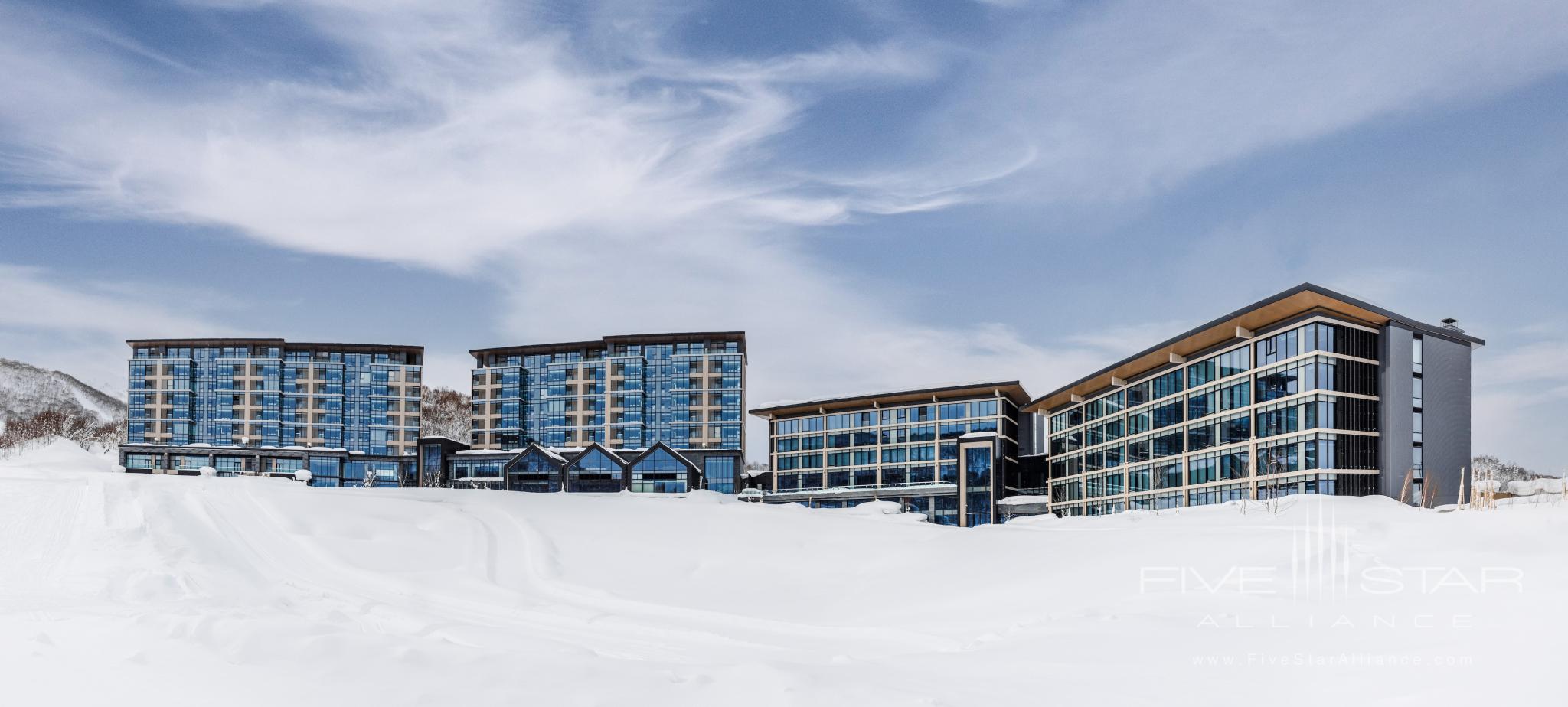
Park Hyatt Niseko Hanazono is one of the strongest luxury bases for a Niseko journey. The resort looks towards Mount Yotei and the Annupuri ranges, with large rooms and suites, contemporary design, extensive dining and suites that include private onsen.
In winter, the emphasis is naturally on snow and skiing. In summer, the property opens into golf and outdoor mountain experiences.
For travellers who want polished service without losing the landscape, it is an exceptional Hokkaido travel address.
Zaborin — The Private Ryokan Experience Zaborin gives Hokkaido travel a rare sense of privacy.
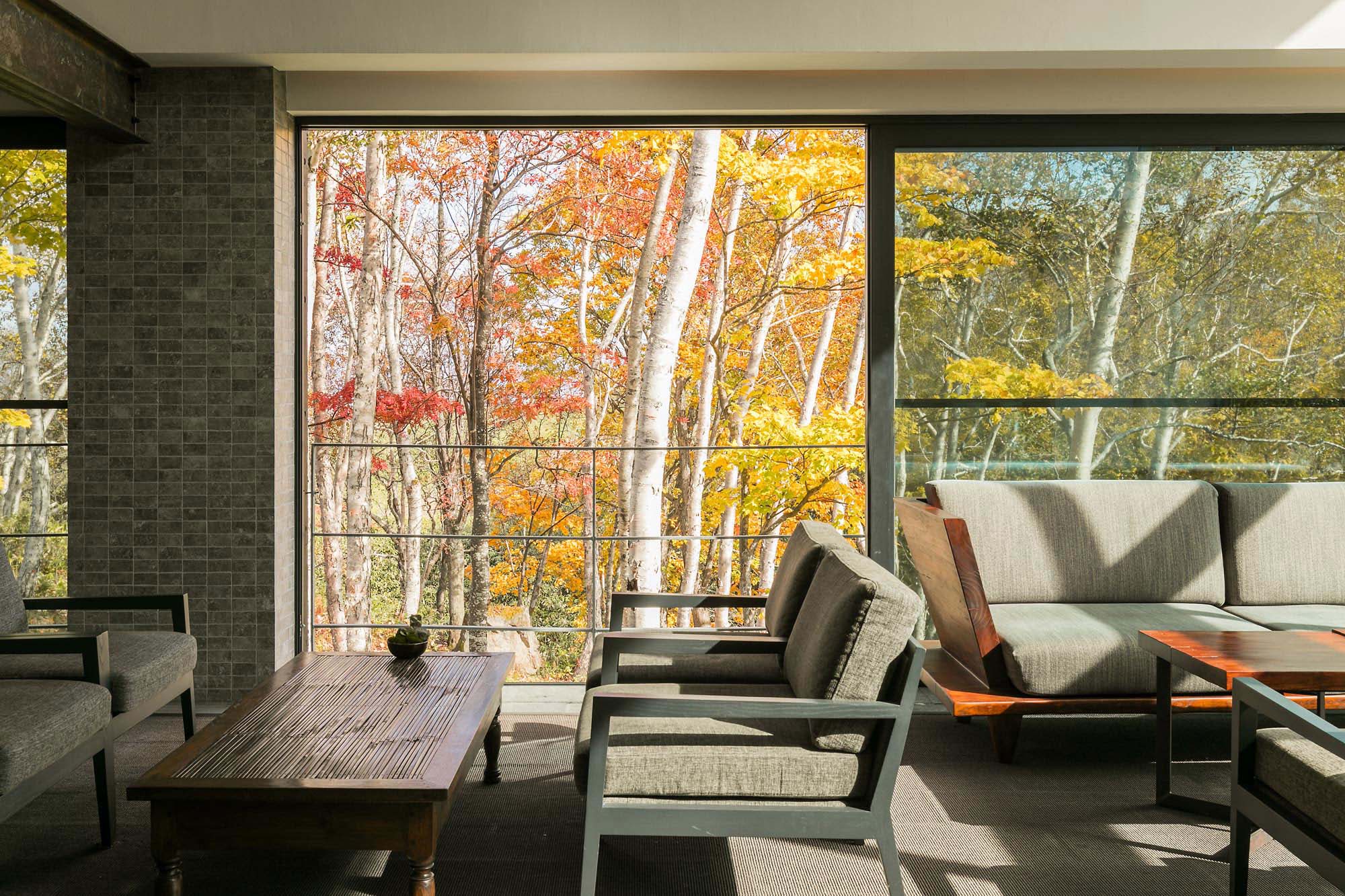
Hidden within the Hanazono forest, Zaborin offers a very different interpretation of Hokkaido luxury.
Its 15 villas each have private indoor and outdoor natural hot spring baths. The ryokan’s Kita Kaiseki cuisine interprets traditional kaiseki through Hokkaido’s seasonal produce.
This is the kind of place where the room, bath and dinner are not separate hotel amenities. They are the journey.
For couples seeking privacy and stillness, Zaborin is among the most compelling stays in Hokkaido.
Hilton Niseko Village — Resort Comfort in Nature Hilton Niseko Village works well for relaxed Hokkaido travel.
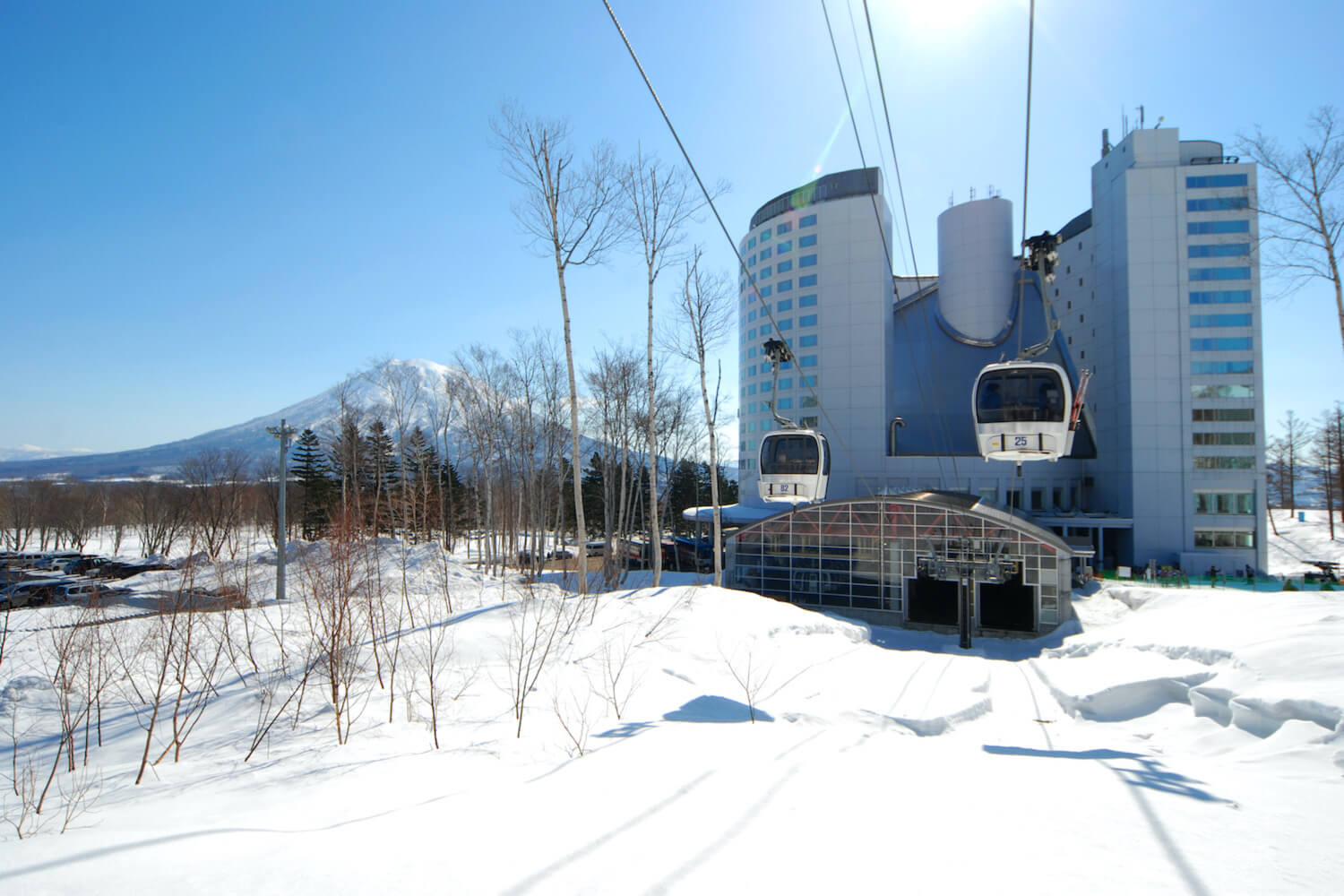
At the foot of Mount Annupuri, Hilton Niseko Village combines access to Niseko’s mountain activities with onsen, dining and resort facilities.
It works particularly well for families and multigenerational travellers who want a full-service base while keeping nature close. In winter, the resort becomes a snow-focused retreat; in warmer months, golf, rafting and other outdoor experiences take over.
Aman Niseko — The Future of Hokkaido Wellness
Aman Niseko is planned as a future addition to Hokkaido’s luxury landscape, with Aman currently listing an opening in 2030.
The project is planned on Mount Moiwa with a strong focus on wellness, nature and seasonal outdoor experiences, including skiing in winter and hiking, mountain biking and rafting in warmer months.
It belongs in a future-looking Hokkaido travel guide, but should not be presented as an operating hotel until it opens.
Onsen — The Warmest Side of the North Onsen is one of the defining rituals of Hokkaido travel.
Hokkaido’s volcanic geography has created an extraordinary onsen culture.
In Noboribetsu, steam rises from the earth. Around Lake Toya and Lake Akan, hot spring towns sit beside volcanic landscapes and forests. In Niseko, an outdoor bath can frame Mount Yotei or a winter forest.
The ritual is simple: arrive cold, enter warm water and let the body slow down.
In winter, few experiences are more luxurious than sitting in an open-air bath while snow falls silently around you.
Hokkaido at the Table Food is one of the most memorable dimensions of Hokkaido travel.
Hokkaido’s luxury is edible.
Cold northern waters provide uni, scallops, crab, salmon and an extraordinary range of shellfish. Inland farms produce dairy, vegetables, corn, potatoes and fruit. Hokkaido beef and lamb add another dimension to the table.
Sapporo is the island’s great culinary introduction. Otaru is a seafood destination. Niseko brings together local produce and sophisticated international dining. Furano and Biei offer a farm-to-table experience shaped by the landscape.
For a serious food journey, allow the itinerary to follow the harvest.
Hokkaido After Dark After dark, Hokkaido travel becomes quieter and more intimate.
Winter darkness arrives early, and that changes the rhythm of the island.
In Niseko, the mountains disappear into the night while restaurants and bars begin to glow. In an onsen town, steam rises beneath the cold sky. In eastern Hokkaido, darkness can be almost total.
This is not nightlife in the conventional sense. It is firelight, sake, hot springs, quiet dining rooms and the extraordinary luxury of being somewhere with very little artificial light.
Hokkaido Before 8 AM Before 8 AM, Hokkaido travel reveals the island at its most peaceful.
Morning is one of Hokkaido’s greatest luxuries.
The ski slopes are freshly covered. A lake can be perfectly still. Farm roads are empty. Fishing boats return with the first catch. In winter, the blue light before sunrise can make an ordinary road feel cinematic.
Start early in Biei. Walk the streets of Otaru before the crowds. Watch the first light reach Mount Yotei. In Shiretoko, give the landscape the first hours of the day.
Hokkaido rewards those who wake before it does.
Hokkaido Through the Seasons
There is no single best season. There are four completely different Hokkaidos.
Winter — The Powder Kingdom Winter is the defining season for Hokkaido travel.
Winter is the island’s most famous season. Niseko and Rusutsu become magnets for skiers, while Furano and other resorts offer exceptional snow experiences. Add an onsen, a refined hotel and a long dinner, and winter becomes deeply luxurious rather than simply adventurous.
Spring — The Island Awakens
Spring is quieter. Snow retreats, rivers swell and the first greens appear. It is a transitional season and can be ideal for travellers who prefer fewer crowds and a slower atmosphere.
Summer — Flowers, Farms and Open Roads Summer opens the roads and fields for Hokkaido travel.
Summer reveals Hokkaido’s agricultural soul. Furano’s lavender, Biei’s rolling fields, mountain roads, lakes and coastal landscapes create ideal conditions for a scenic road journey. The long daylight makes it possible to travel without rushing.
Autumn — Fire and Gold Autumn makes Hokkaido travel especially atmospheric.
Autumn brings crisp air, colourful forests and the beginning of the island’s great harvest season. Eastern Hokkaido and mountain areas become especially beautiful as the forests change colour.
A Luminara Five-Day Hokkaido Journey
Day 1 — Sapporo
Arrive in Sapporo. Explore Odori Park, the city centre and the evening food scene.
Day 2 — Otaru
Travel to Otaru. Walk the canal district, explore historic streets and enjoy a seafood-focused dinner.
Day 3 — Niseko
Continue to Niseko. Check into a luxury mountain resort or private ryokan. Spend the afternoon around the resort and finish with an onsen.
Day 4 — Niseko & Mount Yotei
Choose skiing in winter or hiking, cycling and countryside exploration in warmer months. Keep the evening slow.
Day 5 — Return via scenic countryside
Travel back towards Sapporo or New Chitose Airport, allowing time for local produce, cafés or a final mountain view.
A Luminara Seven-Day Hokkaido Journey
Day 1 — Sapporo: city, cuisine and Mount Moiwa.
Day 2 — Otaru: canal, craft, seafood and the Shakotan direction.
Day 3 — Niseko: luxury mountain retreat and onsen.
Day 4 — Niseko: full day outdoors, from skiing to hiking depending on season.
Day 5 — Furano & Biei: flower fields, farms and open countryside.
Day 6 — Lake Toya or Noboribetsu: volcanic landscapes and hot spring bathing.
Day 7 — A final slow morning before departure.
For a more remote journey, extend the trip east instead of adding another central-Hokkaido night.
Hokkaido for Different Travellers Hokkaido travel can be shaped around romance, family, skiing, photography or food.
For couples: choose Zaborin or a private-onsen suite, then build the journey around scenery, dining and long evenings.
For families: Niseko Village, resort activities, wildlife encounters and accessible countryside experiences create a balanced itinerary.
For skiers: prioritise Niseko, Rusutsu or Furano and allow extra nights rather than moving every day.
For photographers: Biei, Shiretoko, Lake Mashu, Blue Pond, Mount Yotei and winter landscapes offer radically different compositions.
For food lovers: follow seafood, dairy, farm produce, Hokkaido beef, sake and seasonal harvests across Sapporo, Otaru, Furano and Niseko.
Beyond the Famous Hokkaido The best Hokkaido travel leaves room for places without famous names.
The real luxury of Hokkaido appears when you leave the obvious route.
Drive towards the Shakotan Peninsula. Follow a coastal road without needing to stop every twenty minutes. Take a train through a landscape of snow and forest. Visit a small farm. Stay at a lake. Spend an afternoon with no landmark on the schedule.
Hokkaido is large enough to reward empty space.
Do not fill every hour.
Combining Hokkaido with Tokyo, Kyoto and Osaka Hokkaido travel becomes even more compelling when contrasted with Tokyo, Kyoto and Osaka.
Tokyo to Hokkaido: begin with Japan’s most energetic city before flying north into open landscapes and snow.
Kyoto to Hokkaido: contrast temples, gardens and traditional culture with volcanoes, forests and northern cuisine.
Osaka to Hokkaido: move from food and nightlife into another food culture—one shaped by seafood, farms and cold northern waters.
Japanese Alps to Hokkaido: the Alps offer valleys, historic mountain towns and ryokan traditions; Hokkaido adds vast skies, wilderness, powder snow and volcanic landscapes.
One Japan can feel like several countries when the itinerary is designed around contrast.
Before You Arrive
Choose your season first. Hokkaido is not one destination repeated throughout the year.
Book luxury accommodation early for peak winter periods and popular summer dates.
For multi-region journeys, consider private transfers or a carefully planned self-drive where appropriate. Distances can be substantial.
Do not underestimate winter conditions. Build generous travel time and check local weather and transport information before moving between regions.
For remote eastern journeys, plan carefully around opening seasons, wildlife experiences and limited transport options.
Most importantly, leave space. Hokkaido is at its most beautiful when the schedule becomes less important than the landscape.
Luminara Note
Hokkaido feels like Japan with the volume turned down.
The cities are smaller. The horizons are larger. The snow stays longer. The forests run deeper. The food tastes intensely of place.
There is a particular kind of luxury here: standing outside an onsen while snow falls, looking across a dark field towards a mountain; eating seafood so fresh that nothing needs to be added; driving through Biei beneath a huge northern sky; or waking in Niseko to find the world covered in untouched white.
Hokkaido is not Japan’s escape from nature.
It is Japan, fully surrendered to it.
Continue Your Japan Journey
Tokyo — Japan in Motion
Begin with the energy, design and rhythm of the capital.
Hakone — Japan in Stillness
Continue into volcanic landscapes, art and restorative onsen.
Kyoto — Japan Through the Ages
Discover temples, gardens, craftsmanship and the refined traditions of old Japan.
Osaka — Japan Comes Alive After Dark
Follow Japan’s culinary energy into a city of warmth, neighbourhoods and nightlife.
Japanese Alps — Where Japan Returns to the Wild
Move into mountain valleys, luxury ryokans, alpine landscapes and timeless villages.