The Essence of the Japanese Alps
There is a moment when Japan becomes quiet.
The city disappears behind you. The railway begins to climb. Valleys open between dark forests, snow-bright ridgelines appear beyond the glass, and the rhythm of the journey changes.
This is the Japanese Alps.
Here, Japan feels elemental: cedar forests, clear mountain rivers, old wooden houses, hot spring steam, small temples, handcrafted objects and meals shaped by the season. Luxury is not measured by how much surrounds you, but by how deeply you can experience what is already there.
Japanese Alps luxury travel is an invitation to slow down. To wake beside a mountain. To spend an afternoon walking beneath beech and larch forests. To enter an intimate ryokan, leave your shoes at the door and let a private onsen become part of the evening. To sit over a seasonal kaiseki dinner while snow gathers outside.
The Japanese Alps are not simply a mountain escape. They are another way of experiencing Japan.
Japanese Alps at a Glance
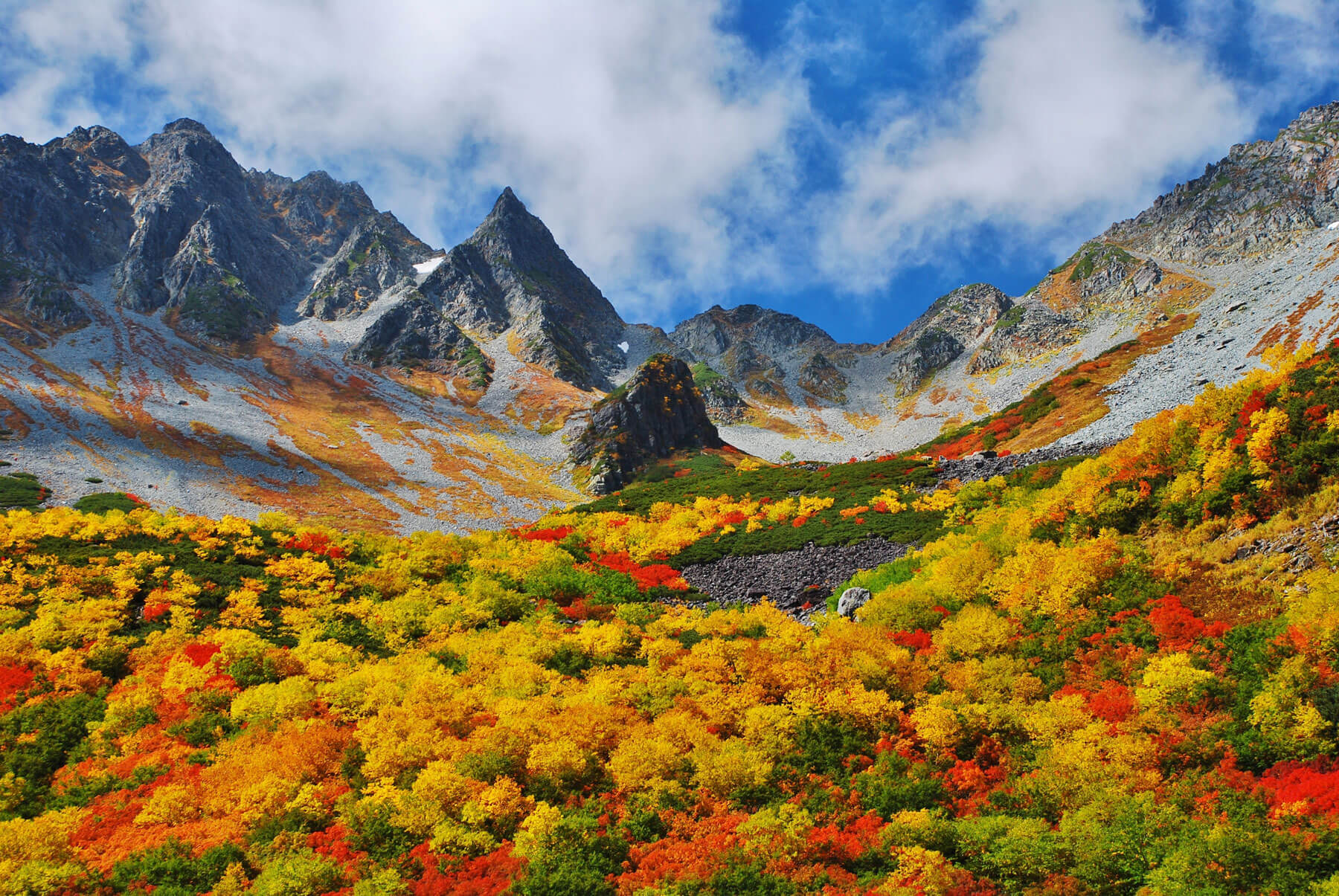
The Japanese Alps stretch across central Japan, creating a dramatic landscape of high mountains, valleys, forests and traditional communities. For a refined journey, the region works best when explored slowly rather than rushed between landmarks. Japanese Alps luxury travel is at its best when the landscape remains the centre of the experience.
Best for: mountain landscapes, luxury ryokans, onsen, hiking, skiing, photography, regional cuisine, craftsmanship and slow travel.
Ideal length: 4–7 days.
Best approach: combine two or three bases rather than attempting the entire region.
Natural gateways: Matsumoto, Takayama, Hakuba and the wider Nagano region.
Best seasons: spring through autumn for hiking and mountain scenery; winter for snow, skiing and intimate fireside stays.
The most rewarding Japanese Alps itinerary balances movement with stillness: a mountain walk followed by an onsen, a historic town followed by a long dinner, or a spectacular route followed by an unhurried night in a ryokan.
The Japanese Alps, Region by Region
The beauty of the Japanese Alps lies in contrast. Each destination has a different character, and together they reveal a side of Japan that feels far removed from its metropolitan energy.
Matsumoto — The Gateway to the Mountains
Matsumoto is where the Alps begin to feel close. For Japanese Alps luxury travel, Matsumoto is an elegant gateway between city culture and mountain country.
Its celebrated black-and-white castle rises above the city with the mountains forming a distant backdrop. Around it, quiet lanes, galleries, cafés, craft shops and old merchant streets create a cultured introduction to the region.
Spend the morning exploring Matsumoto Castle and the historic centre. Then slow the afternoon down with local sake, contemporary art or a carefully prepared regional meal.
For travellers arriving from Tokyo, Matsumoto makes an elegant first chapter before moving deeper into the mountains.
Kamikochi — A Valley of Silence
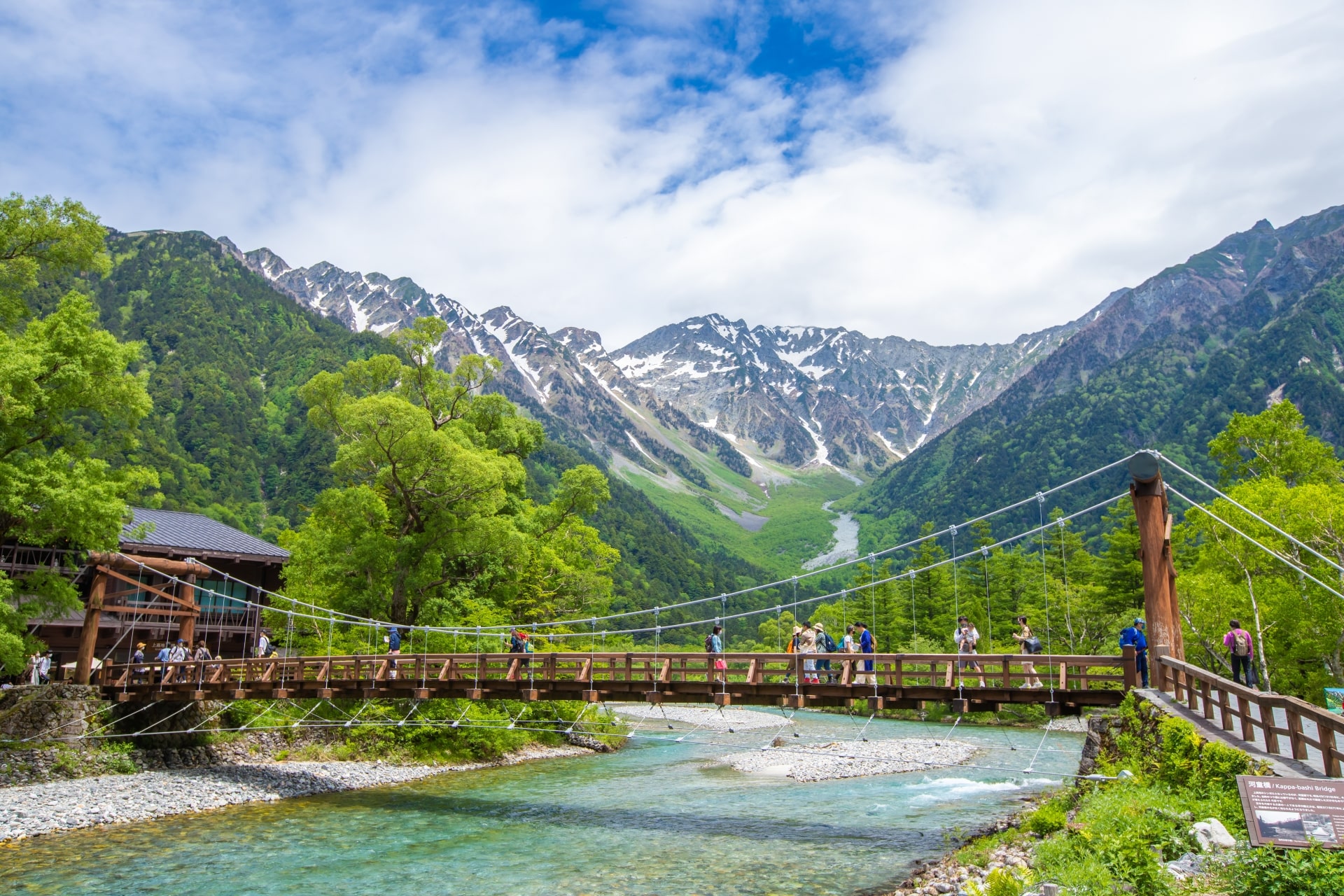
Kamikochi is the Japanese Alps at their most contemplative. Kamikochi gives Japanese Alps luxury travel its quietest expression: river, forest, peaks and time.
At around 1,500 metres, the valley follows the Azusa River through the Northern Alps, with Kappabashi and the peaks of the Hotaka Range creating one of central Japan’s most memorable landscapes.
The experience is deliberately unhurried. Walk beside the river. Pause beneath the trees. Watch the light move across the mountains. Let the landscape set the pace.
Kamikochi is seasonally accessible and private cars are not permitted within the valley, helping preserve its quiet character. The 2026 public season runs from late April into November, with exact access dependent on conditions.
Hakuba — The Alps in Motion
Hakuba changes personality with the seasons. Hakuba adds a more active dimension to Japanese Alps luxury travel, especially in winter.
In winter, its broad valleys and surrounding peaks create one of Japan’s most celebrated ski destinations. In warmer months, the same landscape becomes a world of hiking, cycling and highland adventure.
For luxury travellers, Hakuba works particularly well when outdoor days are balanced with sophisticated accommodation, excellent dining and time to recover properly. The mountain is the main event; everything else should frame it.
Takayama — The Soul of Hida
Takayama feels like a town that has learned to preserve time. Takayama brings craftsmanship, sake and regional character into Japanese Alps luxury travel.
Timber merchant houses line the old streets. Morning markets bring farmers and local producers into town. Sake breweries reveal the importance of clean mountain water, while traditional crafts remain part of everyday culture.
Takayama is also one of the most atmospheric bases for exploring the wider Alps. Stay long enough to experience it after the day-trippers leave, when lantern light settles over the wooden streets and dinner becomes the evening’s central ritual.
Shirakawa-go — A Village Beneath the Snow
In the mountains of Gifu, Shirakawa-go appears almost dreamlike. Shirakawa-go gives Japanese Alps luxury travel a rare connection to living mountain architecture.
Its gasshō-zukuri farmhouses, steeply pitched roofs and surrounding forest create a landscape that changes dramatically with the seasons. Winter brings snow-covered rooftops; summer brings intense green; autumn turns the surrounding hills into layers of gold and amber.
Rather than treating Shirakawa-go as a quick photograph stop, take time to understand the architecture, farming traditions and relationship between the village and its mountain environment.
Tateyama–Kurobe — Across the High Alps
The Tateyama–Kurobe Alpine Route turns the journey itself into the attraction. The Alpine Route makes Japanese Alps luxury travel feel cinematic, with the journey itself becoming the destination.
Across 37.2 kilometres, travellers move through a sequence of mountain landscapes using different forms of transport, climbing to elevations of almost 3,000 metres. The route crosses deep valleys, high ridges and the dramatic Kurobe Dam landscape.
In 2026, the route is scheduled to operate from 15 April to 30 November, subject to seasonal and operational conditions.
For a first-time visitor, it is one of the most extraordinary ways to understand the scale of the Japanese Alps.
The Japanese Alps You Came to See
The mountains reward attention. Some sights are spectacular; others become memorable only when you stop long enough to notice them.
The Hotaka Range
Jagged peaks rise above Kamikochi and create the defining silhouette of the valley. Early morning is especially beautiful, when the first light touches the ridges and the river remains almost perfectly still. Japanese Alps luxury travel is often defined by the Hotaka Range at first light.
The Azusa River
Clear, cold and impossibly photogenic, the Azusa River gives Kamikochi its sense of movement. Walking beside it is one of the simplest—and most rewarding—experiences in the region. The Azusa River is one of the simplest pleasures of Japanese Alps luxury travel.
Matsumoto Castle
Known for its distinctive dark exterior, Matsumoto Castle is one of Japan’s most iconic original castles. Its relationship with the surrounding mountains makes it an especially elegant beginning to an Alps journey. Matsumoto Castle gives Japanese Alps luxury travel a graceful cultural beginning.
The Alpine Route
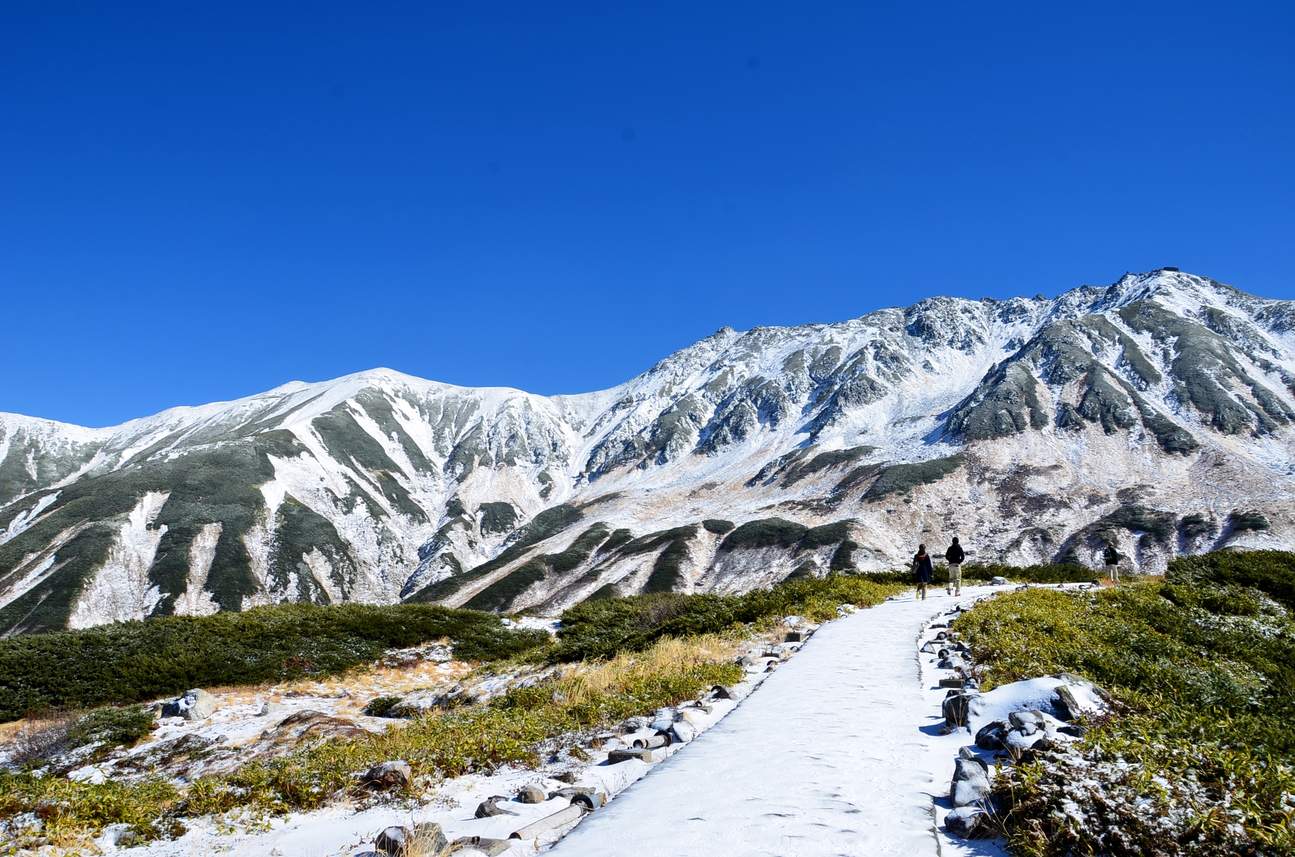
The Tateyama–Kurobe route is less about reaching a single viewpoint than experiencing an entire vertical landscape—from valleys to high mountain passes. The Alpine Route belongs on any Japanese Alps luxury travel itinerary built around dramatic scenery.
Shirakawa-go
The village’s traditional gasshō architecture reveals how communities adapted to extraordinary snowfall and mountain conditions. Its beauty is inseparable from its history. Shirakawa-go adds an atmospheric village chapter to Japanese Alps luxury travel.
Hakuba in Winter
Snow transforms Hakuba into a different world. The peaks become sharper, forests quieter and evenings more intimate. For skiers, the mountains provide the action; for non-skiers, the landscape itself can be the reason to stay. Hakuba in winter is the adventurous side of Japanese Alps luxury travel.
The Luxury of the Japanese Alps
Luxury in the Japanese Alps means time. The finest Japanese Alps luxury travel experiences give you more time, not more noise.
Time to arrive before dinner rather than after it. Time to soak in a private bath. Time to watch a mountain change colour. Time to sit through a multi-course dinner without checking the clock.
The most memorable stays are often the ones that do not try to compete with the landscape. They frame it.
Think understated architecture, natural materials, exceptional hospitality, intimate dining, mountain views and a level of service that feels intuitive rather than theatrical.
Hotels & Ryokans Worth Building a Journey Around
The right hotel can change the entire character of a Japanese Alps itinerary. Choose a property that allows the landscape, cuisine and local culture to become part of the stay rather than simply providing a room.
KAI Matsumoto — A Contemporary Ryokan Experience
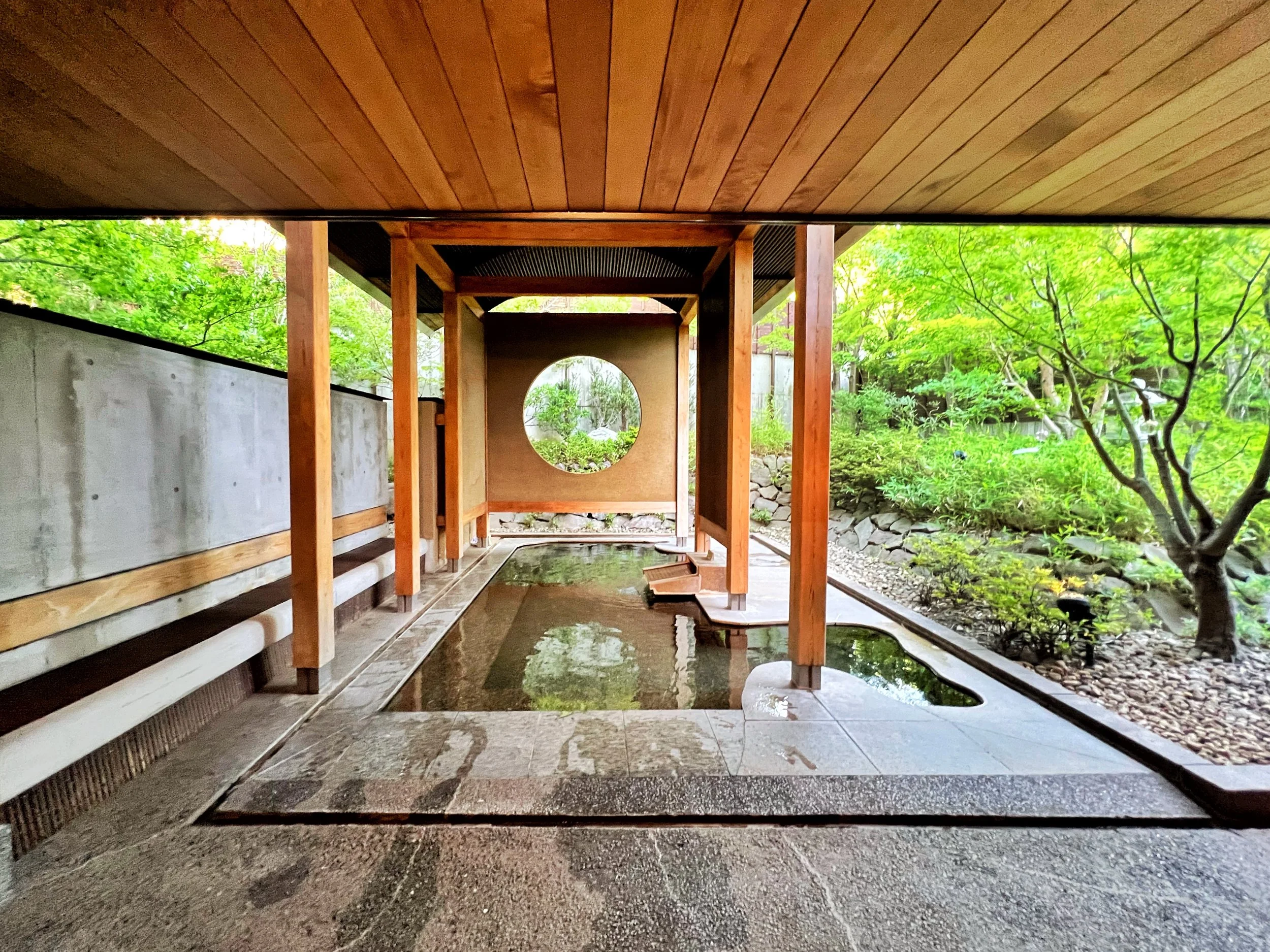
In Matsumoto, KAI Matsumoto offers a modern interpretation of the ryokan tradition. The experience is built around regional culture, onsen bathing, local cuisine and a strong sense of place—an excellent choice for travellers who want their first mountain night to feel distinctly Japanese. KAI Matsumoto is a natural choice for Japanese Alps luxury travel when regional culture and ryokan hospitality matter.
Kamikochi Imperial Hotel — An Alpine Classic
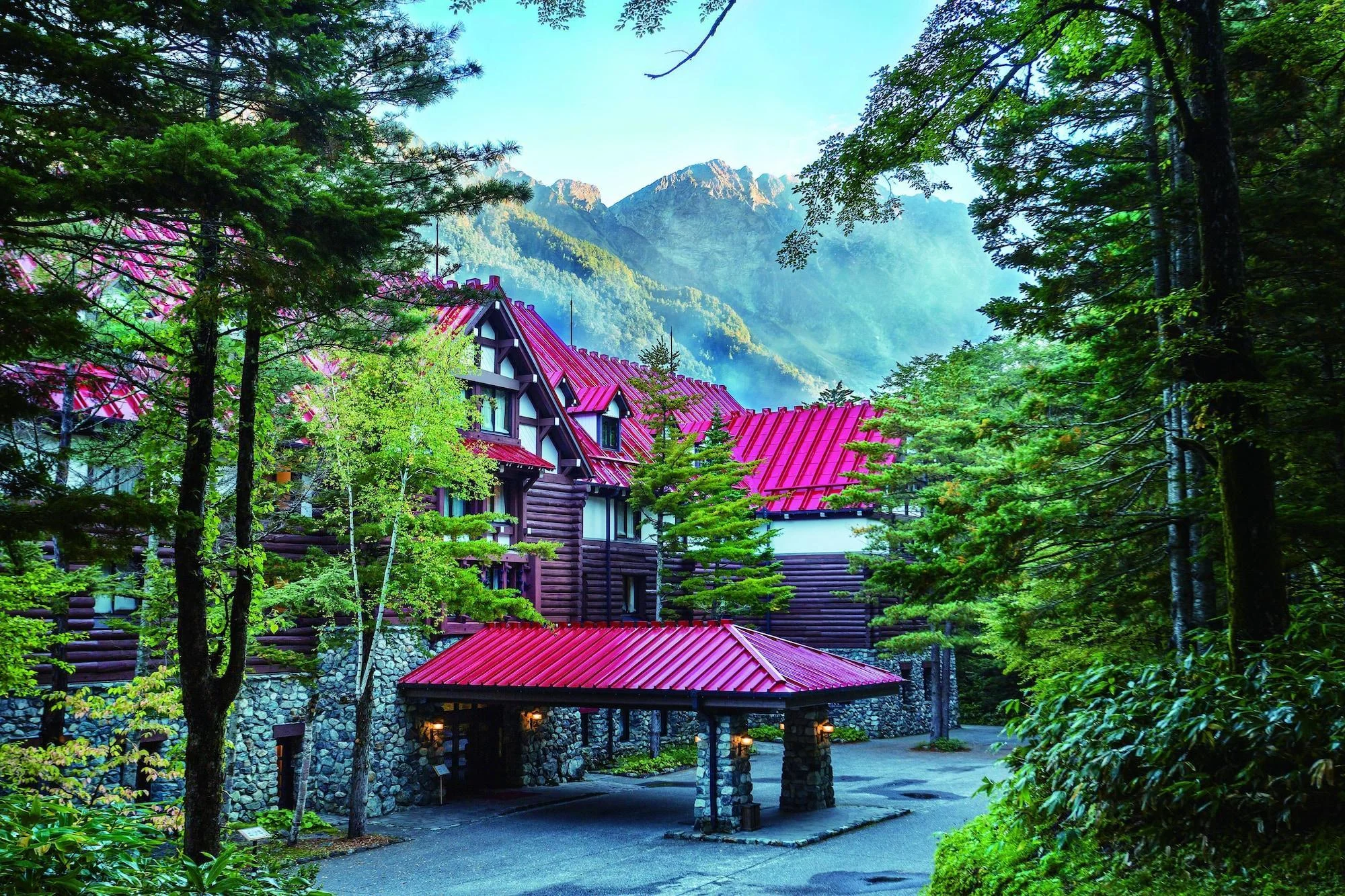
Set within Kamikochi, the Kamikochi Imperial Hotel has long been associated with the valley’s refined mountain hospitality. Its location makes the surrounding landscape part of the experience: mornings begin with the Alps, and evenings return you to the quiet of the valley. Kamikochi Imperial Hotel is an especially evocative base for Japanese Alps luxury travel within the valley.
Futari Tamagawa — Intimate Mountain Luxury
For travellers seeking a more intimate style of stay, smaller ryokan and boutique mountain inns around the region can be especially rewarding. The appeal is personal hospitality, seasonal food and the feeling that the property belongs to the landscape rather than sitting apart from it.
The Ritz-Carlton, Nikko — A Refined Extension
If your wider journey includes Nikko, The Ritz-Carlton, Nikko provides a polished mountain-lake extension with a strong sense of nature, Japanese design and restorative stillness. It works particularly well as a transition between Tokyo and a longer mountain itinerary.
Luxury Ryokan — The Art of Staying Slowly
A ryokan is not simply accommodation. It is a sequence of rituals. A well-chosen ryokan is central to Japanese Alps luxury travel because the stay becomes part of the journey.
Shoes removed at the entrance. A quiet room opening towards a garden or mountain. Yukata after the bath. Tea. Seasonal dishes arriving one course at a time. The sound of water somewhere beyond the room.
In the Japanese Alps, this slower rhythm feels completely natural.
Choose a ryokan with a private onsen if privacy matters, or select a property known for its cuisine if dining is central to your journey. The best luxury travel in the Japanese Alps is rarely about a long list of facilities. It is about how beautifully the stay fits the place.
Onsen — Japan in Warm Water
After a day in the mountains, few experiences feel more Japanese than an onsen. An onsen transforms Japanese Alps luxury travel into a ritual of warmth, silence and recovery.
Hot spring water, cool mountain air and the sound of a forest beyond the bath create a simple ritual that can feel almost meditative. In winter, the contrast becomes extraordinary: warm water, cold air and snow-covered trees.
Private baths are ideal for couples and travellers seeking complete privacy; traditional communal baths offer a more authentic cultural rhythm.
Either way, the rule is simple: arrive slowly, stay longer than necessary and let the mountain day disappear.
The Japanese Alps at the Table
Mountain cuisine is defined by what the landscape can provide. Seasonal dining gives Japanese Alps luxury travel another way to understand the mountains.
Wild vegetables appear in spring. Mushrooms become central in autumn. River fish, soba, miso, pickles and mountain herbs bring the surrounding terrain to the table. In Hida, finely marbled Hida Beef is one of the region’s celebrated specialties.
Sake also belongs naturally here. Mountain water is prized for brewing, and visiting a small brewery in Takayama can reveal another layer of the region’s identity.
For a truly elevated journey, make dining part of the itinerary—not something fitted around sightseeing.
Japanese Alps After Dark
When the sun disappears behind the peaks, the Japanese Alps become almost completely different. After dark, Japanese Alps luxury travel becomes quieter, warmer and more intimate.
There are fewer lights. Fewer sounds. The mountains turn into silhouettes, and the evening moves indoors.
This is when the ryokan becomes the destination.
A private bath. A seasonal dinner. A glass of sake. A fire or quiet lounge. A final look outside before the curtains close.
The luxury is in the absence of noise.
Japanese Alps Before 8 AM
Mountain mornings are worth protecting. Before 8 AM, Japanese Alps luxury travel reveals the mountains at their most serene.
Before the coaches arrive and the walking paths become busier, the valleys feel almost private. Mist can linger above the river. Birds move through the trees. The peaks slowly emerge as the light strengthens.
In Kamikochi, an early walk beside the Azusa River can become one of the defining memories of the entire journey.
In Matsumoto, the castle is at its most peaceful early in the day.
In Takayama, the morning markets offer a glimpse of local life before the town fully wakes.
Wake early. The Alps will reward you.
Japanese Alps Through the Seasons
Every season changes the emotional character of the mountains.
Spring — Water, Green and Awakening
Spring brings fresh colour to the valleys, melting snow and the first signs of the hiking season. Kamikochi’s 2026 season begins in April, with the official public opening scheduled for 27 April; access and opening dates can vary with conditions. Spring gives Japanese Alps luxury travel a sense of renewal as snow gives way to fresh green.
Summer — Highlands in Full Colour
Summer is the season for long walks, cooler mountain air and extended days outdoors. The valleys are green, rivers run clear and highland trails invite slower exploration. Summer makes Japanese Alps luxury travel ideal for long walks and cool mountain air.
Autumn — The Most Cinematic Season
Autumn may be the most beautiful time for a luxury journey through the Japanese Alps. Larch, beech and maple forests transform the mountains into layered colour. At Tateyama–Kurobe, foliage begins at higher elevations and gradually moves into the valleys. Autumn is perhaps the most photogenic season for Japanese Alps luxury travel.
Winter — Snow, Silence and Firelight
Winter creates the Alps of imagination: deep snow, white peaks, steaming baths and warm interiors. Hakuba becomes the natural centre of a ski-focused itinerary, while mountain ryokans offer a more contemplative alternative. Winter turns Japanese Alps luxury travel into a world of snow, onsen and fireside evenings.
A Luminara Four-Day Japanese Alps Journey
Day 1 — Matsumoto
Arrive in Matsumoto. Explore the castle and old streets before settling into a refined ryokan. End the day with a regional dinner and sake.
Day 2 — Kamikochi
Travel into the mountains. Walk beside the Azusa River and around Kappabashi, then return to your accommodation for an onsen and seasonal dinner.
Day 3 — Takayama
Continue towards Hida. Explore the old town, morning markets and sake breweries. Spend the evening in a traditional ryokan.
Day 4 — Shirakawa-go
Travel into the historic village of Shirakawa-go. Explore its gasshō-zukuri houses and mountain setting before continuing onward.
A Seven-Day Japanese Alps Journey
Day 1 — Matsumoto: castle, culture and a refined first night.
Day 2 — Kamikochi: enter the valley and walk the river trails.
Day 3 — Kamikochi: slow morning, longer trail and private onsen.
Day 4 — Takayama: old streets, crafts, markets and Hida cuisine.
Day 5 — Shirakawa-go: architecture, village life and mountain scenery.
Day 6 — Hakuba: move into the Northern Alps for outdoor adventure or a restorative mountain day.
Day 7 — Final onsen morning: finish without rushing, allowing the last hours to belong to the mountains.
The Japanese Alps for Different Travellers
For couples: private onsen, intimate ryokan, scenic dinners and slow mornings create a deeply romantic journey. Japanese Alps luxury travel can be shaped beautifully for couples, families, photographers and food lovers.
For families: combine accessible walks, village experiences, local trains and hands-on cultural activities with comfortable mountain stays.
For photographers: prioritise early starts, changing weather, autumn foliage, misty rivers and mountain light.
For food lovers: build the journey around Hida Beef, soba, sake breweries, seasonal mountain vegetables and ryokan kaiseki.
For adventure travellers: Hakuba, Kamikochi and the high Alpine routes provide hiking, skiing and a powerful sense of scale.
Beyond the Famous Japanese Alps
Some of the most memorable moments happen between destinations. The best Japanese Alps luxury travel leaves room for discoveries between the famous places.
A local train crossing a valley. A roadside stop with no famous name. A mountain station where the air suddenly becomes colder. A tiny shrine beside a forest. A family-run restaurant discovered because the timetable left you with an hour to spare.
This is why a Japanese Alps itinerary should have breathing room.
The region rewards curiosity more than speed.
Combining the Japanese Alps with Tokyo, Kyoto and Osaka
Tokyo to the mountains: begin with the energy of Tokyo, then transition into Matsumoto and the Alps for contrast. Japanese Alps luxury travel pairs naturally with Tokyo, Kyoto and Osaka for a richer Japan journey.
Kyoto to the mountains: pair temples, gardens and refined cuisine with the forests, villages and hot springs of the Alps.
Osaka to the mountains: move from Osaka’s food, nightlife and urban energy into a quieter mountain landscape.
Mountains to Kyoto: finish a mountain journey in Kyoto, allowing the transition from wilderness to traditional city culture to feel deliberate rather than abrupt.
The result is not simply a checklist of destinations. It is a journey through different versions of Japan.
Before You Arrive
Plan around the mountains. Weather and seasonal access can influence routes and experiences.
Reserve the right accommodation early, especially during autumn foliage and winter ski periods.
Start early on major sightseeing days. The first hours are often the most atmospheric.
Travel light where possible. Luggage forwarding can make multi-stop journeys considerably easier.
Check seasonal operating conditions immediately before travel. Mountain transport, trails and facilities can be affected by weather.
Luminara Note
Japan becomes quiet here.
Not empty. Not untouched. Simply quieter.
The Japanese Alps reveal a country where hospitality is still measured in small gestures, where food follows the seasons and where a journey can be defined by a river, a bath, a wooden house or the first light on a mountain.
Come for the peaks.
Stay for everything around them.
Continue Your Japan Journey
Tokyo — Japan in Motion
Begin with the rhythm, design and energy of Japan’s capital.
Hakone — Japan in Stillness
Move from city energy into volcanic landscapes, art and restorative onsen.
Kyoto — Japan Through the Ages
Continue into temples, gardens, craftsmanship and the refined traditions of old Japan.
Osaka — Japan Comes Alive After Dark
Finish with food, neighbourhood energy and the unmistakable warmth of Osaka.
One Japan. Many ways to experience it.